
We manufacture and customize industrial
motion belts to precisely match mainstream
equipment worldwide.
Timing Belt Basics & Product Selection
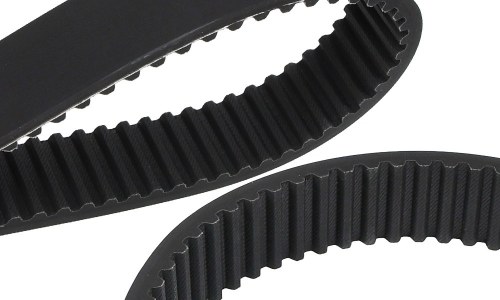
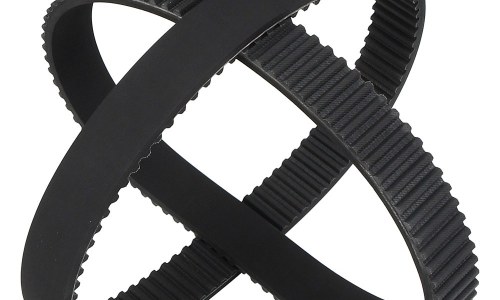
 What Is a Timing Belt? Complete Guide to How It Works, Types and Industrial Uses (2026)Oct 15,2026A timing belt is a toothed, positive-drive belt that synchronises two or more shafts without slip. This 2026 guide explains what a timing belt is, how a timing belt works, the main tooth profiles and materials, and where industrial timing belts are used in packaging, printing and automation machinery. Includes a profile comparison table, an OEM selection checklist and answers to the questions engineers ask most.
- Timing Belt vs Serpentine Belt vs V-Belt: Which Drive Belt Fits Your Machine?Oct 15,2026Serpentine belt vs timing belt vs V-belt — which one belongs on your machine? This guide compares synchronous and friction drives on function, slip, noise, speed and total cost, shows where each family wins, and gives a simple selection flow for OEMs and maintenance teams. Includes a side-by-side comparison table and a poly-V vs timing belt section for high-speed equipment.
- Rubber Timing Belt: The Complete Buyer Guide for OEMs and Machine BuildersOct 15,2026A practical buyer guide to rubber timing belts for OEMs and machine builders: how a quality rubber timing belt is constructed, the compounds that matter, the specs to check before ordering, how rubber timing belt HS code classification works for imports, and how GOODLY holds pitch accuracy in volume production. Includes a spec checklist and a sample-and-drawing request path.
- Rubber vs Polyurethane Timing Belts: Material Comparison for Industrial DrivesOct 15,2026Rubber vs polyurethane timing belts compared for industrial drives: abrasion resistance, temperature range, chemical resistance, backings and load behaviour. Learn when a polyurethane timing belt outperforms rubber, when rubber wins, and how PU timing belts perform in robotic automation. Includes a head-to-head comparison table and a specification review path.
- Silicone Timing Belt: Heat-Resistant Drive Belts for Food and Pharma MachineryOct 15,2026Silicone timing belts are the heat-resistant, food-contact choice for sealing, wrapping and pharmaceutical machinery. This guide covers silicone timing belt properties, temperature range and hygiene, silicone vs rubber selection, food-grade and FDA-compliant options, and how GOODLY customises colours, durometers and profiles. Includes a properties table and a compliance checklist.
- Vulcanized Timing Belt Explained: Strength, Process and When You Need OneOct 15,2026Vulcanized timing belts are cured under heat and pressure to bond the tooth, cord and backing into one high-strength body, giving more strength than a simple moulded belt. This guide explains what vulcanisation means, how a vulcanized rubber timing belt differs from a moulded one, when a drive truly needs it, and how silicone vulcanised belts combine heat resistance with strength. Includes a comparison table and volume-production notes.
- Silicone vs Rubber Timing Belts: Which Handles Heat, Oil and Food Contact Best?Oct 15,2026Silicone vs rubber timing belts compared on the three conditions that decide the choice: heat, oil and food contact. This guide covers silicone rubber vs neoprene, the difference between neoprene, EPDM and natural rubber grades, what FDA and EU food-contact rules require, and a simple mapping from machine conditions to the right material. Includes a four-material comparison table.
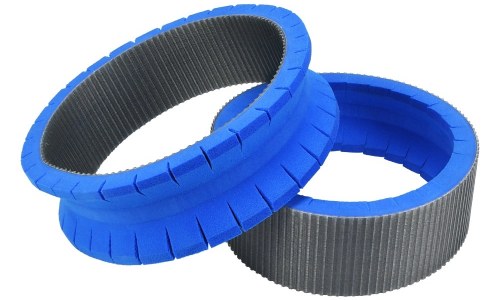
- Sponge Timing Belt and Foam-Coated Belts: Gentle Handling for Packaging LinesOct 15,2026Sponge timing belts and foam-coated belts carry fragile product without crushing, scratching or marking it. This guide explains how a sponge timing belt is constructed, what a foam backing adds in compression and friction, how sponge-coated belts differ from rubber-coated belts, and where they are used in biscuit, chocolate, confectionery and pharma handling. Includes a backing comparison and custom options.
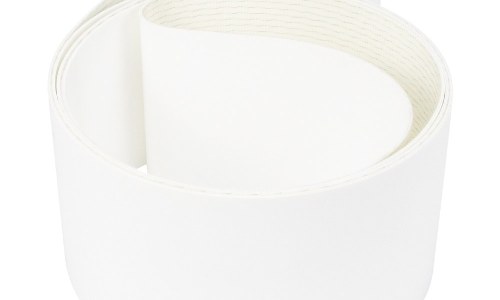
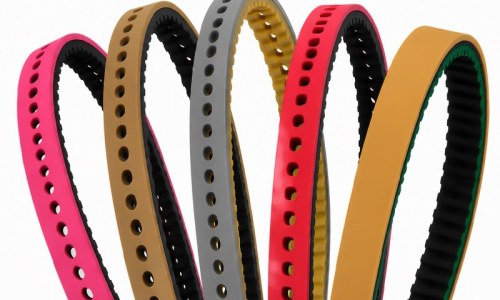
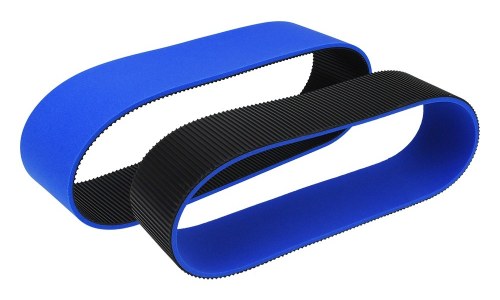
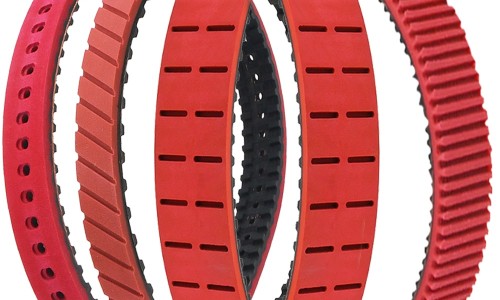
- Rubber Coated Timing Belt 101: Backings, Friction Surfaces and Custom OptionsOct 15,2026A rubber coated timing belt adds a rubber layer to the back of a synchronous belt for grip, traction and cushioned conveying. This 101 guide explains what rubber coated belts are, the difference between smooth, traction and cushioned backings, how to choose coating hardness and thickness, where they are used in packaging and conveying, and how GOODLY takes a custom rubber coated belt from drawing to mass production.
- Timing Belt Materials Explained: Rubber, Neoprene, Silicone, PU and ReinforcementsOct 15,2026Timing belt materials explained: rubber, neoprene, EPDM, silicone, polyurethane, plus Kevlar, carbon fibre and nylon reinforcements. This guide compares the elastomers on temperature, oil, abrasion and food contact, explains how the tension member changes strength and stretch, and ends with a material selection checklist for design engineers. Includes a full comparison table.
- What Are Rubber Coated Belts? A Key to Synchronized Power TransmissionJul 17,2026Rubber coated belts, widely recognized as synchronous or timing belts, are critical components in contemporary mechanical systems, providing precise and highly efficient power transmission. Their operational fundamental relies on "positive engagement," where the belt's teeth seamlessly interlock with grooved pulleys, effectively eliminating slip and guaranteeing synchronized motion. This inherent precision is vital for applications where exact timing is paramount, including automotive engines, r
- Metric Timing Belt Technology: The Crucial Role of Pitch in System DesignJul 10,2026This article offers an in-depth exploration of metric timing belts, focusing on the critical role of "pitch" in mechanical system design and performance. Pitch, defined as the precise distance from the center of one belt tooth to the next along the pitch line, is fundamental for achieving synchronized movement, determining load-carrying capacity, and ensuring operational precision. The text advocates for metric timing belts as the modern standard, citing their superior performance, global standa
Are you looking for a reliable manufacturer of conveyor belt products?
We can quickly provide customers with market analysis, technical support and customized services.We manufacture and customize industrial
motion belts to precisely match mainstream
equipment worldwide.
Please send your message to us
- Name
- Phone
- *Title
- *Content