
Serrated Idler Gear Timing Pulley
Serrated Idler Gear Timing Pulley: serrated idler and tensioner pulleys that guide the belt and damp vibration.
A GOODLY serrated idler gear timing pulley is a timing pulley with a serrated, toothed rim used as an idler or tensioner running against the belt. The serrations help the idler grip the belt to reduce vibration and keep tension even, while its bearing lets it spin freely on a fixed shaft. Serrated idler pulleys are used on long or reversing drives to guide the belt, damp vibration and extend belt life.
- ISO 9001 Certified
- 15+ Years OEM/ODM
- Engineer-to-Engineer Support
- Fast Global Shipping
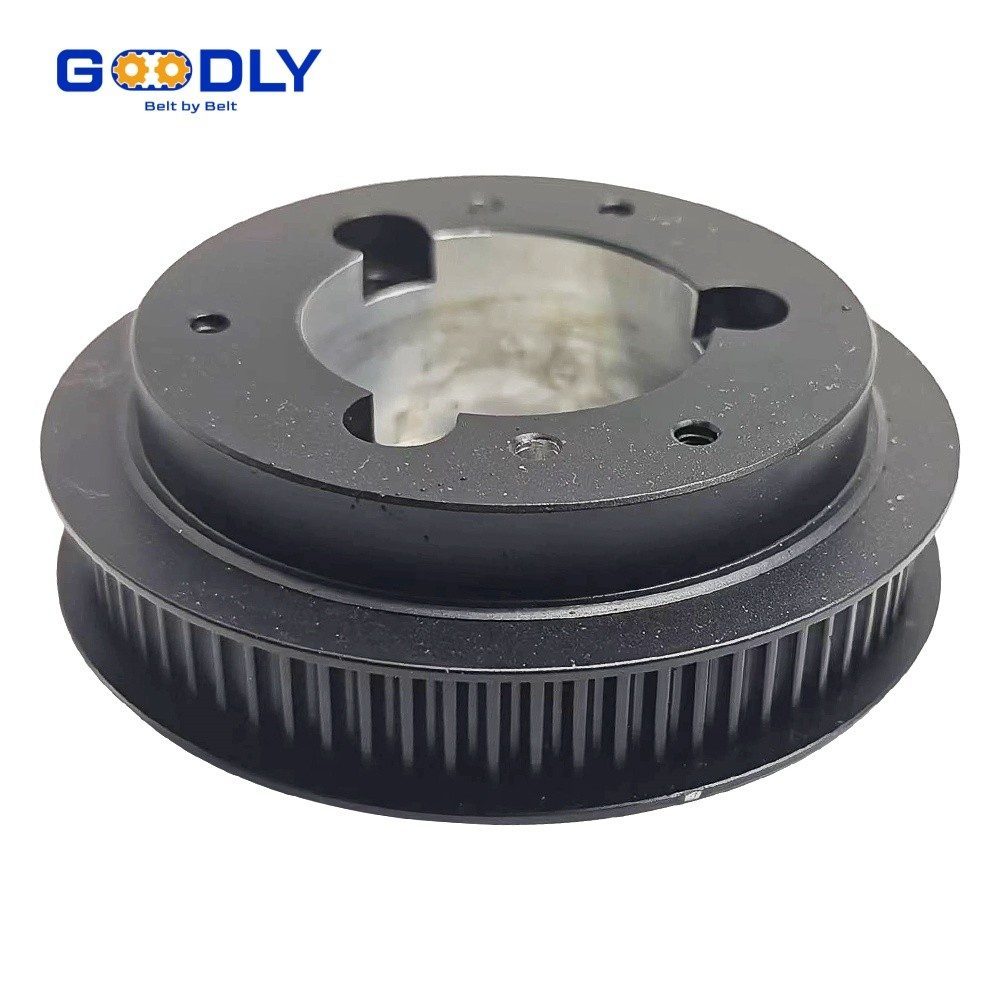
What Is a Serrated Idler Gear Timing Pulley?
A serrated idler gear timing pulley is a timing pulley with a serrated, toothed rim used as an idler or tensioner running against the belt. The serrations help the idler grip the belt to reduce vibration and keep tension even, while its bearing lets it spin freely on a fixed shaft. Serrated idler pulleys are used on long or reversing drives to guide the belt, damp vibration and extend belt life.
Because we manufacture in our own plant, we can advise on the right compound, cord and tooth profile for your machine before you order, and back it up with sample belts for your own testing.
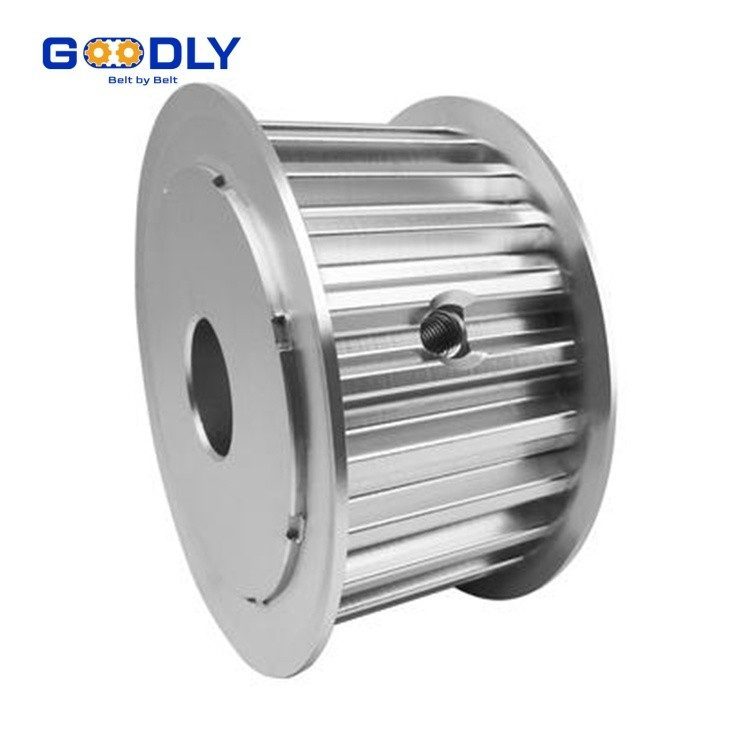
Key Advantages of Our Serrated Idler Gear Timing Pulley
Every belt is engineered, moulded and inspected in house, so the advantages below are backed by real production data rather than marketing language.
Smooth Idler Rotation
Precision bearings let the idler spin freely on a fixed shaft with minimal drag.
Vibration Reduction
The serrated rim grips the belt gently to damp vibration and keep the run smooth.
Even Belt Tension
Used as a tensioner, it holds the belt at the right load to prevent slip and flapping.
Extends Belt Life
Guiding the belt and controlling vibration reduces wear and premature failure.
Precision Aluminium
Machined from aluminium alloy for light weight and accurate geometry.
Own Machining Shop
Turned, hobbed, bearing-fitted and finished in our factory for consistent quality.
Why Buyers Choose GOODLY as Their Serrated Idler Gear Timing Pulley Supplier
GOODLY is a belt manufacturer in Guangzhou, China, not a trading company. We control the compound, the cord, the moulding and the final inspection, which is why our serrated idler gear timing pulley keeps the same performance from the first sample to the last production batch. Send us a drawing or a used belt and we will match it, improve it if we can, and supply it on a schedule you can plan around.
- Serrated Idler Gear Timing Pulley manufactured in our own Guangzhou factory
- ISO 9001 quality system with records for every batch
- Engineer-to-engineer support from sample to production
- Full material and dimensional reports on request
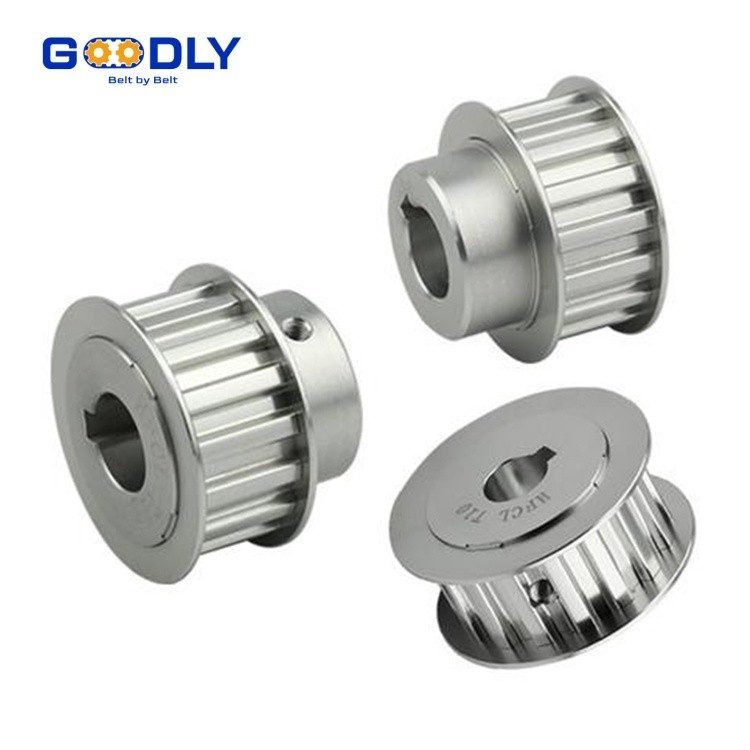
Serrated Idler Gear Timing Pulley Support from Our Engineering Team
When you buy a serrated idler gear timing pulley through GOODLY you deal directly with the people who make it. Our technical team works from your drawing, sample or machine details, recommends the compound and tension member, and follows the order through production and testing. This engineer-to-engineer support is the reason most of our customers reorder, and it is available before, during and after every shipment.
- Technical drawings and material reports supplied on request
- Samples produced for machine trials before volume orders
- One point of contact from enquiry to delivery
- Export packing and worldwide shipping handled in house
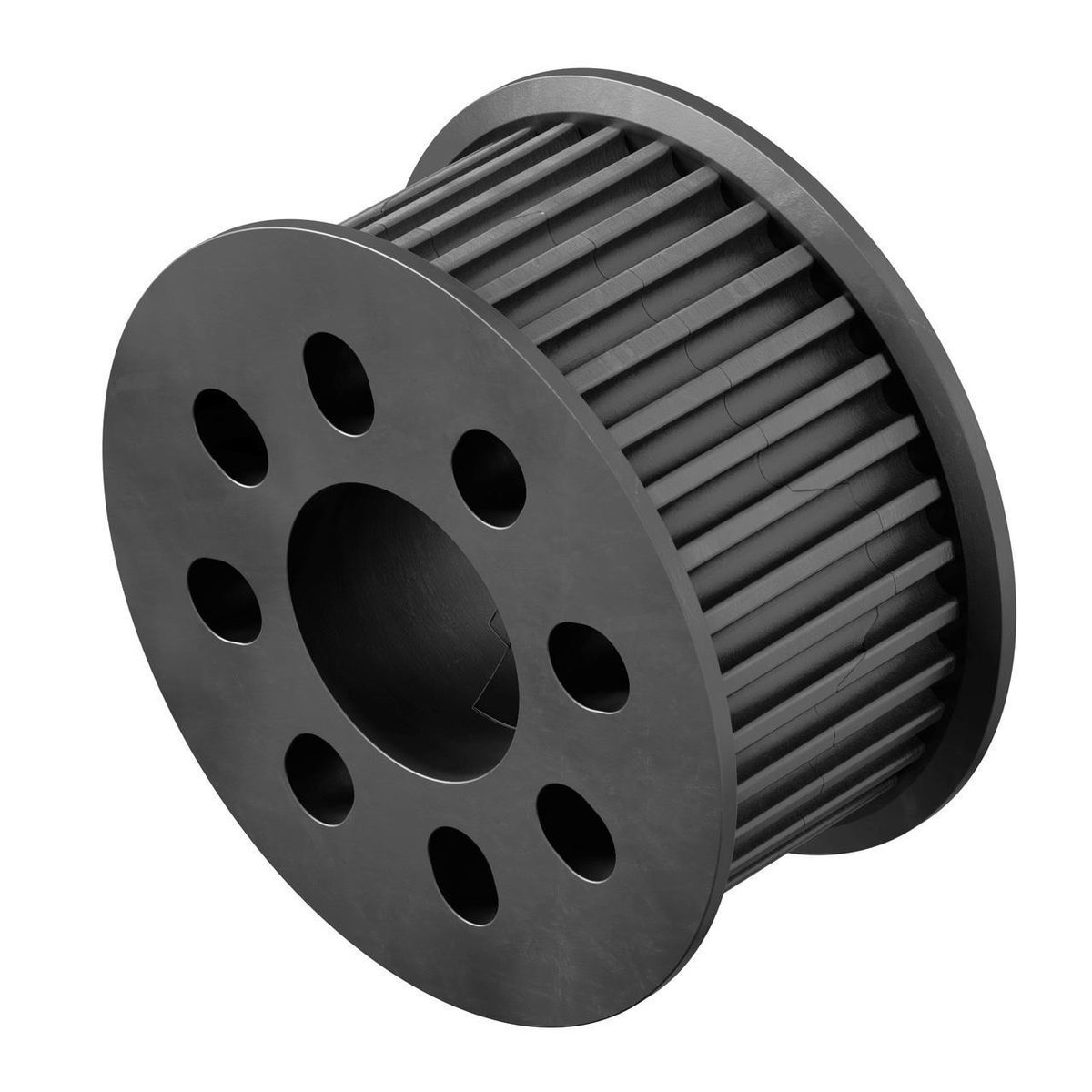
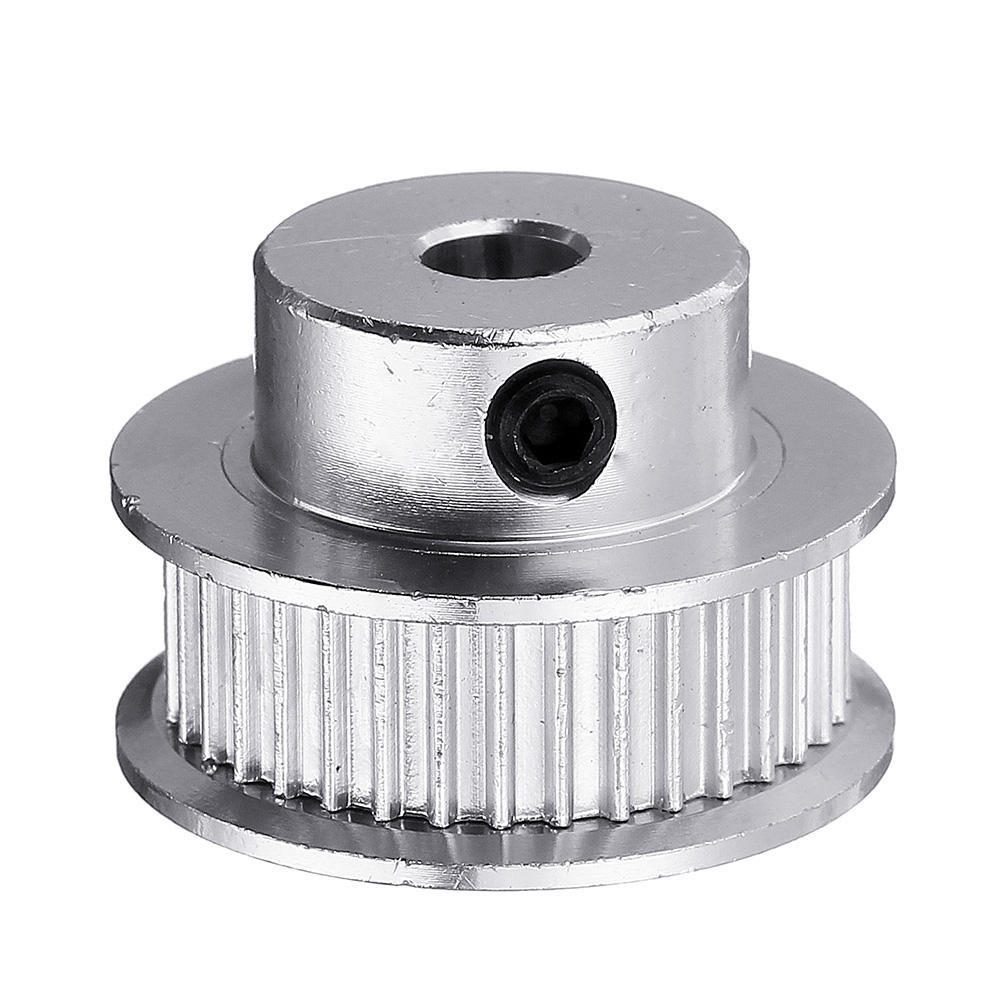
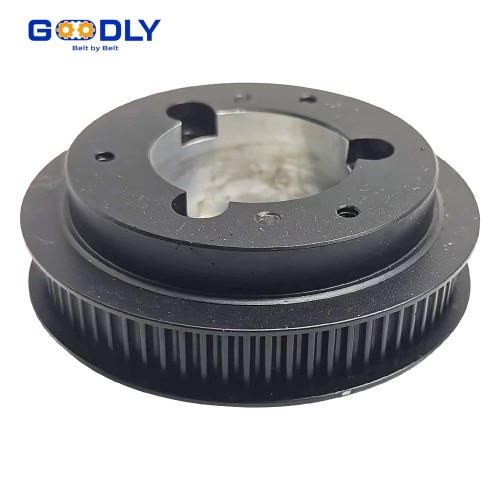
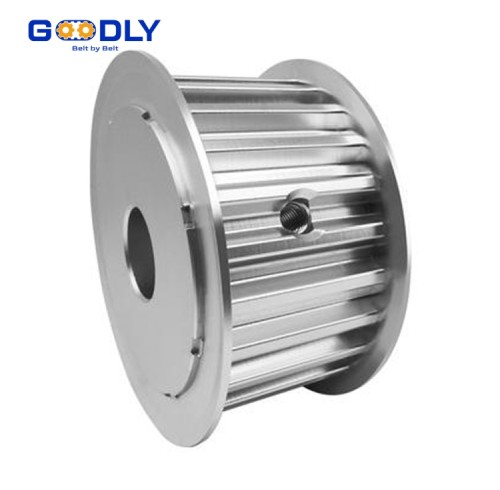
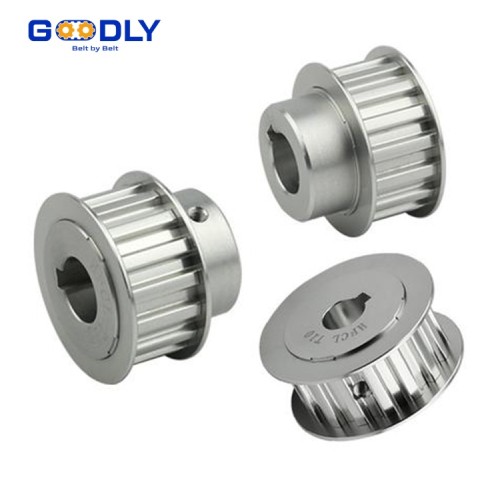
Serrated Idler Gear Timing Pulley Construction and Specifications
A serrated idler pulley combines a serrated toothed rim with a bearing, used to guide or tension a belt. The main options are shown below.
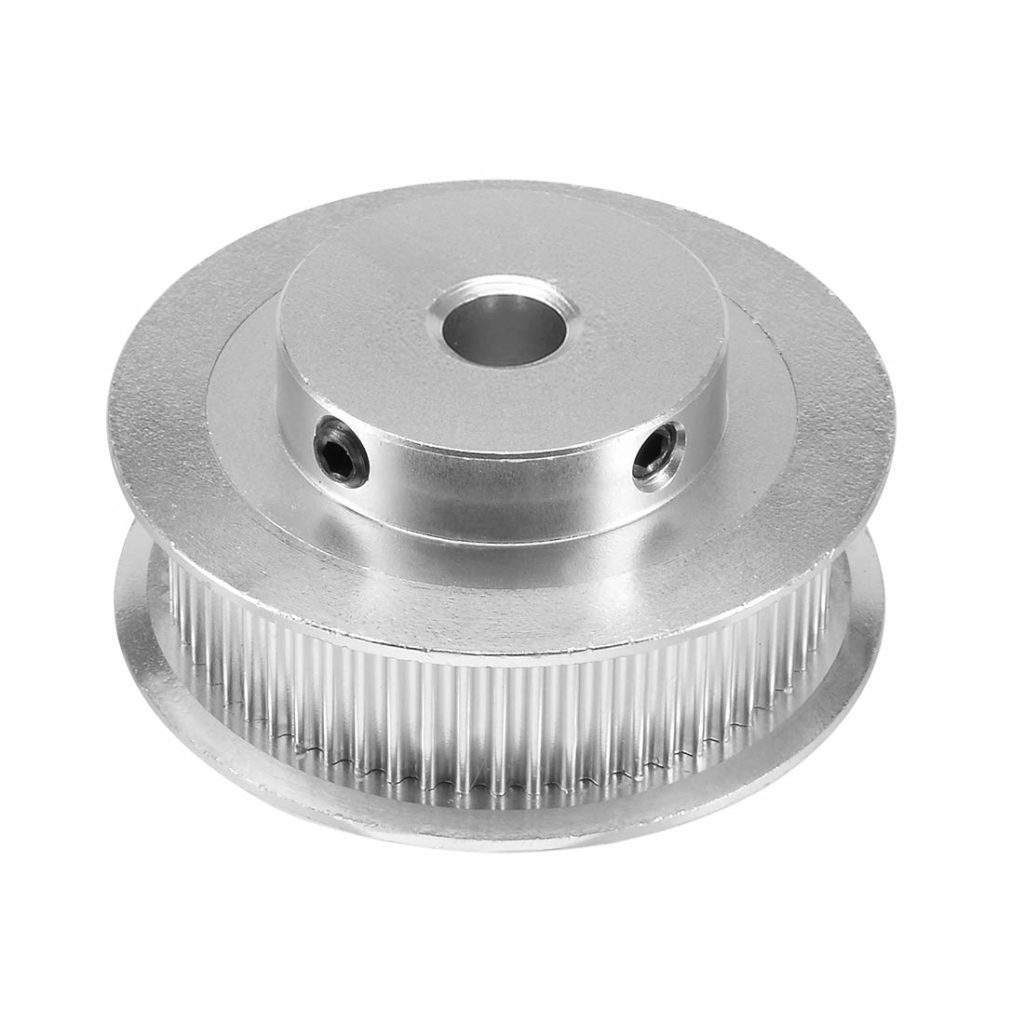
- TypeSerrated idler / tensioner pulley
- ProfileMatched to the belt, in standard or custom serrations
- BearingSealed ball bearing, or plain bore for a shaft
- MaterialAluminium alloy, steel or stainless steel
- SurfaceAnodised, black oxide or natural
- FlangeSingle or double flange, or flangeless
Serrated Idler Gear Timing Pulley Performance Data
The figures below are typical values from our own testing. Your exact application may need a different combination, so tell us the load, speed and environment and we will confirm.
| Tooth profile accuracy | ±0.01 mm on standard profiles |
| Bearing | Sealed, low-drag ball bearing |
| Runout | Low, for smooth, quiet rotation |
| Material | Aluminium 6061 / 7075, steel, stainless steel |
| Vibration damping | Good, with a serrated rim |
| Service life | Long, with a sealed, lubricated bearing |
Serrated Idler Gear Timing Pulley Materials and Reinforcement
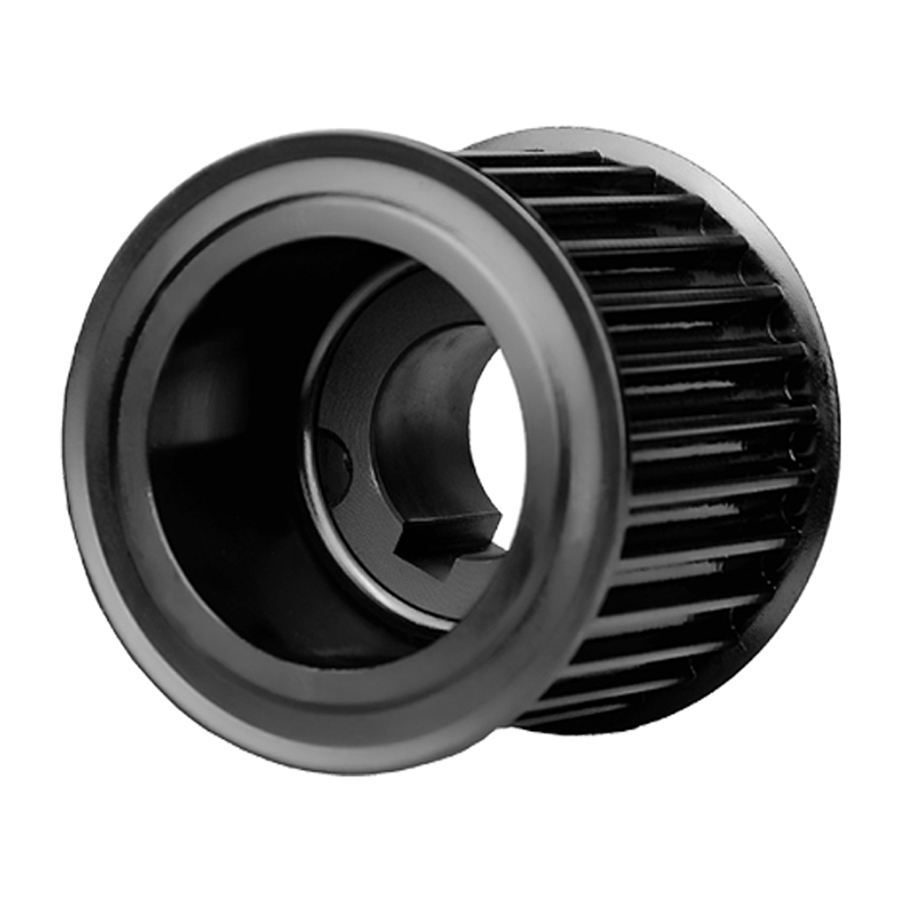
We select the compound and the tension member together, because the material combination is what determines how a serrated idler gear timing pulley performs over its working life.
Aluminium Alloy
Light and corrosion-resistant, ideal for low-inertia idler duties.
Steel & Stainless
For heavier loads and longer-life industrial drives.
Sealed Bearing
Low-drag, lubricated bearing that lets the idler spin freely.
Surface Treatment
Anodising, black oxide or plating for wear and corrosion resistance.
Industries That Use Our Serrated Idler Gear Timing Pulley
From food and packaging to printing and automated assembly, the same engineering discipline is applied to every serrated idler gear timing pulley we ship.
Custom Serrated Idler Gear Timing Pulley Options
Almost every order we make is a variation. Tell us the machine and the product, and we will tailor the serrated idler gear timing pulley to fit.
Serration Geometry
Serration count and depth matched to the belt and the vibration to damp.
Bearing Selection
Sealed bearings chosen for the speed, load and environment.
Mounting Options
Bore, shaft or stud mounting and flange arrangement to your drawing.
Surface Finish
Anodised, black oxide, plated or natural finishes.
Our 8-Step Quality Control for Serrated Idler Gear Timing Pulley
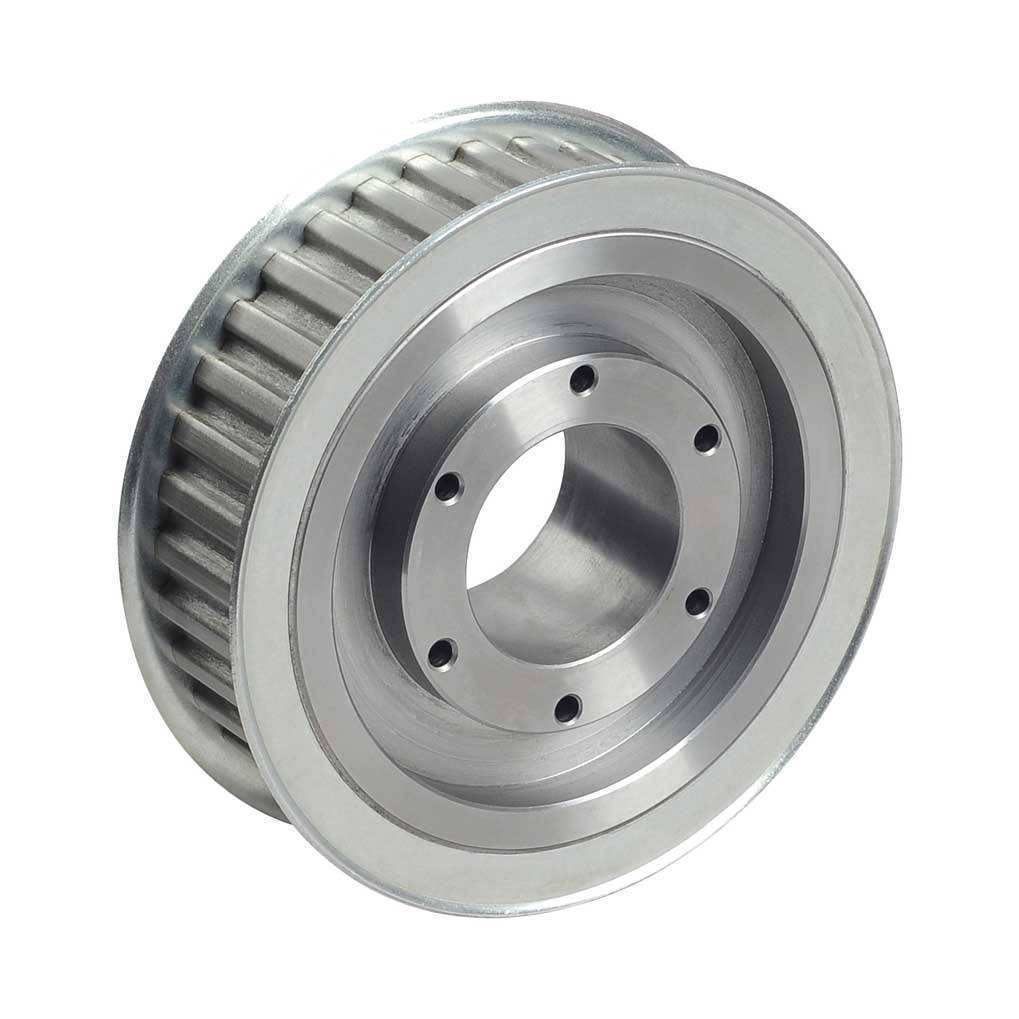
Each serrated idler gear timing pulley passes the following checkpoints before it is packed, and the records are kept against your order number.
Serrated Idler Gear Timing Pulley Frequently Asked Questions
Quick answers to the questions our customers ask most often about serrated idler gear timing pulley.
What is a serrated idler pulley used for?
It is used as an idler or tensioner on long or reversing drives, guiding the belt, keeping tension even and damping vibration to extend belt life.
Why is the rim serrated?
The serrations let the idler grip the belt gently, which reduces vibration and helps keep the belt tracking smoothly without slipping.
Does the idler come with a bearing?
Yes. We normally supply serrated idler pulleys with a sealed, low-drag ball bearing, or with a plain bore if the pulley runs on a shaft.
Can you match it to my belt?
Yes. Send us the belt profile and tooth count, or a sample, and we will machine the idler with the correct geometry.
How long does production take?
Standard serrated idler pulleys are typically ready in 7 to 10 working days, with a little longer for special serrations or bearings.
Get Your Serrated Idler Gear Timing Pulley Quotation Today
Tell us the belt profile, the shaft detail and the duty. Our engineers will confirm the idler design and send a factory quotation.
GOODLY Belts · Guangzhou, China · OEM & ODM welcome · Samples available
Get in Contact

- Request a free sample now!

- Get a free VFFS machine belt selection guide!
- Quick Contact Us
- Full Name
- Phone
- Name
- Phone
- *Title
- *Content