
We manufacture and customize industrial
motion belts to precisely match mainstream
equipment worldwide.
Sourcing & Maintenance Guides
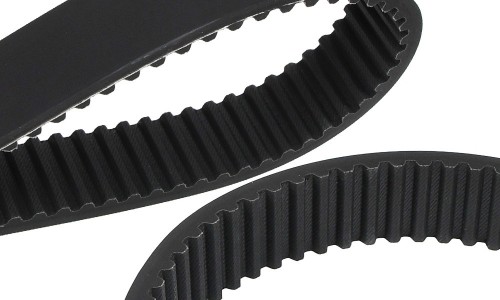
 Understanding Your Timing Belt: Lifespan, Warning Signs, and Preventive MeasuresSep 1,2026The timing belt is a critical and often overlooked component in an internal combustion engine, essential for synchronizing the rotation of the crankshaft and camshaft to ensure precise valve operation for efficient combustion. Unlike a serpentine belt, which powers external accessories, or a timing chain, which is designed to last the engine's lifetime, the timing belt is typically made of reinforced rubber and requires periodic replacement due to natural degradation over time and mileage.
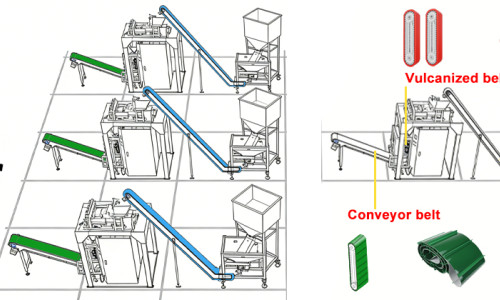
Fail- Industrial Belt Maintenance Guide: Extend the Service Life of Vulcanized Belts, Foam Belts, PU Timing Belts, Rubber Timing Belts and Conveyor BeltsMar 23,2026This brief summarizes the guide’s core: 5 principles (cleanliness, proper tension, extremes avoidance, regular inspections, correct installation) and 5 belt tips—vulcanized (packaging, wear/vacuum), foam (food/pharmaceutical, deformation/adhesion), PU timing (precision, tooth/tension), rubber timing (textiles/printing, anti-aging), conveyor (deviation/wear). It includes common mistakes, a schedule, and Guangzhou GOODLY’s belts, maintenance and vacuum packaging.
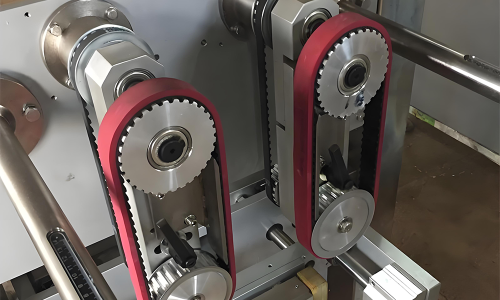
- Understanding Timing Belt Cost: A Comprehensive GuideMar 19,2026In industrial packaging, consistent uptime is crucial, making the proper maintenance of components like timing belts essential to prevent costly downtime and repairs. This guide thoroughly examines timing belt costs, emphasizing that proactive maintenance is significantly more economical than reactive repairs. A timing belt's function is to synchronize machine parts, differing from a timing chain in material, noise, lubrication needs, and lifespan.
- Why Replacing Your Vulcanized Synchronous Belt is CrucialNov 4,2025The vulcanized synchronous belt, commonly known as a timing belt in automotive applications, is a crucial component ensuring the precise synchronization of an engine's internal parts, such as the crankshaft and camshaft, to regulate valve timing. Its failure can lead to catastrophic engine damage, particularly in interference engines where pistons can collide with valves [1, 3, 6]. These belts are constructed from materials like synthetic rubber (Neoprene, HSN/HNBR, or Polyurethane for specific
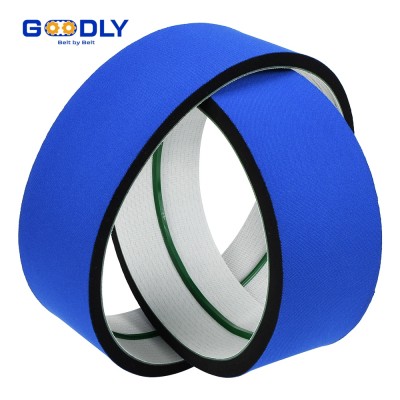
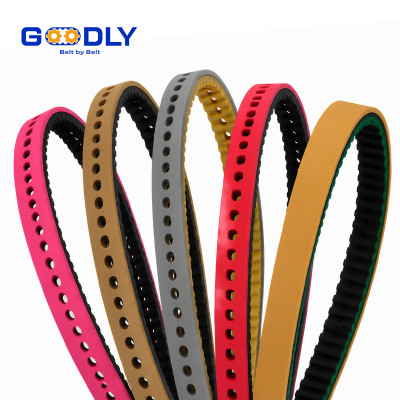
Are you looking for a reliable manufacturer of conveyor belt products?
We can quickly provide customers with market analysis, technical support and customized services.We manufacture and customize industrial
motion belts to precisely match mainstream
equipment worldwide.
Please send your message to us
- Name
- Phone
- *Title
- *Content