
We manufacture and customize industrial
motion belts to precisely match mainstream
equipment worldwide.
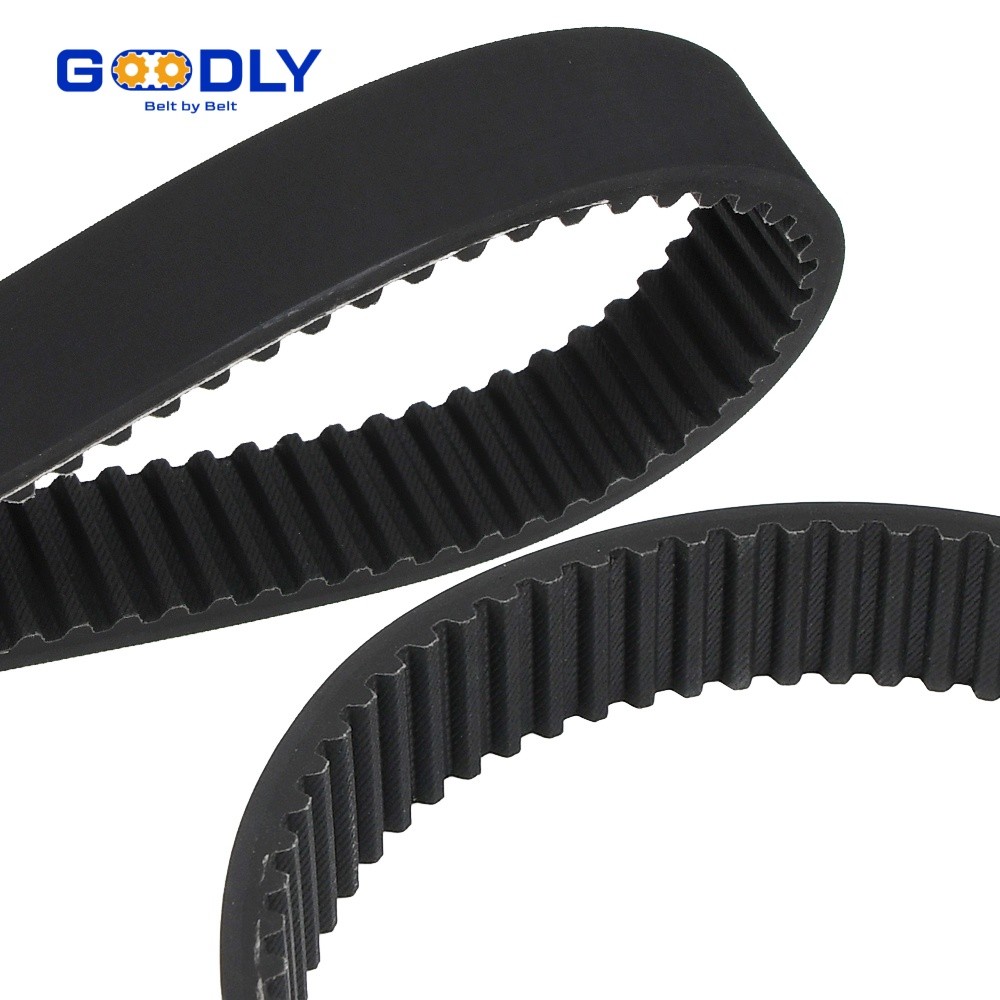 Rubber Timing Belt
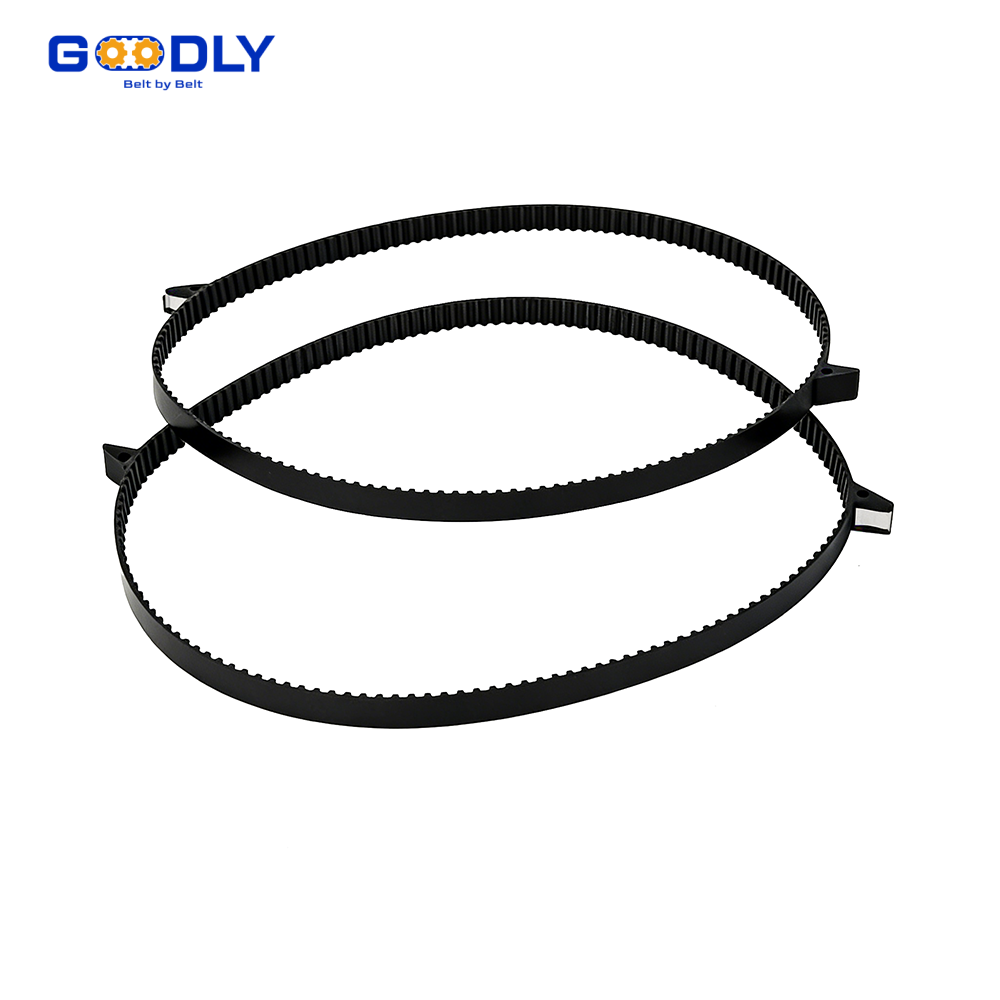 PU Timing Belt
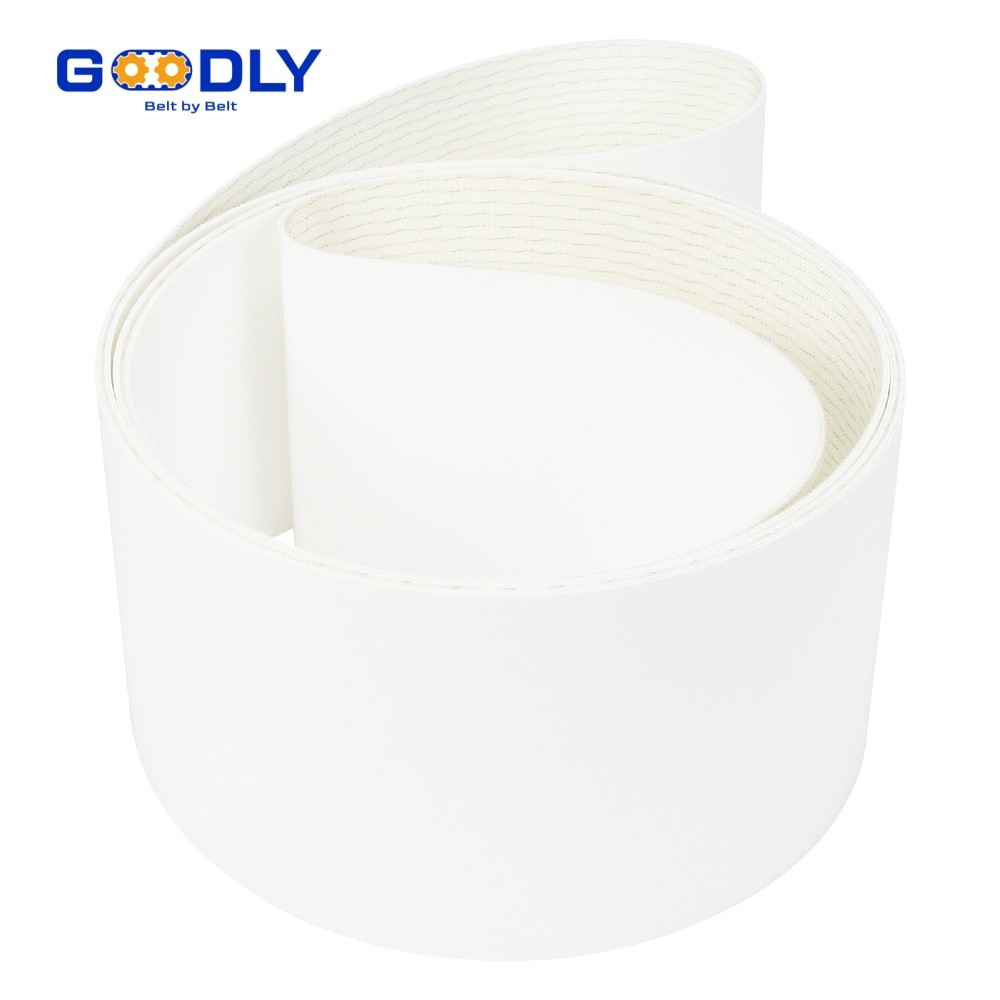 Silicone Timing Belt
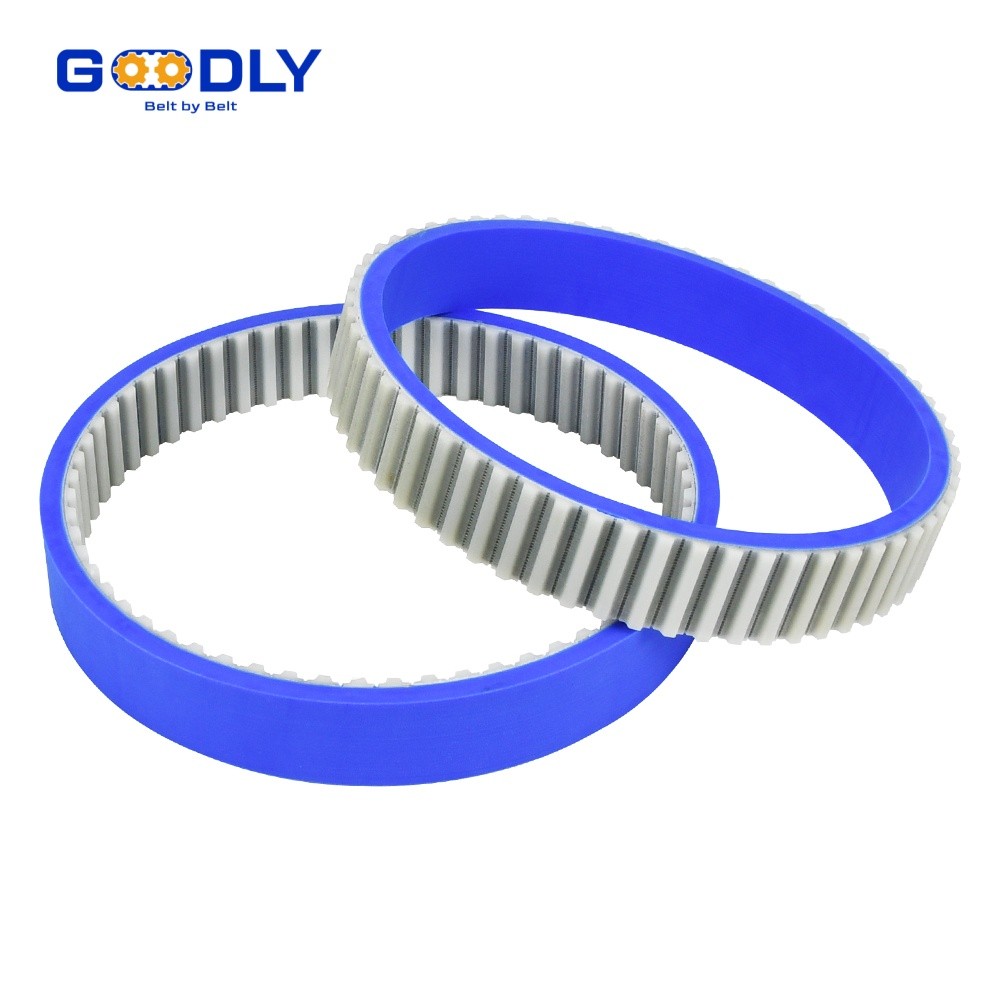 Silicone Vulcanized Timing Belt
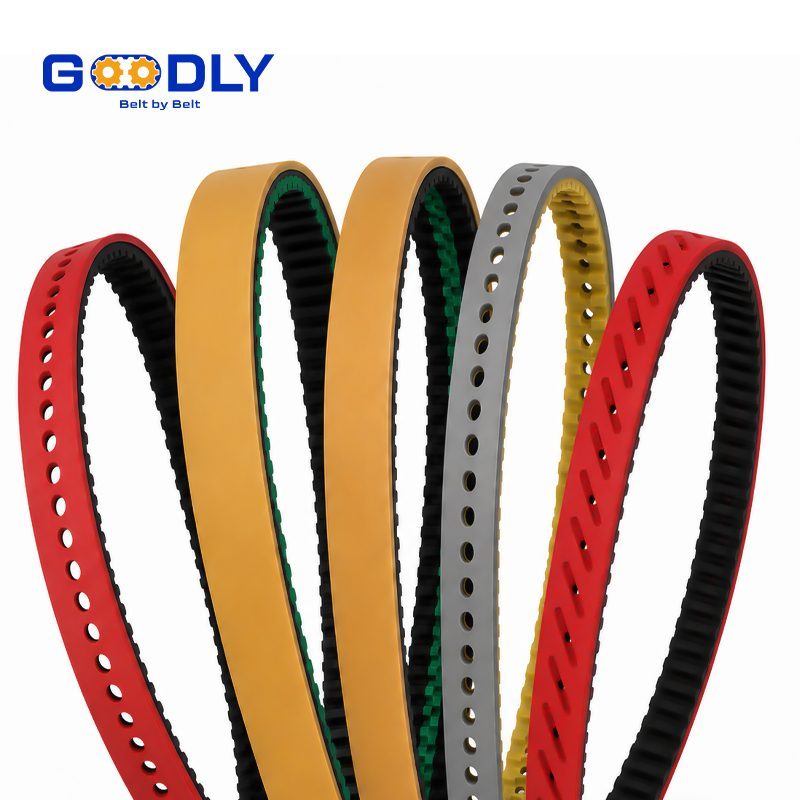 Vulcanized Timing Belt
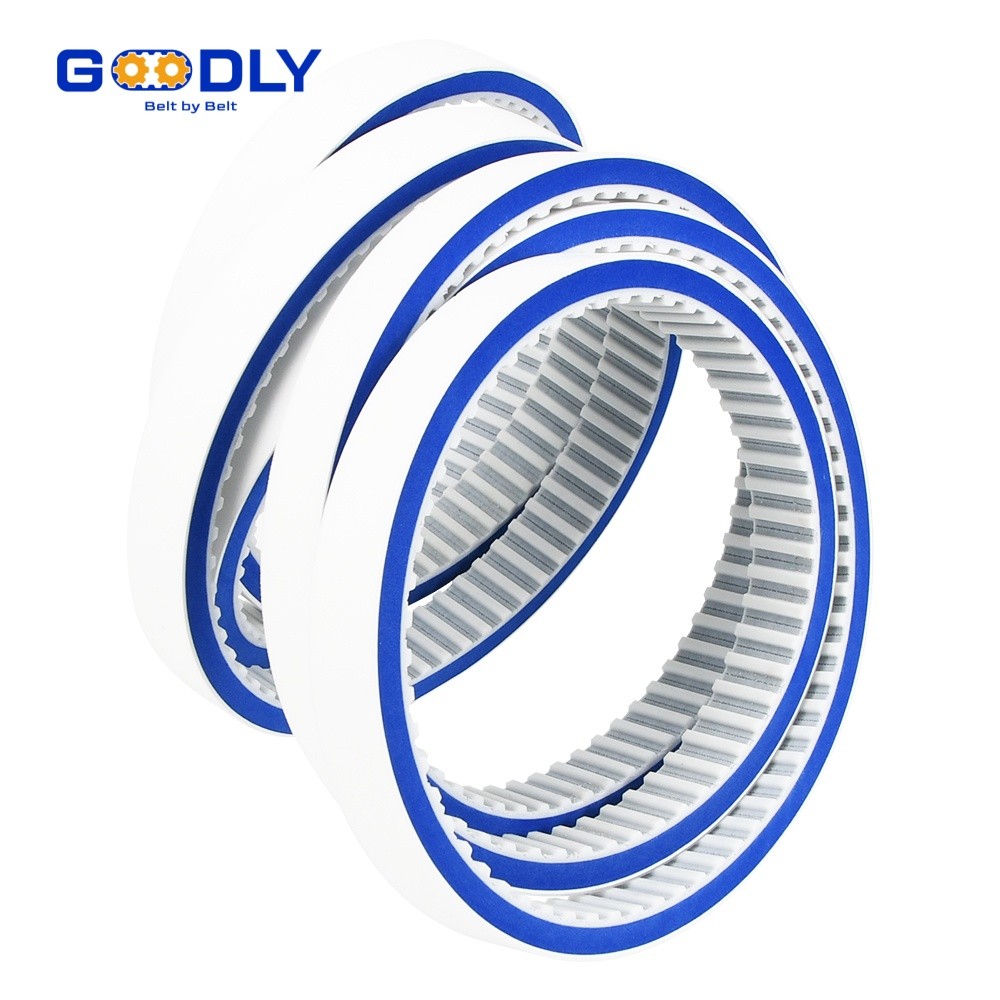 Sponge Timing Belt
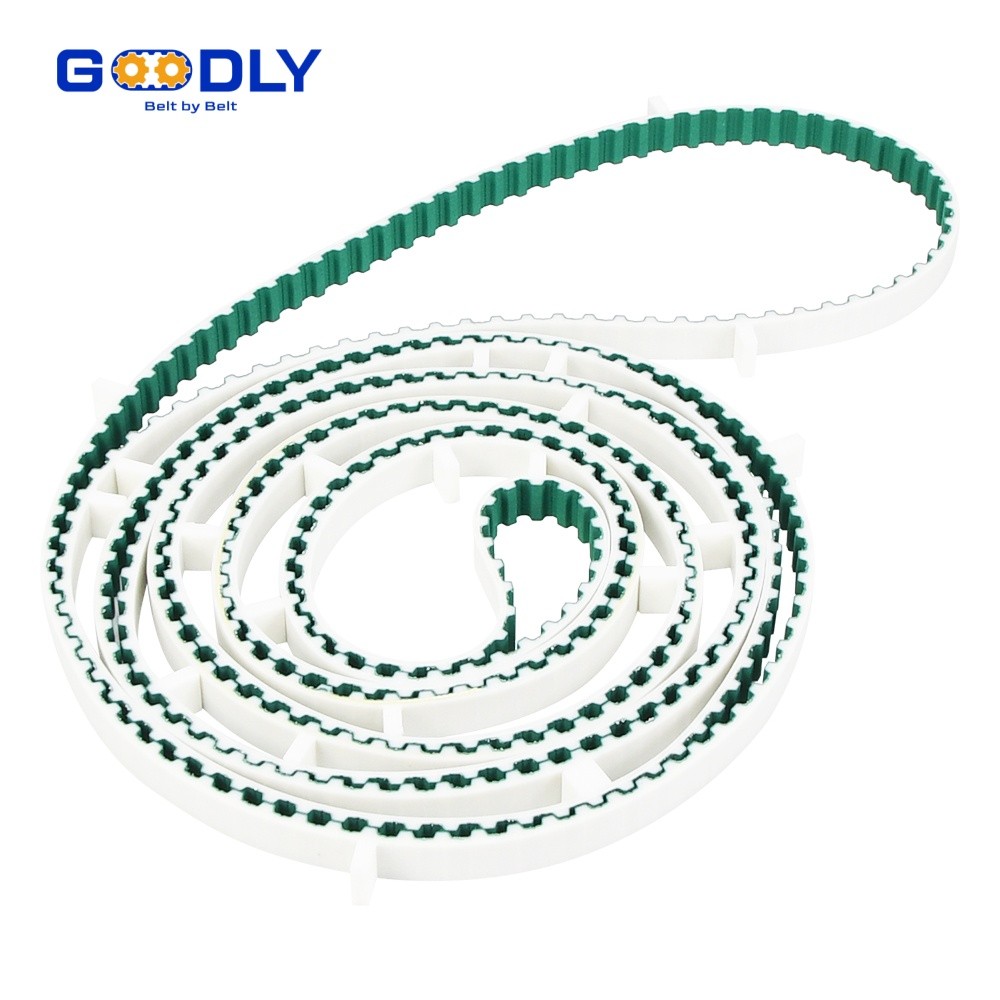 Timing Belts with Special Machining
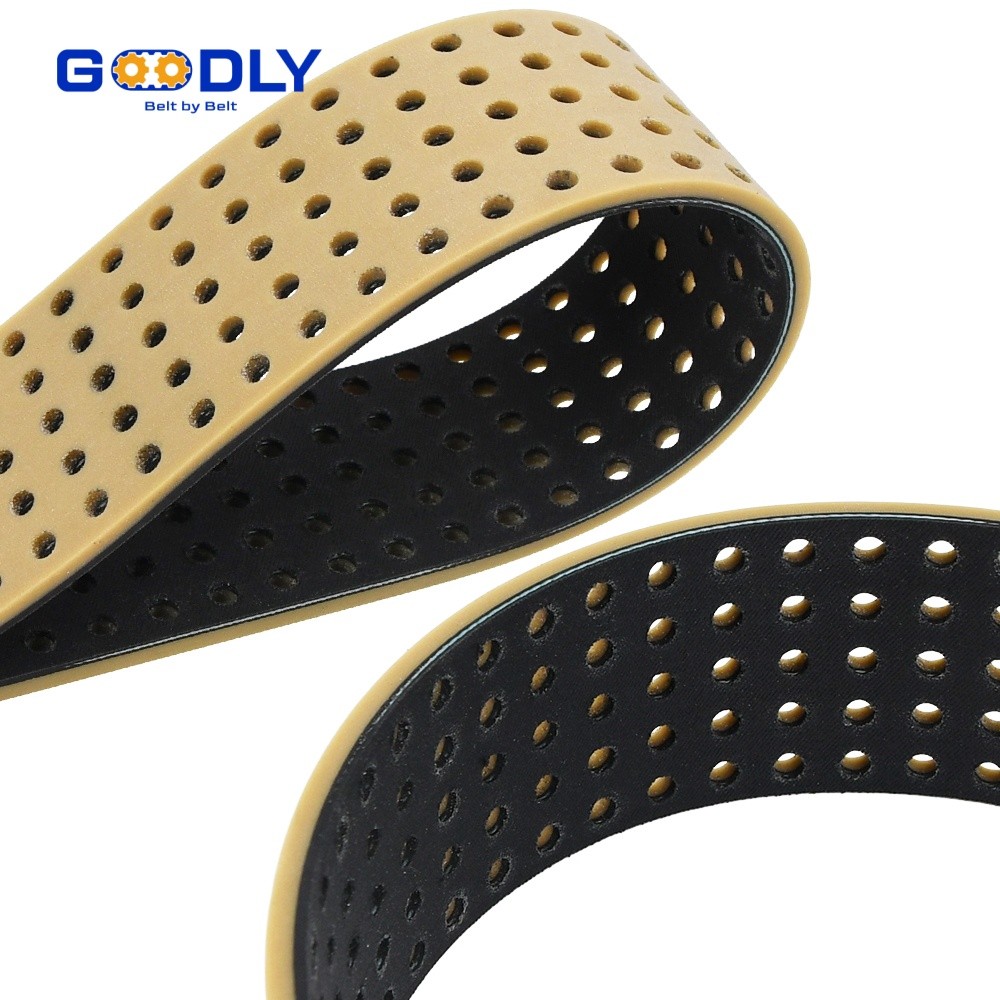 Rubber Flat Belt
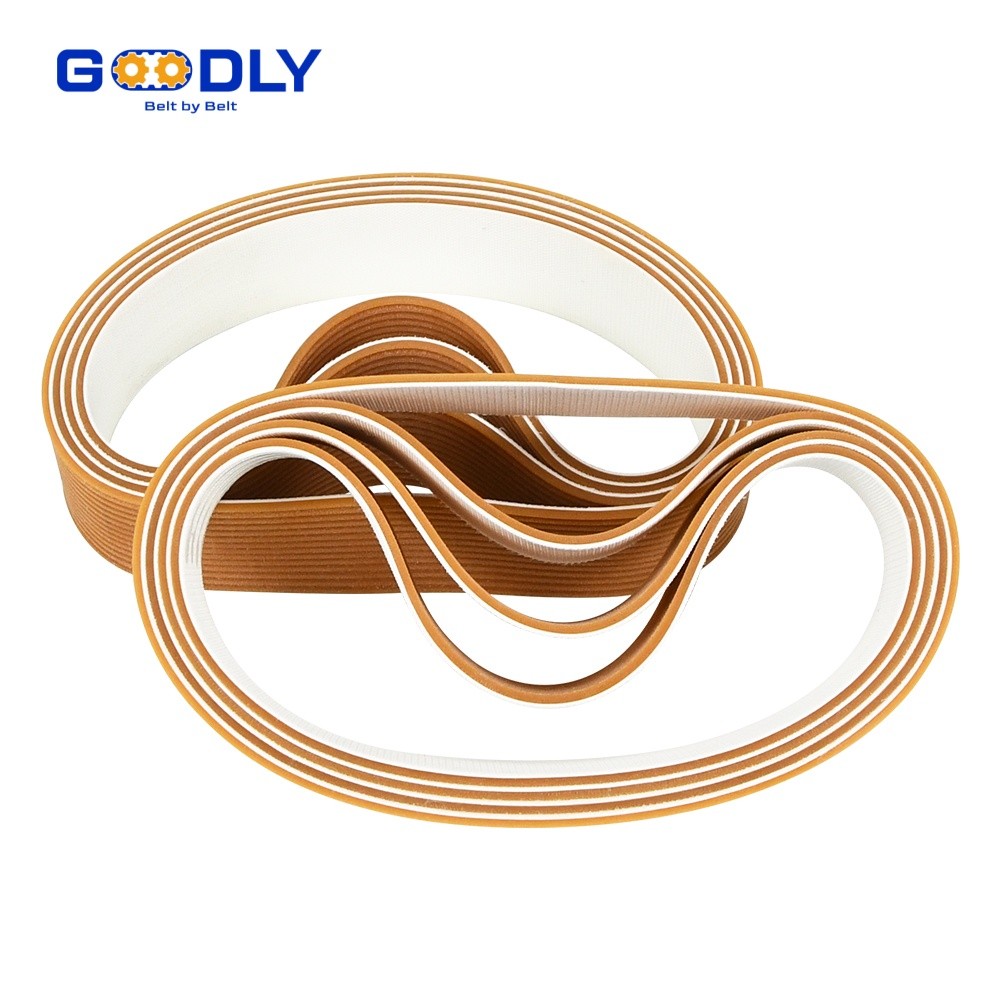 PU Flat Belt
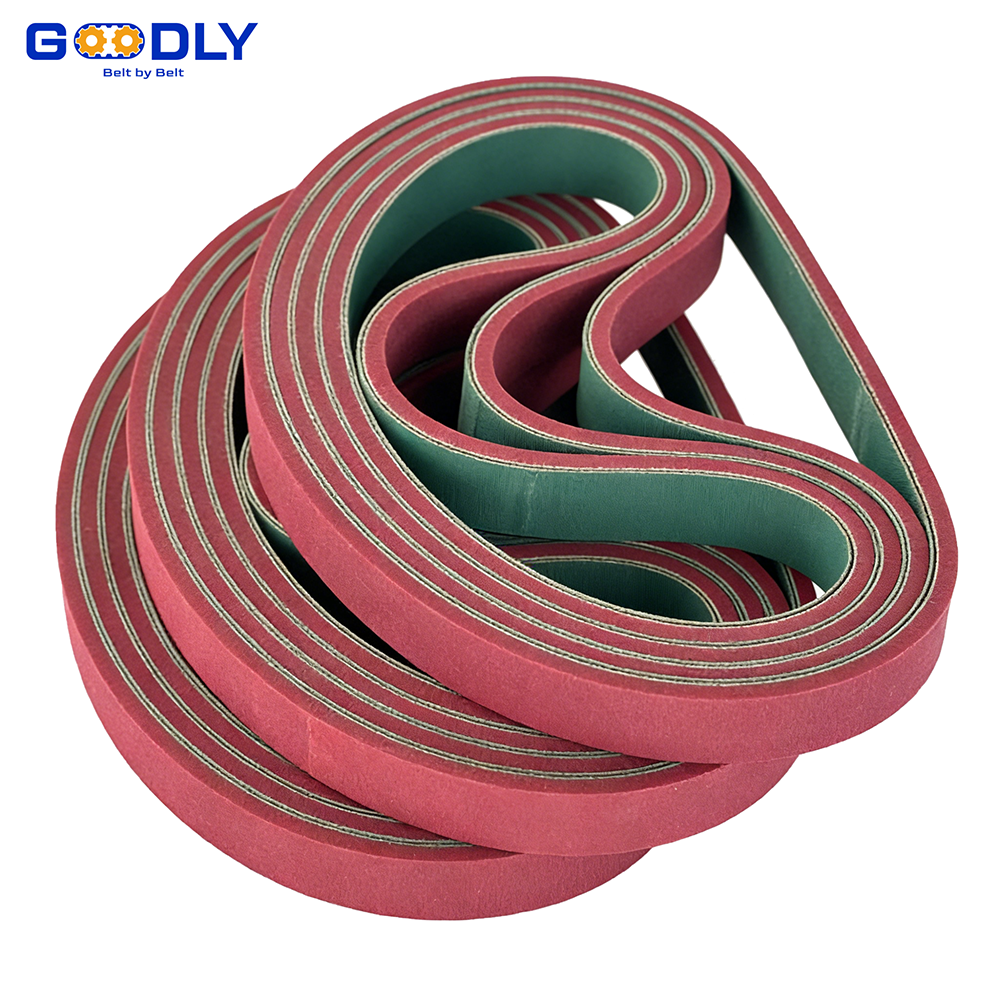 Nylon Flat Belt
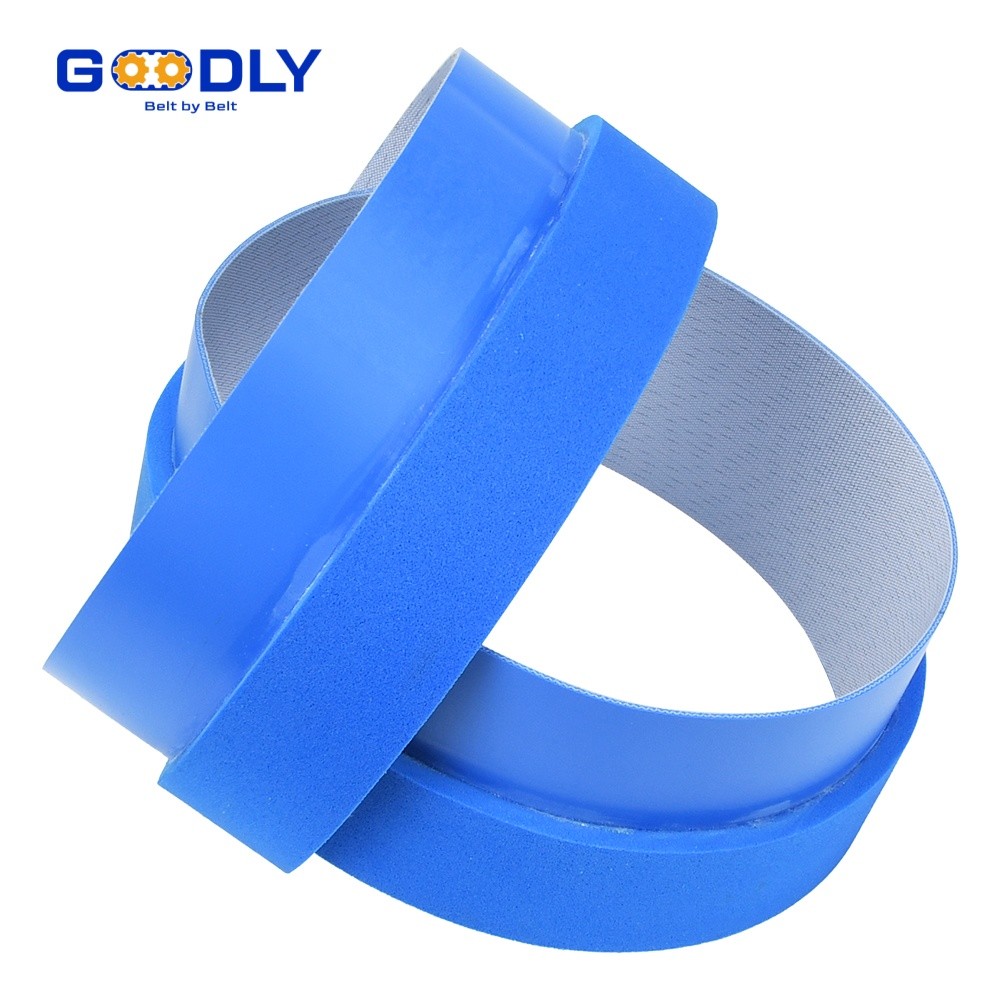 Foam Flat Belt
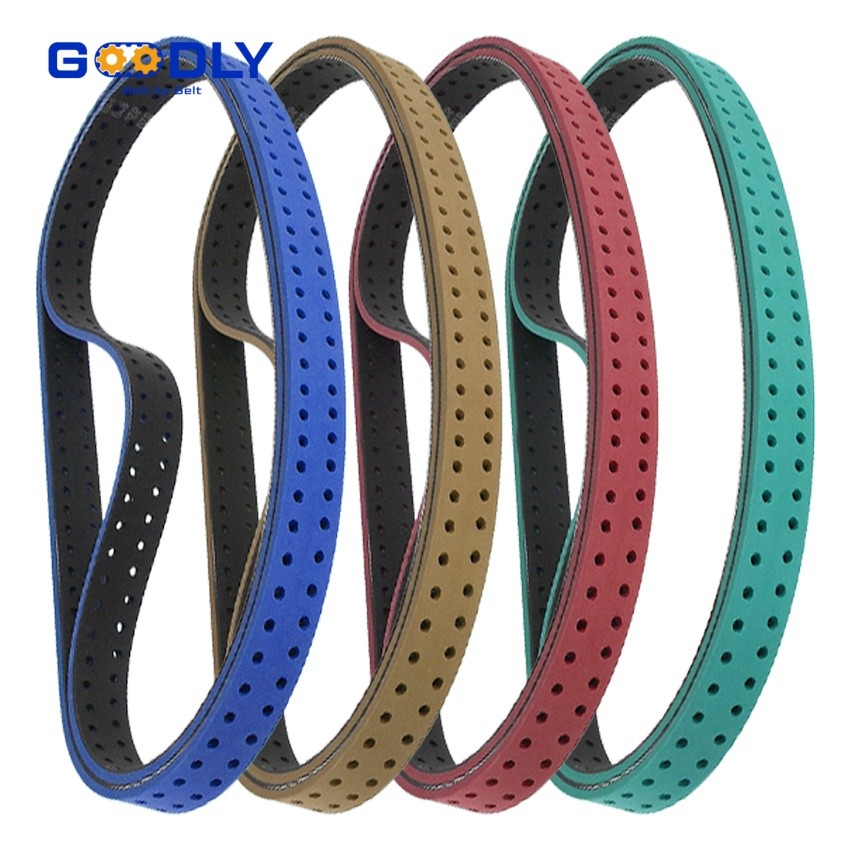 Vulcanized Flat Belt
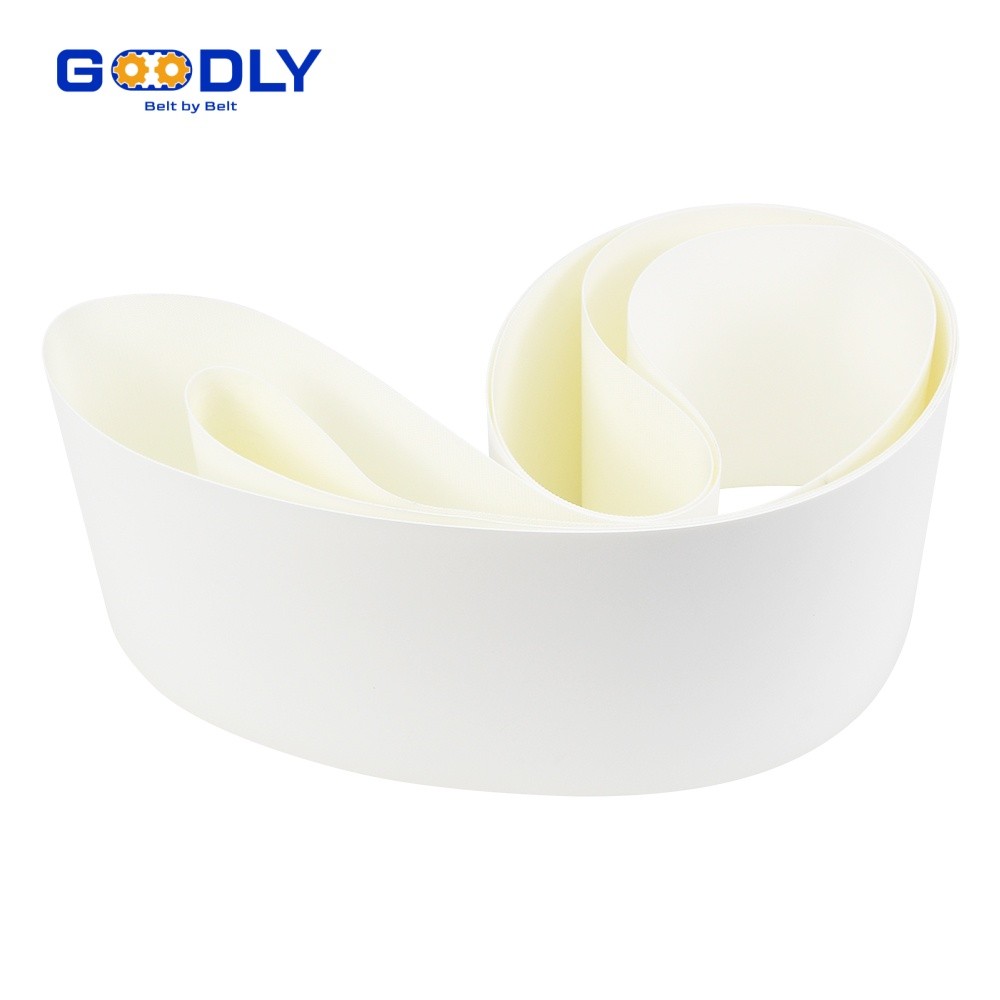 PU Conveyor Belt
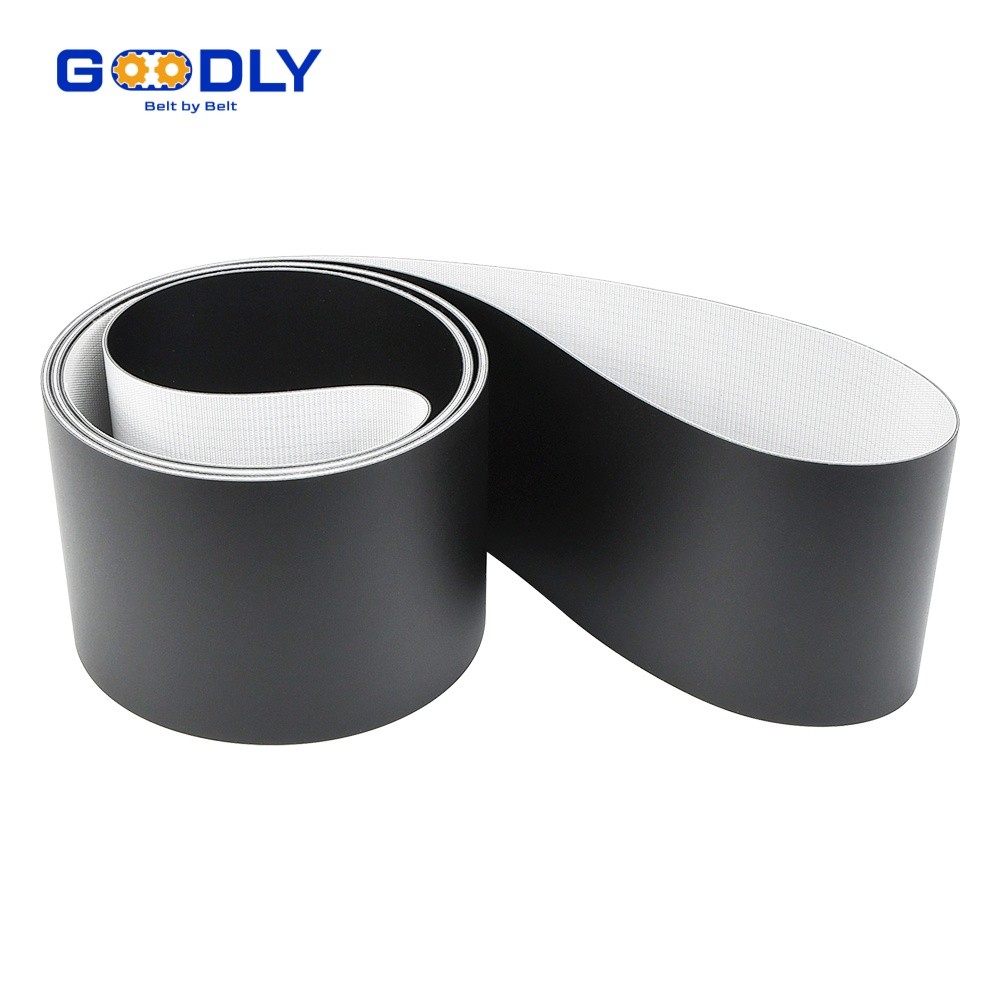 PVC Conveyor Belt
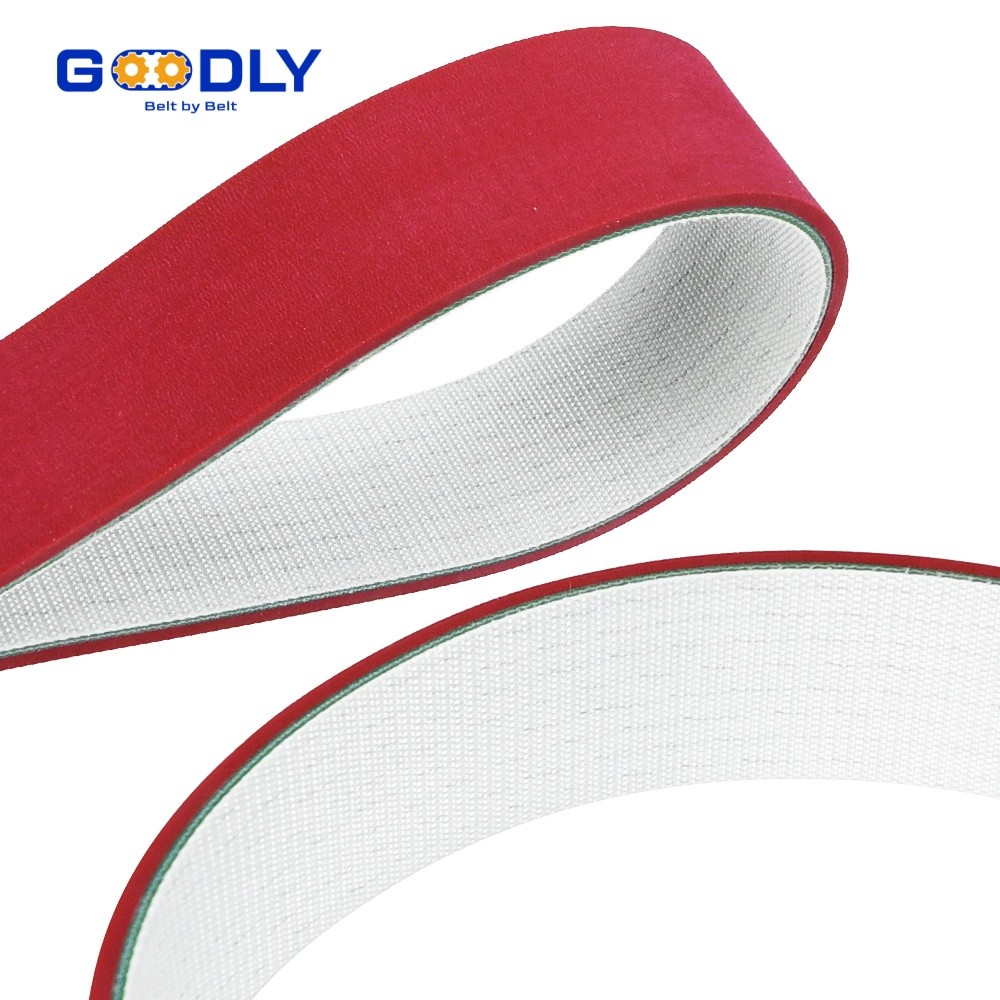 Rubber Conveyor Belt
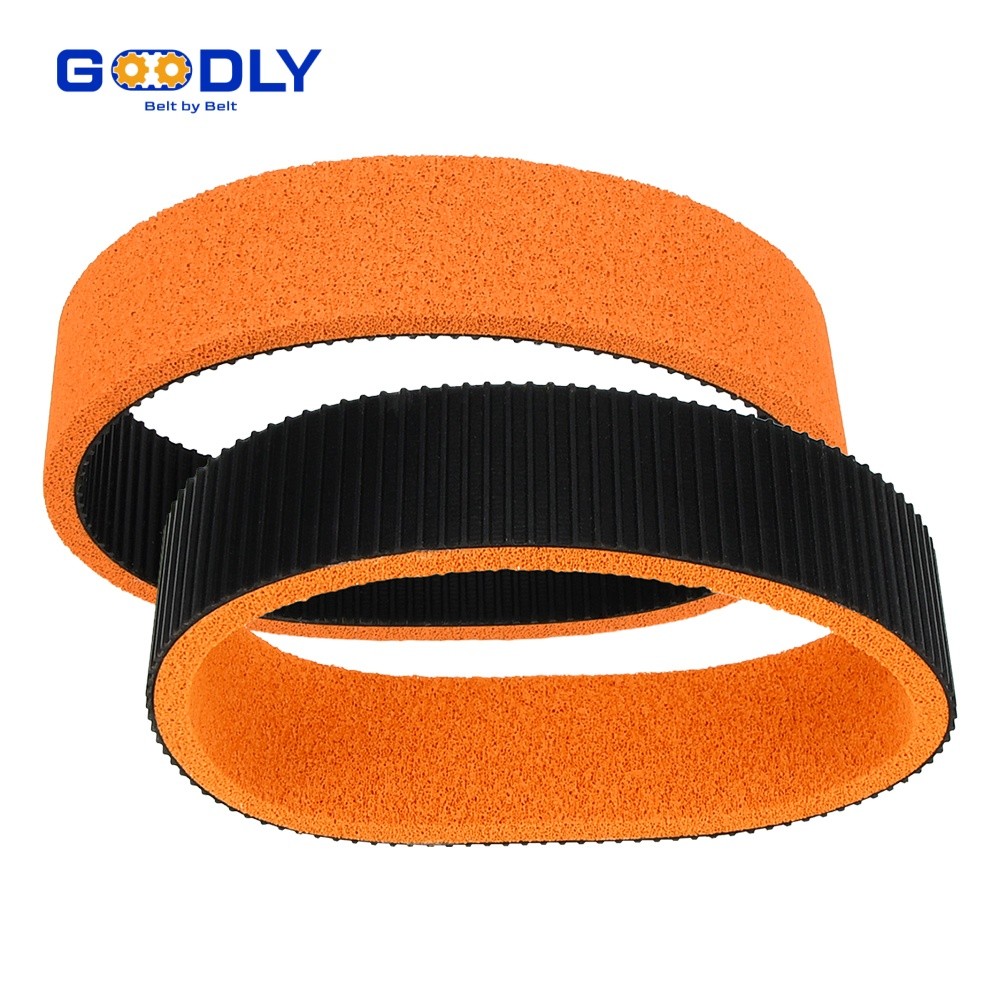 Sponge Conveyor Belt
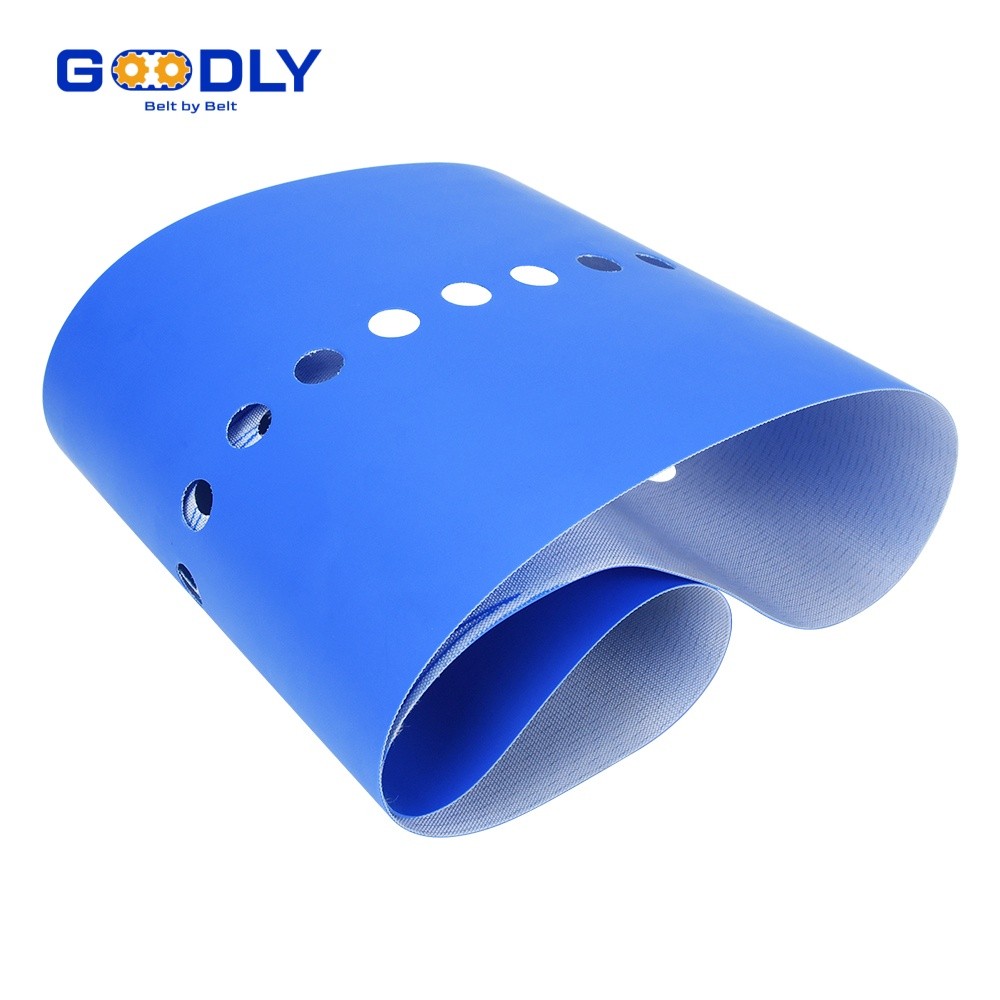 Conveyor Belts with Special Machining
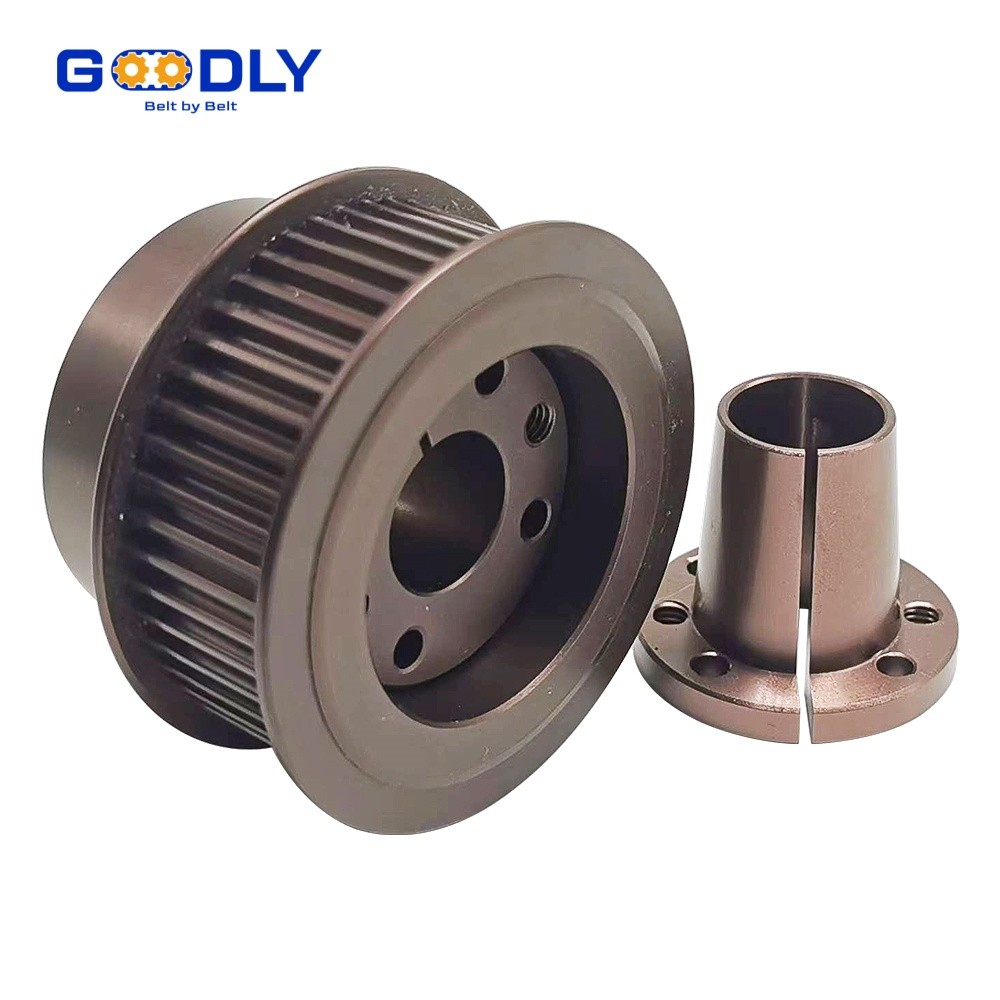 Timing Belt Pulley
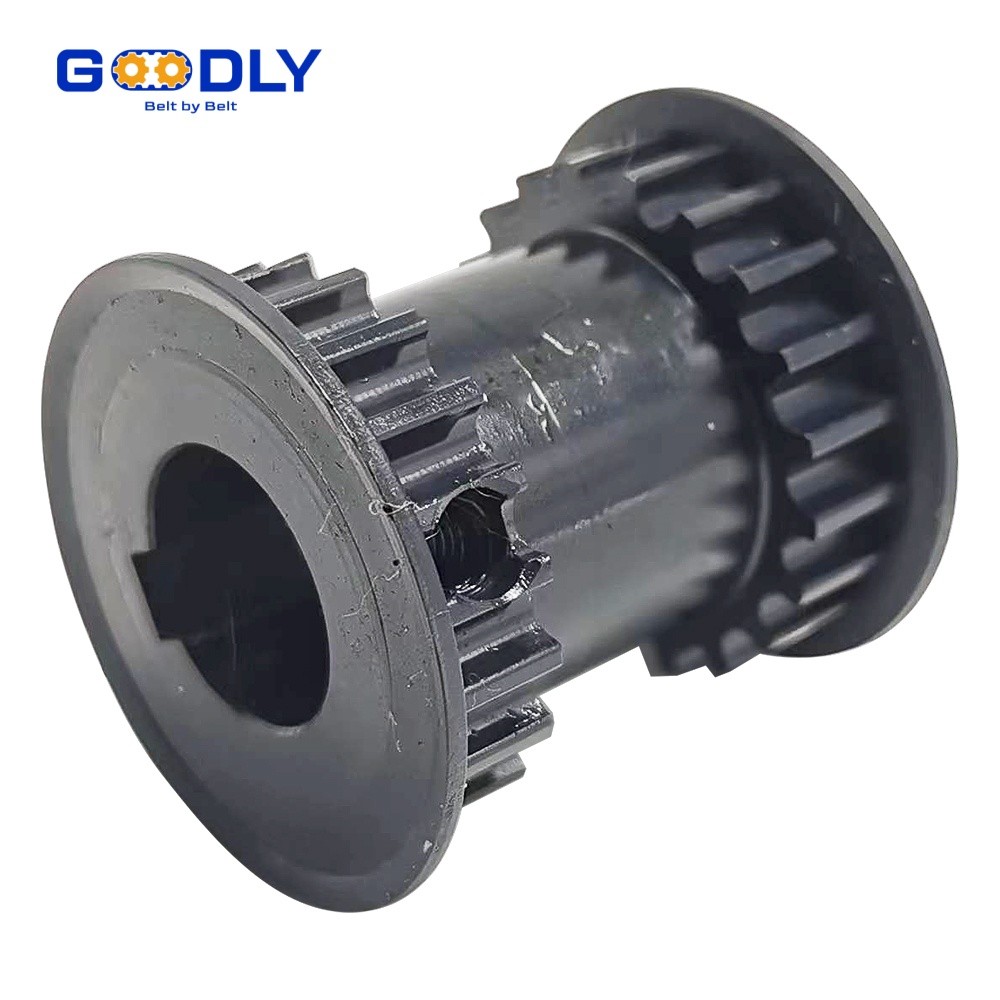 Rod-Shaped Synchronous Timing Pulley
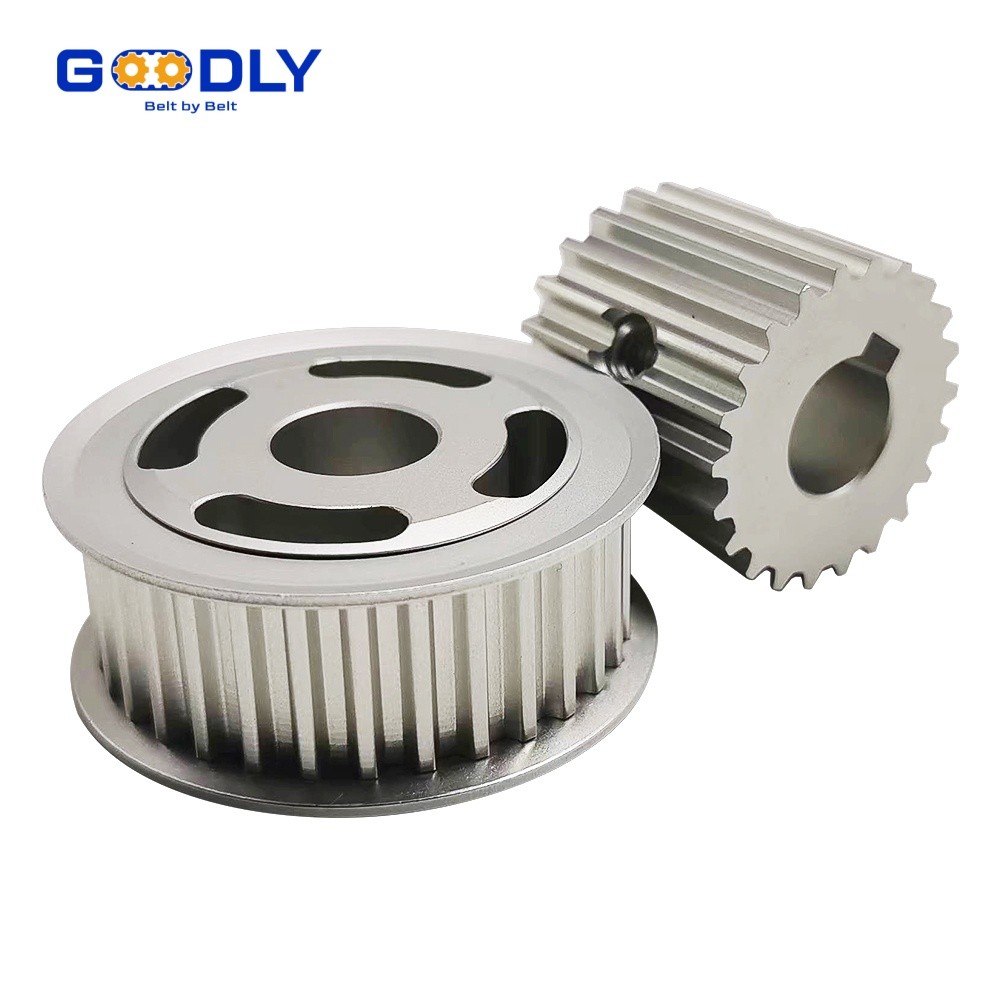 Surface-Pressure-Bearing Timing Pulley
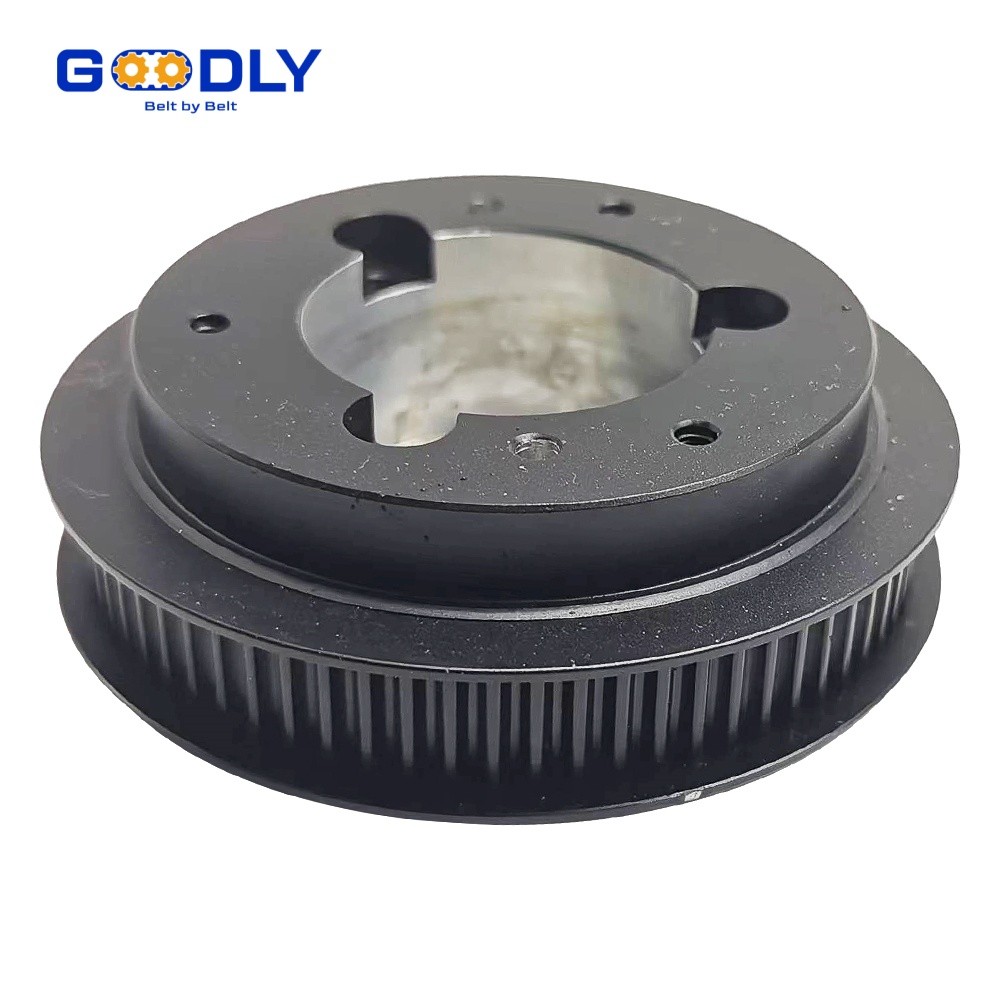 Serrated Idler Gear Timing Pulley
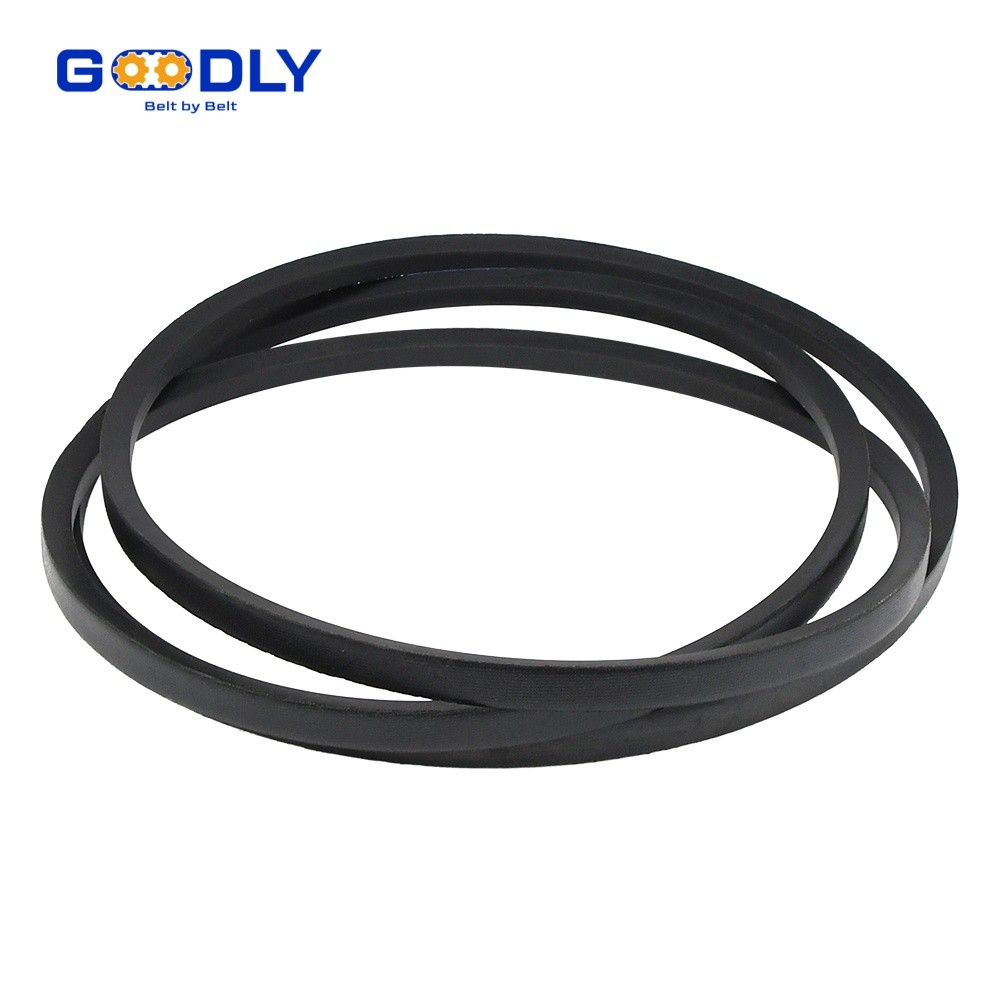 Multi-Groove Belt
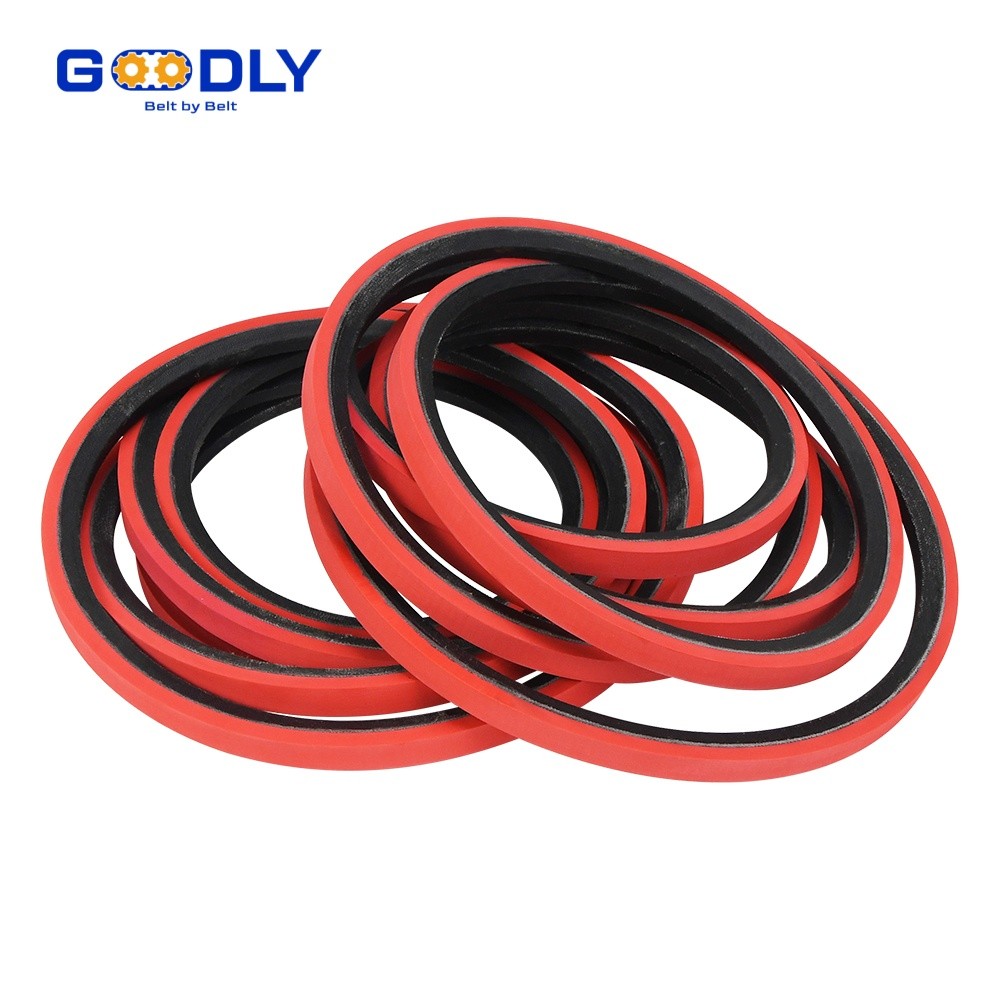 V-Belt
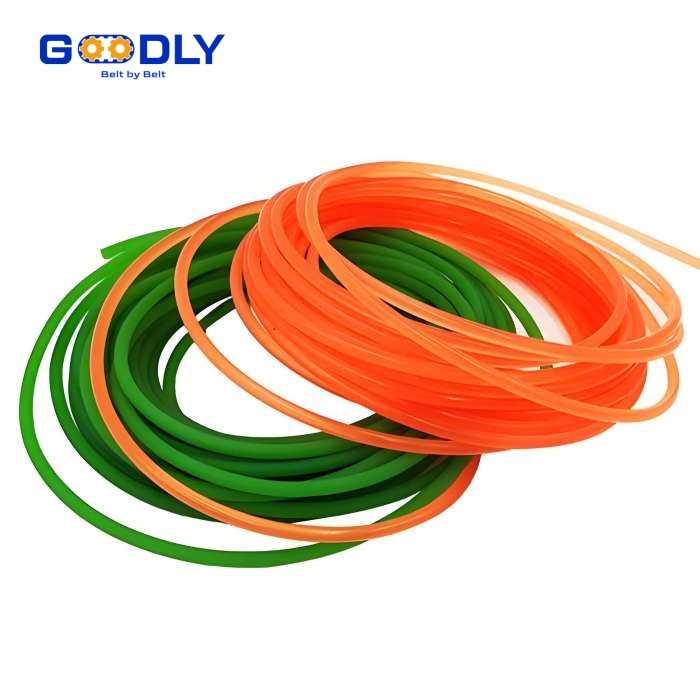 PU Round Belt
Timing Belt Basics & Product Selection
 Rubber Coated Timing Belt 101: Backings, Friction Surfaces and Custom OptionsOct 15,2026A rubber coated timing belt adds a rubber layer to the back of a synchronous belt for grip, traction and cushioned conveying. This 101 guide explains what rubber coated belts are, the difference between smooth, traction and cushioned backings, how to choose coating hardness and thickness, where they are used in packaging and conveying, and how GOODLY takes a custom rubber coated belt from drawing to mass production.
- Timing Belt Materials Explained: Rubber, Neoprene, Silicone, PU and ReinforcementsOct 15,2026Timing belt materials explained: rubber, neoprene, EPDM, silicone, polyurethane, plus Kevlar, carbon fibre and nylon reinforcements. This guide compares the elastomers on temperature, oil, abrasion and food contact, explains how the tension member changes strength and stretch, and ends with a material selection checklist for design engineers. Includes a full comparison table.
- What Are Rubber Coated Belts? A Key to Synchronized Power TransmissionJul 17,2026Rubber coated belts, widely recognized as synchronous or timing belts, are critical components in contemporary mechanical systems, providing precise and highly efficient power transmission. Their operational fundamental relies on "positive engagement," where the belt's teeth seamlessly interlock with grooved pulleys, effectively eliminating slip and guaranteeing synchronized motion. This inherent precision is vital for applications where exact timing is paramount, including automotive engines, r
- Metric Timing Belt Technology: The Crucial Role of Pitch in System DesignJul 10,2026This article offers an in-depth exploration of metric timing belts, focusing on the critical role of "pitch" in mechanical system design and performance. Pitch, defined as the precise distance from the center of one belt tooth to the next along the pitch line, is fundamental for achieving synchronized movement, determining load-carrying capacity, and ensuring operational precision. The text advocates for metric timing belts as the modern standard, citing their superior performance, global standa
- Uses of Polyurethane Timing BeltsMay 14,2026Learn the benefits and applications of polyurethane open-ended timing belts for packaging, printing, logistics, automation, food and medical equipment. GOODLY Belts offers custom PU timing belt solutions.
- Understanding the Role of Your Vulcanized Timing Belt in Engine SynchronizationMar 13,2026The vulcanized timing belt is a critical component in internal combustion engines, orchestrating the precise synchronization of the crankshaft and camshaft to ensure efficient combustion. Unlike standard belts, vulcanization chemically enhances the rubber, providing superior strength, elasticity, and resistance to heat, chemicals, and wear, making it indispensable for the harsh engine environment. Constructed from a composite of high-temperature synthetic rubber, tensile cords like fiberglass or
- Everything You Should Know About Vulcanized Synchronous BeltsMar 13,2026Vulcanized synchronous belts are crucial components in modern machinery, enabling smooth and synchronized movement across various applications. Their development stems from Charles Goodyear's 1839 accidental discovery of vulcanization, a chemical process that transforms natural rubber into a durable, elastic, and strong material by cross-linking its polymer chains with sulfur. This innovation addressed natural rubber's temperature sensitivity, making it viable for industrial use.
- What Are PU Timing Belts and How Do They Enhance Power Transmission Solutions?Nov 3,2025PU timing belts are increasingly vital components in industrial power transmission, offering superior performance over traditional alternatives like rubber belts and chains. Composed of a durable thermoplastic polyurethane body reinforced with high-strength tensile cords such as steel or aramid, these belts ensure precise, synchronous motion in a multitude of demanding applications. Their unique construction provides exceptional resistance to abrasion, chemicals, oils, and grease, contributing t
- Beyond the Basics: Unlocking Peak Performance with Polyurethane (PU) Timing Belts Across IndustriesOct 21,2025Discover the superior performance of Polyurethane (PU) timing belts. Engineered for precision, durability, and unmatched versatility, these belts are the driving force behind modern automation, manufacturing, and high-tech applications. Learn how they optimize efficiency where others fall short.
- The Benefits and Uses of GOODLY Polyurethane Open-Ended Timing BeltsSep 20,2025Learn how GOODLY polyurethane open-ended timing belts improve precision, durability, and efficiency in automation, packaging, printing, food processing, and material handling systems.
- How to Choose the Right Industrial Belt for Your Machinery: Conveyor Belt, Timing Belt & Transmission Belt GuideApr 1,2025In modern manufacturing, the right industrial belt can directly affect machine efficiency, production stability, product quality and maintenance cost. Whether you are using a conveyor belt, PU timing belt, rubber timing belt, transmission belt or a customized belt with cleats, holes, coating or guide strips, choosing the correct belt is essential for long-term performance.


Are you looking for a reliable manufacturer of conveyor belt products?
We can quickly provide customers with market analysis, technical support and customized services.We manufacture and customize industrial
motion belts to precisely match mainstream
equipment worldwide.
Please send your message to us
- Name
- Phone
- *Title
- *Content