Rubber Coated Timing Belt 101: Backings, Friction Surfaces and Custom Options
What Are Rubber Coated Belts? A Key to Synchronized Power Transmission
Teeth drive the machine; the rubber face grips the product
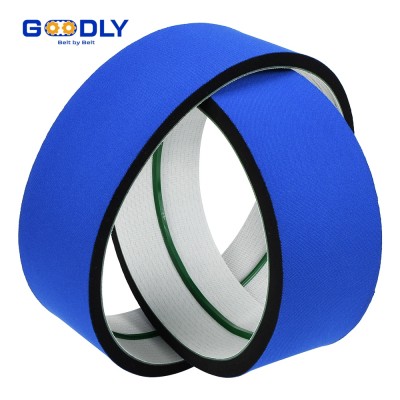
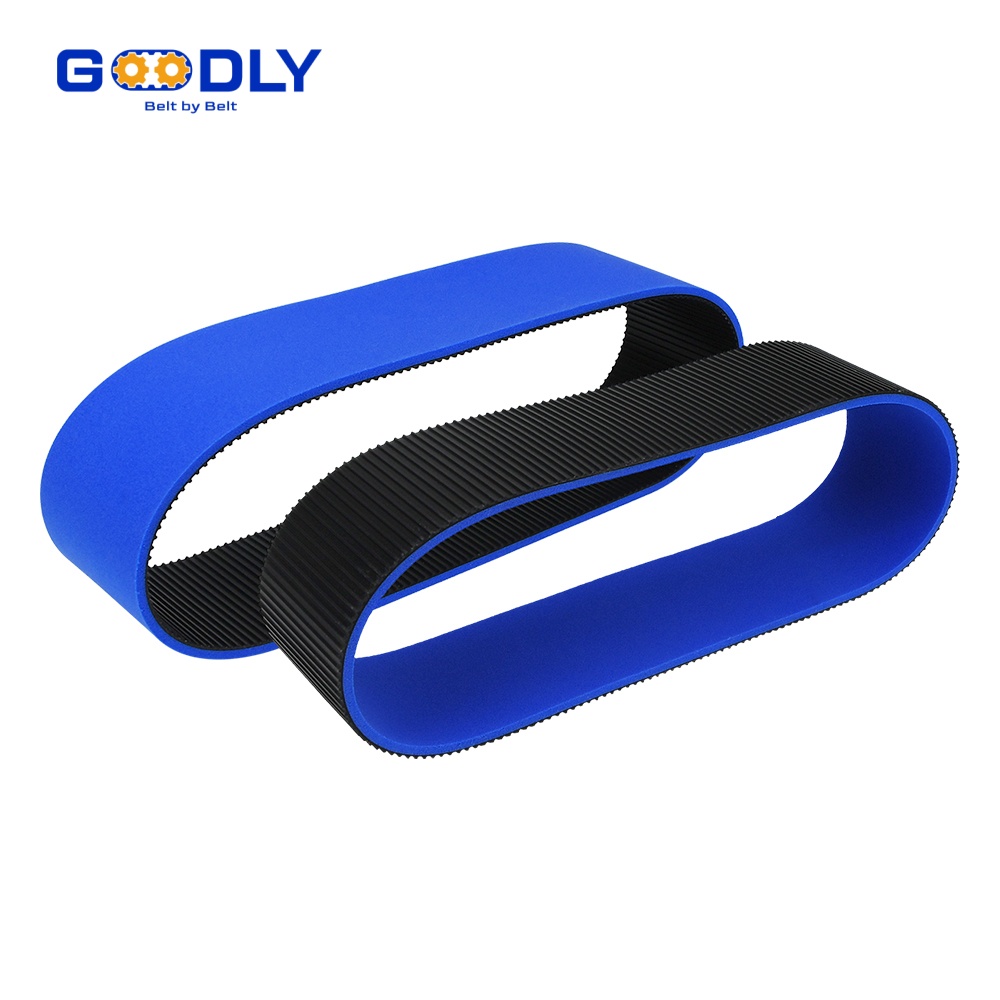
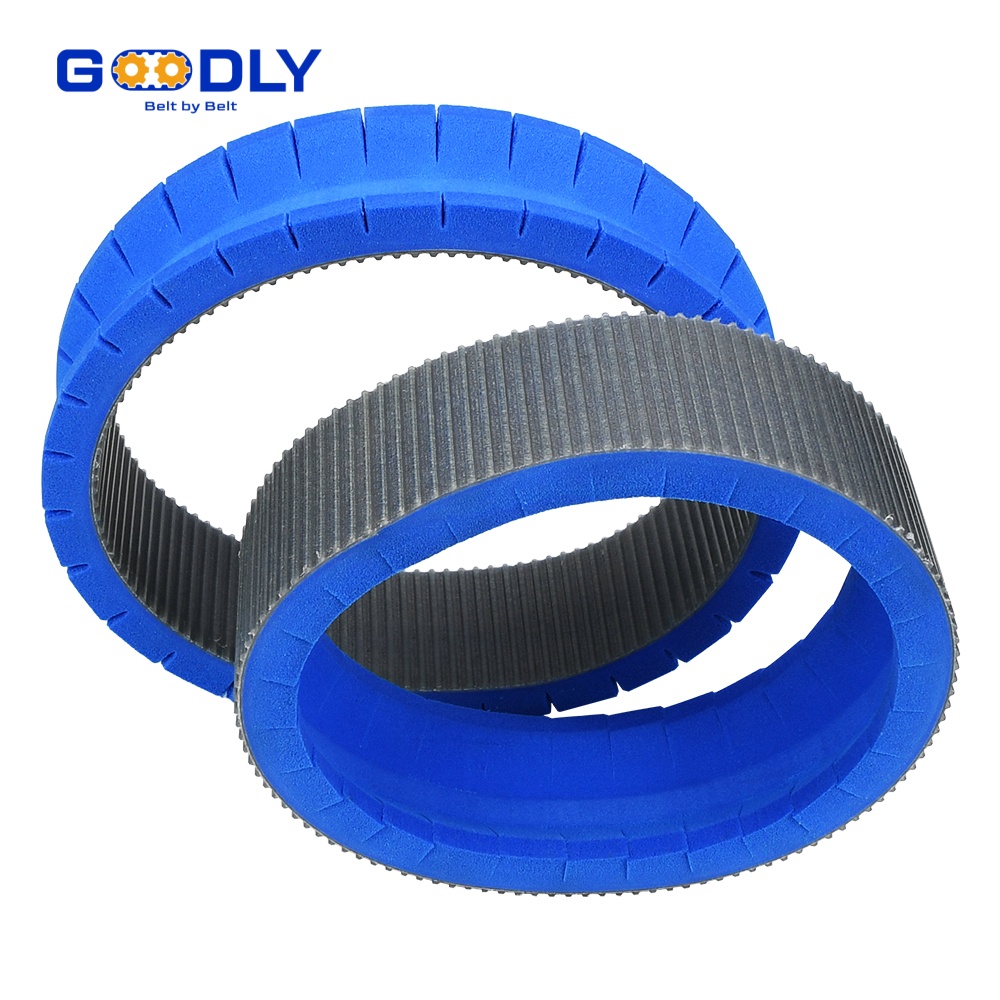
A rubber coated timing belt is a synchronous belt with a rubber layer bonded to its back. The toothed side keeps the drive perfectly synchronised, while the rubber face adds grip, traction and a little cushioning where the belt also carries or feeds product. That dual role makes rubber coated belts a workhorse on packaging, printing and inclined conveying lines — a drive and a conveying surface in a single part. This guide covers how they are built, how to choose the backing, and how custom coated belts are manufactured.
What Are Rubber Coated Belts? A Key to Synchronized Power Transmission
The value of a rubber coated belt is that it does two jobs at once. The tooth side transmits motion with positive engagement and zero slip; the coated side provides friction against the product or the counter-surface, so the belt can pull, feed or hold items without a separate conveying element. Compared with a plain belt plus a separate conveyor, a coated timing belt removes parts from the machine, saves space and keeps the drive and the grip perfectly in step.
The synchronised drive principle is explained in what is a timing belt; for coated belt basics, our earlier article on what rubber coated belts are is a good primer.
Rubber Coated Timing Belt Backings: Smooth, Traction and Cushioned Surfaces
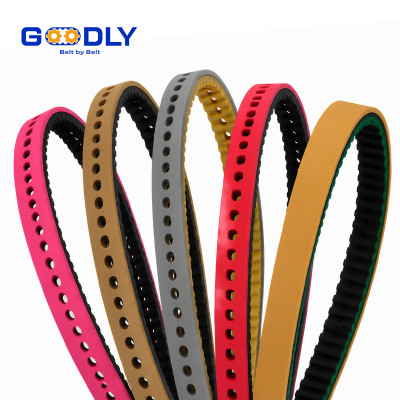
Not all coatings are the same. The backing is chosen for the job the belt does on its product side, and getting it right is the core of specifying a rubber coated timing belt.
| Backing type | Surface | Purpose | Typical line |
|---|---|---|---|
| Smooth rubber | Flat, even | Friction, clean release | Printing, film feeding |
| Traction / high-friction | Textured or ribbed | Grip on inclines | Inclined conveying, feeding |
| Cushioned rubber | Soft, thicker | Protect fragile product | Fragile packs, delicate parts |
| Special profile | Grooved or cleated | Indexing or pocketing | Pouch, sachet, carton lines |
Choosing Rubber Coated Timing Belt Hardness and Thickness for Gripping
Coating hardness sets grip versus softness: a harder coating (higher Shore A) grips firmly and wears slowly, while a softer coating conforms to irregular product but wears faster. Thickness sets cushioning and life: thicker coatings protect more but add flex load. The right combination depends on product weight, incline angle and speed. GOODLY will recommend a hardness and thickness for your line rather than defaulting to one grade.
Rubber-Coated Timing Belt Applications in Packaging and Conveying
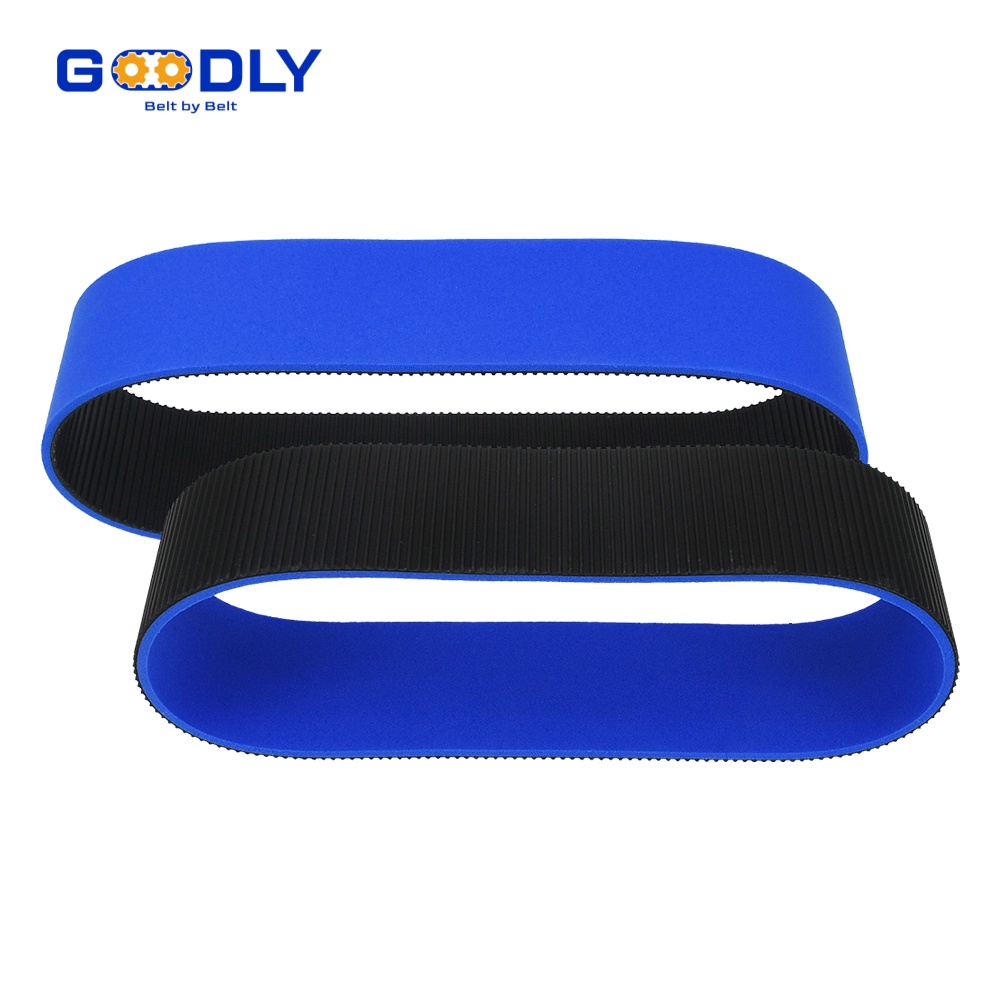
Rubber coated belts earn their cost wherever drive and grip must be combined. In packaging they feed film and cartons on an incline, index pouches and hold product during sealing. In printing they transport sheets without slip. In conveying they power inclined and accumulating sections where a plain belt would let product slide. In each case the coated belt keeps the drive and the product contact locked together, which is exactly what a friction conveyor cannot guarantee.
Carton & pouch feeding
Grips packs on inclines without slip.
Sheet & film transport
Even feed with no marking.
Inclined conveying
Traction coating holds product.
Indexing & pocketing
Profiled coating positions product precisely.
Accumulating sections
Controlled grip for gentle accumulation.
Custom machine builds
One part drives and conveys.
Custom Rubber Coated Belt Manufacturing: Drawings to Mass Production
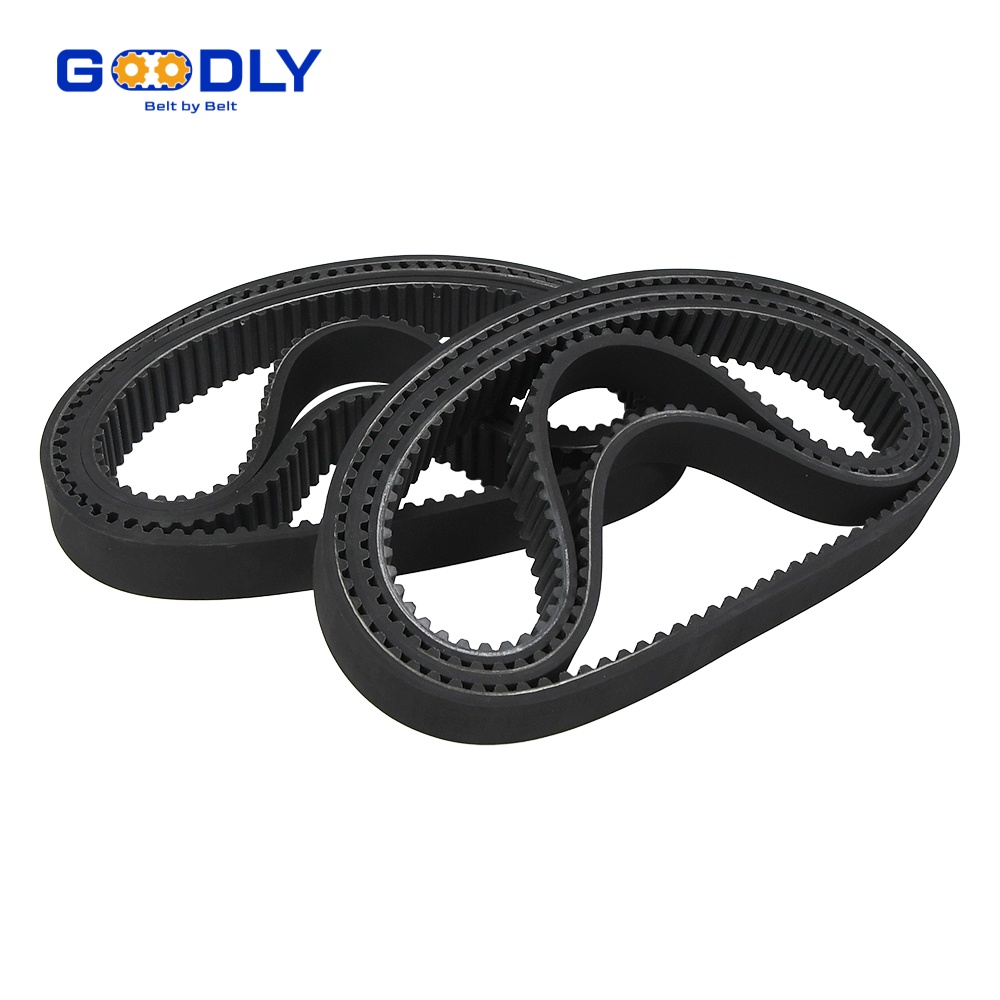
A custom rubber coated belt is built from your drawing: base belt type and pitch, coating material, hardness, thickness, surface pattern and any cleats or profiles. GOODLY bonds and machines the coating in house, verifies the finished belt for pitch and thickness, and moves the part from prototype to mass production without changing the specification — so the belt you approve is the belt you receive in volume. See the Customized Rubber Coated Belt solution page for the full capability.
Where a soft, no-mark surface is the priority rather than grip, a sponge or foam coating may be the better answer — compare with the Sponge Timing Belt range.
Request a Rubber-Coated Belt Prototype from GOODLY in 3-5 Days
What is a rubber coated timing belt used for?
It combines a synchronised drive with grip or cushioning — used for inclined conveying, film and carton feeding, indexing and delicate handling.
Smooth or traction coating — which do I need?
Choose traction for inclines and grip; choose smooth for clean release and even feeding. We can advise from your incline and product.
Can you coat an existing belt?
In most cases a coated belt is manufactured as one part rather than coated afterwards, which gives a stronger bond and more consistent thickness.
What is the lead time for a custom coated belt?
Prototypes typically in 3–5 days and volume production in 10–15 days, confirmed per drawing.
Need a rubber coated belt built to your drawing?
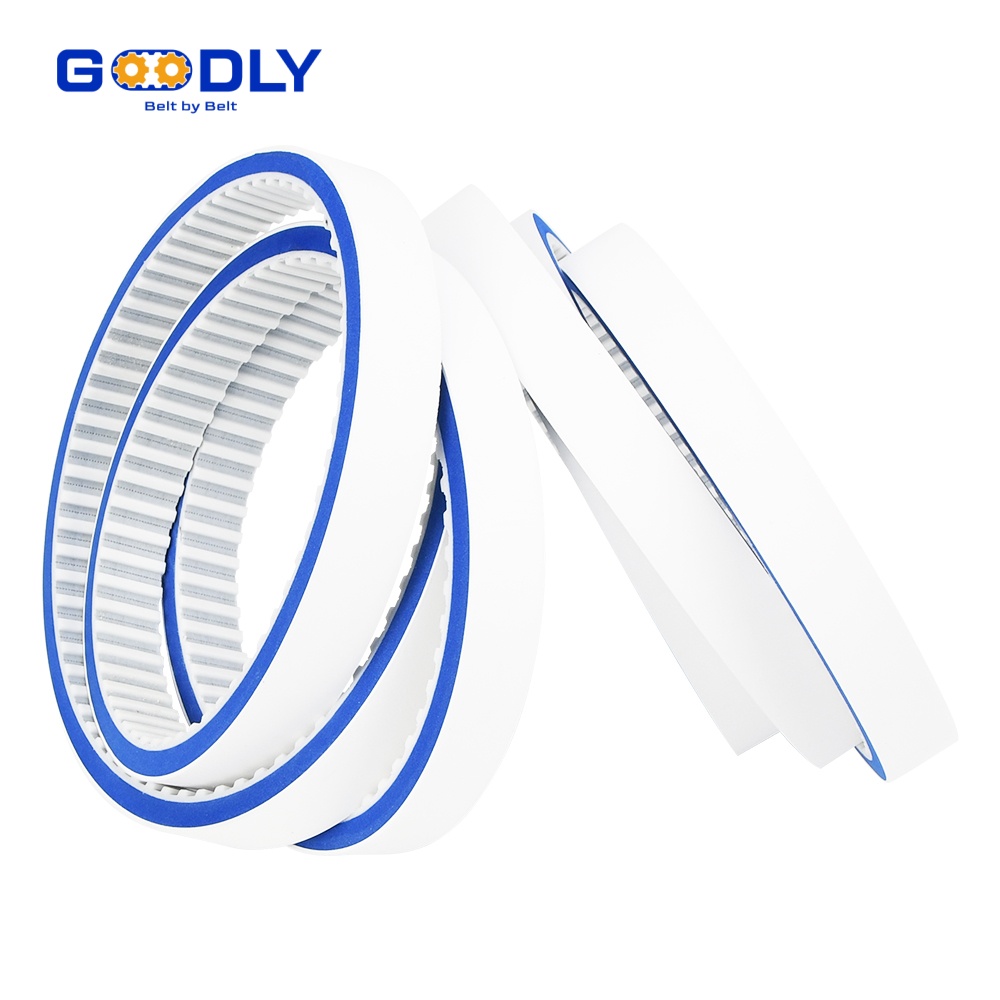
Send the base belt spec and the coating requirement and GOODLY will prototype, verify thickness and grip, and deliver samples in 3–5 days with ±0.05 mm pitch control.
Request a Coated Belt PrototypeCoating hardness, thickness and lead times are confirmed per project and drawing.