
We manufacture and customize industrial
motion belts to precisely match mainstream
equipment worldwide.
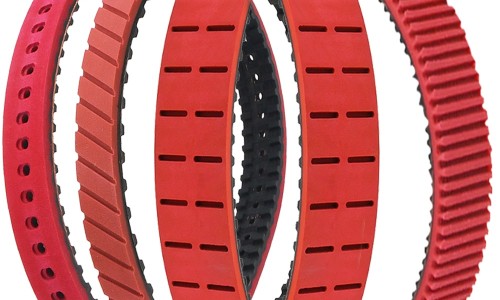
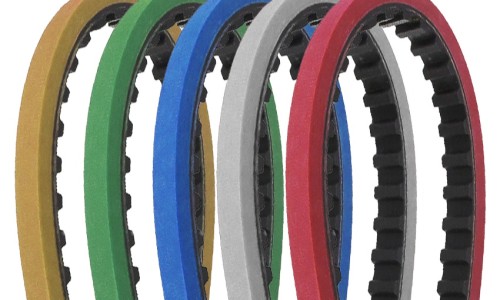
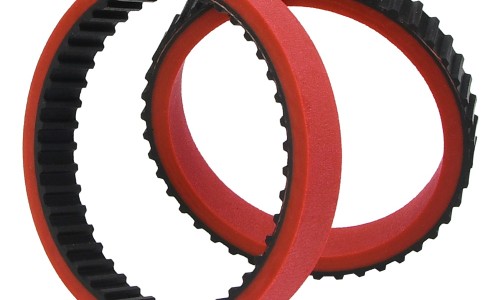
Vulcanized Belt
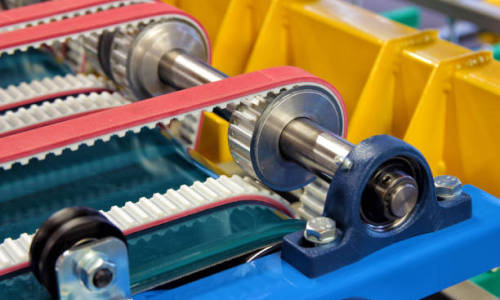
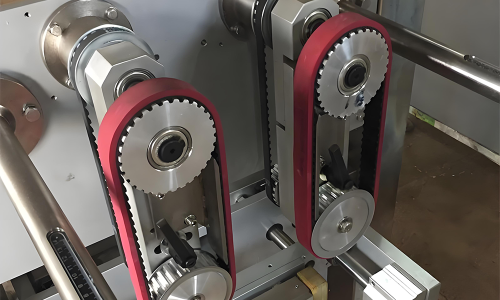
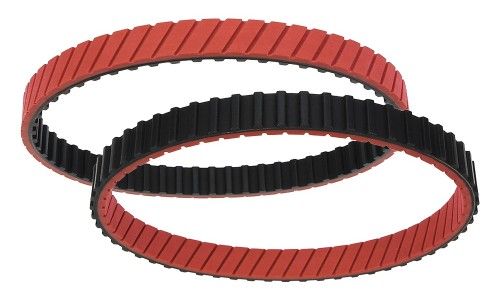
 What Are Rubber Coated Belts? A Key to Synchronized Power TransmissionJul 17,2026Rubber coated belts, widely recognized as synchronous or timing belts, are critical components in contemporary mechanical systems, providing precise and highly efficient power transmission. Their operational fundamental relies on "positive engagement," where the belt's teeth seamlessly interlock with grooved pulleys, effectively eliminating slip and guaranteeing synchronized motion. This inherent precision is vital for applications where exact timing is paramount, including automotive engines, r
- Understanding the Role of Your Vulcanized Timing Belt in Engine SynchronizationMar 13,2026The vulcanized timing belt is a critical component in internal combustion engines, orchestrating the precise synchronization of the crankshaft and camshaft to ensure efficient combustion. Unlike standard belts, vulcanization chemically enhances the rubber, providing superior strength, elasticity, and resistance to heat, chemicals, and wear, making it indispensable for the harsh engine environment. Constructed from a composite of high-temperature synthetic rubber, tensile cords like fiberglass or
- Everything You Should Know About Vulcanized Synchronous BeltsMar 13,2026Vulcanized synchronous belts are crucial components in modern machinery, enabling smooth and synchronized movement across various applications. Their development stems from Charles Goodyear's 1839 accidental discovery of vulcanization, a chemical process that transforms natural rubber into a durable, elastic, and strong material by cross-linking its polymer chains with sulfur. This innovation addressed natural rubber's temperature sensitivity, making it viable for industrial use.
- Solution Spotlight: Goodly Belts Vertical Form-Fill-Seal (VFFS) Belts for Superior Packaging EfficiencyFeb 1,2026At Goodly Belts, we specialize in designing and manufacturing high-performance power transmission and conveyor belts for automated packaging lines. Today, we’re proud to spotlight our Vertical Form-Fill-Seal (VFFS) Belts—engineered to boost speed, accuracy, and reliability for modern packaging operations worldwide.
- Why Replacing Your Vulcanized Synchronous Belt is CrucialNov 4,2025The vulcanized synchronous belt, commonly known as a timing belt in automotive applications, is a crucial component ensuring the precise synchronization of an engine's internal parts, such as the crankshaft and camshaft, to regulate valve timing. Its failure can lead to catastrophic engine damage, particularly in interference engines where pistons can collide with valves [1, 3, 6]. These belts are constructed from materials like synthetic rubber (Neoprene, HSN/HNBR, or Polyurethane for specific
- Goodly Belts Upgrade Full Range of Power Transmission Belts, Providing High-Reliable Transmission Solutions for the Packaging IndustryMay 15,2025As a leading global industrial belt manufacturer, we at Goodly Belts are thrilled to announce the completion of the upgrade and inventory expansion of our full range of power transmission belts. Covering timing belts, specialty round belts and all other categories, we target the pain point of progressive degradation of power components in the food packaging industry, providing OEM-grade replacement.
Are you looking for a reliable manufacturer of conveyor belt products?
We can quickly provide customers with market analysis, technical support and customized services.We manufacture and customize industrial
motion belts to precisely match mainstream
equipment worldwide.
Please send your message to us
- Name
- Phone
- *Title
- *Content