
We manufacture and customize industrial
motion belts to precisely match mainstream
equipment worldwide.
 Rubber Timing Belt
 PU Timing Belt
 Silicone Timing Belt
 Silicone Vulcanized Timing Belt
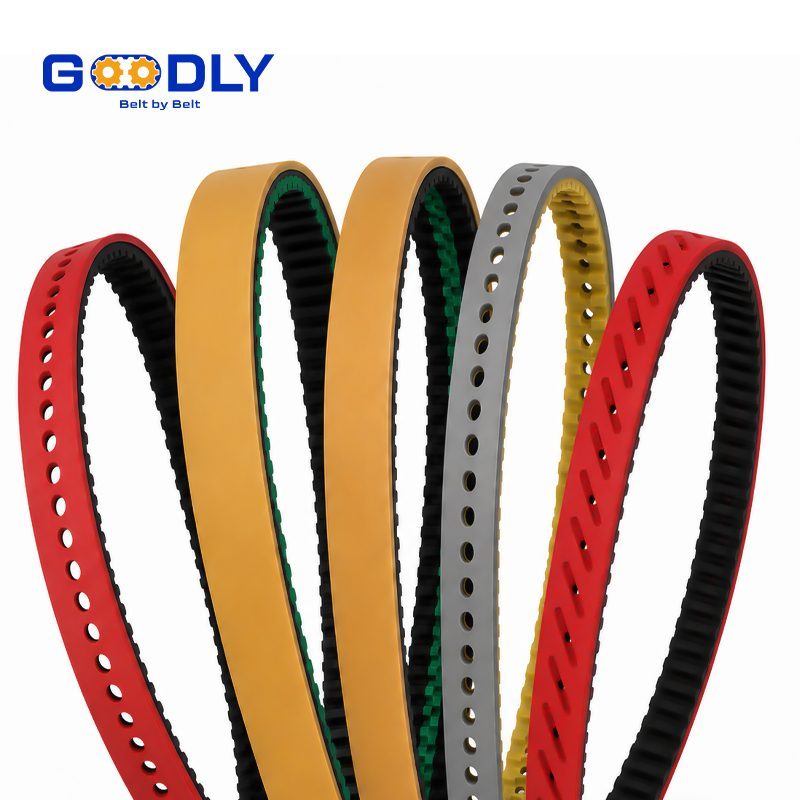 Vulcanized Timing Belt
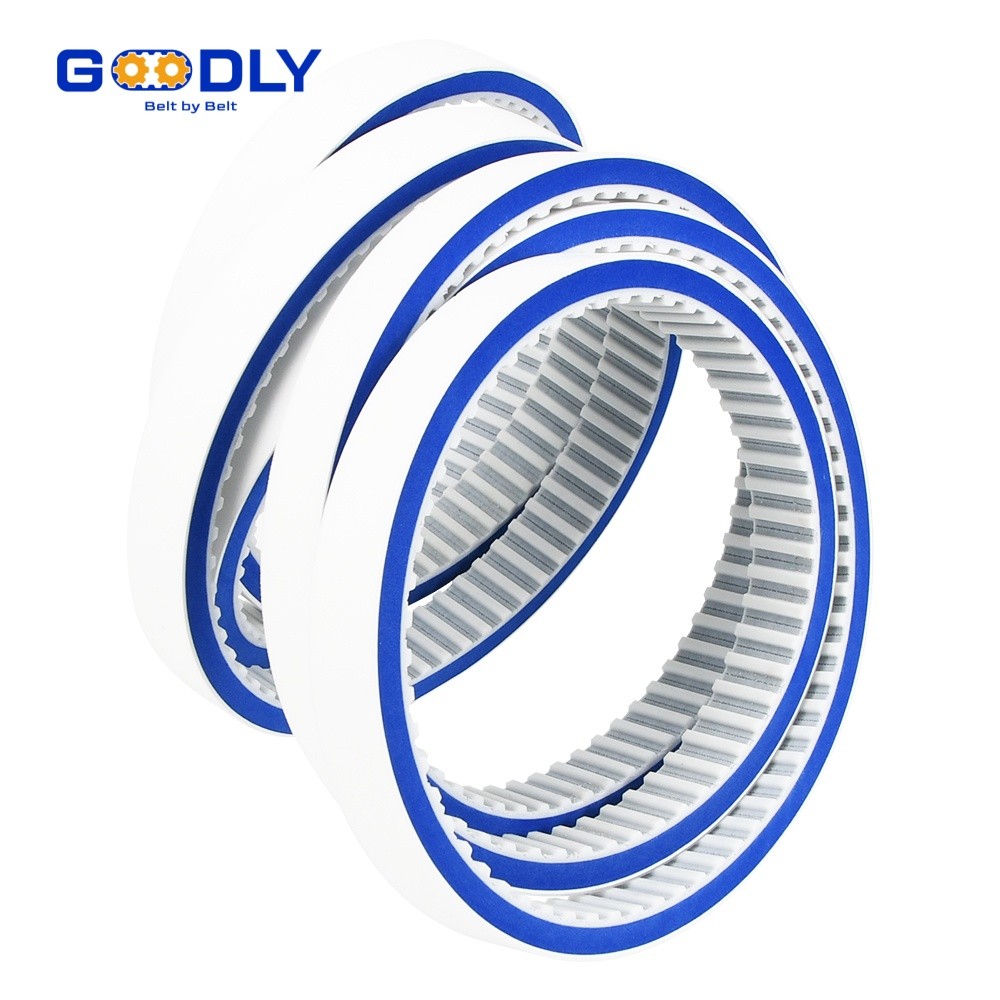 Sponge Timing Belt
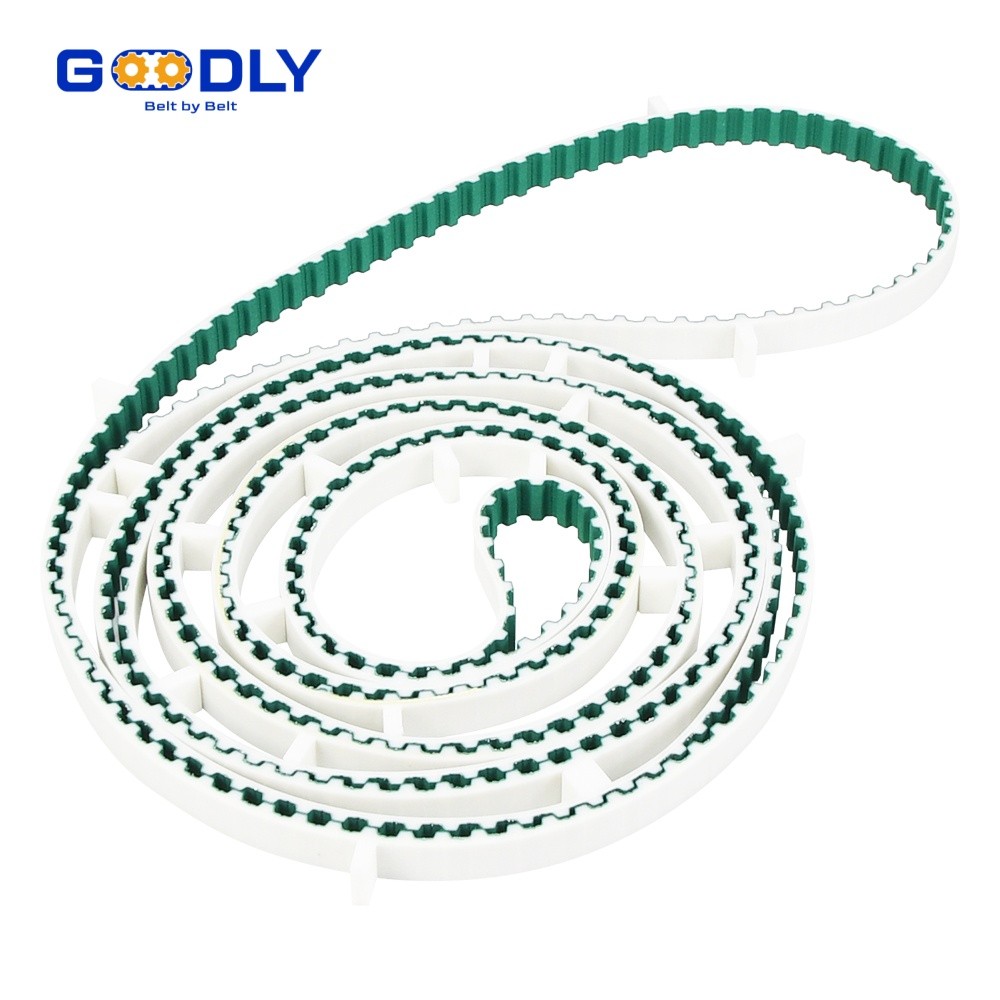 Timing Belts with Special Machining
 Rubber Flat Belt
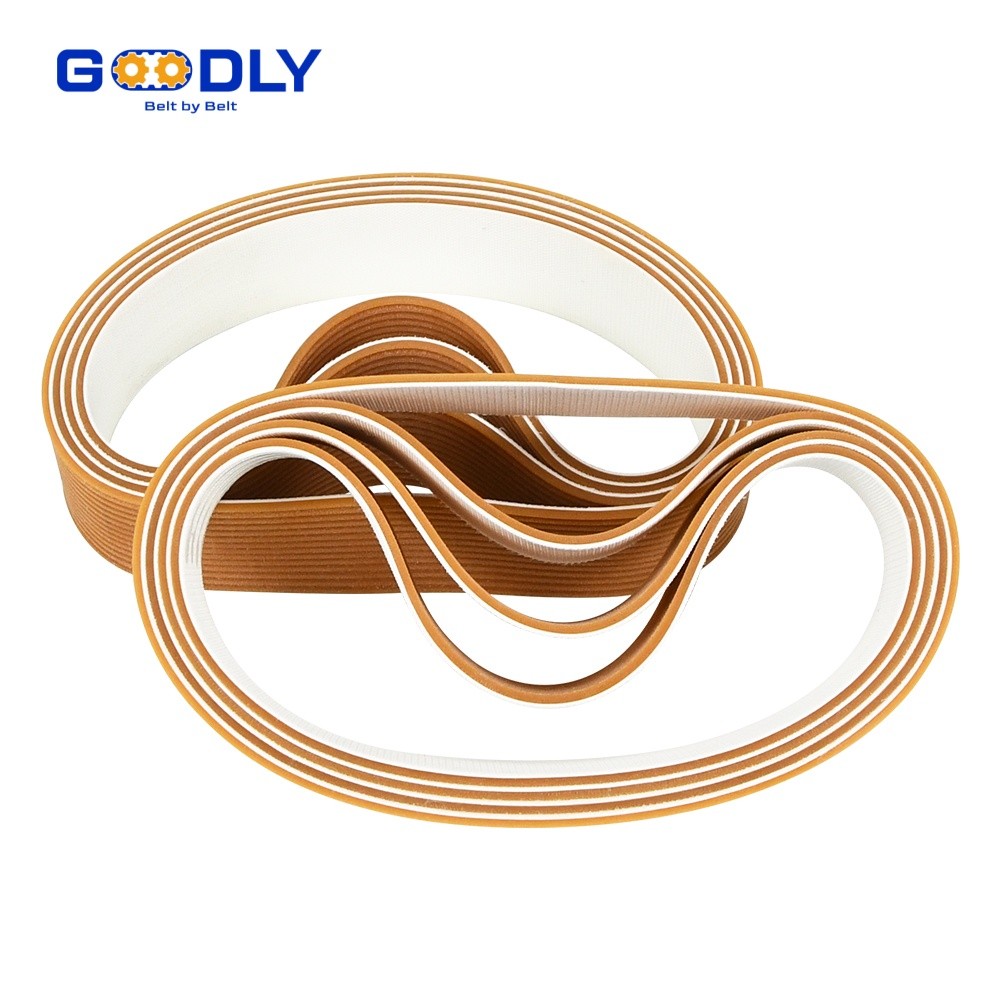 PU Flat Belt
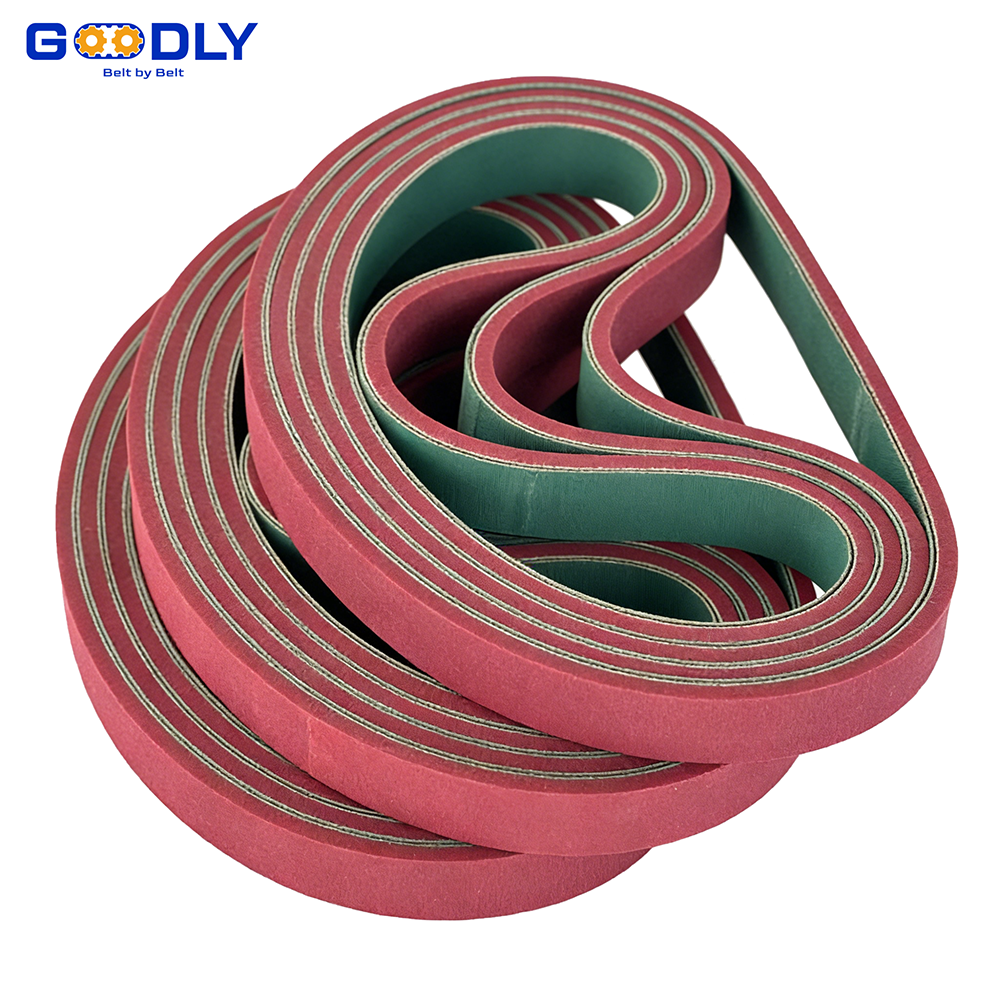 Nylon Flat Belt
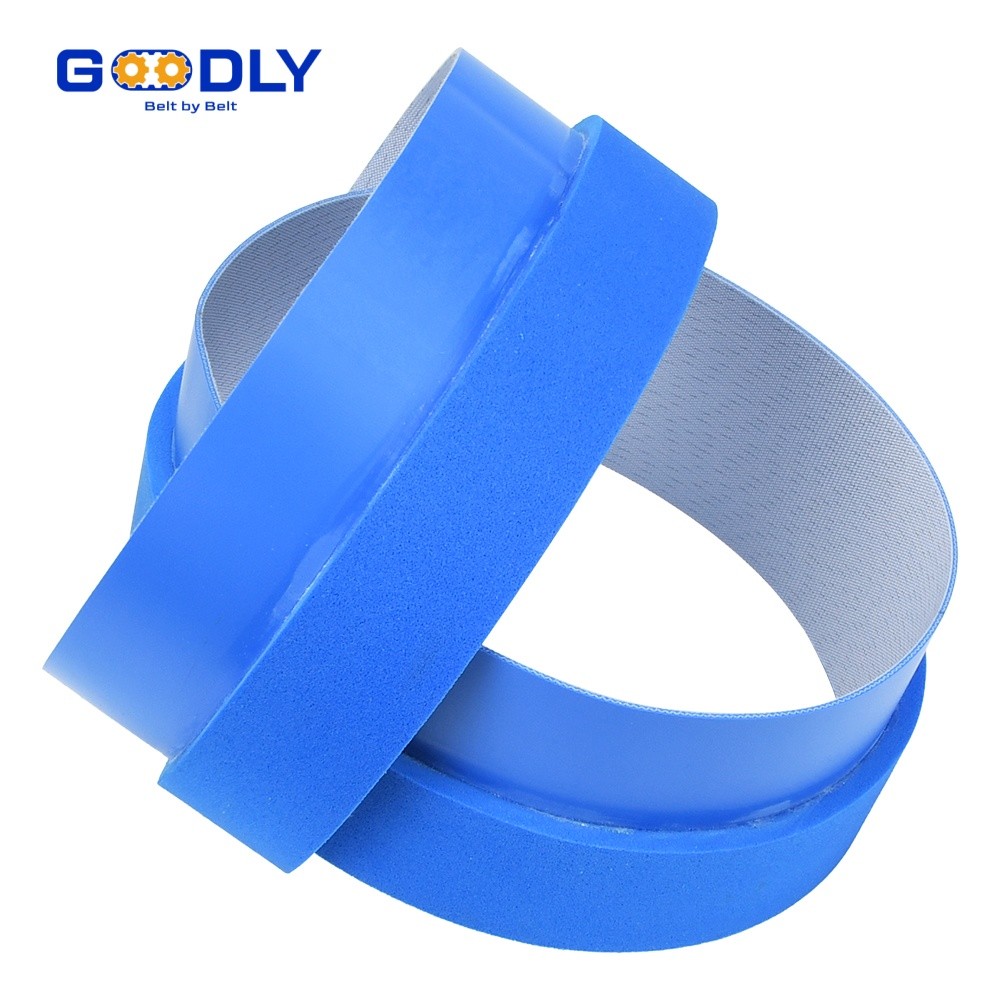 Foam Flat Belt
 Vulcanized Flat Belt
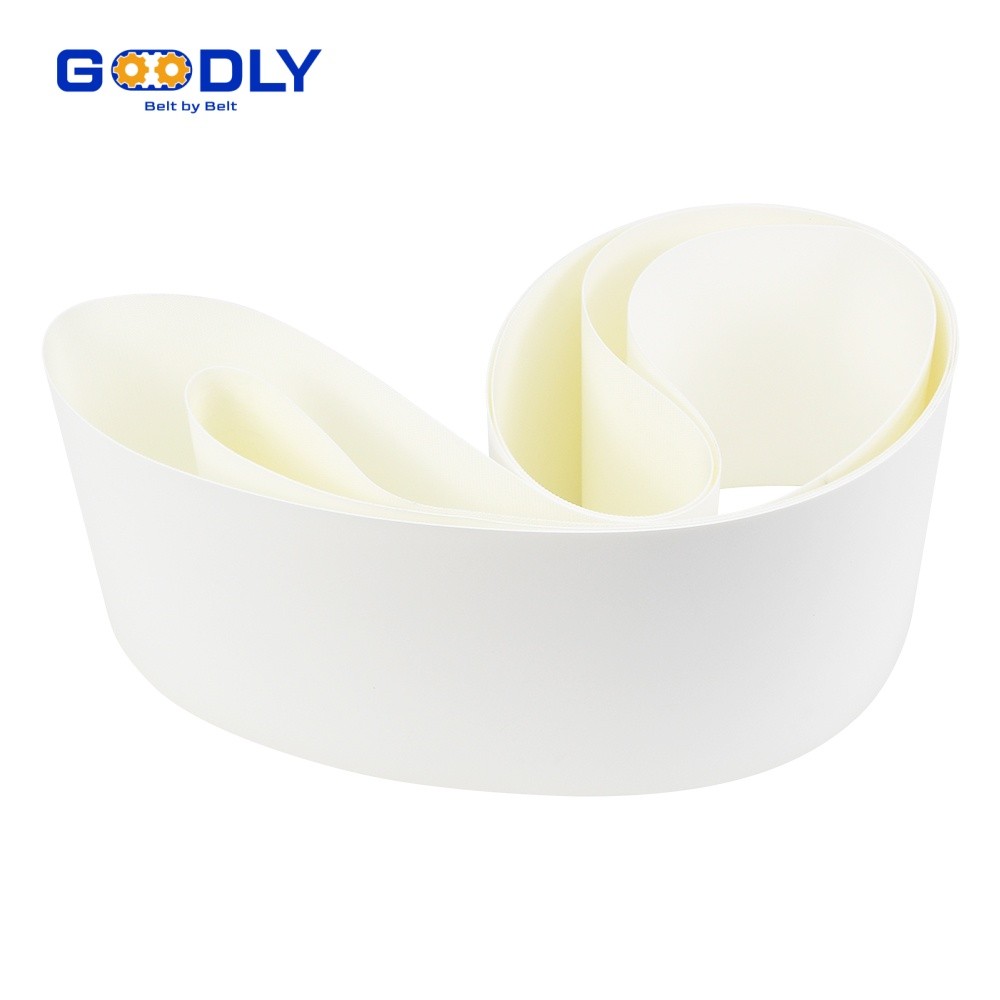 PU Conveyor Belt
 PVC Conveyor Belt
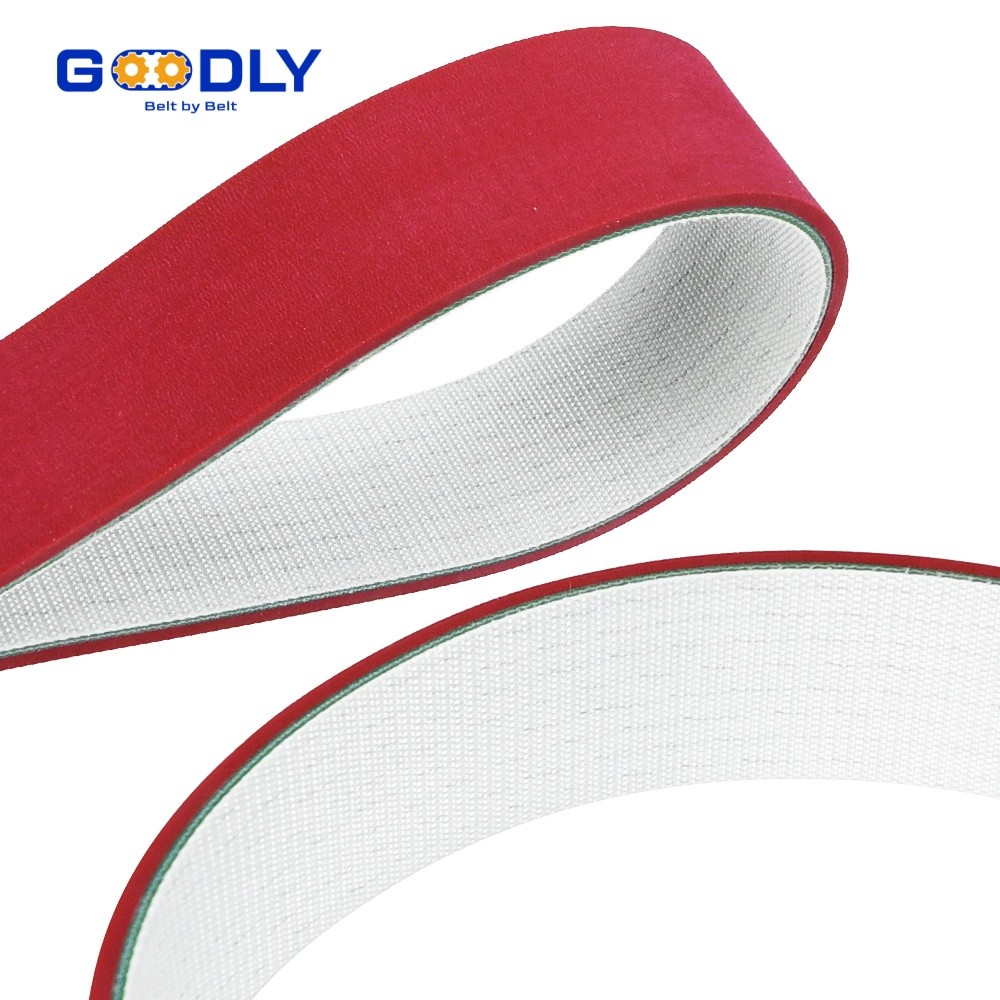 Rubber Conveyor Belt
 Sponge Conveyor Belt
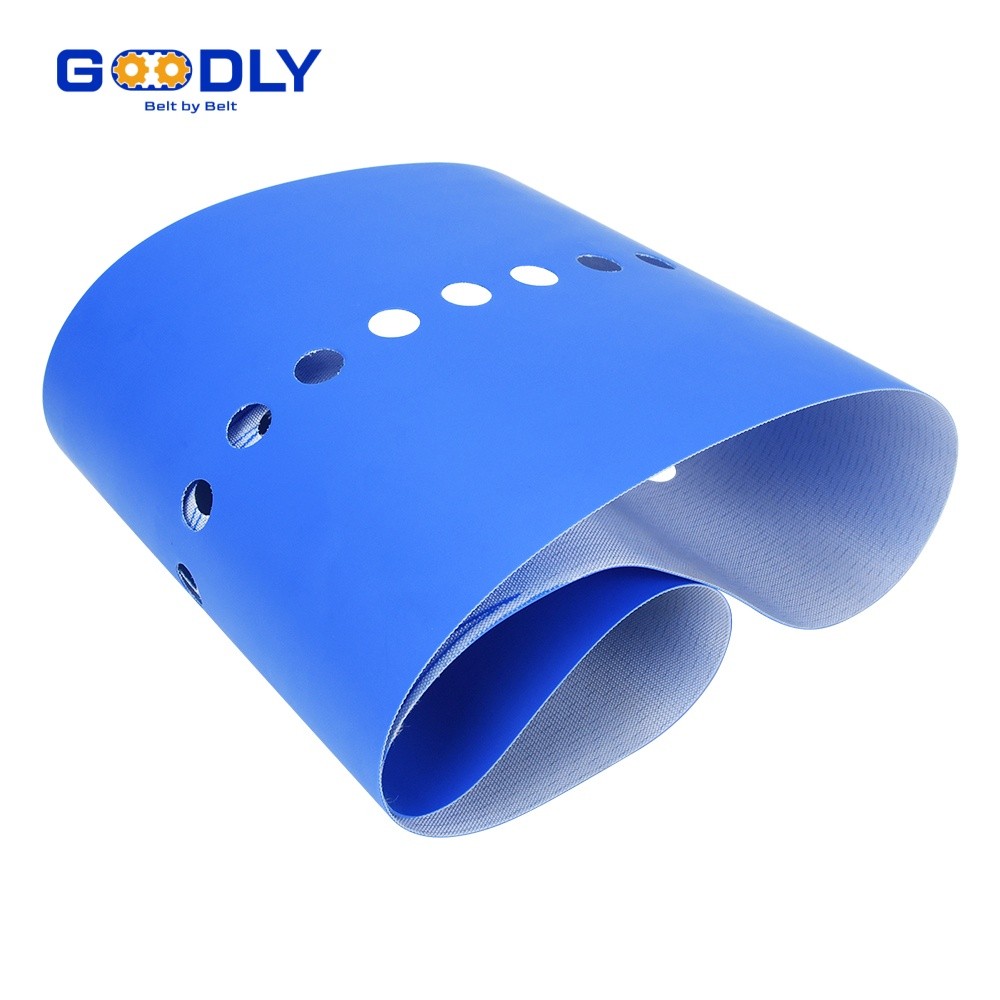 Conveyor Belts with Special Machining
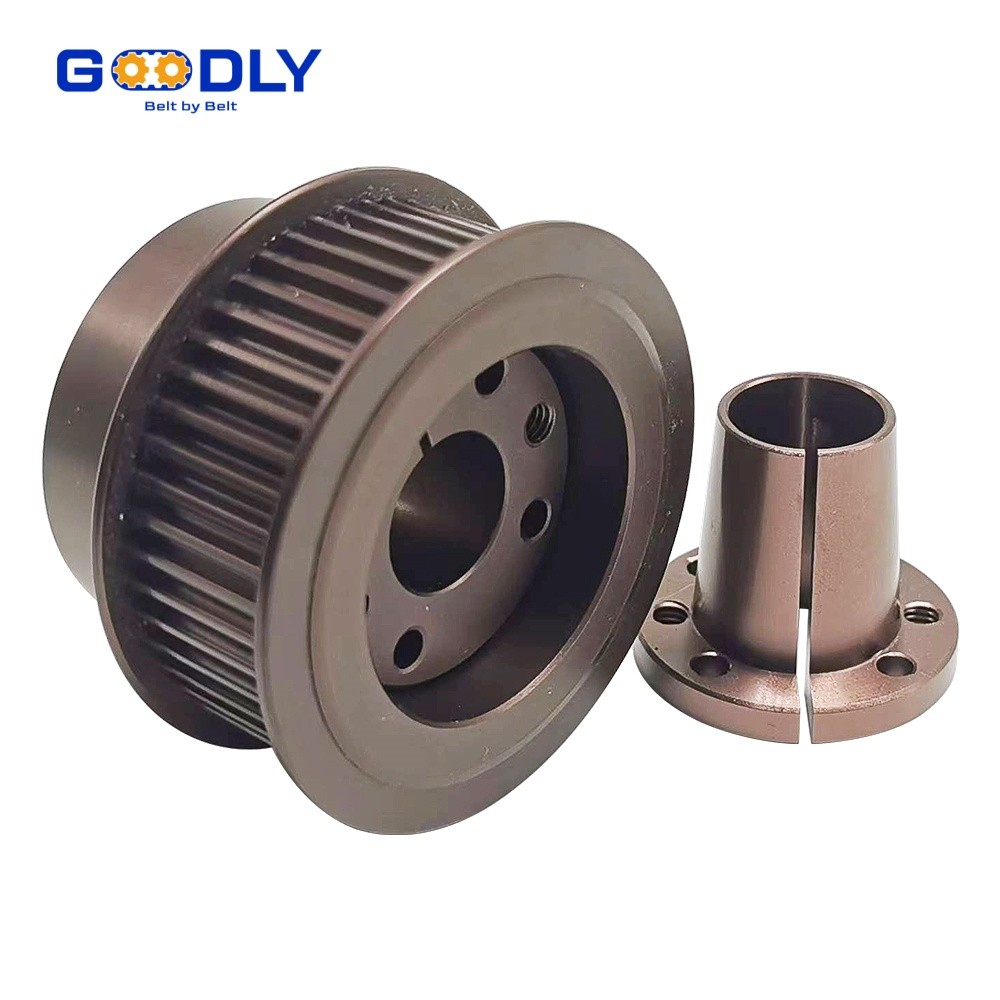 Timing Belt Pulley
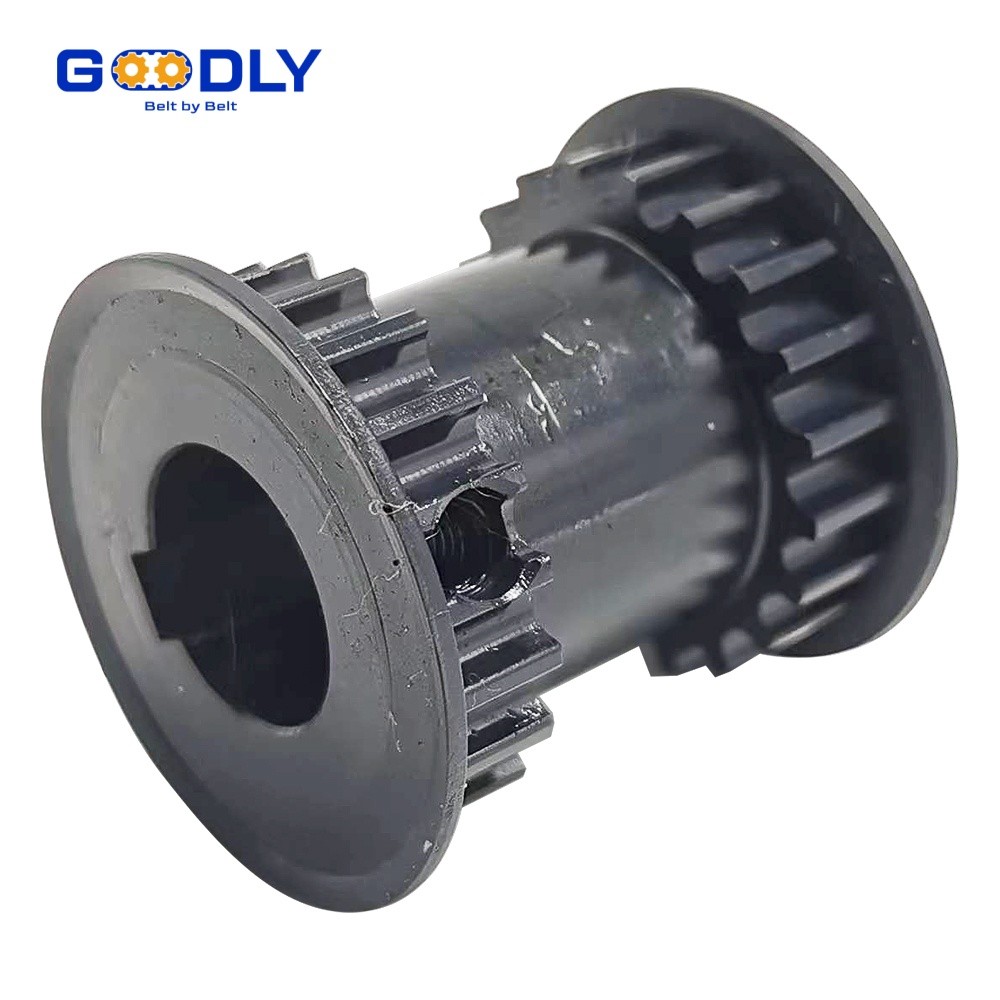 Rod-Shaped Synchronous Timing Pulley
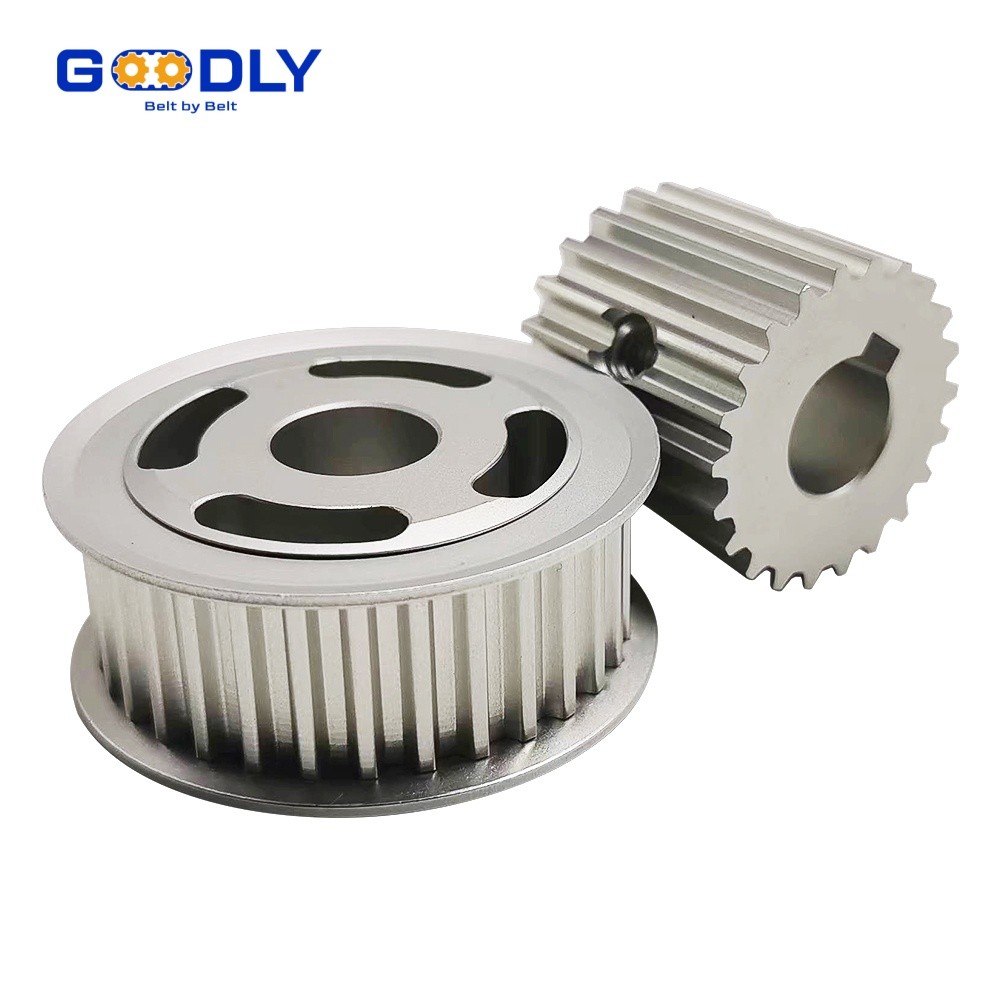 Surface-Pressure-Bearing Timing Pulley
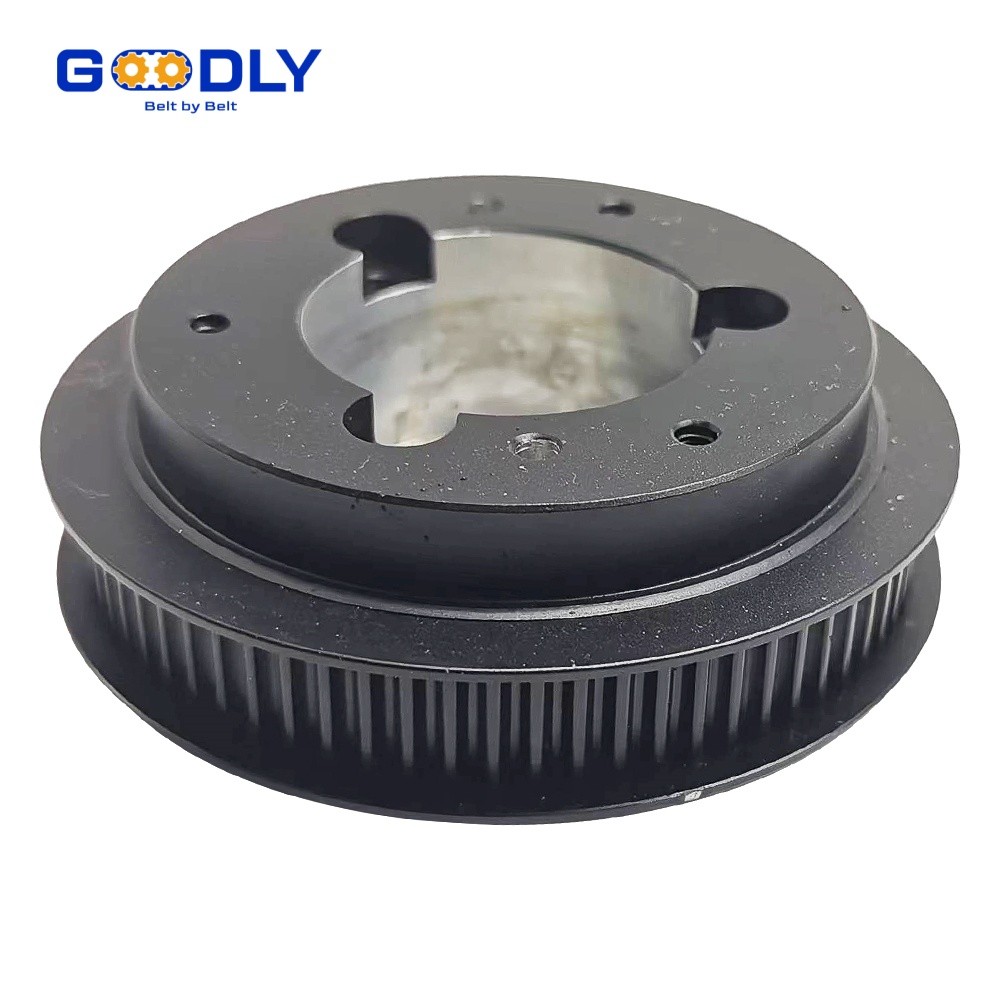 Serrated Idler Gear Timing Pulley
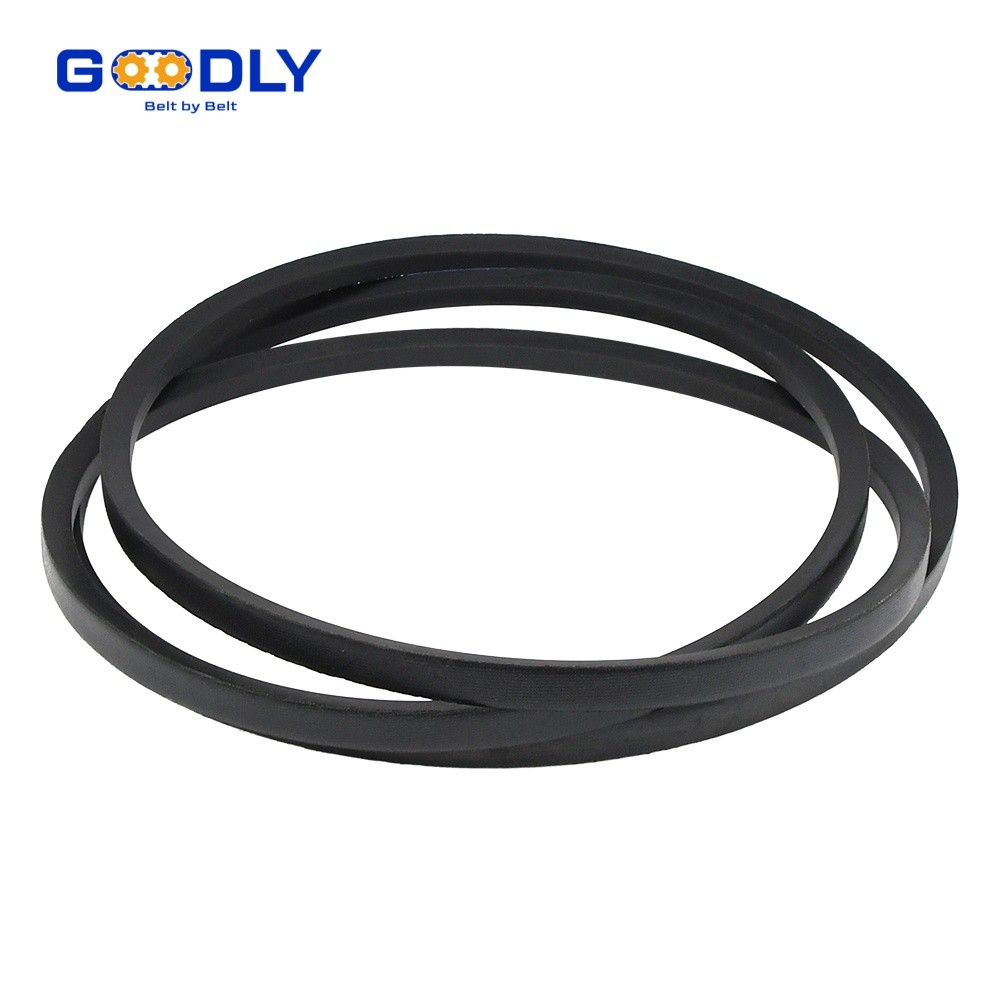 Multi-Groove Belt
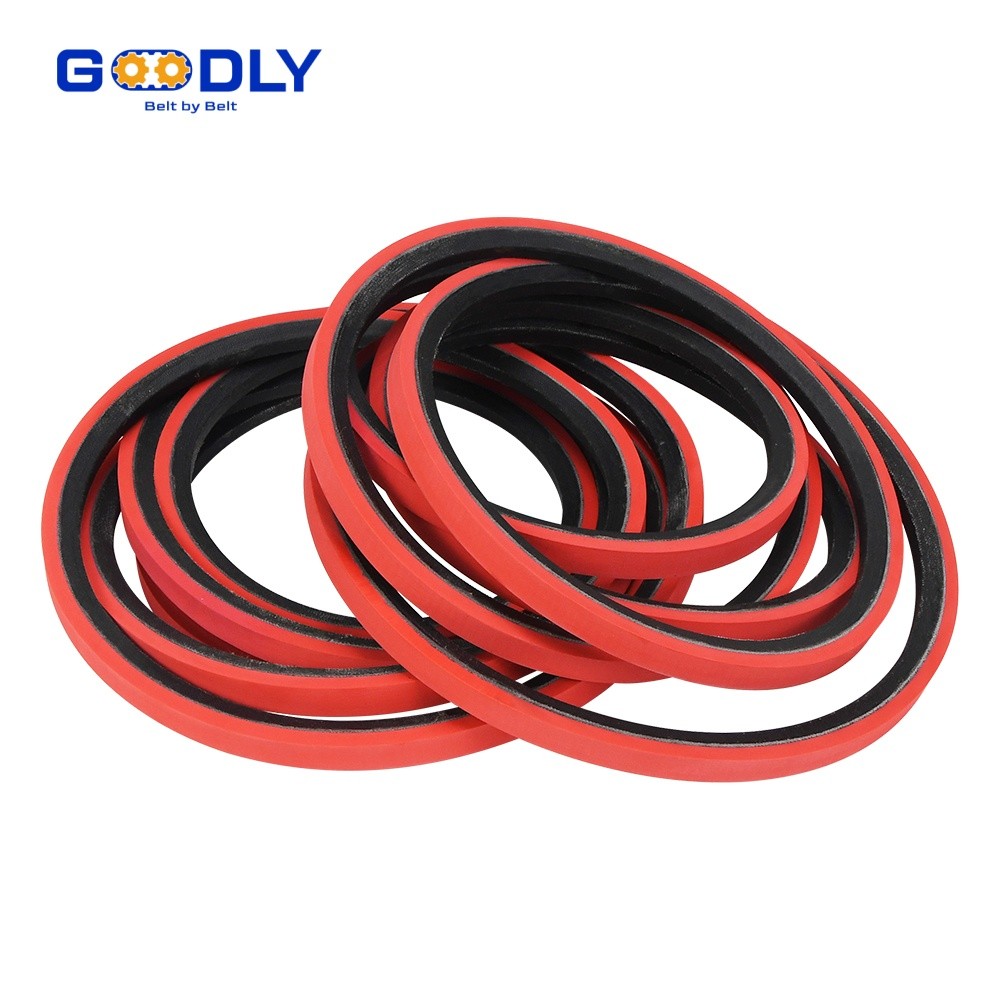 V-Belt
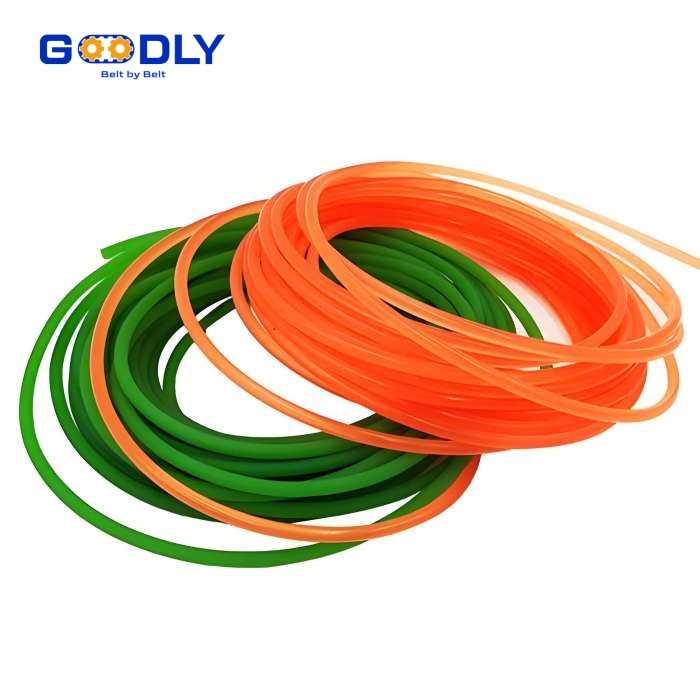 PU Round Belt
Can I convert a V-belt drive to a timing belt drive?
Direct answer: Yes. Converting to a timing belt removes slip, belt stretch and repeated re-tensioning, and keeps the shafts perfectly synchronized. The trade-off: you cannot reuse the V-belt pulleys. A conversion needs new toothed pulleys in a pitch that suits your torque, a belt width calculated for the power and RPM, and enough room for the timing pulley diameters, which are usually larger than V-pulleys at the same ratio.
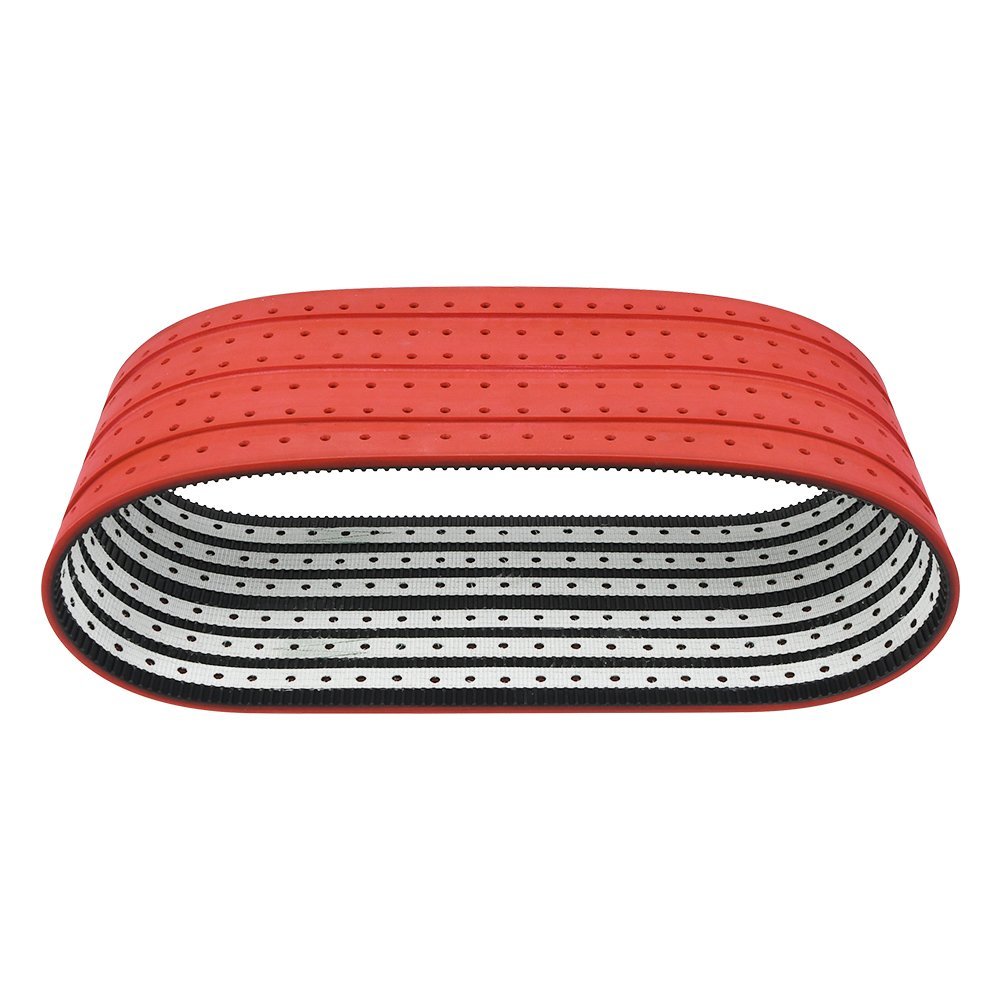
Why plants make the switch
- No slip: a positive tooth drive keeps the speed ratio exact, which matters for indexing, printing, packaging and conveyors with synchronized zones.
- No frequent re-tensioning: a correctly installed timing belt does not need the periodic tension maintenance that V-belts do.
- No lubrication and no belt dressing, so the product and the machine stay cleaner.
- Longer, more predictable service life, because the failure mode is gradual tooth wear rather than sudden slip and glazing.
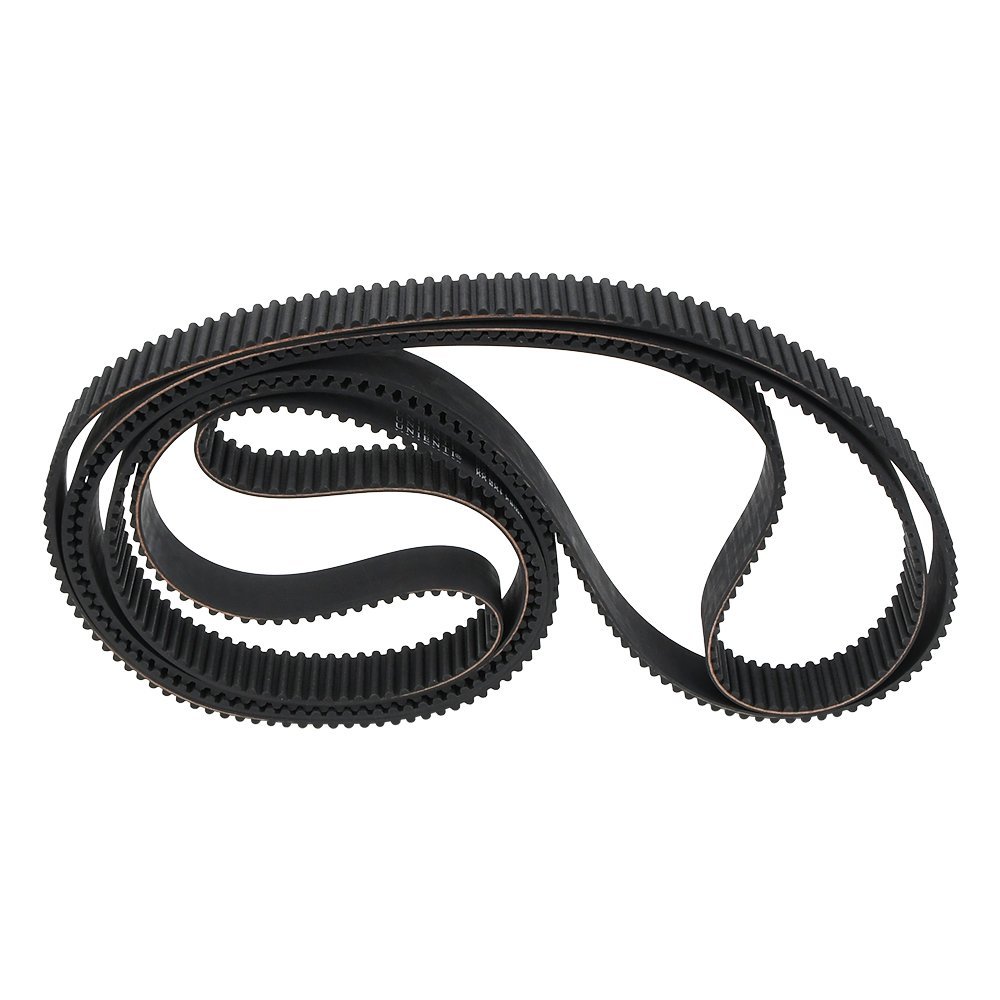
What must be recalculated
| Item | Why it changes |
|---|---|
| Pitch selection | Torque and RPM decide the pitch family: smaller pitches for light, fast drives, larger ones for heavy loads |
| Belt width | Calculated from transmitted power and service factor, not copied from the V-belt width |
| Pulley diameters | Timing pulleys need a minimum number of teeth per pitch; diameters often grow slightly at the same ratio |
| Center distance | Usually kept, but check that the take-up range still allows fitting and tensioning |
| Tension | Much lower than a V-belt needs; overtensioning a timing belt shortens bearing and cord life |
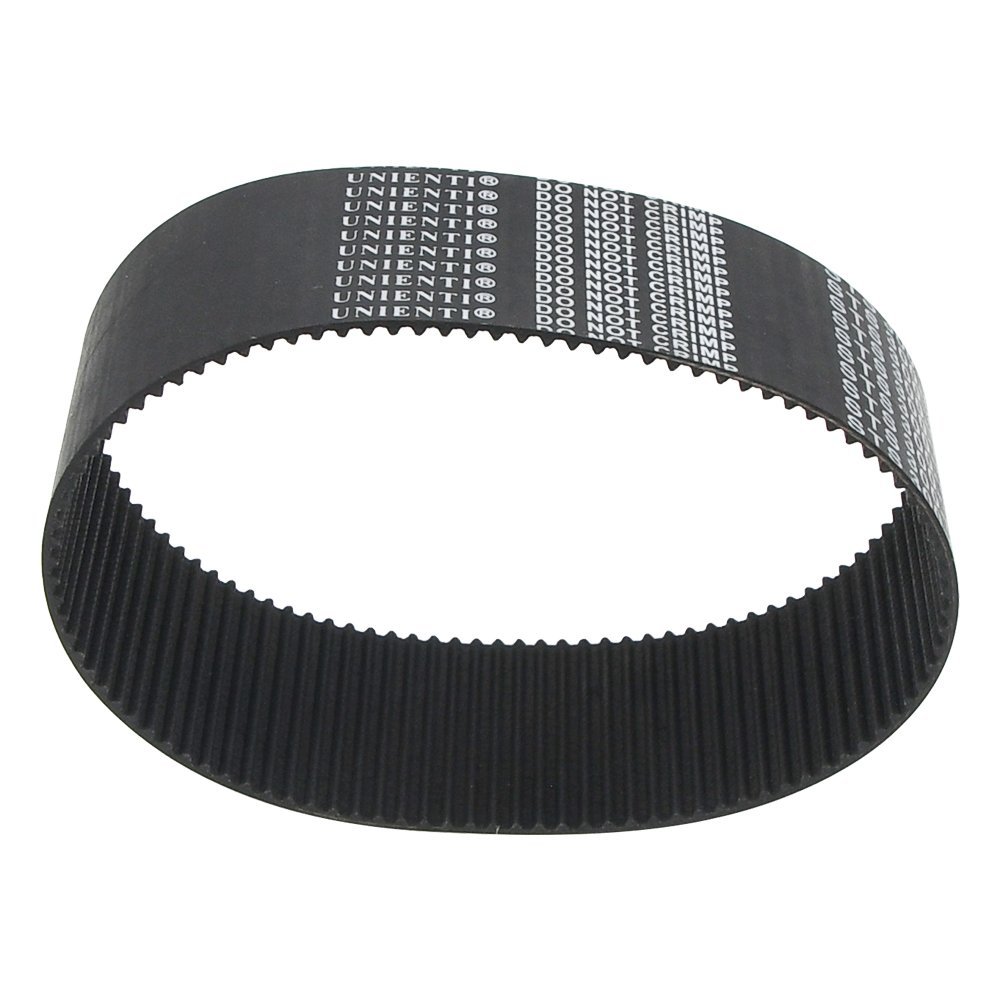
Data to send for a conversion check
- The current V-belt profile and quantity, plus the driven machine type.
- Motor power and speed, and the required output speed or ratio.
- Shaft center distance and any limits on pulley diameter.
- The working environment: temperature, oil mist, dust, washdown.
A conversion changes how the drive behaves at start-up: timing belts transmit shock loads instead of slipping through them. On drives with hard starts or high inertia, check the starting torque before committing to a width.
Send your drive data for a conversion quote
Email sales@goodlybelts.com with the details above, or use the enquiry form. We will check the pitch and width calculation, propose pulley sizes for your center distance and quote belt and pulleys as a set.
Start my conversion check
Are you looking for a reliable manufacturer of conveyor belt products?
We can quickly provide customers with market analysis, technical support and customized services.We manufacture and customize industrial
motion belts to precisely match mainstream
equipment worldwide.
Please send your message to us
- Name
- Phone
- *Title
- *Content