
We manufacture and customize industrial
motion belts to precisely match mainstream
equipment worldwide.
Why is my timing belt drive noisy, and how do I make it quieter?
Direct answer: A whining belt is usually over-tensioned or misaligned; a rattling or slapping belt is usually under-tensioned or carrying shock loads; a constant high-pitched tone that grows with speed often points to tooth profile mismatch or a worn pulley. Fix tension and alignment first, because they cause most noise complaints, then look at profile and pitch.
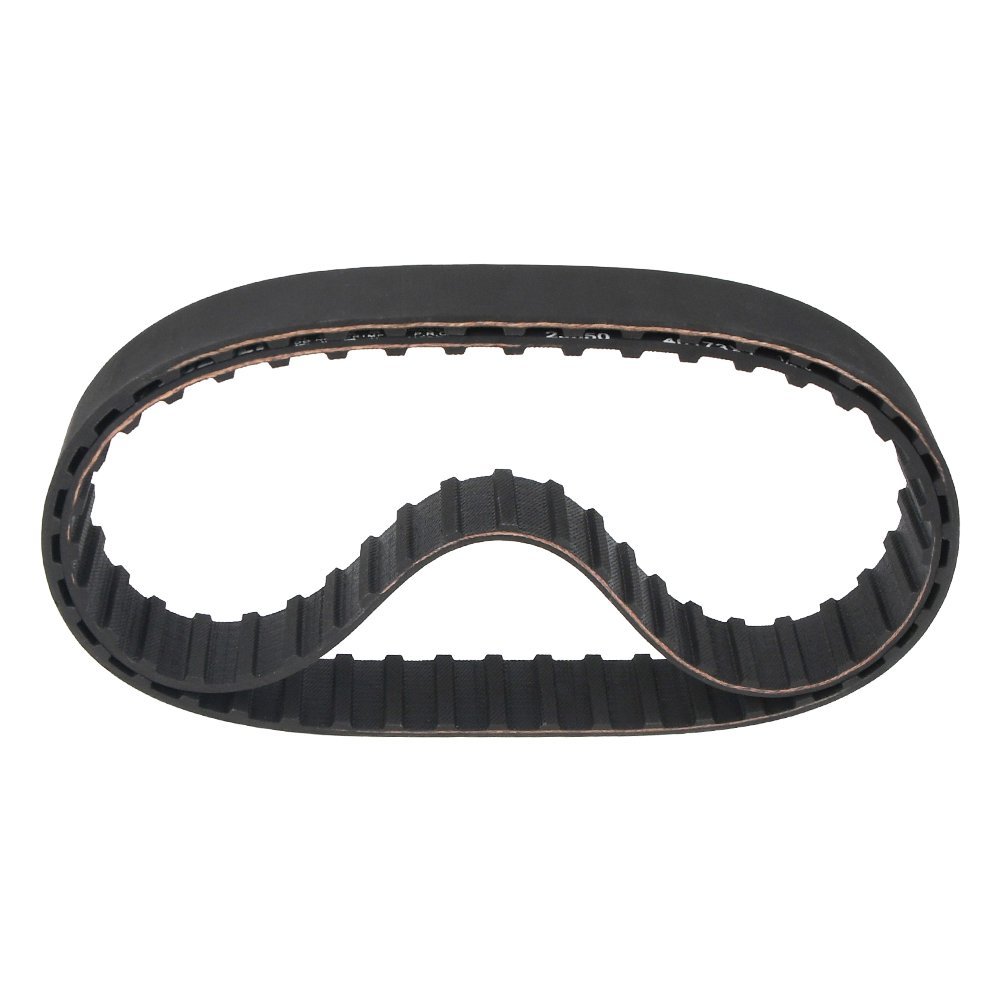
Find the noise type first
| Noise | Typical cause | First action |
|---|---|---|
| Continuous whine, rises with speed | Too much tension, or stiff small-pitch belt on large pulleys | Recheck tension against spec, not by feel |
| Rattle or slapping in the span | Too little tension, or resonance of a long span | Tension to spec; consider an idler on the slack span |
| Chirping or ticking per revolution | Local tooth damage, debris in the mesh, or a dented pulley tooth | Inspect teeth and clean the mesh |
| Loud engagement, worse at high RPM | Trapezoidal profile (T, XL, L) engaging sharply, or profile mismatch | Consider curvilinear HTD/STPD profiles where the machine allows |
| Growl that vibrates through the frame | Pulley misalignment or bent shaft | Laser or ruler check across pulley faces |
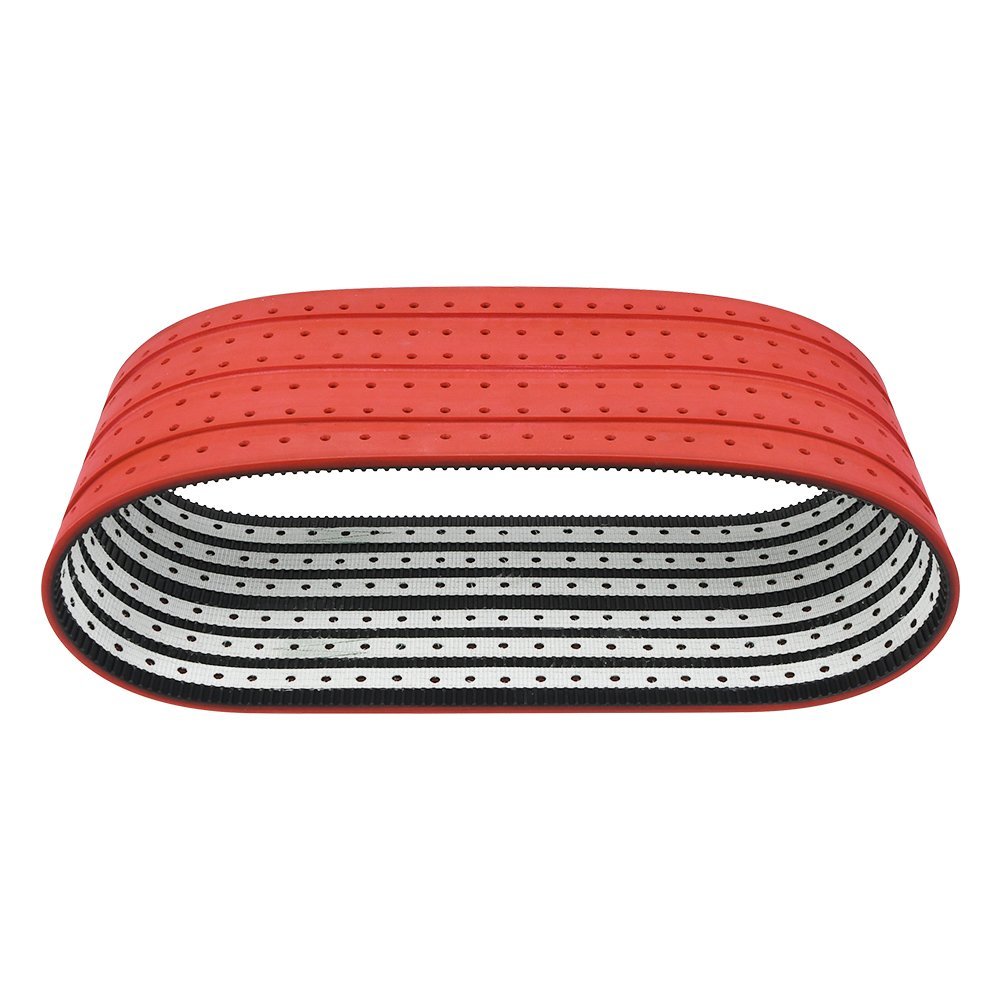
Checks that take minutes, not hours
- Tension: use a deflection gauge or frequency meter. Feeling by hand is why most drives run too tight.
- Alignment: lay a straight edge across both pulley faces. Even one or two degrees of angular misalignment creates a whine and wears flanges.
- Tooth tips: shiny or rounded belt tooth tips and matching pulley valleys mean the profile or pitch is wrong or the belt was made for a different pulley.
- Debris: dust paste in the tooth mesh ticks at mesh frequency. Clean the drive, especially in wood, stone or paper applications.
- Span resonance: on long spans, a light idler on the slack side changes the resonance and often silences the rattle.
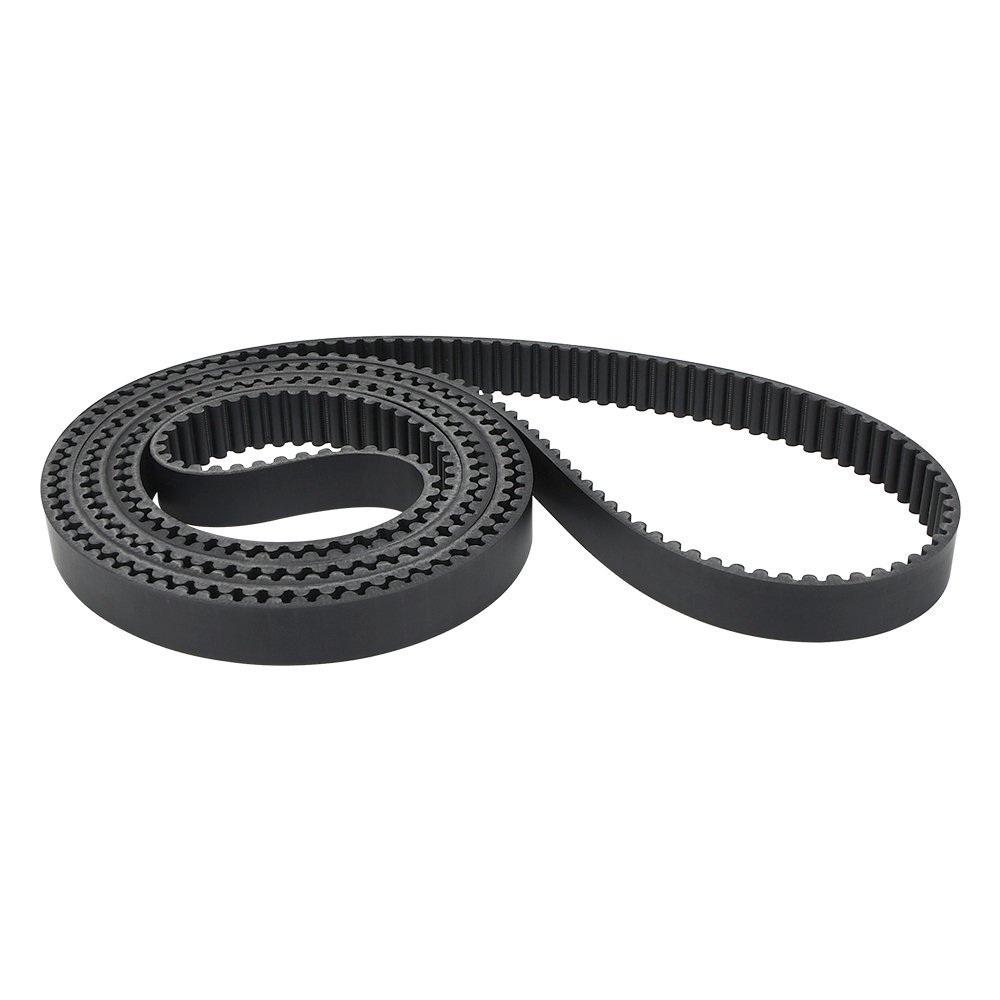
Noise fixes must not come from removing too much tension. A belt that runs silent because it is loose will jump teeth under load, and the repair is far more expensive than a whistle.
Noise you cannot pin down?
Send the belt code, pulley tooth counts, centre distance and a short description of when the noise occurs to sales@goodlybelts.com, or use the enquiry form. We will help identify the cause and propose a quieter construction if needed.
Ask about the noise
Are you looking for a reliable manufacturer of conveyor belt products?
We can quickly provide customers with market analysis, technical support and customized services.We manufacture and customize industrial
motion belts to precisely match mainstream
equipment worldwide.
Please send your message to us
- Name
- Phone
- *Title
- *Content