
Why does my vulcanized belt slip on the pulley, and how do I fix it?
Direct answer: A vulcanized belt slips when the friction between belt and pulley cannot carry the torque. The usual causes, in order of likelihood, are insufficient tension, a glazed or worn cover surface, contamination (oil, dust, wet product) on the pulley or belt, and a drive running above its design load. Work through tension, cleanliness and cover condition before you blame the belt itself.
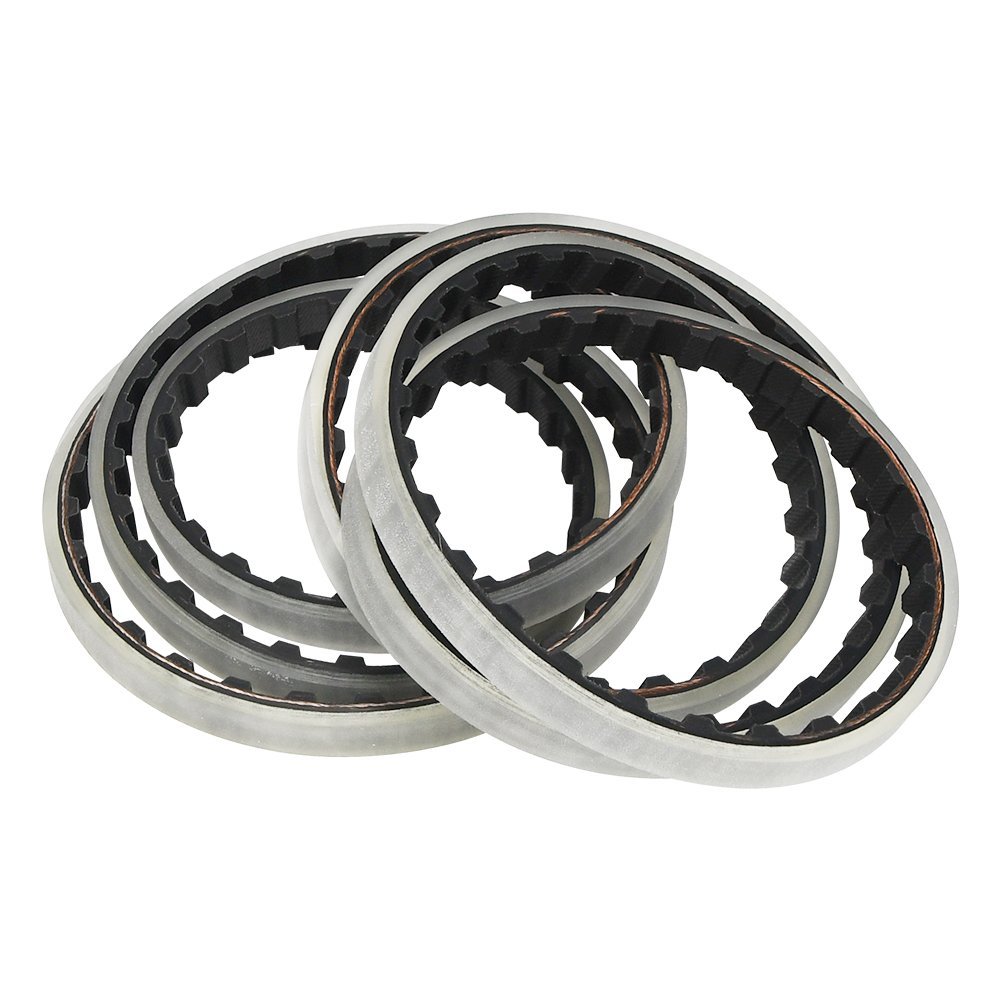
Diagnose in this order
- Tension: press the belt mid-span by hand. A belt that deflects far too easily is under-tensioned. Measure deflection with a force gauge if you have one, and compare against the manufacturer recommendation for that belt type.
- Contamination: wipe the drive pulley face and the belt running side. Oil film, release agent, dust paste or wet product residue can cut friction dramatically even when tension is correct.
- Cover condition: a shiny, hard or polished cover means glazing; cracks or missing rubber reduce contact area. Both need attention before you simply add more tension.
- Drive load: if slip started after a product change, speed increase or machine modification, the drive may now be over its original duty. Recheck the drive calculation.
- Pulley diameter and wrap: small drive pulleys with short wrap angles need more tension for the same torque, which accelerates slip and belt fatigue.
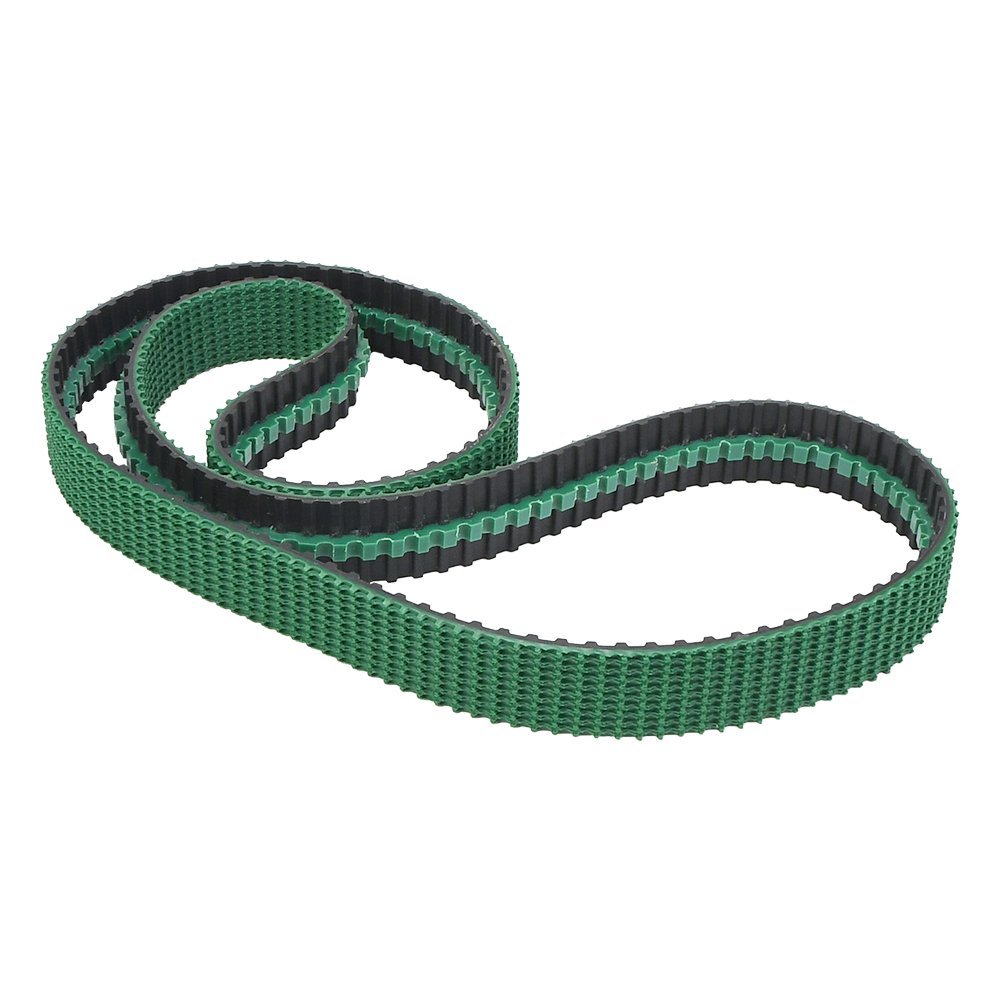
Fixes that actually last
| Cause | Fix | Watch out |
|---|---|---|
| Under-tensioned | Re-tension to spec, then recheck after the first hours of running | New belts seat in; a second tension check is normal practice |
| Glazed or worn cover | Re-cover or re-grind the pulley; replace the belt if the cover is deeply worn | Adding tension alone only hides the problem briefly |
| Contamination | Clean contact surfaces, fix the leak or splash source, consider a covered belt or lagging | Persistent oil mist environments need oil-resistant covers |
| Overloaded drive | Widen the belt, increase pulley diameter, or reduce load | Over-tensioning a too-small drive kills bearings and belts alike |
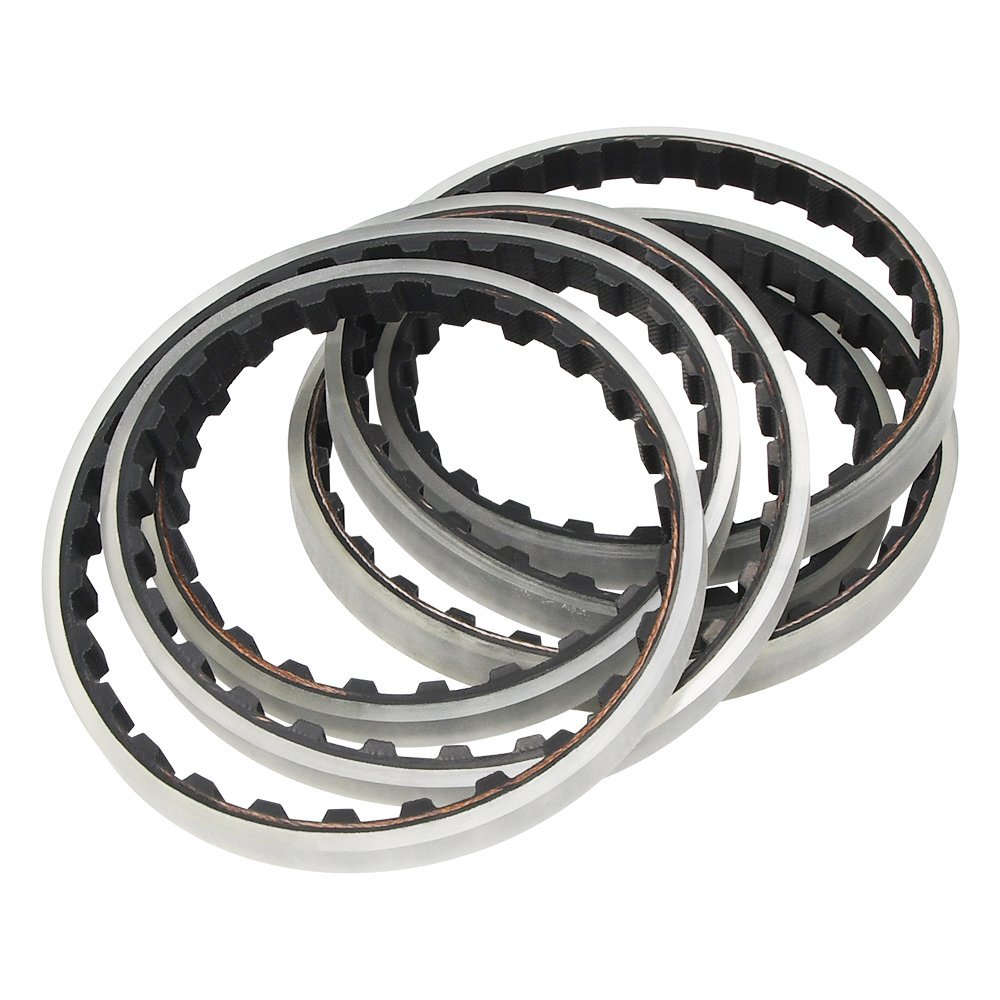
Still slipping after tension and cleaning?
Send us a few photos of the drive pulley, the belt cover and the joint, plus the machine duty (belt width, pulley diameter, speed, load). We will tell you whether a different cover compound, a wider belt or a re-vulcanized joint is the economical fix, and quote accordingly.
Send your slipping-belt photos for a review
Email sales@goodlybelts.com or use the enquiry form with the belt width, pulley diameter and what you convey. We will reply with the likely cause and a quote for the right fix.
Get a slip diagnosis
Are you looking for a reliable manufacturer of conveyor belt products?
We can quickly provide customers with market analysis, technical support and customized services.- Name
- Phone
- *Title
- *Content