
Why do PU timing belts crack, swell or turn brittle in service?
Direct answer: Most failures of this kind are chemical or thermal rather than random. Hot moisture causes hydrolysis cracks, incompatible oils and solvents cause swelling and softening, and sustained heat from over-tension or misalignment hardens the belt until it cracks at the tooth roots.
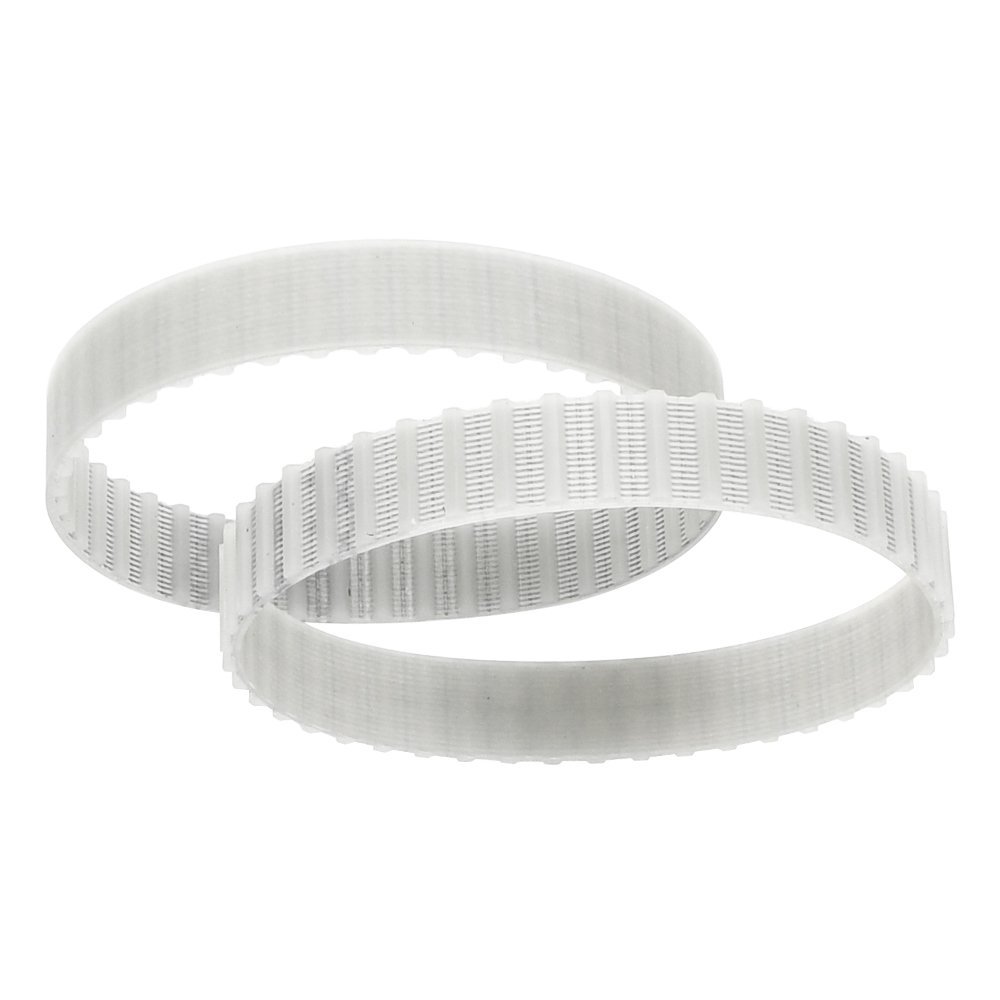
Match the symptom to the cause
| Symptom | Likely cause | What to check |
|---|---|---|
| Fine cracks across the back, belt feels dry | Hydrolysis from hot humid air, steam or hot water washdown | Humidity around the drive, washdown temperature, water sitting on the belt |
| Belt swollen, soft or stretched | Oil, solvent or cleaner attack | Lubricant type, cleaning chemicals, coolant mist, hydraulic leaks |
| Hard glossy surface, cracks at tooth roots | Heat build-up from over-tension, misalignment or a small pulley | Tension setting, pulley alignment, minimum pulley diameter |
| Chunking or torn teeth | Mechanical overload, debris, an idler running on the tooth side | Foreign material, idler position, shock loads |
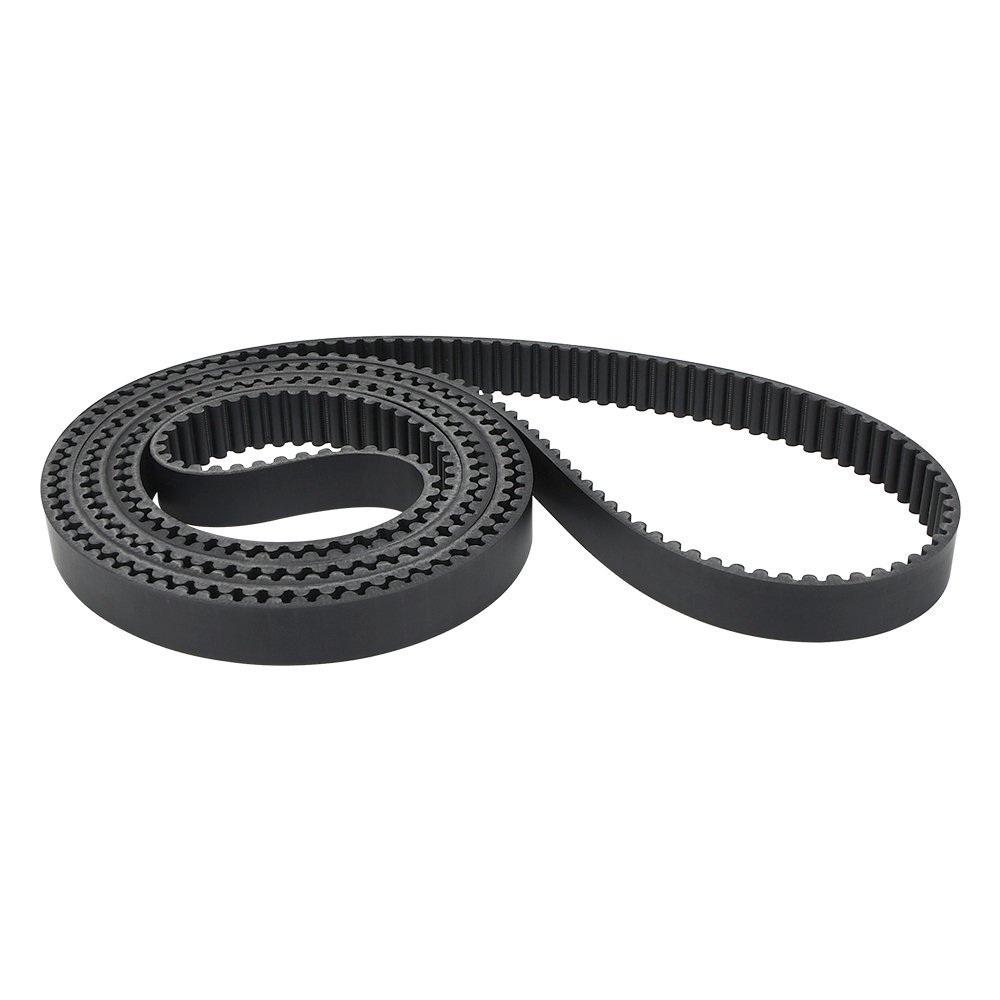
What actually fixes each case
- For humid or washdown duty, specify a hydrolysis-resistant PU grade instead of the standard grade. It costs more, but it is the only reliable fix.
- For oil mist or solvent contact, confirm the exact chemical with us before ordering. Some oils are harmless; others soften standard PU within weeks.
- Re-check tension after the first 24 to 48 hours of running, then at each service interval. Over-tension is the most common self-inflicted cause of heat.
- Keep the smallest pulley at or above the minimum diameter for that pitch and belt thickness.
- Do not mix PU and rubber belts on drives that share the same environment. They age at different rates and tracking drifts.
When the belt is not the problem
If the same position fails within weeks every time, the drive is usually at fault: a worn pulley, a bent shaft, a misaligned idler or a jam that stalls the belt. Fitting a new belt without correcting the drive gives the same result. Photos of the failed belt and of the pulley teeth usually show which of the two it is.
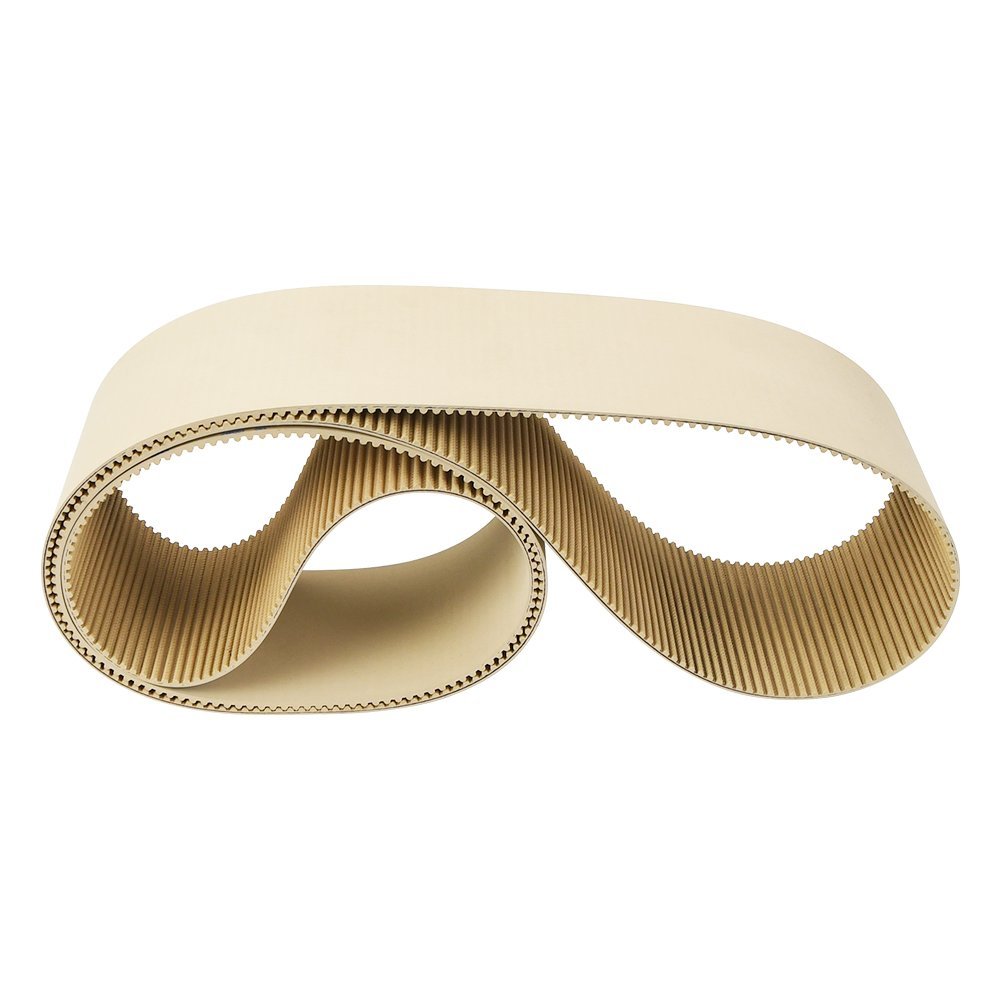
Not sure whether the belt or the drive is failing?
Email photos of the failed belt, the pulley teeth and your operating conditions to sales@goodlybelts.com. We will suggest a grade and, where needed, a revised belt specification.
Ask for a failure review
Are you looking for a reliable manufacturer of conveyor belt products?
We can quickly provide customers with market analysis, technical support and customized services.- Name
- Phone
- *Title
- *Content