
What temperature range can vulcanized belts handle?
Short answer: standard CR-based vulcanized belts are typically used in a continuous range from about minus 20 to plus 80 degrees Celsius. Heat-resistant rubber grades extend continuous service to roughly 100 to 120 degrees Celsius in industry-general terms, and low-temperature compounds can serve down toward minus 40 degrees Celsius. The exact window depends on the compound, cord and joint, so temperature figures should be treated as ranges to confirm per construction — never as one universal number.
Temperature by compound family
Standard CR grades
Good all-round behavior from about minus 20 to plus 80 degrees Celsius continuous, with short excursions tolerated higher. The everyday choice for transmission and conveying.
Heat-resistant grades
Compounds formulated for hot air and warm surfaces push continuous service to roughly 100 to 120 degrees Celsius. Cord heat behavior and joint design must match.
Low-temperature grades
Special compounds stay flexible down to about minus 40 degrees Celsius for cold stores and outdoor equipment. Standard grades stiffen and crack risk rises.
Cycling and peaks
Frequent hot-cold cycling ages belts faster than steady heat; short peaks are tolerated, but the continuous rating is what sizing should follow.
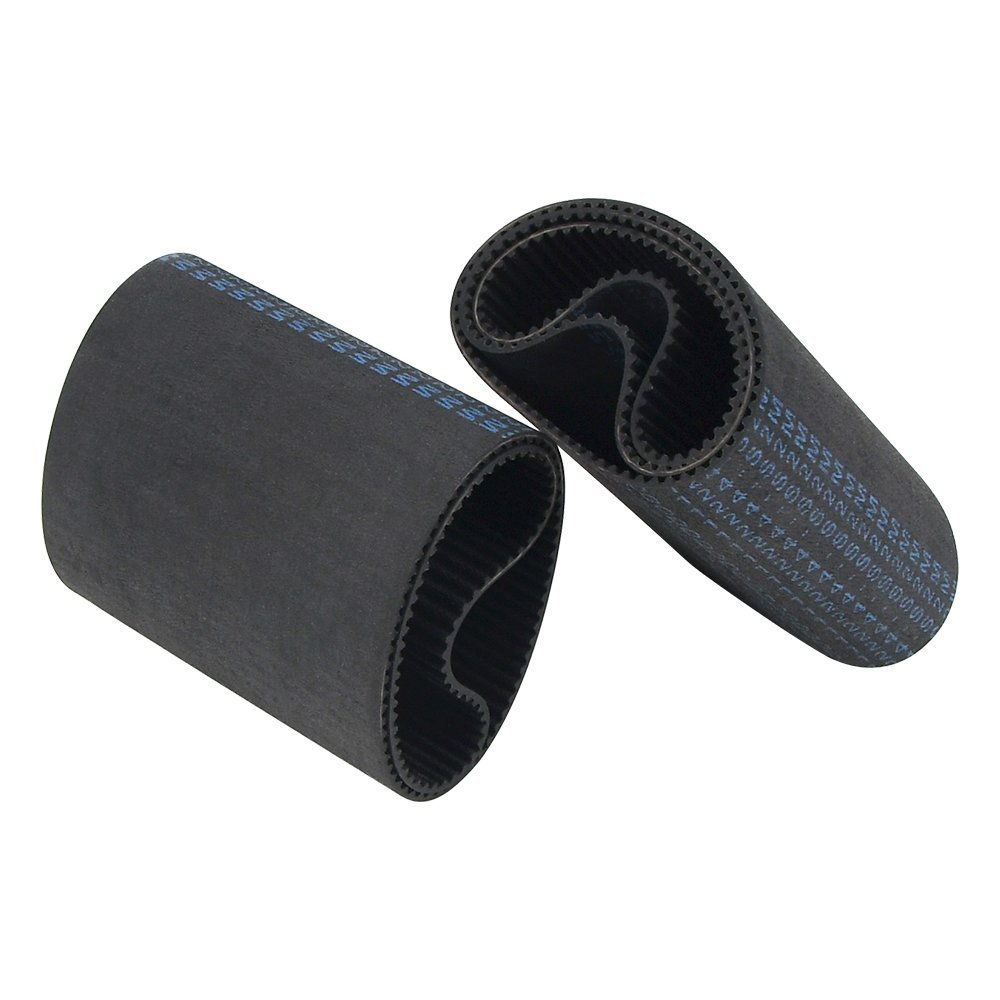
Practical ranges at a glance
| Compound family | Typical continuous range | Notes |
|---|---|---|
| Standard CR | About minus 20 to plus 80 degrees C | General transmission and conveying duty |
| Heat-resistant rubber | About plus 100 to plus 120 degrees C | Hot air, warm surfaces; confirm cord suitability |
| Low-temperature rubber | Down to about minus 40 degrees C | Cold stores, outdoor winter duty |
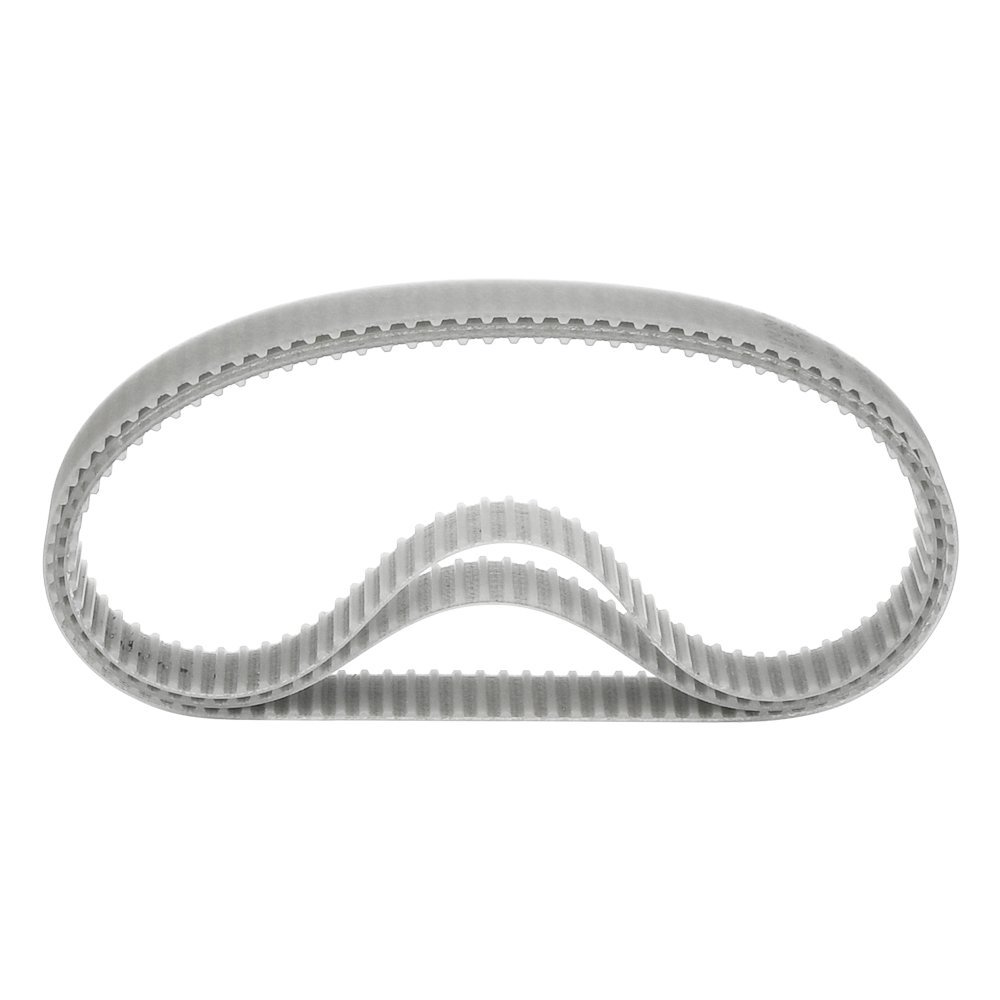
| PU constructions | Roughly minus 20 to plus 80 degrees C depending on grade | Oil and abrasion resistance often matter more here |
How to specify temperature correctly
- Report the continuous ambient temperature and any surface contact temperature separately.
- Note peak temperatures and how long they last — short peaks and steady heat age belts very differently.
- Describe the cycling: how many hot-cold cycles per shift, and whether the belt cools fully between them.
- Combine temperature with the other actors: oil mist, steam, dust and UV all shift the compound choice.
- For joints used in hot zones, mention it — splice compounds and cure schedules must match the same range.

Running hot or freezing cold?
Send your temperature range, peaks and application details — we will propose a compound and construction rated for your duty and quote the belt.
Check Temperature Fit
Are you looking for a reliable manufacturer of conveyor belt products?
We can quickly provide customers with market analysis, technical support and customized services.- Name
- Phone
- *Title
- *Content