
Are PU timing belts oil-resistant, abrasion-resistant or antistatic?
Short answer: yes — thermoplastic PU timing belts are naturally more oil-tolerant and considerably more abrasion-resistant than most rubber constructions, which is why they dominate in oily, dusty and dry-running conveying and linear drives. Antistatic versions are also standard practice where static build-up matters. The exact behavior depends on the PU grade, cord and any cover, so specify the environment and confirm the property set for your build.
What PU actually gives you
Oil tolerance
PU resists oils, greases and many industrial fluids far better than standard rubber compounds — a key reason it is chosen around gearboxes, lubricated guides and machining areas.
Abrasion resistance
The thermoplastic body wears slowly and does not crumble or mark like some rubber, keeping drives cleaner — important in packaging, electronics and clean production areas.
Antistatic options
Where static discharge risks product damage or dust attraction, antistatic PU grades and constructions are commonly available — specify the requirement rather than assuming.
Clean handling
Low particle generation and non-marking running suit dry and clean environments; covering fabrics can add grip or low-noise behavior where needed.
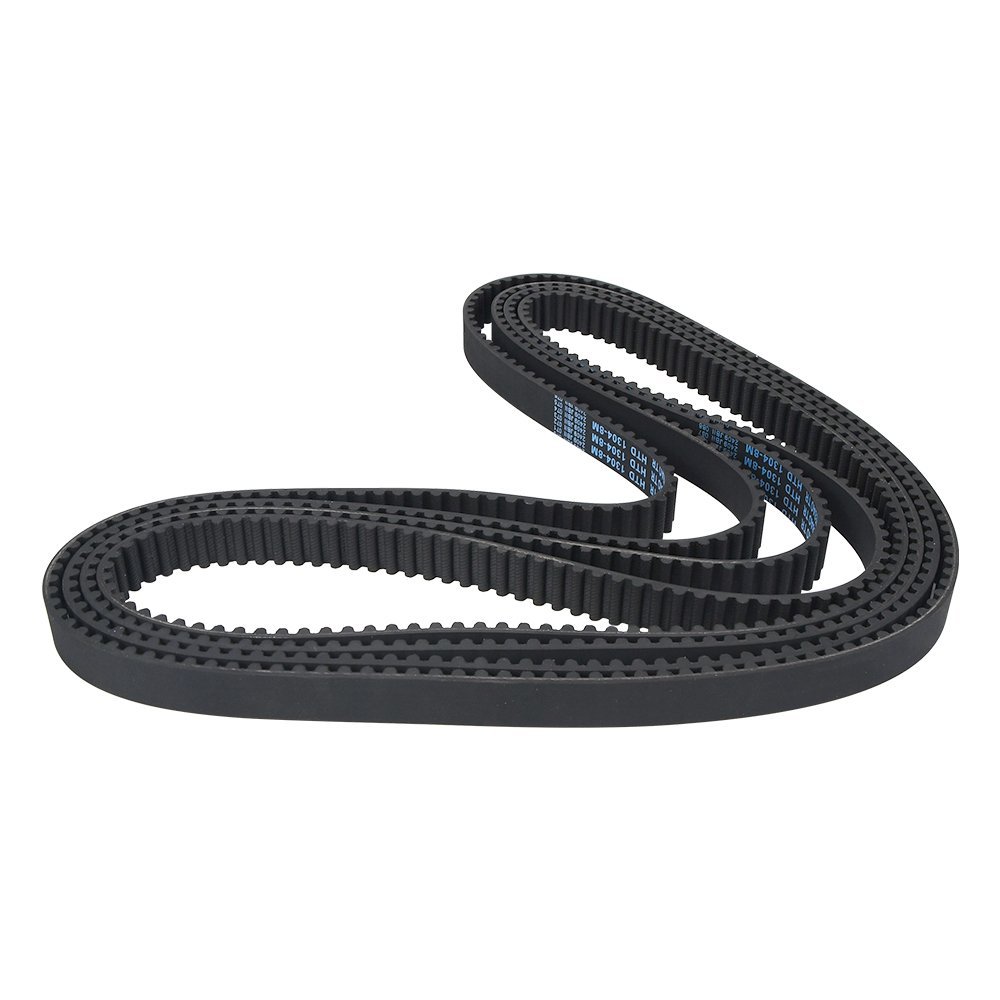
Property overview
| Property | Typical PU behavior | What to specify |
|---|---|---|
| Oil and grease contact | Markedly better than standard rubber grades | Fluid types and temperature range |
| Abrasion and wear | High resistance; low particle generation | Load, speed, guide materials |
| Static build-up | Antistatic grades available on request | Surface resistance requirement if defined |
| Dry running on steel guides | Well suited with correct hardness and finish | Guide material and surface condition |
| Chemical exposure | Varies strongly by agent and grade | List the chemicals — do not generalize |
Specifying a PU belt for harsh conditions
- List every fluid the belt can touch — oil type, coolant, cleaning agents — plus the highest contact temperature.
- Describe the abrasion duty: load per meter, cycle rate, guide surfaces and any edge sliding.
- State whether antistatic behavior is required by your process or safety rules, and the target if defined.
- Mention cleaning routines and humidity, which affect both wear and static behavior.
- Send the profile and cord preference so abrasion and tension requirements are balanced together.

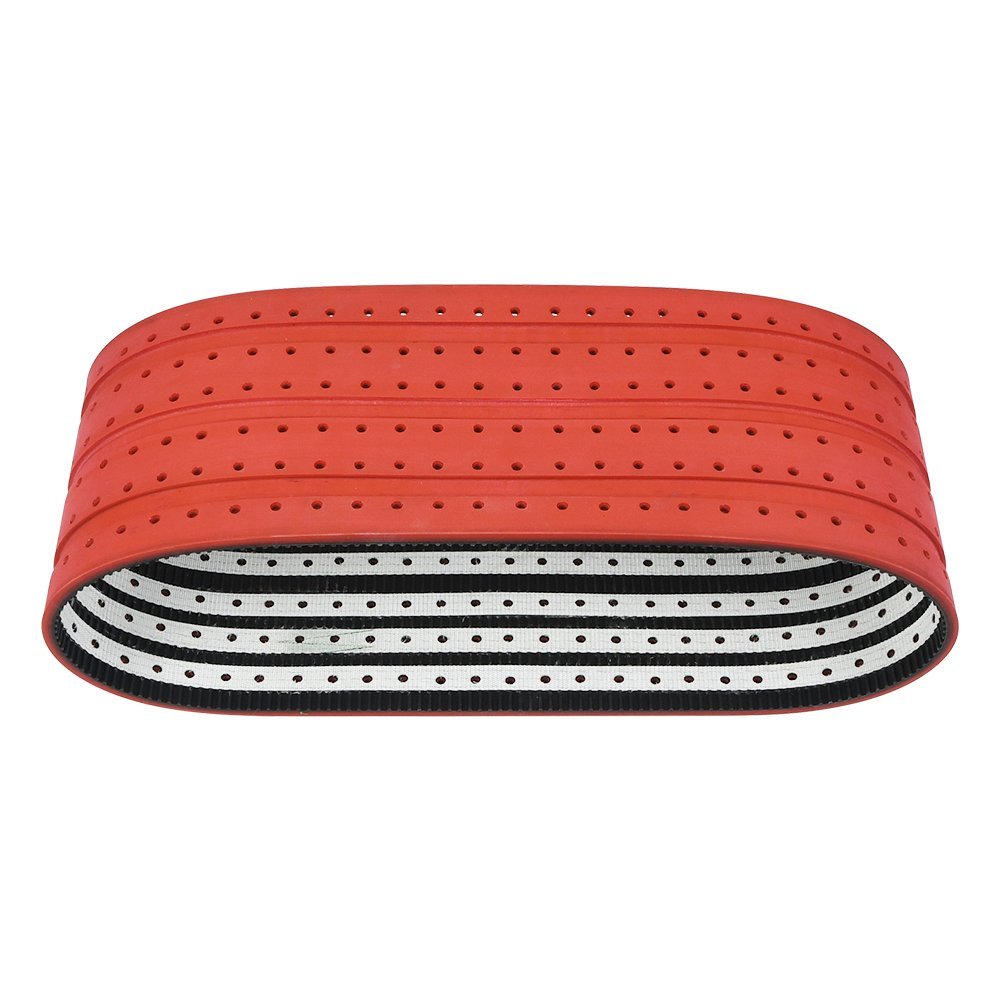
Oily, dusty or static-sensitive line?
Tell us the fluids, abrasion duty and any antistatic requirement — we will propose the right PU grade, cord and cover and quote the belt.
Request a PU Belt Quote
Are you looking for a reliable manufacturer of conveyor belt products?
We can quickly provide customers with market analysis, technical support and customized services.- Name
- Phone
- *Title
- *Content