
How do I set the correct tension for a timing belt?
Short answer: set timing belt tension so the belt neither ratchets (jumps teeth) under peak load nor exceeds the cord's safe stretch limit. In practice this means following the manufacturer's tension-force table for your belt width and span — measured with a frequency meter or spring-scale deflection method, not by feel. A common starting point for many industrial synchronous drives is a deflection force that produces roughly 1.6% elongation on the slack side at recommended pretension, but the correct value always depends on the specific belt and drive data.
How to check tension in 4 steps
1. Get the baseline
Use the belt maker's tension table: it lists target span frequency (Hz) or deflection force (N) by belt section, width and center distance.
2. Measure, do not guess
Pluck the belt and read the span frequency with a meter, or press at mid-span with a spring scale and measure deflection. Thumb-pressure methods routinely over-tension.
3. Adjust with the tensioner or center distance
Increase tension gradually and re-measure after each adjustment. Lock the adjustment and re-check after a short run-in period.
4. Re-check after run-in
New belts seat into the pulley grooves and can lose a little tension. Re-measure after the first hours of operation and again periodically.

Symptoms of wrong tension
| Symptom | Likely cause | Fix |
|---|---|---|
| Teeth jumping / ratcheting under load | Under-tension | Increase tension to table value; verify pulley alignment too |
| Cord breakage, tooth root cracks | Over-tension | Reduce to spec; check bearing loads |
| Noisy, whining drive | Usually over-tension (sometimes misalignment) | Re-measure and adjust; check alignment |
| Uneven wear on one belt edge | Misalignment, not tension | Laser or straightedge alignment check |
Common mistakes to avoid
- Tensioning by feel or by "as tight as possible" — this overloads cords and bearings and shortens belt life.
- Ignoring span length: a longer span needs different target values than a short one at the same belt.
- Reusing a failed belt's tension setting without reviewing the root cause of the failure.
- Skipping the run-in re-check — most tension loss happens in the first hours of operation.
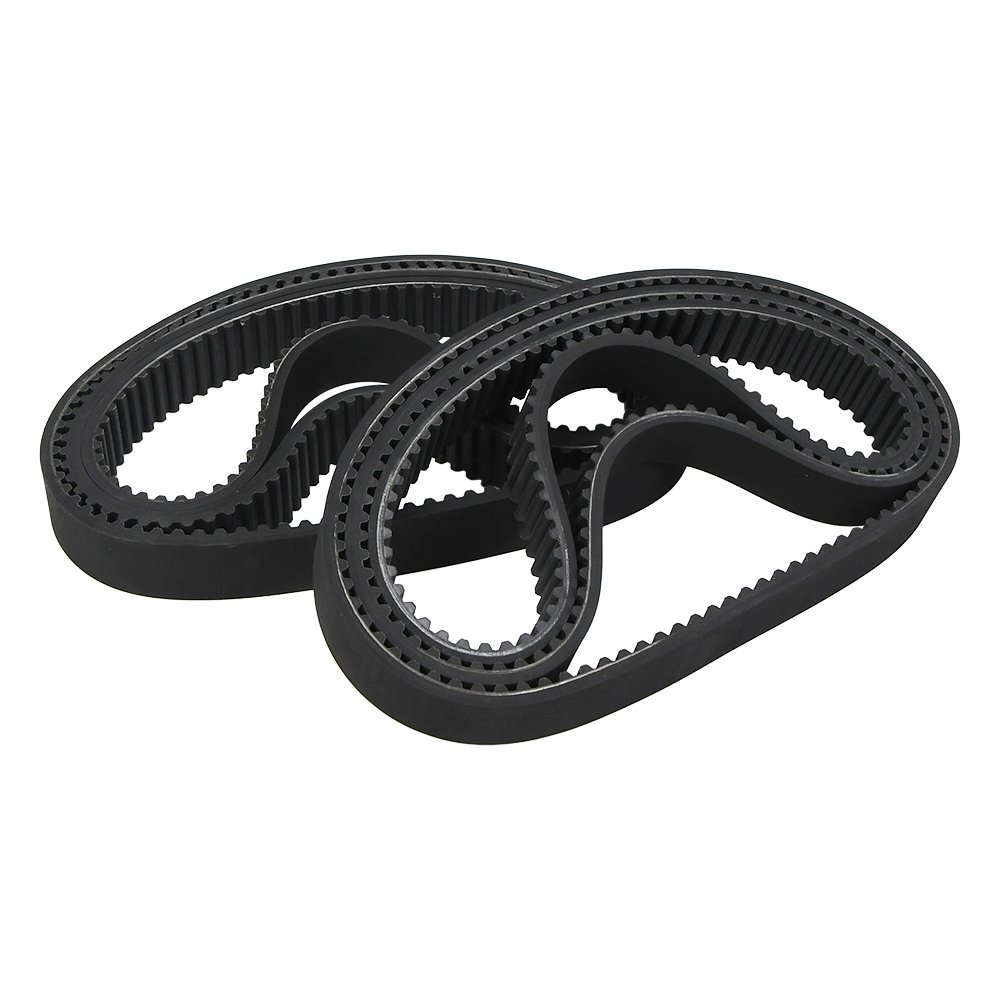

Need the exact tension spec?
Send us your belt part number or drive details (motor power, RPM, pulley diameters, center distance) and we will return the target tension values and installation notes.
Request Tension Specs
Are you looking for a reliable manufacturer of conveyor belt products?
We can quickly provide customers with market analysis, technical support and customized services.- Name
- Phone
- *Title
- *Content