How to Improve Food Safety with the Right Industrial Belt?
Food safety is a key concern in food processing and packaging. From raw materials to final products, every step of the production line can affect hygiene, product quality and consumer safety. Industrial belts are used for conveying, feeding, positioning and packaging, so choosing the right belt can help reduce contamination risks and improve machine stability.
GOODLY Belts provides customized belt solutions for food processing lines, packaging machines, VFFS equipment, beverage production and automated conveying systems.
What is Food Safety?
Food safety means processing, conveying and packaging food in a way that prevents contamination. It is related not only to workers and raw materials, but also to machines, belts and other equipment parts.
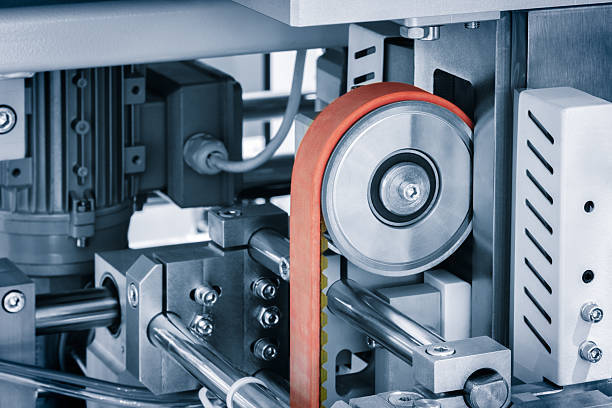
In food factories, belts may contact food, packaging film, bottles, bags or containers. If the belt material is not suitable, it may cause wear, slipping, residue build-up or hygiene problems. Therefore, belts should be selected according to the working environment, cleaning method, speed, load and food contact requirements.
Why is Food Safety Important?
Food safety protects consumers and helps manufacturers maintain brand trust. Contaminated food may lead to recalls, complaints, legal risks and financial losses.
For production lines, belt performance also affects safety and quality. A worn or slipping belt can cause unstable feeding, poor sealing, product waste or foreign body contamination. In VFFS packaging machines, for example, a poor pulling belt may affect film feeding, sealing position and cutting accuracy.
A reliable belt solution helps food factories achieve cleaner conveying, more accurate packaging and smoother machine operation.
Common Food Contamination Risks
Food contamination usually includes four types:
Chemical contamination may come from cleaning agents, lubricants or unsuitable materials.
Biological contamination may be caused by bacteria, moisture or residues on difficult-to-clean surfaces.
Foreign body contamination may come from worn belt particles, broken machine parts or packaging scraps.
Allergenic contamination may happen when different food products are processed on the same line without proper cleaning.
Choosing wear-resistant, easy-to-clean and suitable belt materials can help reduce these risks.
How Industrial Belts Help Improve Food Safety
The right belt can support food safety in several ways.
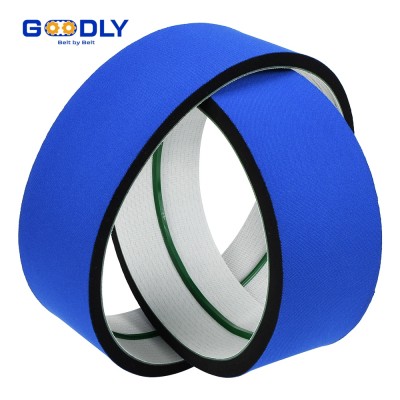
First, smooth and cleanable belt surfaces help reduce residue build-up. White PU conveyor belts are widely used in food and packaging lines because they are easy to inspect and maintain.
Second, wear-resistant belts reduce the risk of cracks, peeling and belt particles entering the product area.
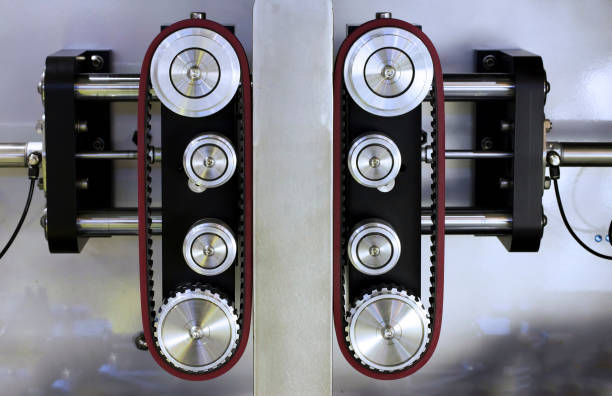
Third, stable timing belts and pulling belts improve packaging accuracy. In food packaging machines, accurate belt movement helps reduce sealing problems, cutting deviation and product leakage.
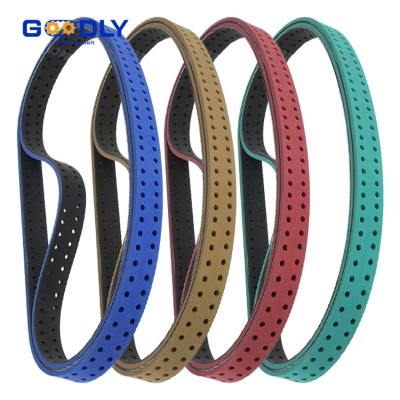
Fourth, customized belt designs can match different machine positions. GOODLY Belts can provide PU conveyor belts, PU timing belts, silicone belts, high-grip pulling belts and custom processed belts with holes, slots, guide strips or back coatings.
Why Choose GOODLY Belts?
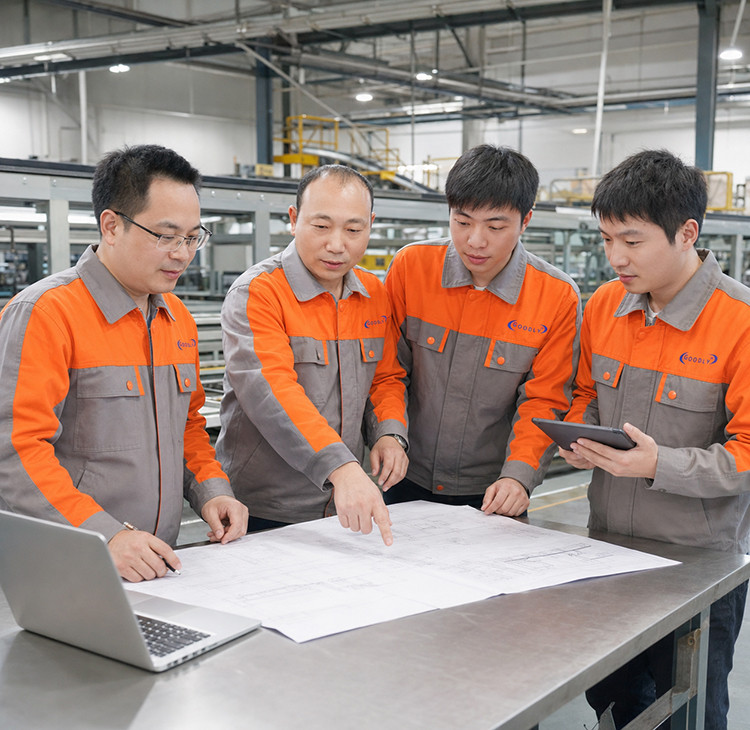

GOODLY Belts provides custom industrial belt solutions for food processing, packaging, beverage, bakery and automated production lines. We can customize belt width, length, thickness, surface material, hardness, color, holes, slots, guide strips and back coating according to customer needs.
Customers can send belt size, drawing, sample photo or machine model. Our team will help recommend a suitable belt solution based on the application, speed, load, temperature and working environment.
Contact GOODLY Belts
Want to improve food safety and machine stability? The right industrial belt can help reduce contamination risks, improve packaging accuracy and lower maintenance costs.
Send us your belt size, drawing, sample photo or machine model. GOODLY Belts will help you choose a suitable custom belt solution for your food processing or packaging equipment.