
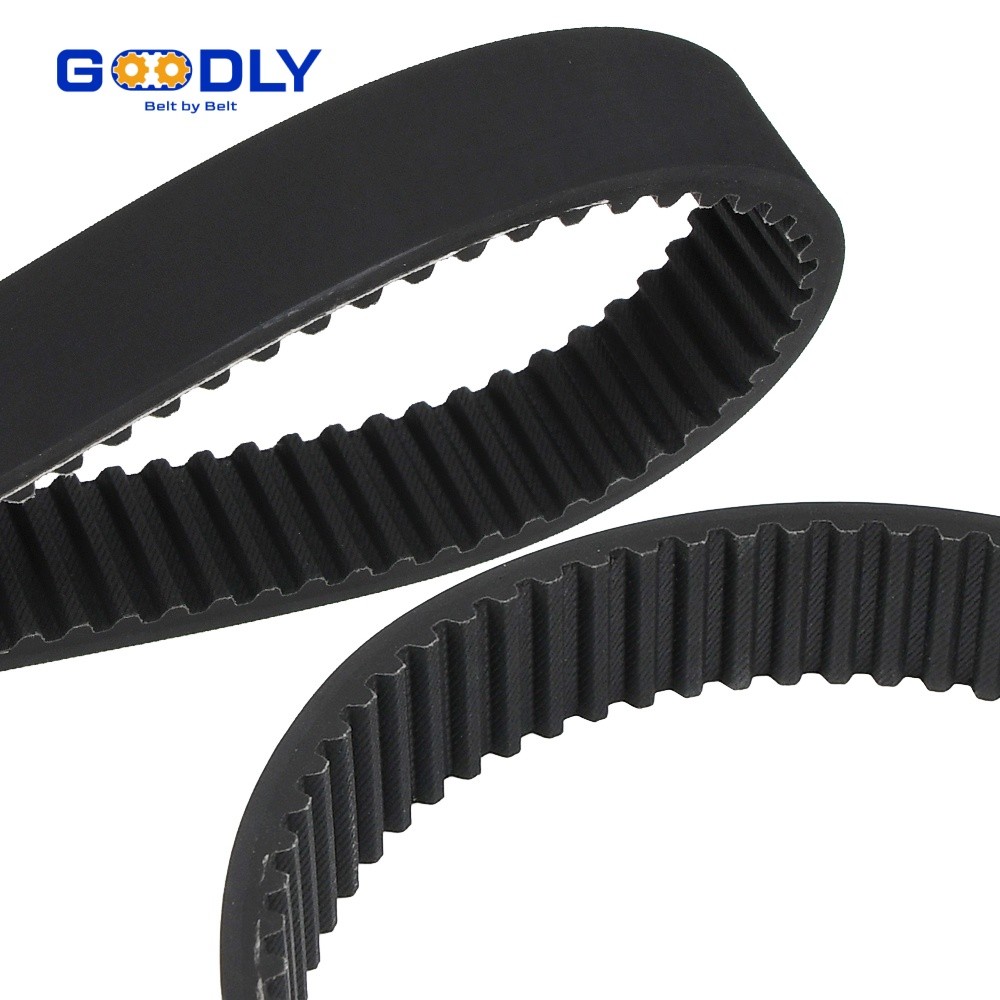
 Rubber Timing Belt
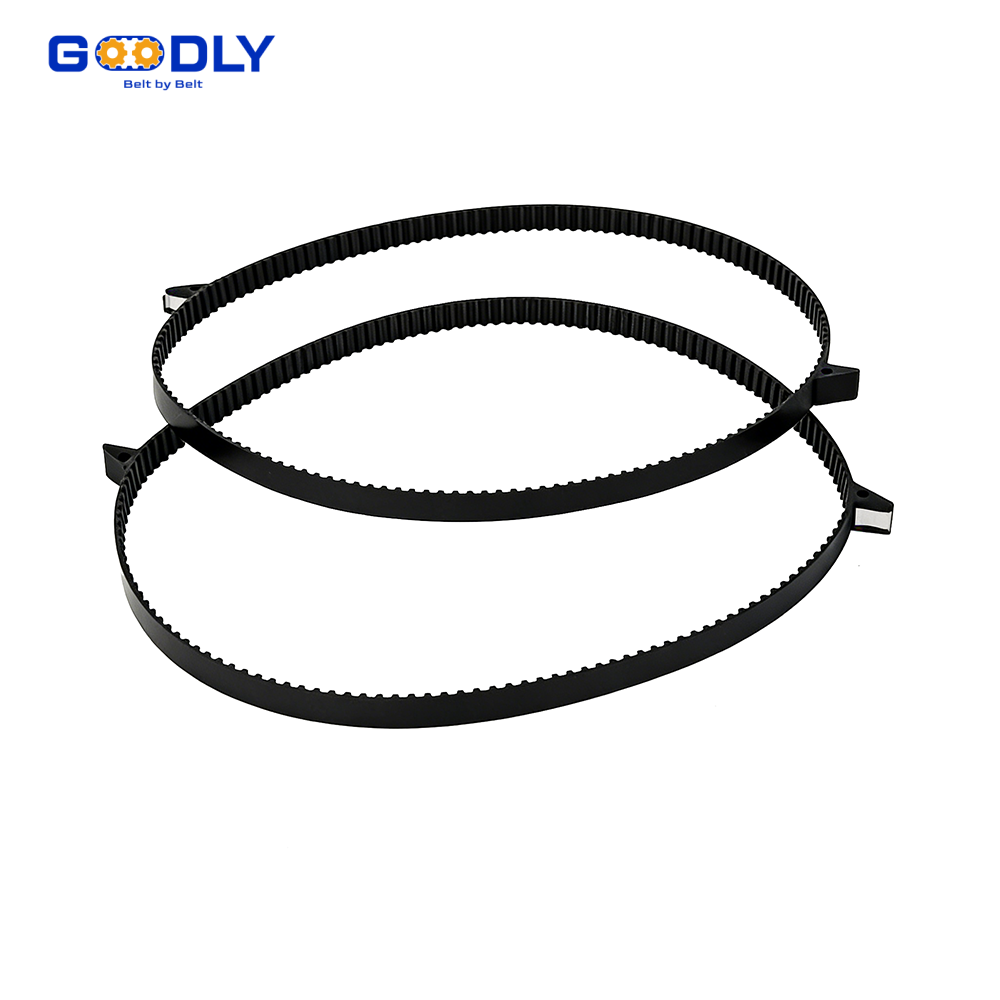 PU Timing Belt
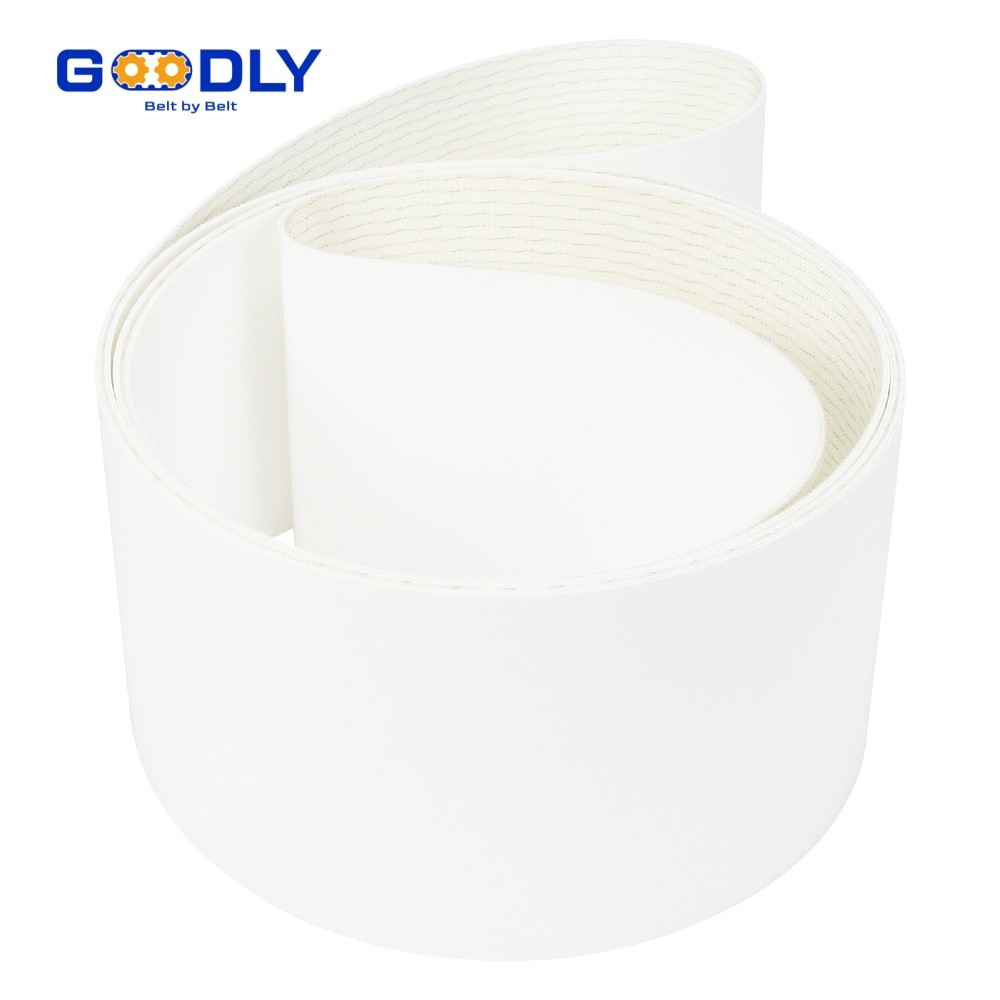 Silicone Timing Belt
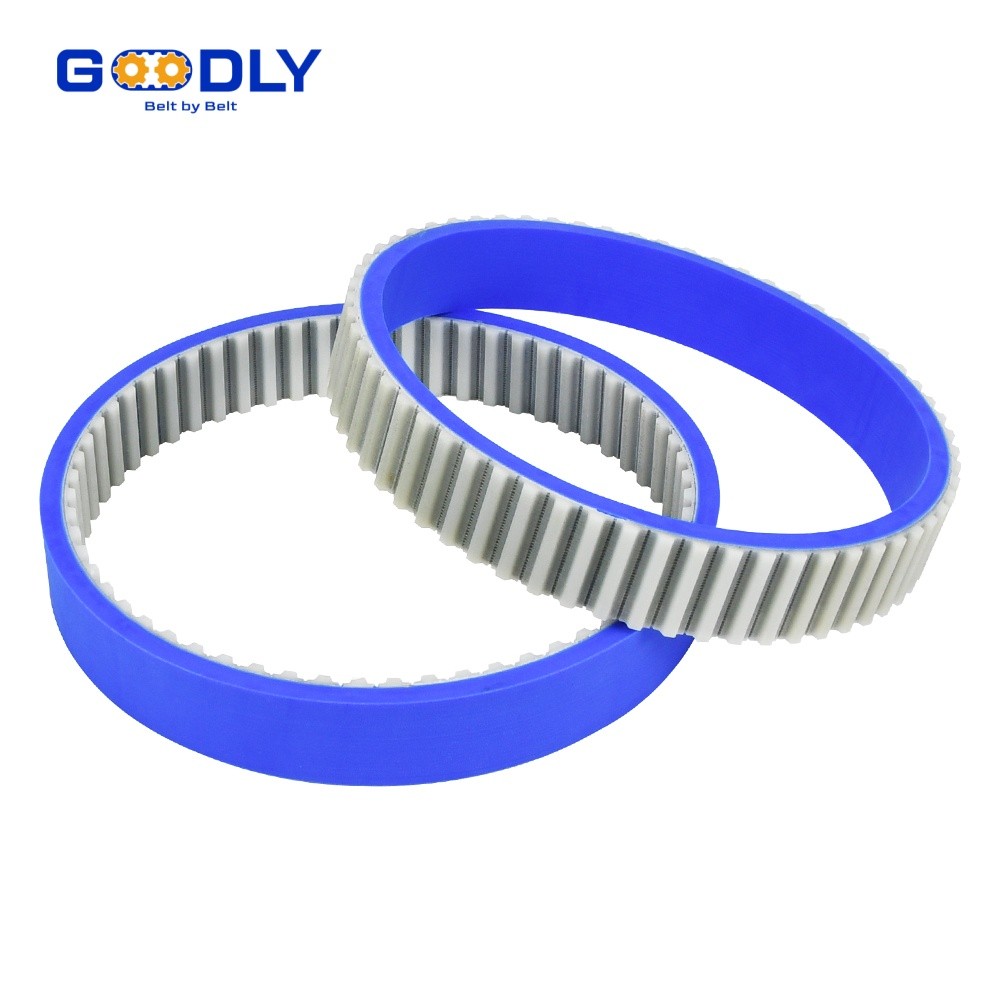 Silicone Vulcanized Timing Belt
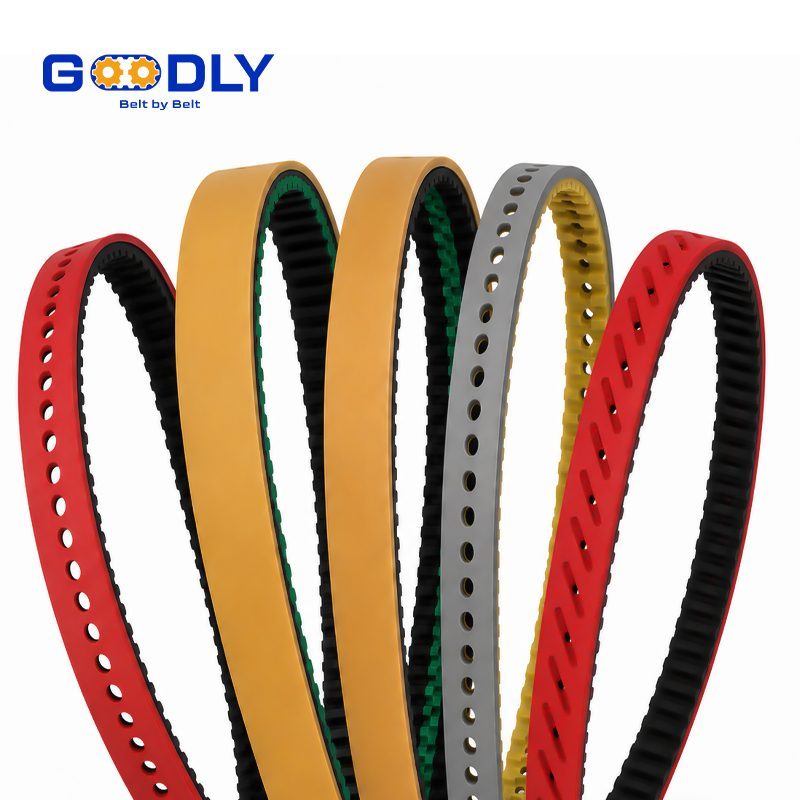 Vulcanized Timing Belt
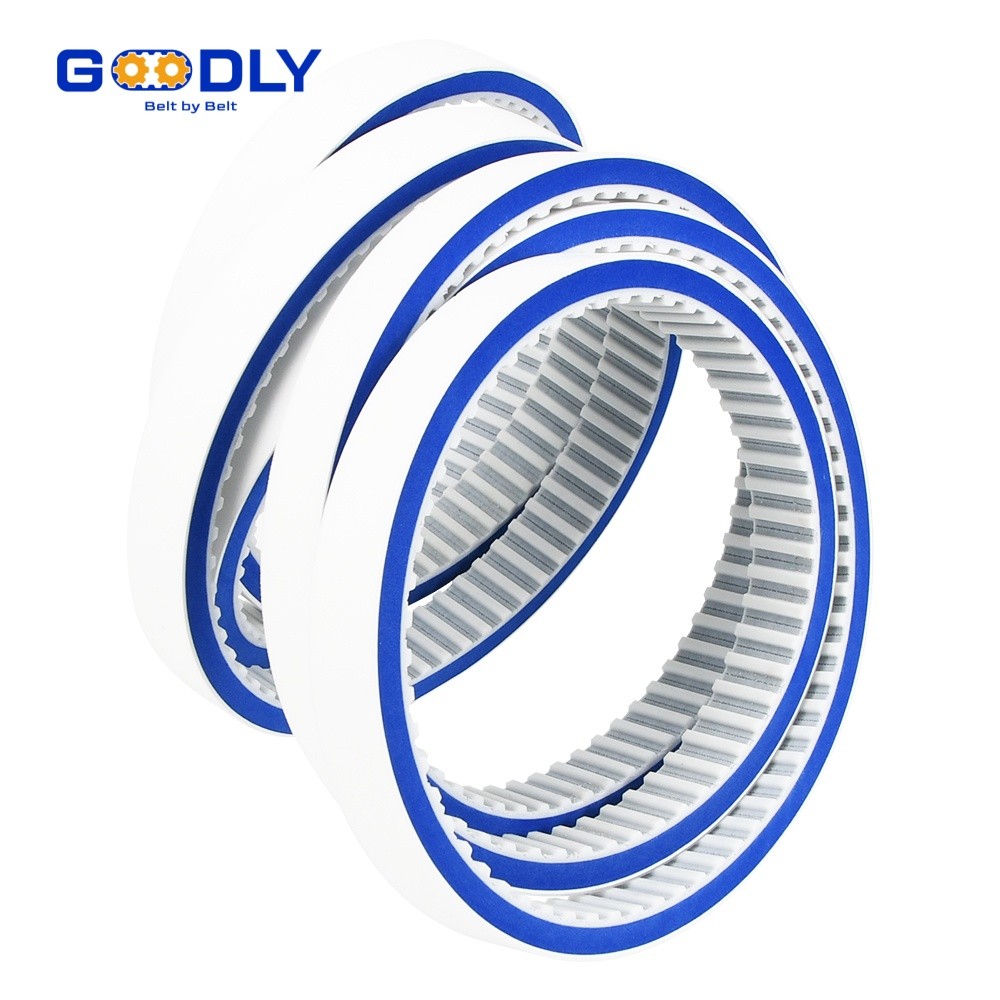 Sponge Timing Belt
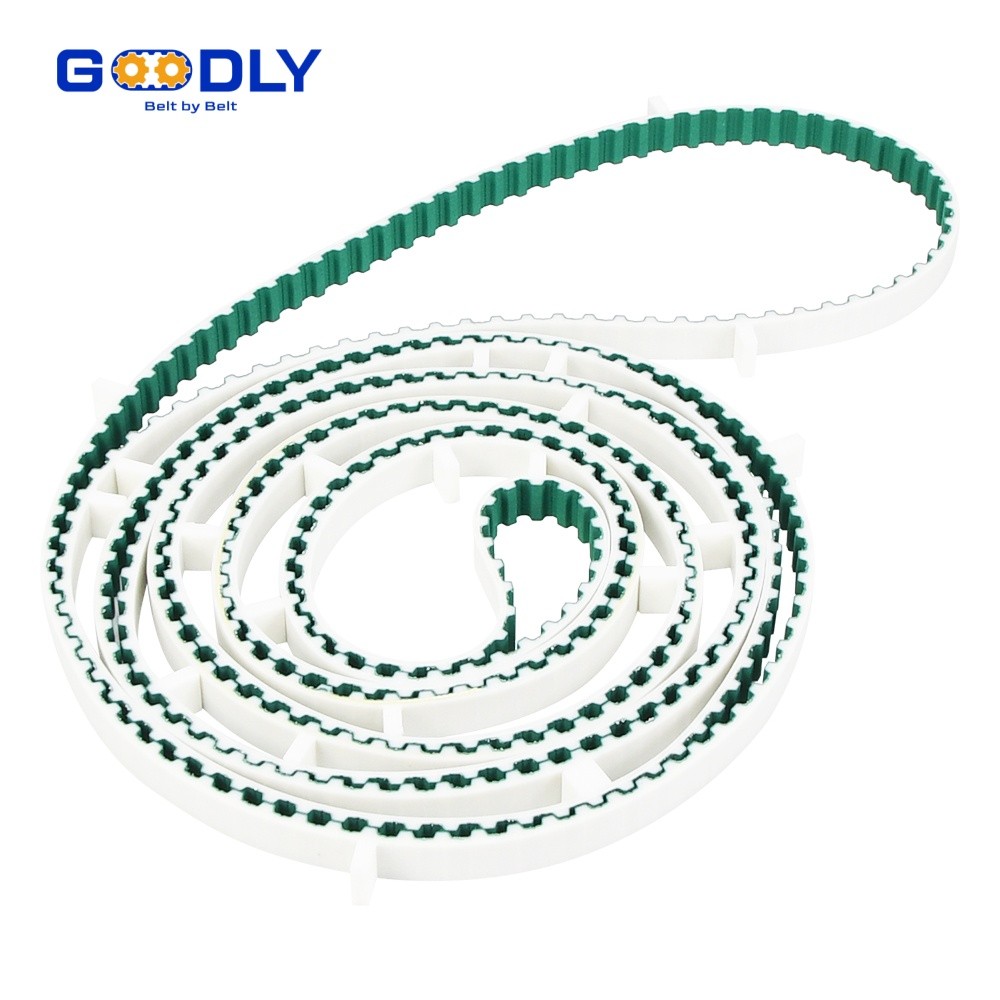 Timing Belts with Special Machining
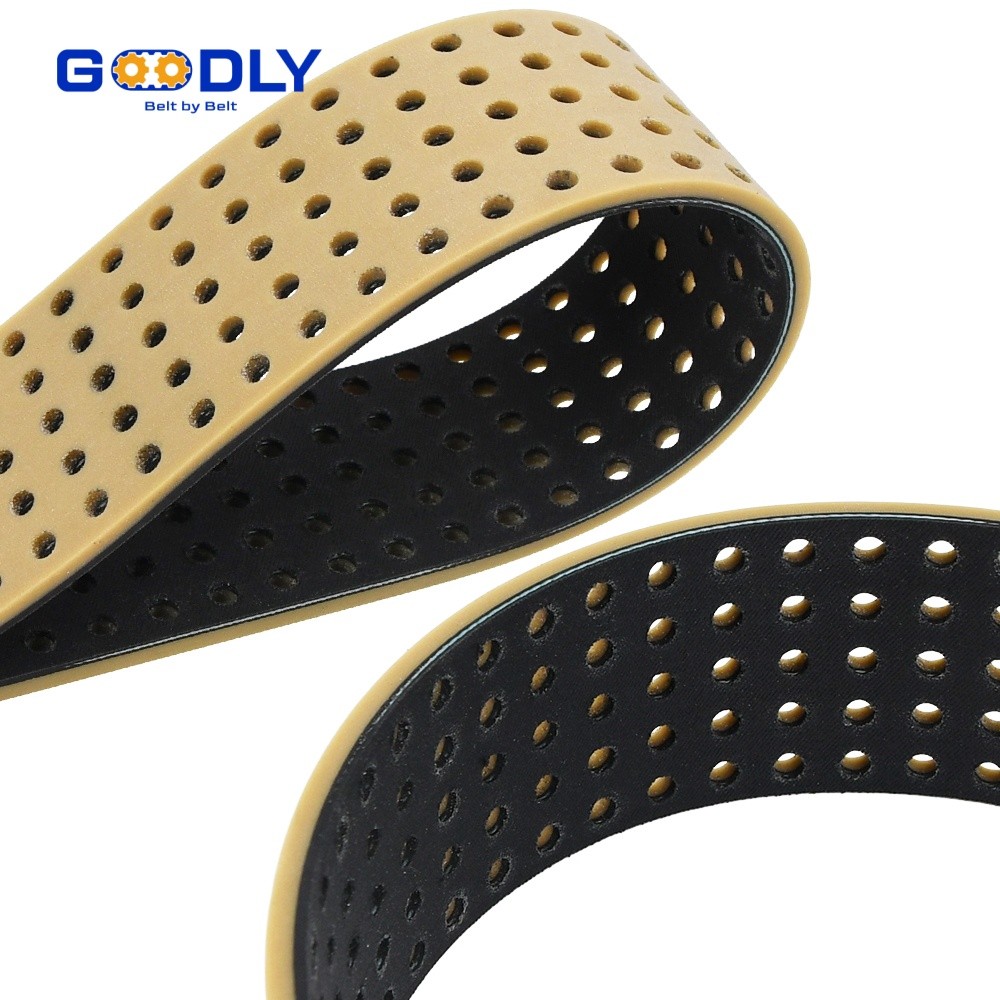 Rubber Flat Belt
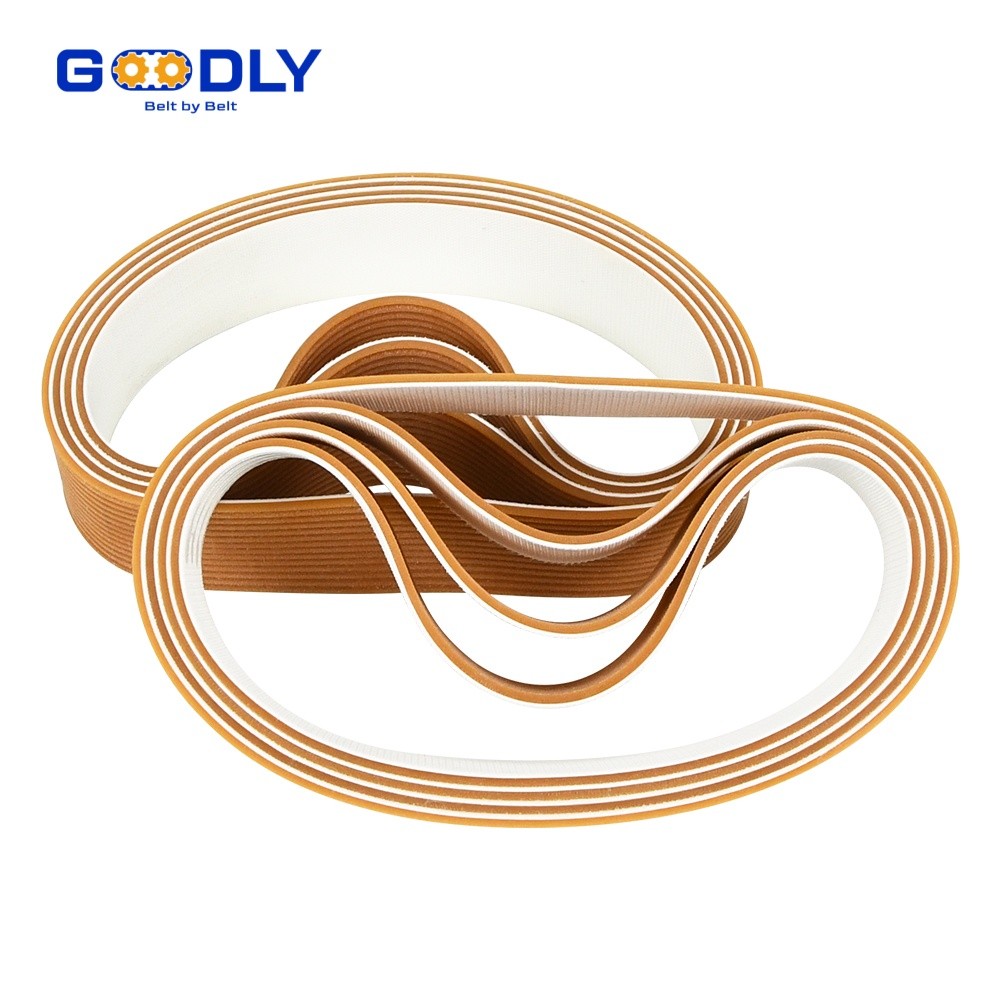 PU Flat Belt
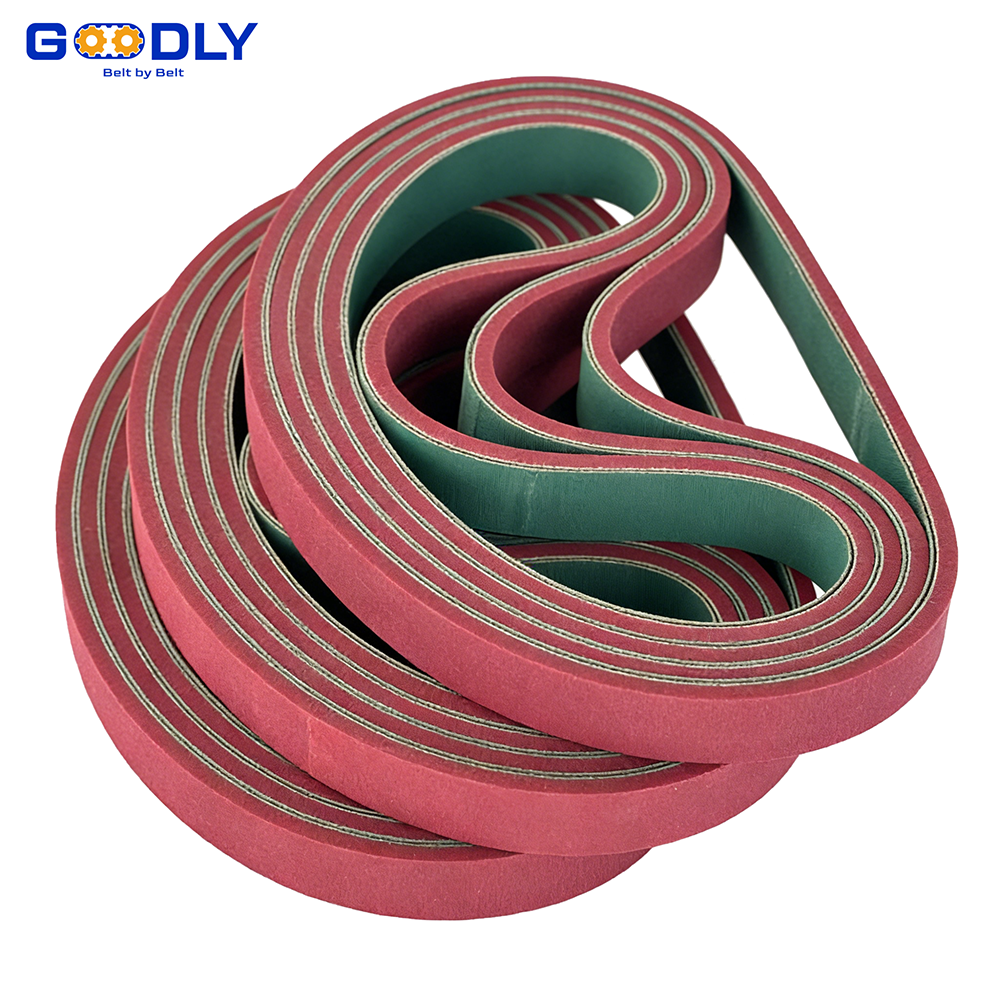 Nylon Flat Belt
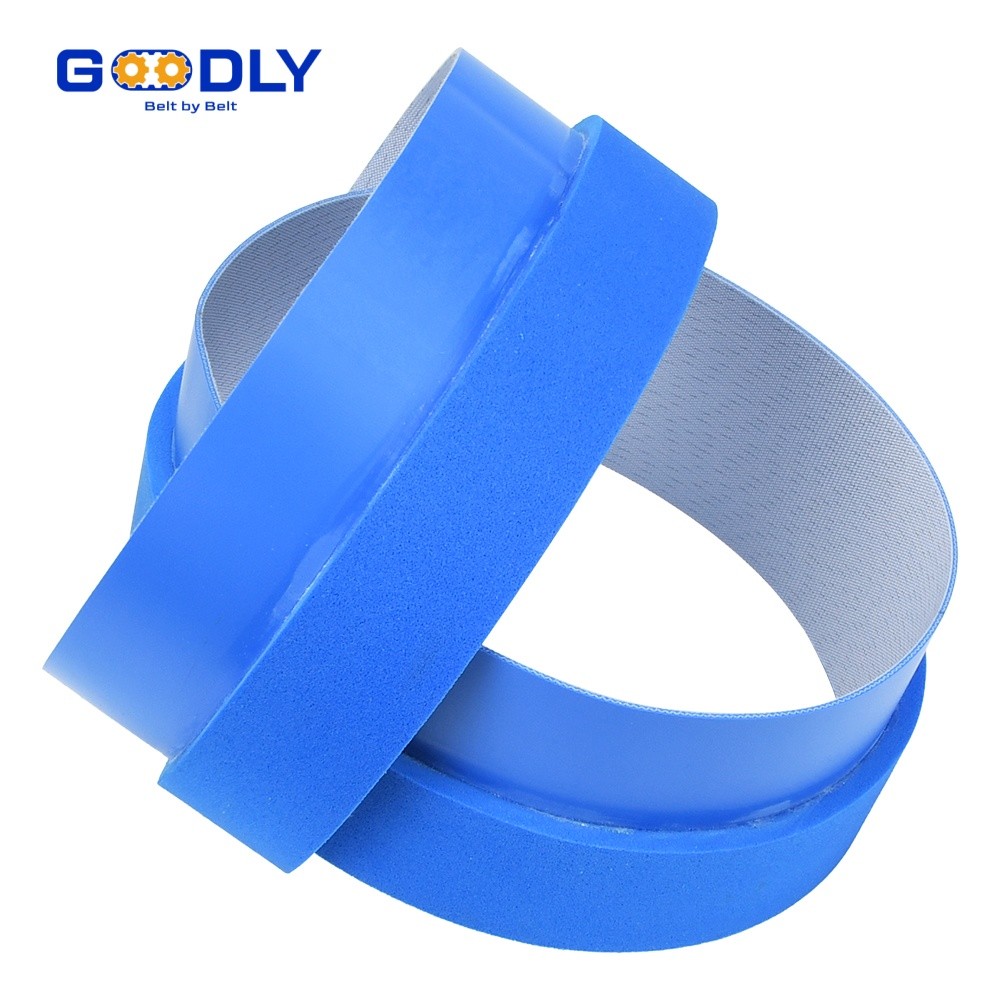 Foam Flat Belt
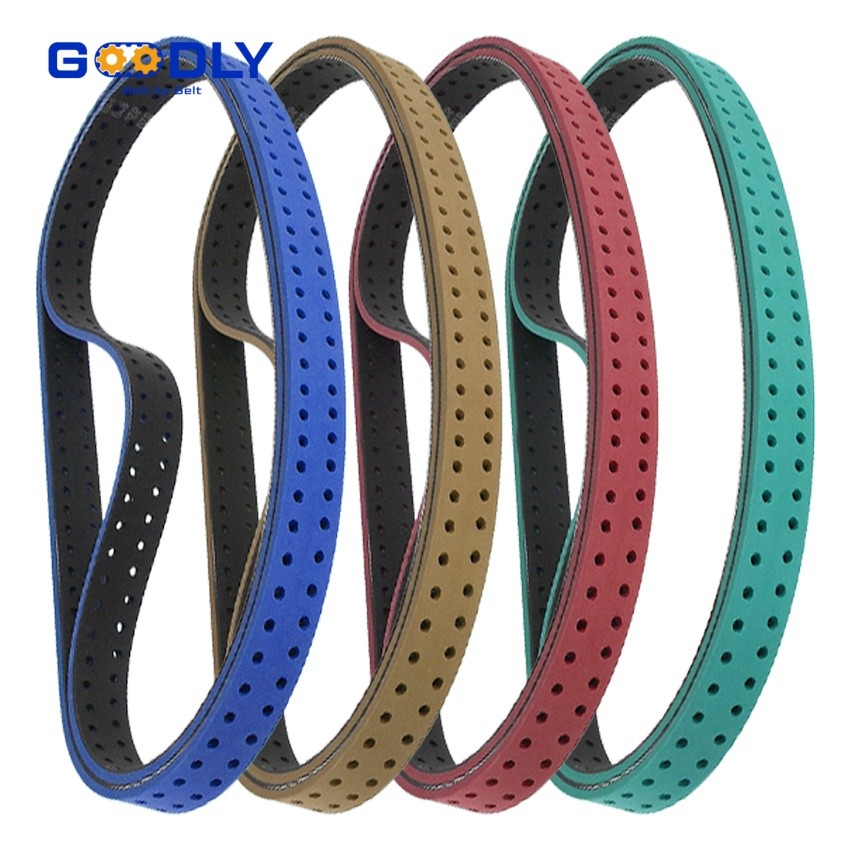 Vulcanized Flat Belt
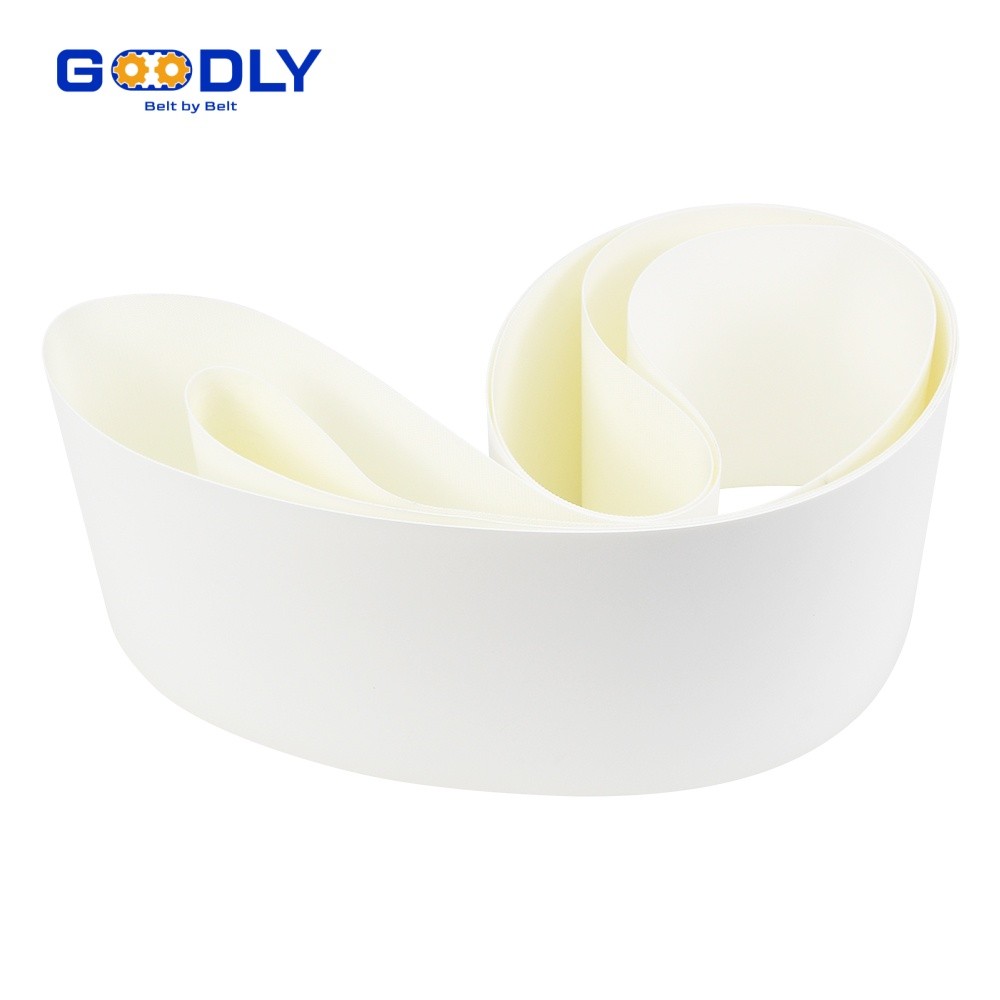 PU Conveyor Belt
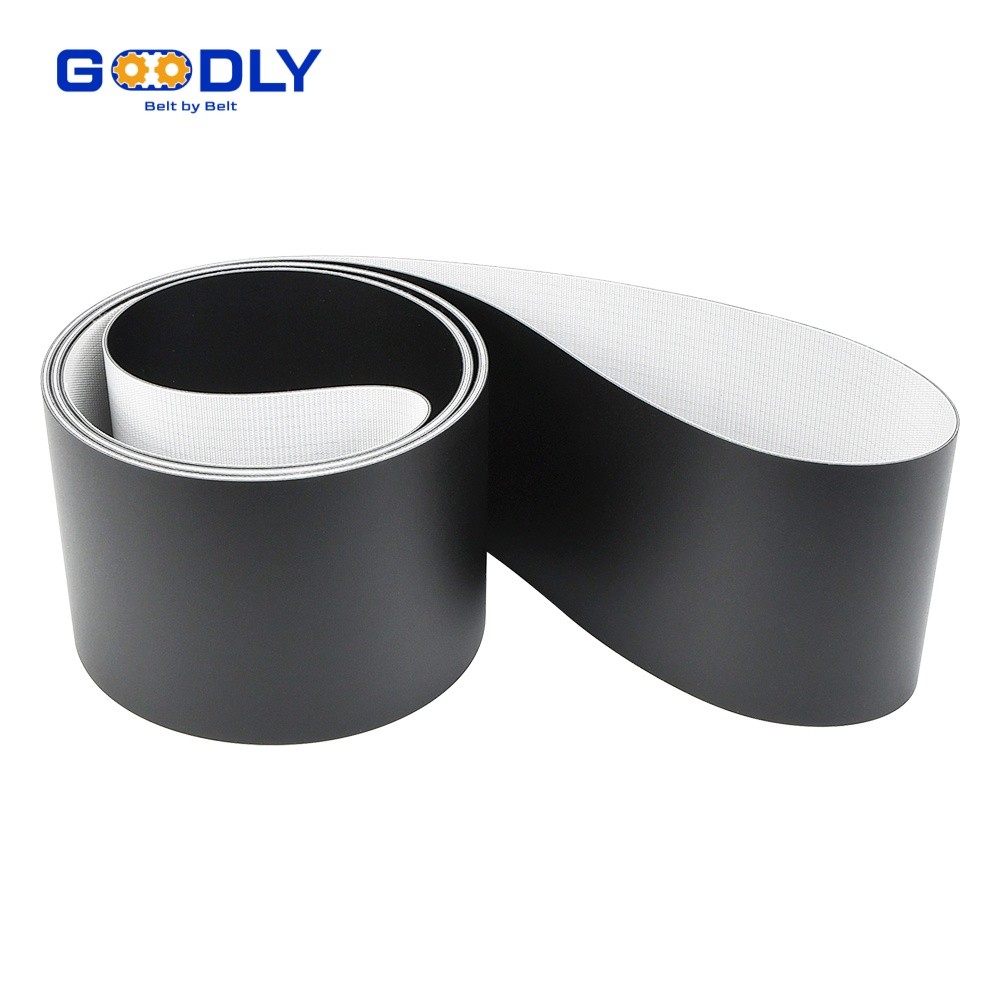 PVC Conveyor Belt
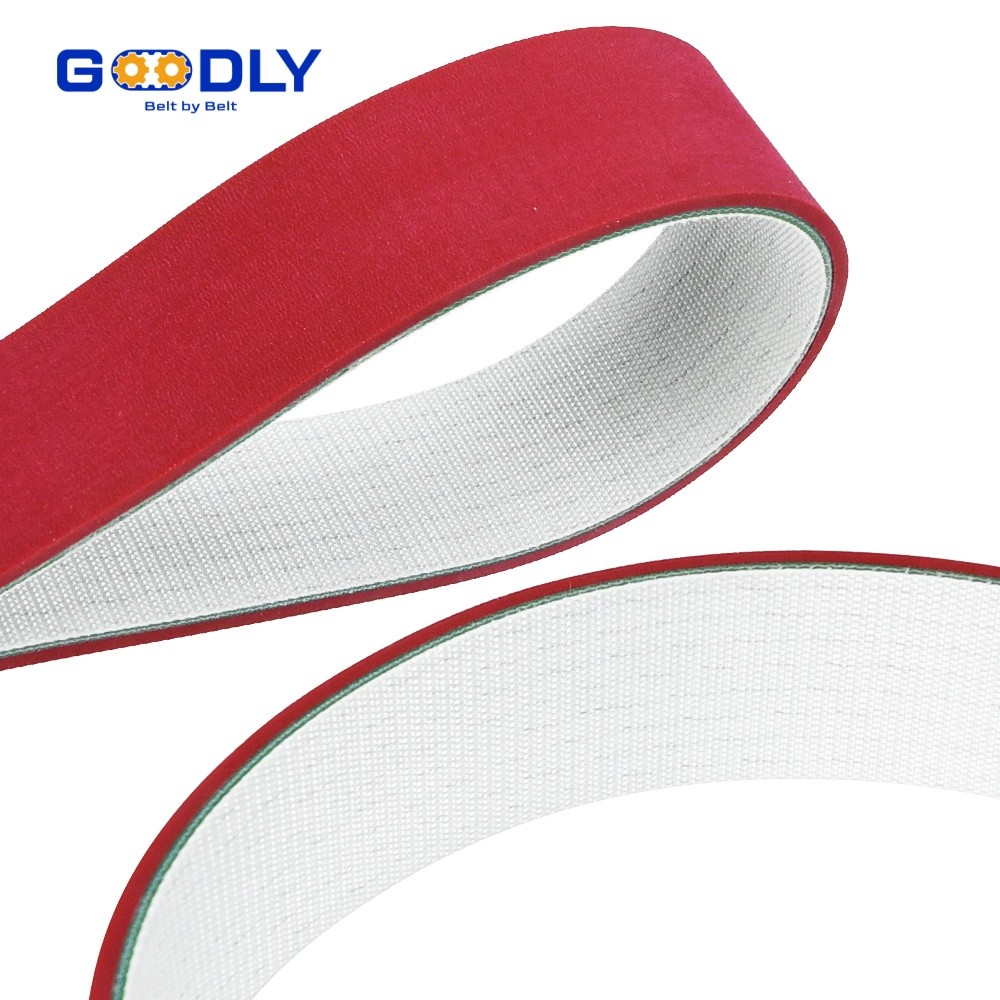 Rubber Conveyor Belt
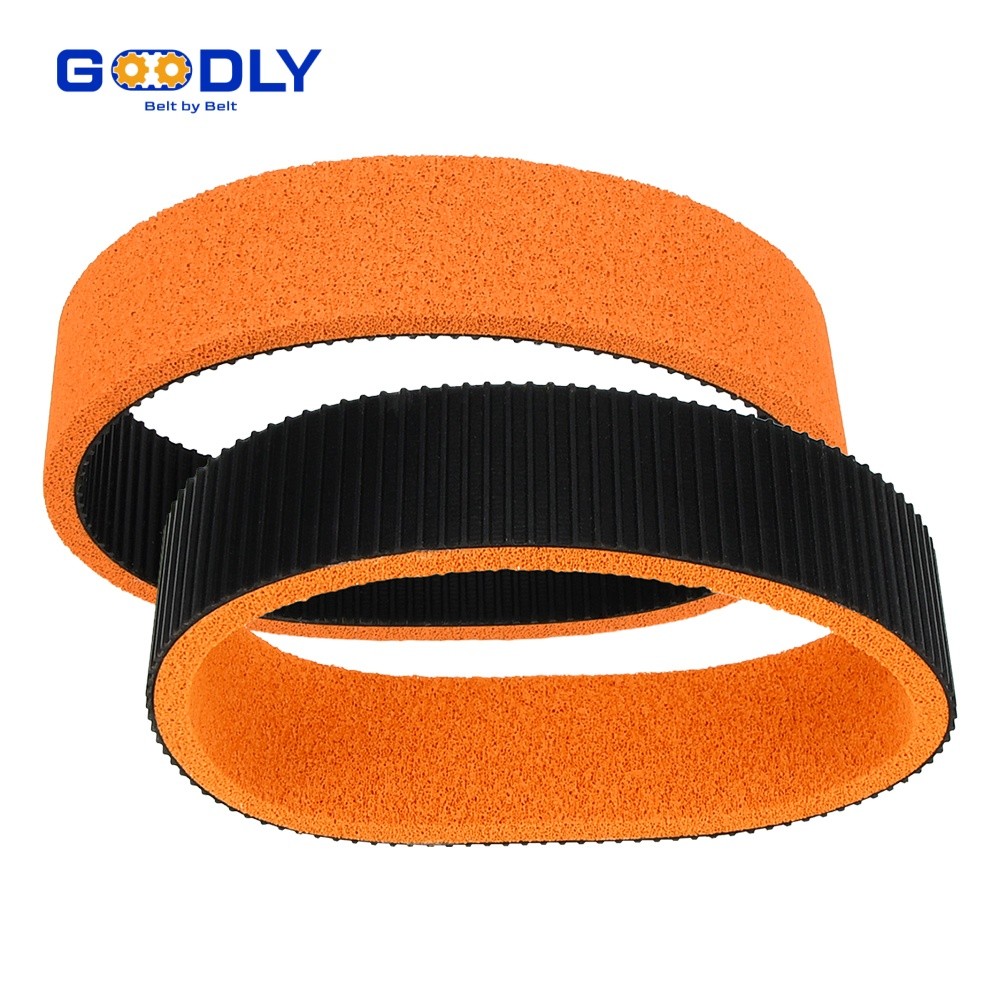 Sponge Conveyor Belt
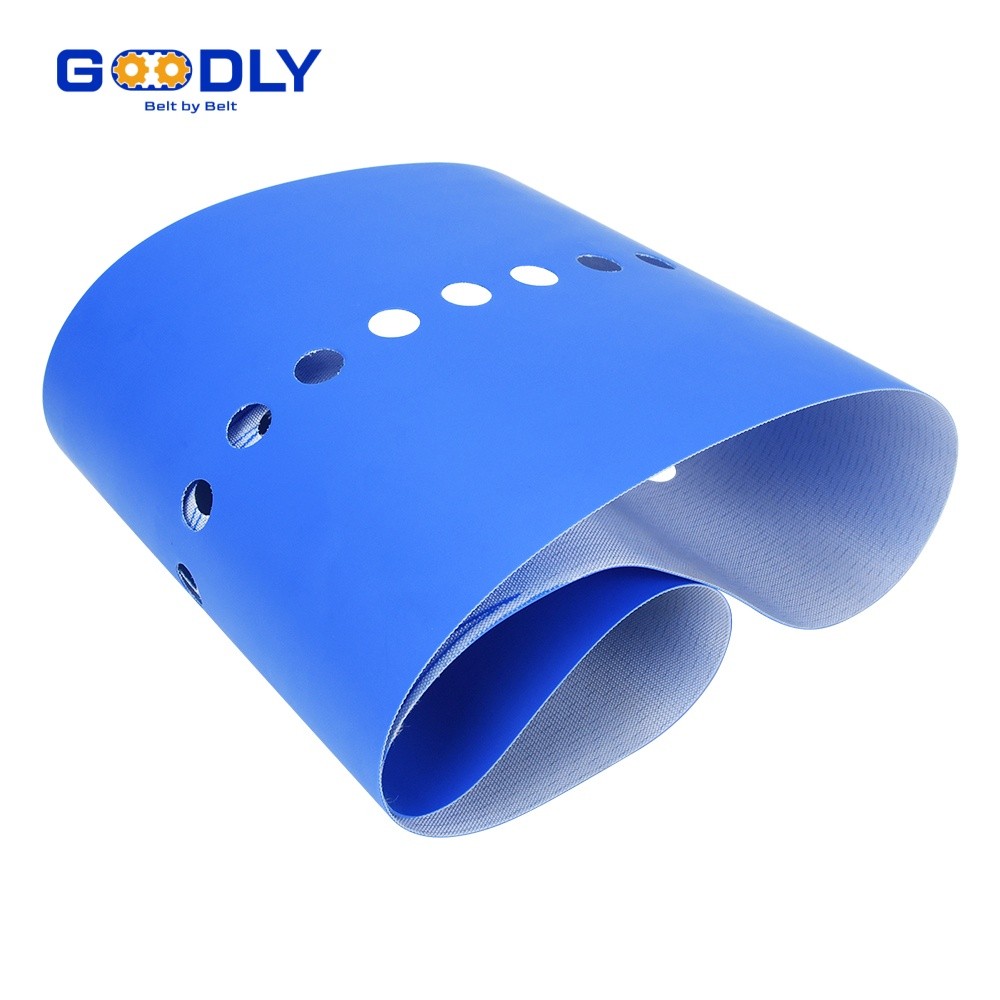 Conveyor Belts with Special Machining
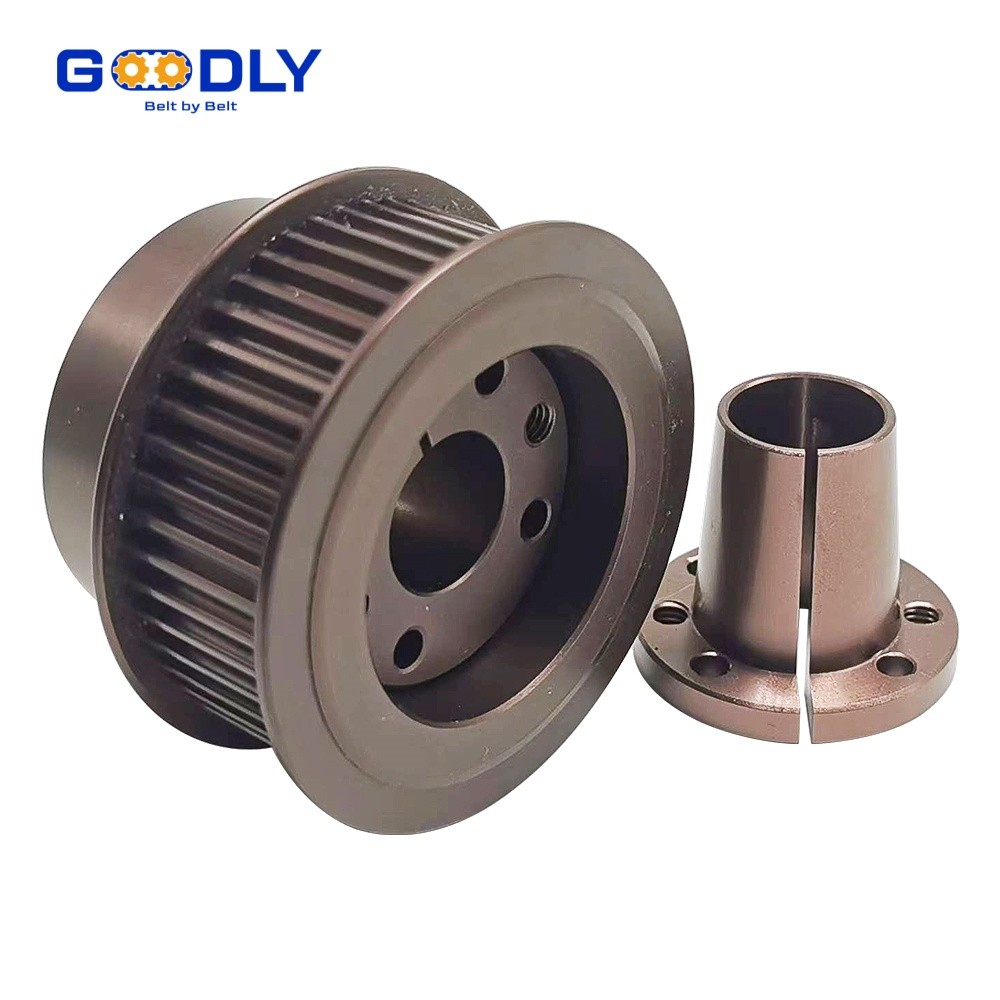 Timing Belt Pulley
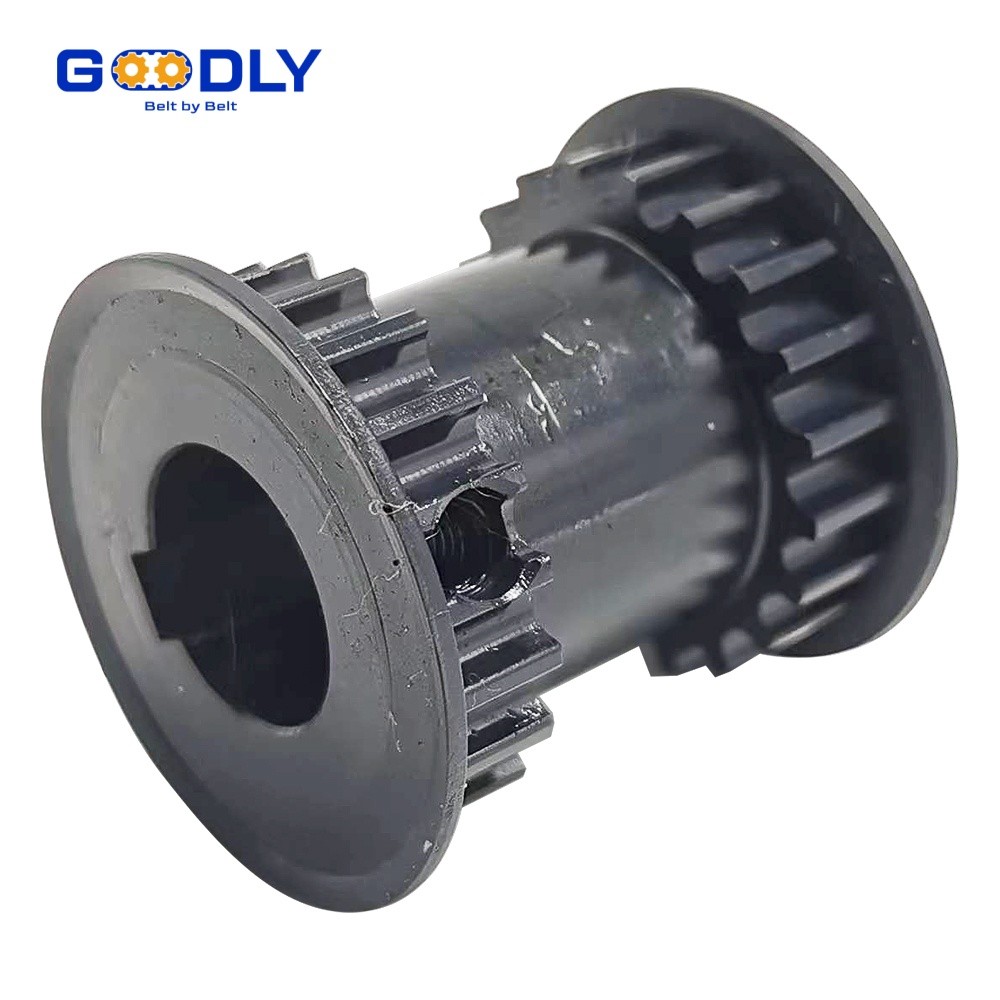 Rod-Shaped Synchronous Timing Pulley
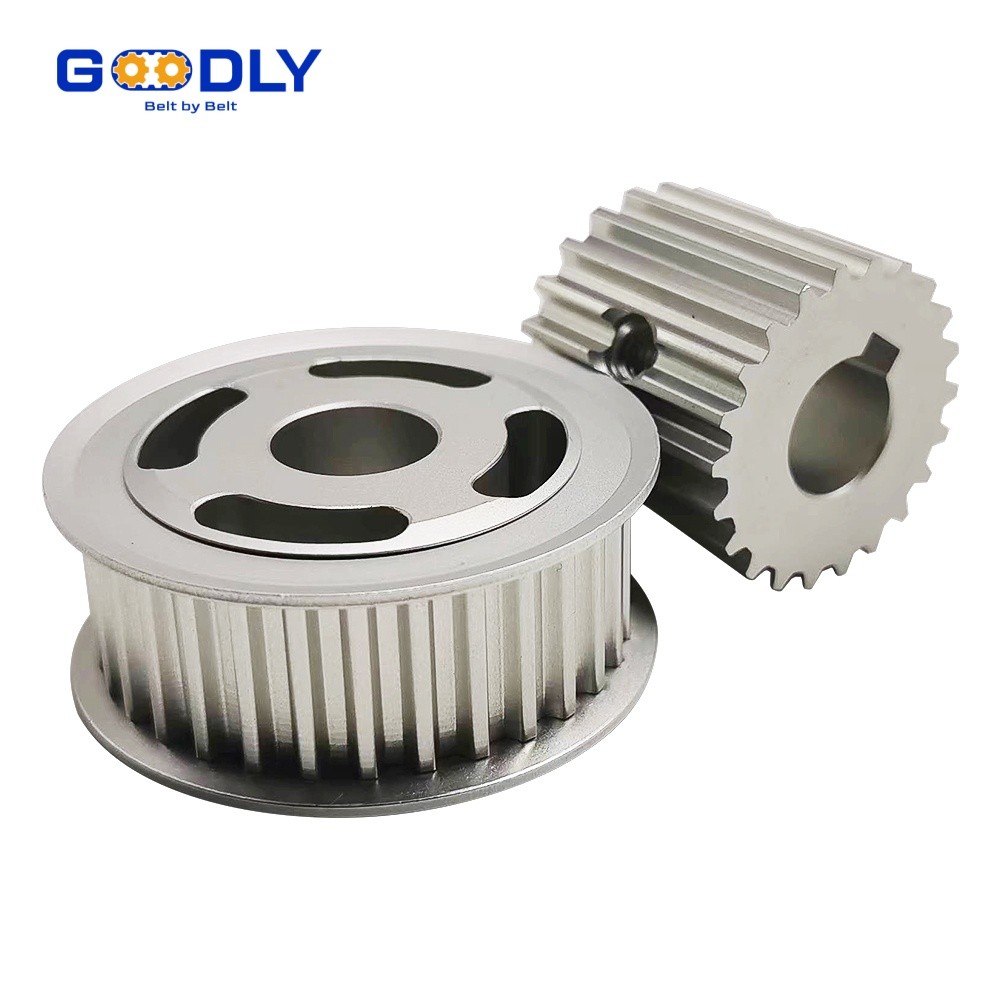 Surface-Pressure-Bearing Timing Pulley
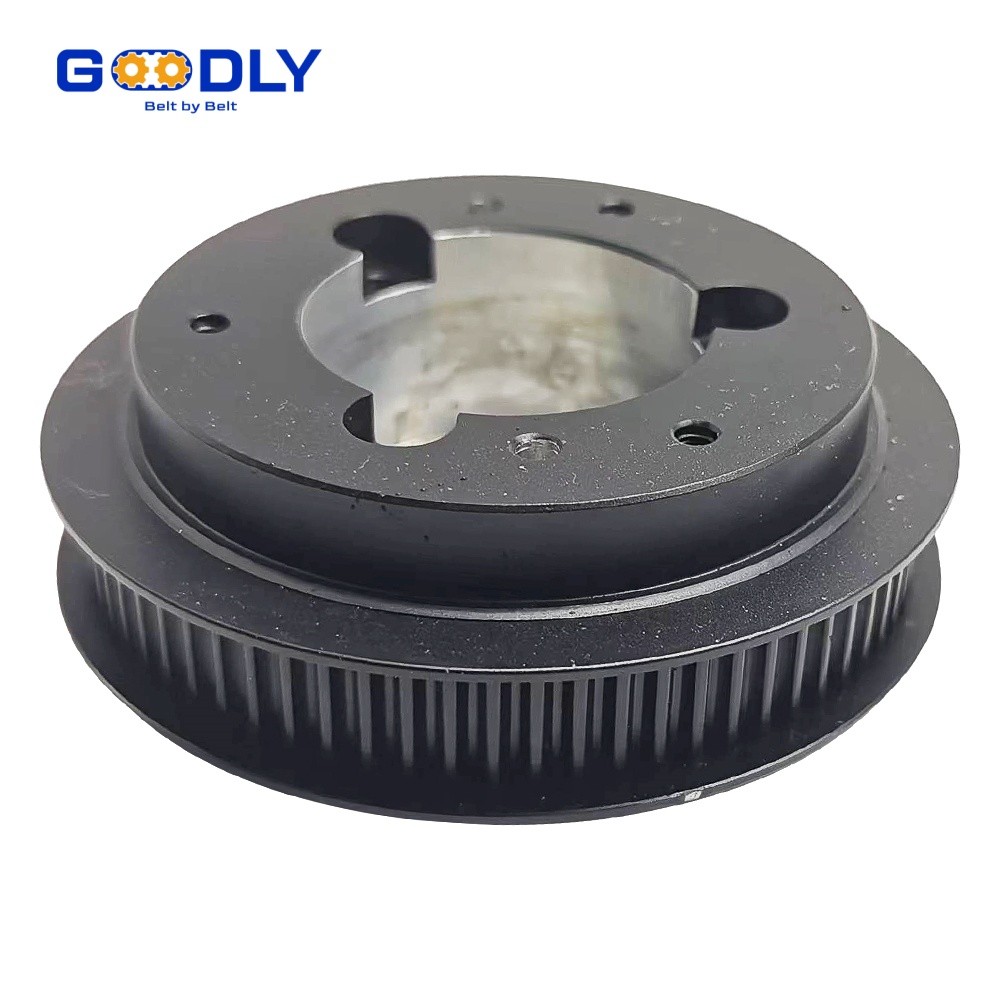 Serrated Idler Gear Timing Pulley
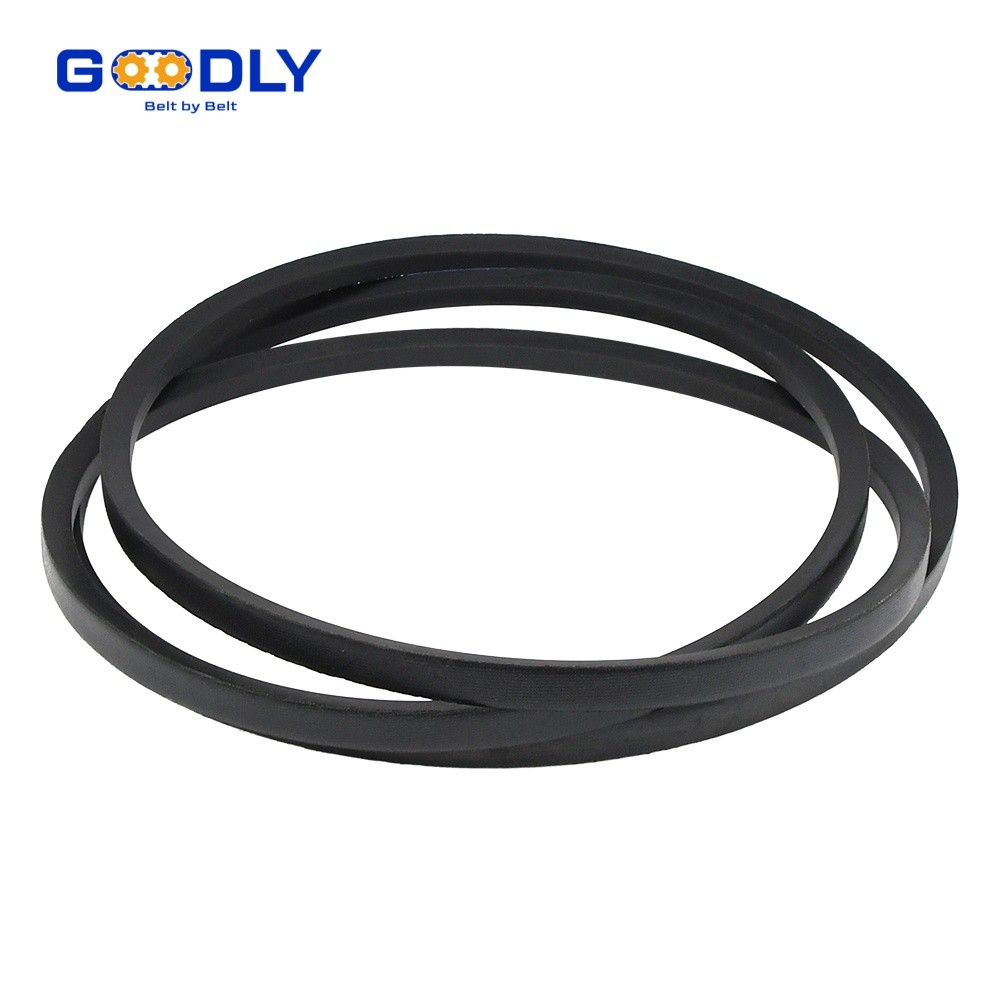 Multi-Groove Belt
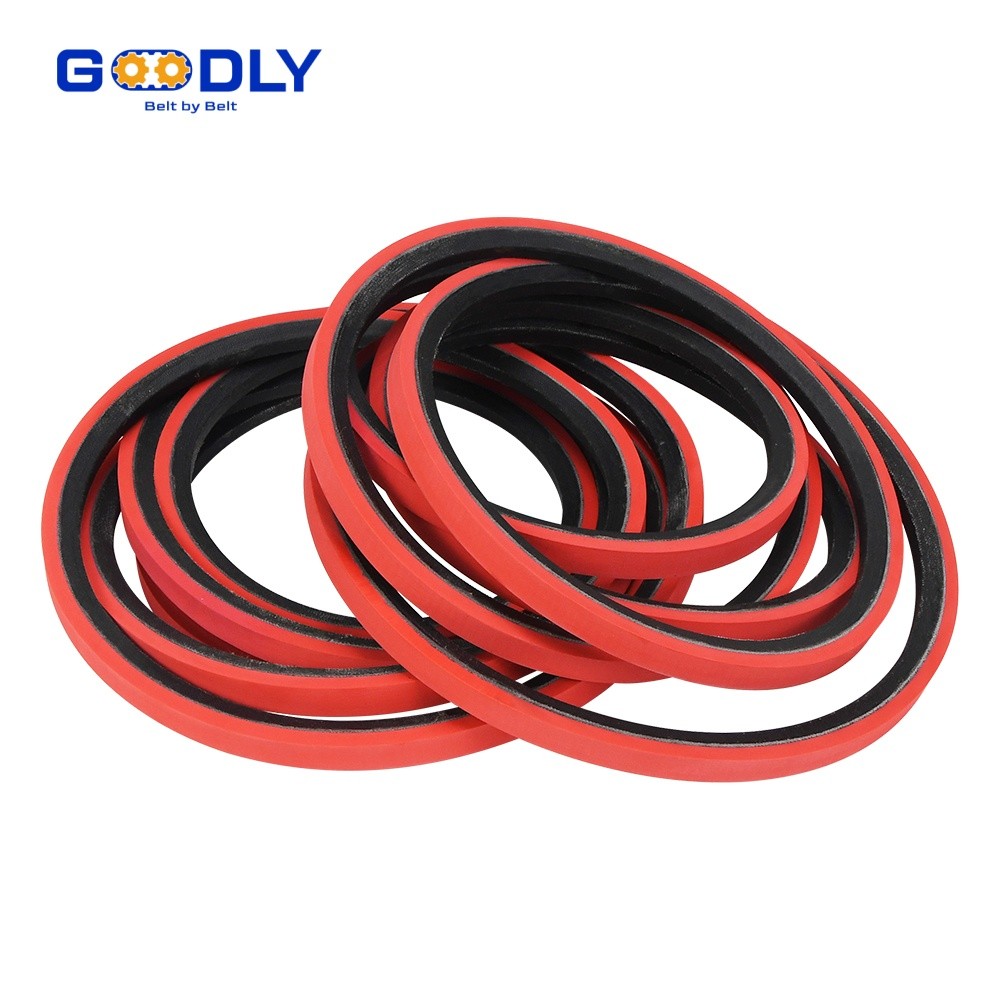 V-Belt
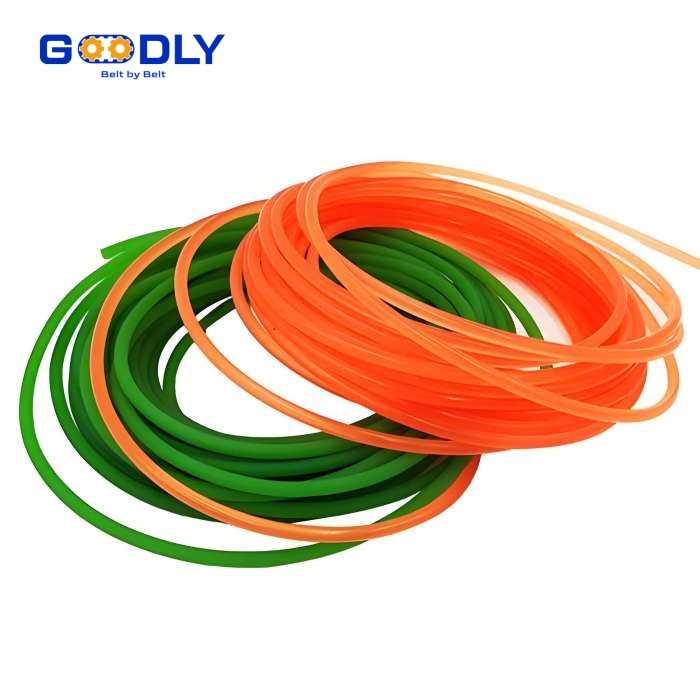 PU Round Belt
How do I identify an unmarked timing belt so I can order the right replacement?
Direct answer: Count the teeth and measure the pitch. Lay the belt flat, measure the length across ten tooth crests with a caliper or tape, and divide by ten: that number is the pitch, which points straight to the family, for example 80 mm for HTD 8M, 100 mm for T10 and 95.3 mm for L pitch. Combine the pitch with the top width and the tooth count, and the replacement part number falls out without any marking on the belt.
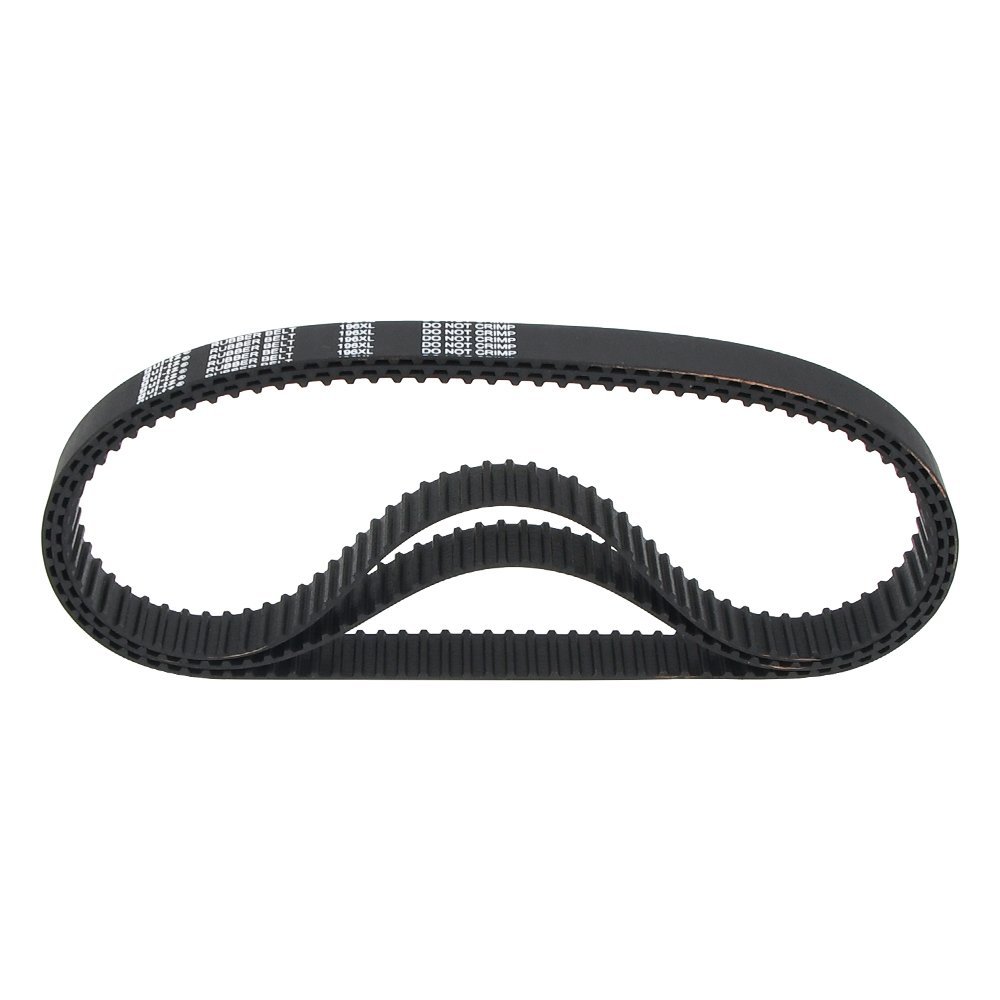
Measure these five things
- Tooth count: mark a tooth, walk a pen around the belt and count. This is the most reliable number on any belt, marked or not.
- Ten-tooth span: lay the belt flat, press it straight and measure from one tooth crest to the tenth crest beyond it, then divide by ten for the pitch.
- Top width: measure across the toothed face. Widths are usually round metric values such as 25 or 30 mm, or fractional inches such as 0.75 in.
- Overall thickness and tooth depth: a caliper measurement helps separate families that share a pitch but differ in construction.
- Tooth shape and cord: curved flanks point to HTD or STD families, flat flanks to T, AT or the inch-pitch families; a cut or broken end may reveal the cord type.
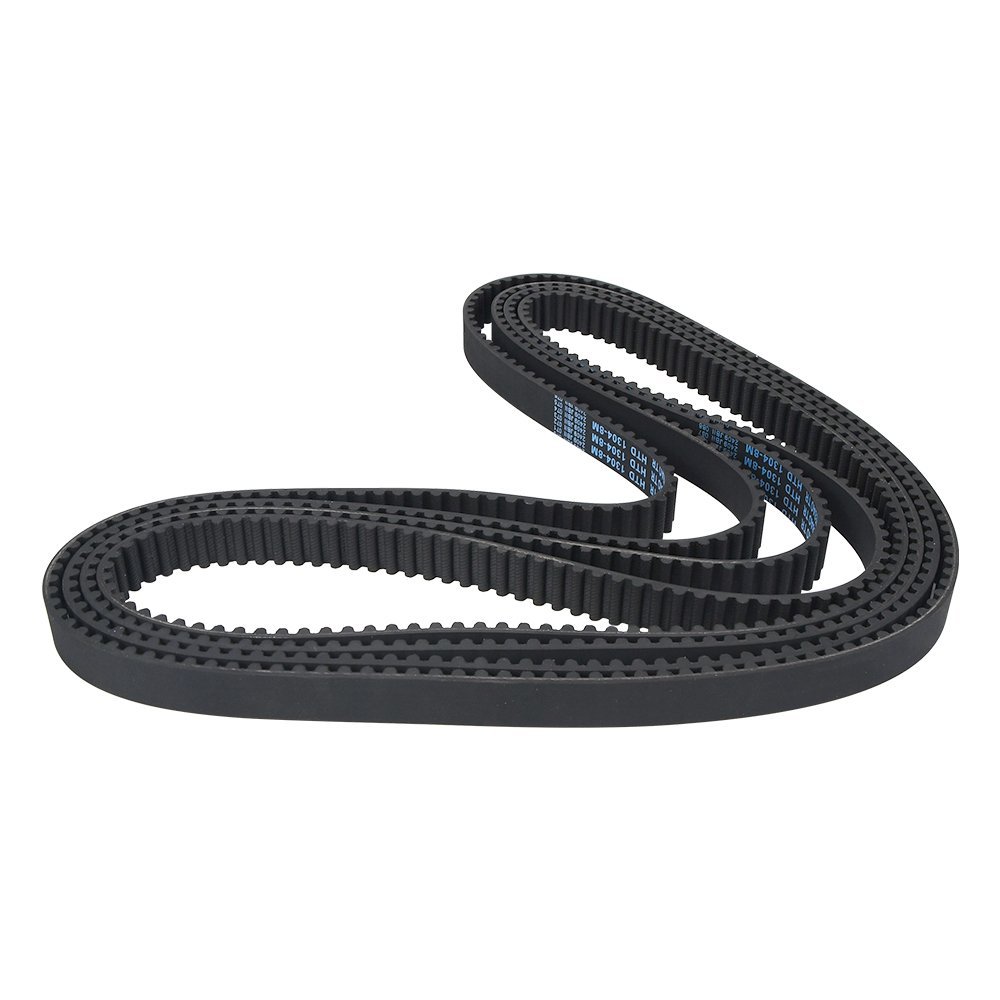
Match the numbers to a family
| Span over 10 teeth | Pitch | Likely family |
|---|---|---|
| 20.3 mm (0.80 in) | 2.032 mm | MXL |
| 50.0 mm | 5 mm | HTD 5M or T5 |
| 50.8 mm (2.00 in) | 5.08 mm | XL |
| 80.0 mm | 8 mm | HTD 8M or STD S8M |
| 95.3 mm (3.75 in) | 9.525 mm | L |
| 100 mm | 10 mm | T10 or AT10 |
| 127 mm (5.00 in) | 12.7 mm | H |
| 140 mm | 14 mm | HTD 14M or STD 14M |
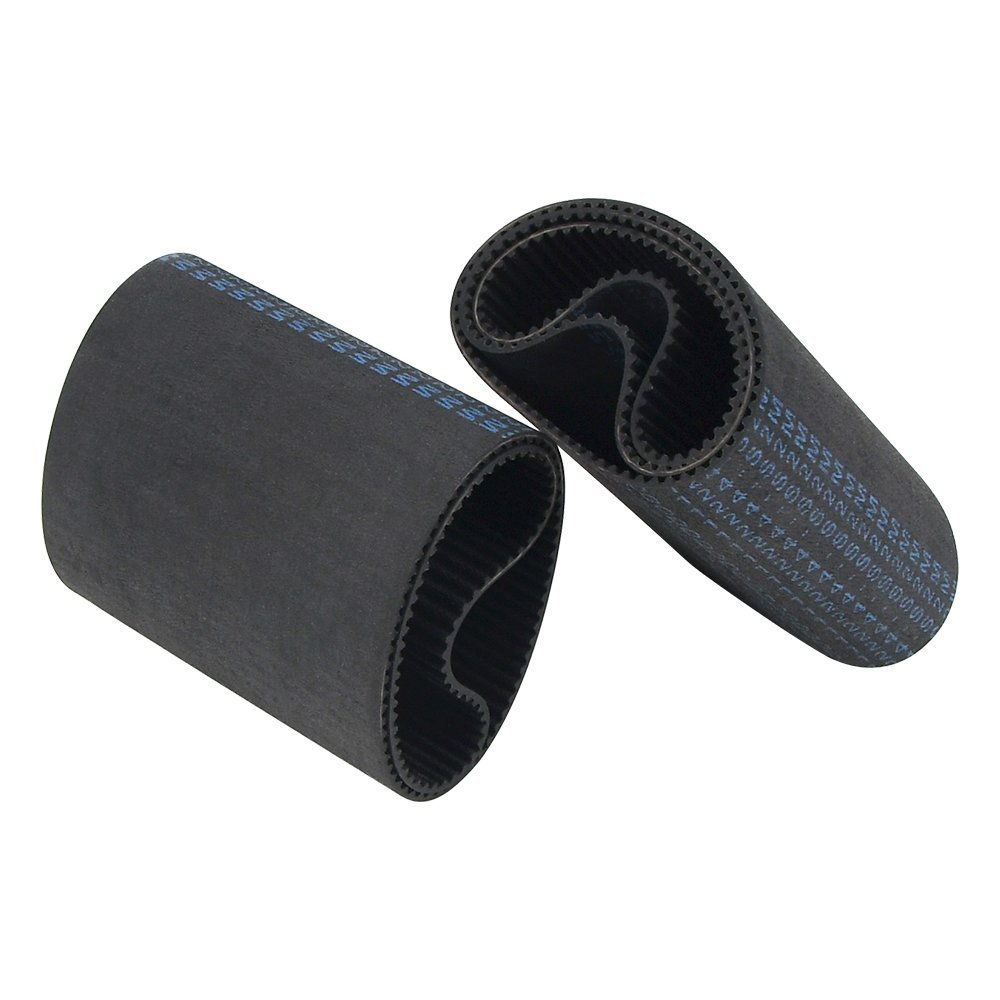
When the numbers sit between families
If the measured pitch lands between two rows, measure again on a straighter section and check the tooth flank shape. Trapezoidal flanks belong to the T, AT, XL, L, H and MXL families, while rounded flanks belong to the HTD, STD and similar curvilinear families. Values that come out in fractional inches point to an inch-pitch belt even when the machine itself is European. Two pitches can be nearly identical, for example L at 9.525 mm and T10 at 10 mm, yet they remain separate systems with separate pulleys.
Information to send with the enquiry
- Photos of the whole belt coiled, a close-up of the teeth and a close-up of any remaining marking area.
- The tooth count, ten-tooth span, top width and thickness from your caliper.
- Photos of both pulleys with their tooth counts, and the outside diameter of the small pulley.
- The machine type and application, which often pins down the family immediately.
- The machine brand or model if known. GOODLY is an independent manufacturer; brand names are used only as cross references to identify the belt system, not as a claim of affiliation.
Send the photos and measurements
Email sales@goodlybelts.com with the tooth count, ten-tooth span, width and pulley photos. We will identify the family, confirm the part number and quote the replacement, with or without the original marking.
Identify my belt
Are you looking for a reliable manufacturer of conveyor belt products?
We can quickly provide customers with market analysis, technical support and customized services.- Name
- Phone
- *Title
- *Content