
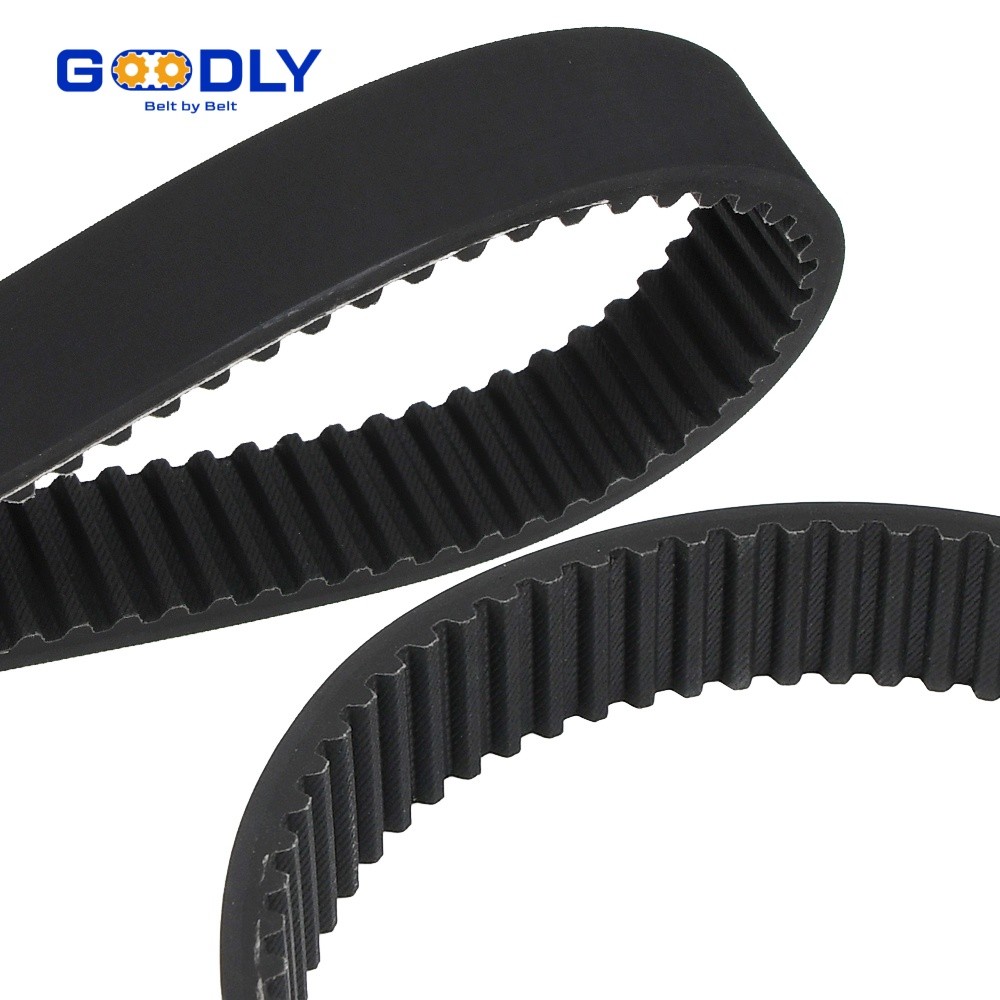
 Rubber Timing Belt
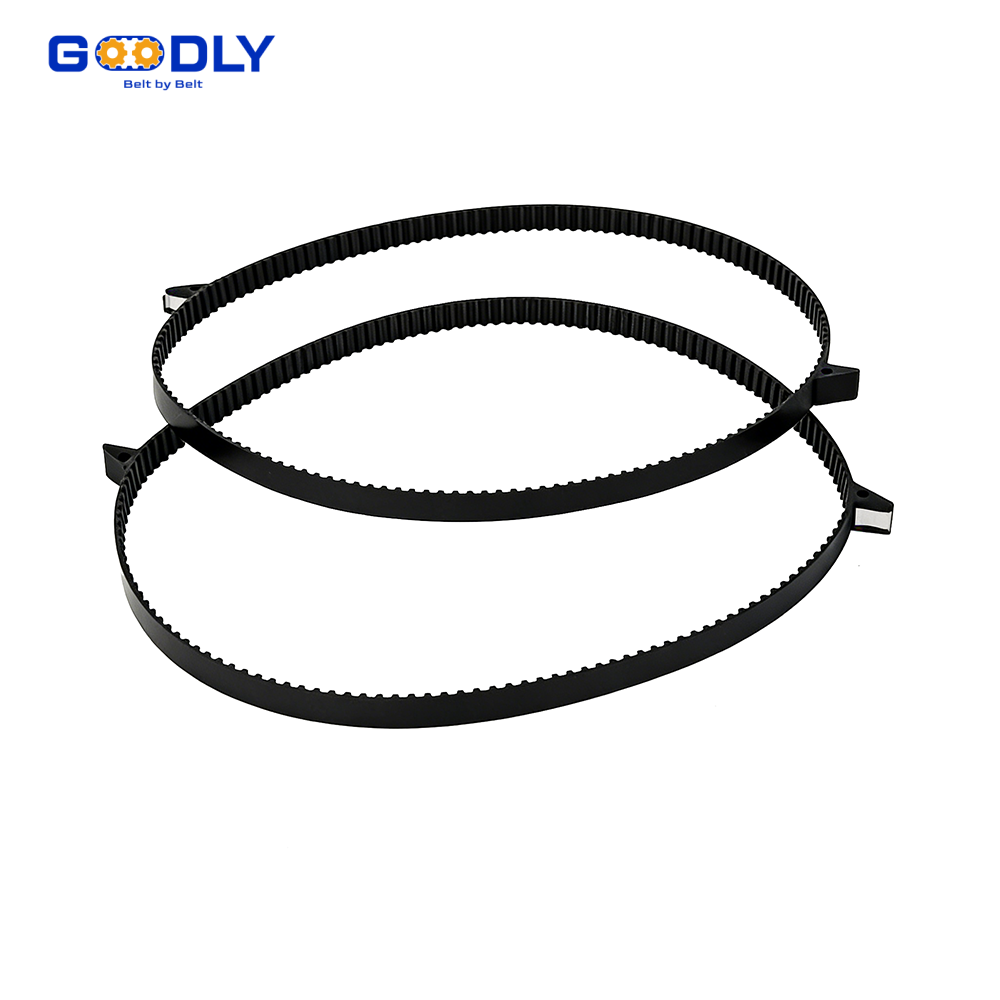 PU Timing Belt
 Silicone Timing Belt
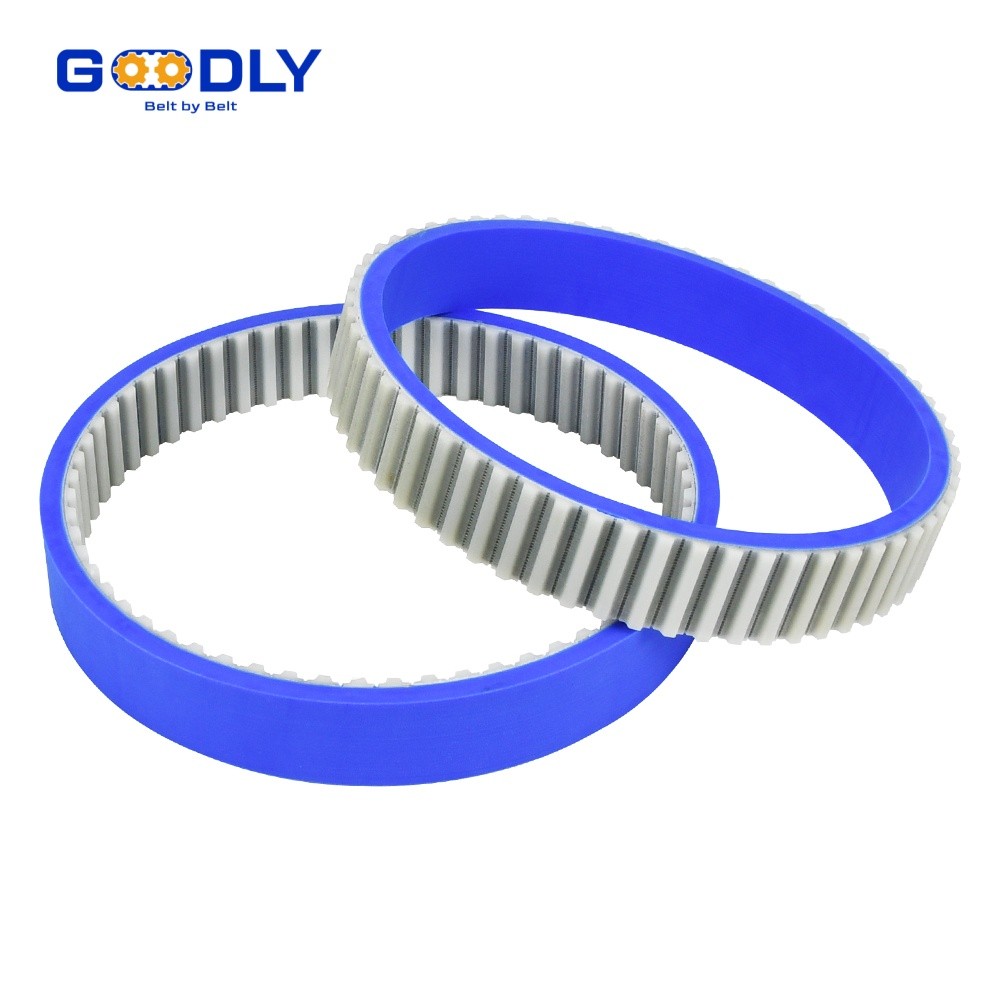 Silicone Vulcanized Timing Belt
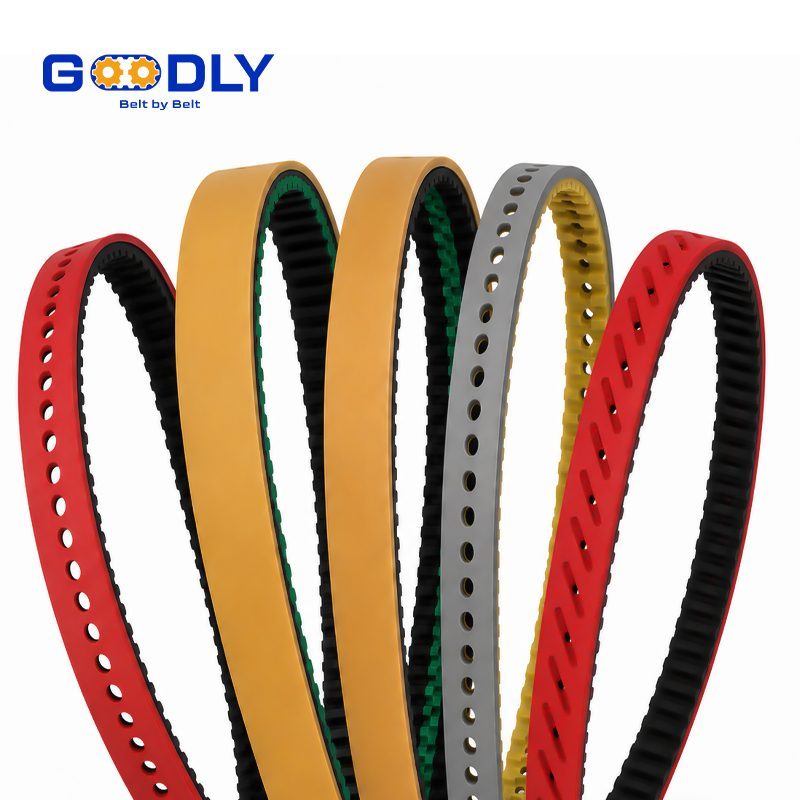 Vulcanized Timing Belt
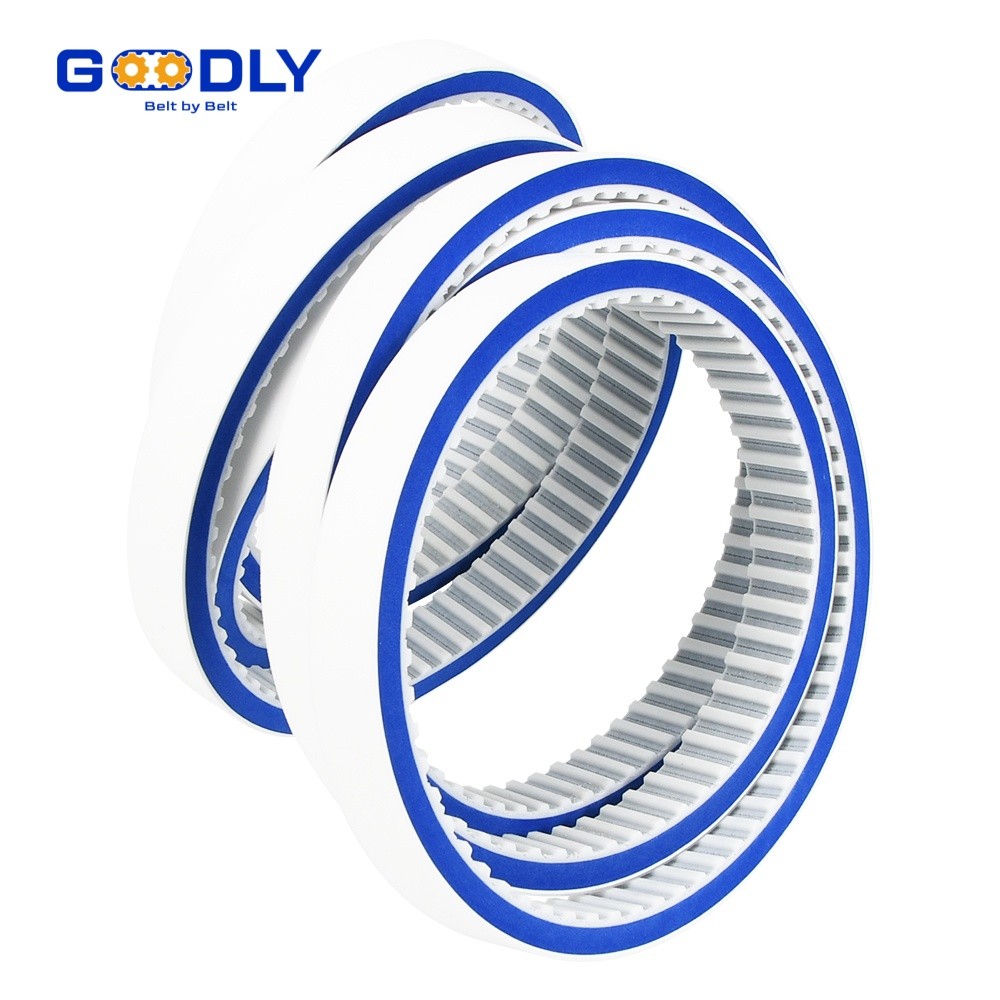 Sponge Timing Belt
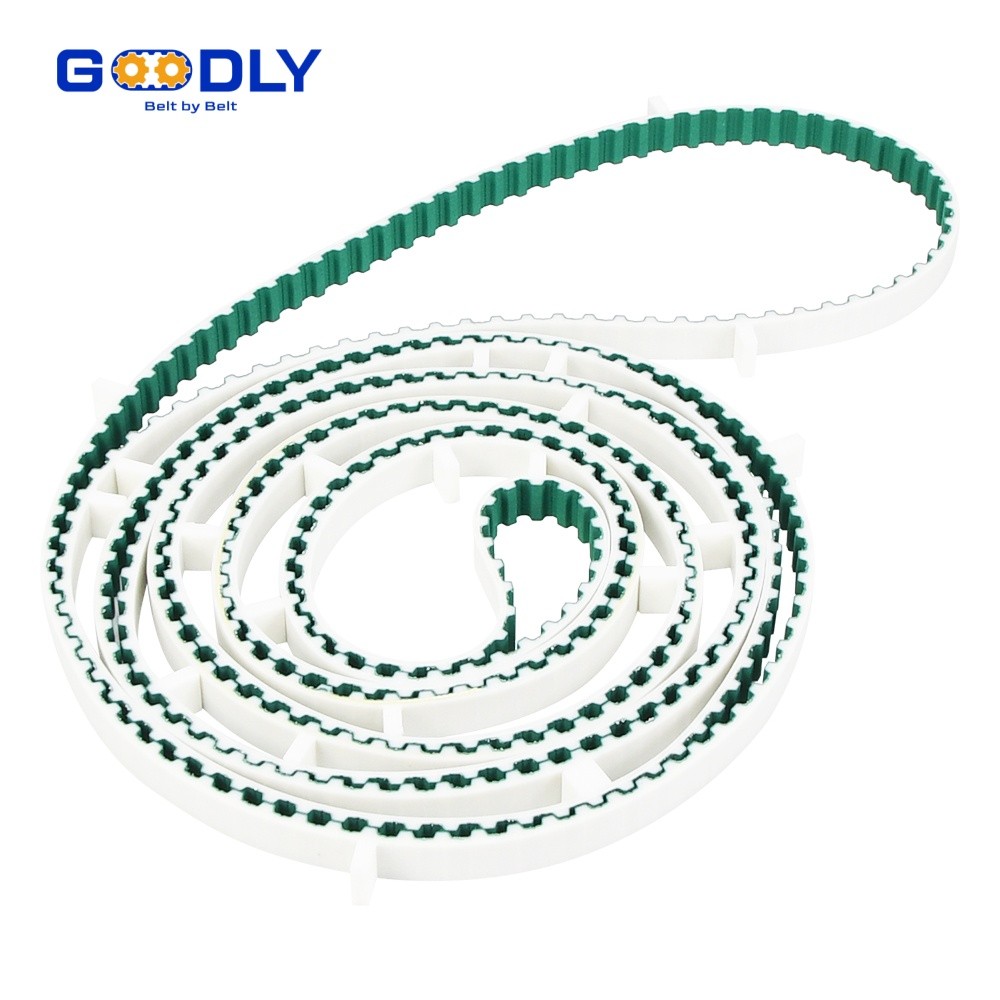 Timing Belts with Special Machining
 Rubber Flat Belt
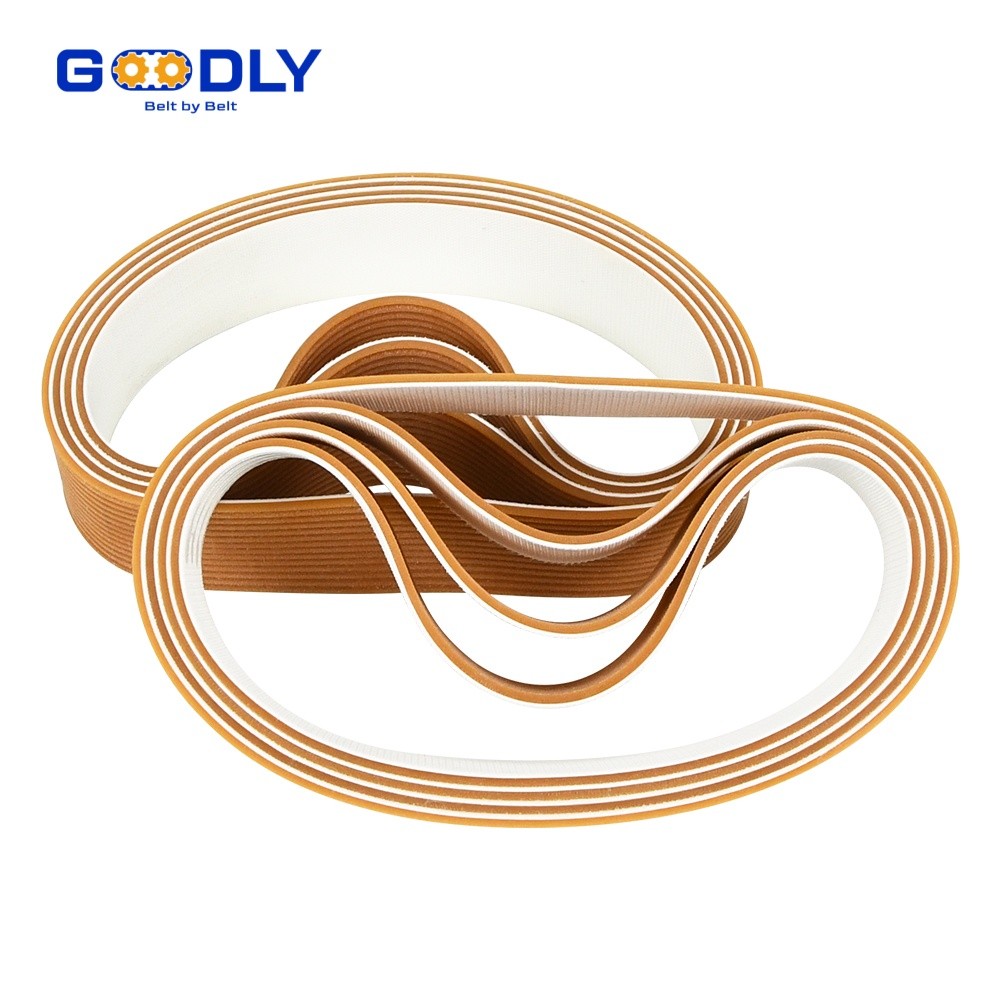 PU Flat Belt
 Nylon Flat Belt
 Foam Flat Belt
 Vulcanized Flat Belt
 PU Conveyor Belt
 PVC Conveyor Belt
 Rubber Conveyor Belt
 Sponge Conveyor Belt
 Conveyor Belts with Special Machining
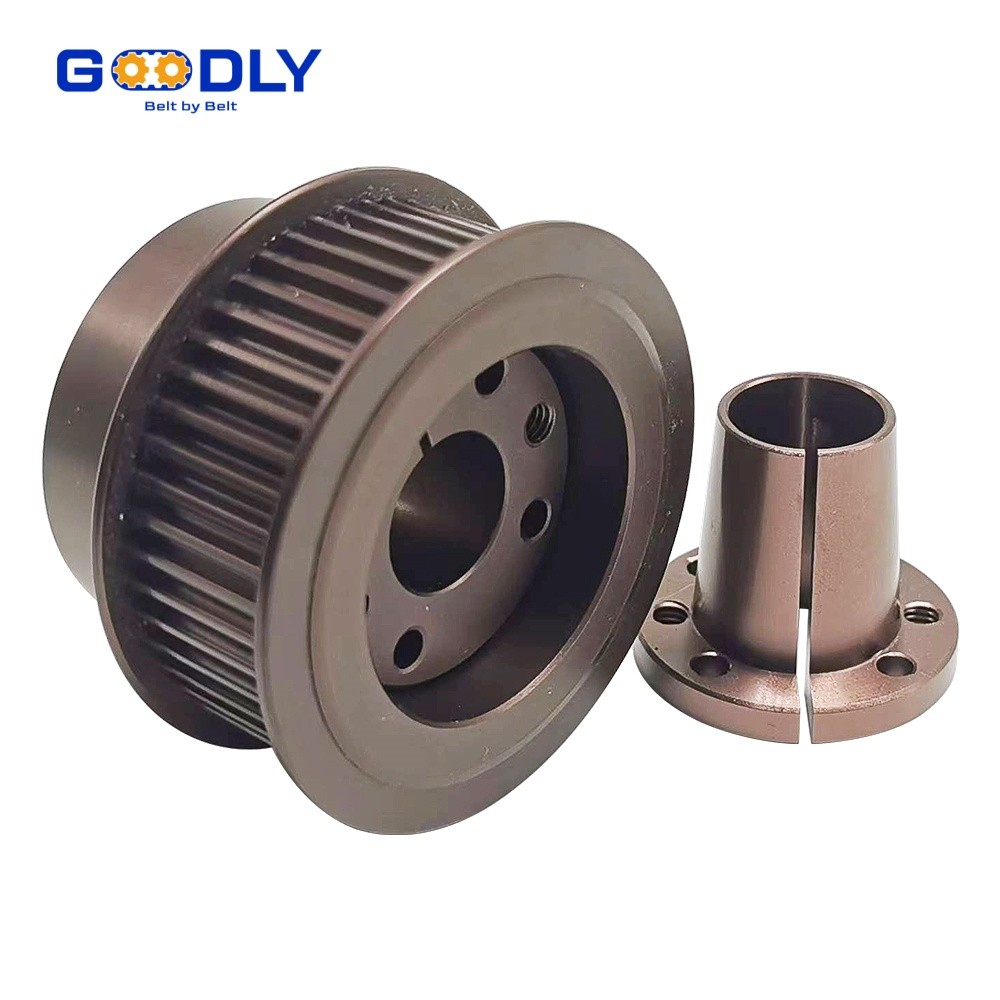 Timing Belt Pulley
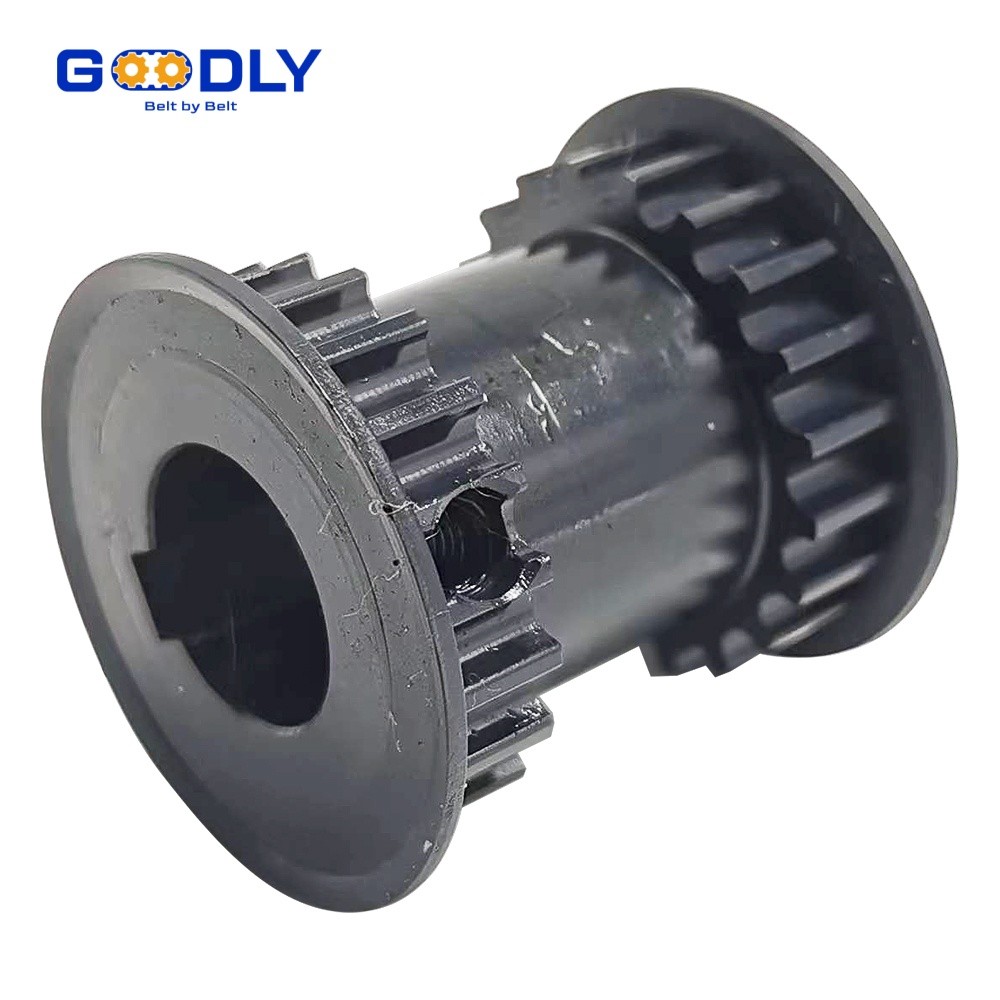 Rod-Shaped Synchronous Timing Pulley
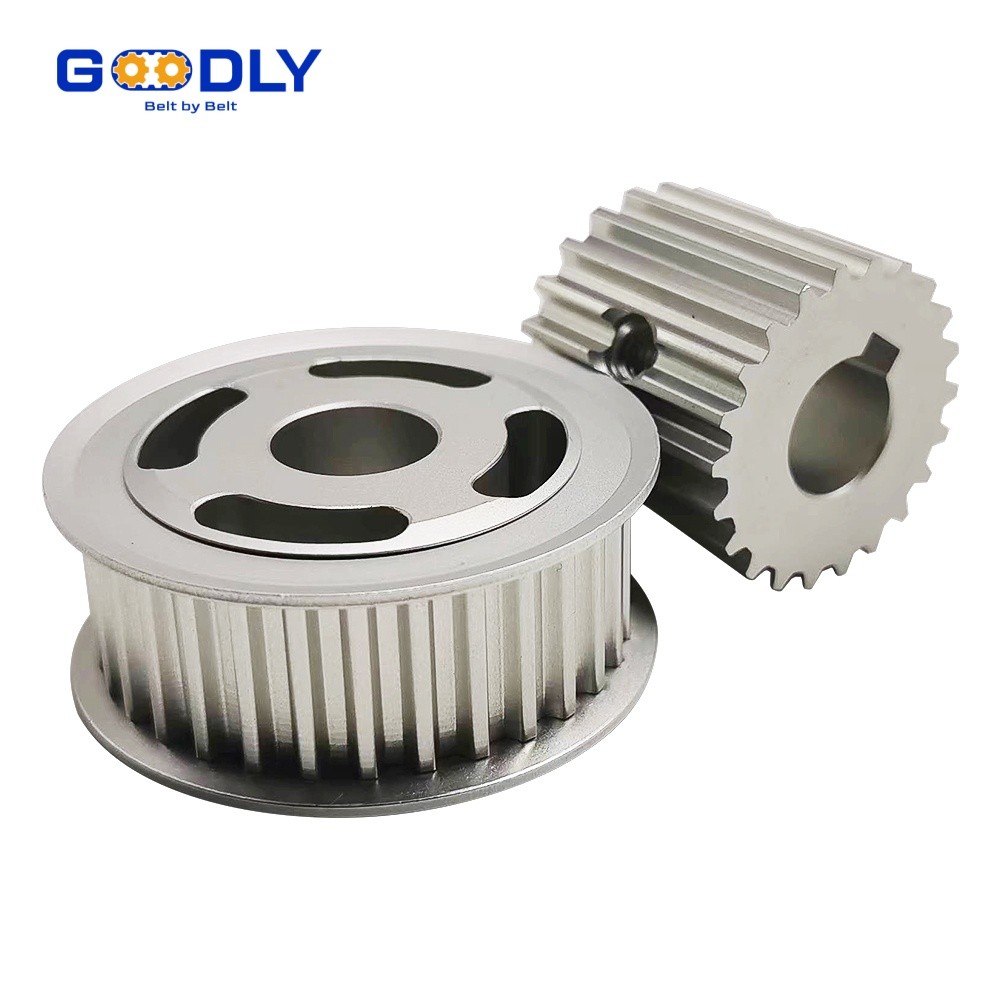 Surface-Pressure-Bearing Timing Pulley
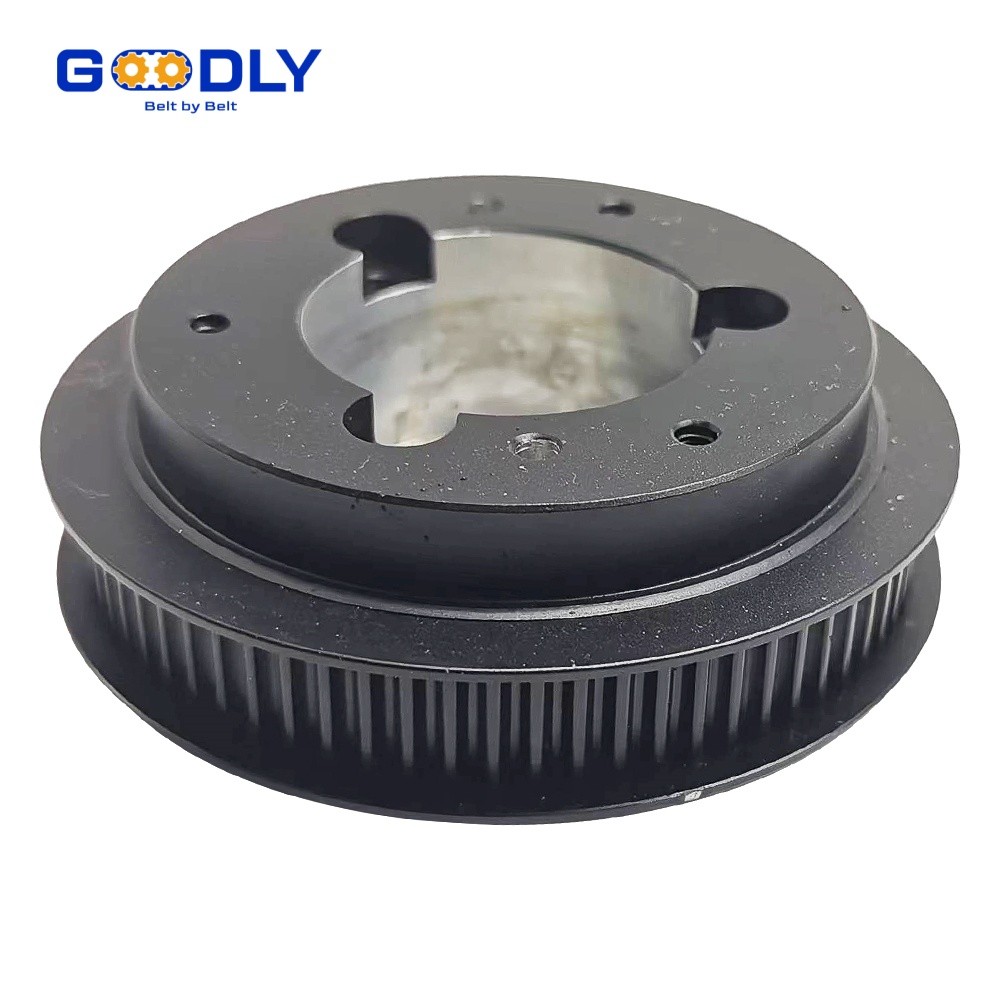 Serrated Idler Gear Timing Pulley
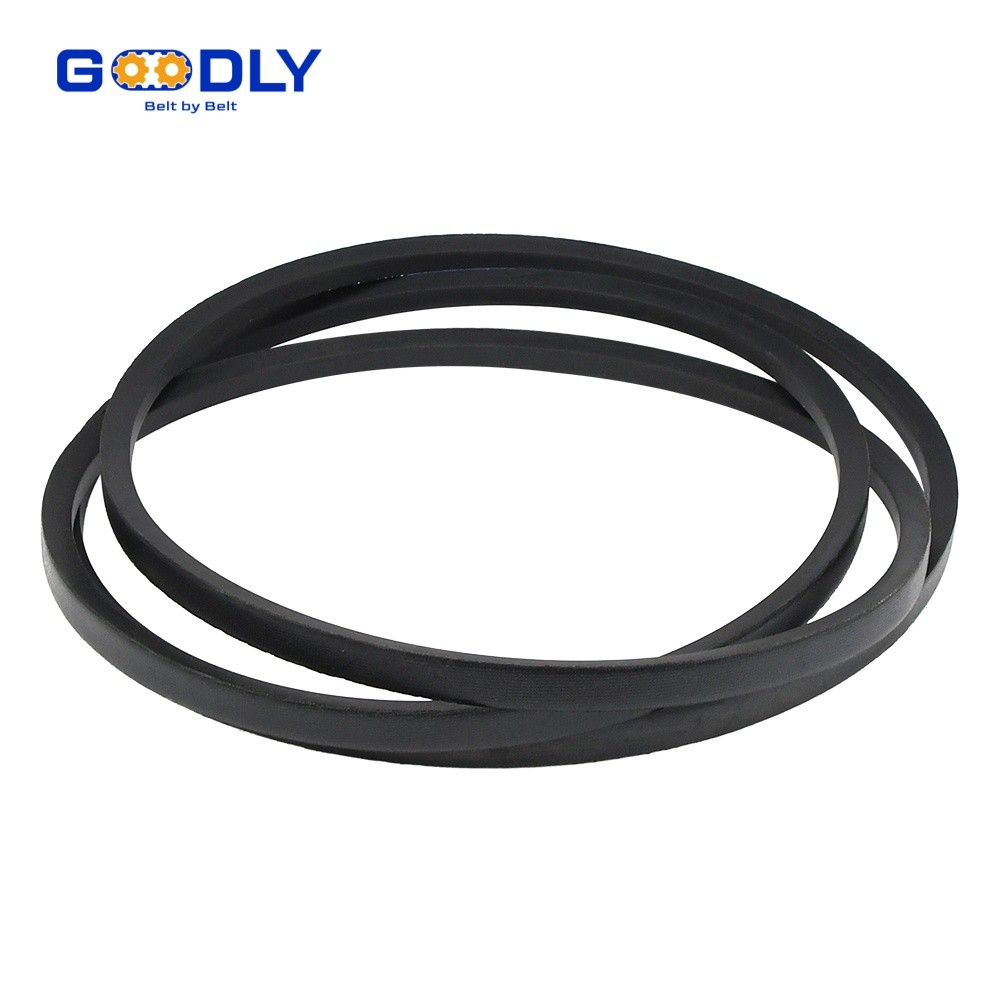 Multi-Groove Belt
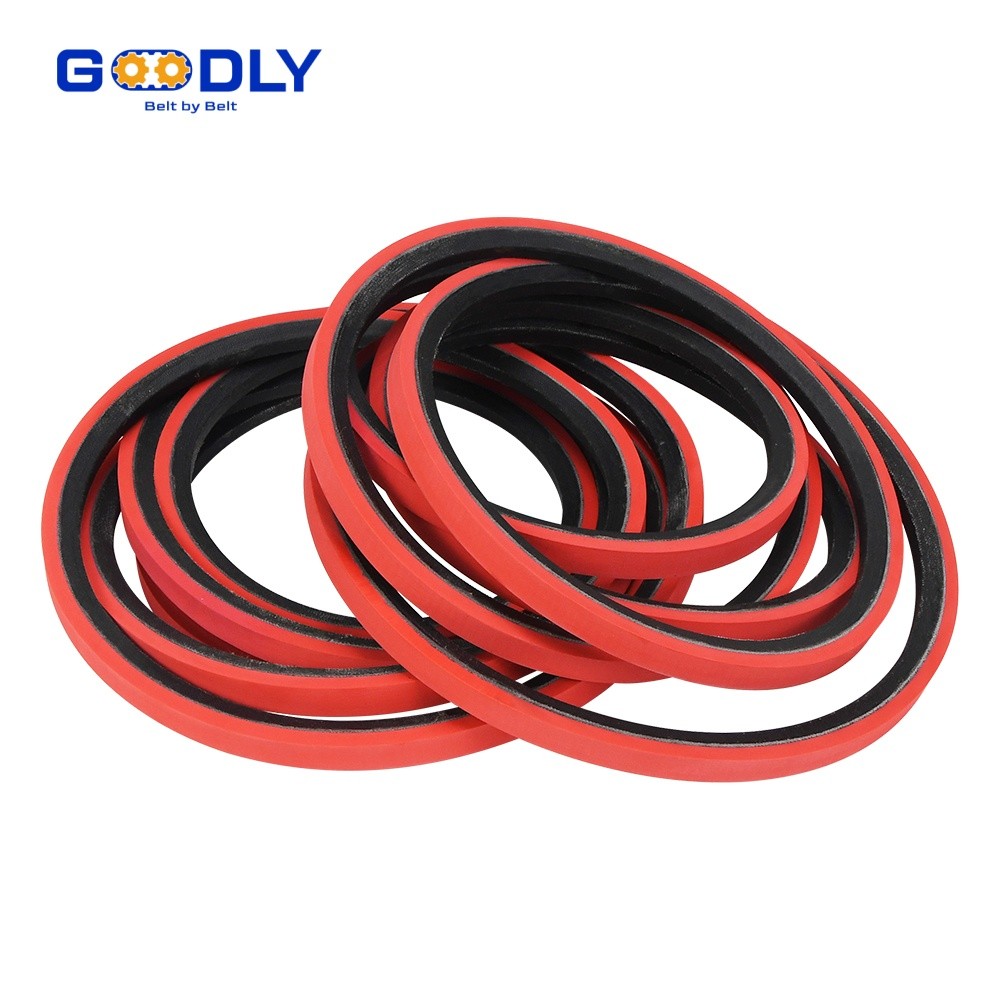 V-Belt
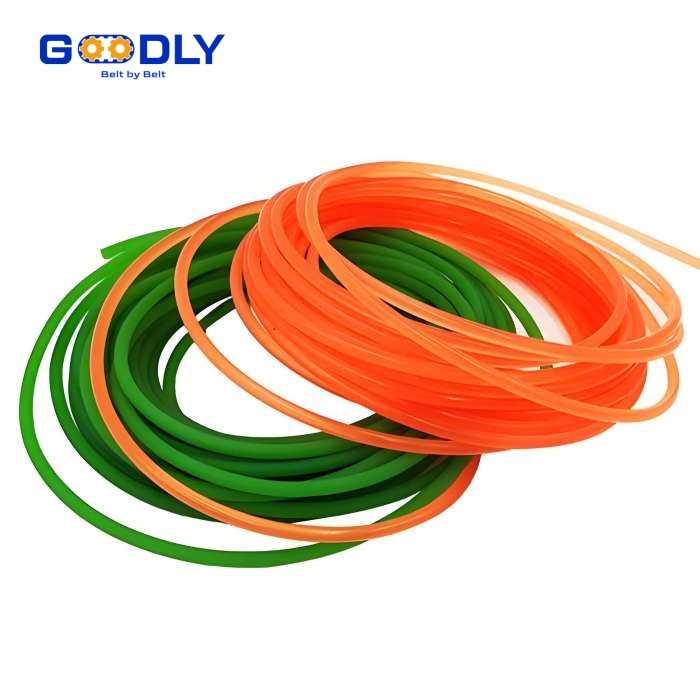 PU Round Belt
How do I calculate speed ratio and output speed for a timing belt drive?
Direct answer: Speed ratio equals the driven pulley tooth count divided by the driver pulley tooth count, and output speed equals the input RPM multiplied by the driver teeth divided by the driven teeth. A 20-tooth driver running 1450 rpm on a 40-tooth driven pulley turns that pulley at 725 rpm. Work from tooth counts rather than diameters, because teeth are exact integers while diameters depend on pitch line geometry and are easy to misread on a worn pulley.
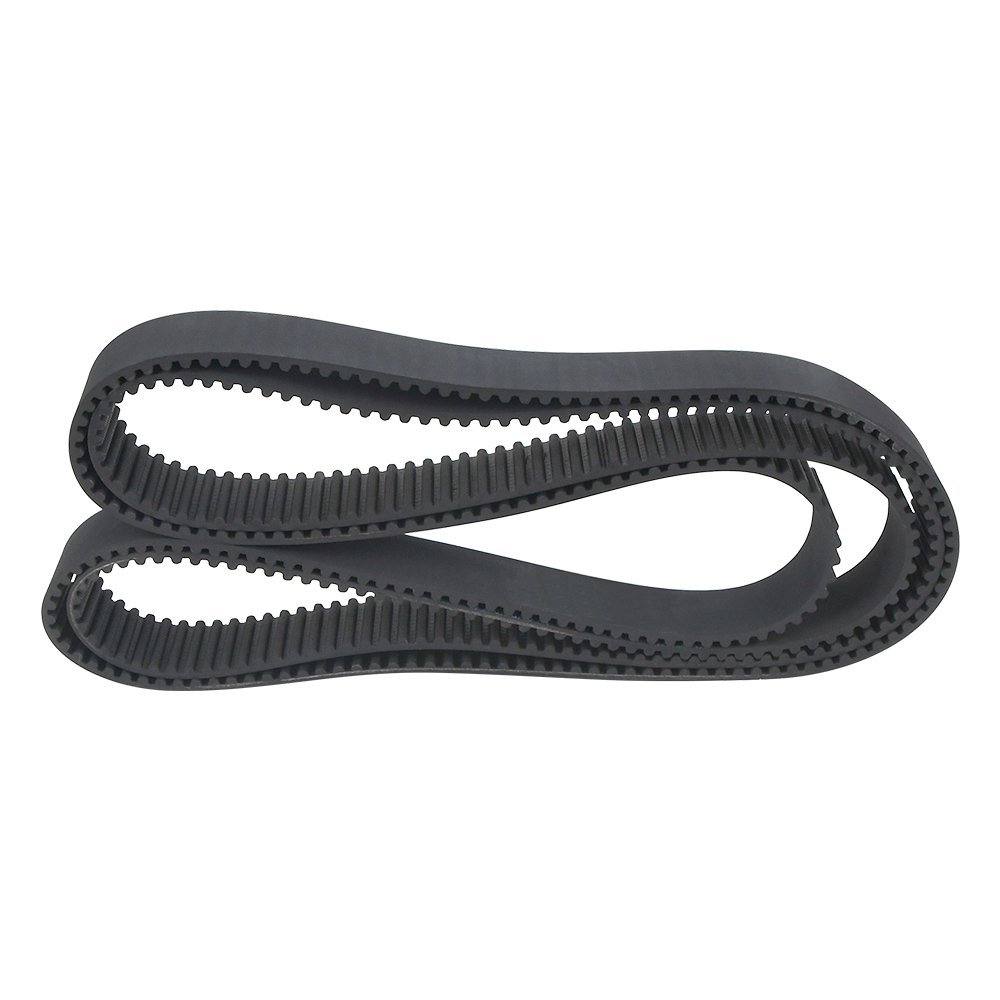
The two formulas you need
Speed ratio is the driven teeth divided by the driver teeth. Output speed is the input speed multiplied by the driver teeth divided by the driven teeth. Both formulas use tooth counts because each tooth on the small pulley hands the belt to exactly one tooth space on the large pulley. Measuring diameters works only if you know the pitch diameter, which is not the same as the outside diameter you can touch with a caliper.
| Driver teeth | Driven teeth | Ratio | Output at 1450 rpm |
|---|---|---|---|
| 20 | 40 | 1 to 2 reduction | 725 rpm |
| 40 | 20 | 2 to 1 speed-up | 2900 rpm |
| 24 | 48 | 1 to 2 reduction | 725 rpm |
| 18 | 72 | 1 to 4 reduction | 363 rpm |
| 30 | 30 | 1 to 1 | 1450 rpm |
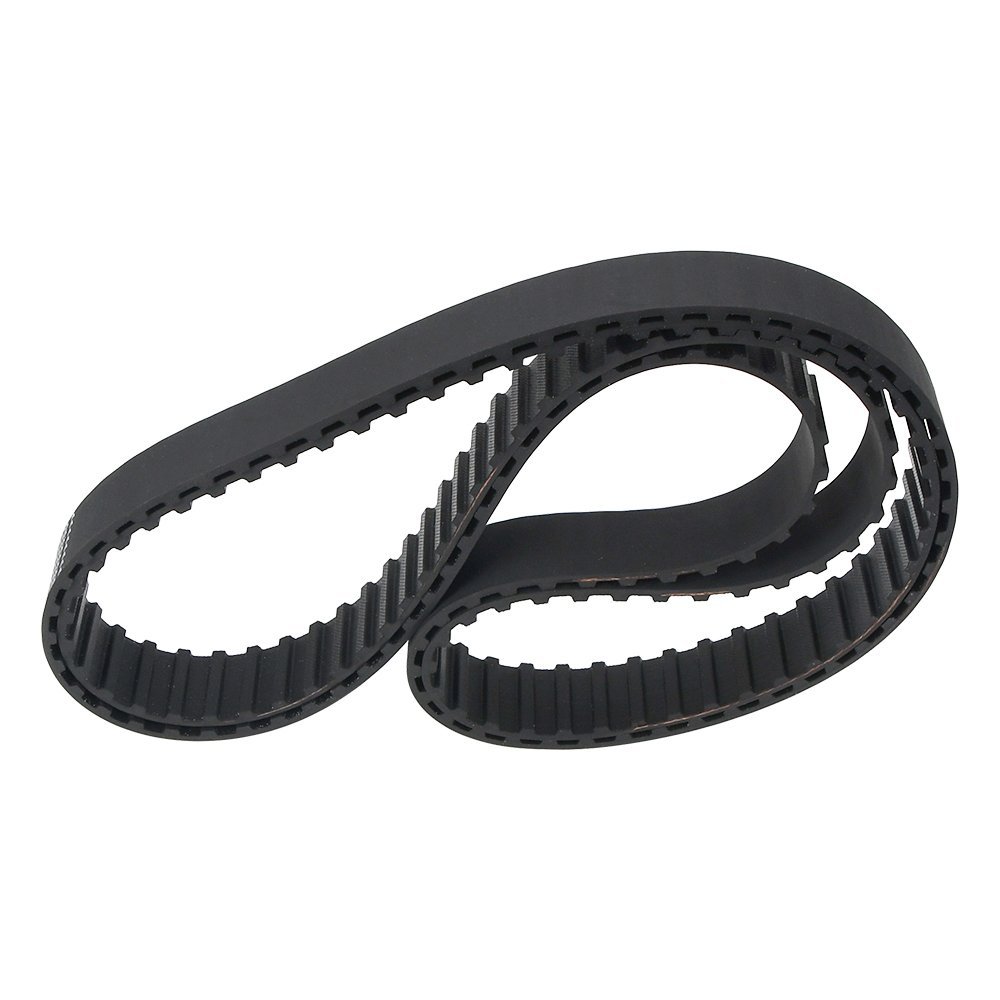
Why the real speed differs slightly
- Tooth counts give the nominal ratio. Under load, a timing belt creeps a fraction of a percent because the cord stretches slightly, so the driven shaft turns marginally slower than the tooth math predicts.
- The outside diameter of a pulley is larger than its pitch diameter. Using outside diameters in the formula overestimates the ratio, typically by a few percent depending on the pitch family.
- A tooth jumping under peak load changes the ratio by exactly one tooth until it is reset, which shows up as a sudden phase shift in positioning applications.
- Worn pulley teeth let the belt ride slightly deeper or shallower, adding a small long-term drift in actual output speed.
How large a ratio one stage can handle
- Reductions up to roughly 8 to 1 are common in a single stage when the small pulley keeps enough teeth and the frame fits the large pulley.
- Speed-up ratios above about 3 to 1 become awkward, because the small driven pulley falls toward the minimum tooth count while the large driver turns slowly with few teeth in mesh.
- For larger overall ratios, two stages in series usually cost less space and less tension trouble than one extreme stage.
- High speed-up stages need extra attention to teeth in mesh and belt width, since the small pulley carries the full torque at high speed.
Send the tooth counts and get the ratio checked
Email sales@goodlybelts.com with both pulley tooth counts, the input RPM and the power or torque. We will verify the ratio, the teeth in mesh and the belt width, then quote a belt that matches the drive.
Check my drive ratio

Are you looking for a reliable manufacturer of conveyor belt products?
We can quickly provide customers with market analysis, technical support and customized services.- Name
- Phone
- *Title
- *Content