
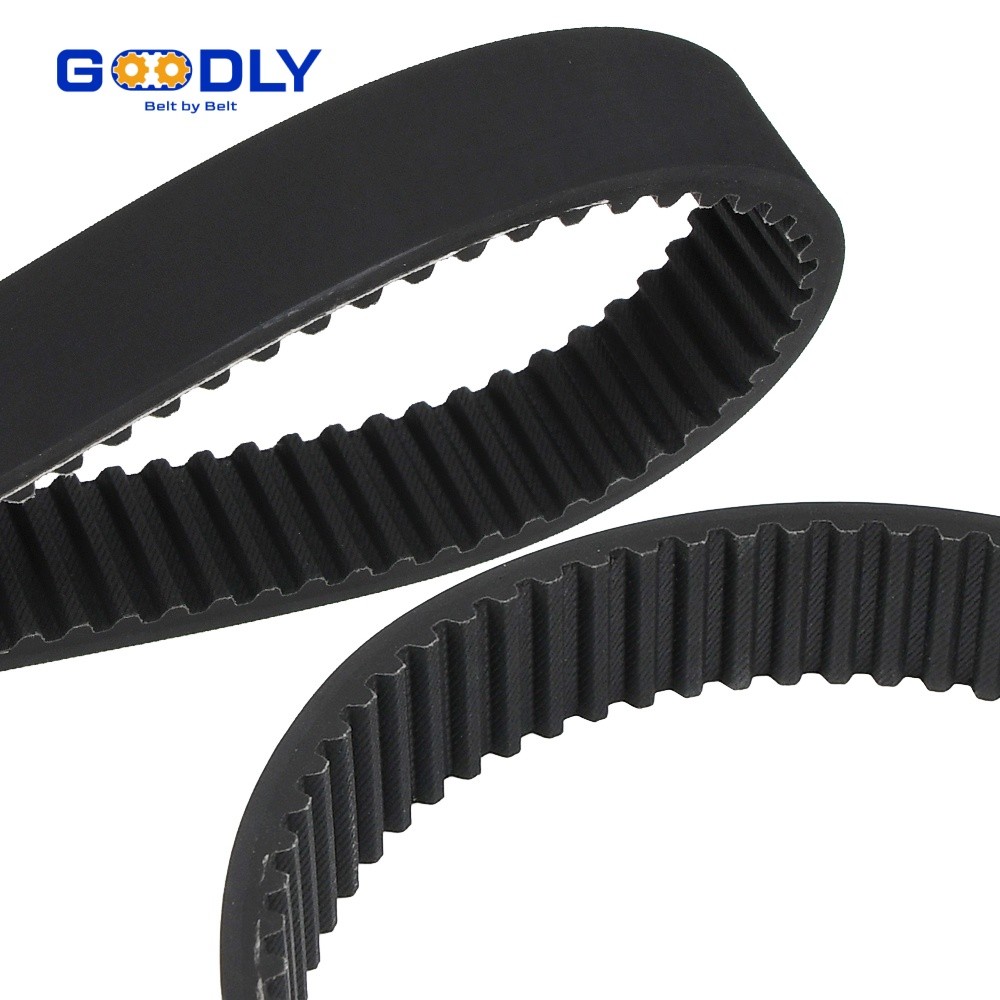
 Rubber Timing Belt
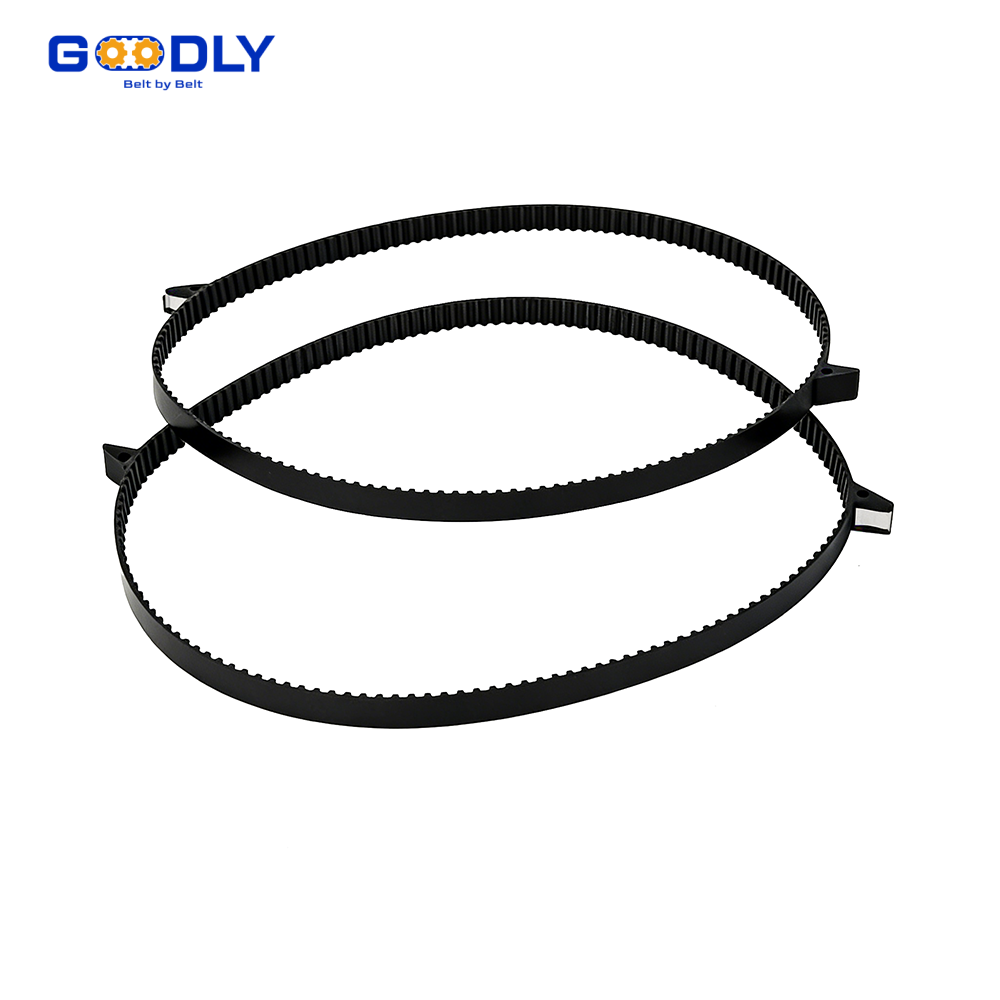 PU Timing Belt
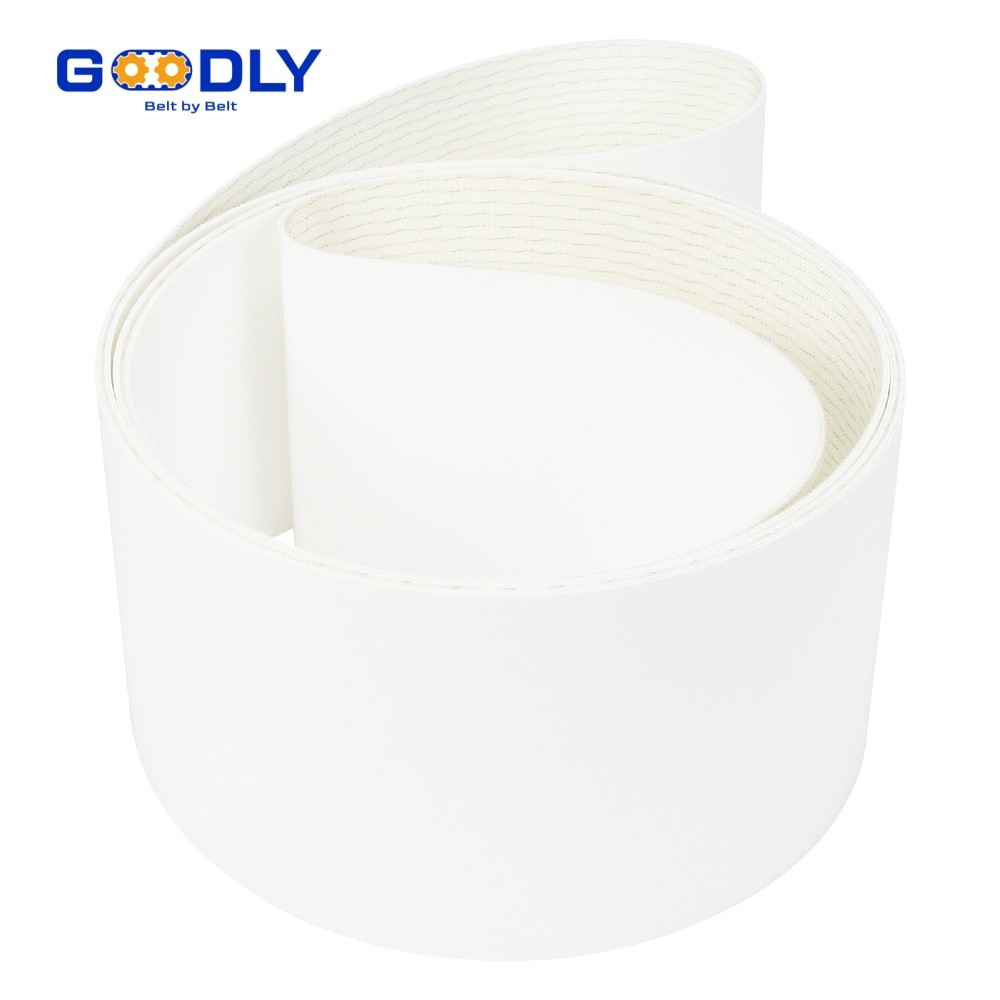 Silicone Timing Belt
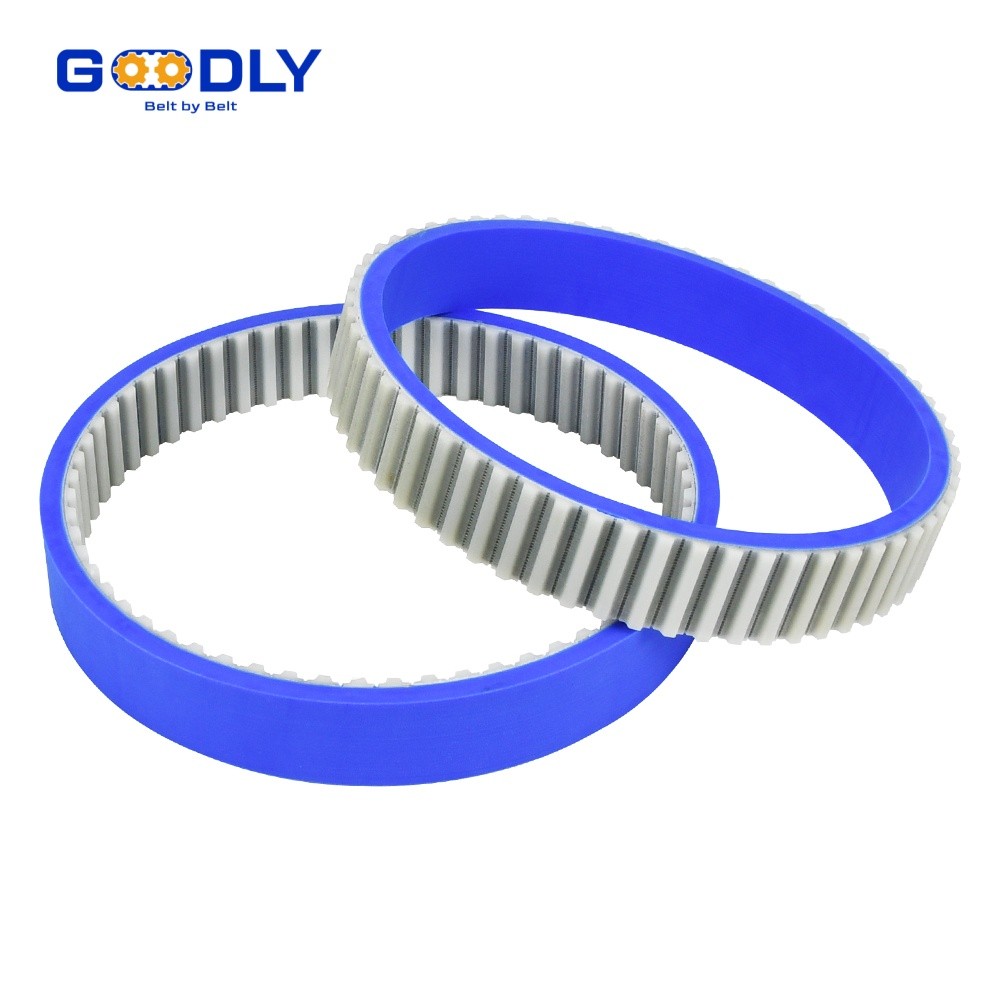 Silicone Vulcanized Timing Belt
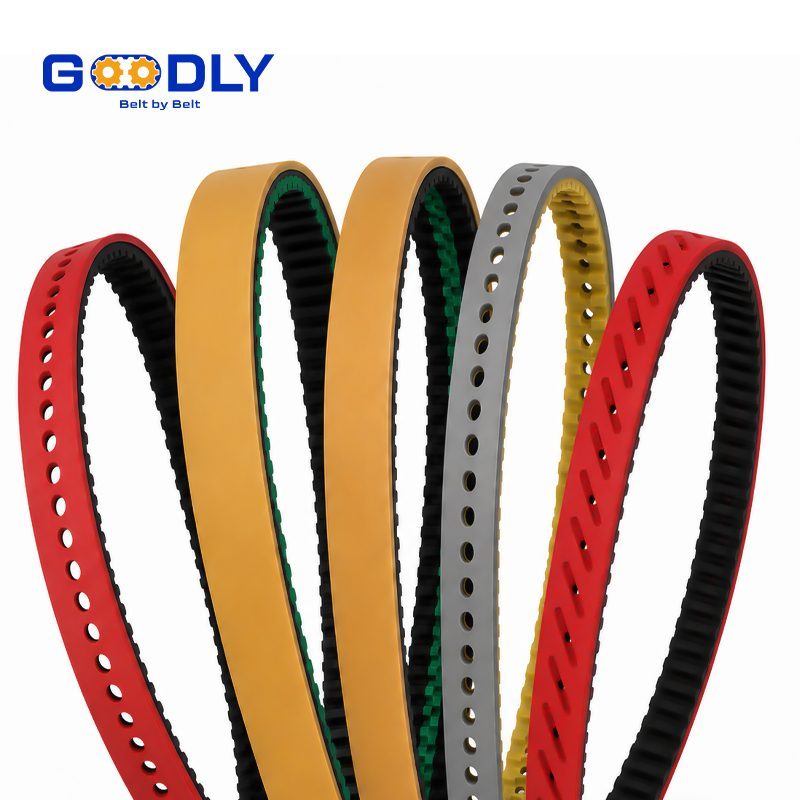 Vulcanized Timing Belt
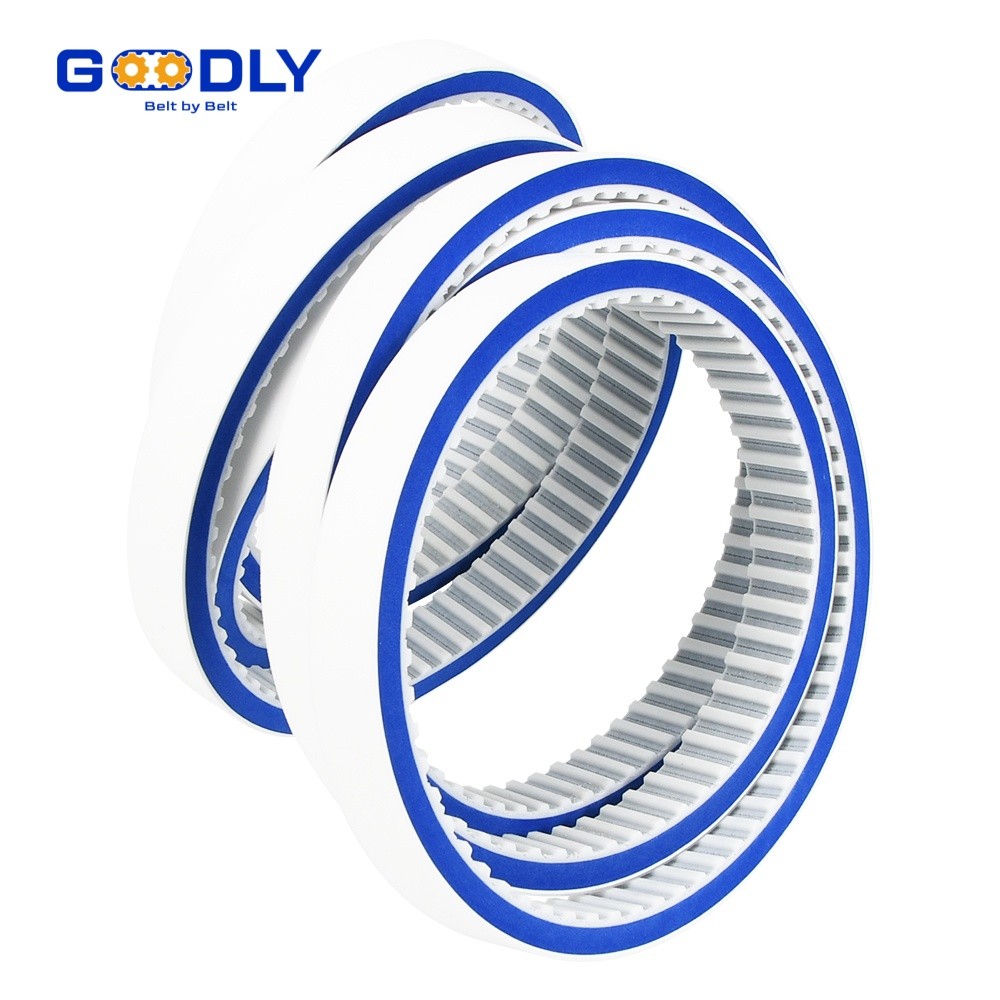 Sponge Timing Belt
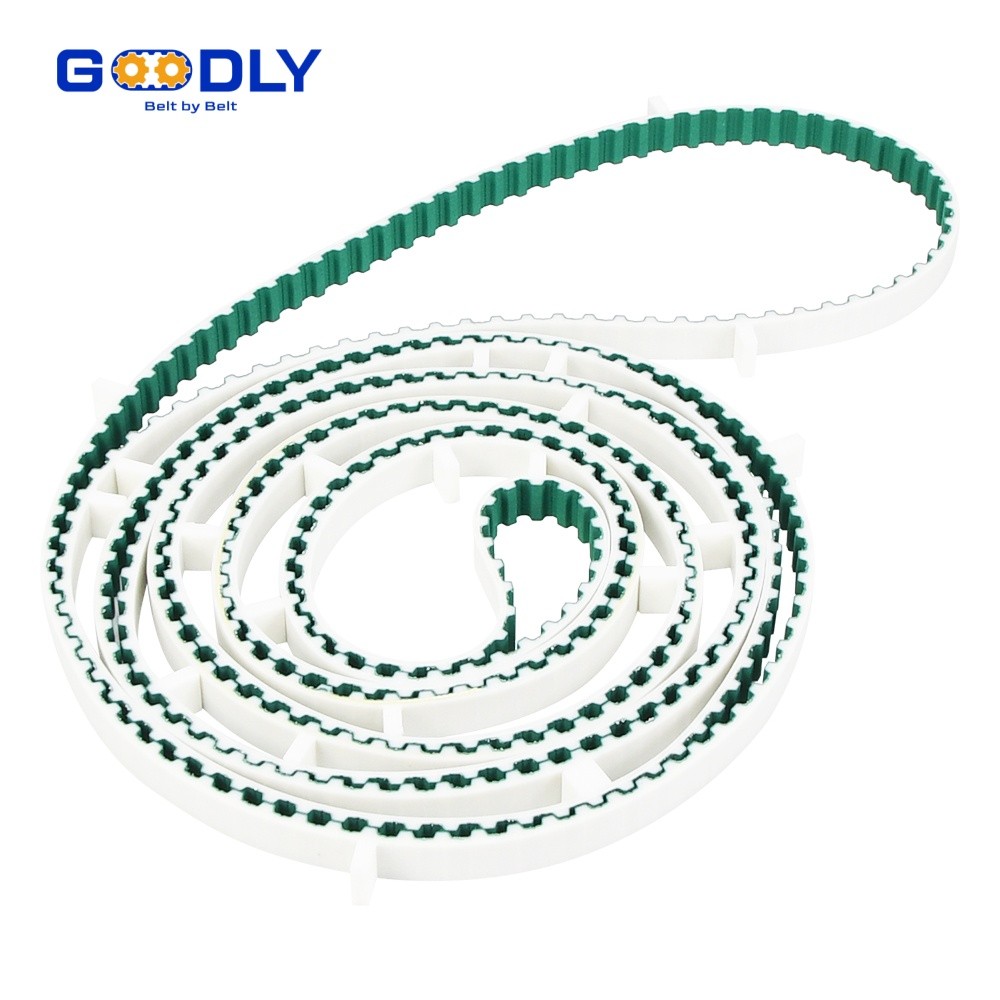 Timing Belts with Special Machining
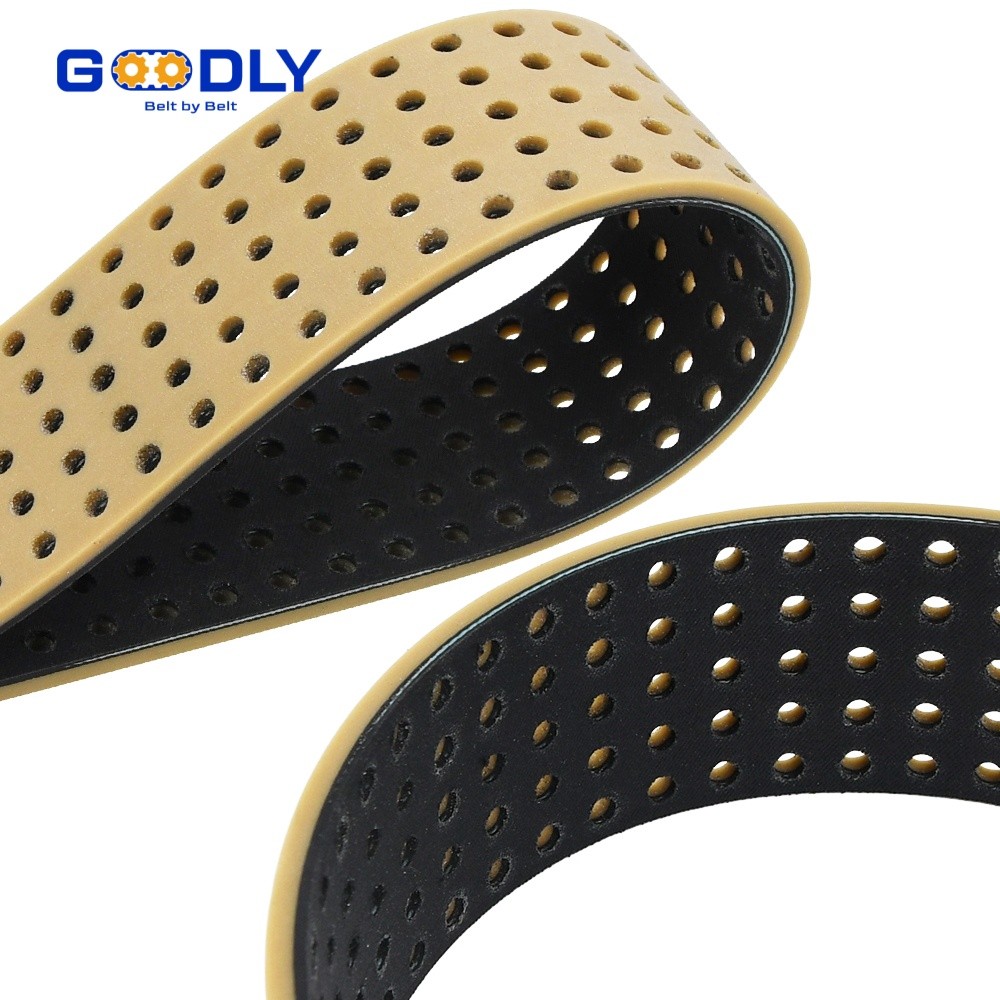 Rubber Flat Belt
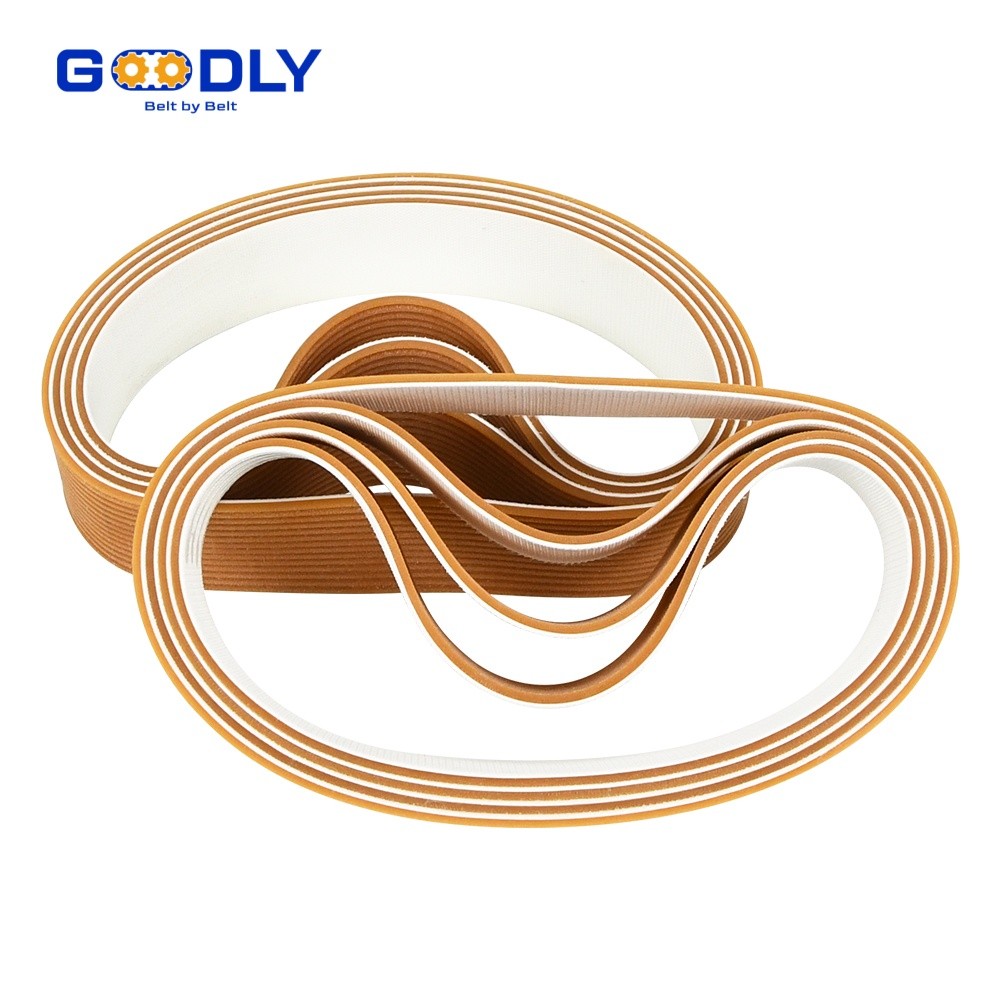 PU Flat Belt
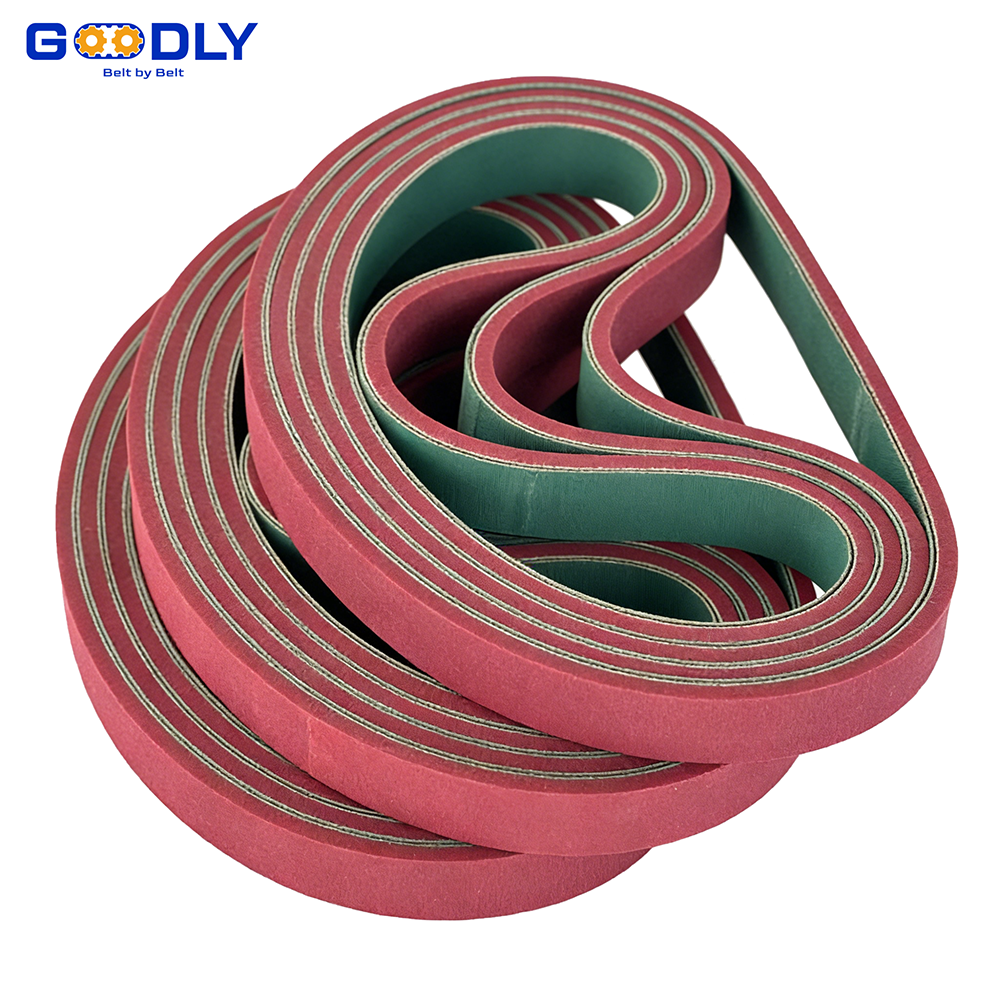 Nylon Flat Belt
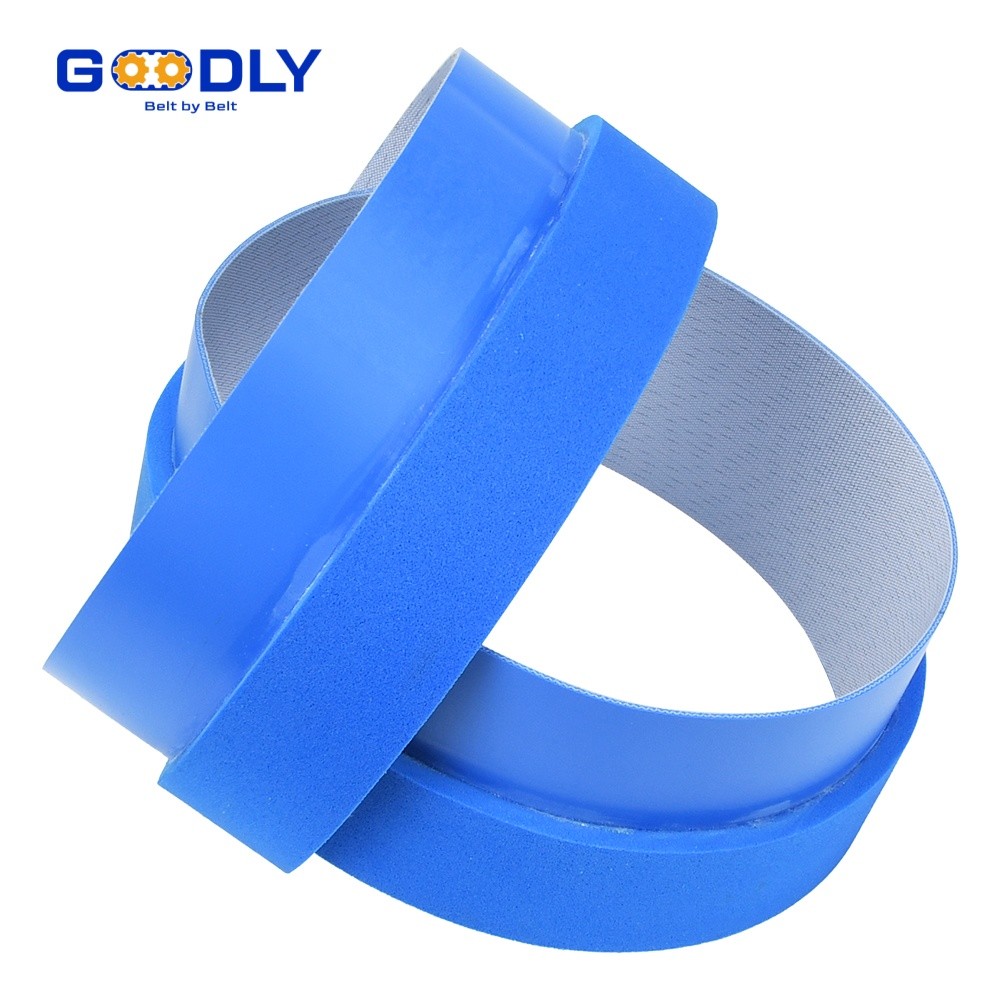 Foam Flat Belt
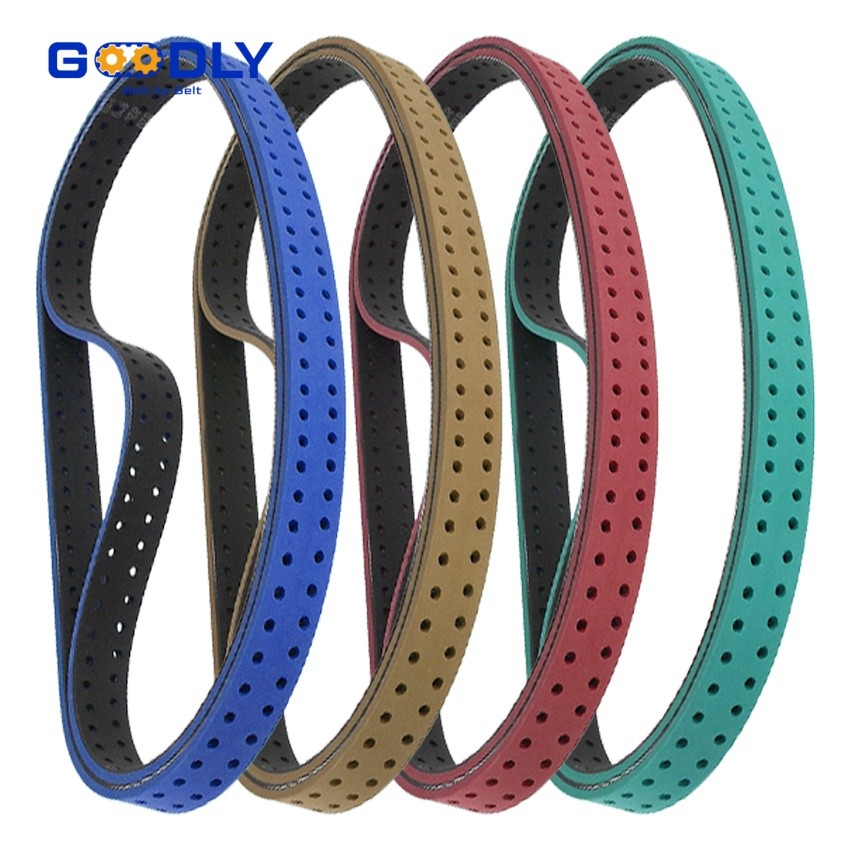 Vulcanized Flat Belt
 PU Conveyor Belt
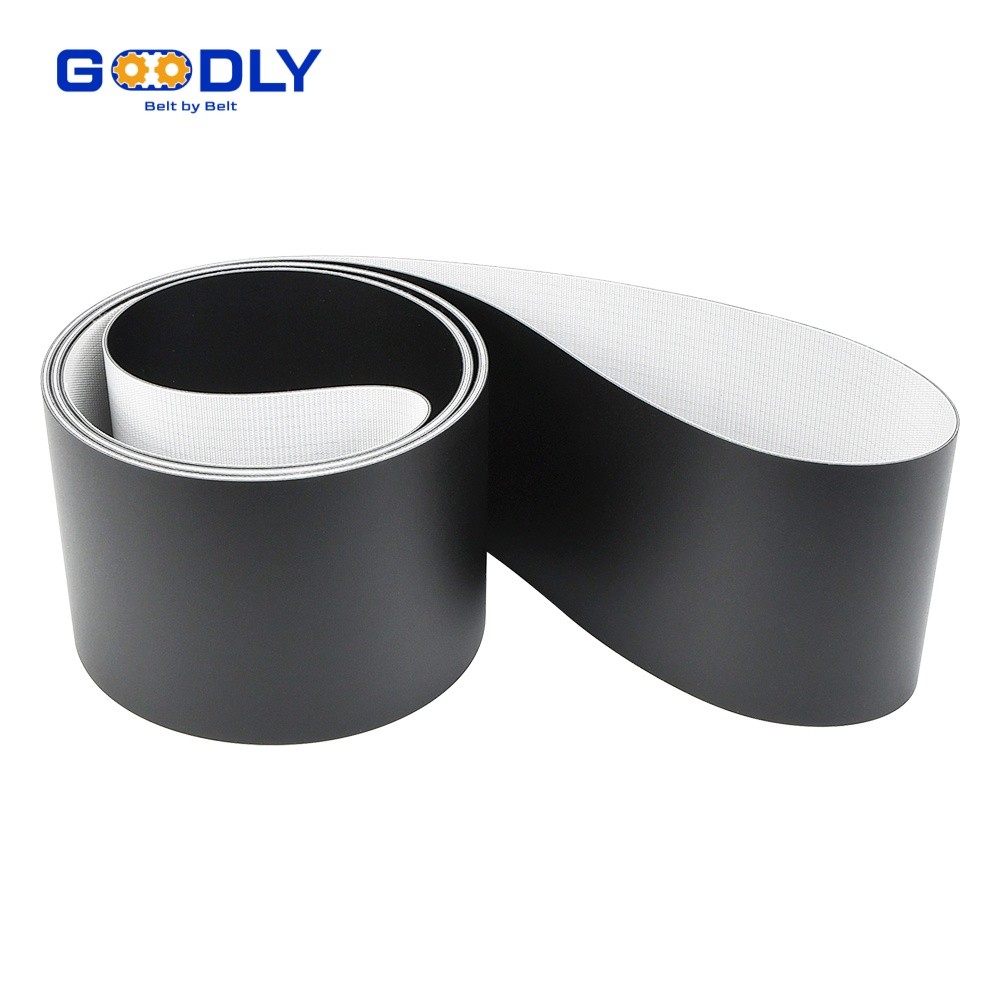 PVC Conveyor Belt
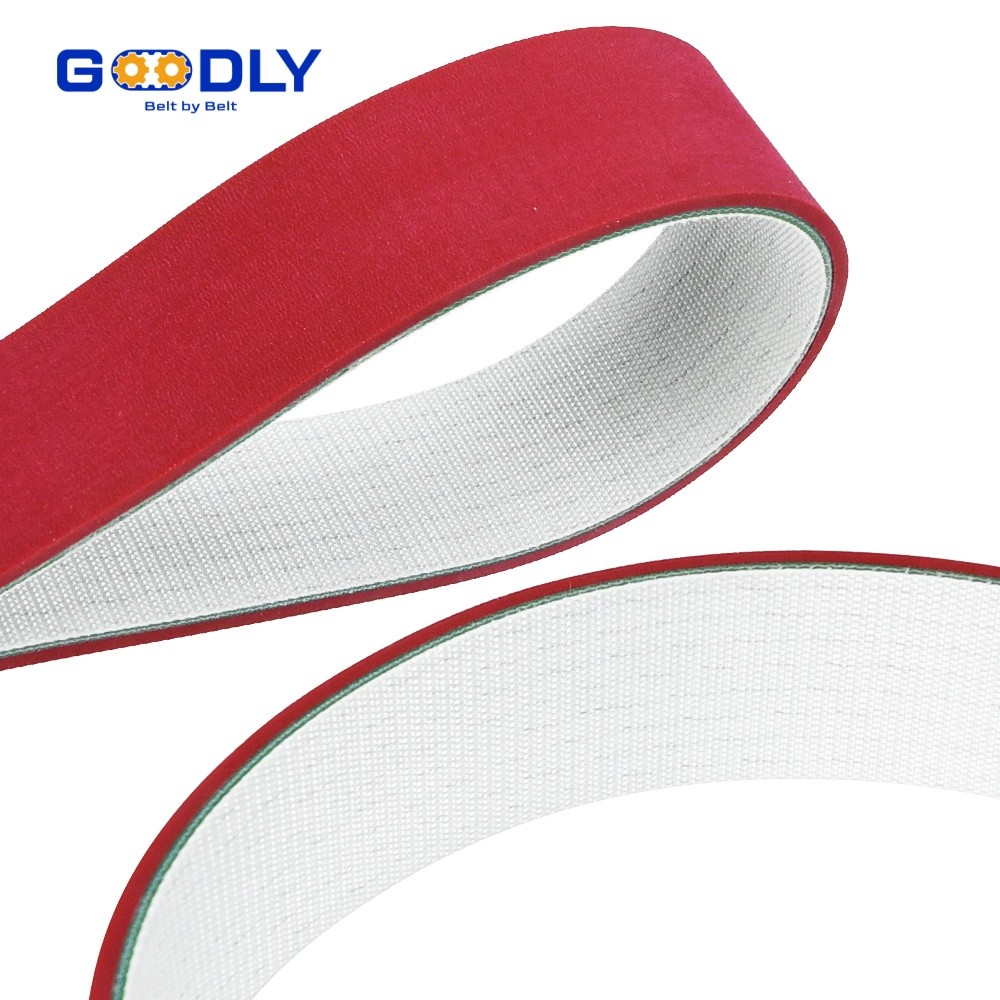 Rubber Conveyor Belt
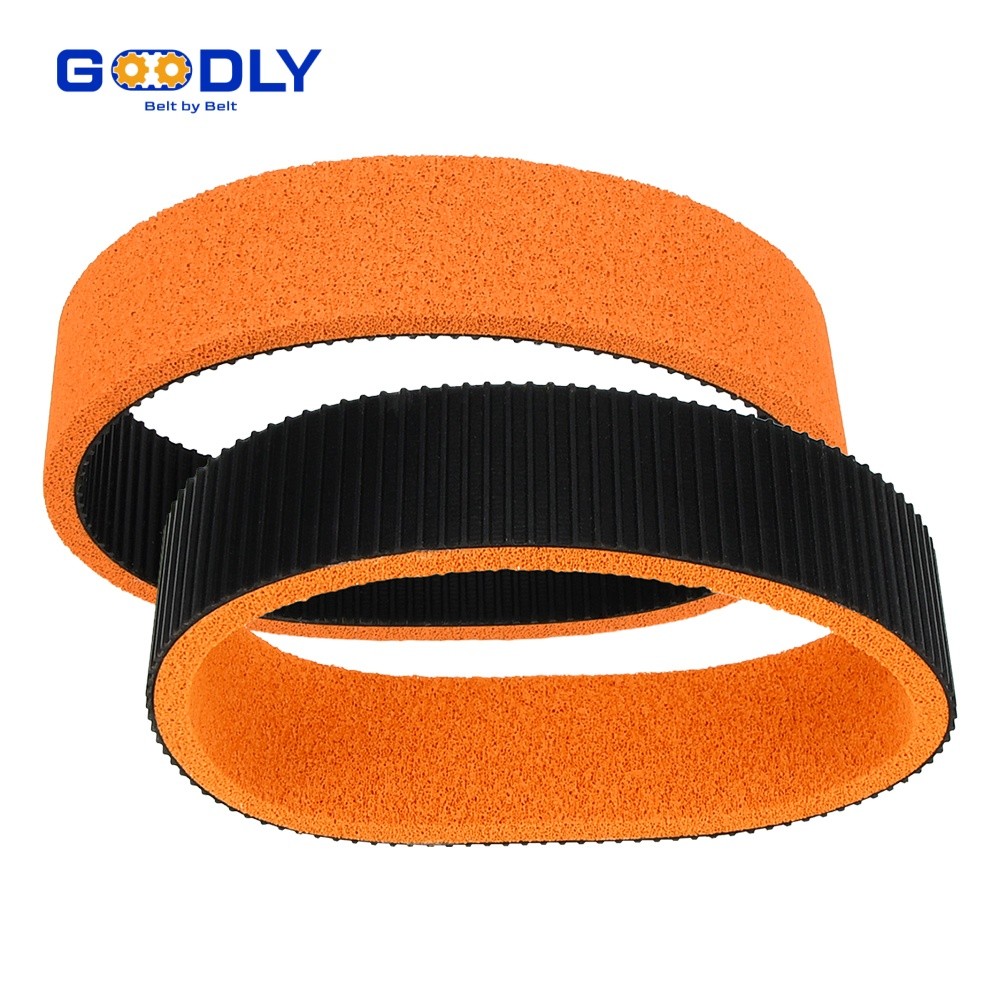 Sponge Conveyor Belt
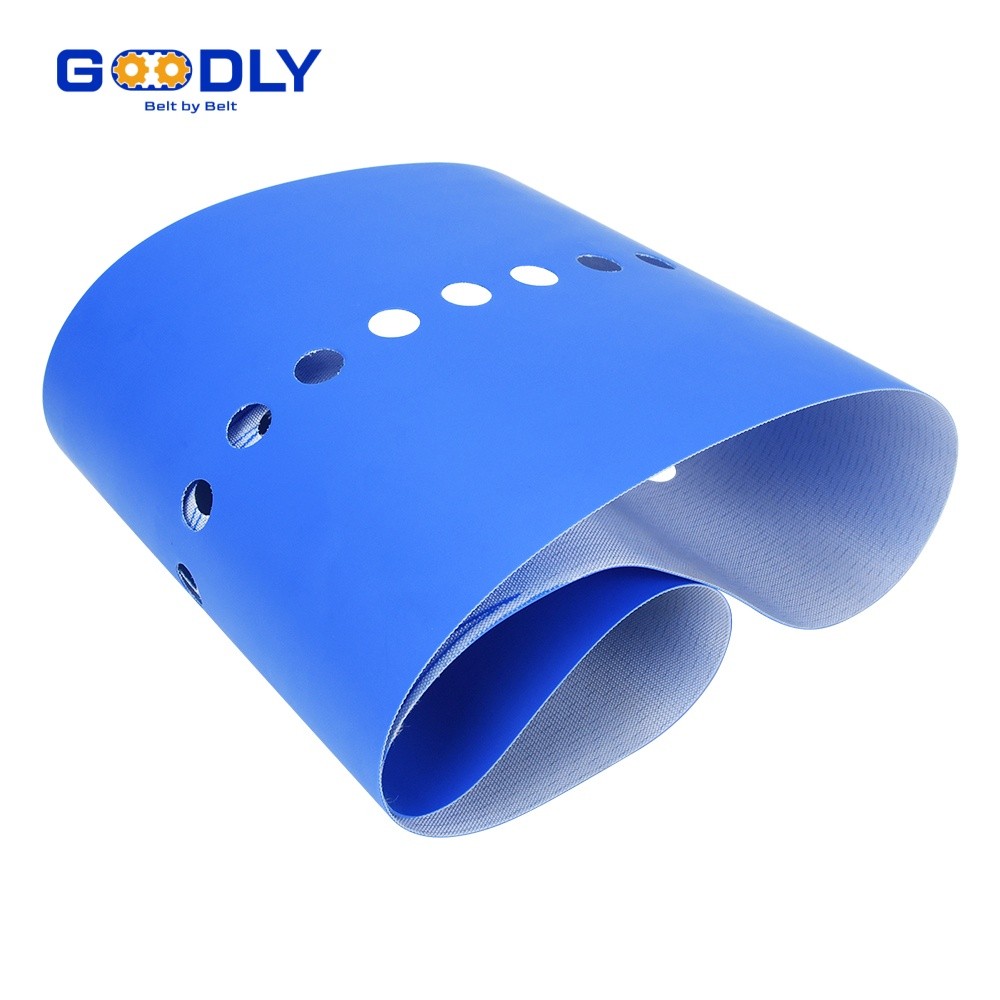 Conveyor Belts with Special Machining
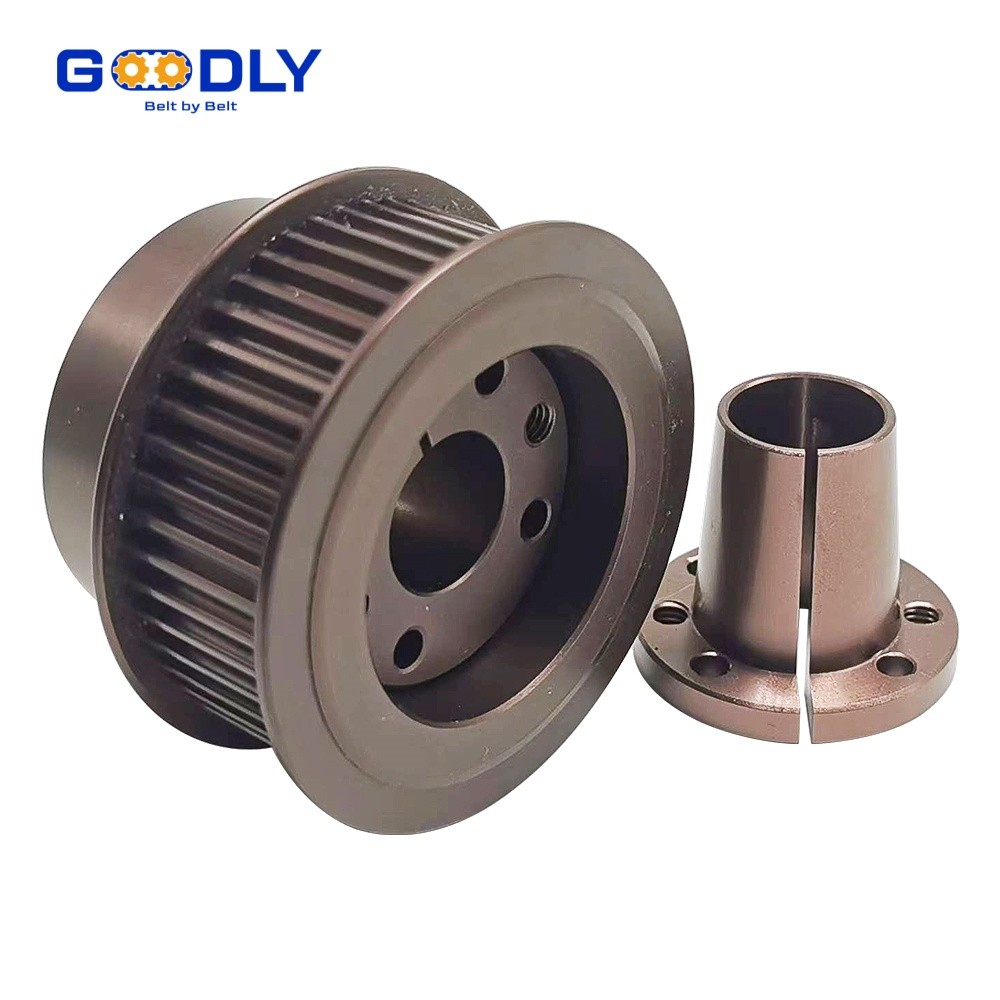 Timing Belt Pulley
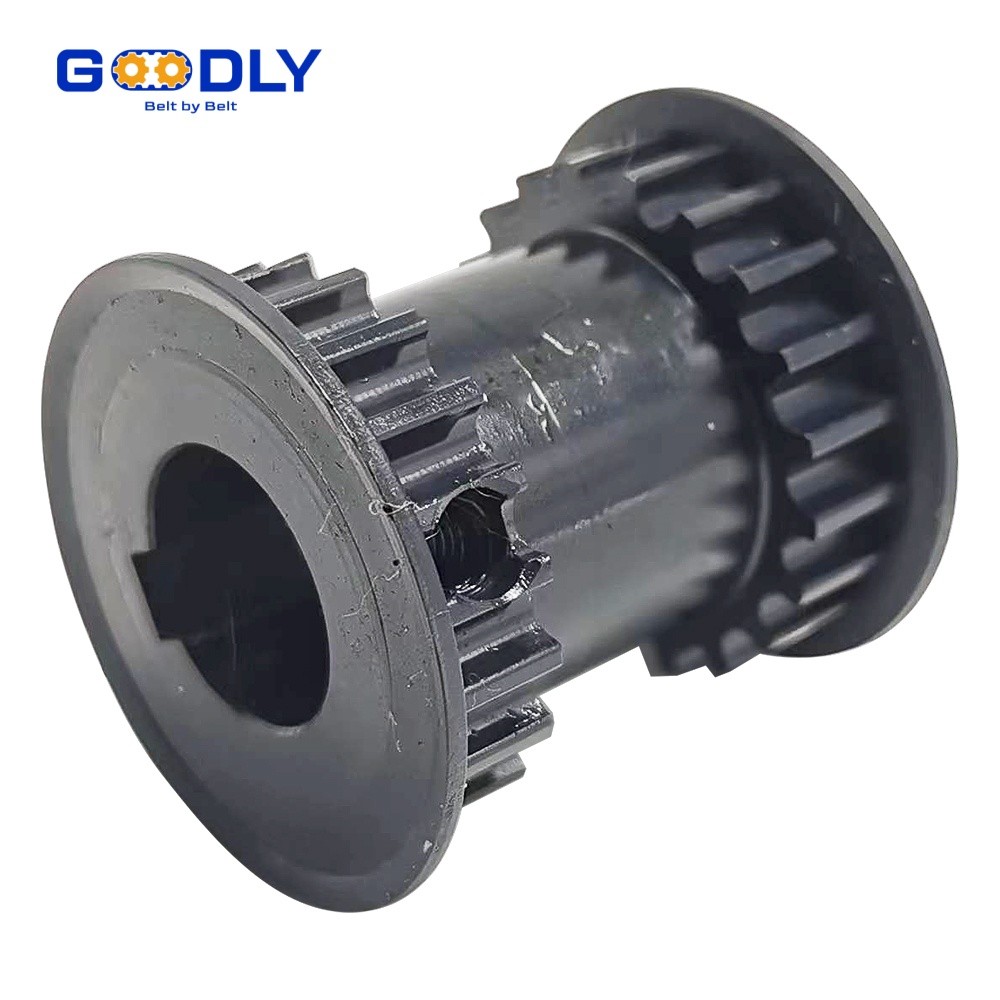 Rod-Shaped Synchronous Timing Pulley
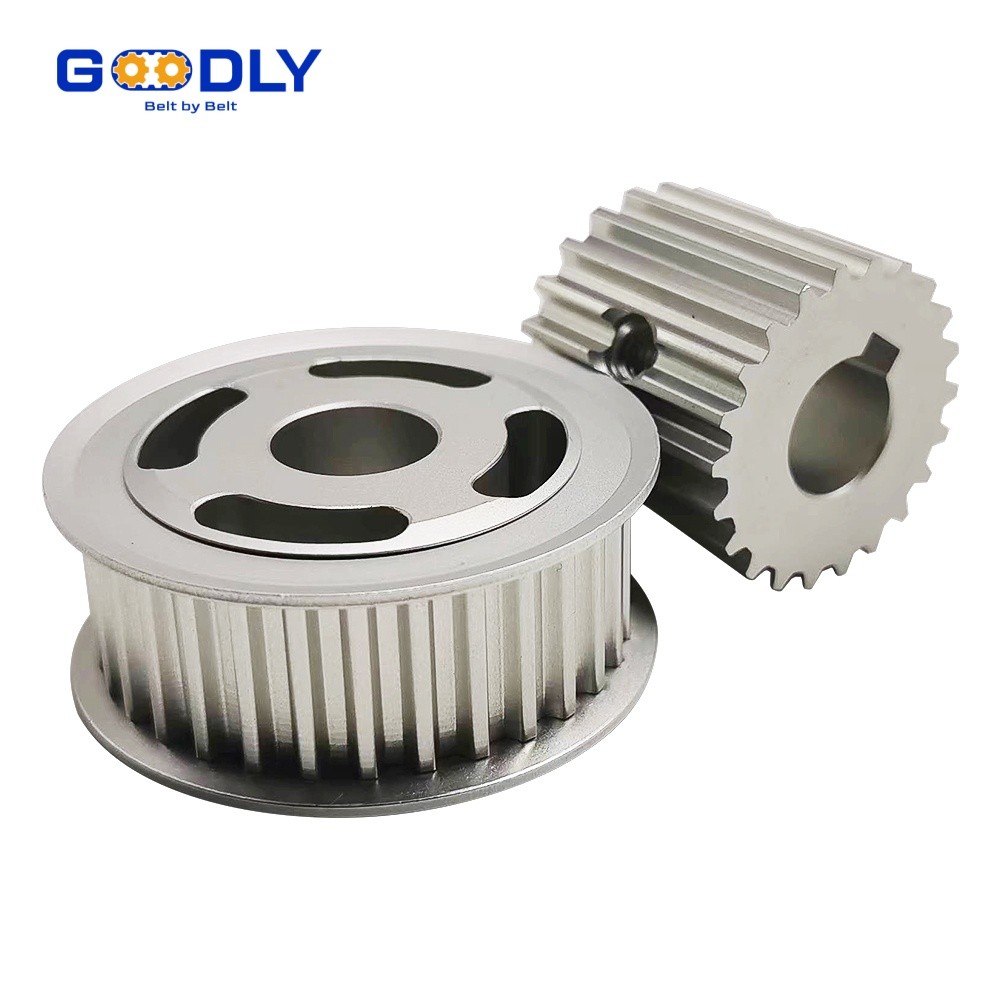 Surface-Pressure-Bearing Timing Pulley
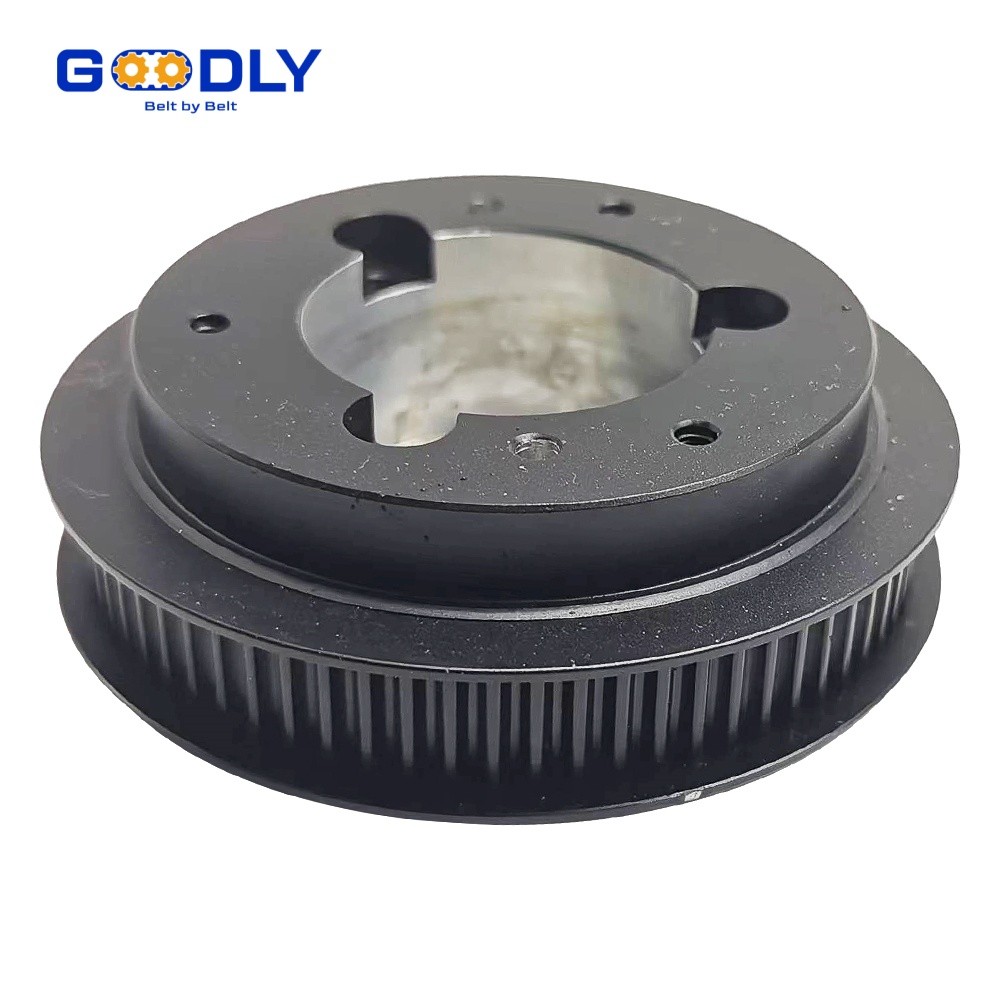 Serrated Idler Gear Timing Pulley
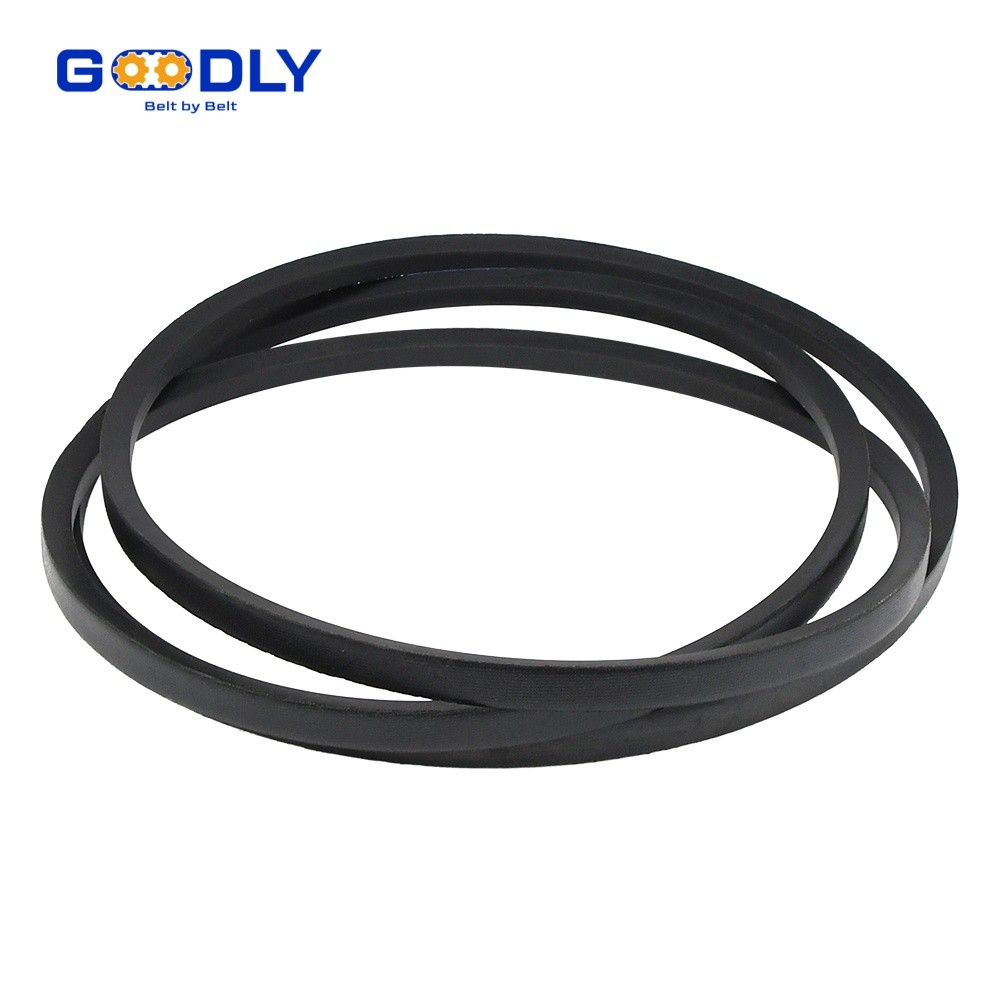 Multi-Groove Belt
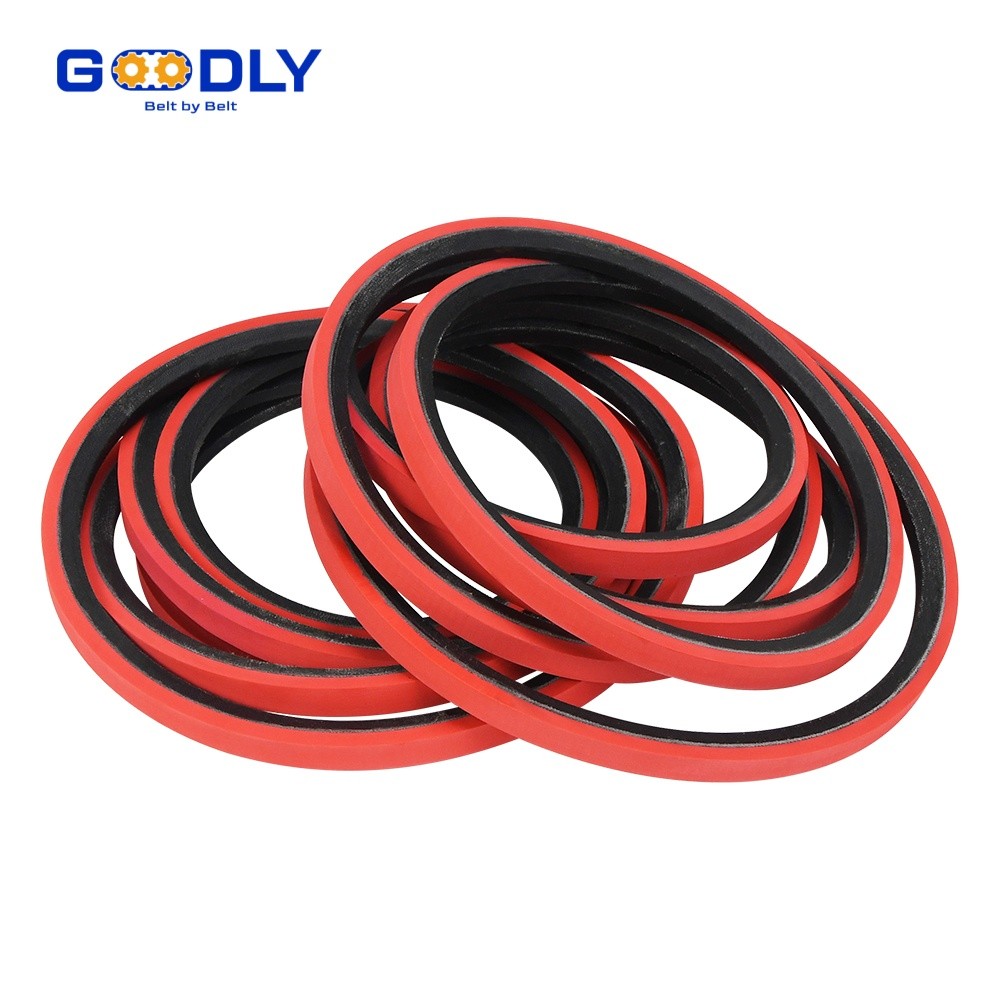 V-Belt
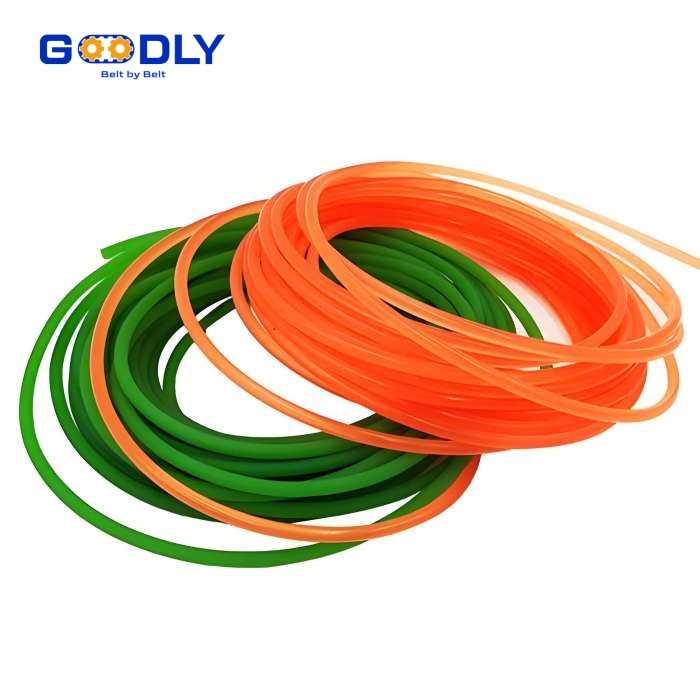 PU Round Belt
Can you supply antistatic timing belts for dust or solvent areas?
Direct answer: Yes. We supply antistatic and static-dissipative timing belts in rubber and PU, made by loading the belt compound with conductive carbon black so the whole belt body conducts, not just a surface layer that wears away. You tell us the surface resistance limit your process or insurer requires, we quote a construction against it and can report measured values on the batch you receive. One point matters more than the compound: the belt can only drain charge if the pulleys, shafts and frame give it a continuous path to earth.
Why a static path is a process issue, not a detail
A timing belt running on dry pulleys generates charge continuously. On a belt of ordinary compound the charge has nowhere to go, so it builds until it discharges into the nearest conductor, which may be a bearing, a sensor, an operator or a cloud of solvent vapour. In a printing, coating, laminating or powder-handling line that is an ignition risk. In electronics and cleanroom areas it is a damage and dust-attraction problem. The usual triggers in enquiries are a safety review, an insurance requirement, or a dust cloud that keeps clinging to the belt and the product.
Which resistance grade do you need
| Grade | Typical surface resistance | Where it is used | What to watch |
|---|---|---|---|
| Conductive | Below 10 to the 6 ohm | Solvent vapour, explosive dust, electronics handling | Lowest resistance, but compound choice narrows and some grades are darker and stiffer |
| Static dissipative | 10 to the 6 to 10 to the 9 ohm | General packaging, printing, plastics, cleanroom | Wide choice of compounds and colours, still needs a grounded frame |
| Antistatic, standard specification | 3 x 10 to the 8 ohm or lower | Conveying and drive belts under a general antistatic requirement | The most common published limit, and the one most audits are written against |
| Ordinary compound | Above 10 to the 12 ohm | No static-sensitive product or atmosphere | Charge accumulates, so avoid in solvent or dust hazard areas |
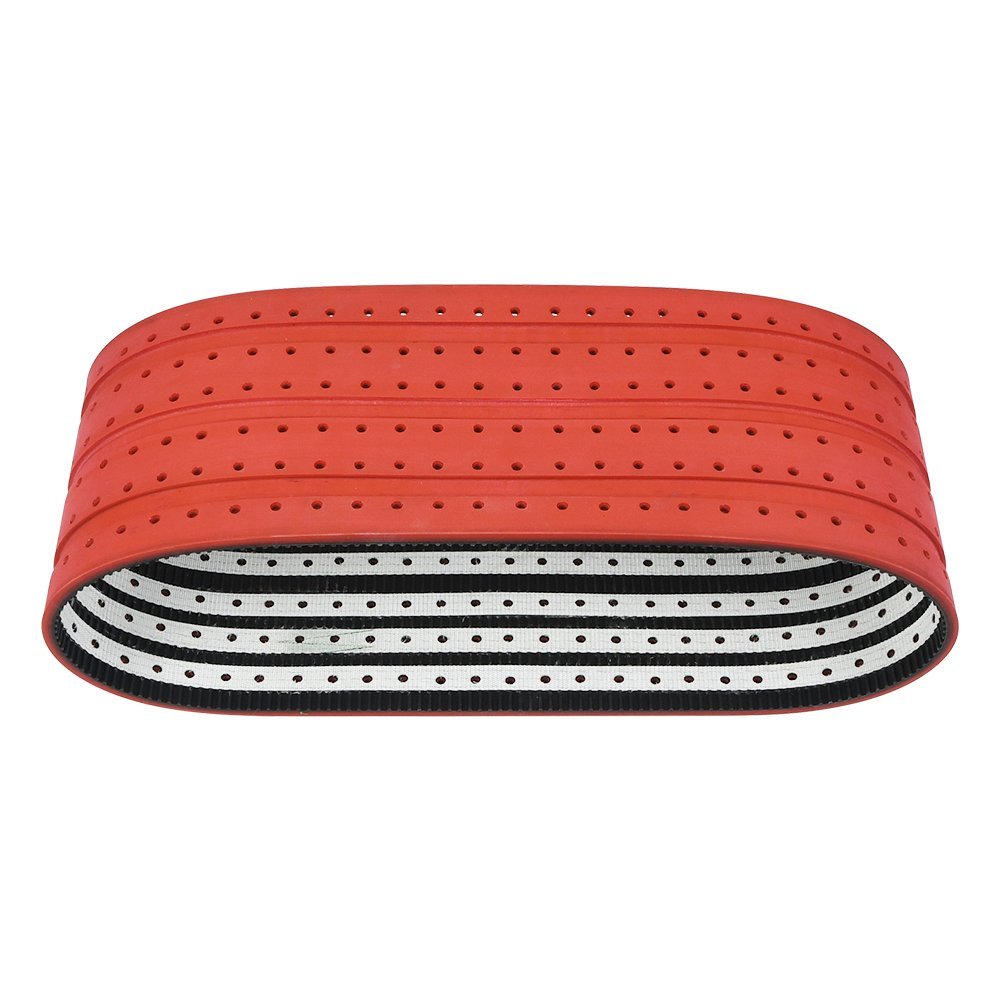
How the conductivity is built in
- The compound carries conductive carbon black through the full body, so wear and abrasion expose more conductive material rather than removing it.
- Cord choice stays a mechanical decision. Glass, aramid and steel cord all work in an antistatic belt, and the cord does not need to be conductive for the belt to drain.
- Where the belt carries cleats, coatings or a fabric facing, we check that the added part does not sit between the belt and the pulley as an insulator.
- Belt ends, splices and punched holes are the weak points of a static path. A welded PU splice or a punched belt is quoted with the conductive requirement stated up front.
- We do not rely on antistatic sprays or surface treatments. They read well on a new belt and stop working once the surface is worn or washed.
What limits any antistatic belt
Resistance is measured, not guaranteed by appearance. It moves with humidity, temperature, contamination and wear, so a value measured in a dry lab and a value measured on a dusty machine six months later are not the same number. The measurement also depends on the electrodes and the voltage used, which is why the test method should be written into the specification alongside the limit. And the belt is one component in a chain: plastic pulleys, painted frames, rubber mounts and insulated bearings all break the path to earth.
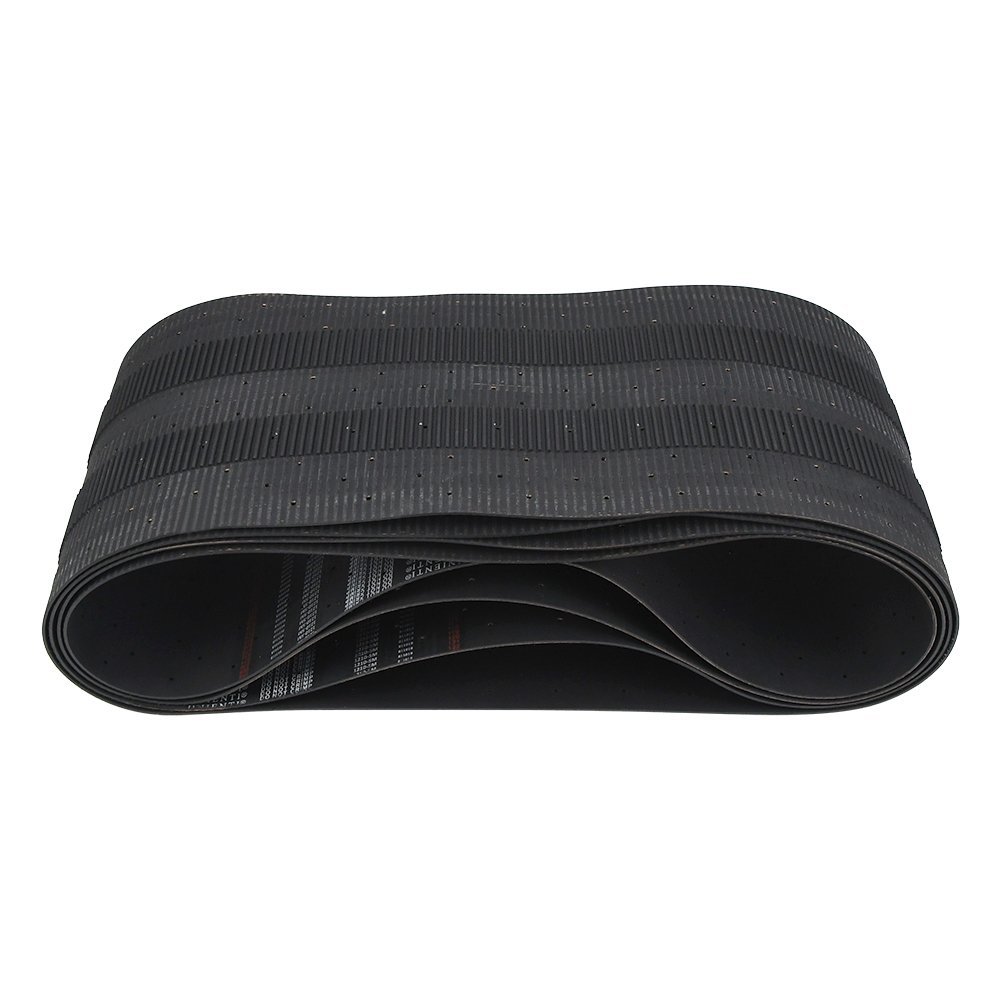
Send us the resistance limit and the duty
Email sales@goodlybelts.com with the belt size, the surface resistance limit your audit or process requires, the solvent or dust involved and the pulley material. We will confirm which compound and construction we can offer, how the value is measured and what the lead time is.
Ask about antistatic belts
Are you looking for a reliable manufacturer of conveyor belt products?
We can quickly provide customers with market analysis, technical support and customized services.- Name
- Phone
- *Title
- *Content