
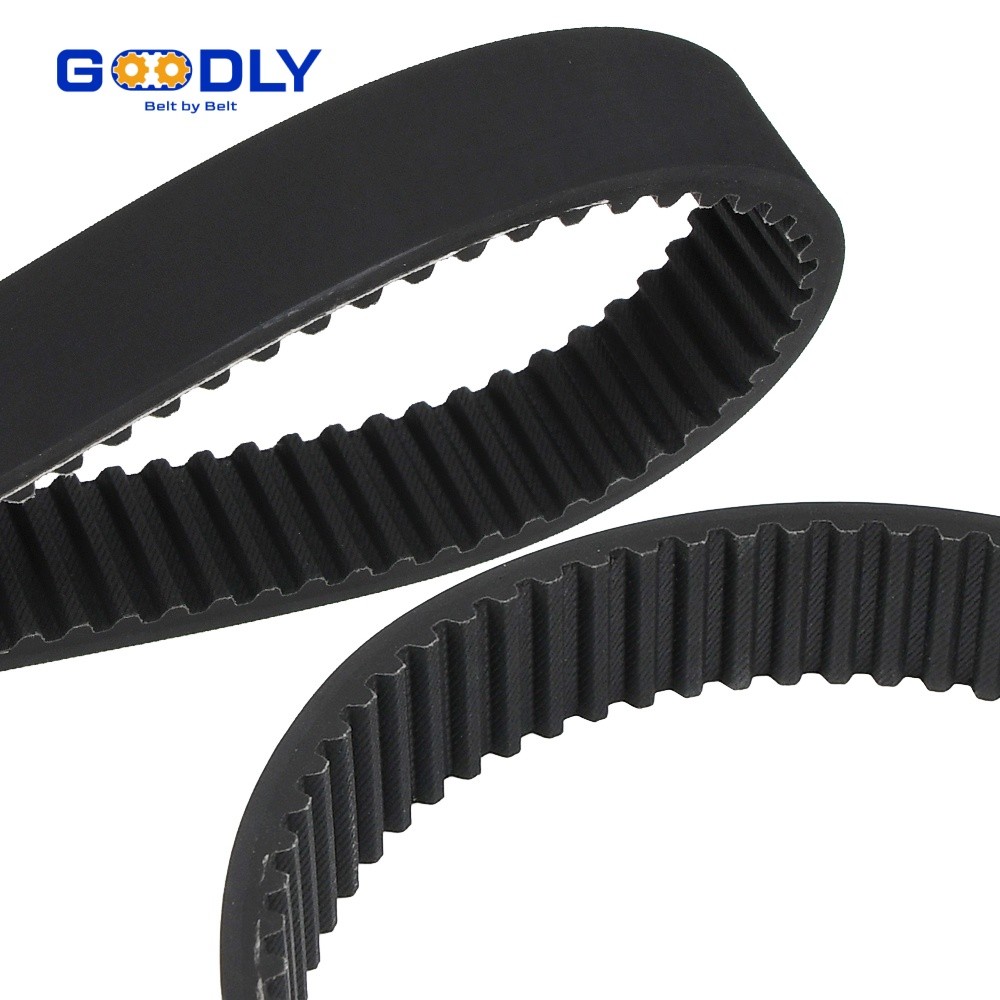
 Rubber Timing Belt
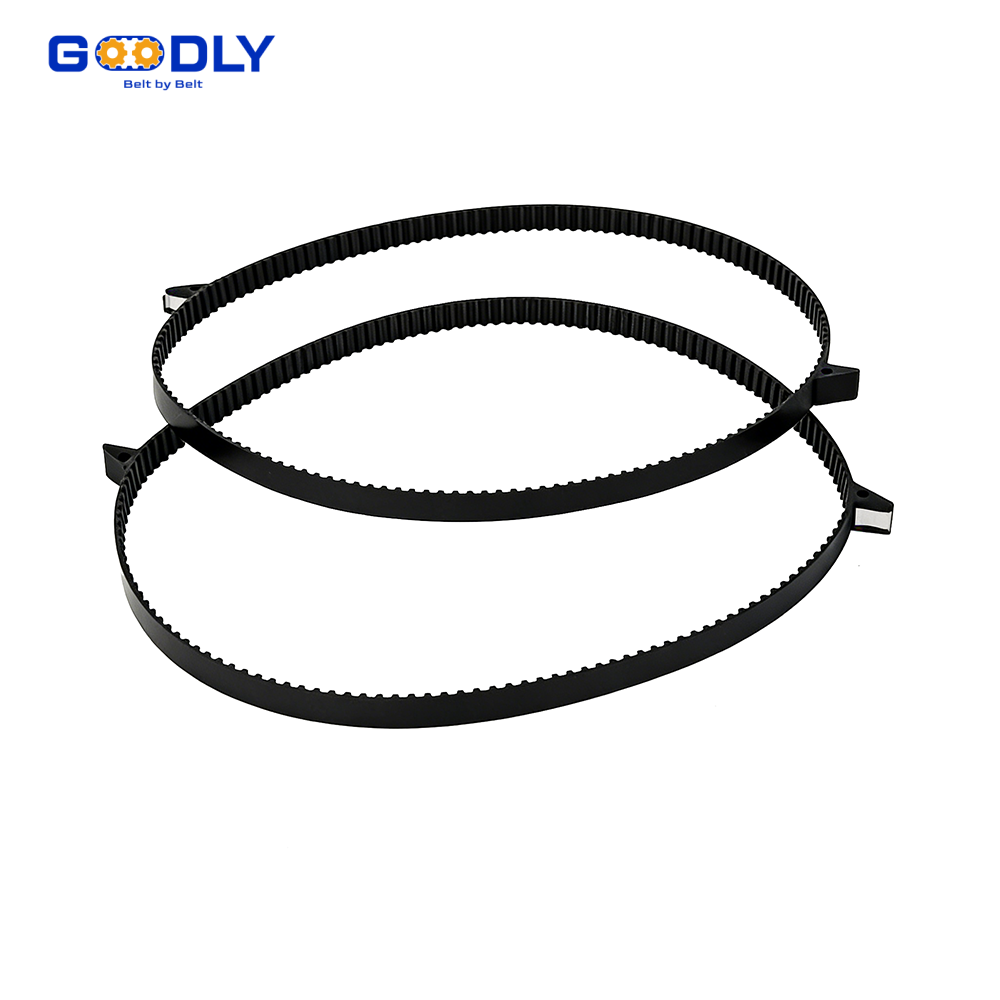 PU Timing Belt
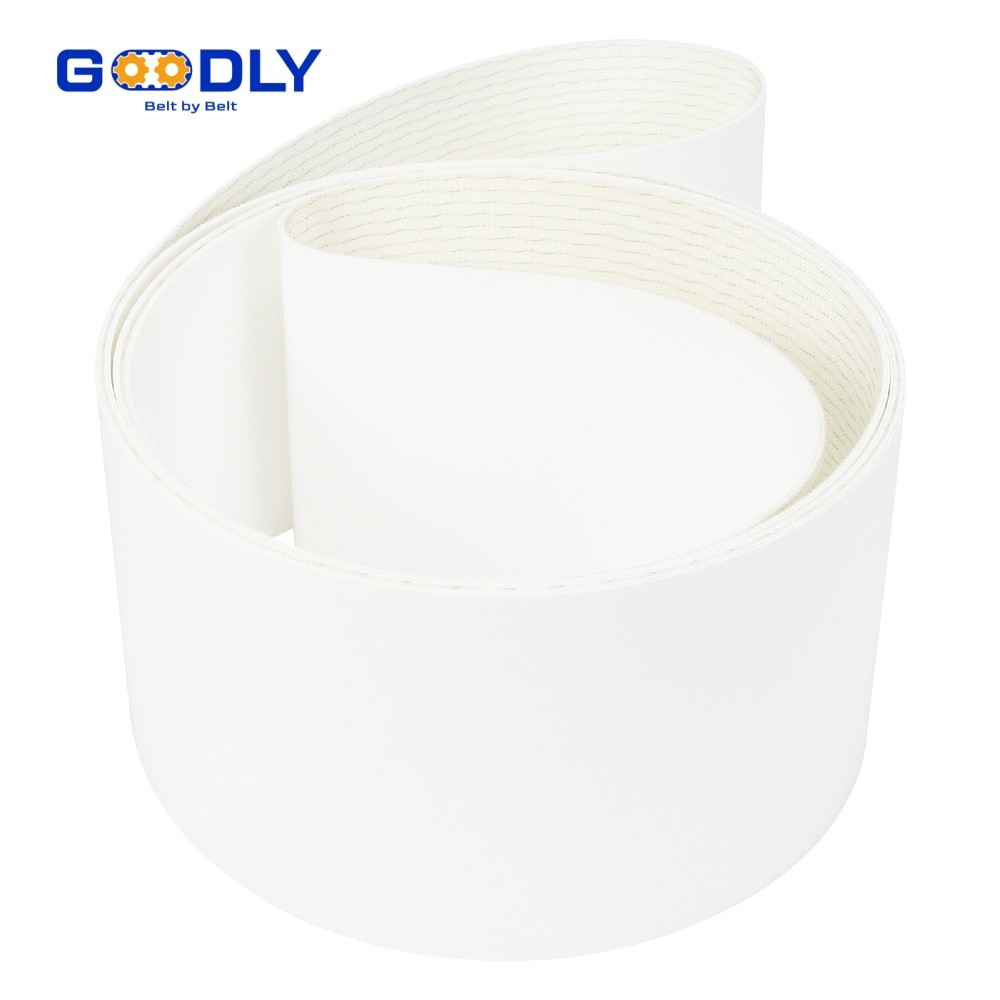 Silicone Timing Belt
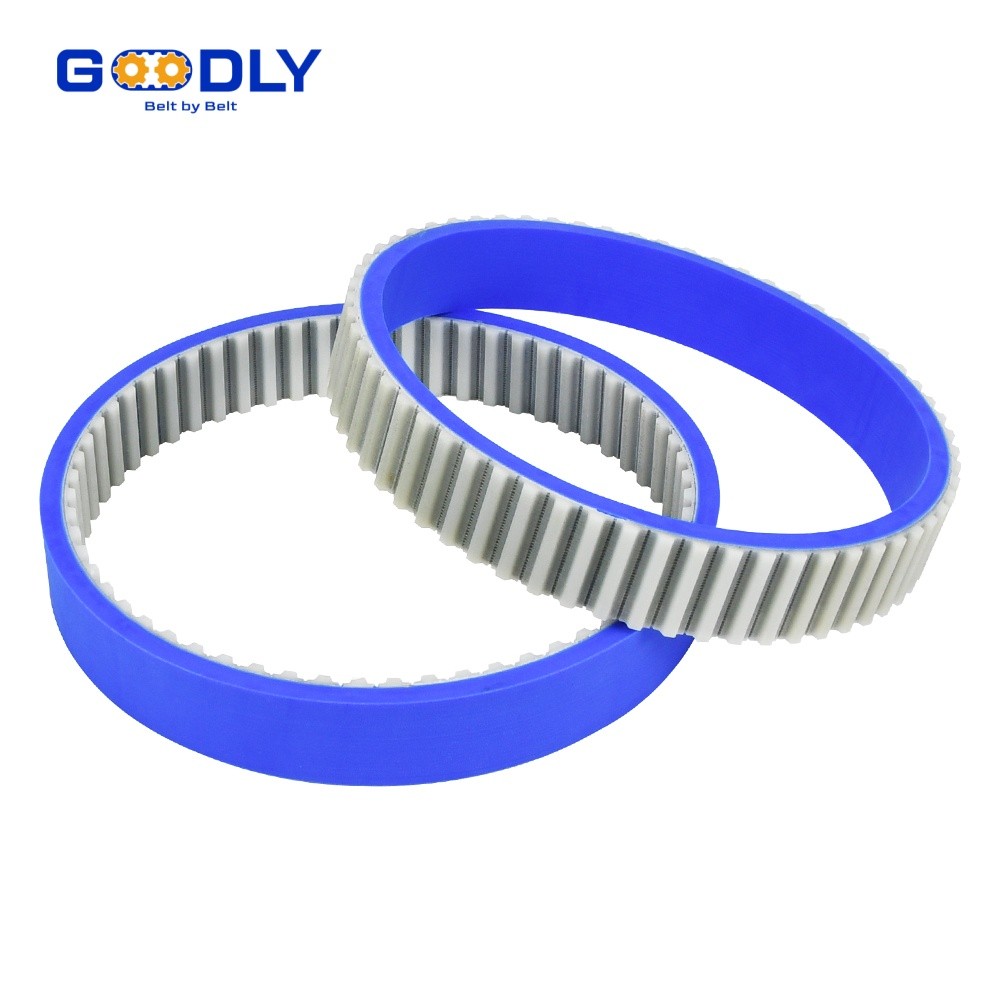 Silicone Vulcanized Timing Belt
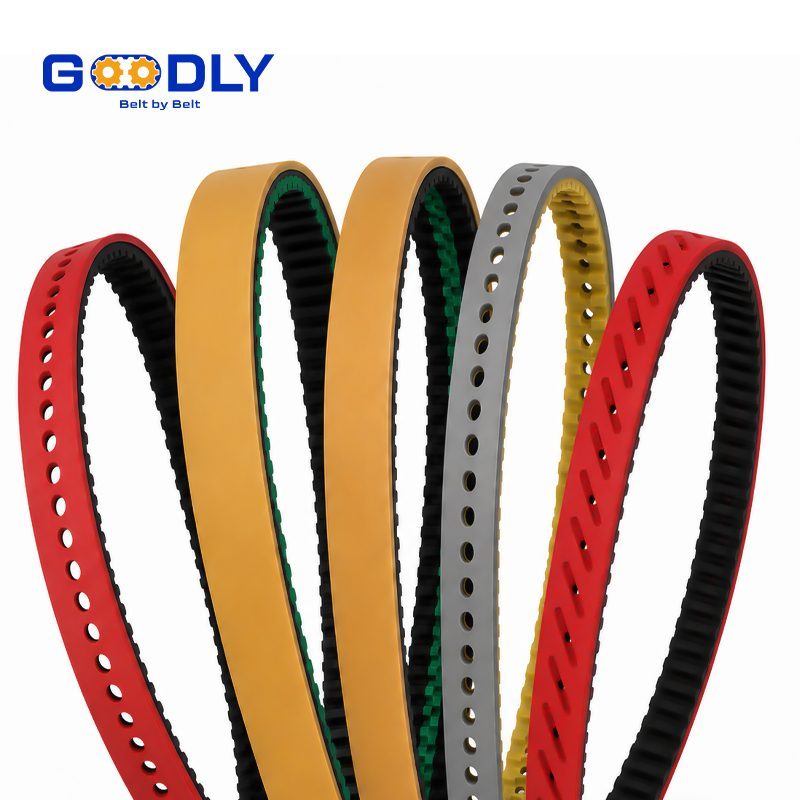 Vulcanized Timing Belt
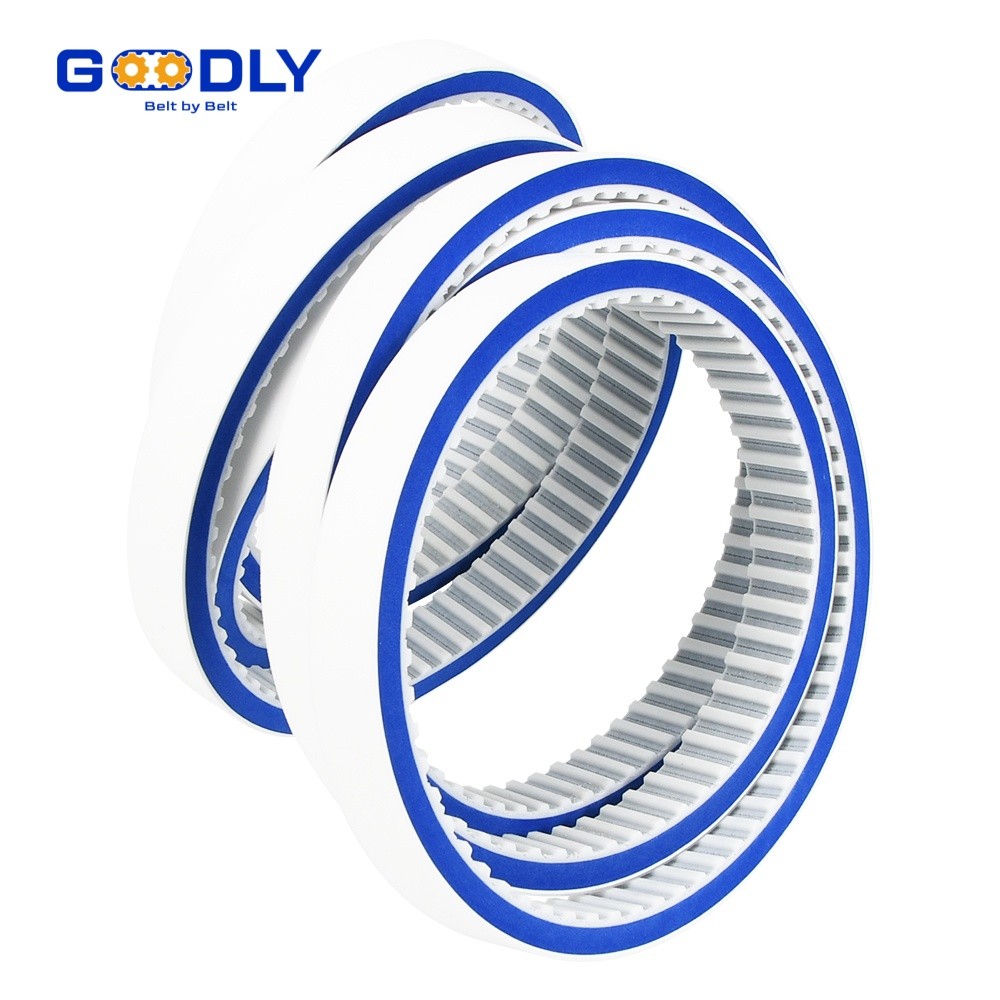 Sponge Timing Belt
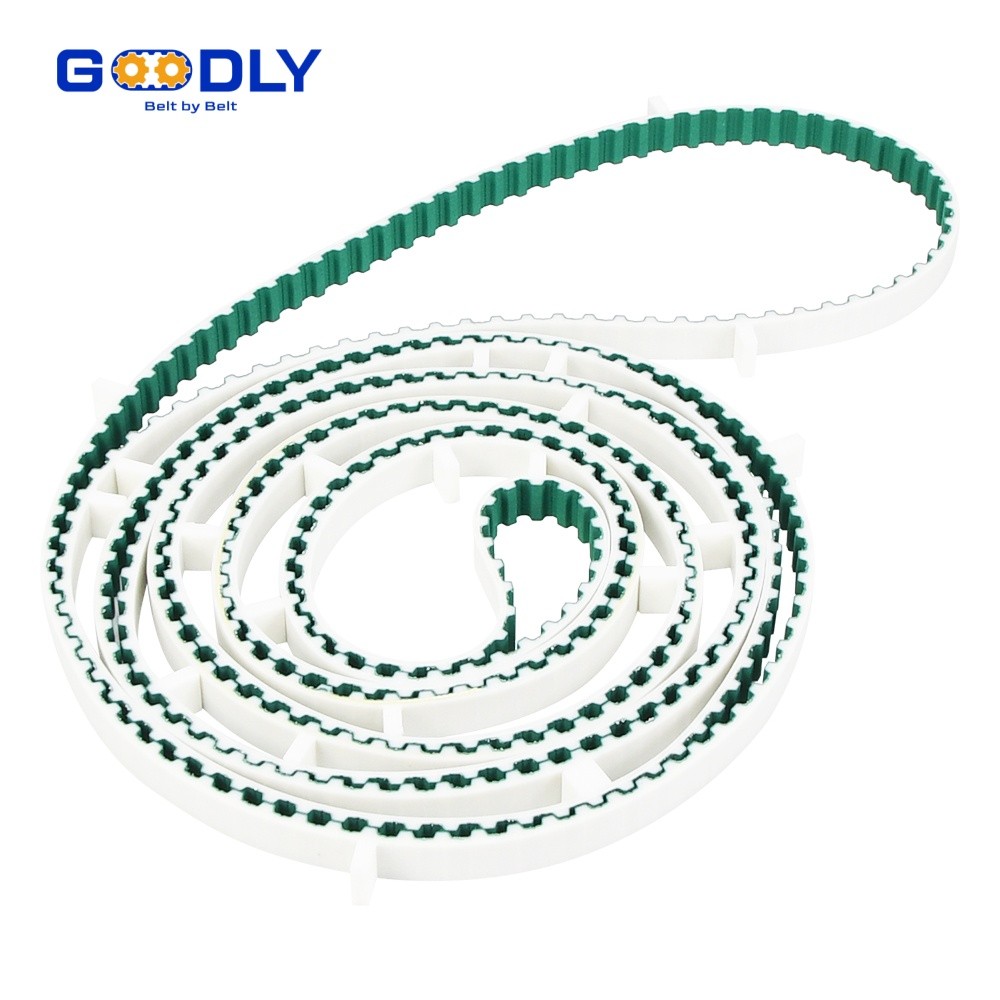 Timing Belts with Special Machining
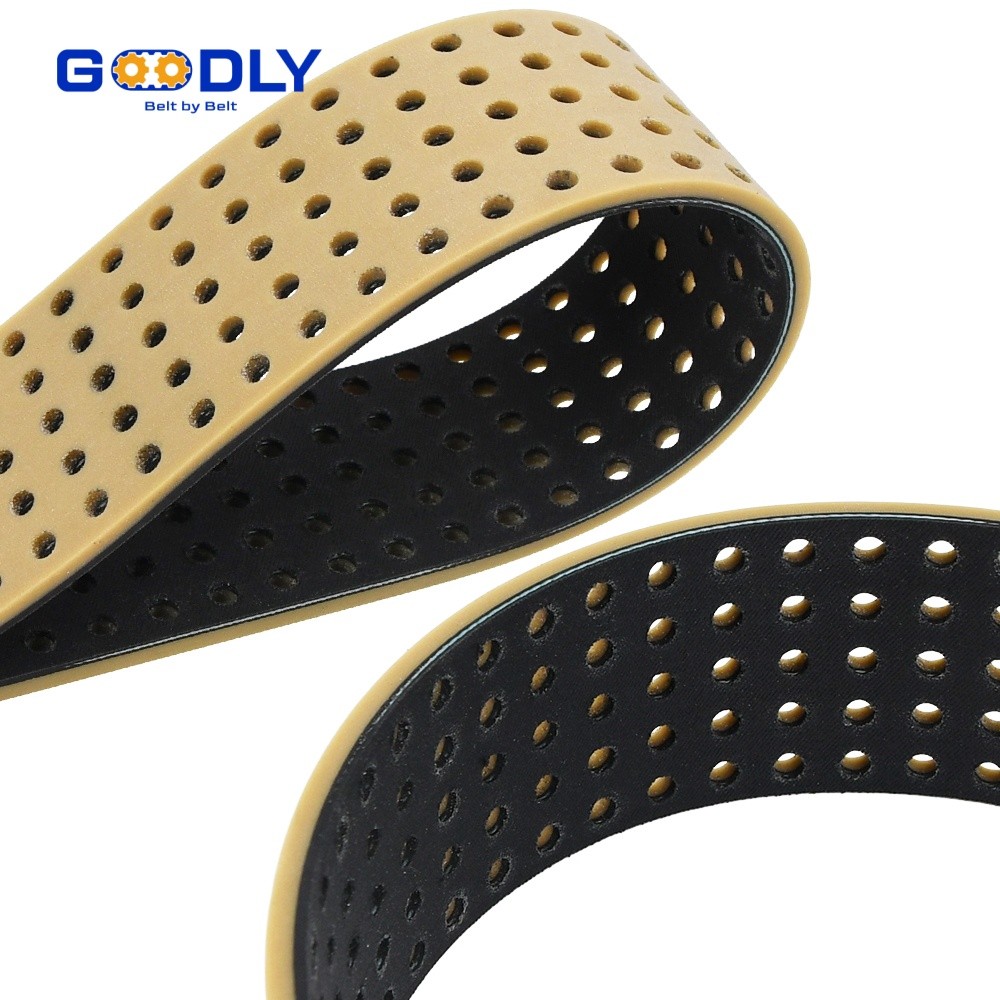 Rubber Flat Belt
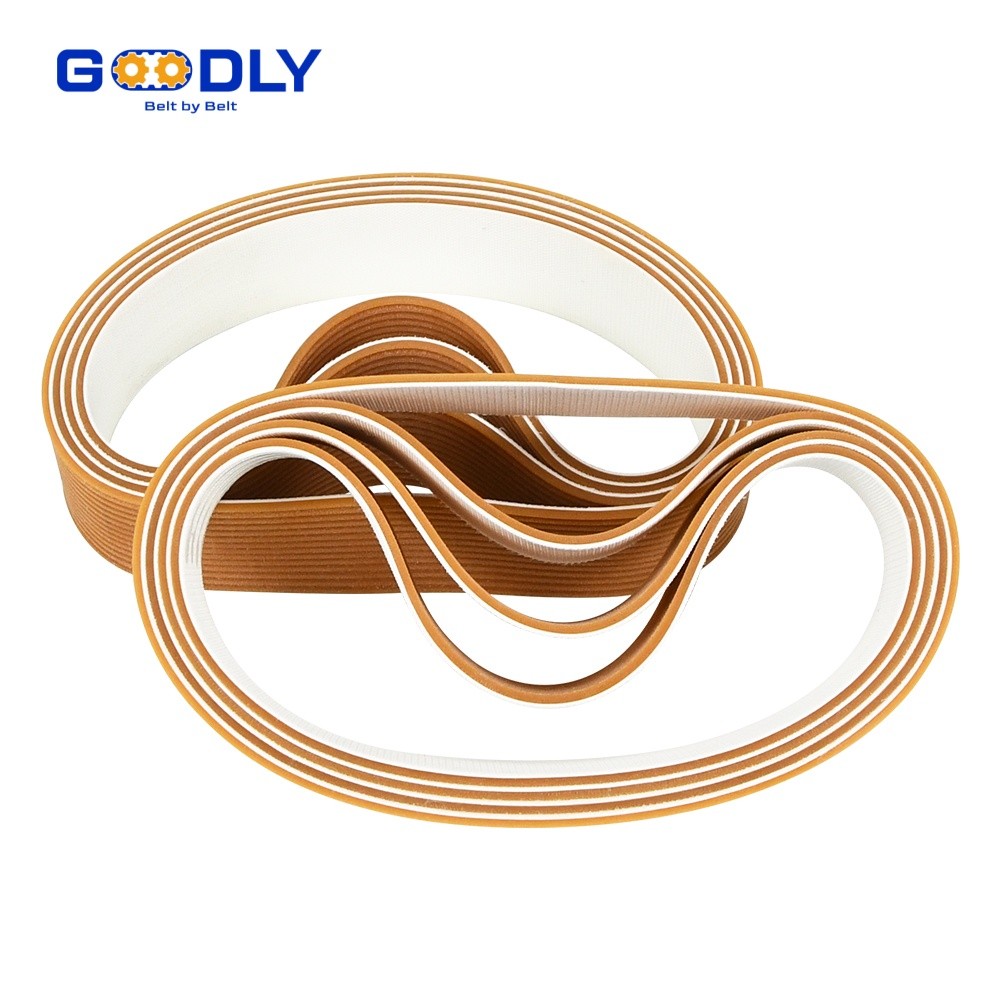 PU Flat Belt
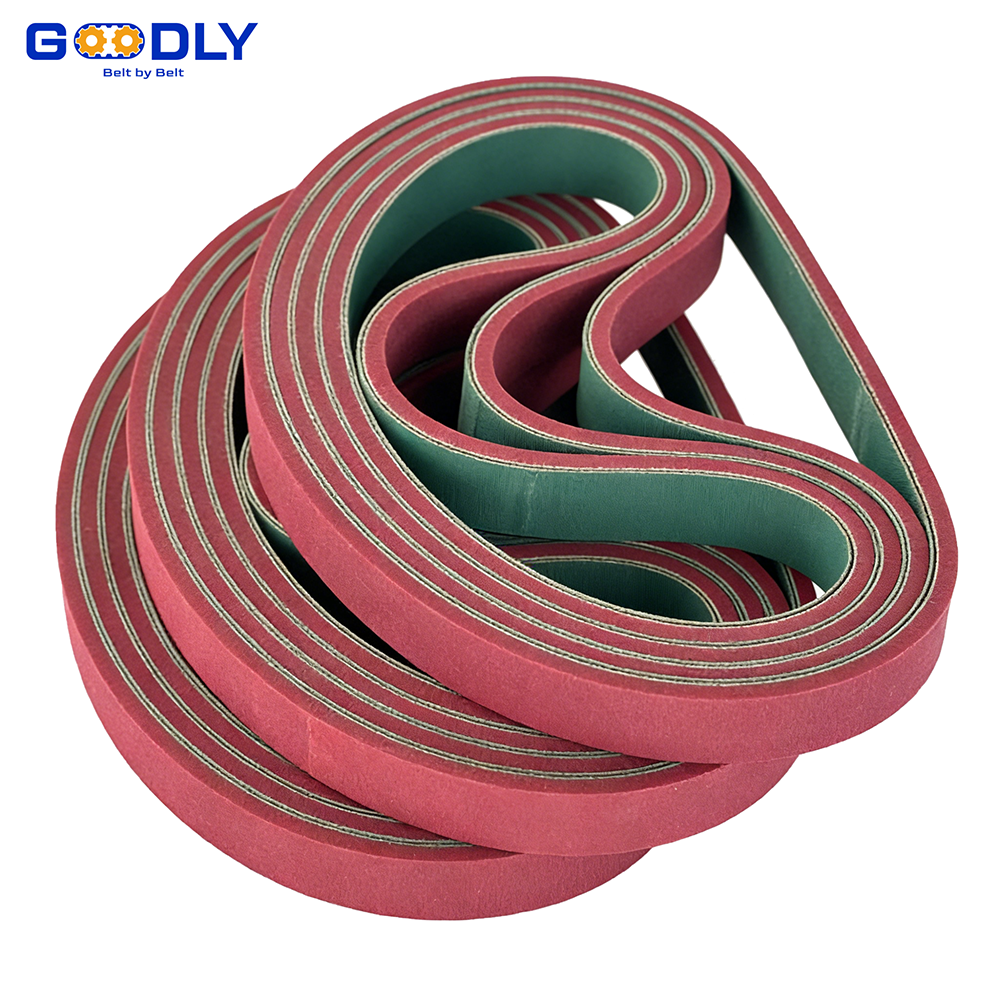 Nylon Flat Belt
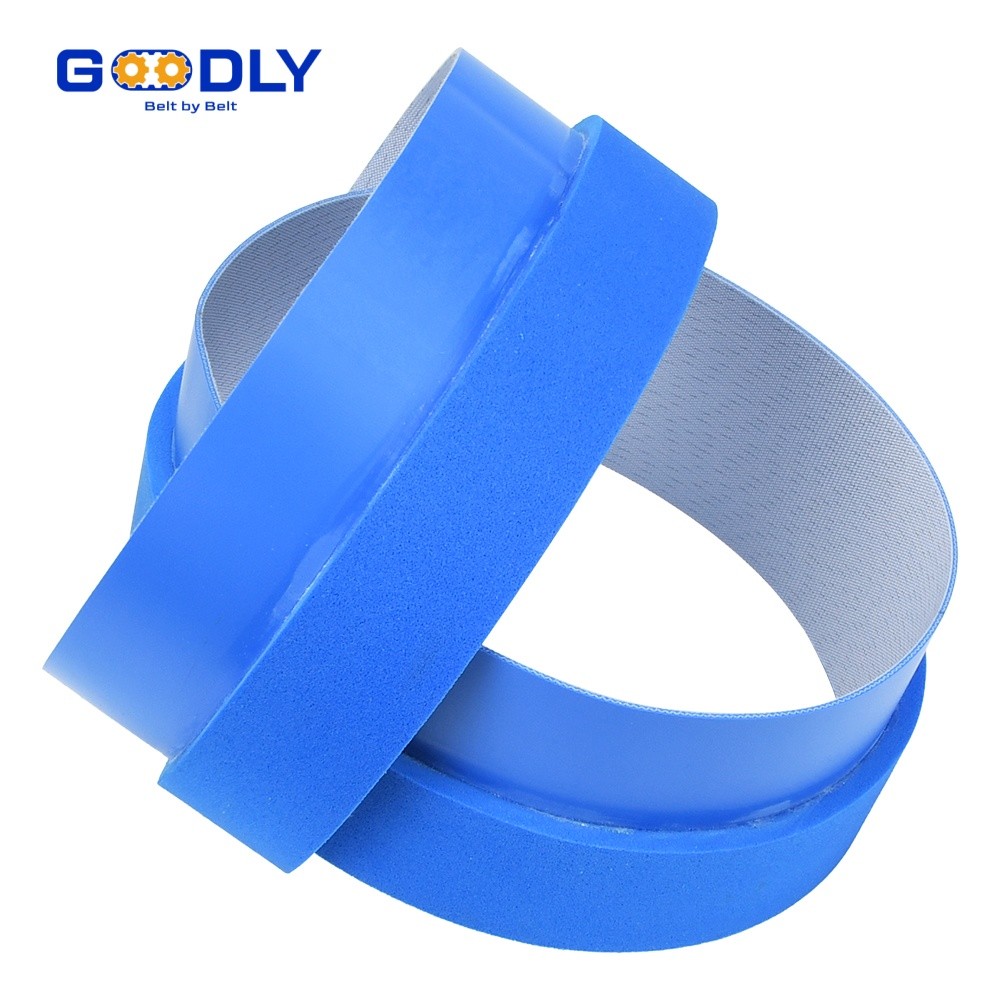 Foam Flat Belt
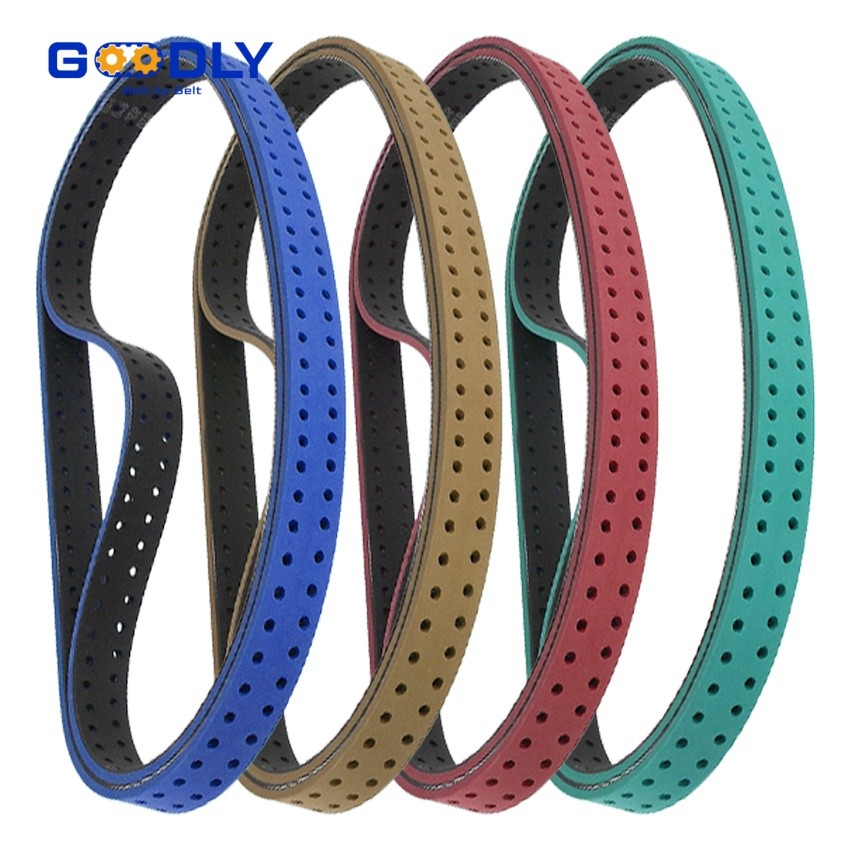 Vulcanized Flat Belt
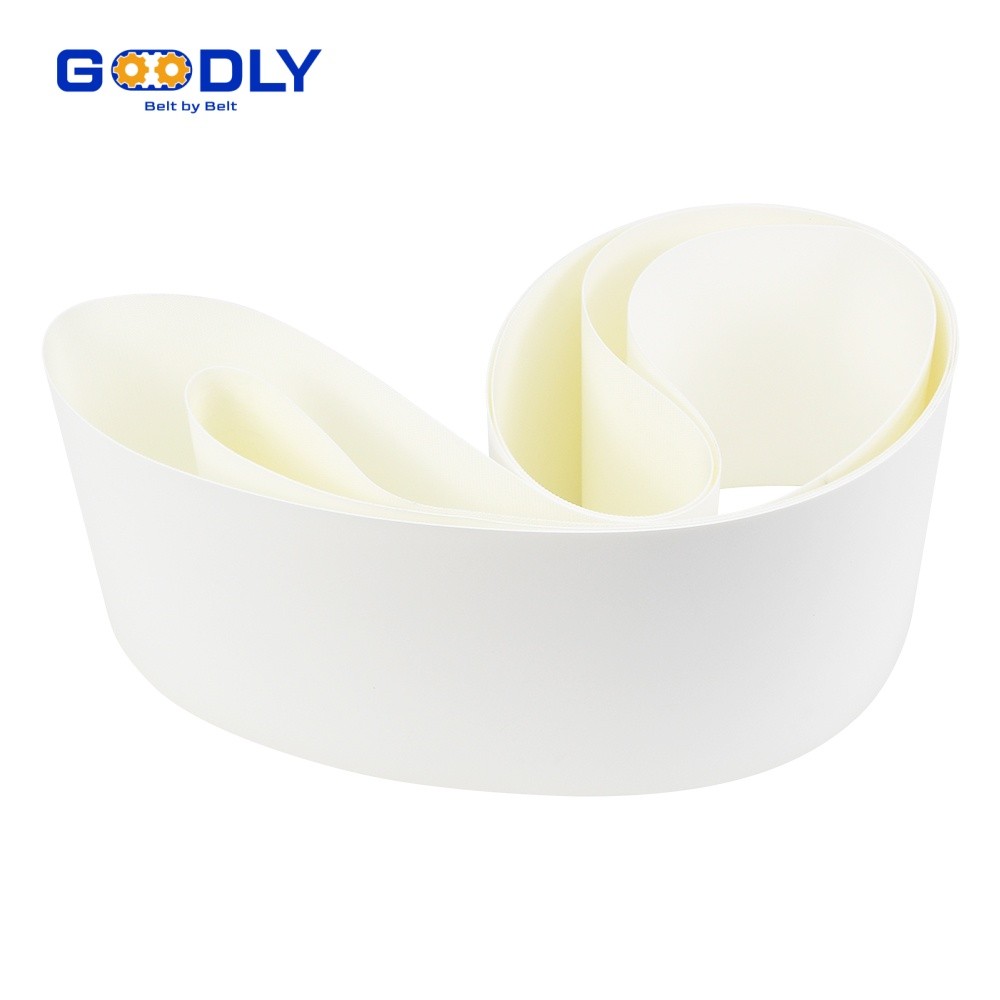 PU Conveyor Belt
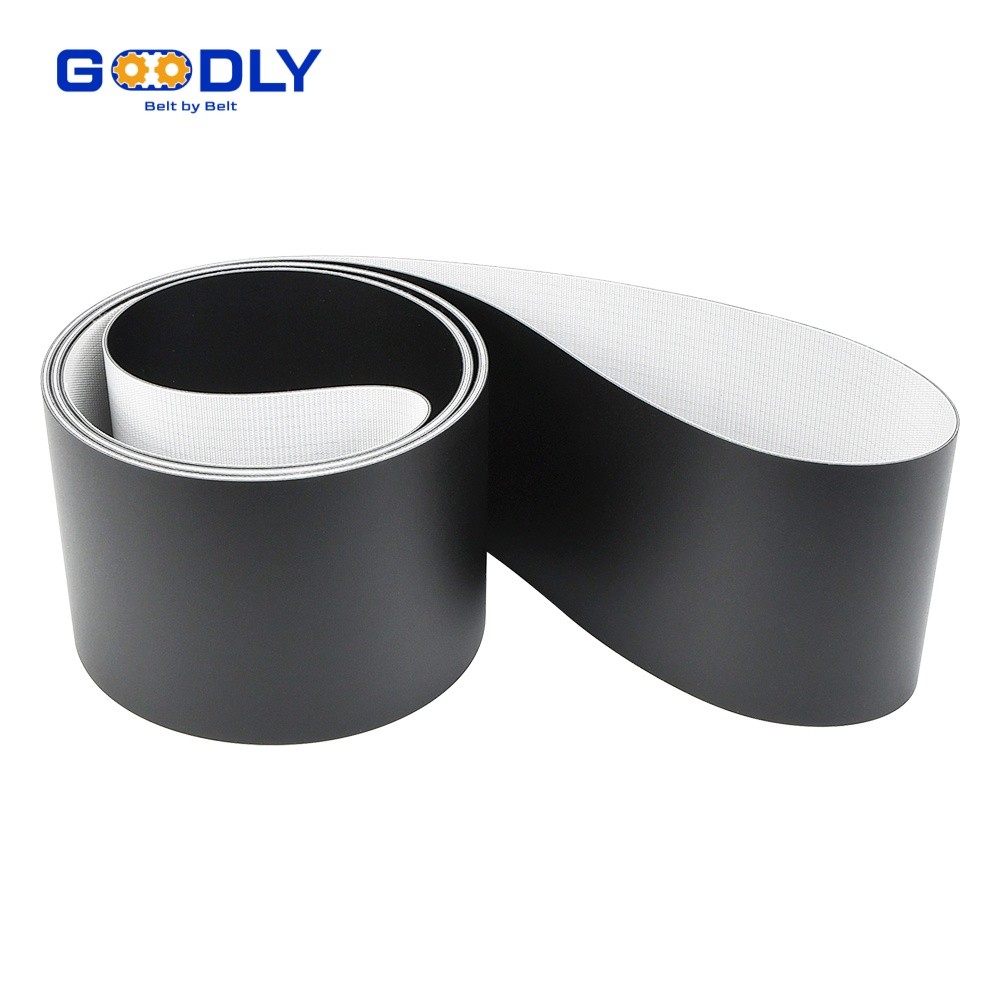 PVC Conveyor Belt
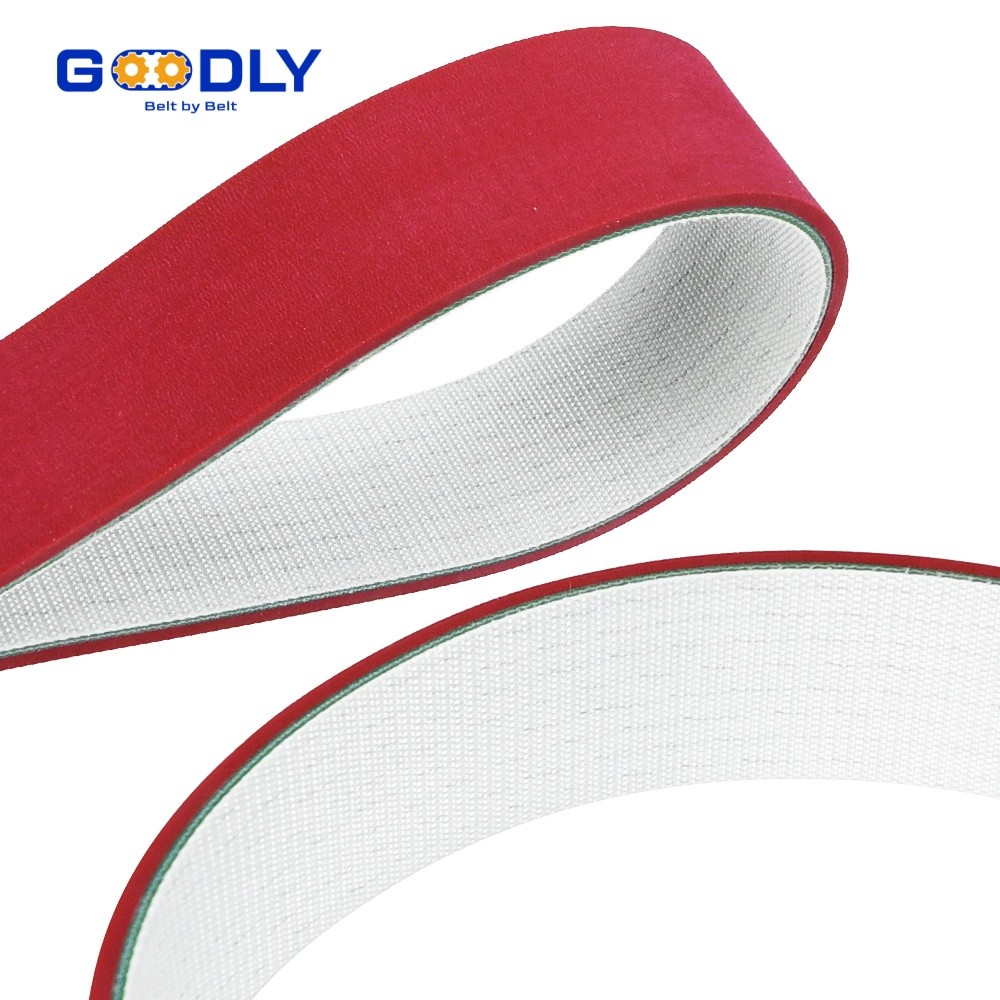 Rubber Conveyor Belt
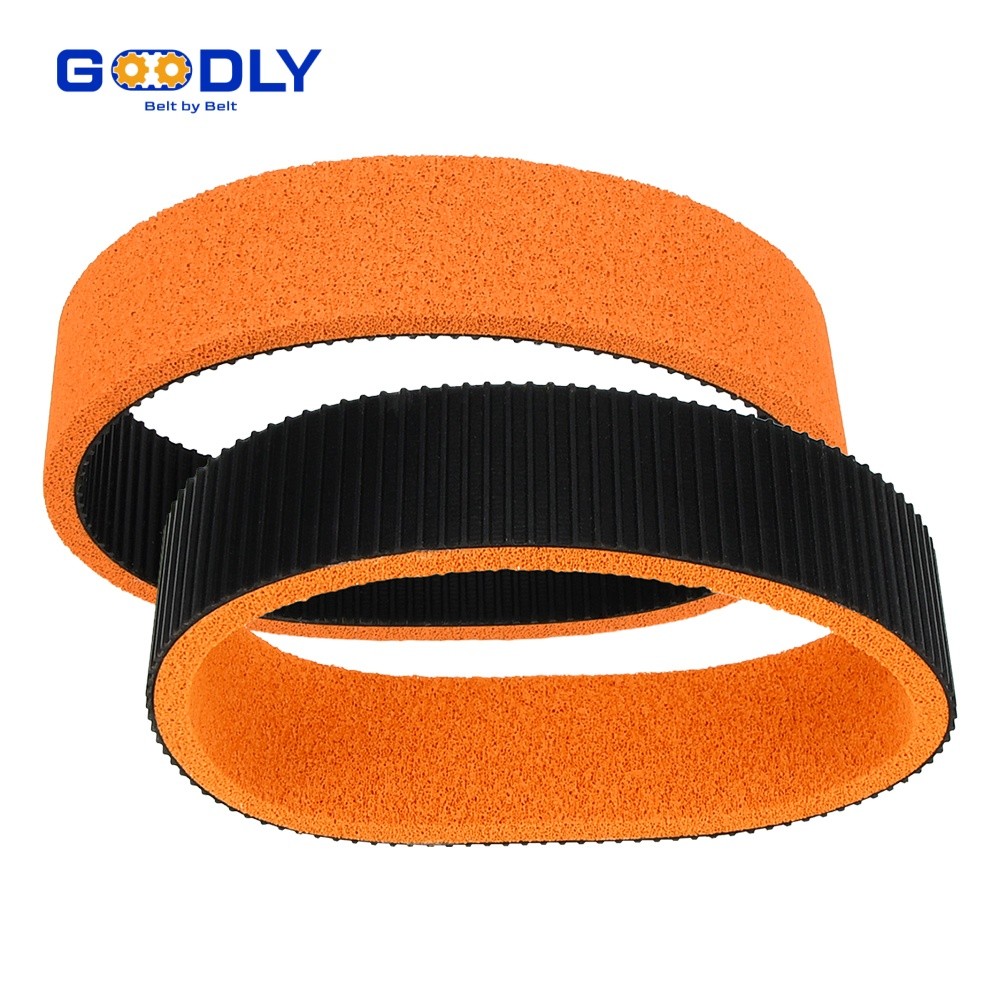 Sponge Conveyor Belt
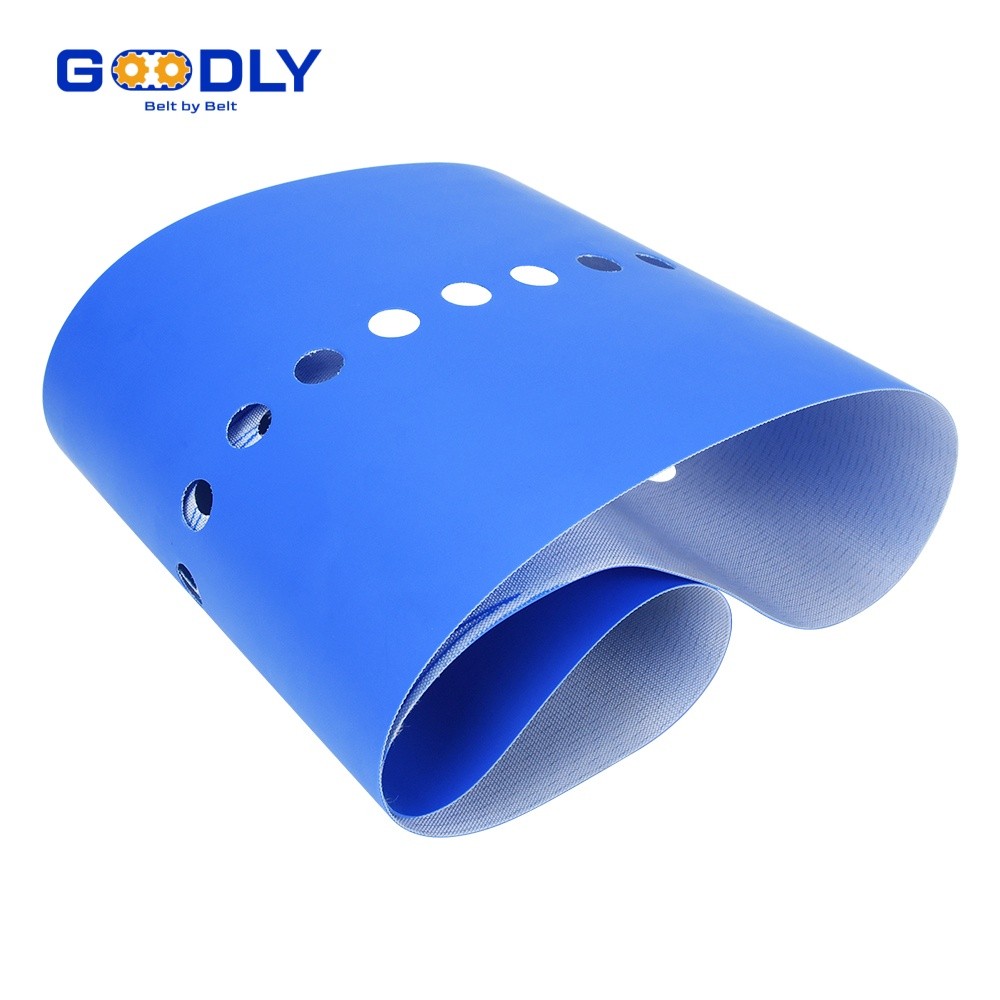 Conveyor Belts with Special Machining
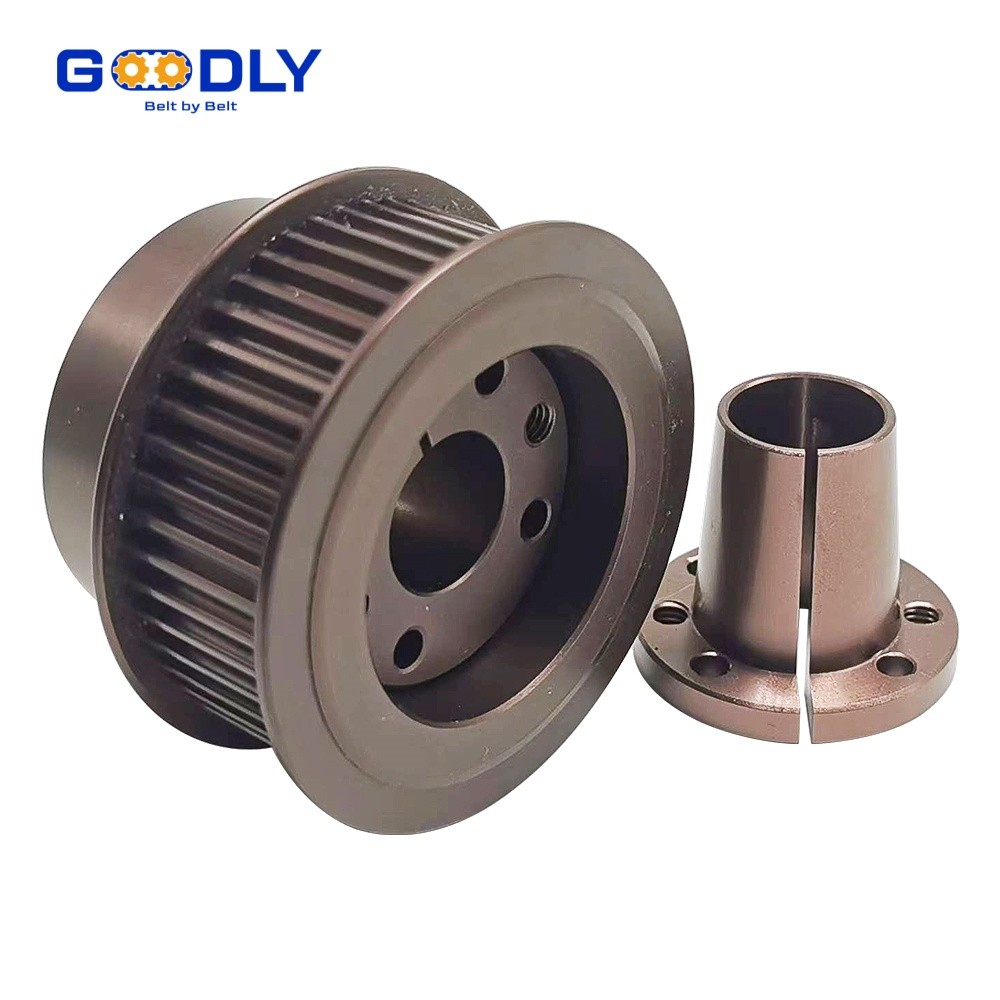 Timing Belt Pulley
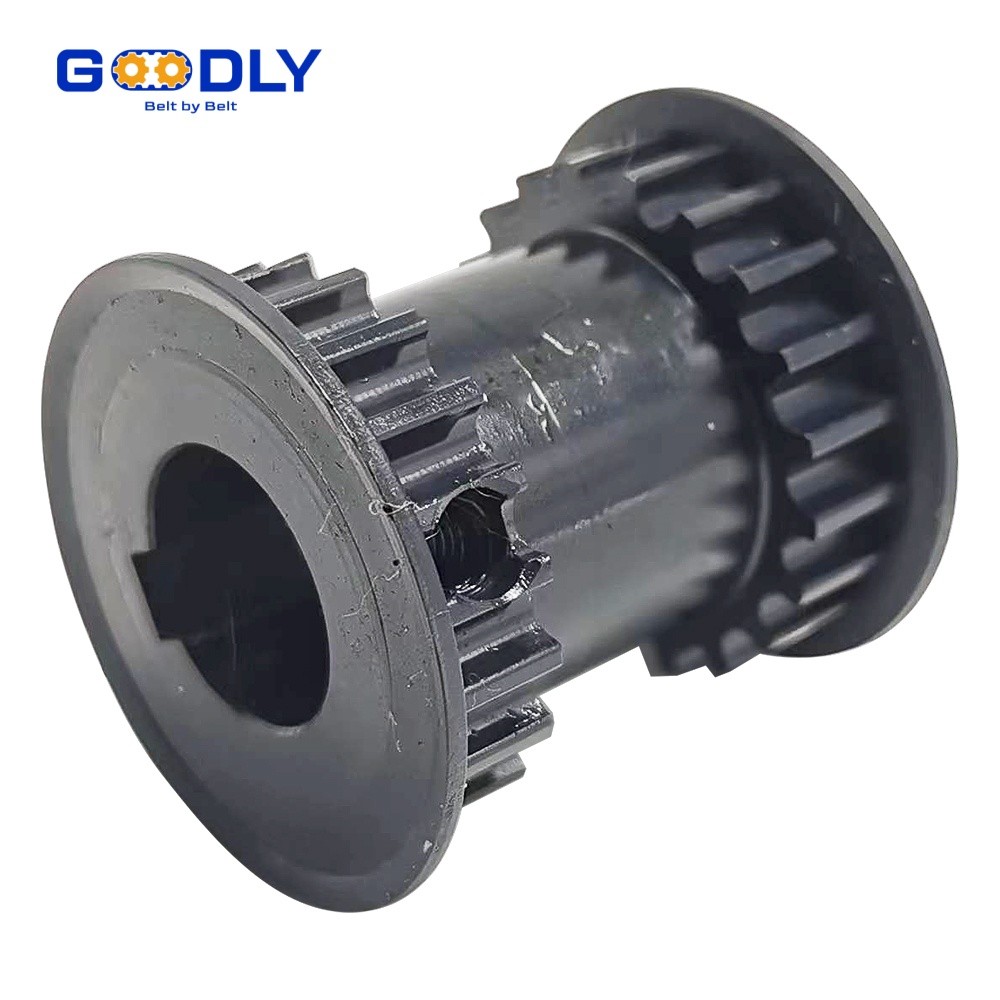 Rod-Shaped Synchronous Timing Pulley
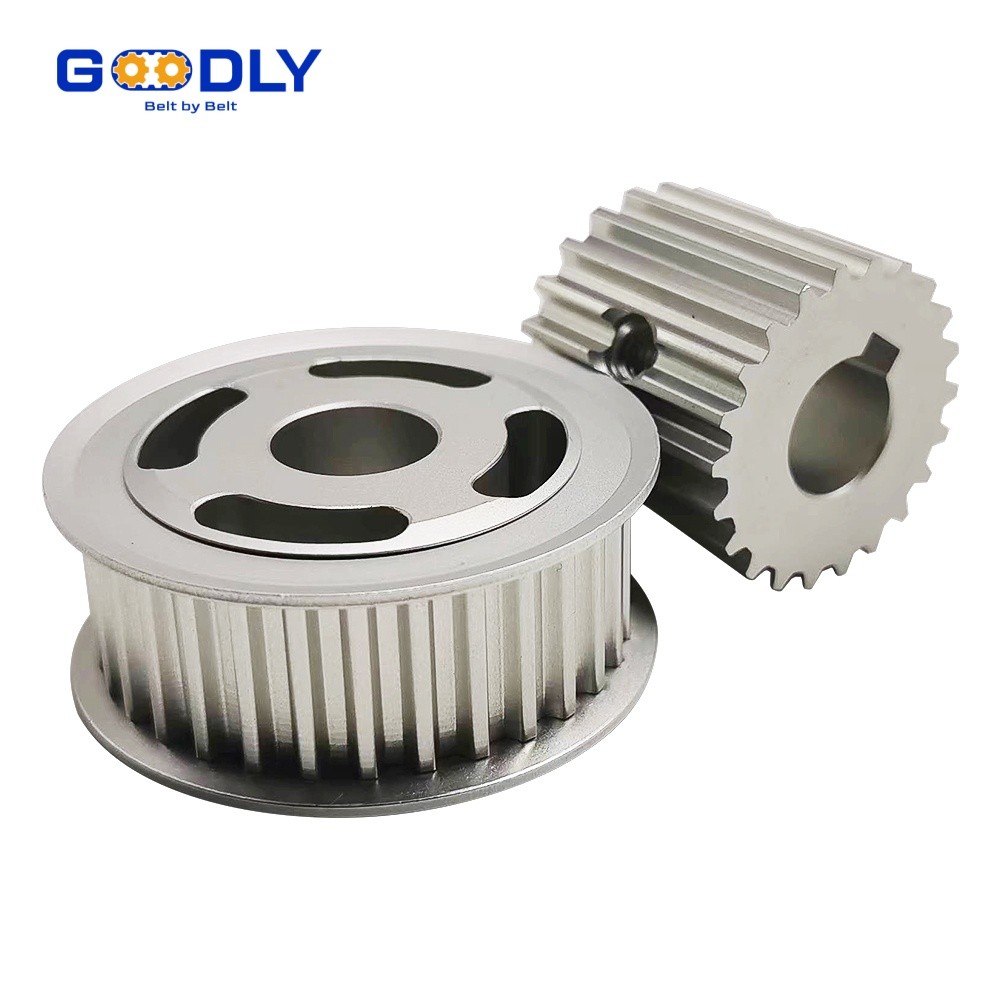 Surface-Pressure-Bearing Timing Pulley
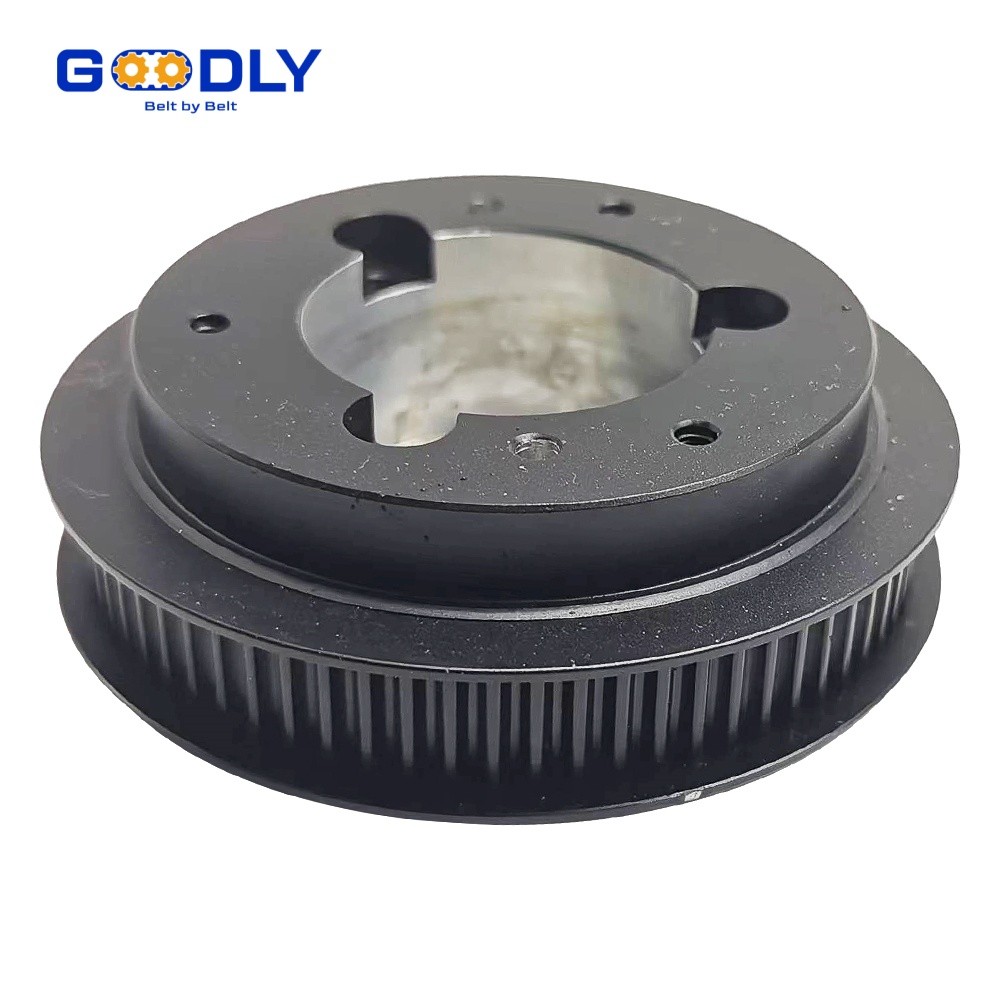 Serrated Idler Gear Timing Pulley
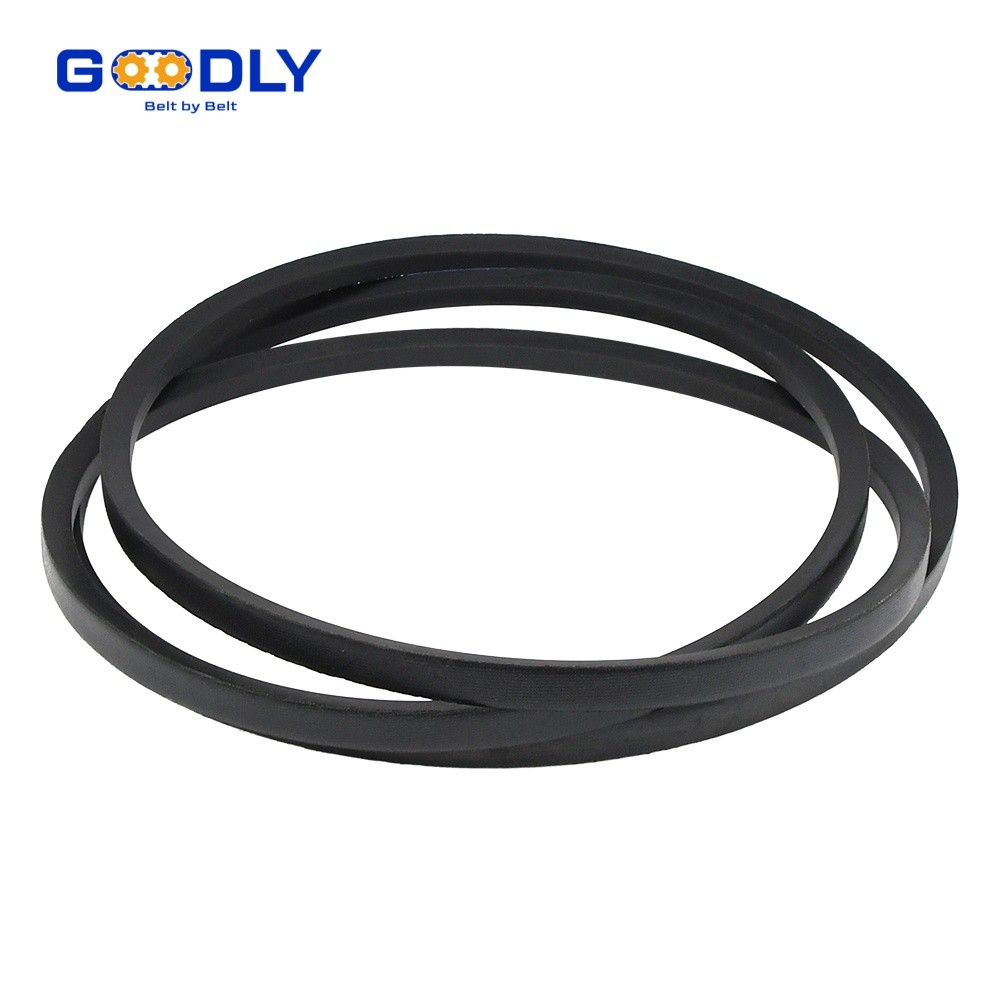 Multi-Groove Belt
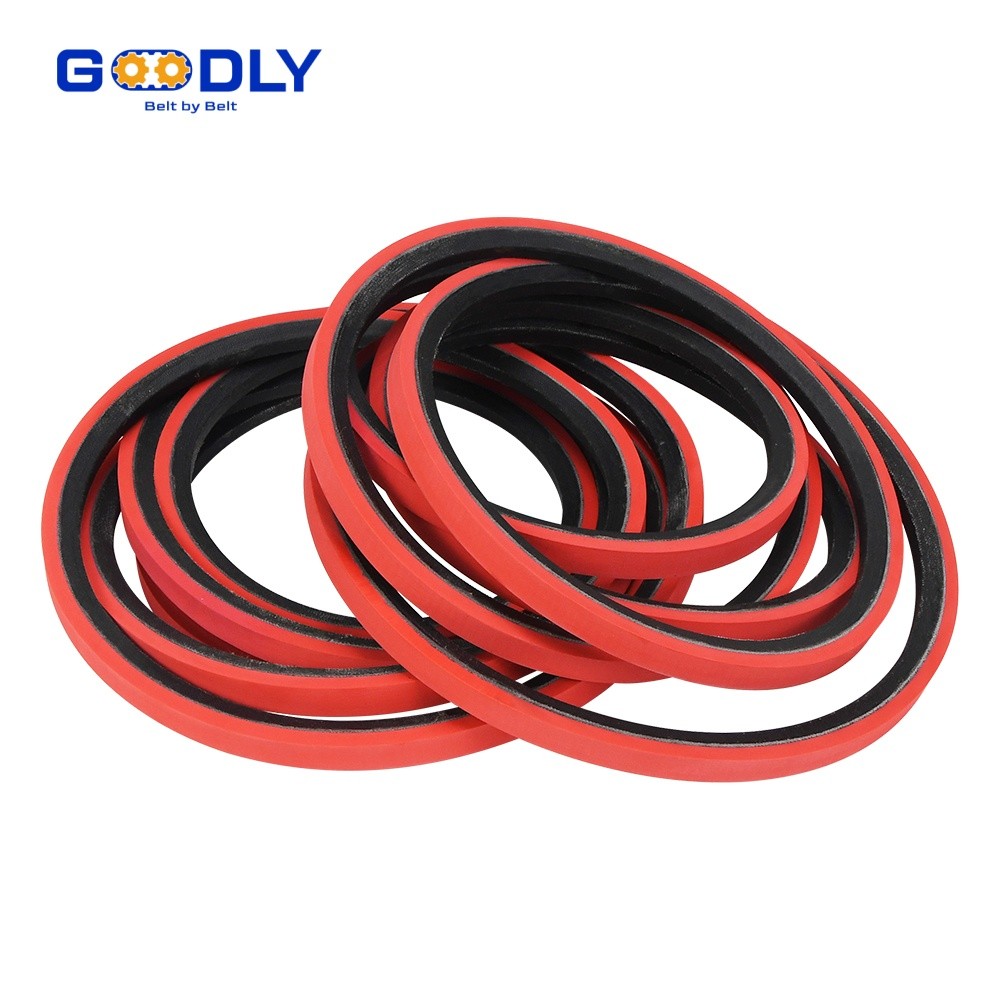 V-Belt
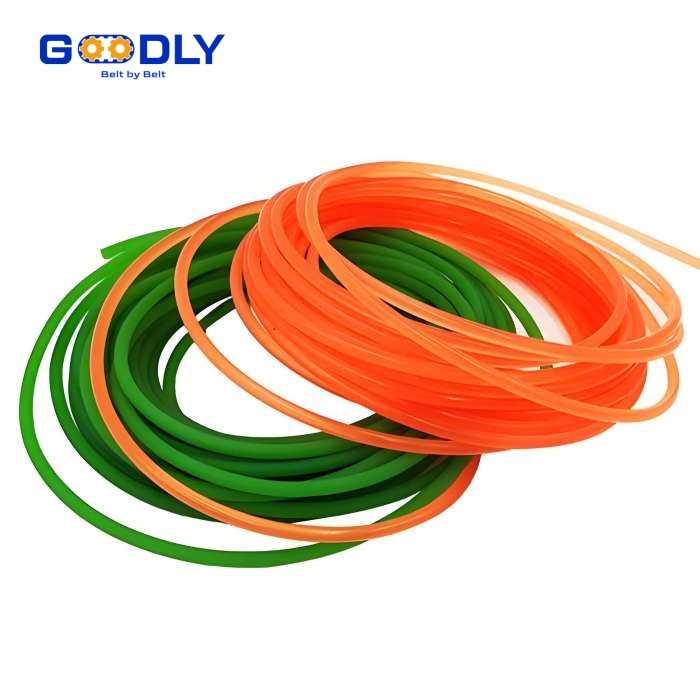 PU Round Belt
What service factor should I apply when selecting a timing belt drive?
Direct answer: Multiply the running power by a service factor of about 1.0 to 1.3 for smooth duty, 1.3 to 1.6 for moderate shock and 1.6 to 2.0 for heavy shock, frequent starts or reversing. The result is the design power. Then pick a pitch and width whose power rating, at your small pulley speed and tooth count, is at least that design power. The service factor covers the torque spikes the drive sees, not just the average load on the motor nameplate.
What the service factor is actually for
A belt rating table is measured under steady load. Real machines start against inertia, jam, reverse and run with an uneven product load, so the peak torque at the belt can be well above the running torque. The service factor is a single multiplier that stands in for that difference. It is a rough instrument, and it does not replace a proper starting torque calculation on a high-inertia load, but it prevents the common mistake of sizing to the nameplate and wondering why the teeth strip.
Typical values by duty
| Driven machine | Service factor | Notes |
|---|---|---|
| Conveyor, fan, centrifugal pump, light conveyor indexing | 1.0 to 1.3 | Smooth load, direct start, few starts per hour |
| Positive displacement pump, compressor, mixer, packaging machine | 1.3 to 1.6 | Pulsating or reversing load, moderate starts |
| Crusher, punch press, hoist, extruder, frequent reversing | 1.6 to 2.0 | Heavy shock or high inertia, check starting torque |
| Any drive with more than about 10 starts per hour | add 0.2 | Each start loads the belt once more |
| Any drive above about 60 degrees C at the belt | add 0.2 | Heat reduces the belt rating, not the load |
Applying it in five steps
- Establish the running power and the small pulley speed. Use measured values where the machine already exists.
- Pick the service factor from the duty, then add the corrections for starts and temperature.
- Calculate design power as running power multiplied by the service factor.
- Choose the pitch first: it sets the tooth load and the minimum pulley size. Then find the width whose rating at that speed meets the design power.
- Check the result against three limits: teeth in mesh of at least six, small pulley diameter above the belt minimum, and belt speed within the belt rating.
Where the factor stops helping
- It does not correct a pulley that is too small for the belt. That is a separate limit and it causes fatigue failure rather than tooth shear.
- It does not cover a jam. If the machine can stall against a stop, use a torque limiter or a slip clutch as well.
- It does not cover misalignment or a worn pulley, which produce edge loading no factor can absorb.
- It is not a substitute for the belt maker rating table. Two belts of the same pitch and width can have different ratings by construction.
Send the duty and get a sized drive
Email sales@goodlybelts.com with running power or torque, small pulley speed and tooth count, centre distance, duty description and ambient temperature. We will return the pitch, width and pulley combination that meets design power with the service factor applied.
Request a drive selection
Are you looking for a reliable manufacturer of conveyor belt products?
We can quickly provide customers with market analysis, technical support and customized services.- Name
- Phone
- *Title
- *Content