
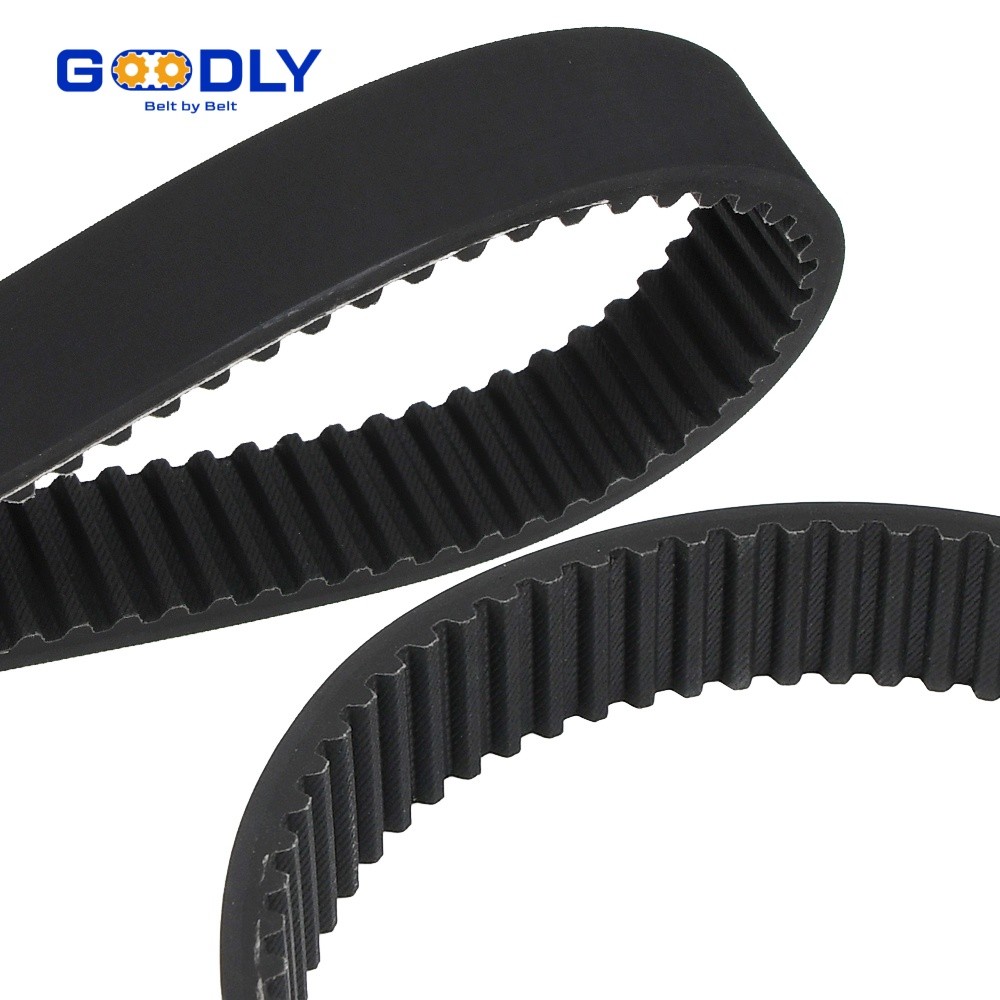
 Rubber Timing Belt
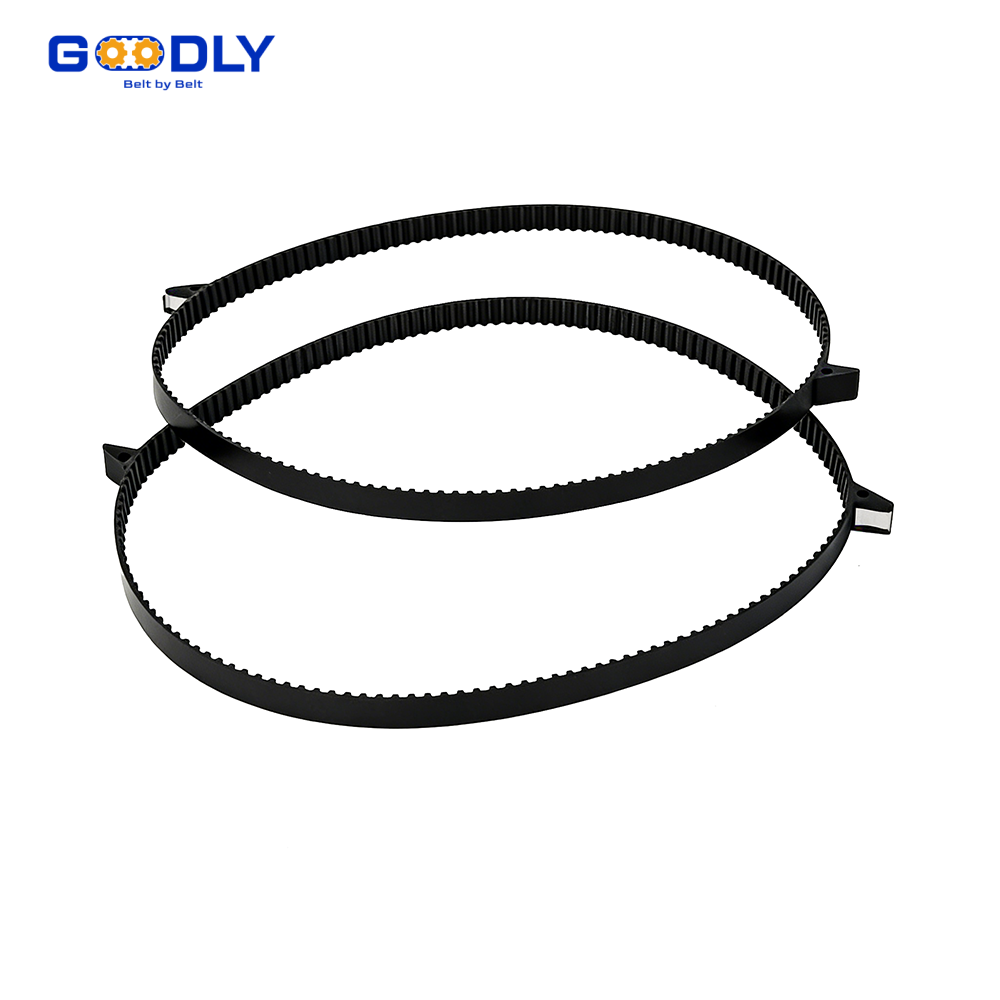 PU Timing Belt
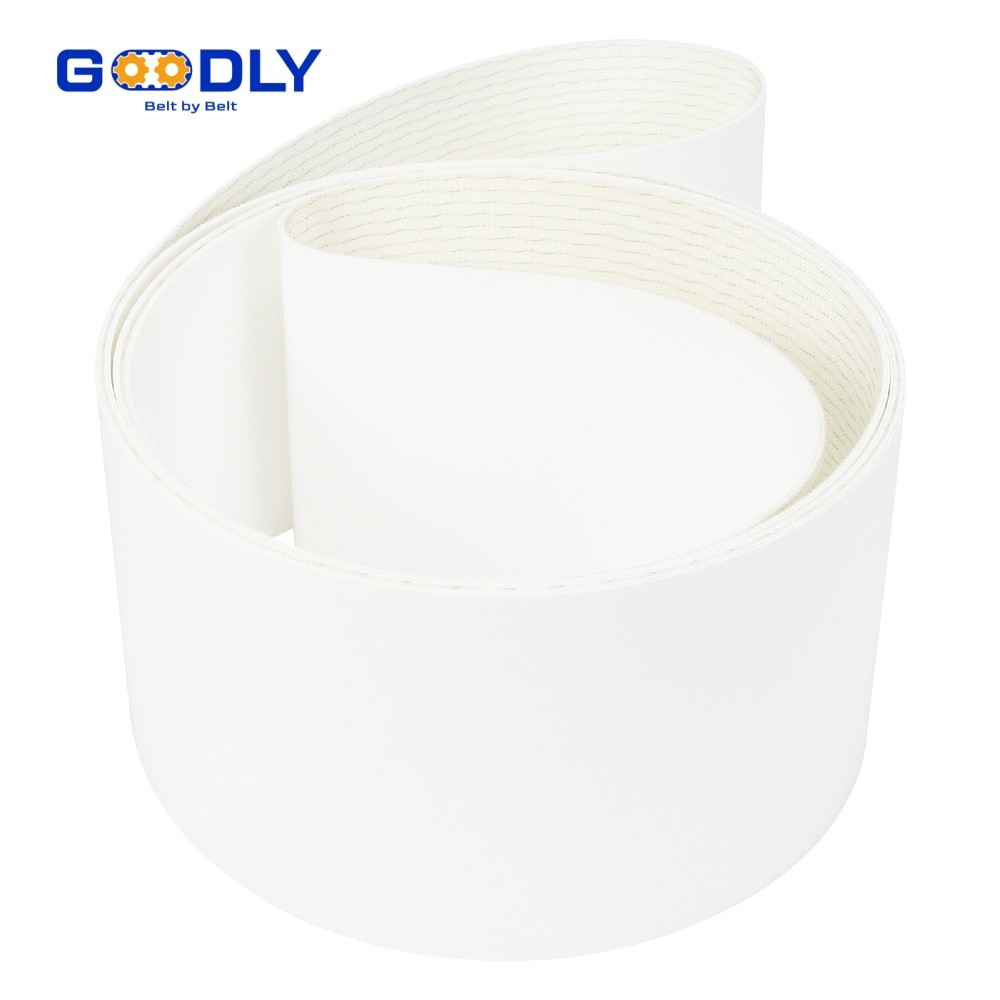 Silicone Timing Belt
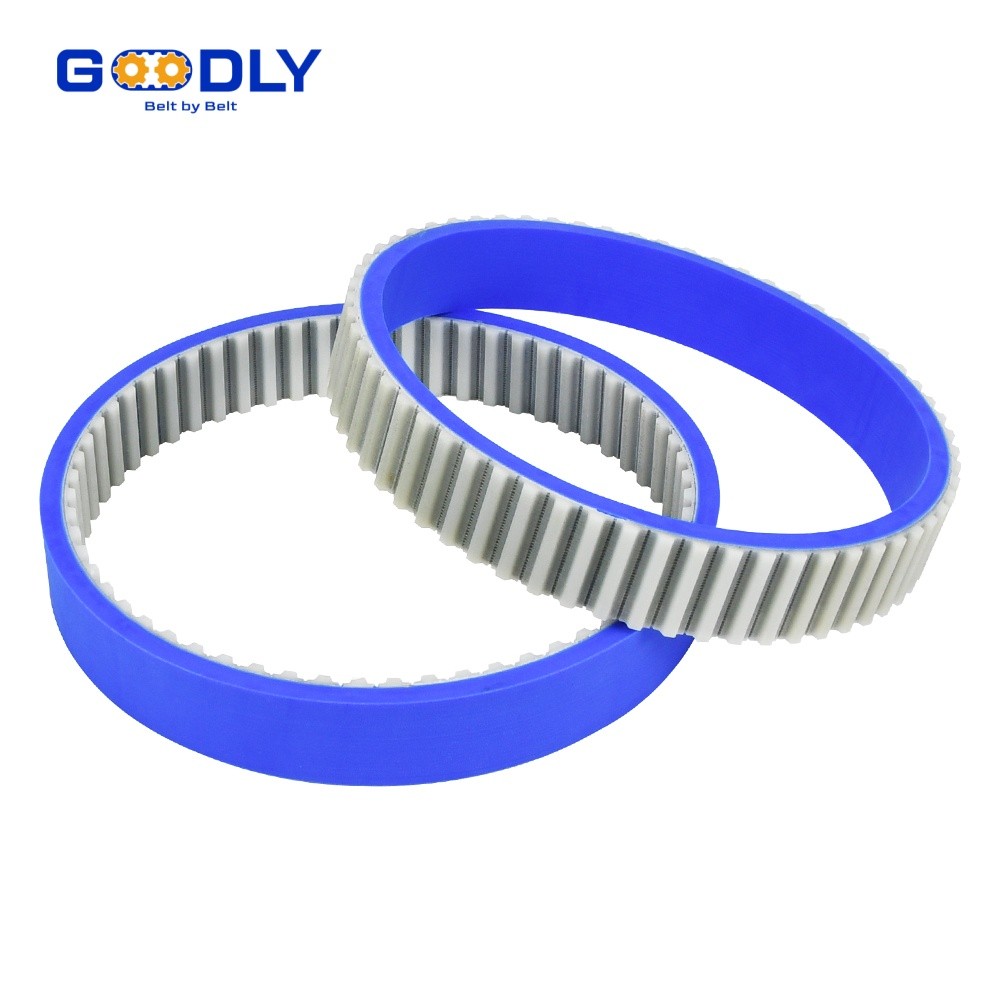 Silicone Vulcanized Timing Belt
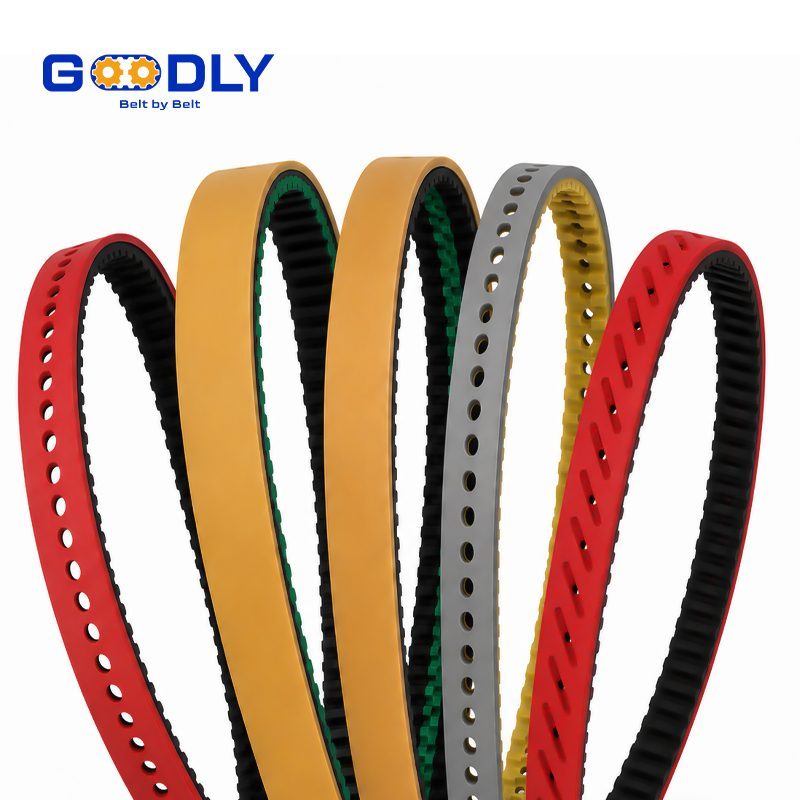 Vulcanized Timing Belt
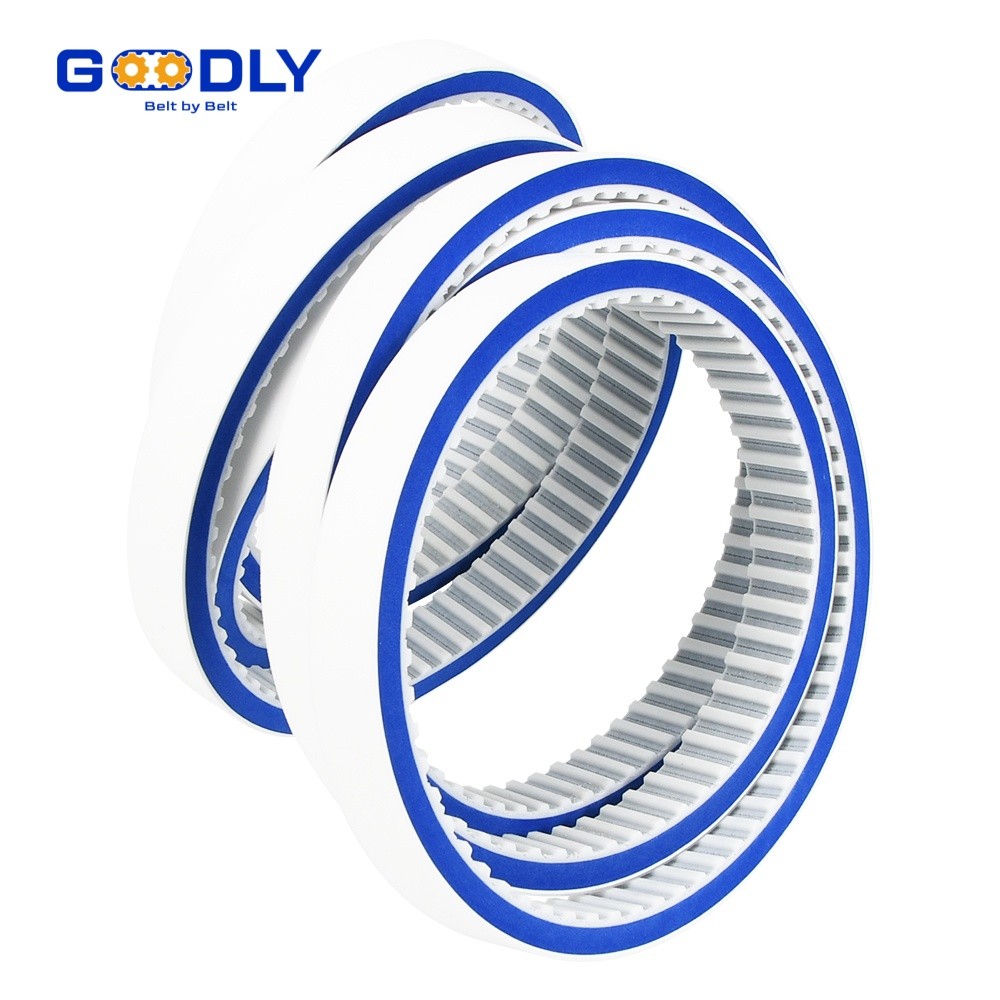 Sponge Timing Belt
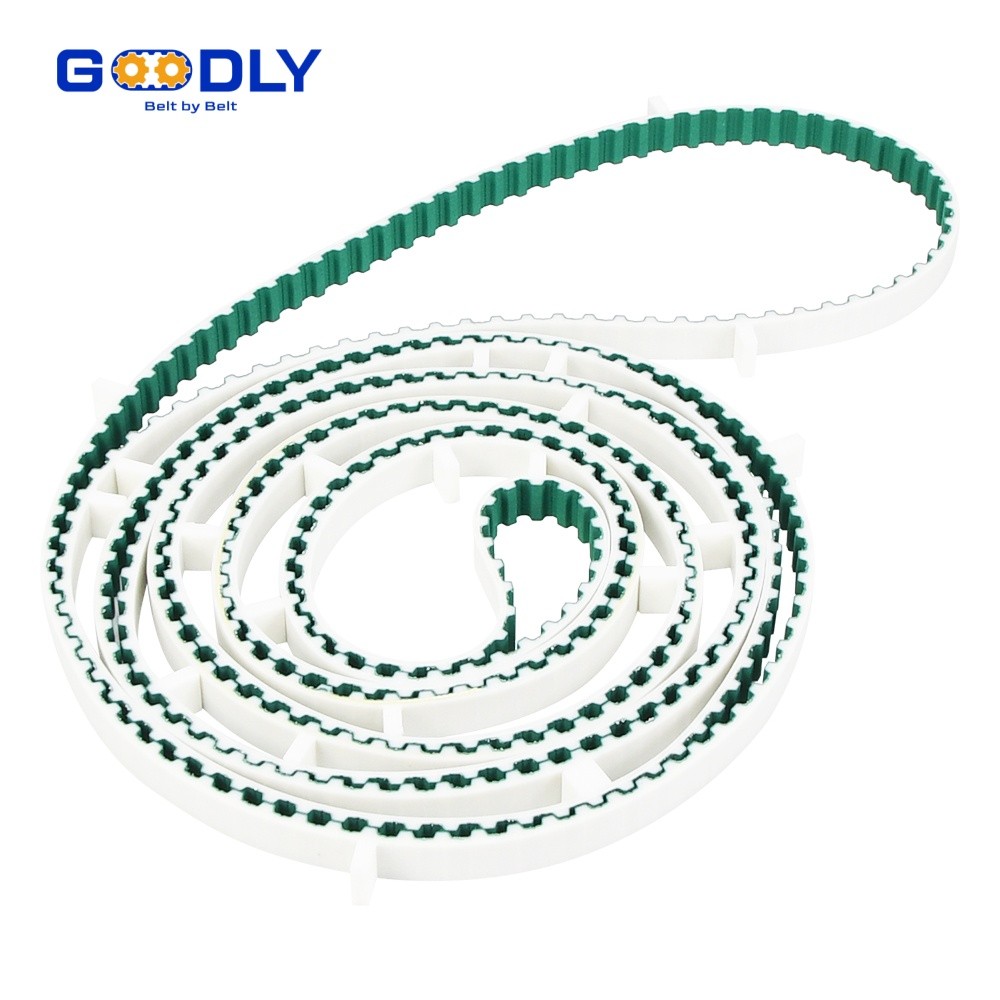 Timing Belts with Special Machining
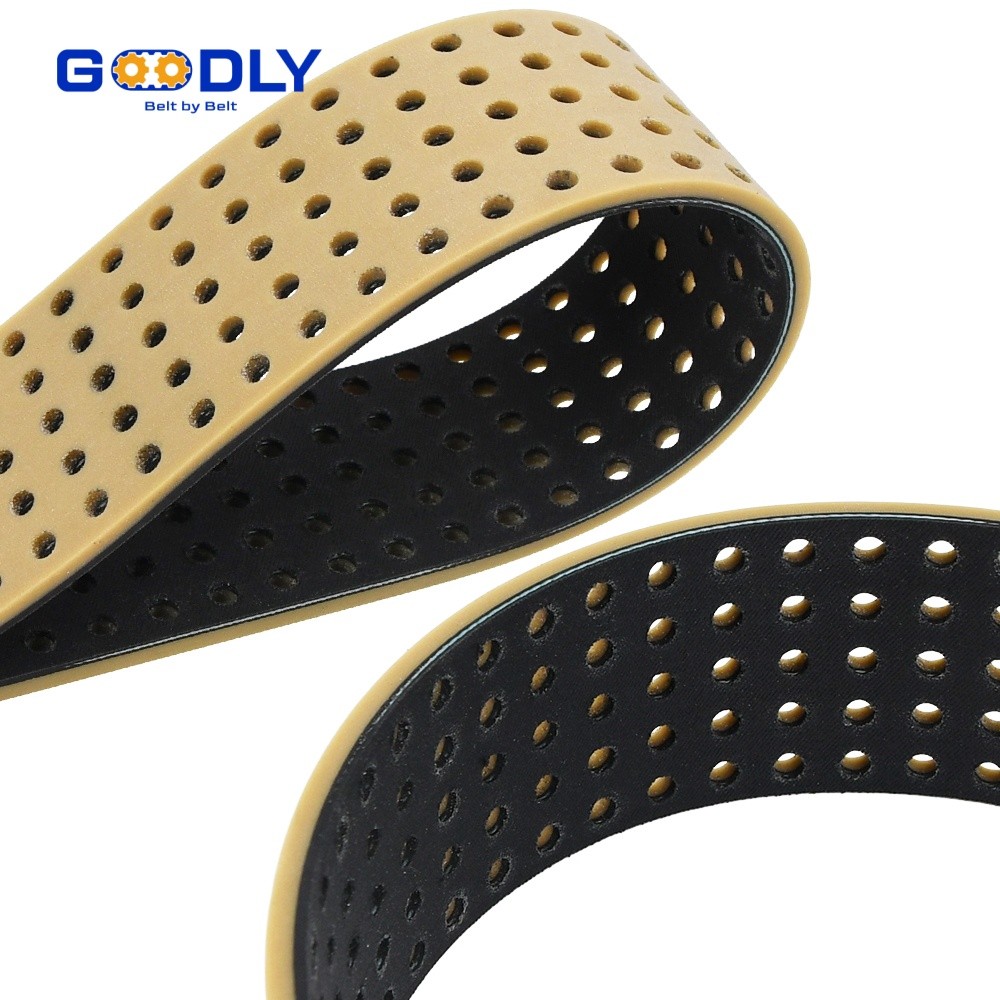 Rubber Flat Belt
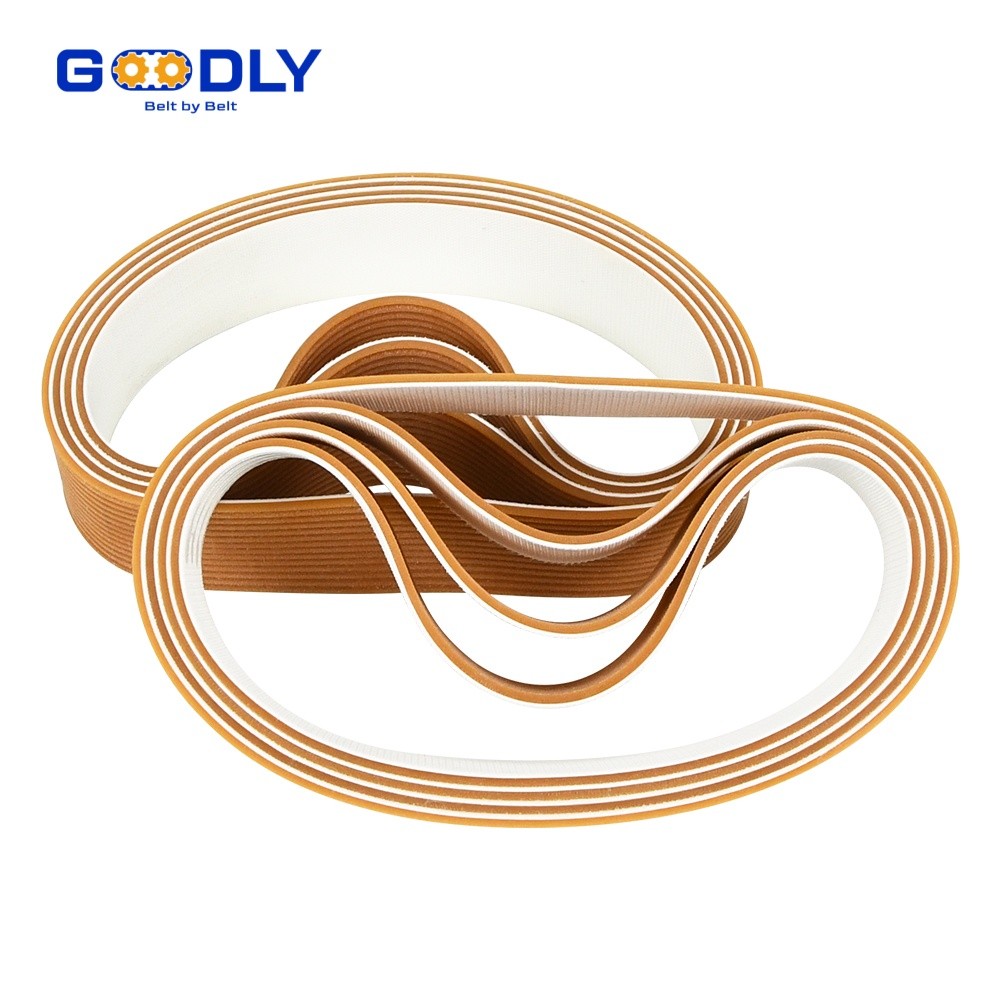 PU Flat Belt
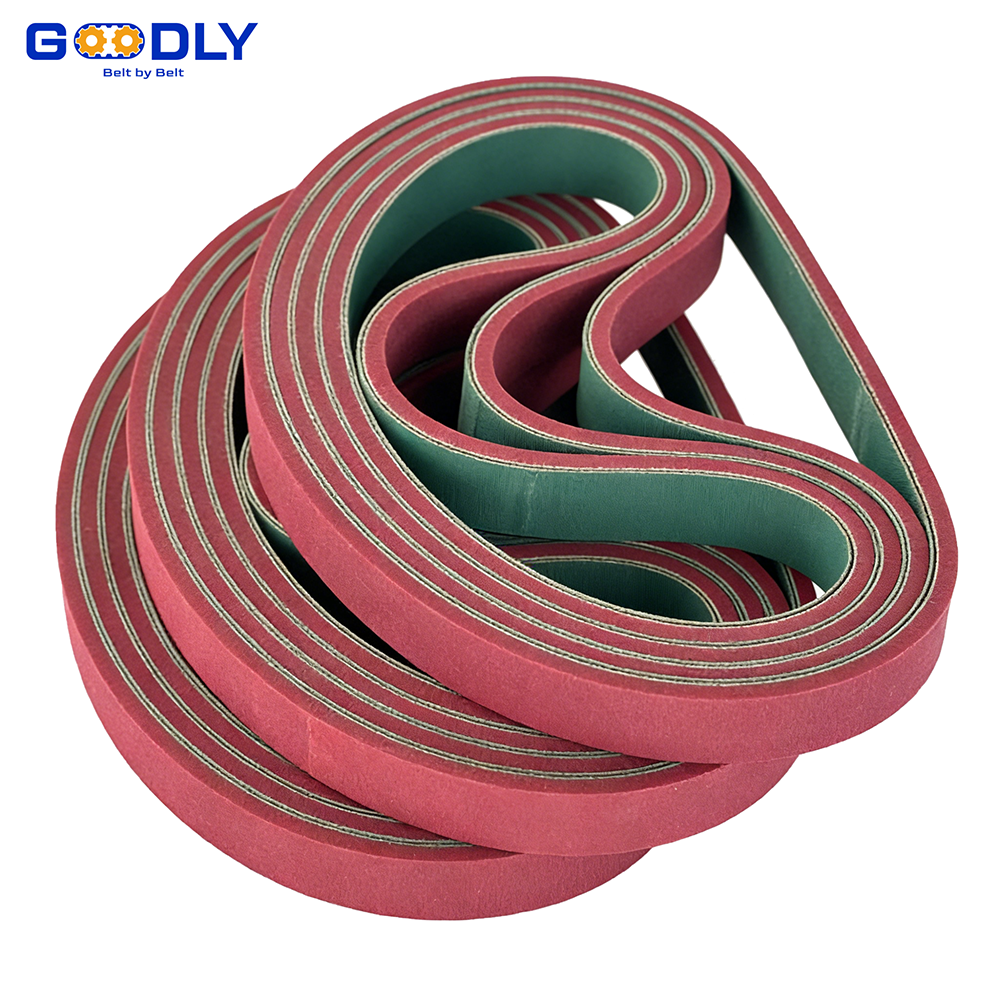 Nylon Flat Belt
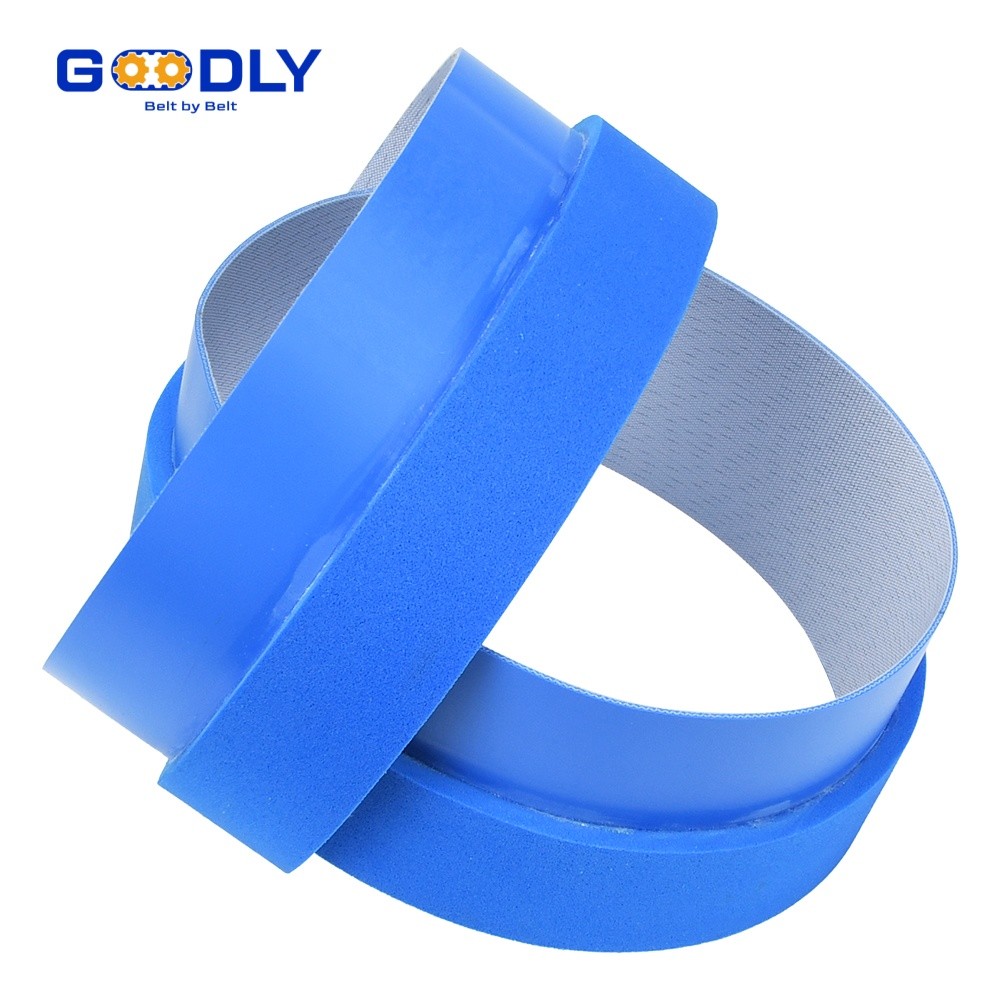 Foam Flat Belt
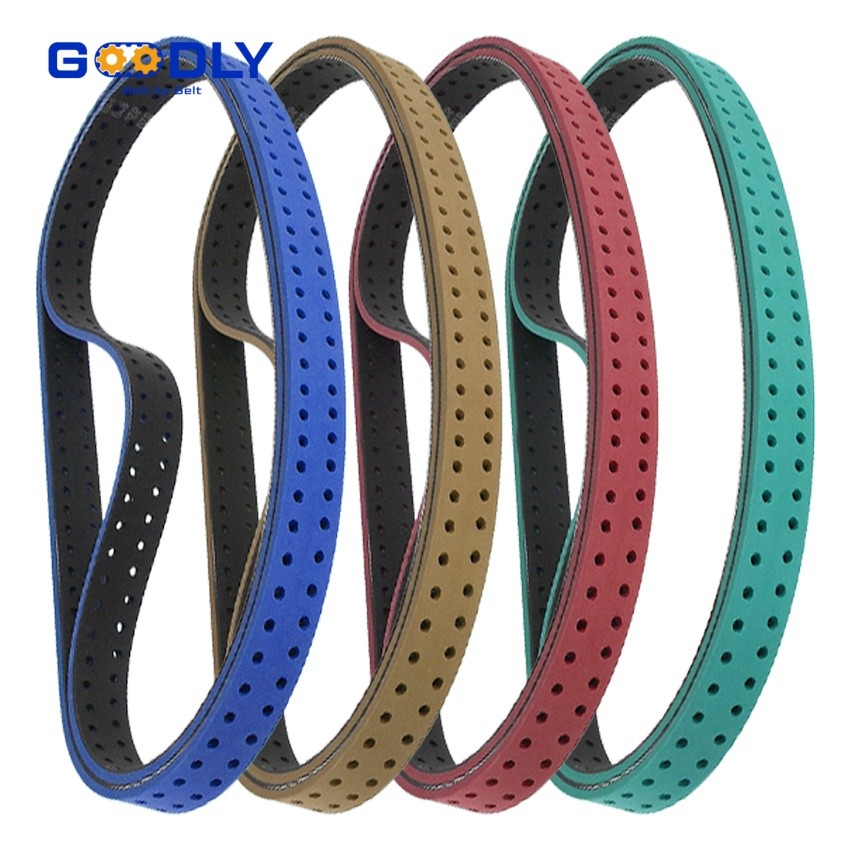 Vulcanized Flat Belt
 PU Conveyor Belt
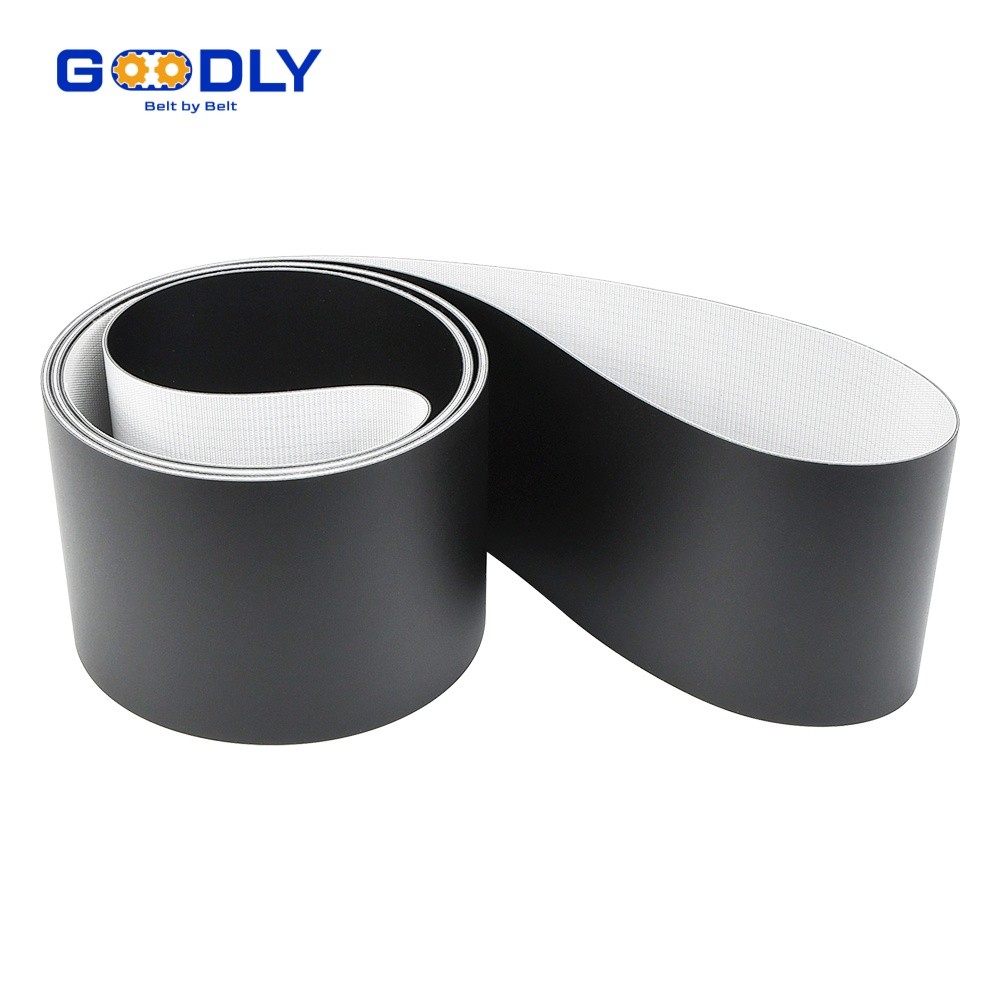 PVC Conveyor Belt
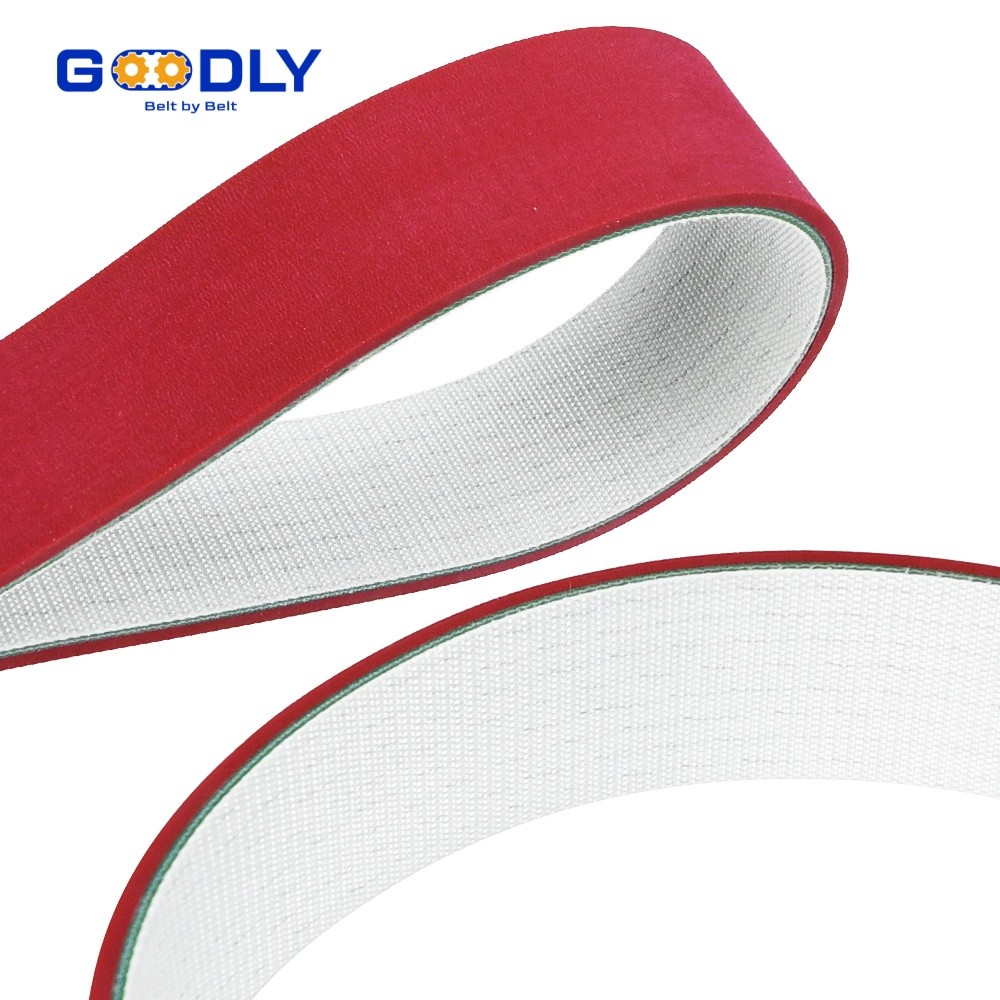 Rubber Conveyor Belt
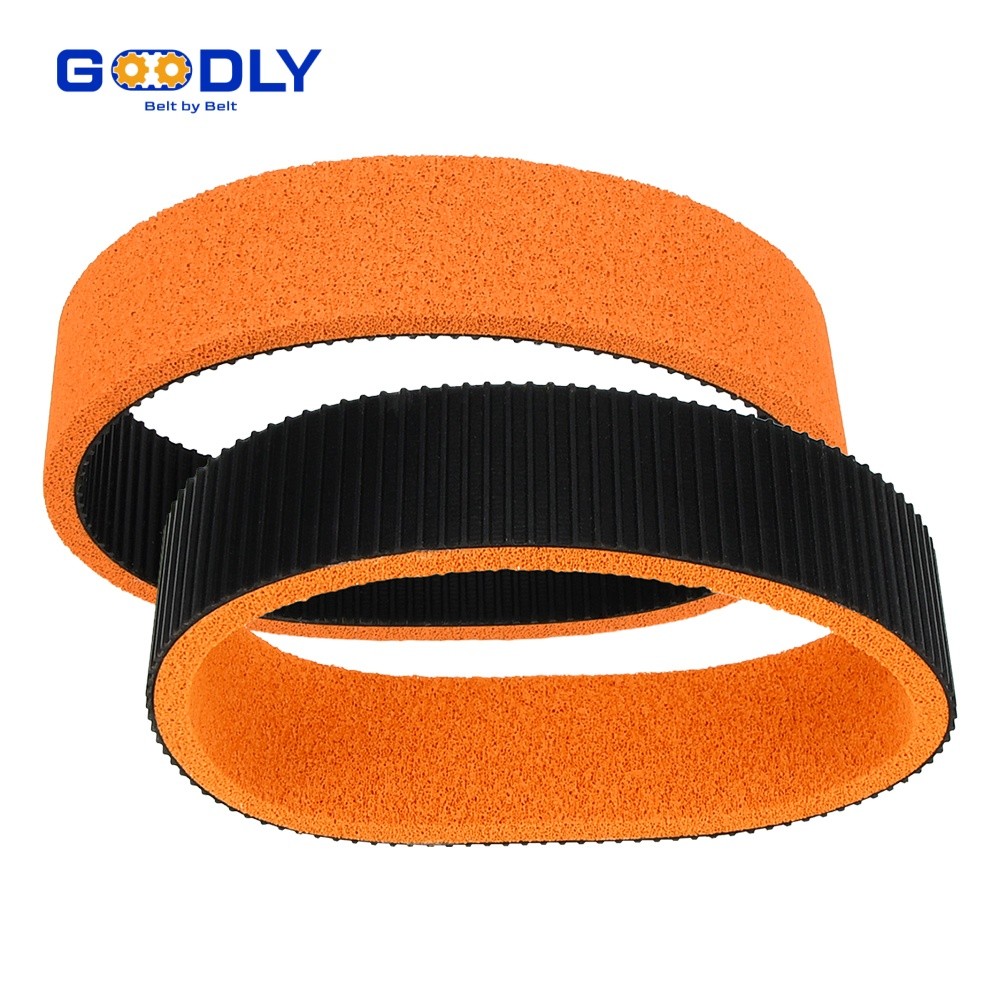 Sponge Conveyor Belt
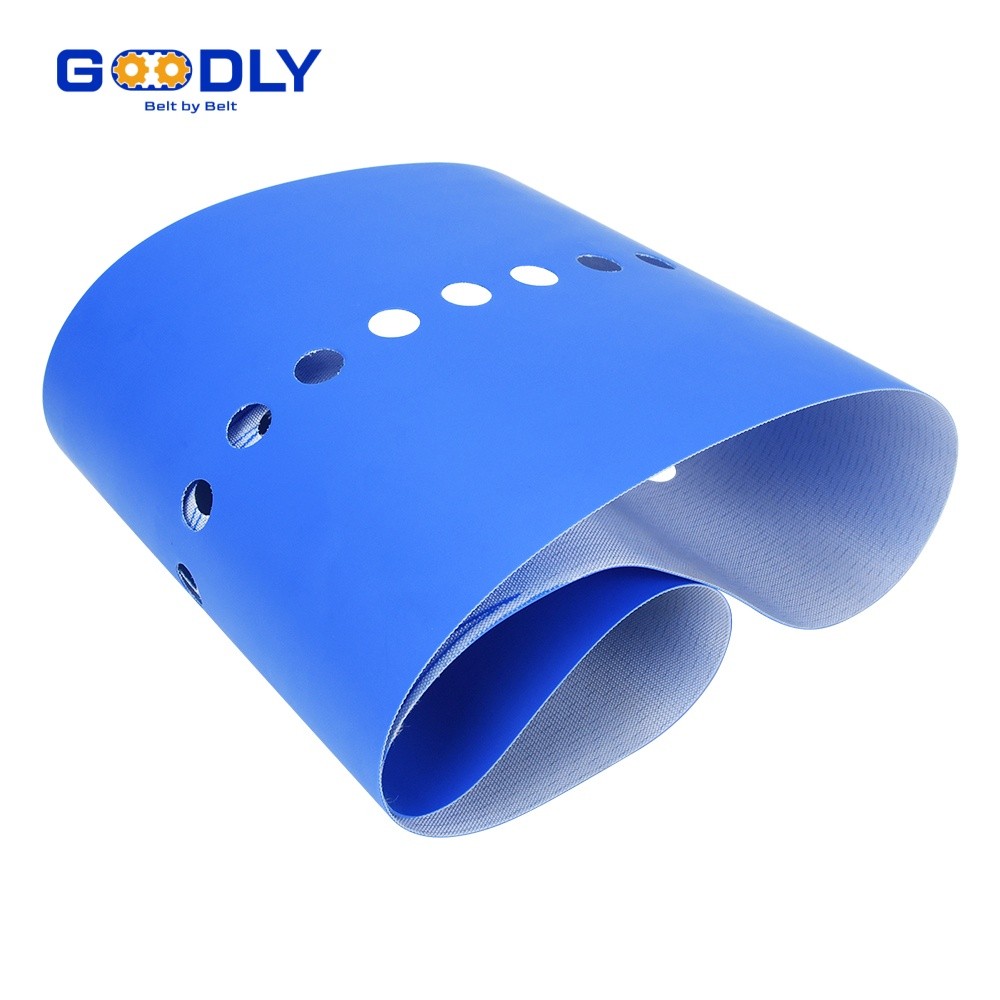 Conveyor Belts with Special Machining
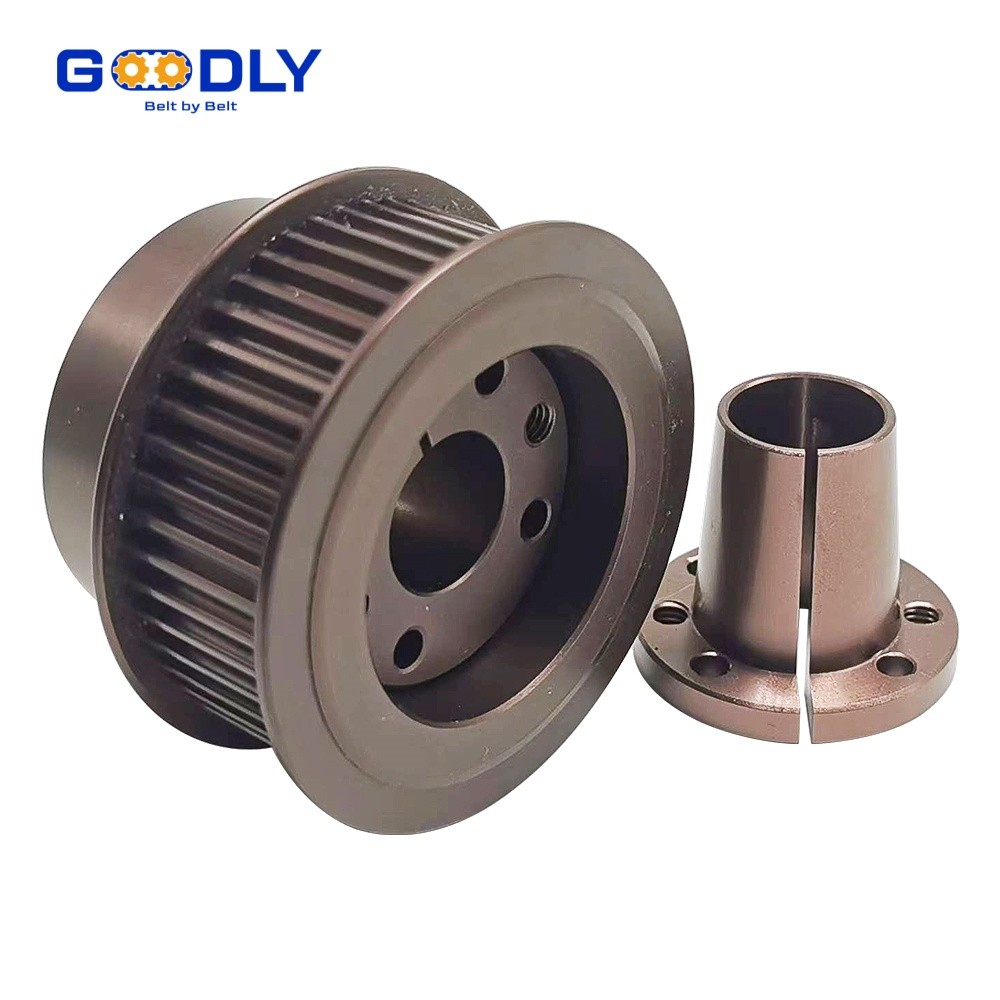 Timing Belt Pulley
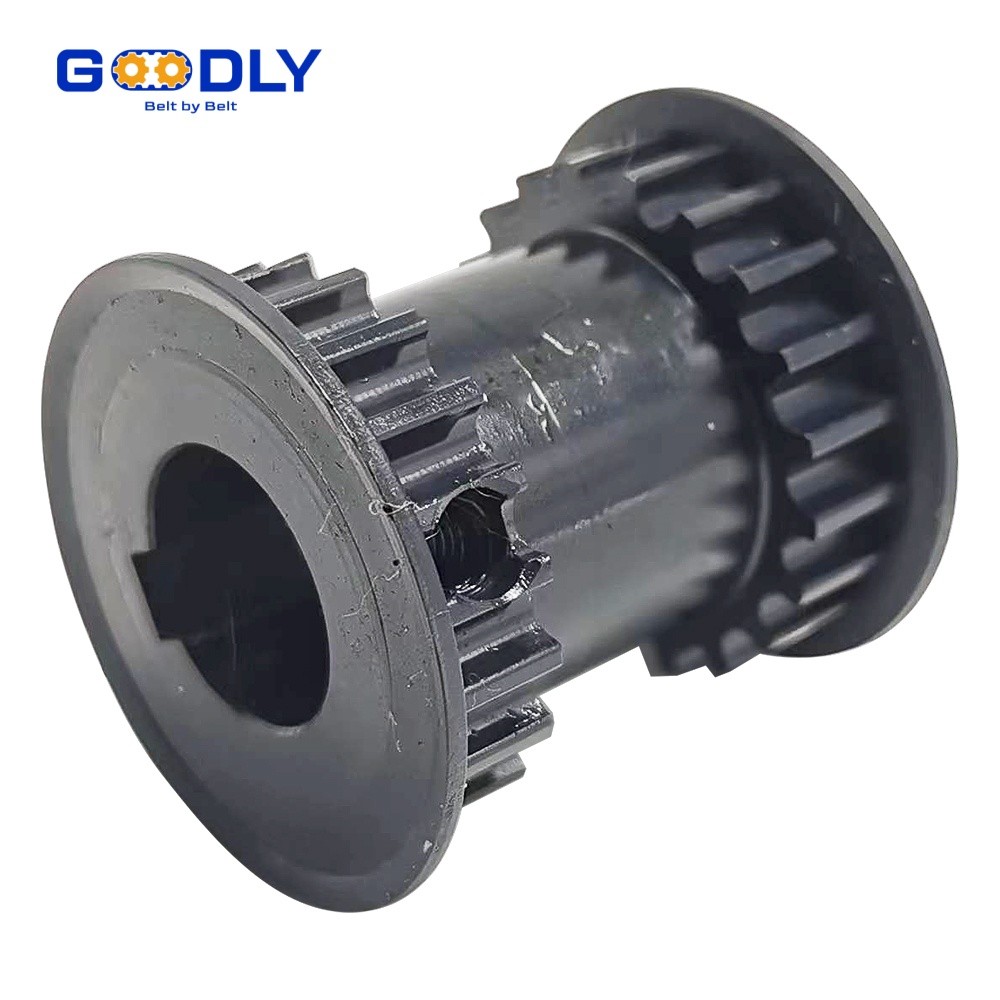 Rod-Shaped Synchronous Timing Pulley
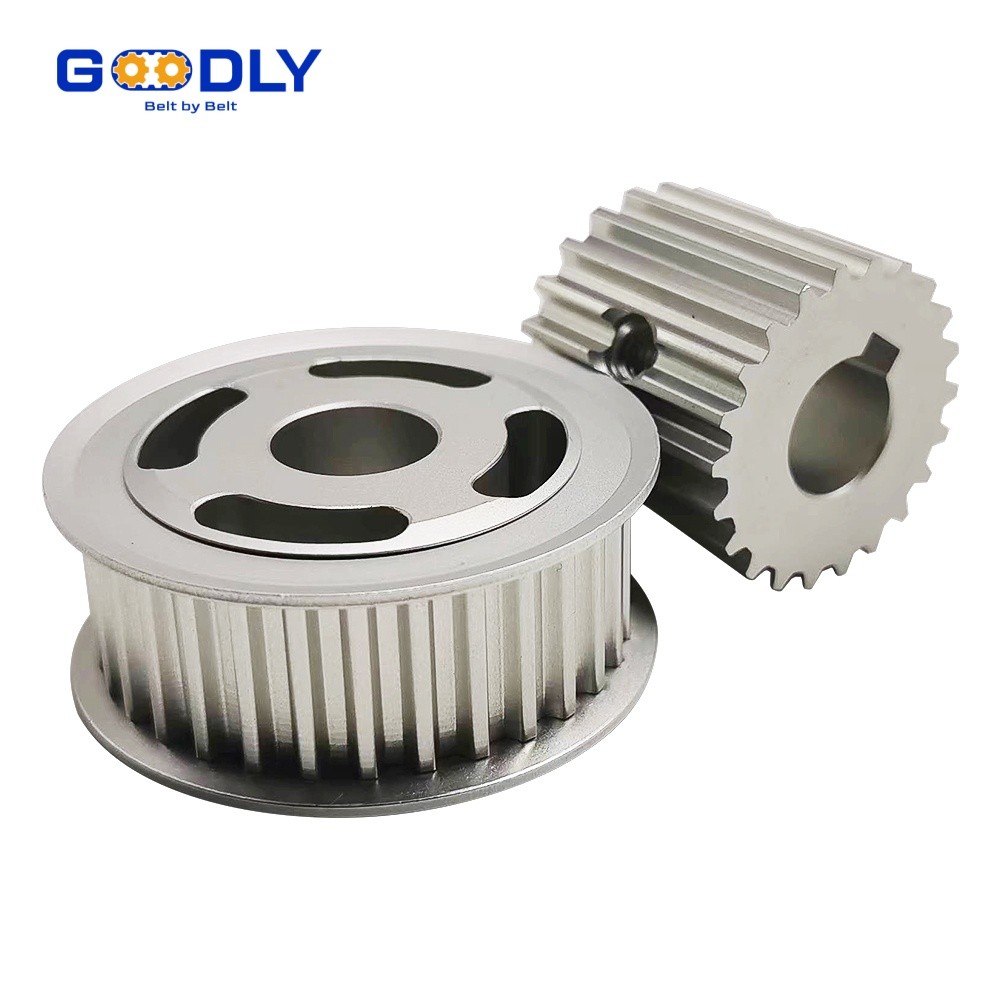 Surface-Pressure-Bearing Timing Pulley
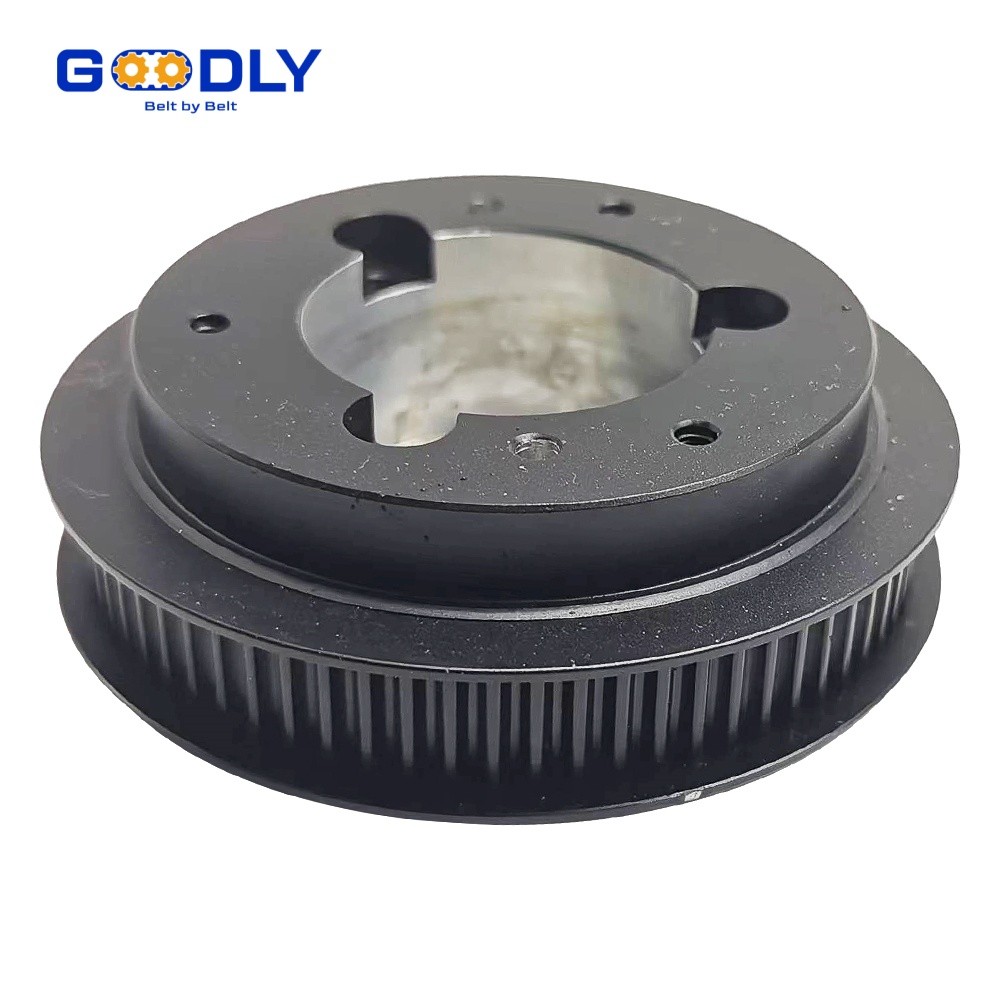 Serrated Idler Gear Timing Pulley
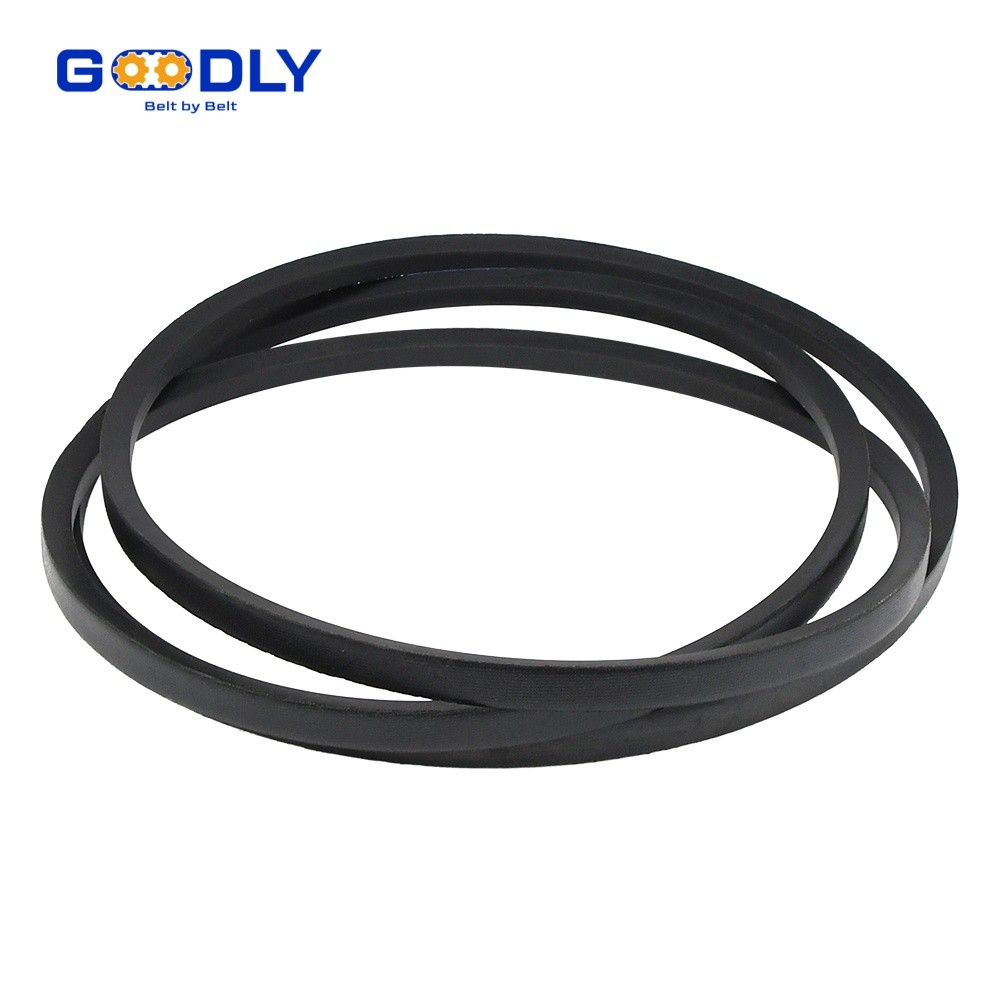 Multi-Groove Belt
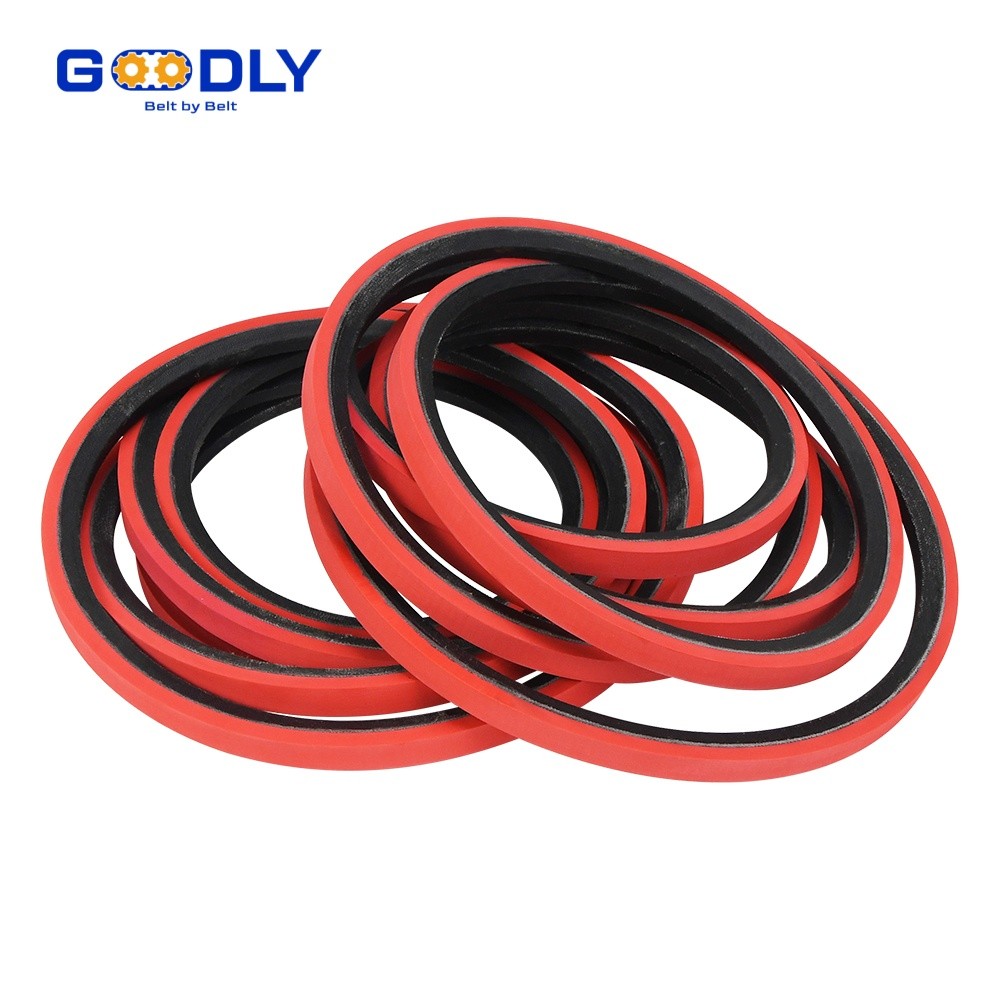 V-Belt
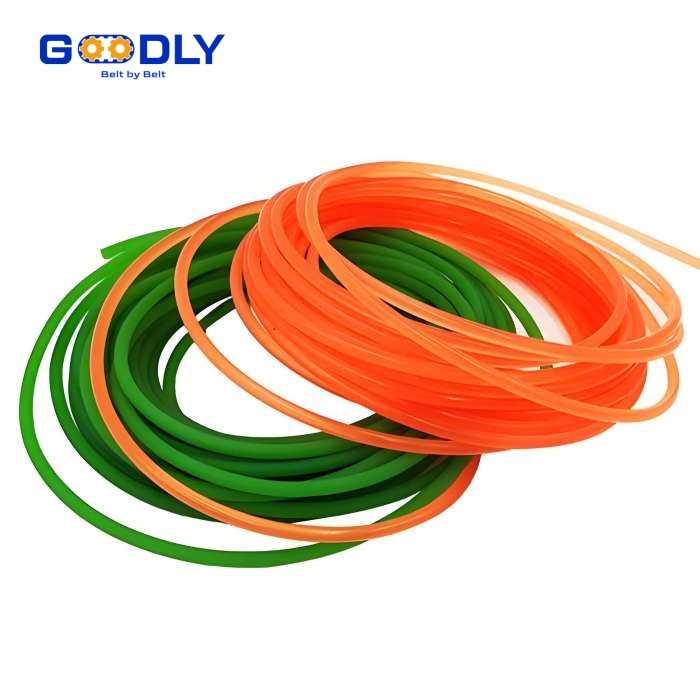 PU Round Belt
What is the minimum pulley diameter for a vulcanized belt?
Direct answer: A workable starting point for a fabric-carcass vulcanized belt is a pulley diameter of about 30 times the belt thickness, and 40 times or more where the belt runs at high tension, at high speed, in reverse, or with a thick cover. A 10 mm belt therefore wants roughly 300 mm as a minimum, and 400 mm or more on demanding duty. The vulcanized joint is thicker and stiffer than the belt body, so the joint is normally what limits the pulley size, not the belt itself.
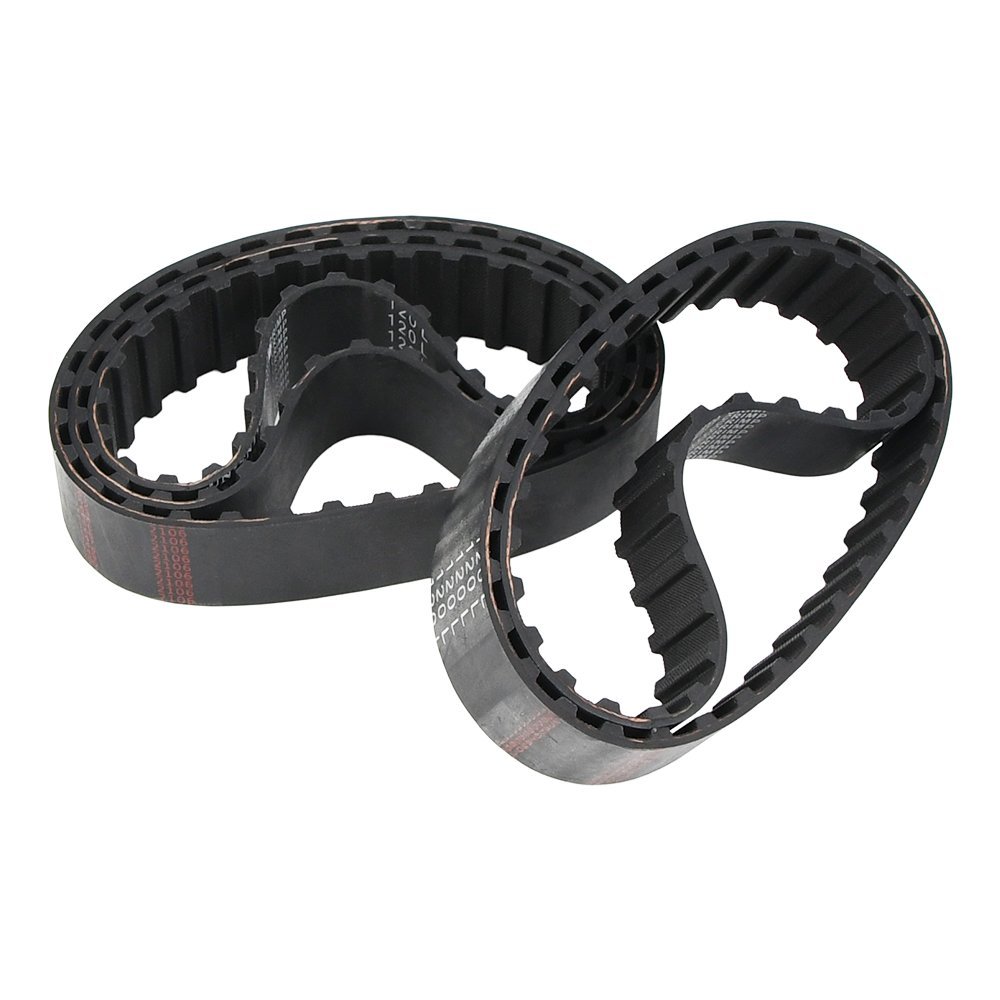
Why the diameter matters more than it looks
Every time the belt passes over a pulley, the outer plies are stretched and the inner plies compressed. A small pulley bends the belt sharply, so the difference in strain between the two faces grows, the plies work against each other and heat builds up in the carcass. Do that thousands of times an hour and the belt fails by ply separation or by cracking along the edge, often starting at the joint where the belt is thickest and least flexible.
Starting figures by belt thickness
| Belt thickness | Light to moderate duty | High tension, high speed or reverse |
|---|---|---|
| 6 mm | about 180 mm | about 240 mm |
| 8 mm | about 240 mm | about 320 mm |
| 10 mm | about 300 mm | about 400 mm |
| 12 mm | about 360 mm | about 480 mm |
| With a thick rubber cover | add one step above | go to the next size and check again |
These are starting points derived from the 30 and 40 times thickness rule, not catalogue ratings. Belt makers publish their own minimum pulley tables for each construction, and where a table exists, the table wins.
Four things that push the diameter up
- The joint. A vulcanized splice is thicker than the belt body and has to flex through the same bend, so a jointed belt needs a larger pulley than an endless one of the same thickness.
- Belt speed and pulley revolutions. The same pulley bends the belt more often per hour at higher speed, so the fatigue rate rises even though the geometry has not changed.
- Reverse bending. Running over a snub or backside pulley bends the belt the other way and doubles the flex cycles per pass.
- High tension. Higher tension means higher strain in the outer plies at the same bend radius, which is why the high-tension column moves up.
Checks before you fix the pulley size
- Measure the actual belt thickness and ply count, including any cover, and use that value in the calculation.
- Confirm the tension the drive will actually run at, not the minimum the take-up allows.
- Count the passes per hour over the smallest pulley, including snubs and reverse bends.
- Ask for the belt maker minimum pulley figure for that construction and compare it with the pulley you have.
- If the existing pulley is below the figure, reduce tension, reduce speed, or accept a shorter belt life knowingly rather than discovering it in service.
Confirm the minimum pulley for your belt
Email sales@goodlybelts.com with belt thickness, ply or cover build, belt width, the smallest pulley diameter, belt speed and whether the drive reverses. We will return the minimum pulley diameter for that construction and flag any joint or cover issue.
Ask for pulley sizing
Are you looking for a reliable manufacturer of conveyor belt products?
We can quickly provide customers with market analysis, technical support and customized services.- Name
- Phone
- *Title
- *Content