
We manufacture and customize industrial
motion belts to precisely match mainstream
equipment worldwide.
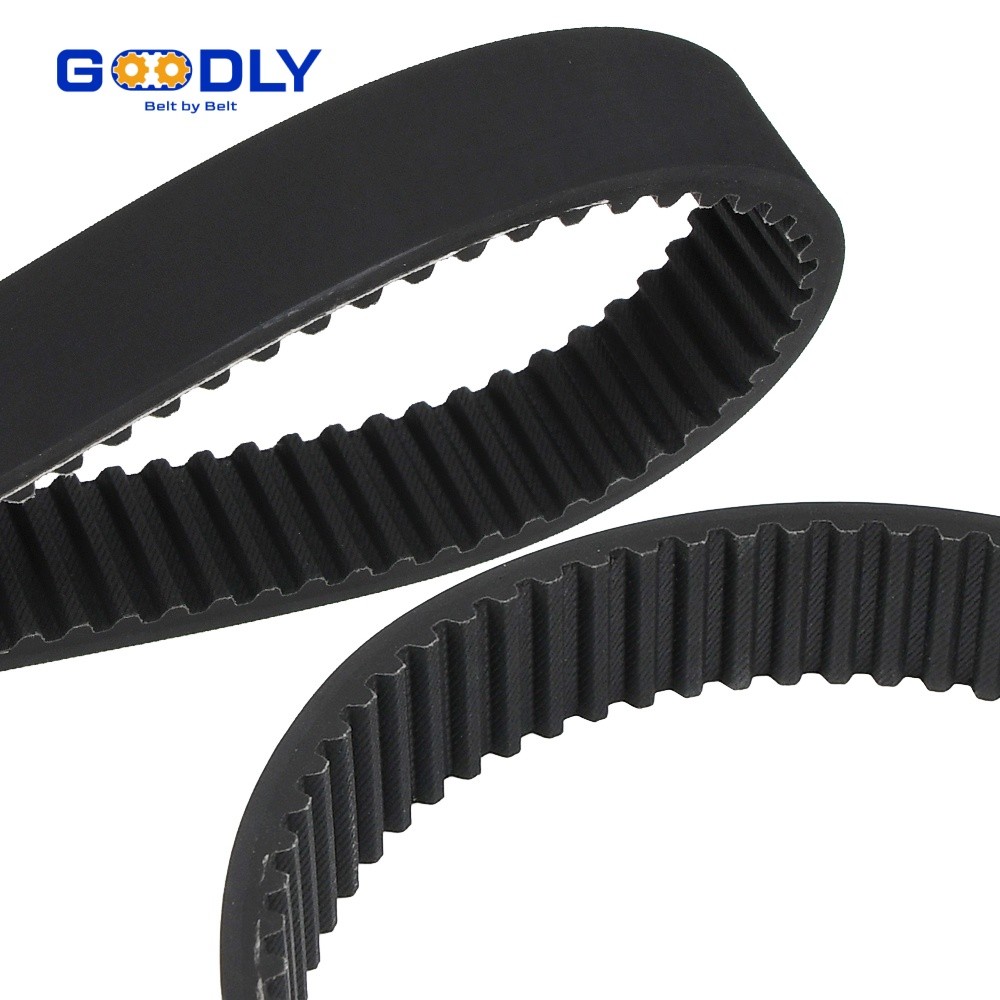 Rubber Timing Belt
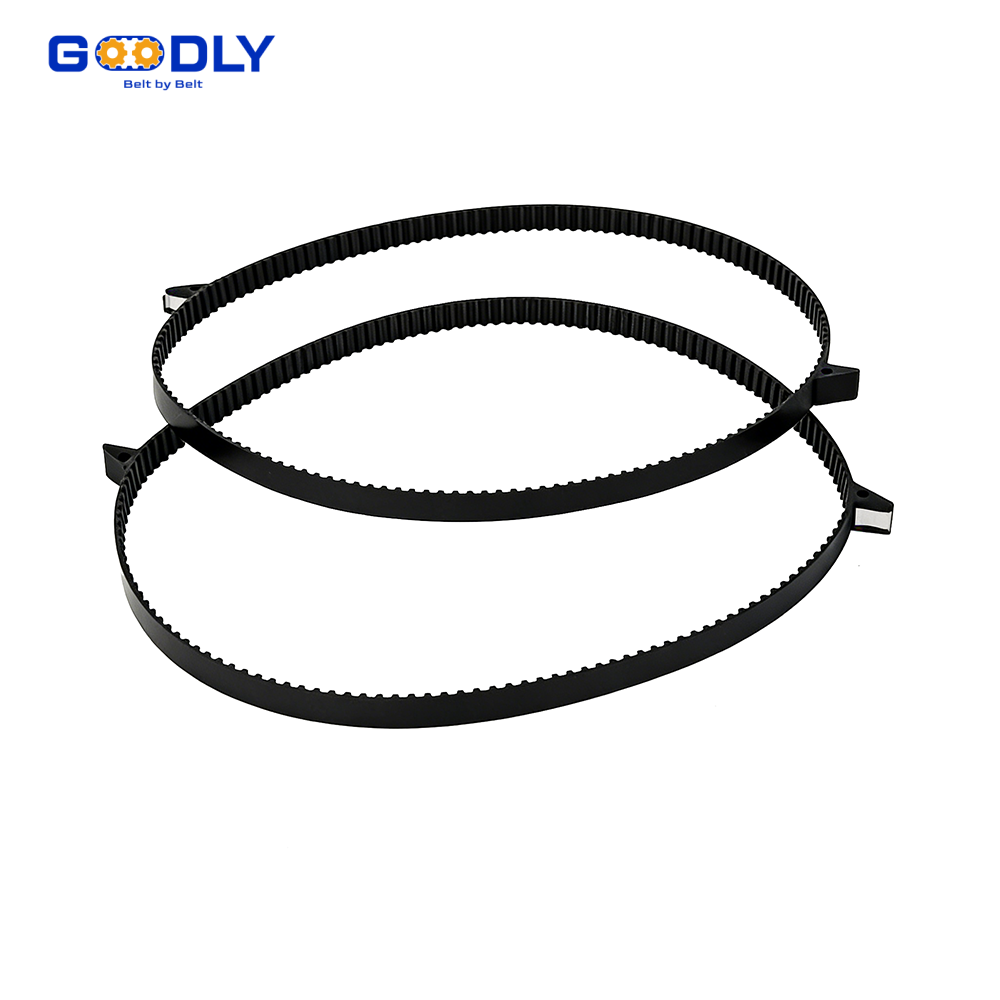 PU Timing Belt
 Silicone Timing Belt
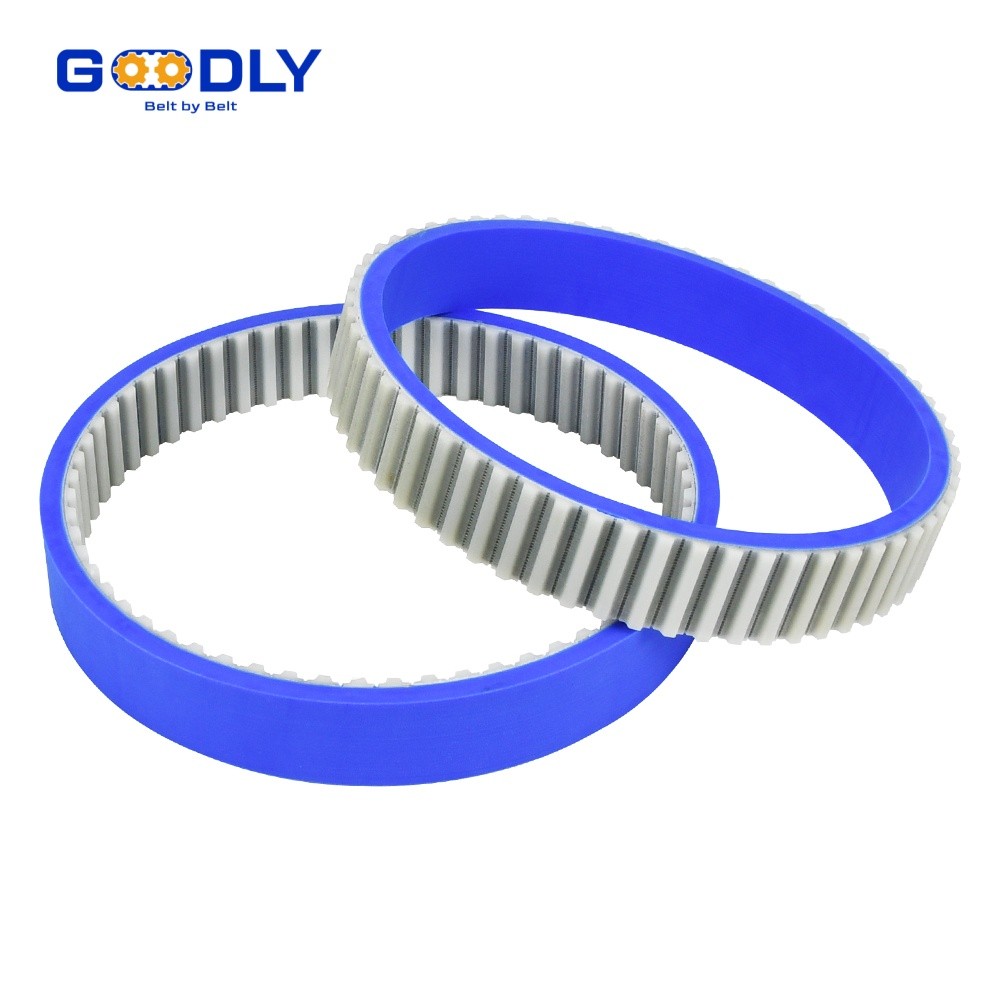 Silicone Vulcanized Timing Belt
 Vulcanized Timing Belt
 Sponge Timing Belt
 Timing Belts with Special Machining
 Rubber Flat Belt
 PU Flat Belt
 Nylon Flat Belt
 Foam Flat Belt
 Vulcanized Flat Belt
 PU Conveyor Belt
 PVC Conveyor Belt
 Rubber Conveyor Belt
 Sponge Conveyor Belt
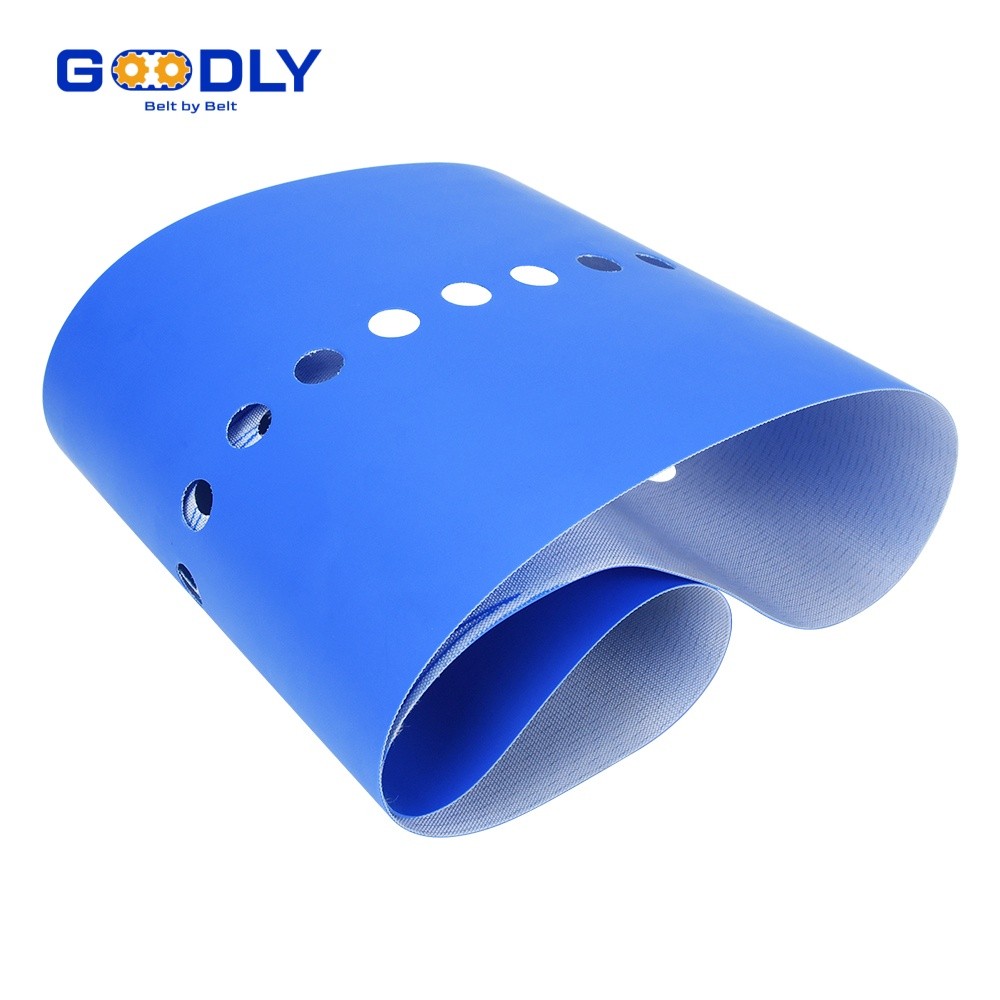 Conveyor Belts with Special Machining
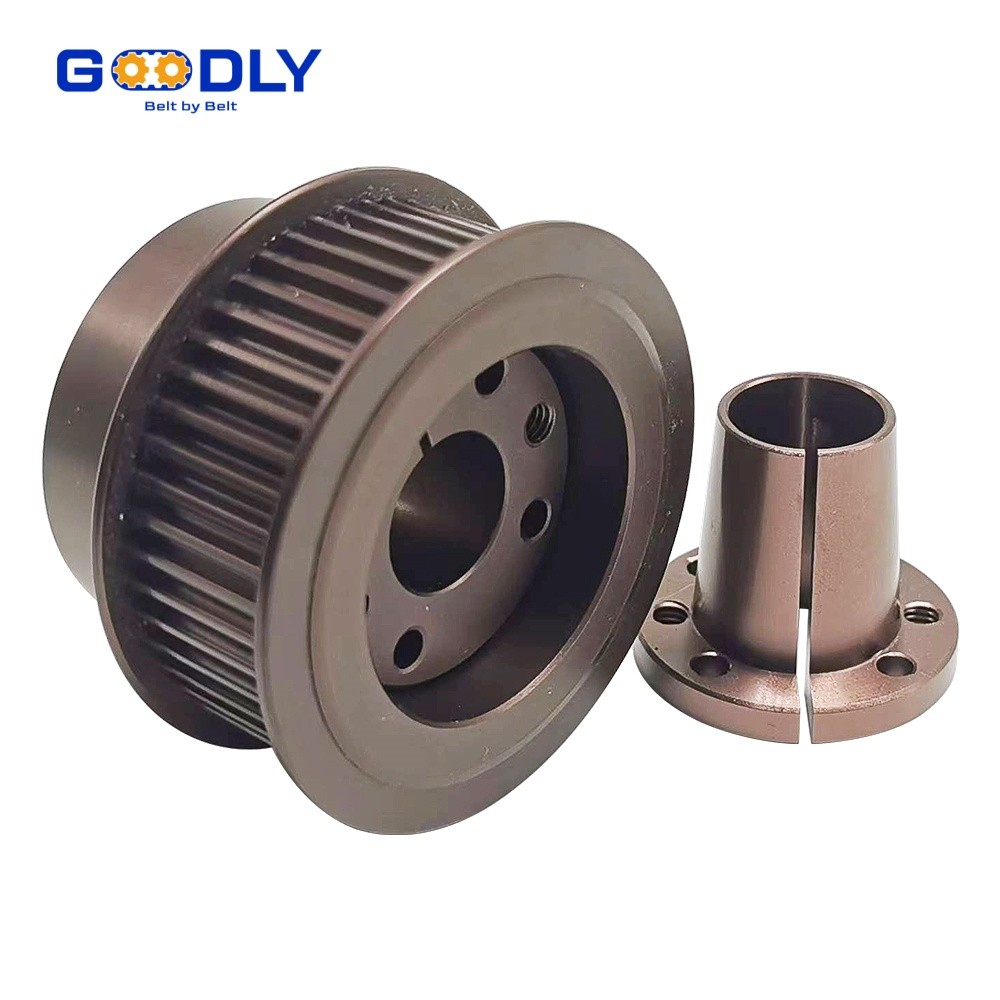 Timing Belt Pulley
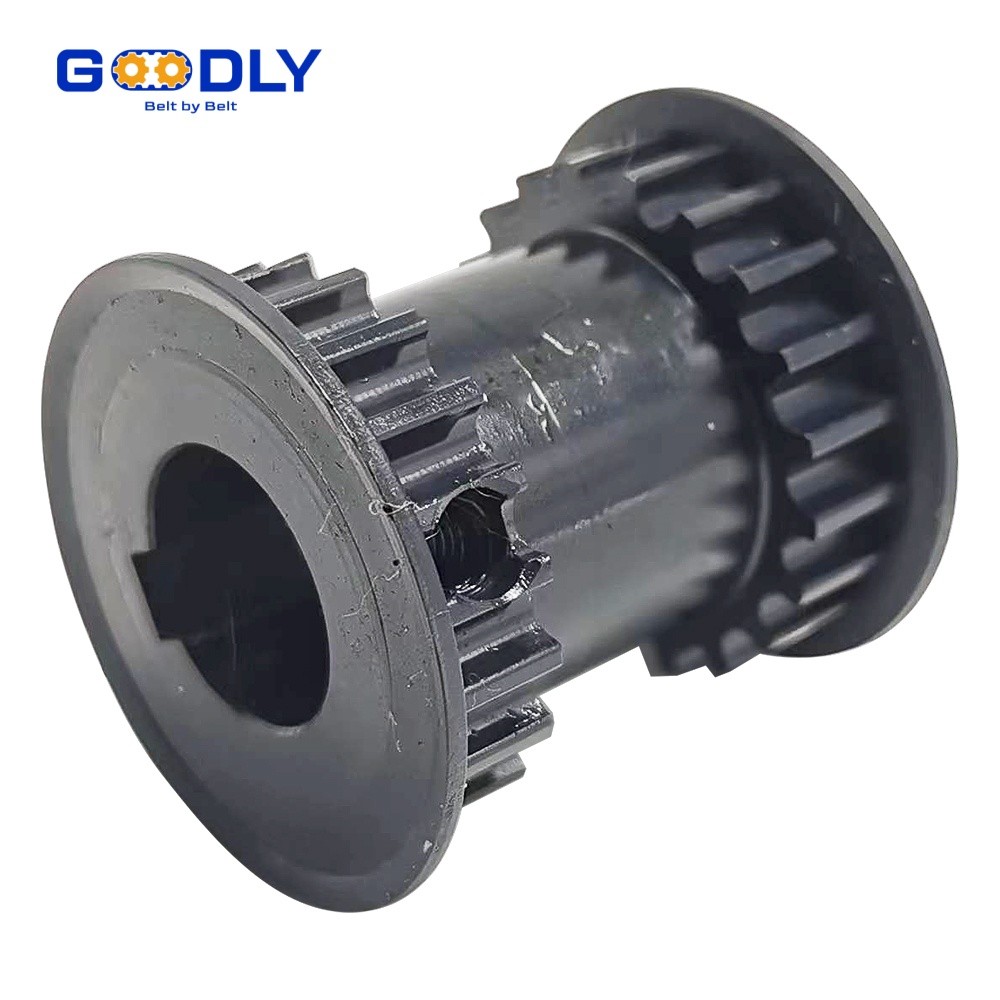 Rod-Shaped Synchronous Timing Pulley
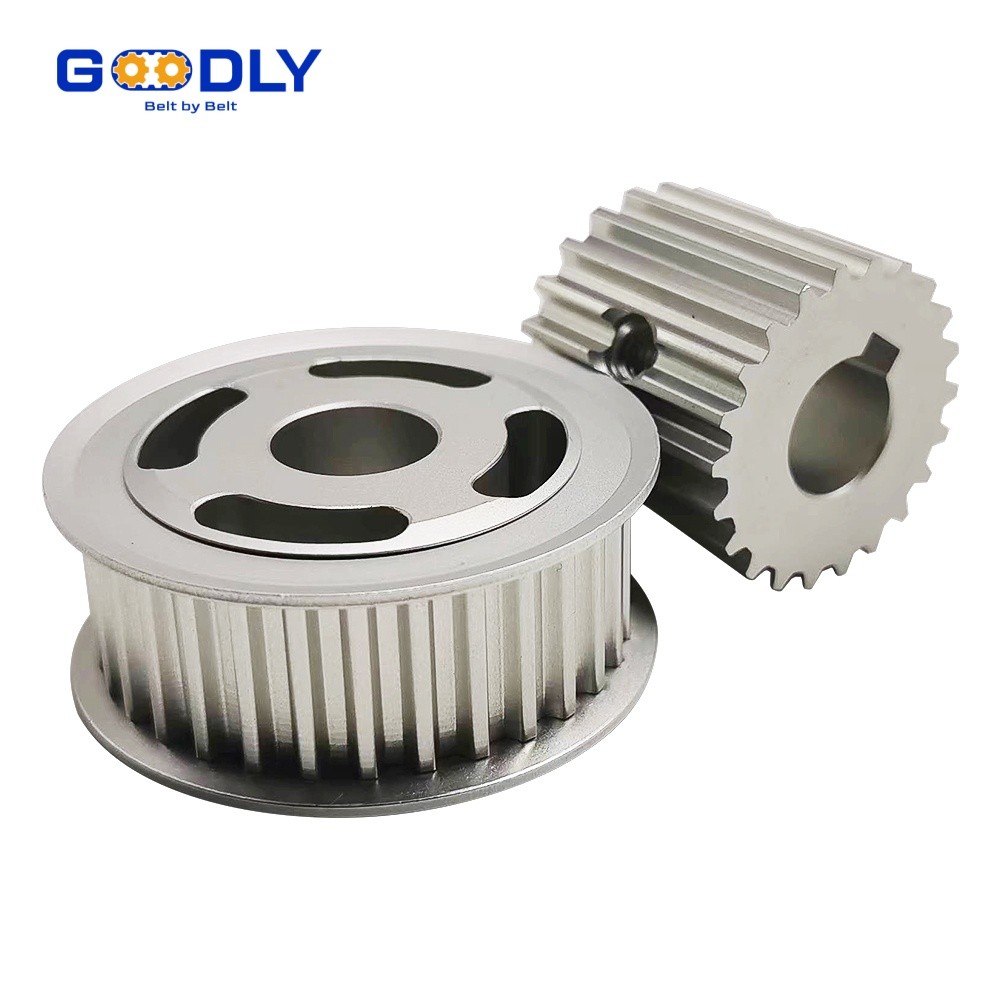 Surface-Pressure-Bearing Timing Pulley
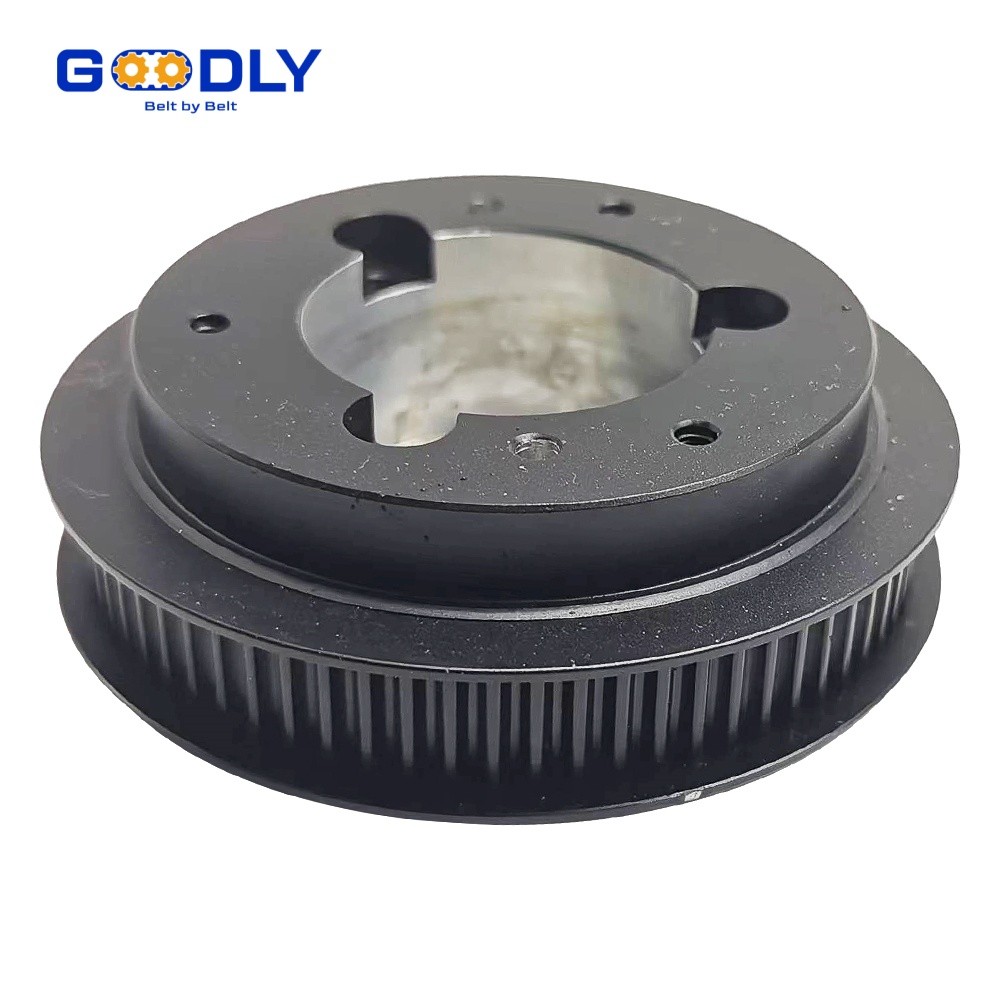 Serrated Idler Gear Timing Pulley
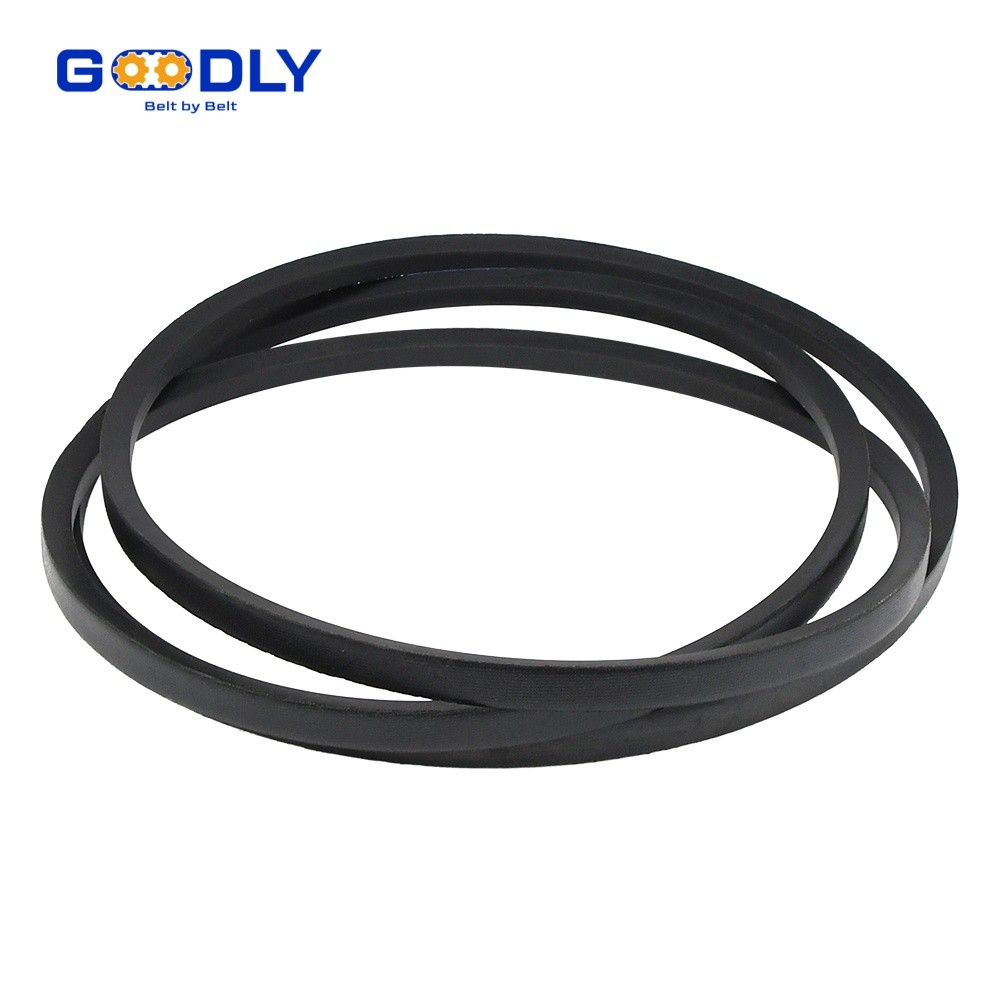 Multi-Groove Belt
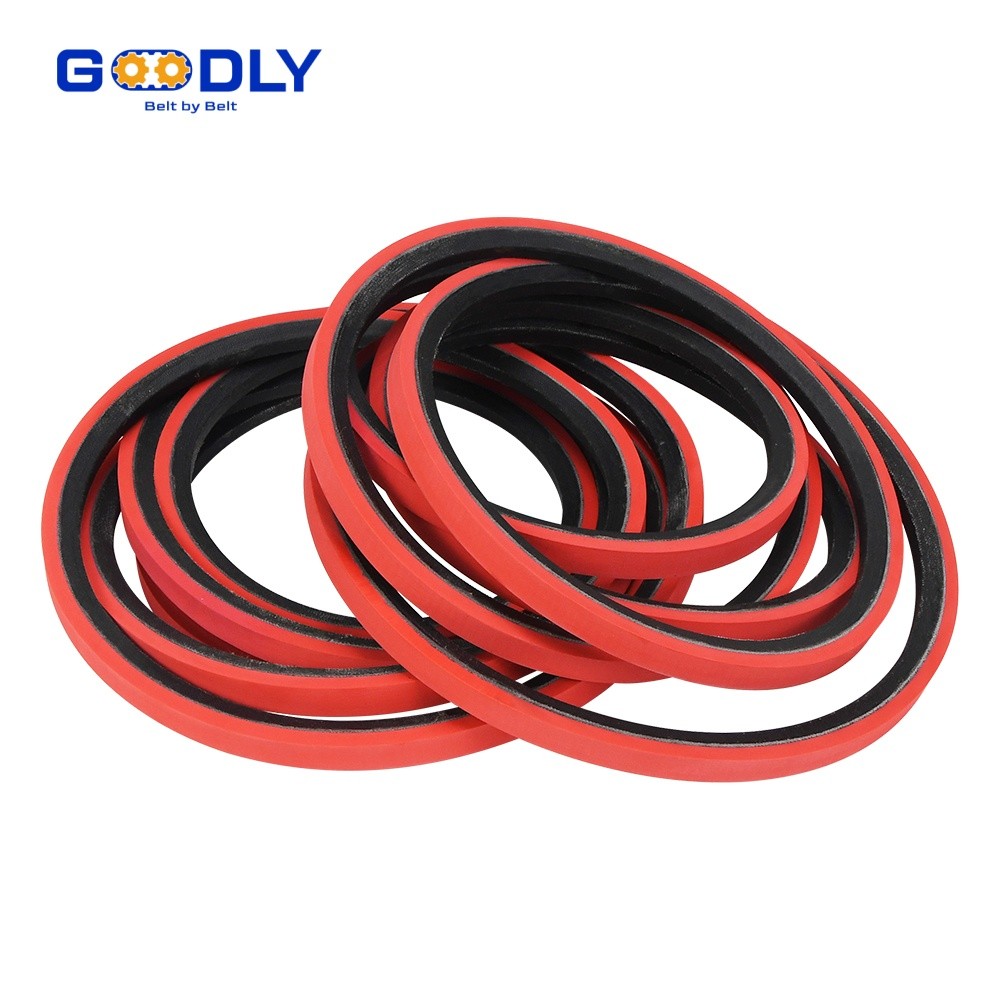 V-Belt
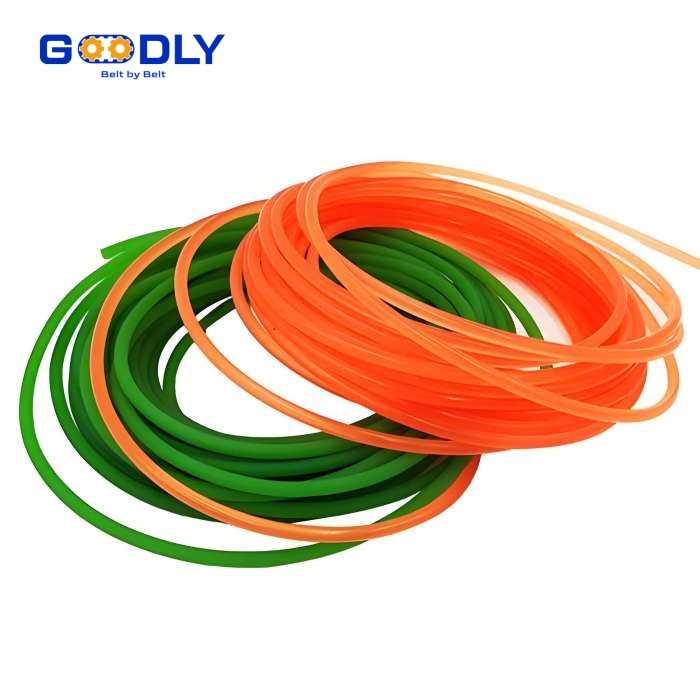 PU Round Belt
Why are the teeth shearing off my PU timing belt?
Direct answer: Sheared teeth are a load problem in most cases, not a bad batch of PU. The common causes are running too loose so the teeth ratchet and then shear, too few teeth in mesh on a small pulley, shock or starting torque above the belt rating, a worn or wrong-profile pulley, and edge loading from misalignment. Identify which pattern you have before ordering a replacement, because a new belt in the same drive will fail the same way.
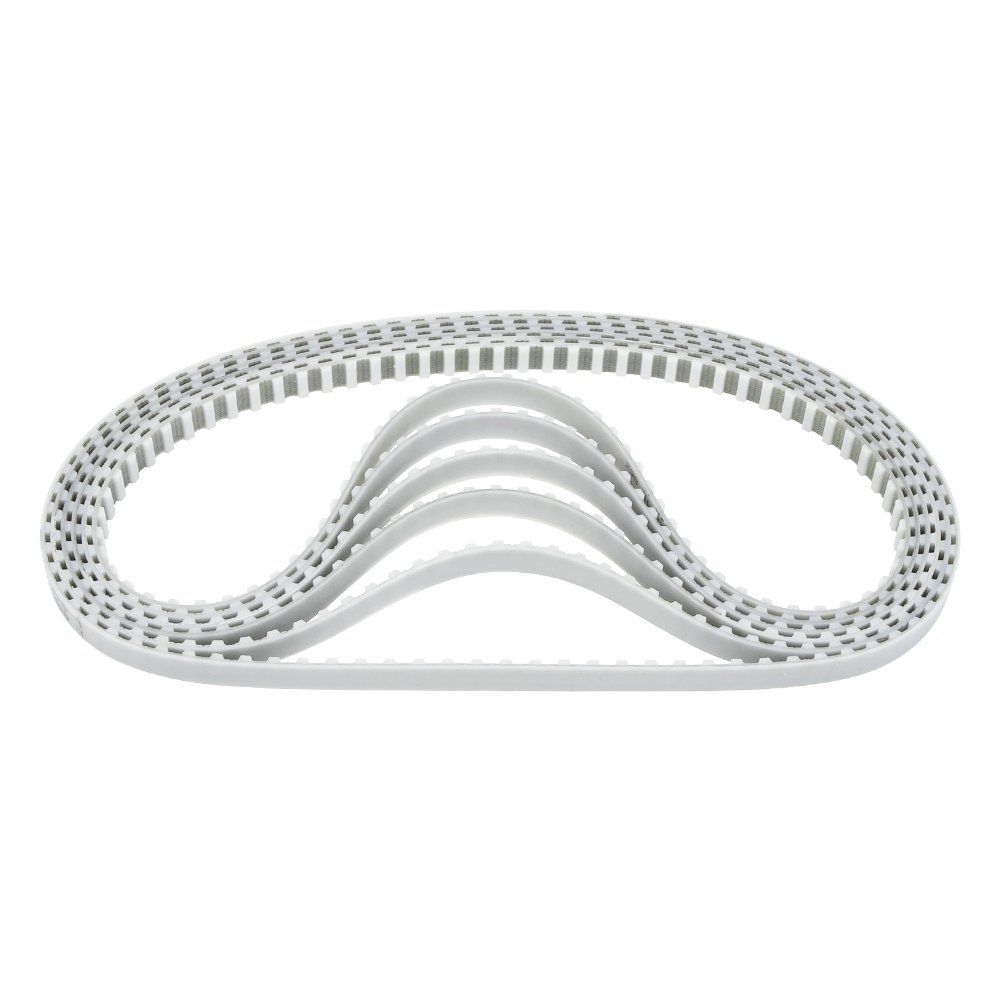
Read the failure pattern first
| What the belt shows | Most likely cause | What to check |
|---|---|---|
| Teeth sheared cleanly at the root over a long section | Gross overload or a jammed driven machine | Starting torque, jam protection, actual driven load |
| Teeth rounded and polished before shearing | Under-tension, teeth ratcheting in the grooves | Sag on the slack side, take-up position, tension setting |
| Shear concentrated on one edge | Misalignment or a cocked pulley | Straight edge across pulley faces, frame squareness |
| Shear on a small pulley only | Too few teeth in mesh, high tooth load | Count engaged teeth, pulley diameter, belt width |
| Tooth flanks worn thin, then broken | Worn pulley grooves or the wrong tooth profile | Groove wear, profile match, pulley condition |
| Teeth soft, smeared or discoloured | Heat above the belt temperature range | Ambient and surface temperature at the drive |
The five causes worth checking in order
- Tension. A loose belt lets each tooth land on the flank instead of the root, so the tooth is loaded in the weakest direction. Check slack-side sag against the belt maker figure for that width and construction.
- Teeth in mesh. Below roughly six engaged teeth the load per tooth rises steeply. Increase the pulley diameter, add an idler to wrap more teeth, or go to a wider belt.
- Shock and starting load. A direct-on-line start, a reversing drive or a jam sends a torque spike far above the running load. A service factor has to cover that spike, not the average.
- Pulley condition and profile. Worn grooves let the tooth sit deep and rock; a similar-looking profile from another pitch family loads the flank only.
- Alignment and width. A belt running against a flange loses contact area, and the teeth at that edge carry a disproportionate share.
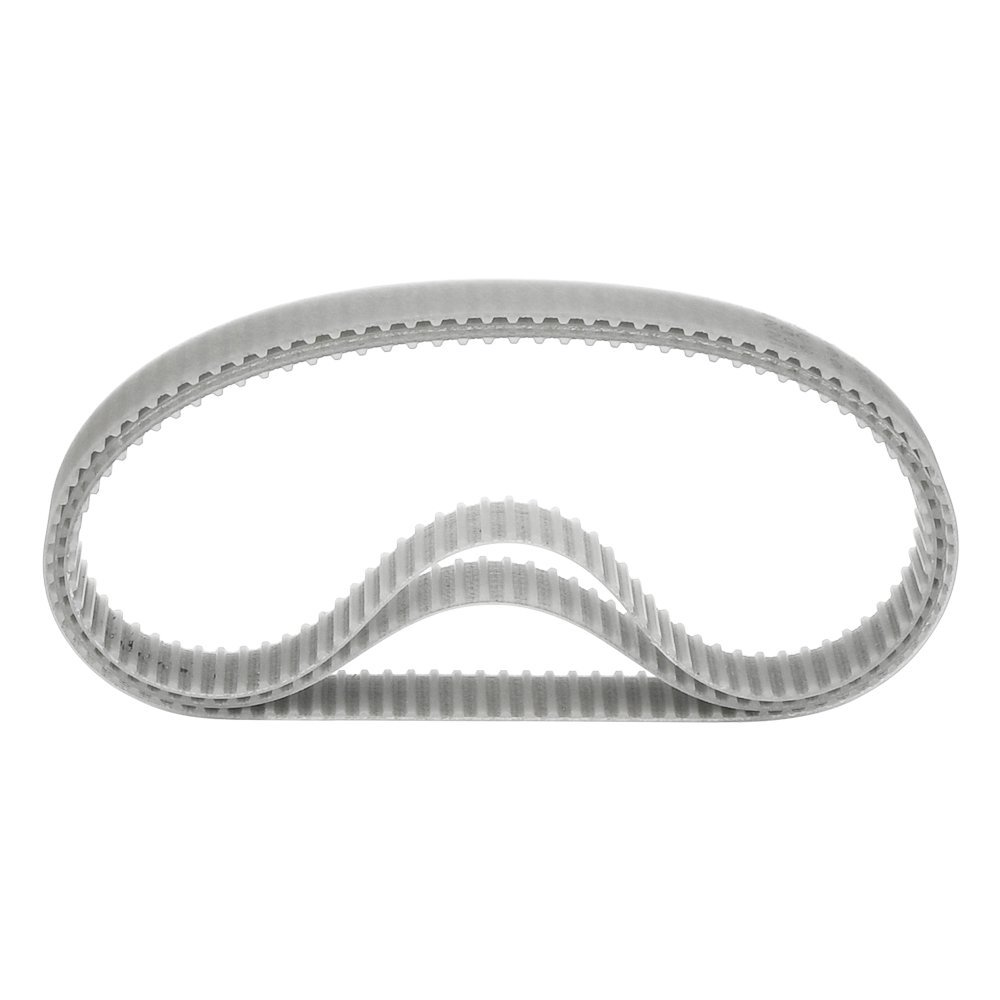
Checks before the replacement goes on
- Measure pulley groove wear and compare the profile with the belt marking, not with what the old belt looks like.
- Confirm the actual running load with a clamp meter or a torque reading rather than the motor nameplate rating.
- Count the teeth in mesh and confirm at least six, more on shock duty.
- Set tension to the figure for that belt, run for a few hours and re-check.
- Record the failure position on the belt length. A repeat failure at the same spot points to a mechanical cause such as a jam or a tight pulley.
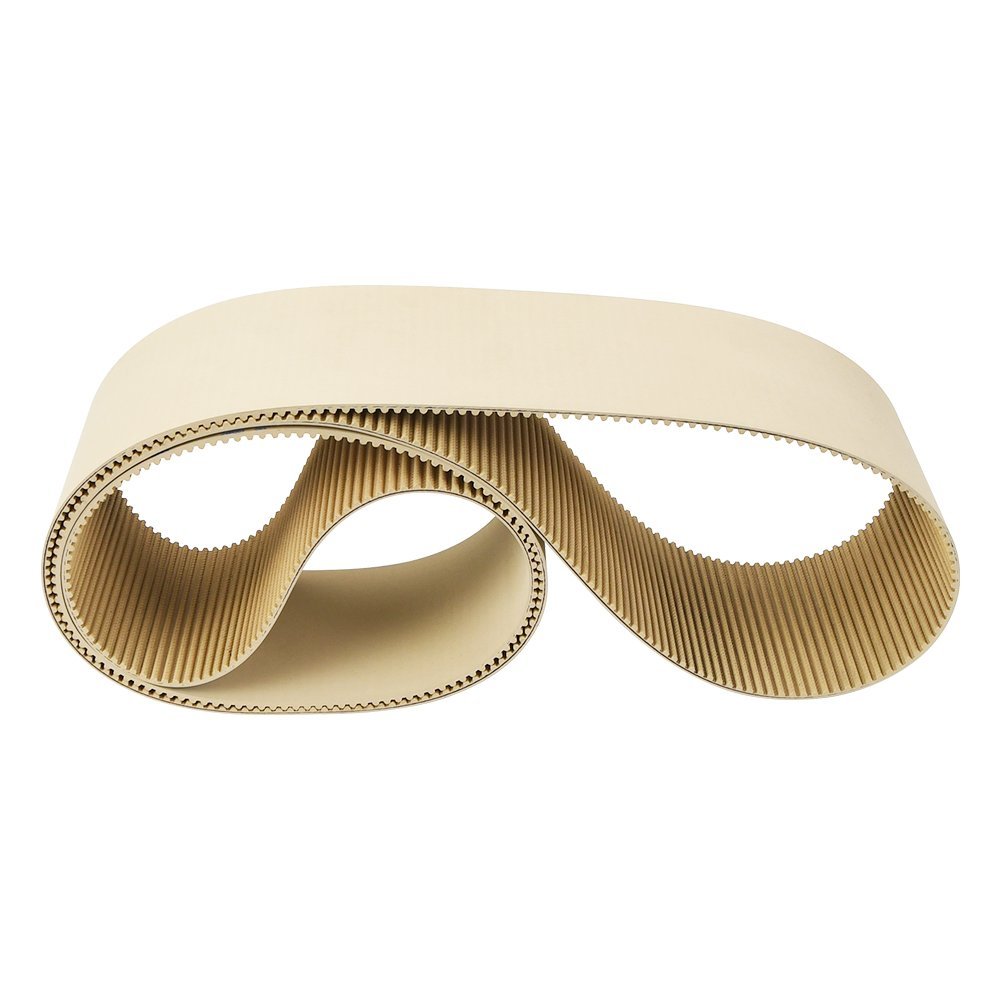
A wider or stronger belt hides the symptom but does not remove an overload. If the driven machine can jam, fix the jam protection as well, otherwise the next failure may be the gearbox instead of the belt.
Send photos of the failed teeth
Email sales@goodlybelts.com with photos of the sheared teeth, the belt marking, pulley tooth counts and diameters, the motor rating and the duty cycle. We will tell you which cause the pattern points to and what belt specification would carry that load.
Get a failure review
Are you looking for a reliable manufacturer of conveyor belt products?
We can quickly provide customers with market analysis, technical support and customized services.We manufacture and customize industrial
motion belts to precisely match mainstream
equipment worldwide.
Please send your message to us
- Name
- Phone
- *Title
- *Content