
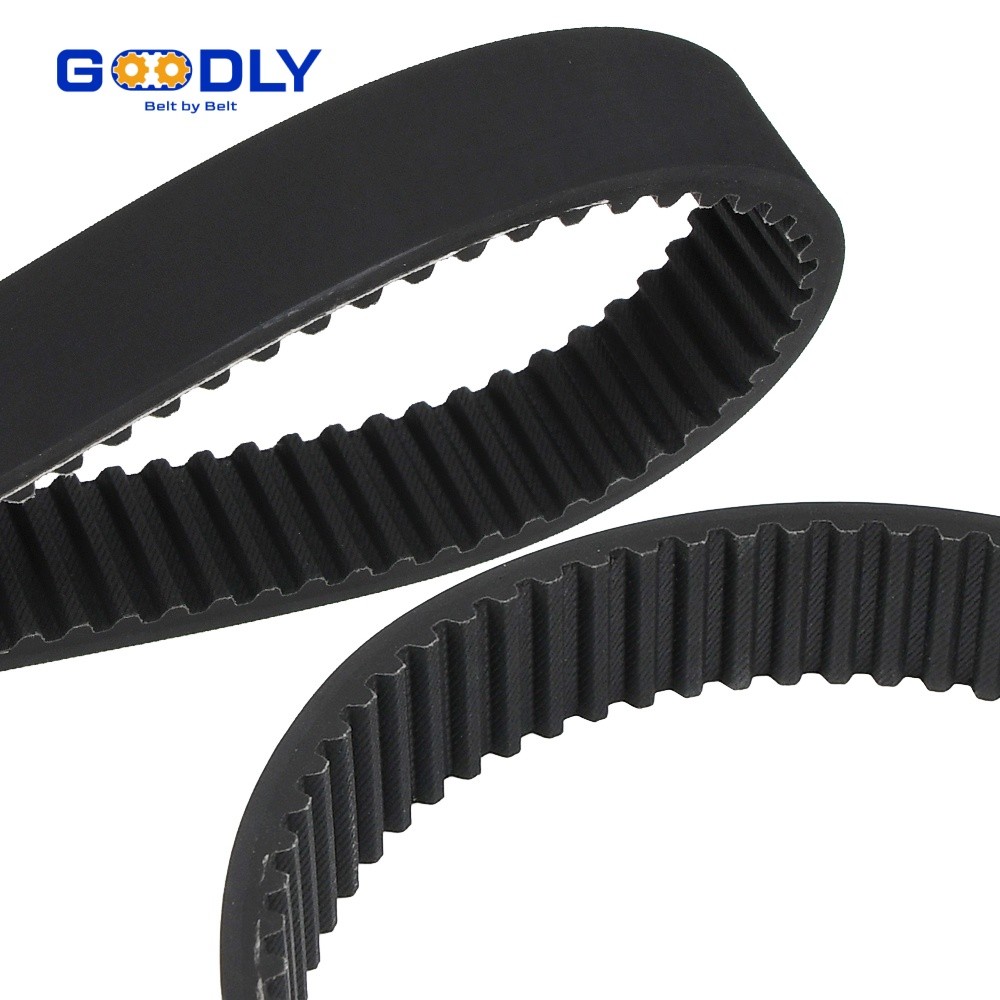
 Rubber Timing Belt
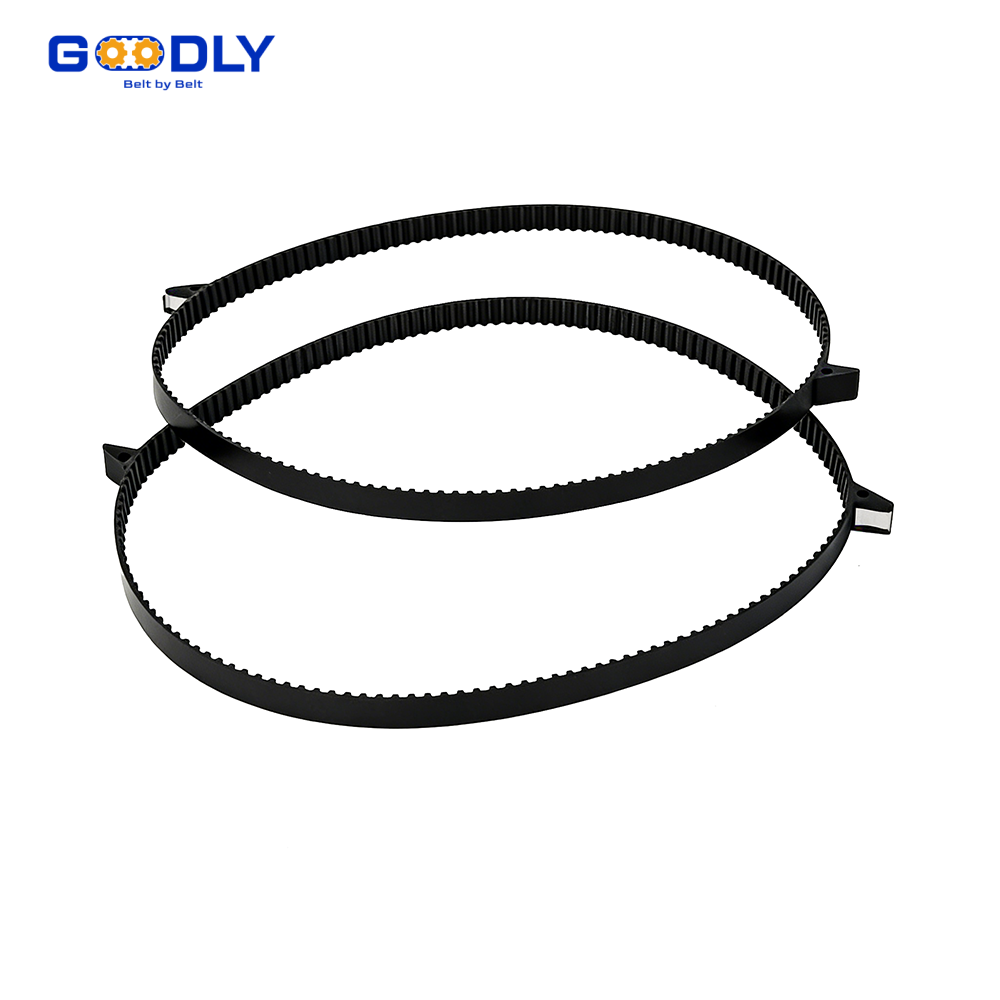 PU Timing Belt
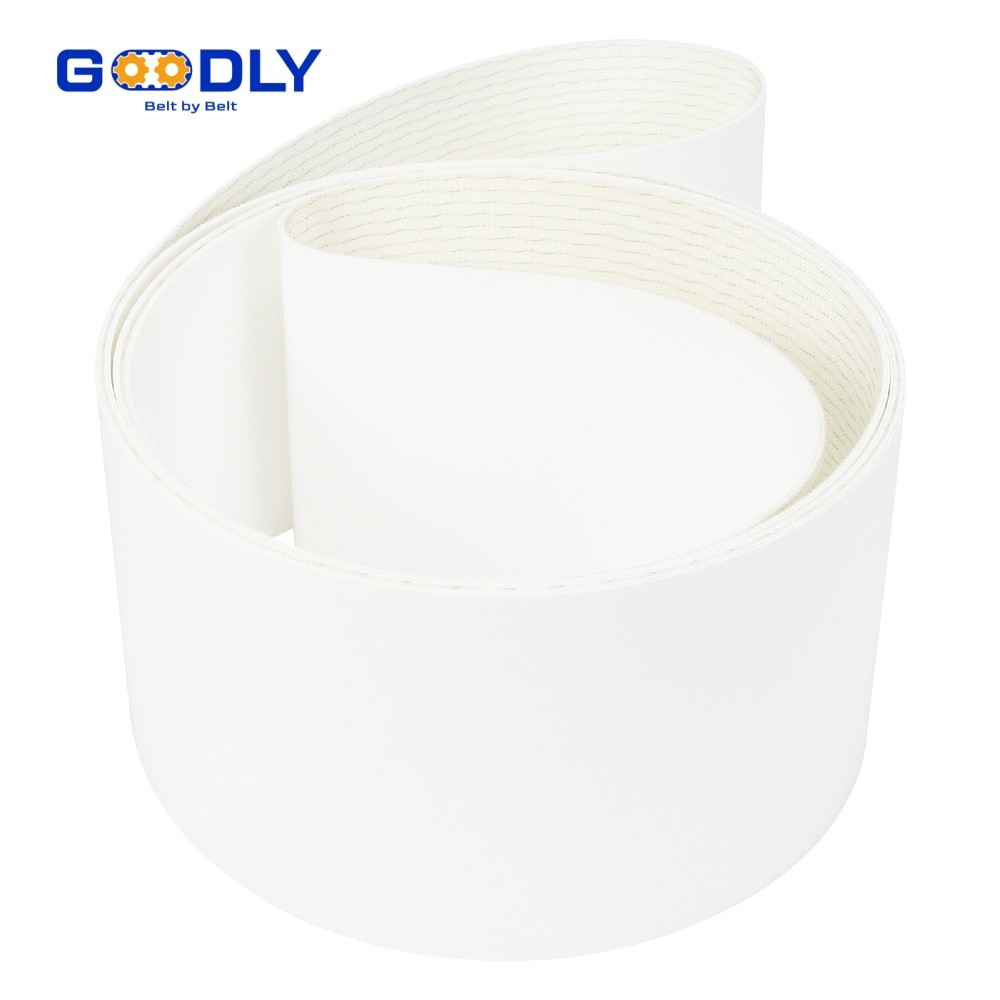 Silicone Timing Belt
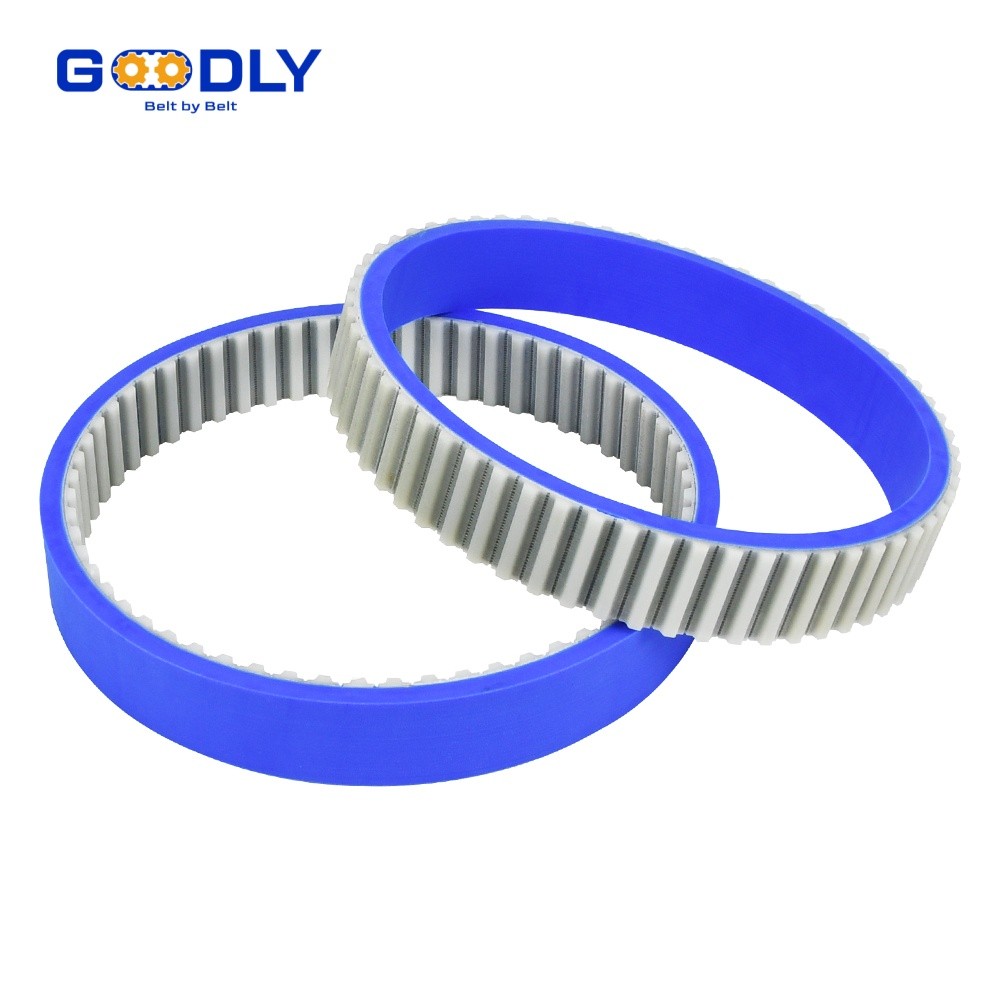 Silicone Vulcanized Timing Belt
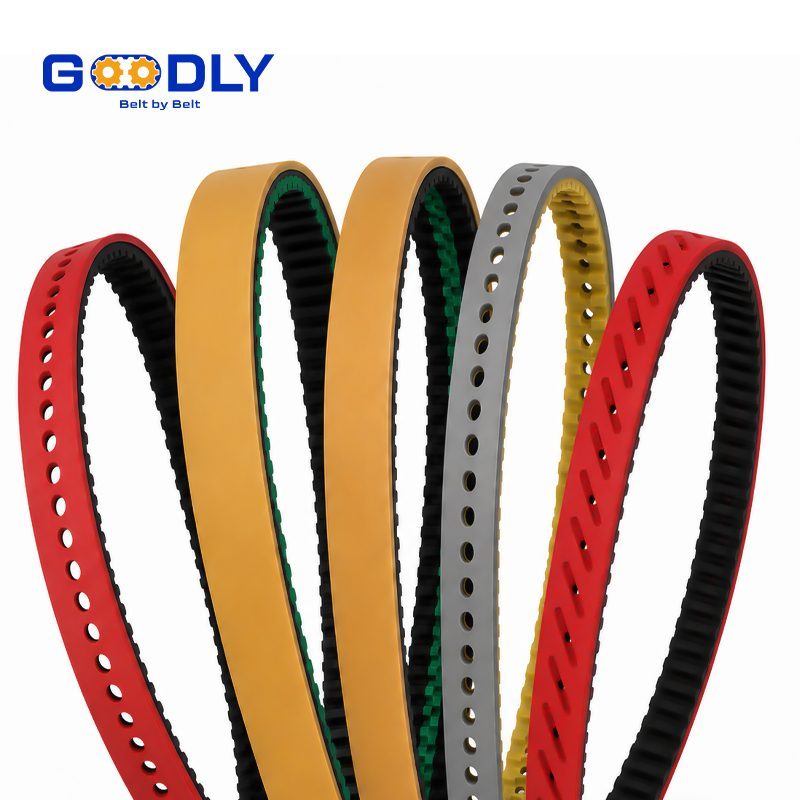 Vulcanized Timing Belt
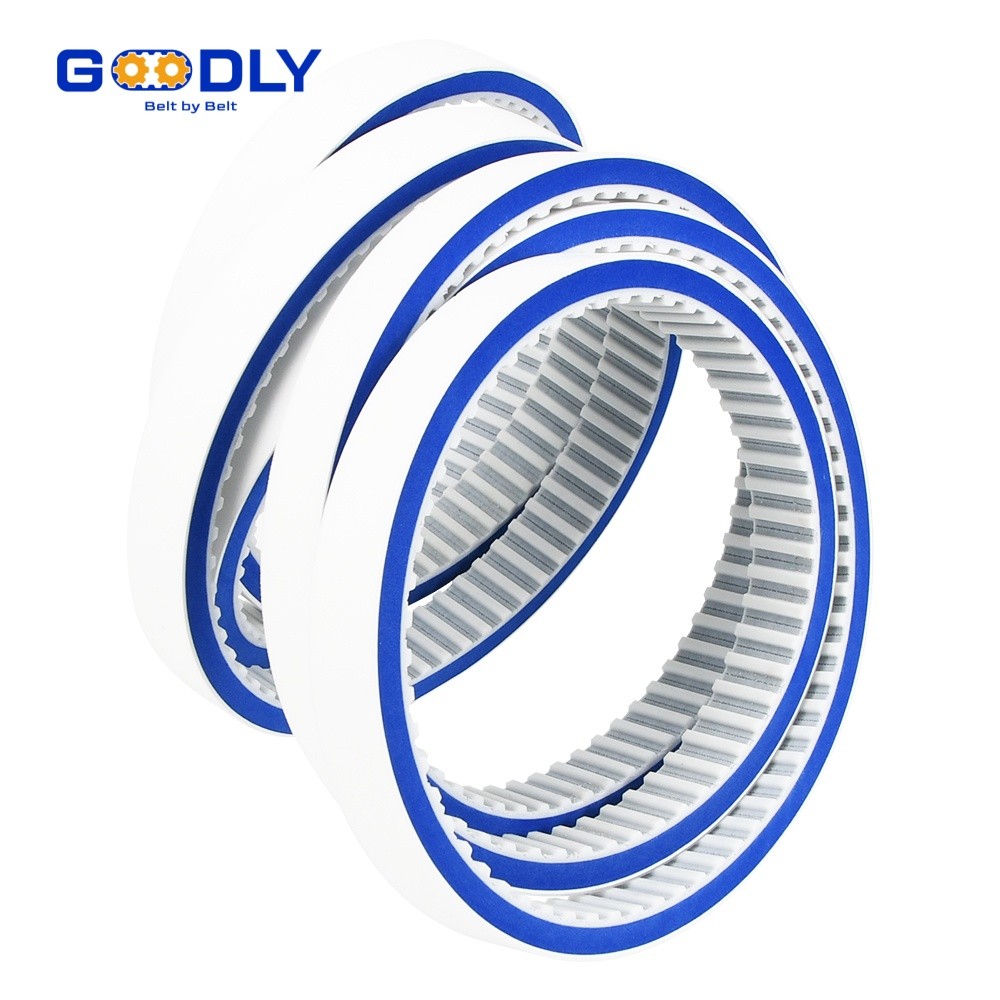 Sponge Timing Belt
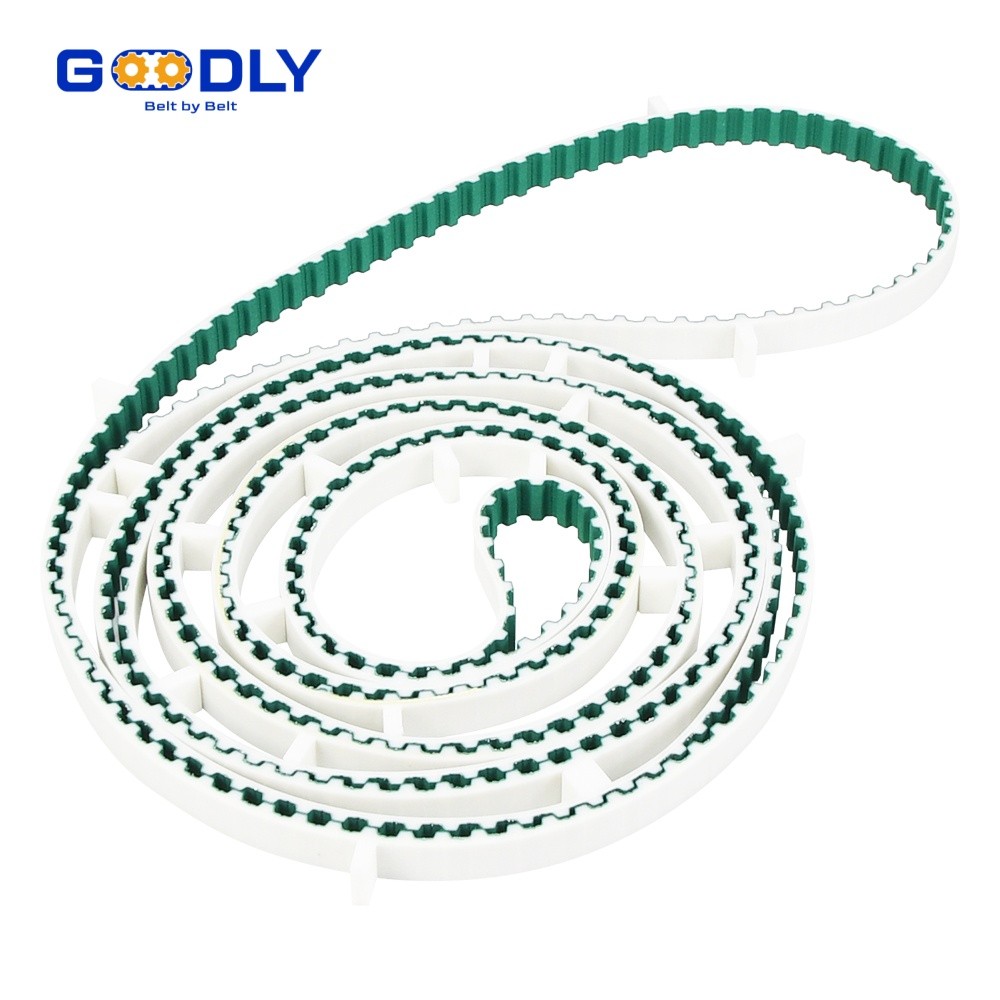 Timing Belts with Special Machining
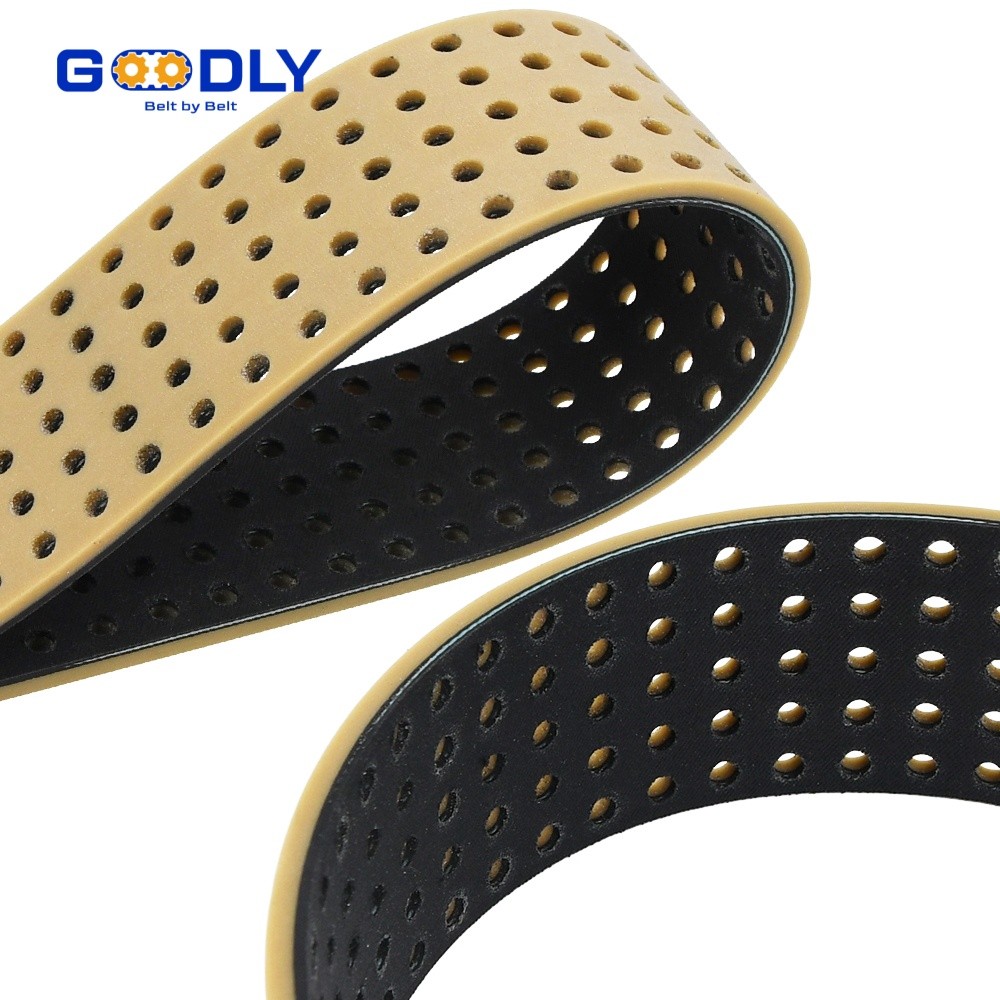 Rubber Flat Belt
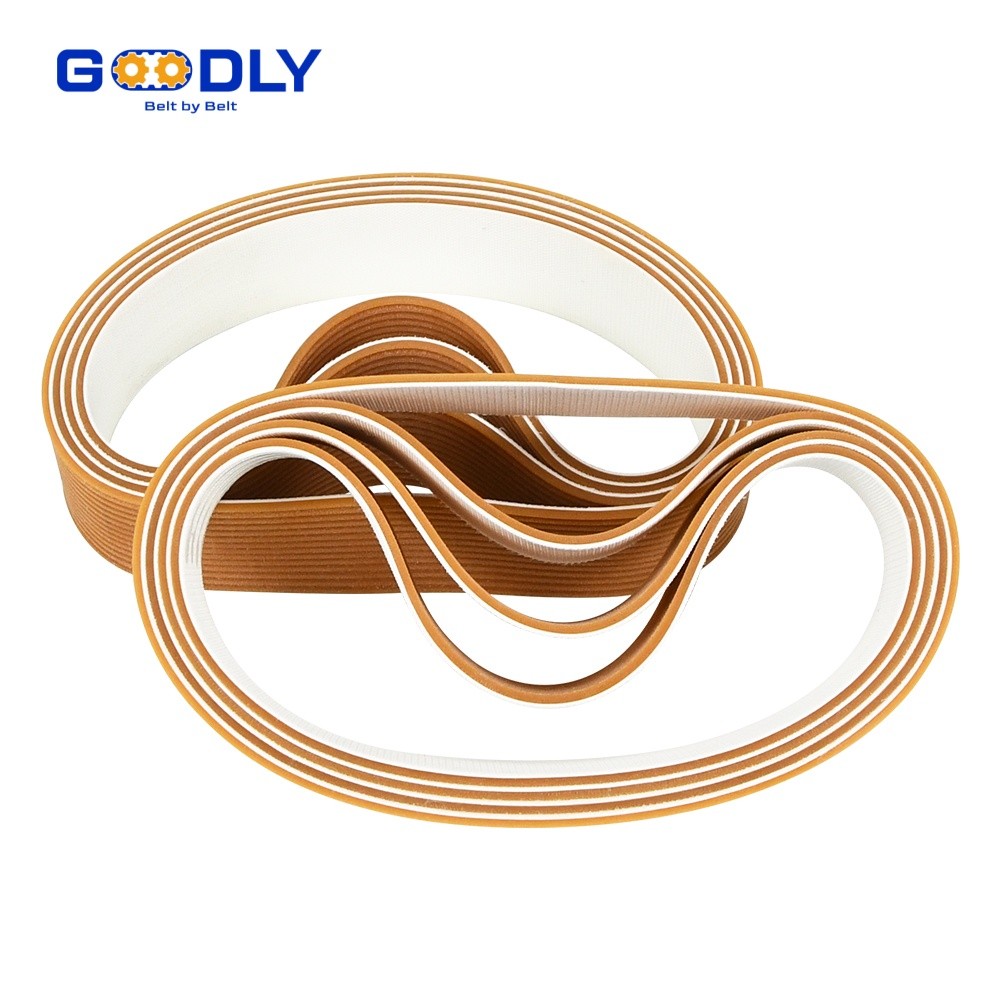 PU Flat Belt
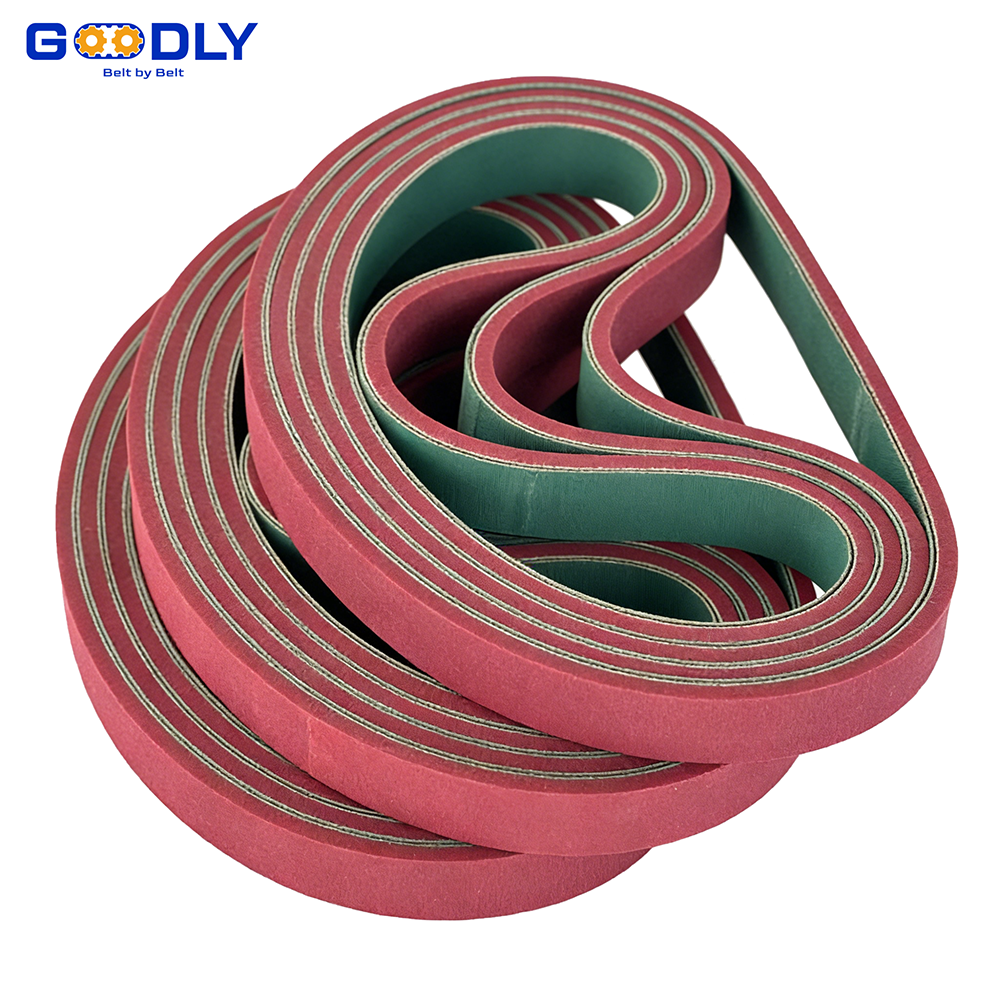 Nylon Flat Belt
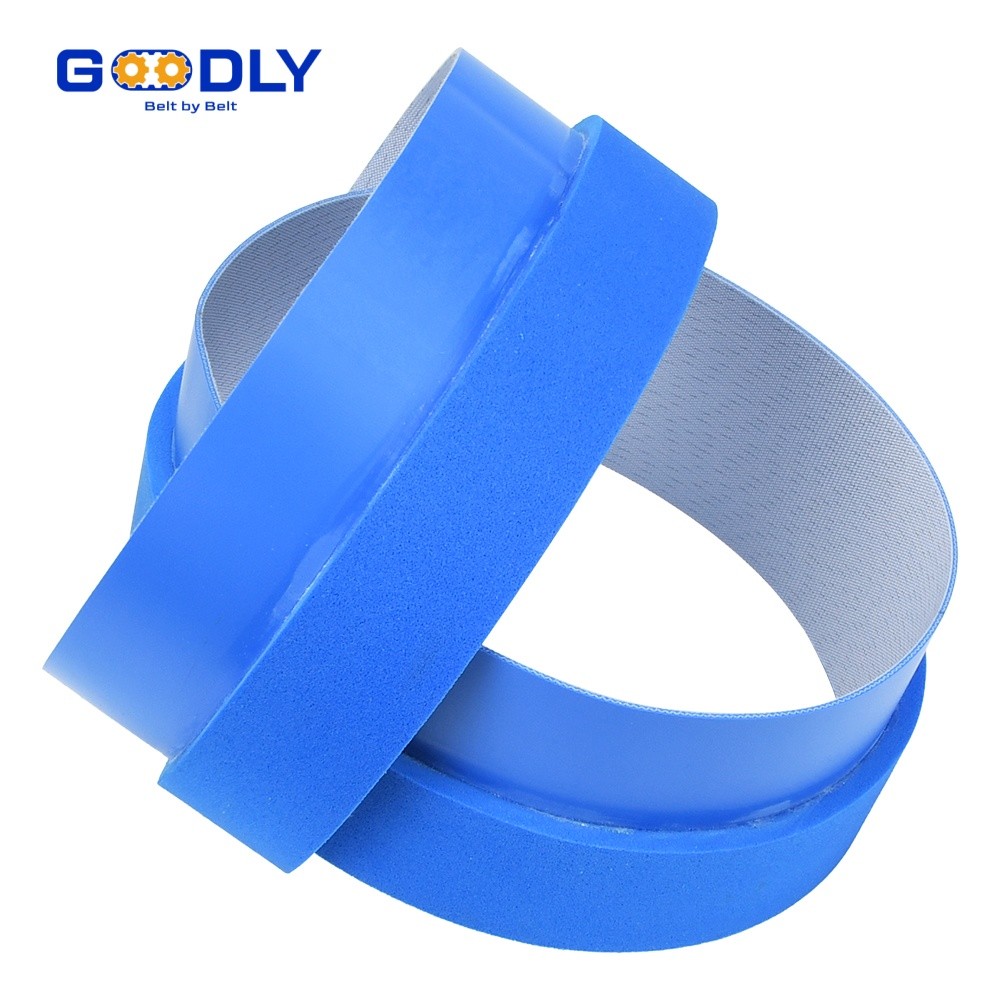 Foam Flat Belt
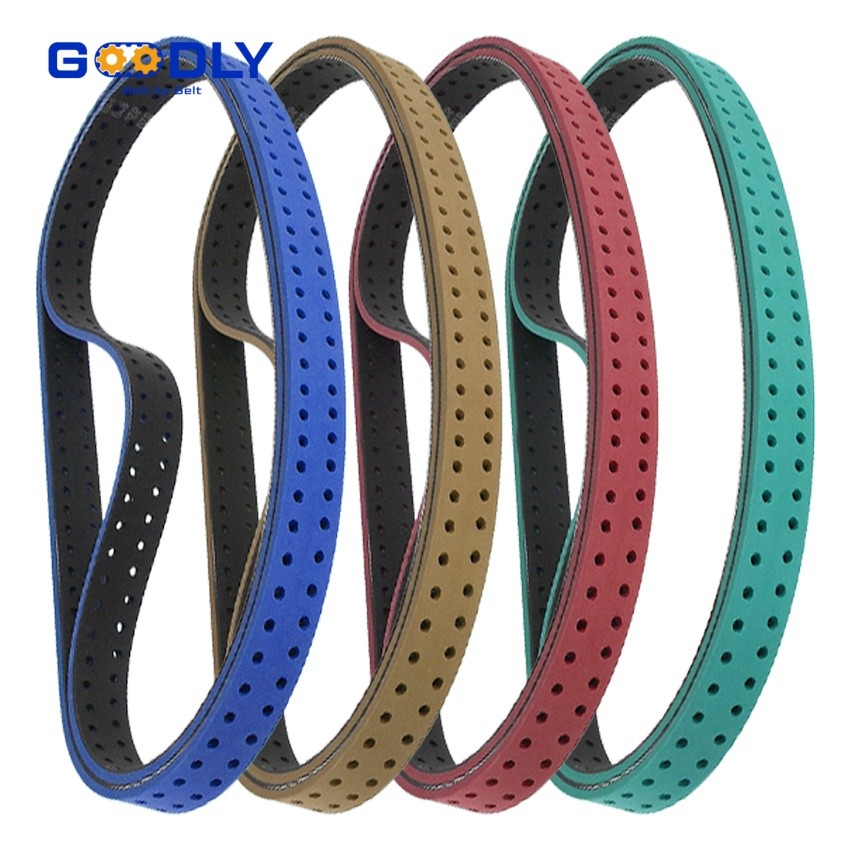 Vulcanized Flat Belt
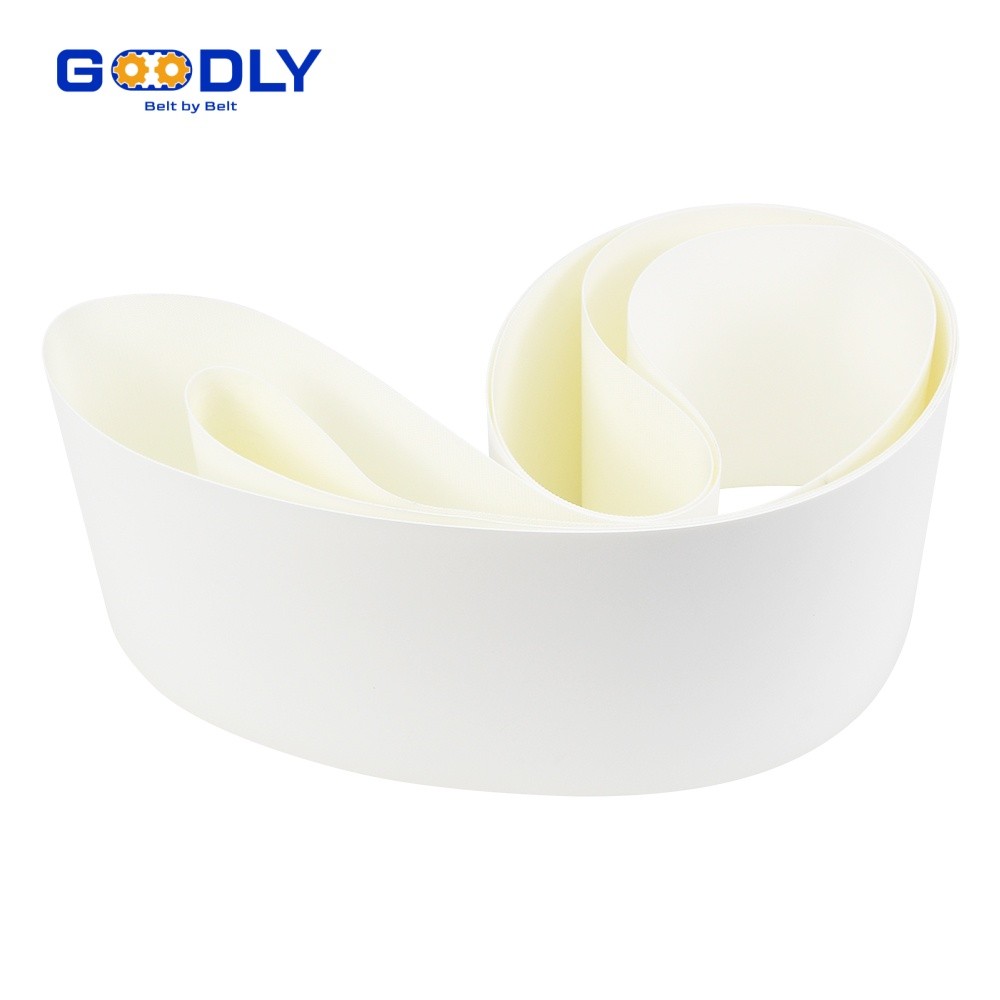 PU Conveyor Belt
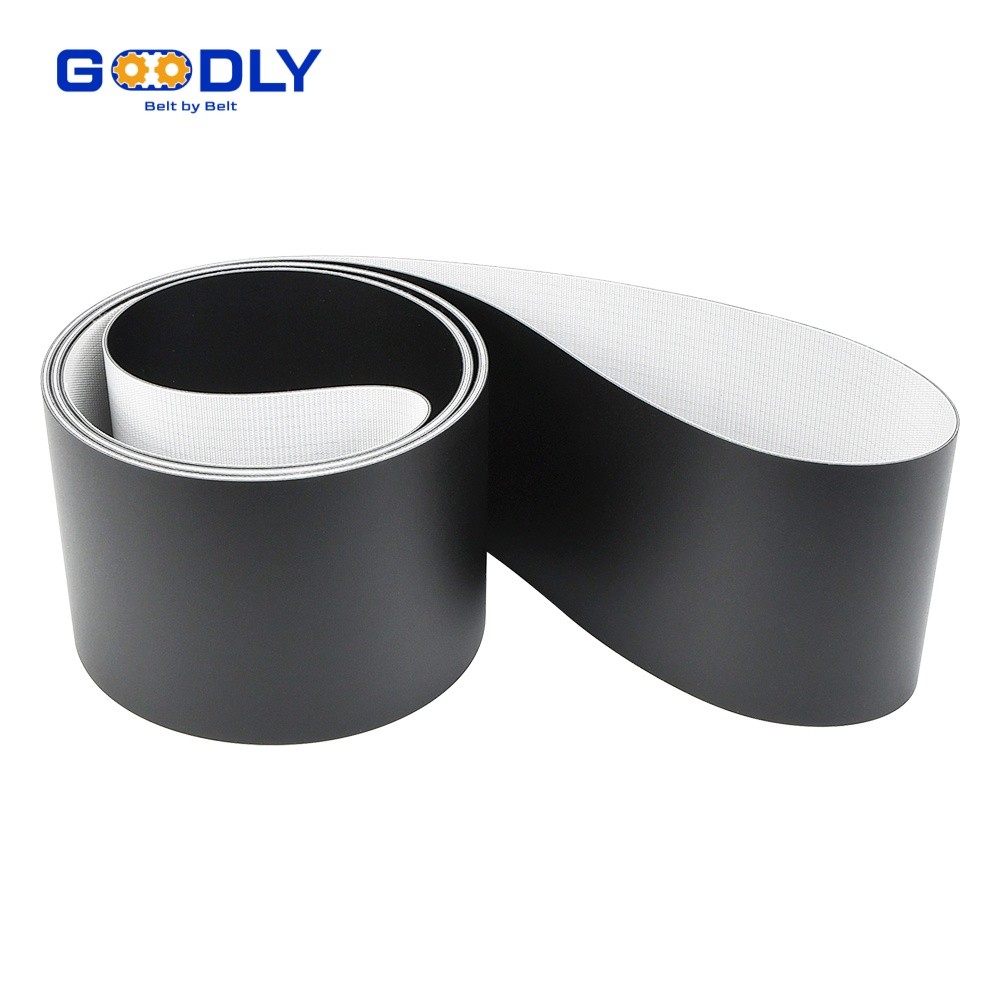 PVC Conveyor Belt
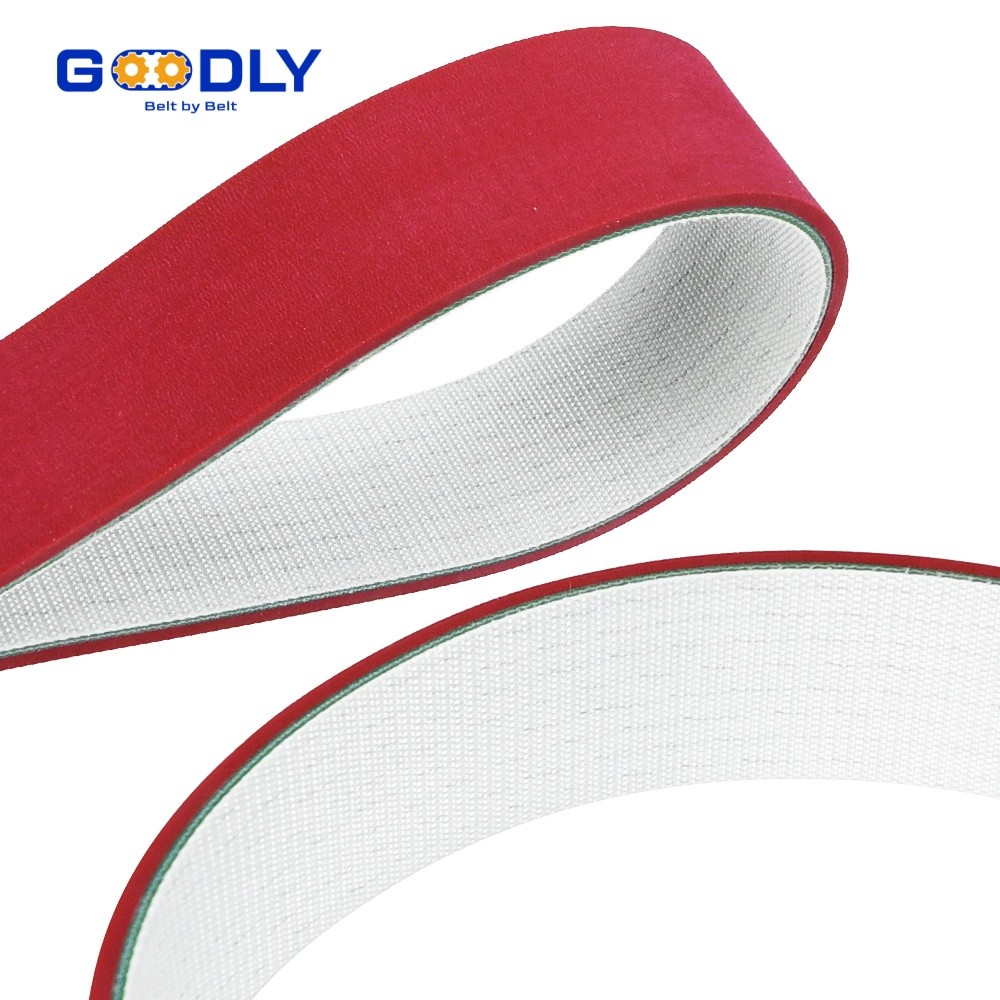 Rubber Conveyor Belt
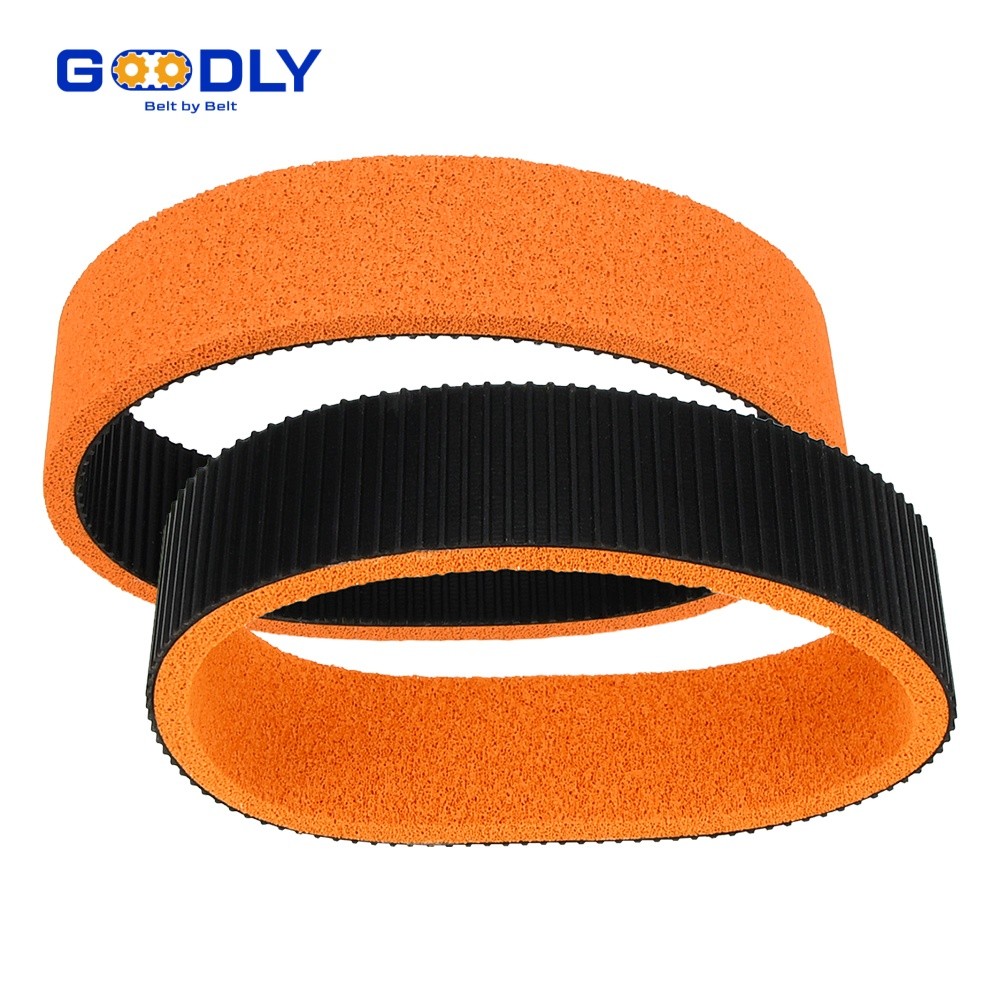 Sponge Conveyor Belt
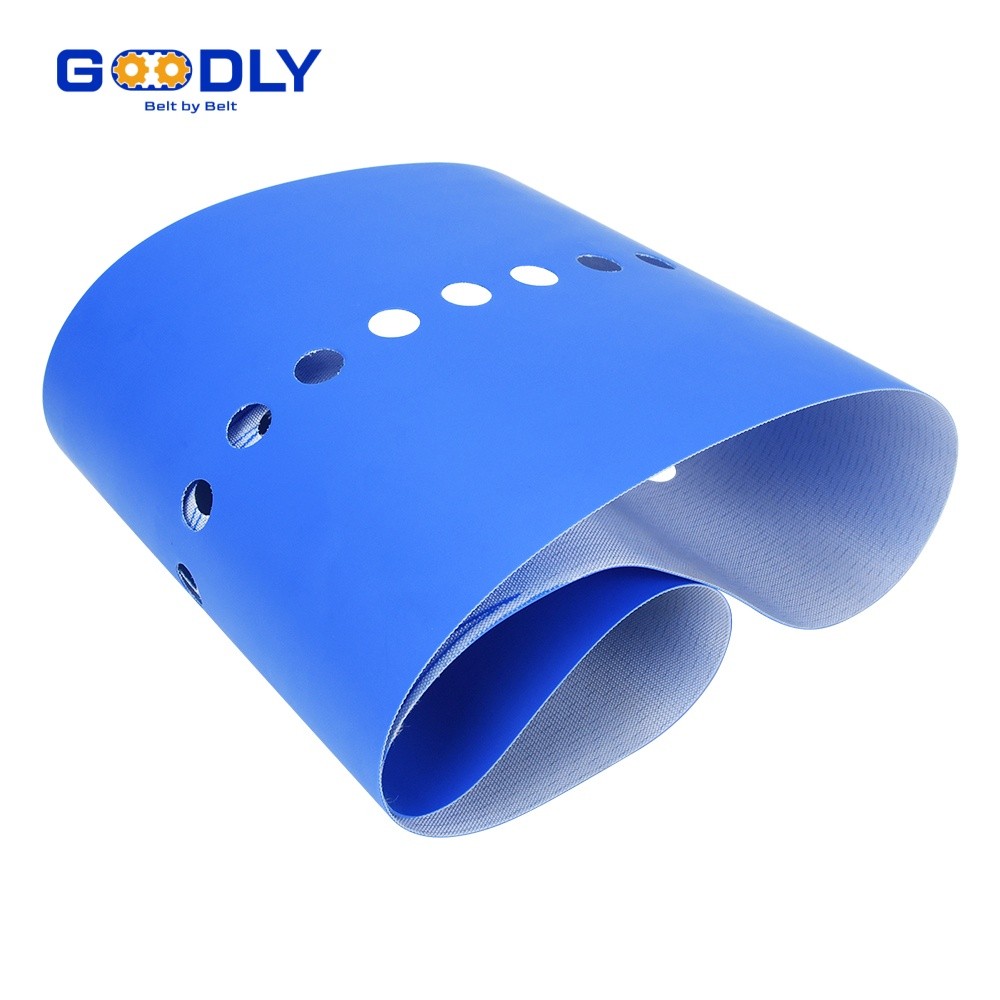 Conveyor Belts with Special Machining
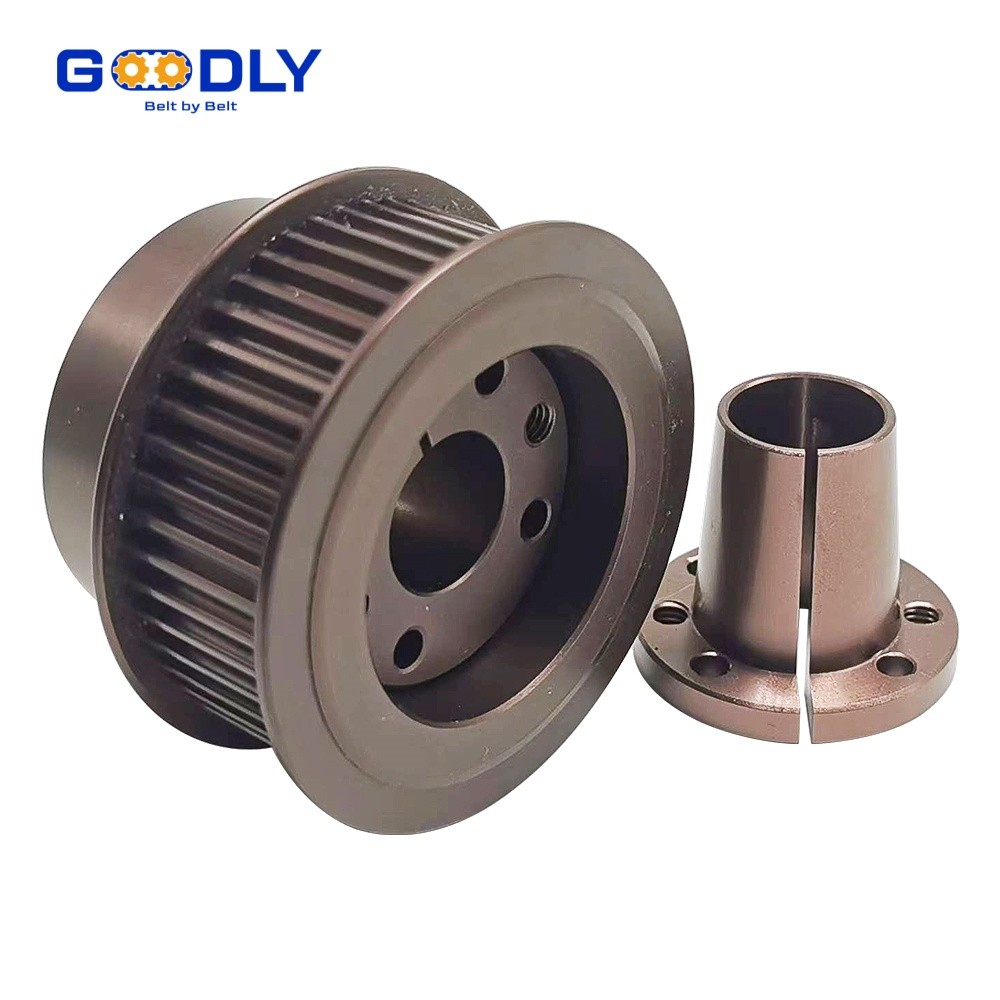 Timing Belt Pulley
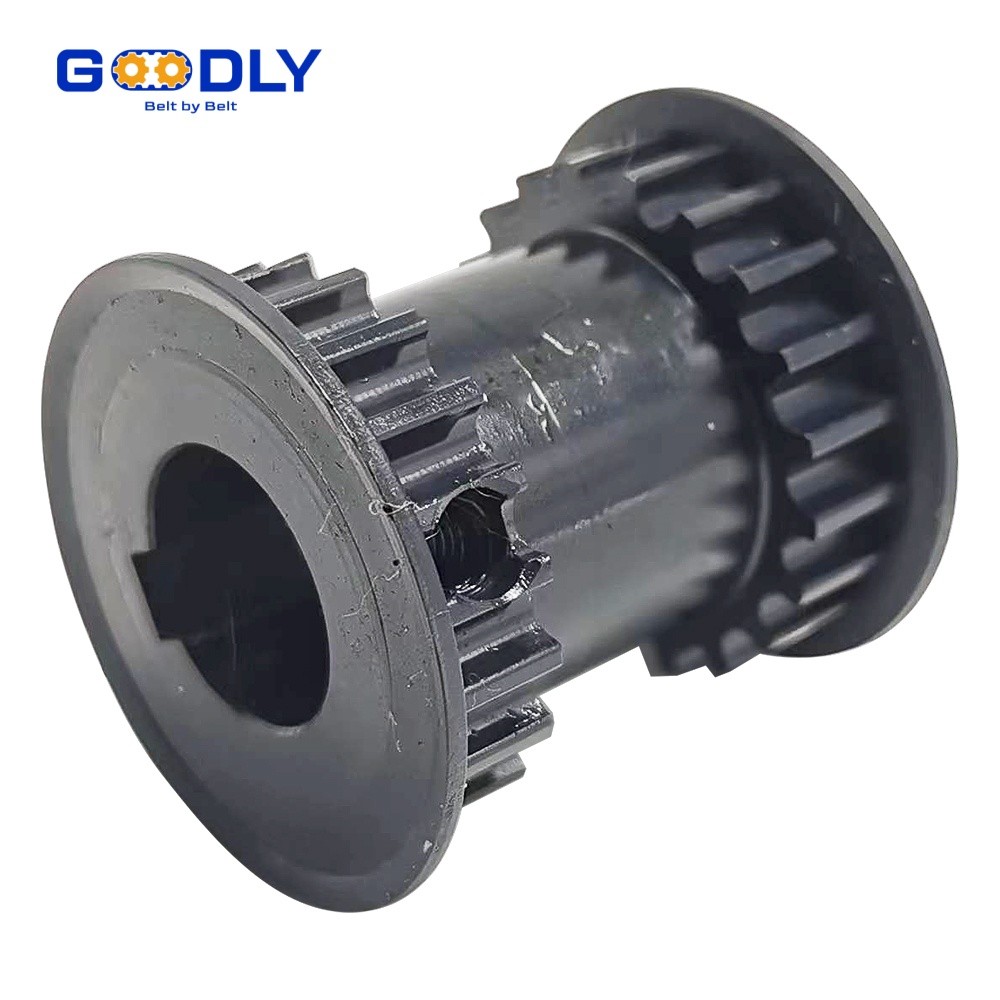 Rod-Shaped Synchronous Timing Pulley
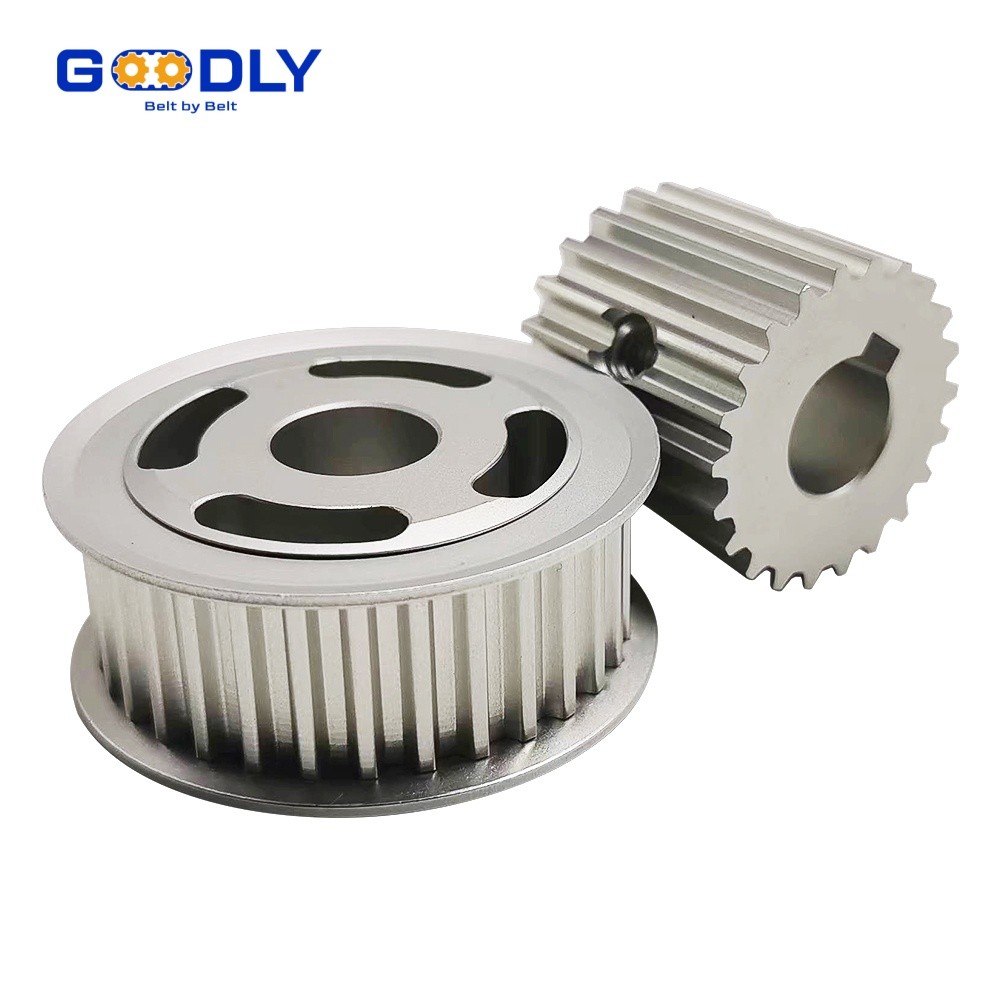 Surface-Pressure-Bearing Timing Pulley
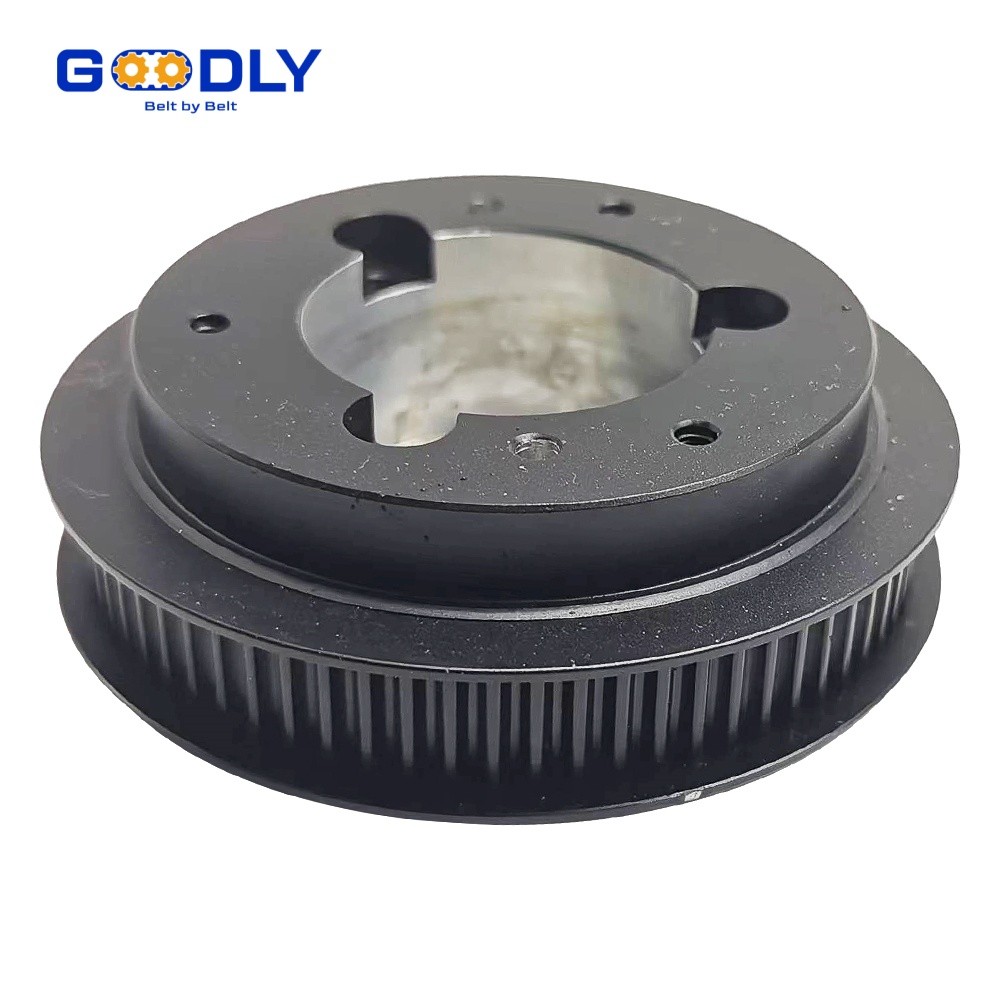 Serrated Idler Gear Timing Pulley
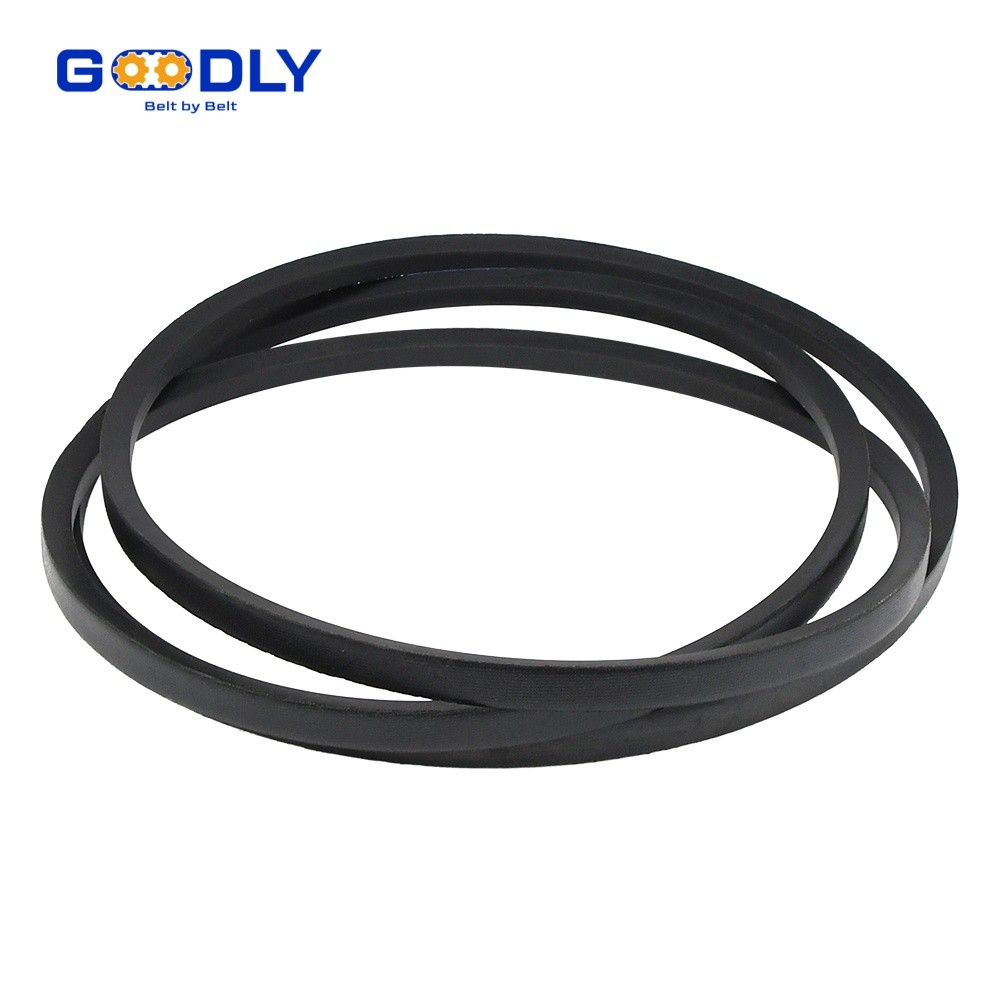 Multi-Groove Belt
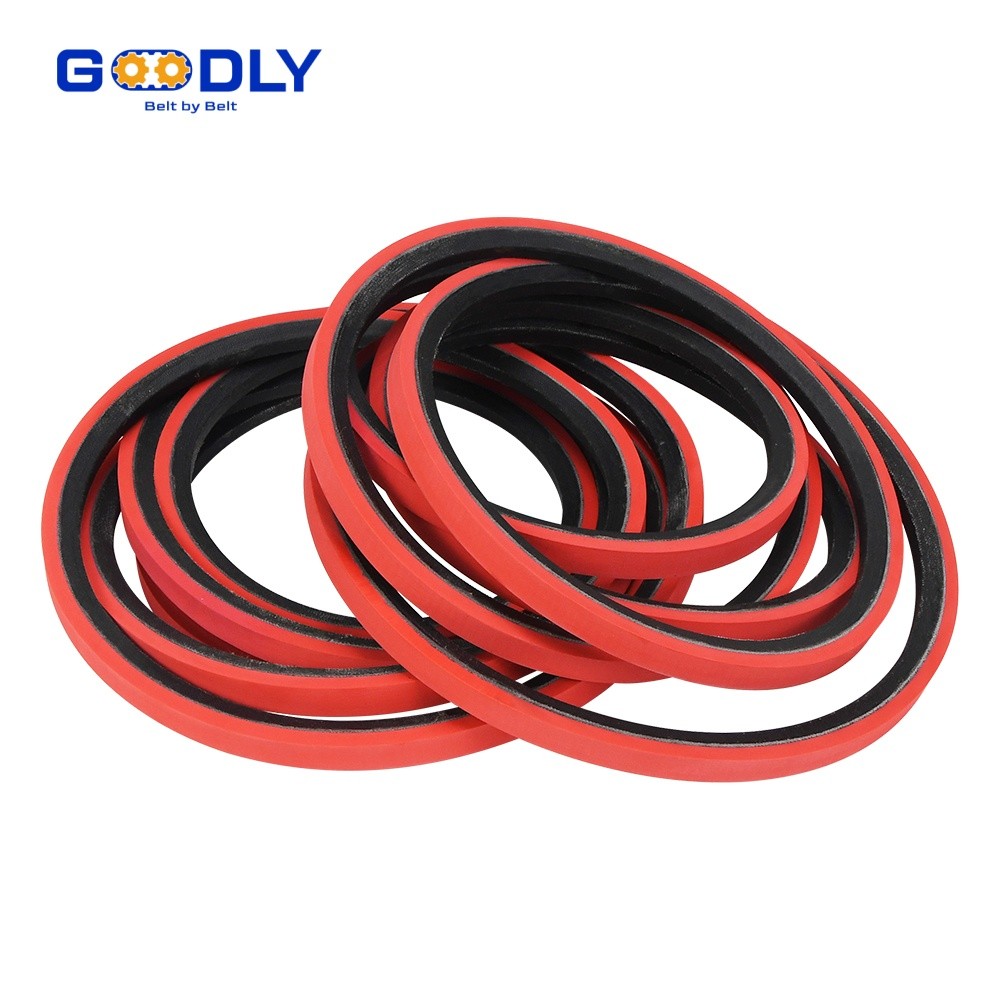 V-Belt
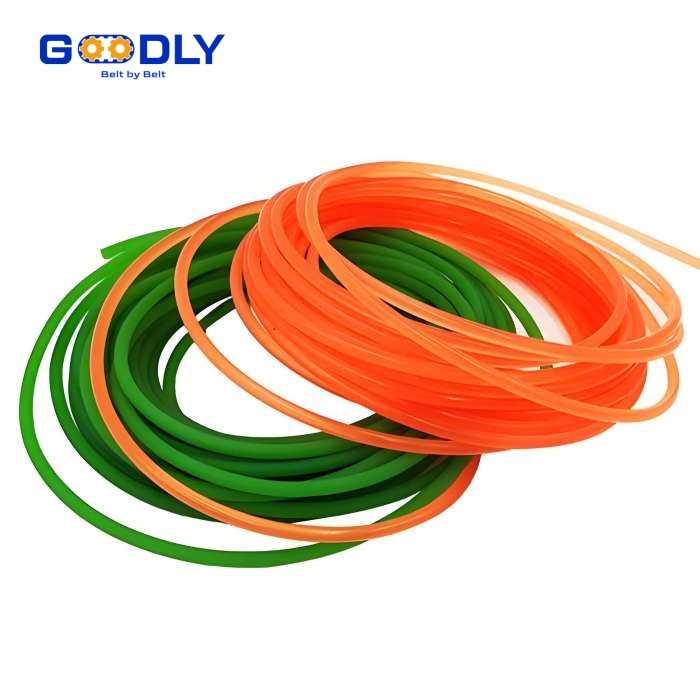 PU Round Belt
How much take-up travel should I allow for a vulcanized belt, and how do I tension it?
Direct answer: Allow take-up travel of roughly 1 to 2 percent of the belt length for a fabric-carcass vulcanized belt, and up to about 3 percent where the belt runs hot, wet or at high tension. Tension it by setting the slack-side sag at about 1.5 percent of the free span, which is the familiar one sixty-fourth of an inch per inch of span, and then re-check after the first few hours of running, again after 24 hours and once more after the first week. A new belt takes permanent stretch, so the travel you build in is there for the re-tensioning, not just for the first fitting.
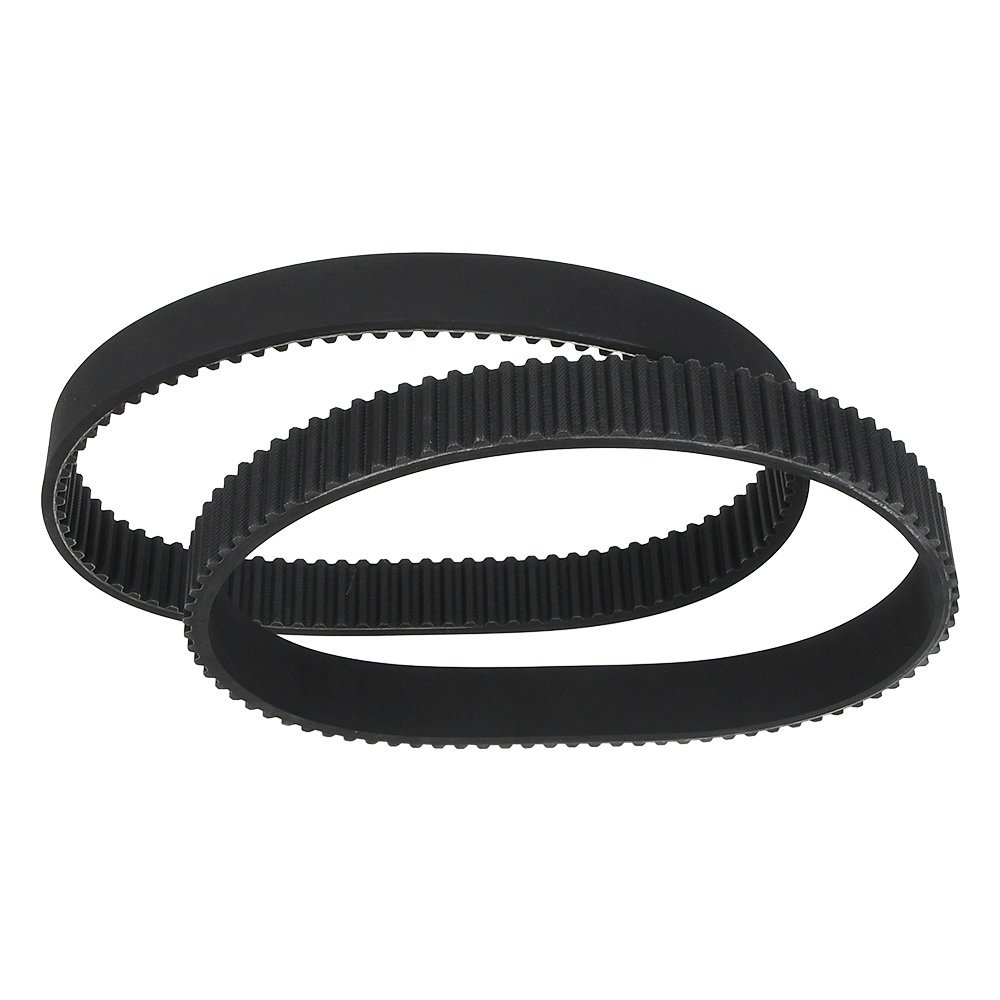
Why a new belt needs more travel than the old one
Three things happen in the first days of service. The fabric carcass beds down and takes permanent elongation, the splice compresses slightly under load, and any cover or profile settles into the pulley. The result is a belt that was correctly tensioned at installation and is visibly slack a shift later. That is normal, and it is the reason a take-up frame with only a few millimetres of travel ends up being over-tightened at installation to compensate.
Setting tension by span deflection
- Run the belt unloaded for ten to fifteen minutes, stop the drive and check that the joint shows no visible step or lifted edge.
- Measure the free span between the pulley tangent points on the slack side, not on the tight side.
- Set the deflection target at about 1.5 percent of that span, which is one sixty-fourth of an inch per inch of span.
- Apply force at mid-span, perpendicular to the belt, with a spring gauge until the belt reaches the target deflection. The force needed is the tension reference, and it depends on belt width and construction.
- Adjust the take-up evenly on both sides so the pulleys stay parallel. Moving one side only skews the drive and produces edge wear that looks like a tracking fault.
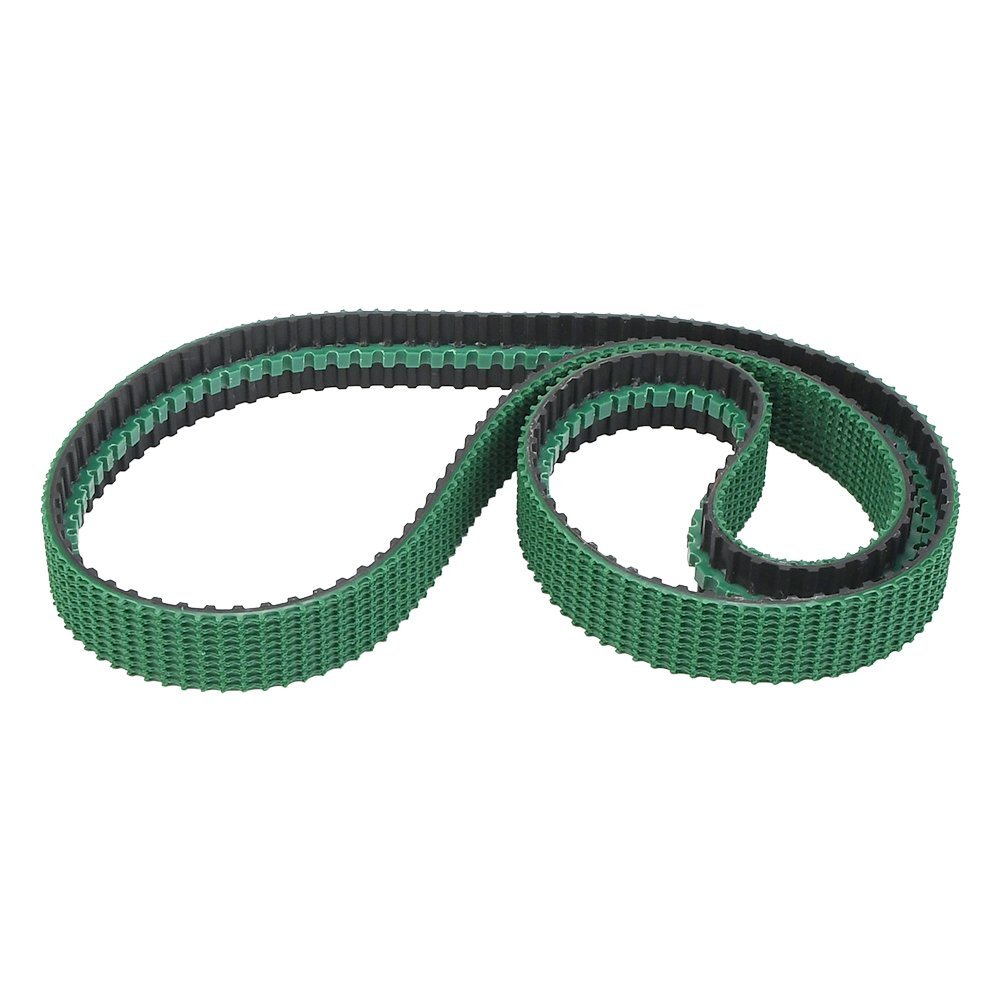
Re-tensioning schedule after installation
| When | What to check | Typical finding |
|---|---|---|
| First 15 minutes | Tracking, joint temperature, unusual noise | Belt may wander slightly as it beds in |
| 2 to 4 hours | Sag on the slack side, take-up position | Largest single gain in slack, first re-tension here |
| 24 hours | Sag again, joint edges, pulley temperature | Second smaller gain, usually the last adjustment |
| One week | Sag, joint condition, log the take-up position | Settled; record the position for future reference |
| Monthly | Sag, joint edges, cover wear, pulley grooves | Slow drift only, investigate any sudden change |
Too tight and too loose both leave evidence
- Over-tension shows as warm bearings, a cupped belt cross section, lifted joint edges, squeal at the pulley and higher power draw.
- Under-tension shows as slip on start, a polished pulley surface, belt whip on the slack side and fatigue cracking along the joint.
- A belt that needs repeated re-tensioning after the first week is usually too thin for the load or running too hot, not simply loose.
- Track the take-up position in the maintenance log. When travel is nearly used up, the belt is at the end of its service life rather than out of adjustment.
Get the tension reference for your belt
Email sales@goodlybelts.com with belt type, width, ply or cover construction and pulley diameters, plus the available take-up travel. We will return the deflection target and force range for that belt, and flag if the take-up travel on the frame is too short.
Ask for tension data
Are you looking for a reliable manufacturer of conveyor belt products?
We can quickly provide customers with market analysis, technical support and customized services.- Name
- Phone
- *Title
- *Content