
We manufacture and customize industrial
motion belts to precisely match mainstream
equipment worldwide.
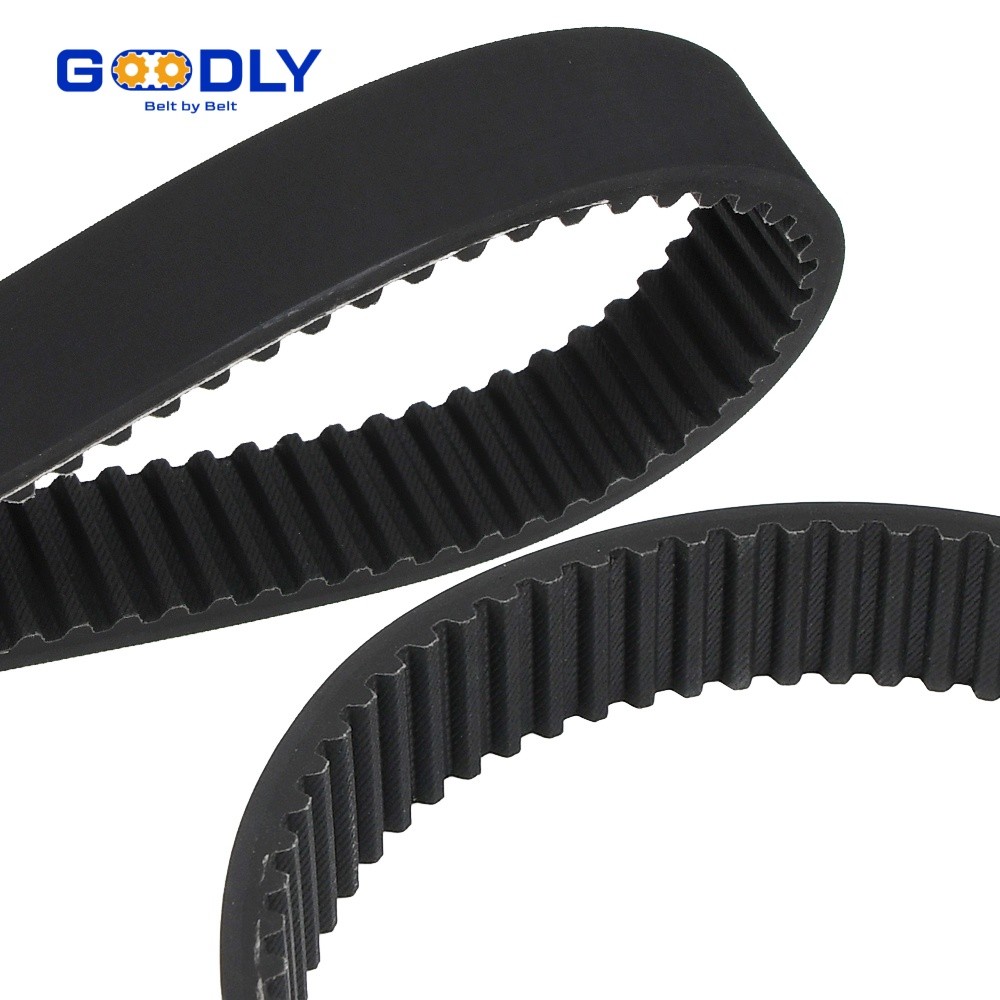 Rubber Timing Belt
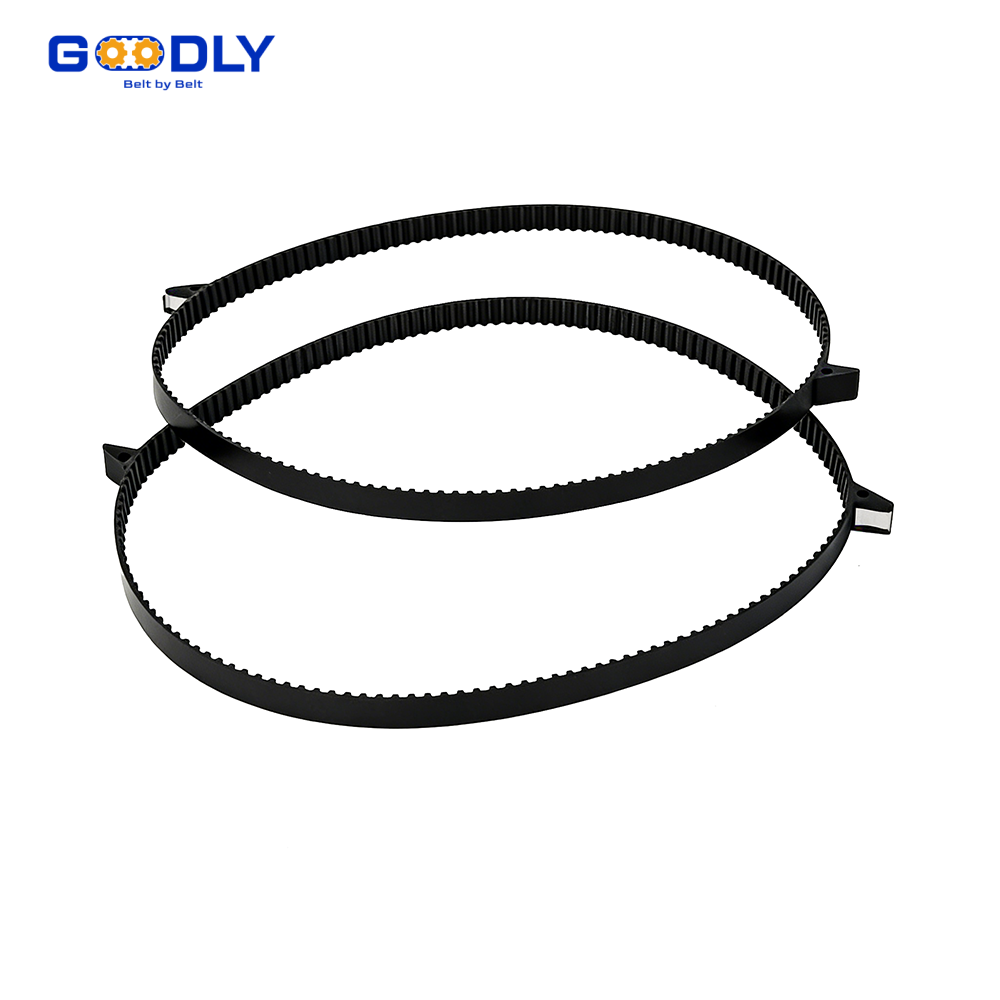 PU Timing Belt
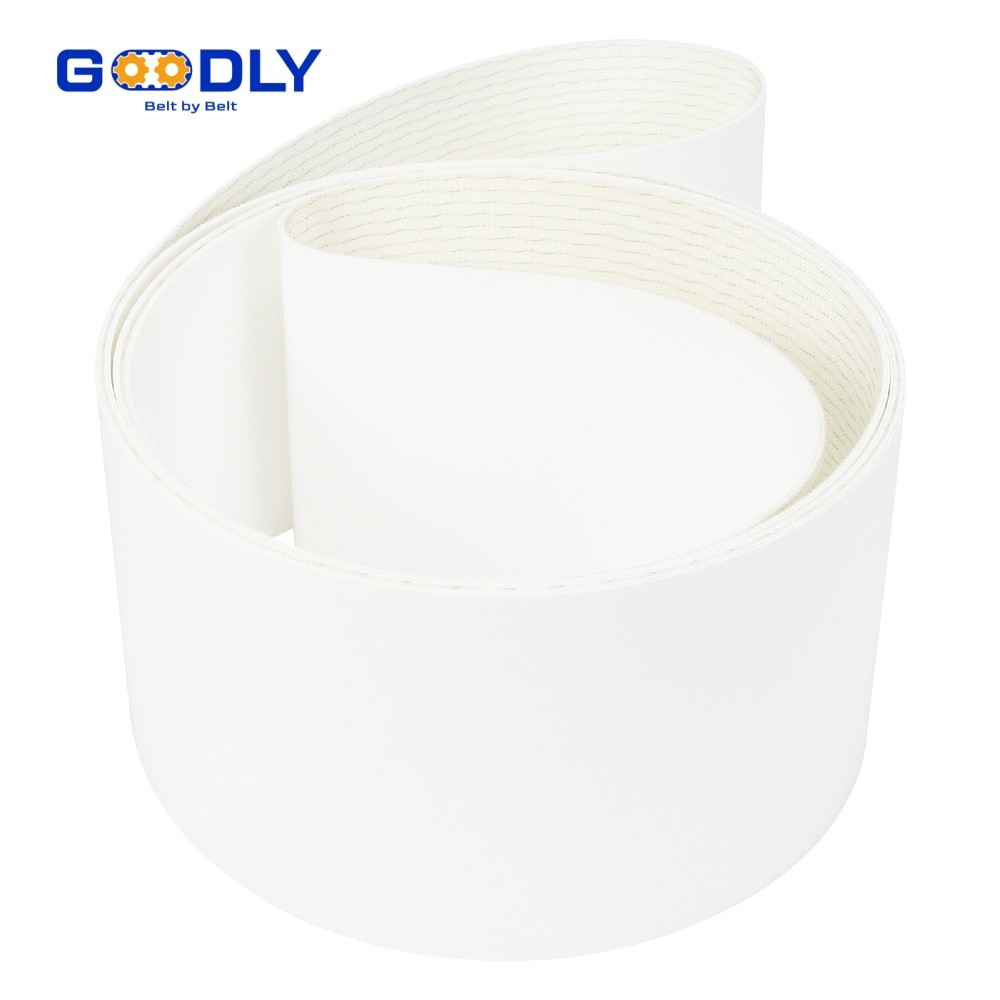 Silicone Timing Belt
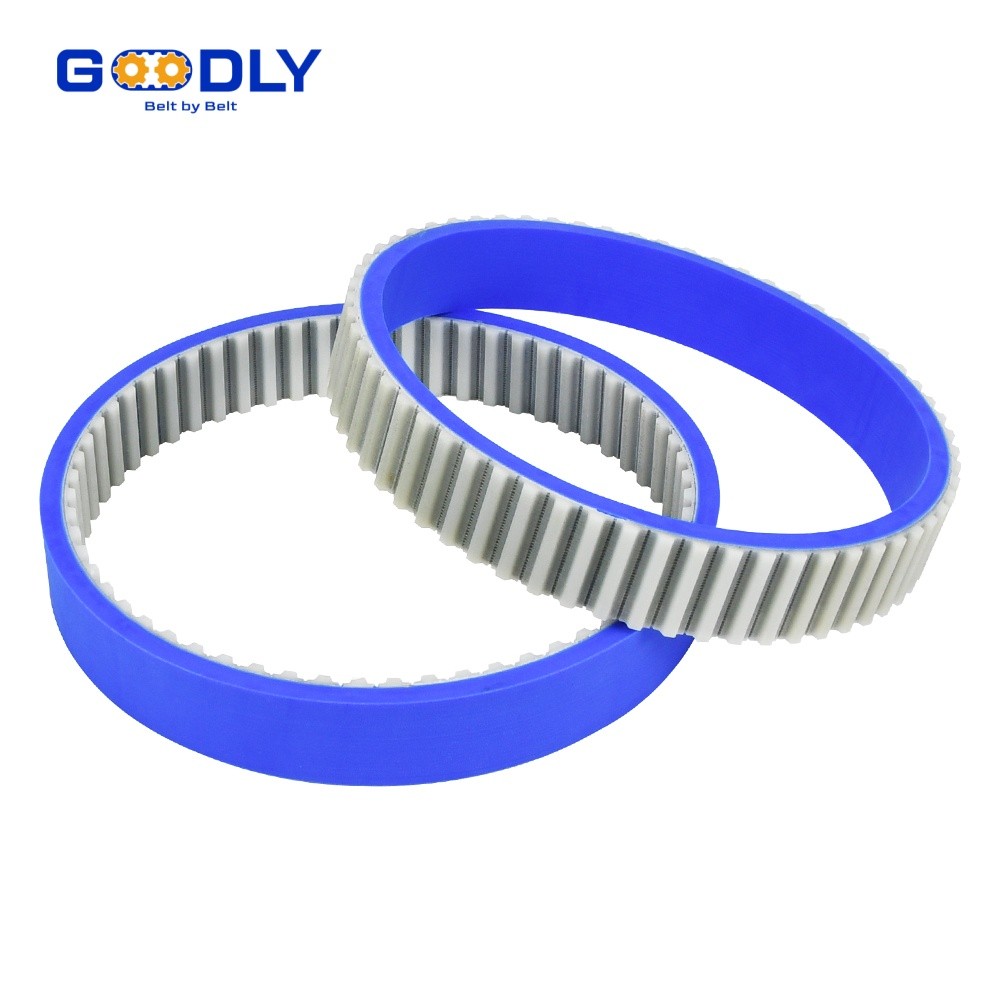 Silicone Vulcanized Timing Belt
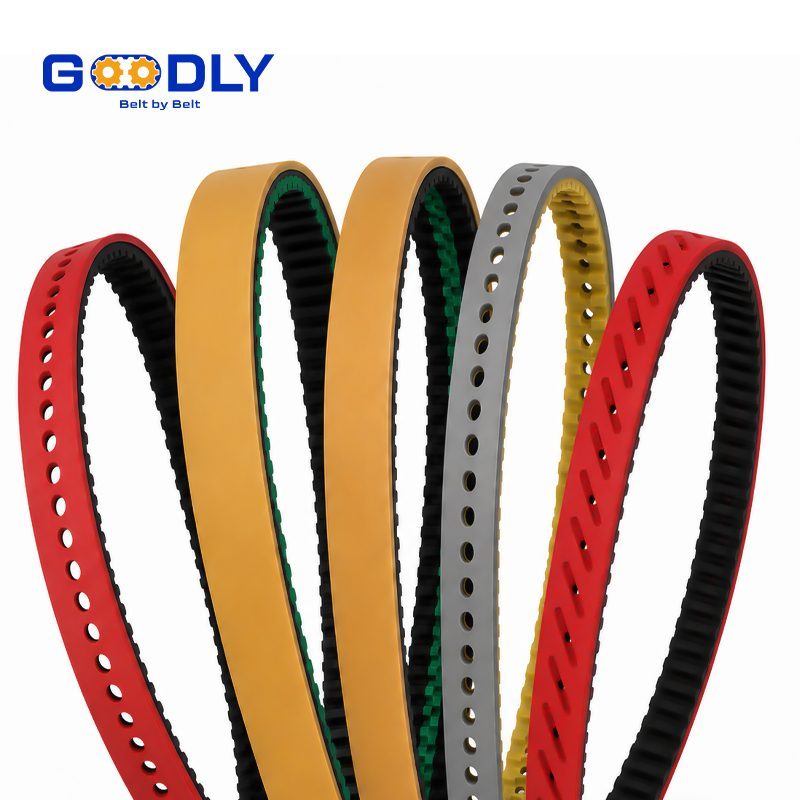 Vulcanized Timing Belt
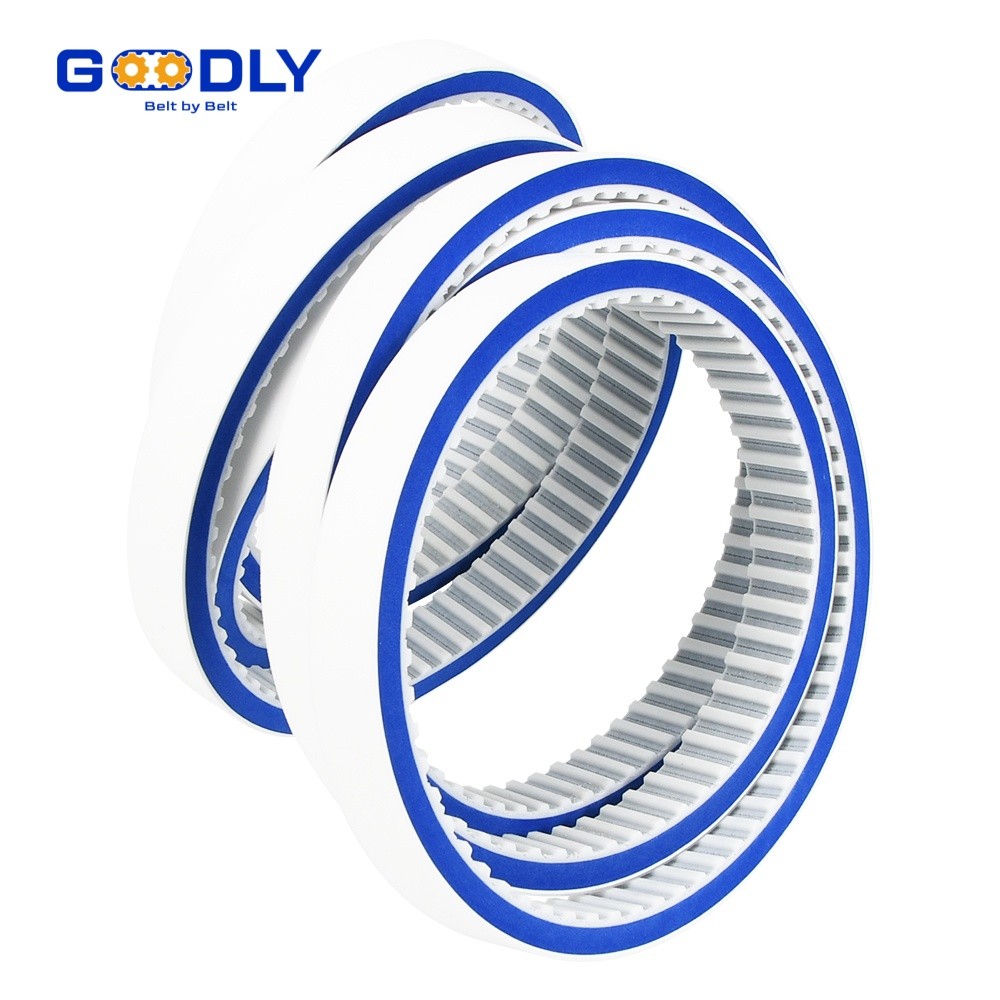 Sponge Timing Belt
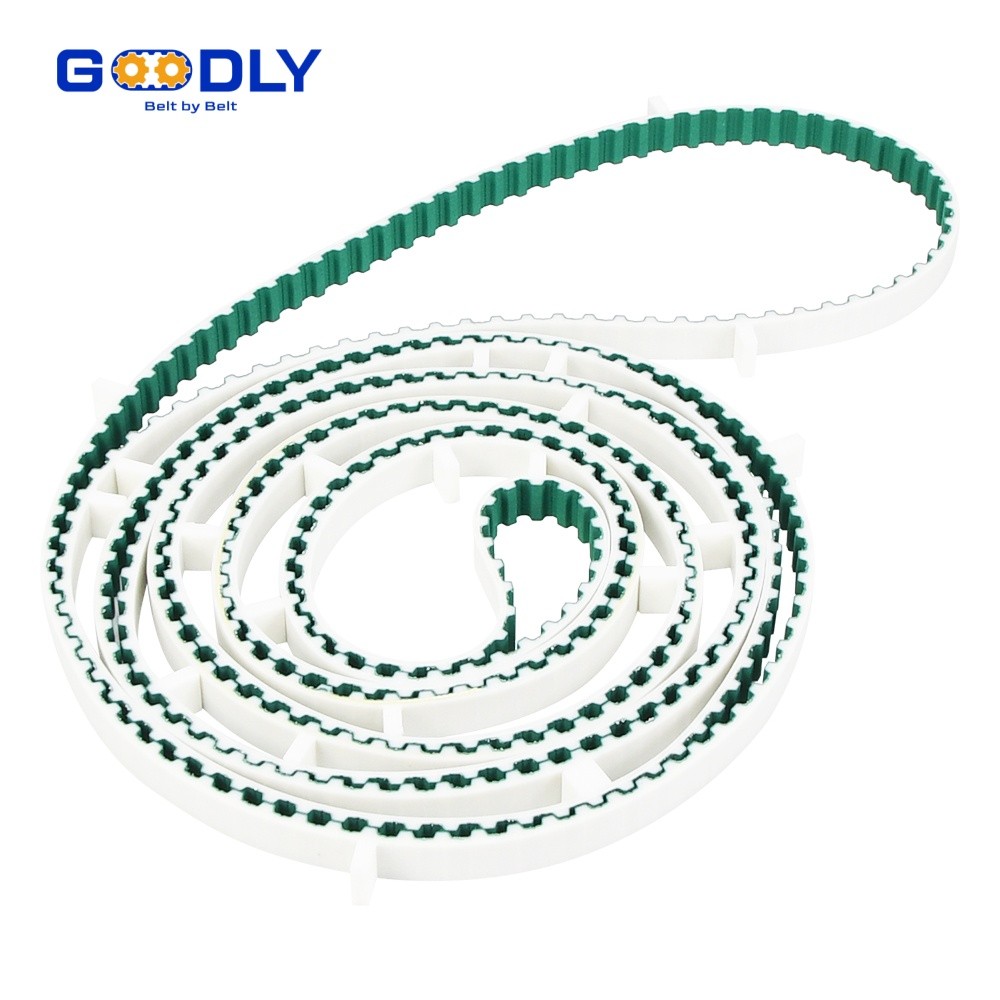 Timing Belts with Special Machining
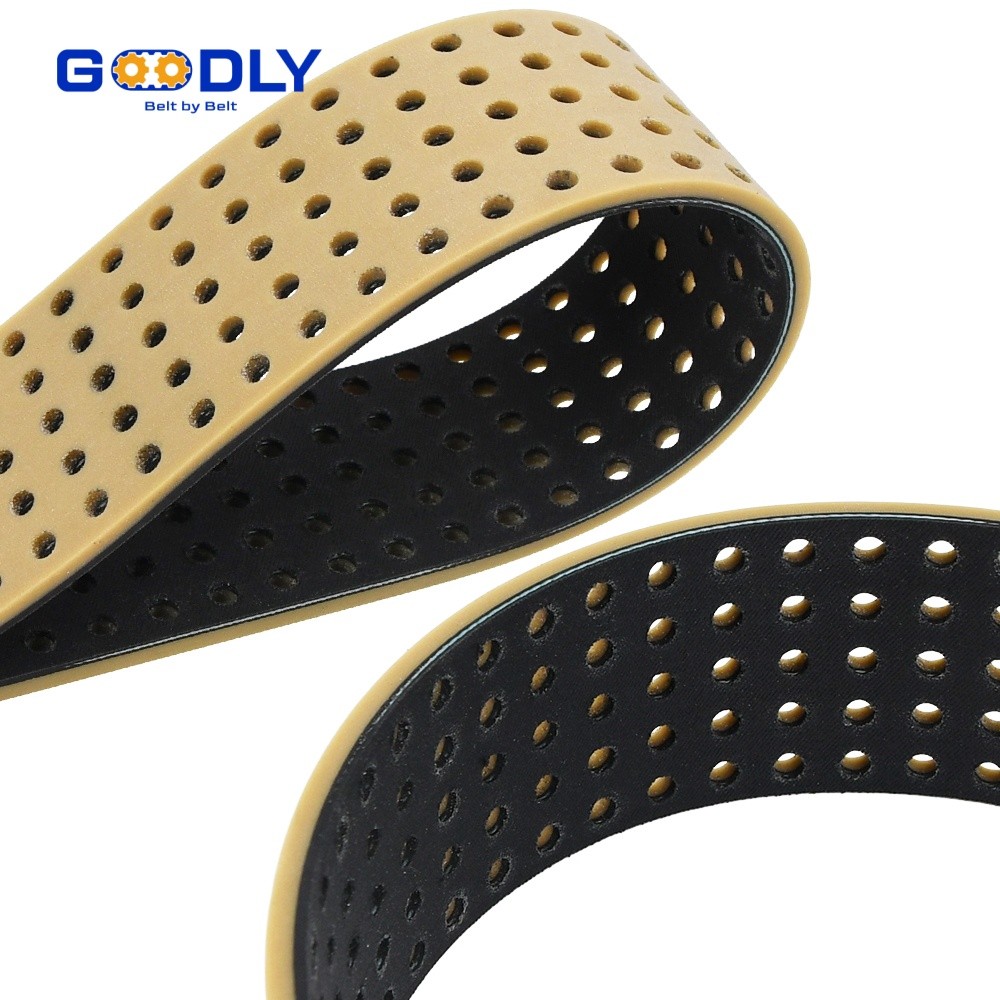 Rubber Flat Belt
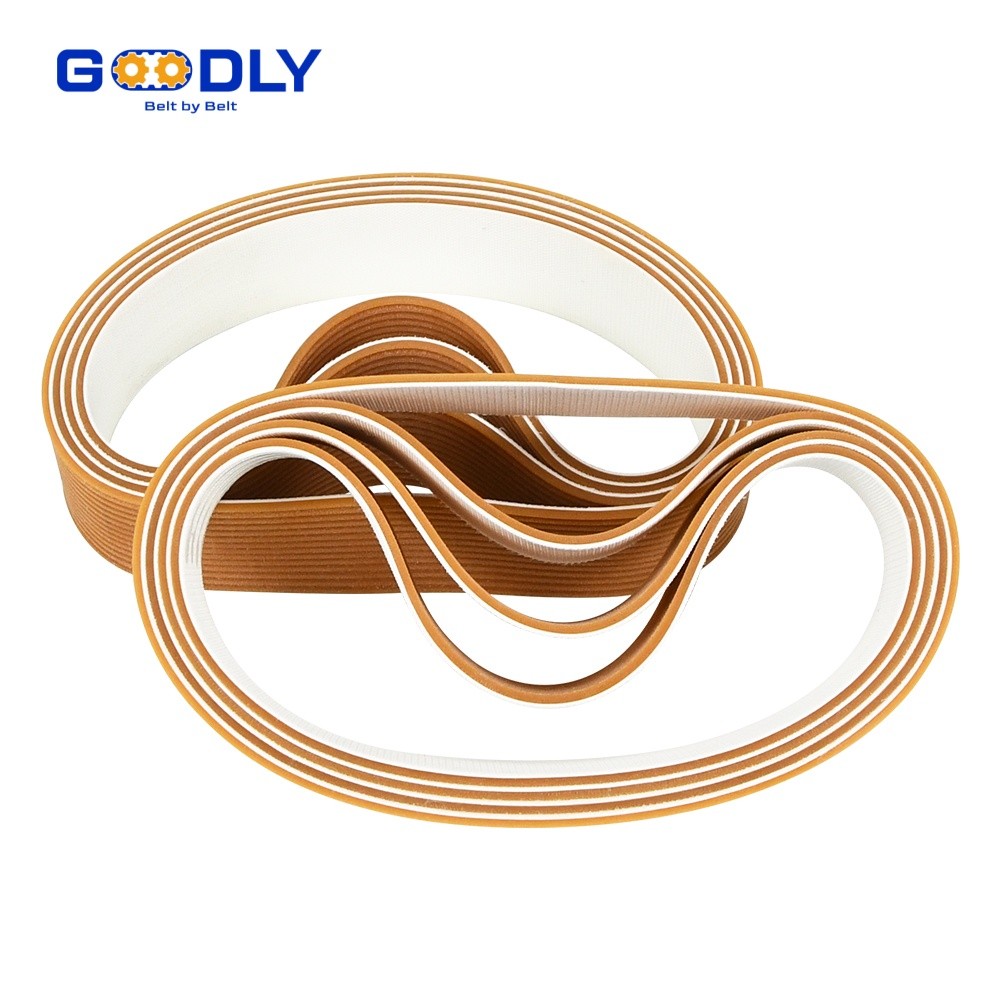 PU Flat Belt
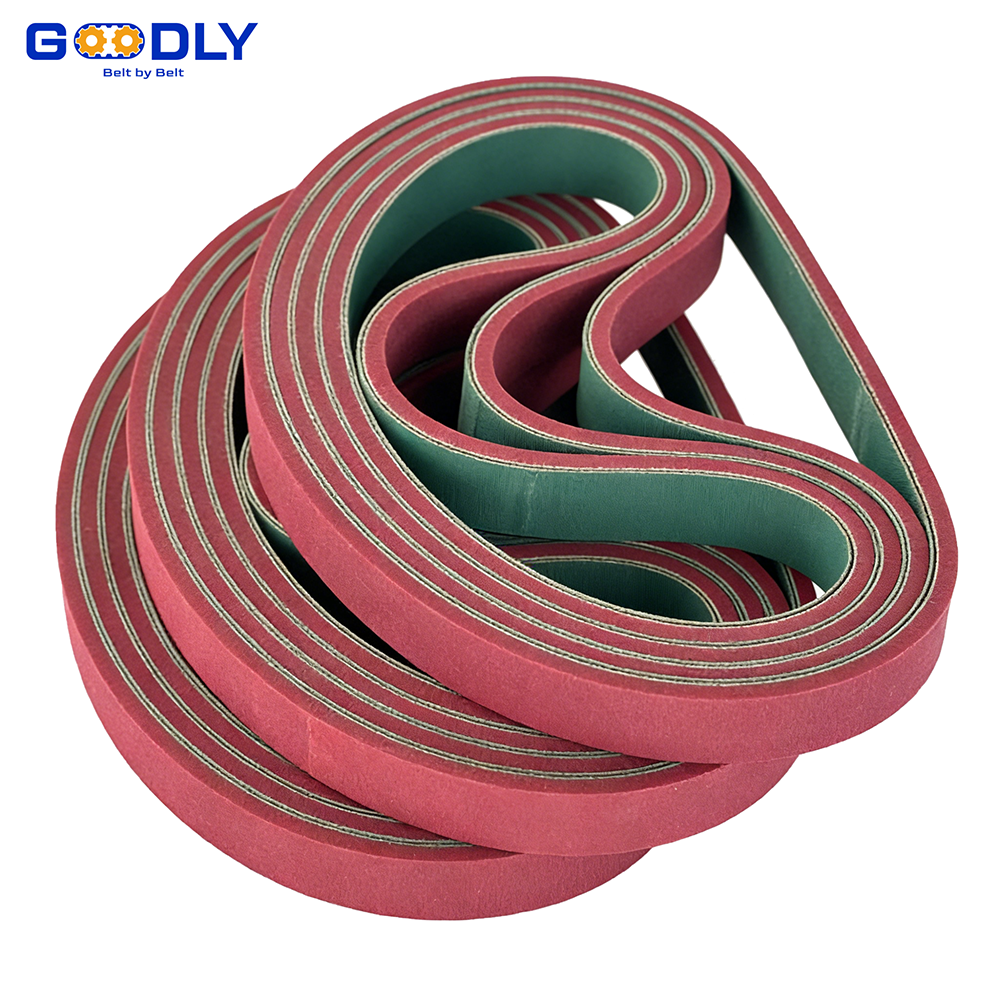 Nylon Flat Belt
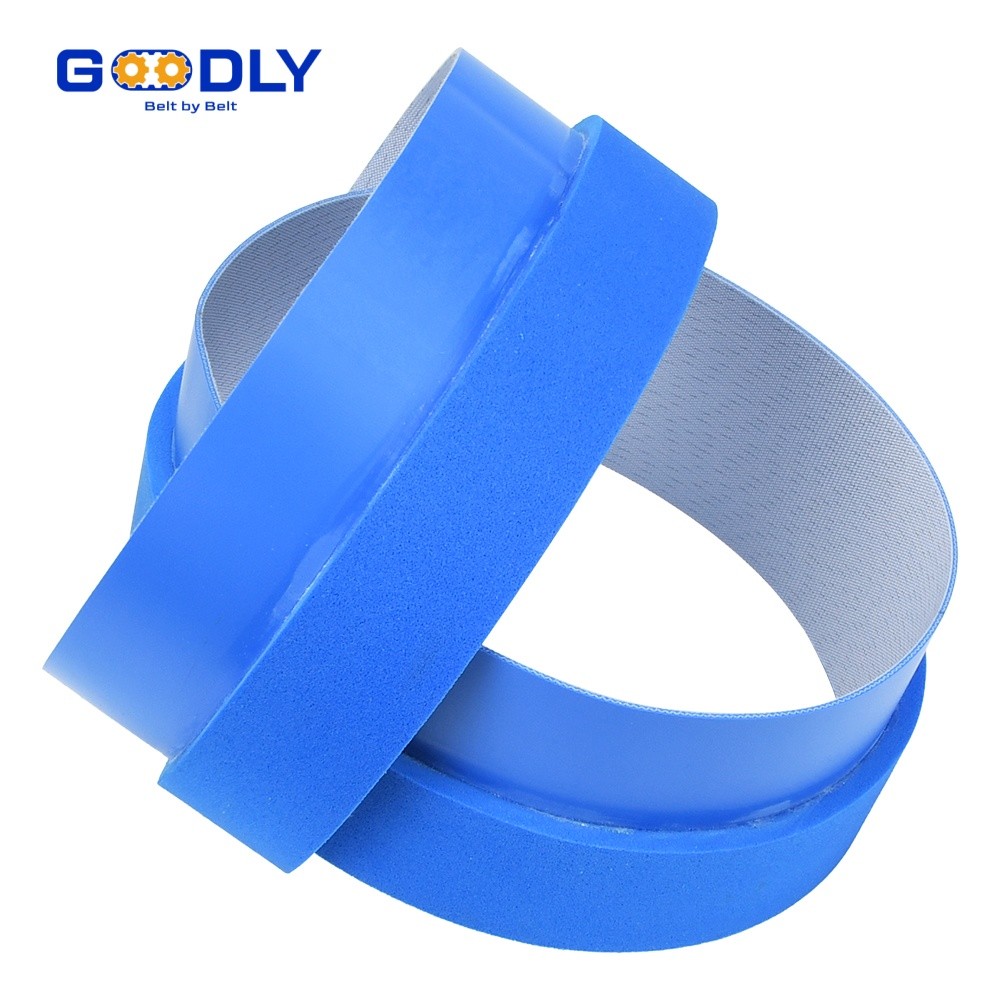 Foam Flat Belt
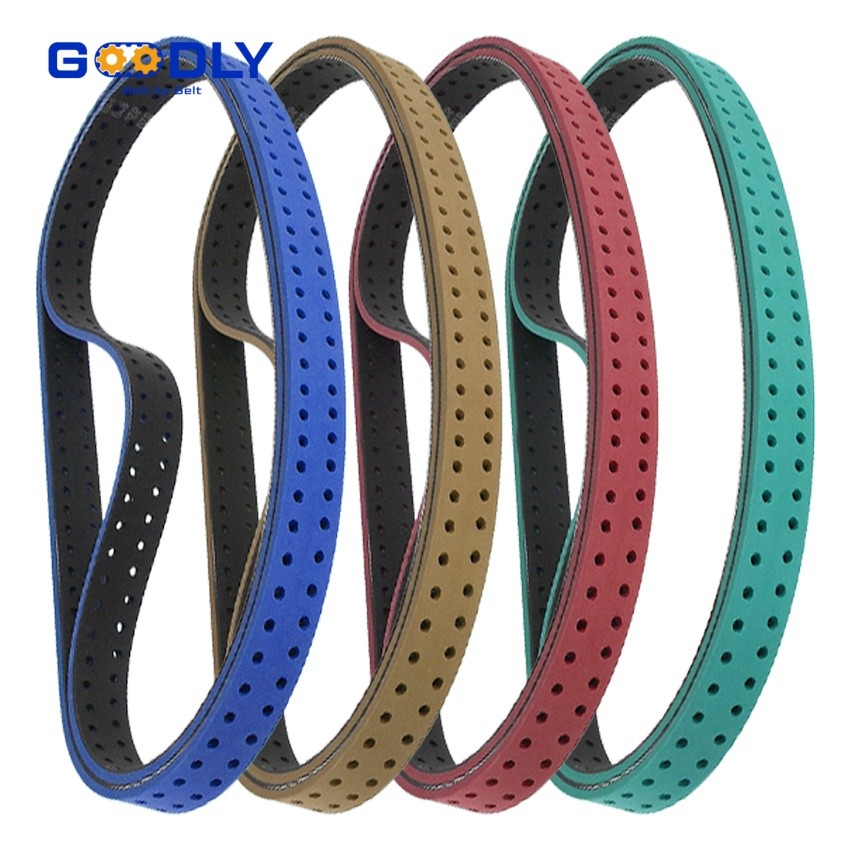 Vulcanized Flat Belt
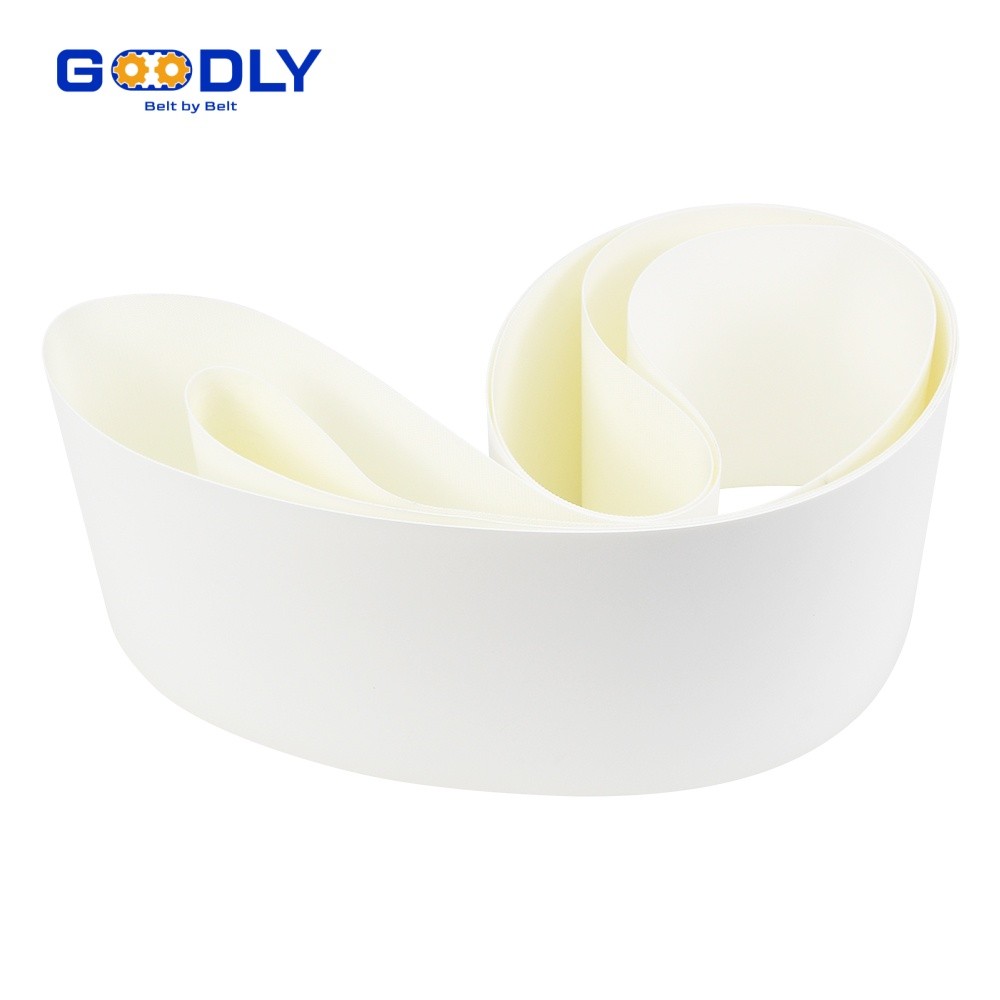 PU Conveyor Belt
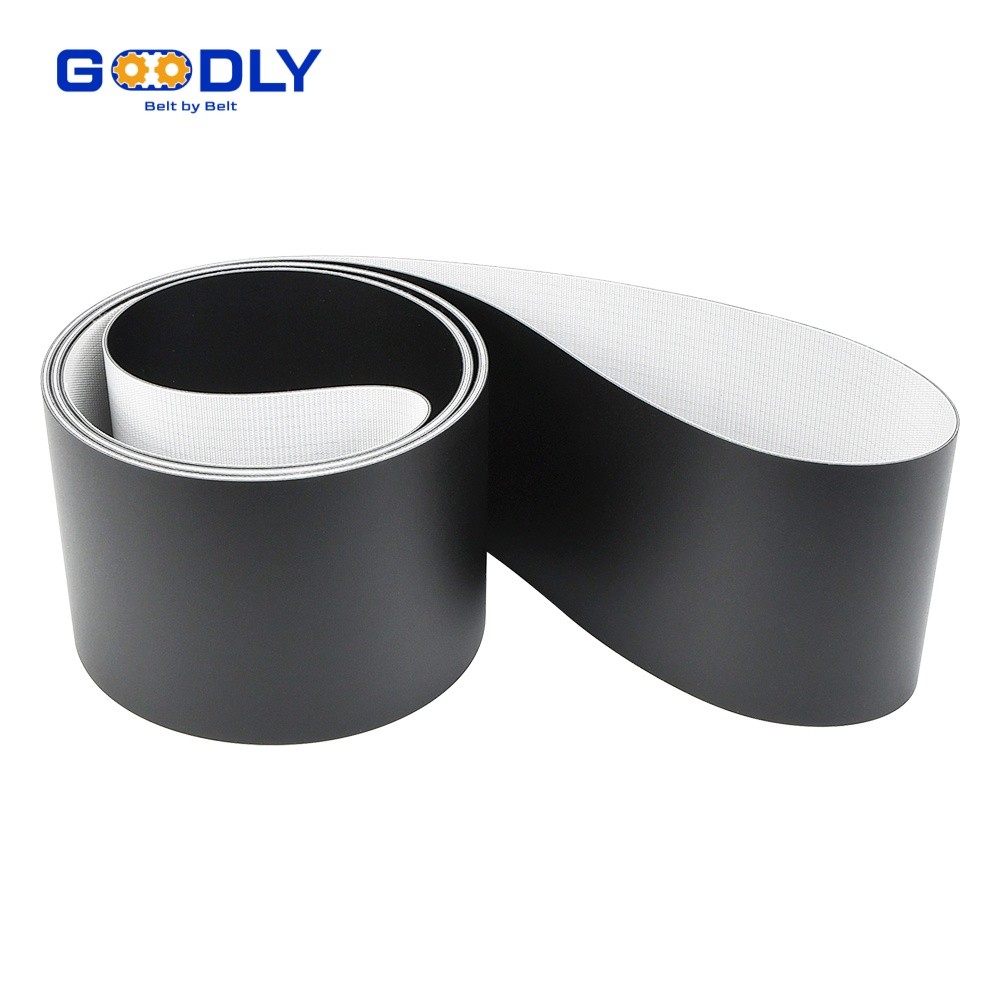 PVC Conveyor Belt
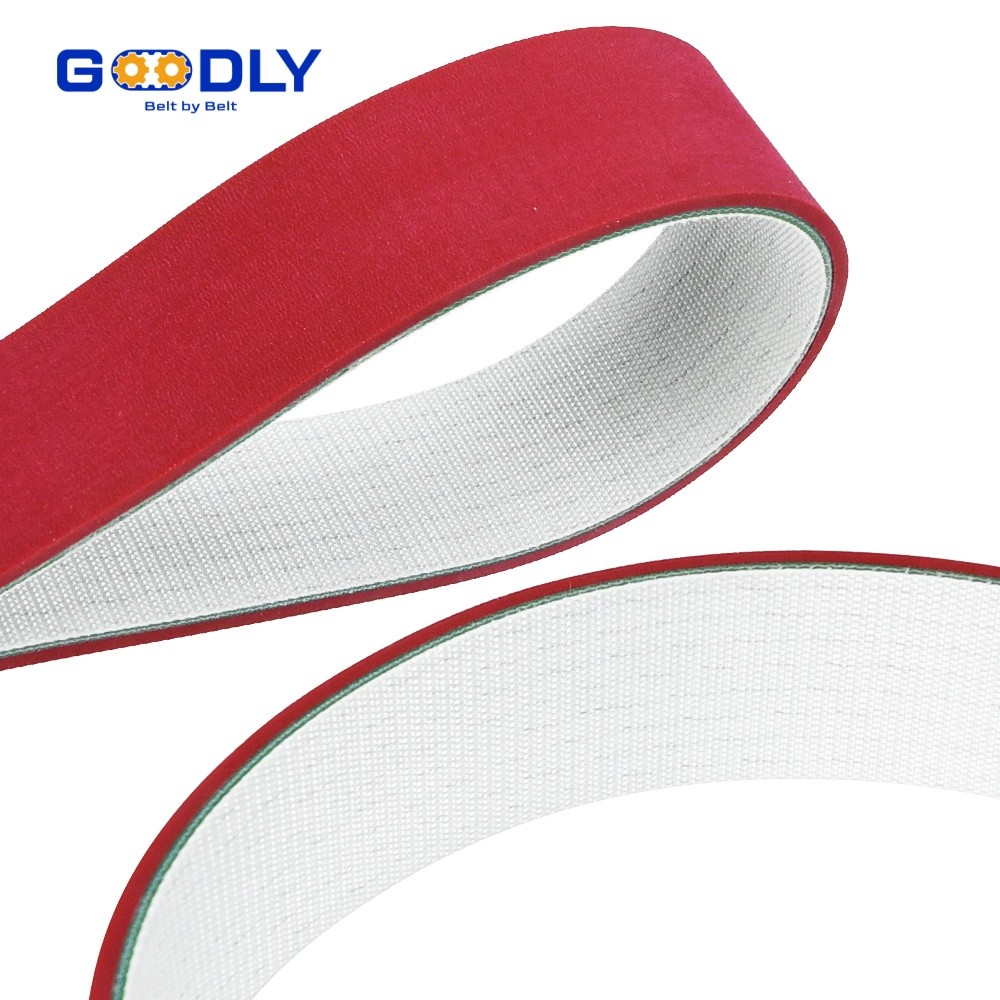 Rubber Conveyor Belt
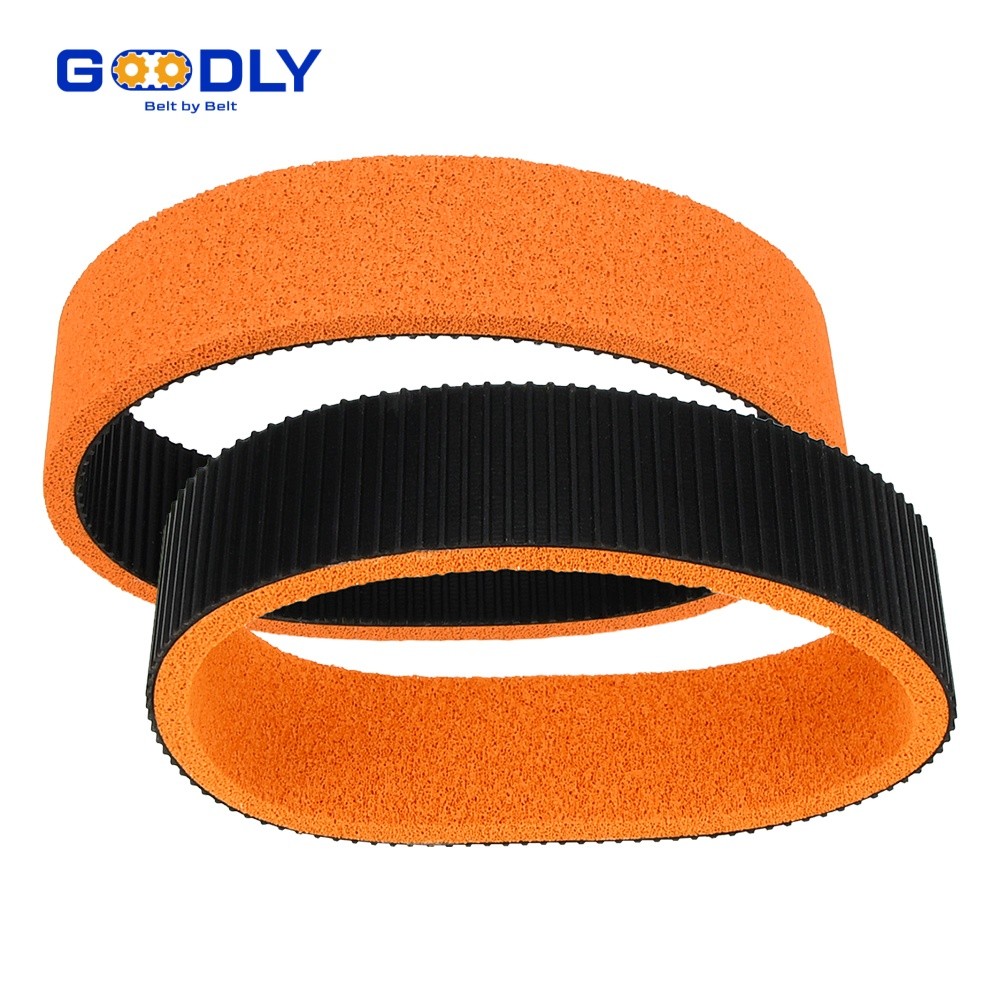 Sponge Conveyor Belt
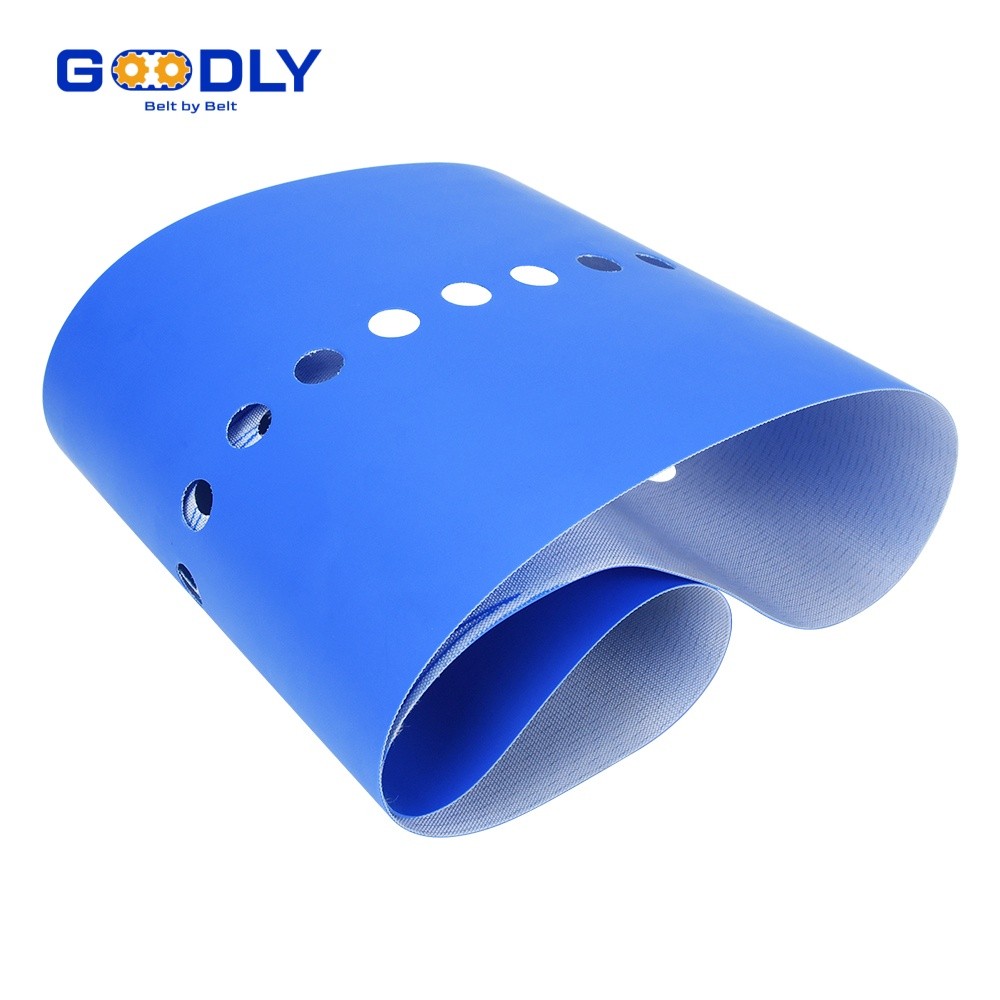 Conveyor Belts with Special Machining
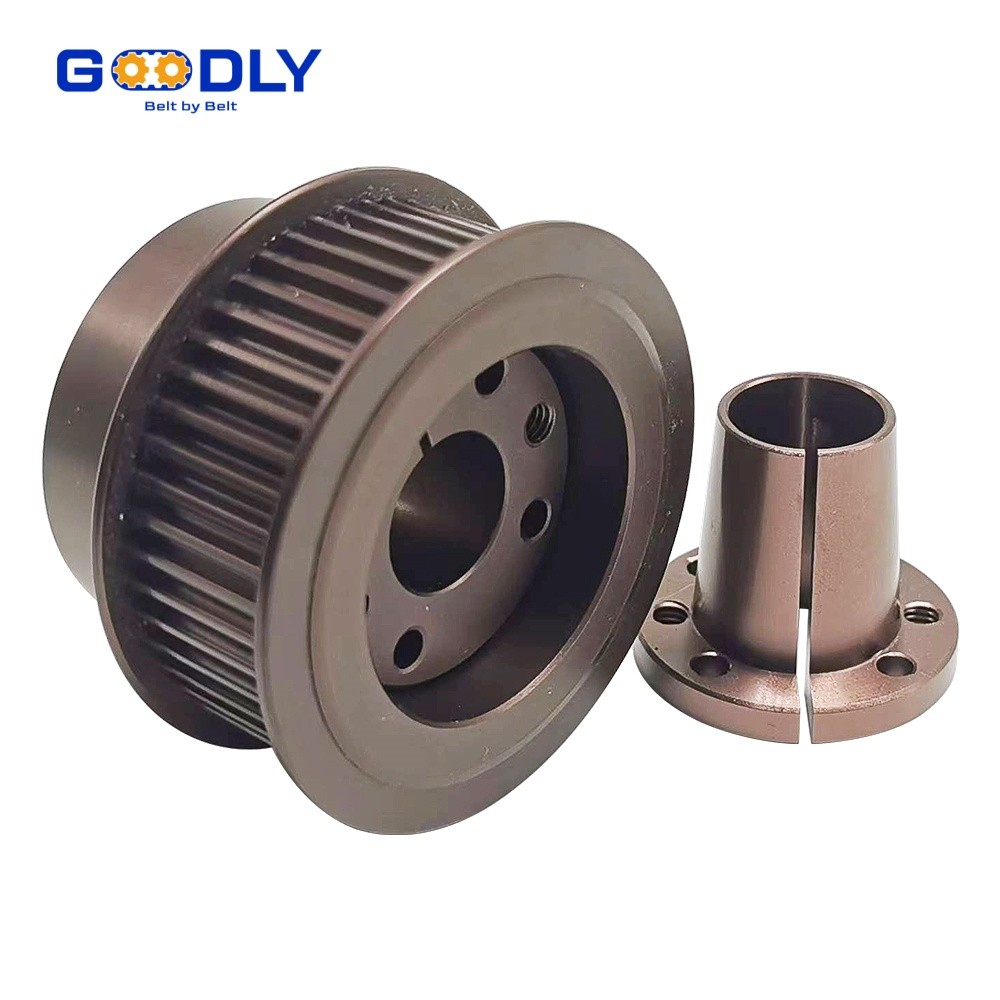 Timing Belt Pulley
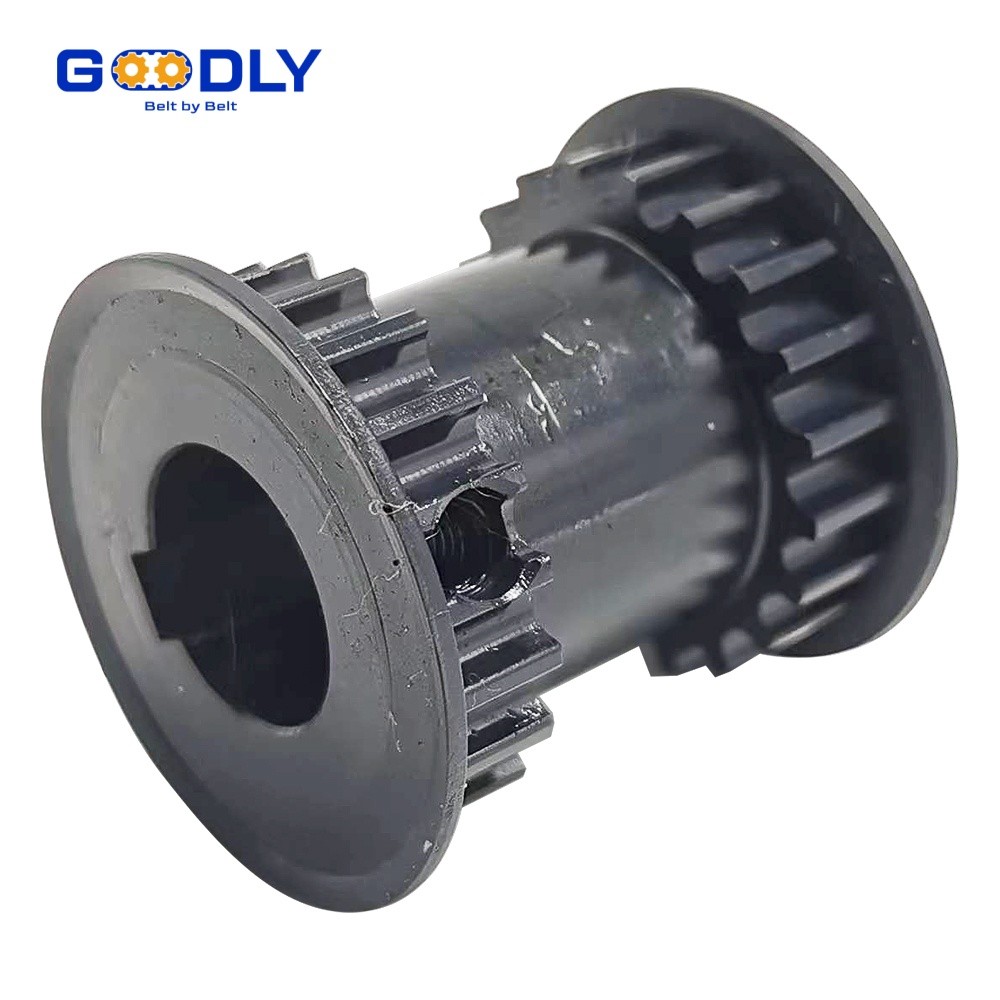 Rod-Shaped Synchronous Timing Pulley
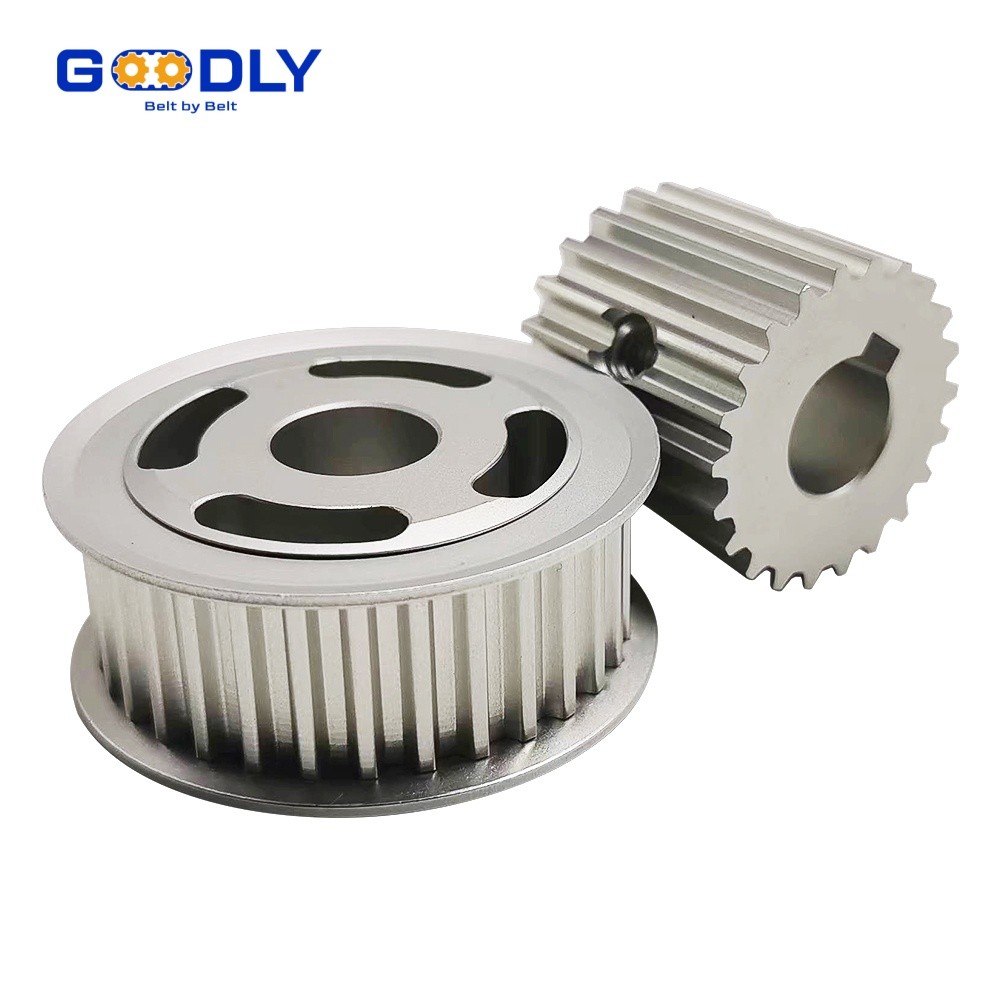 Surface-Pressure-Bearing Timing Pulley
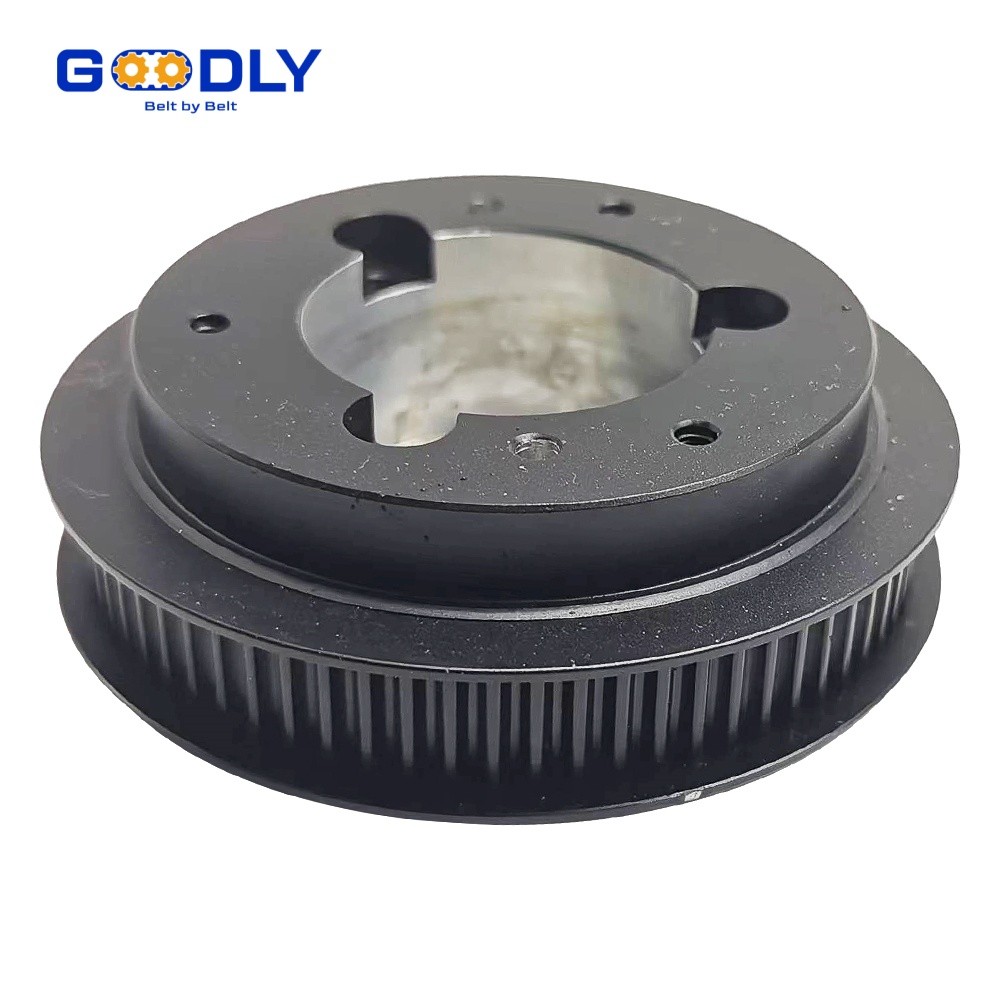 Serrated Idler Gear Timing Pulley
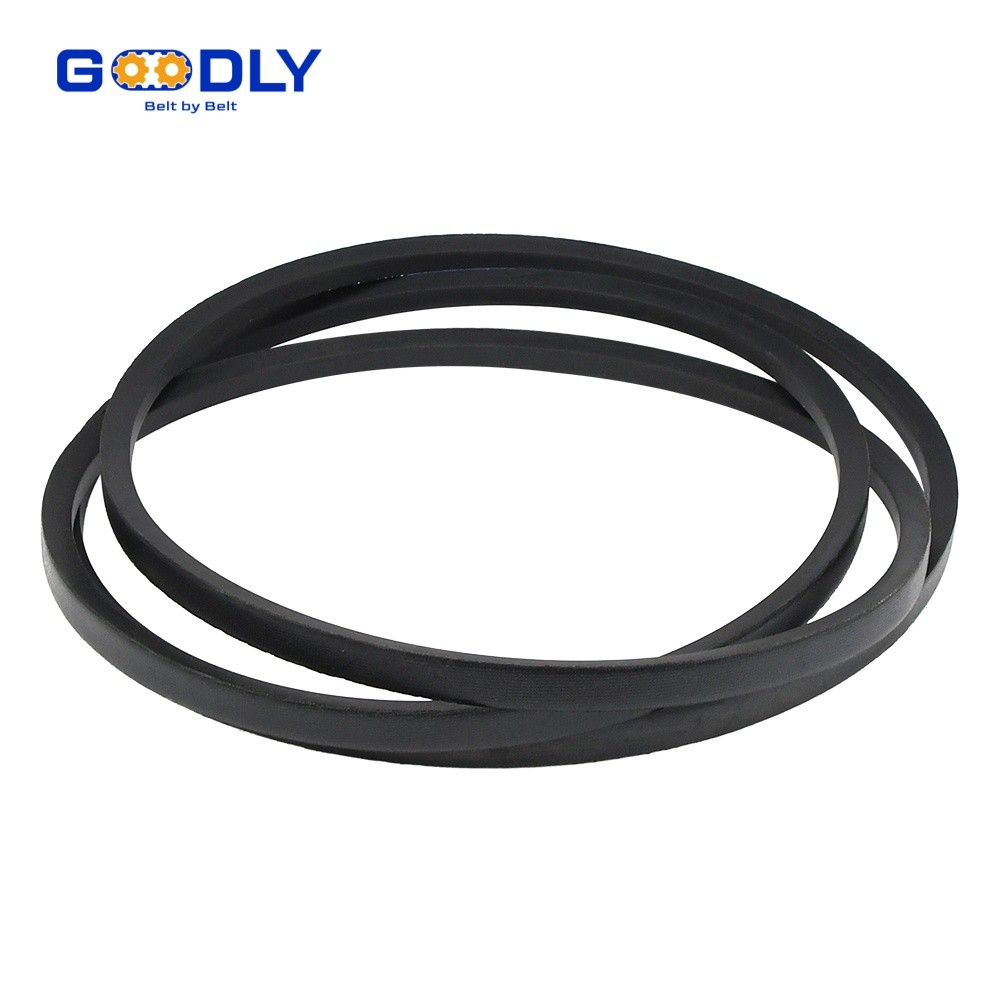 Multi-Groove Belt
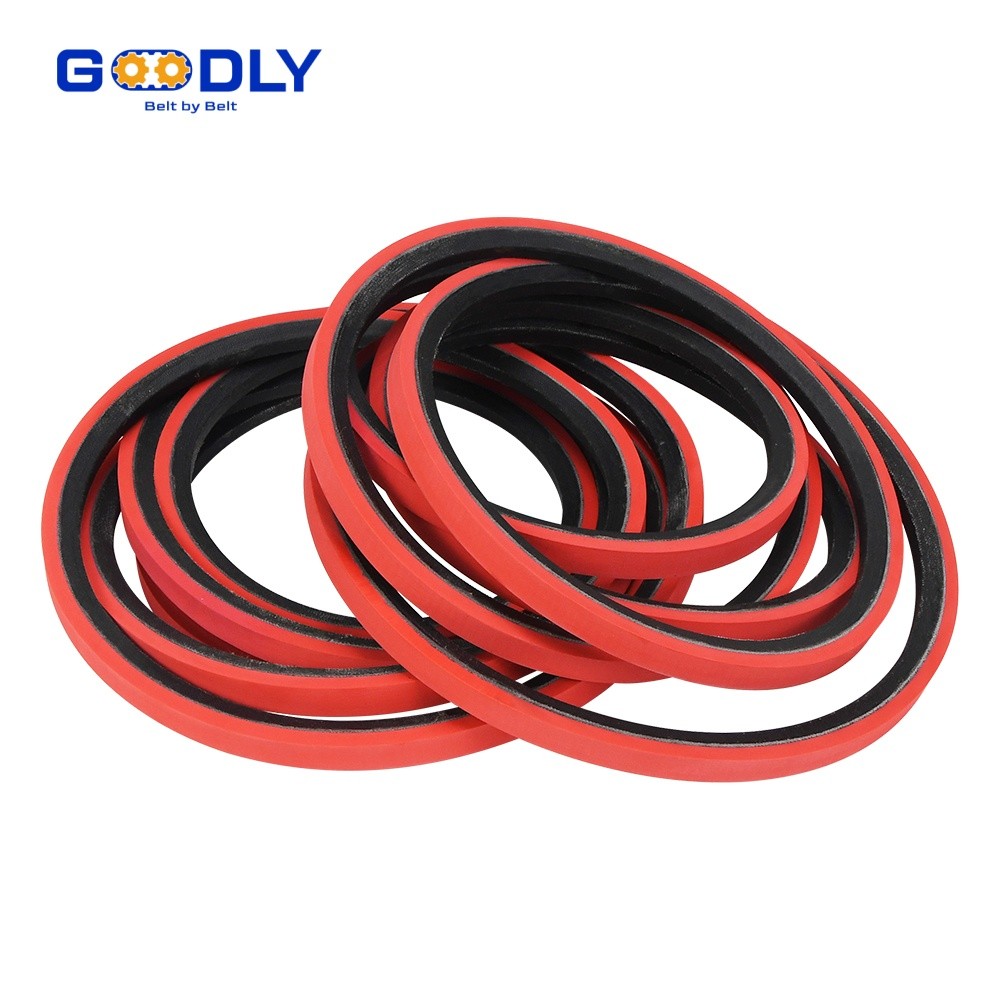 V-Belt
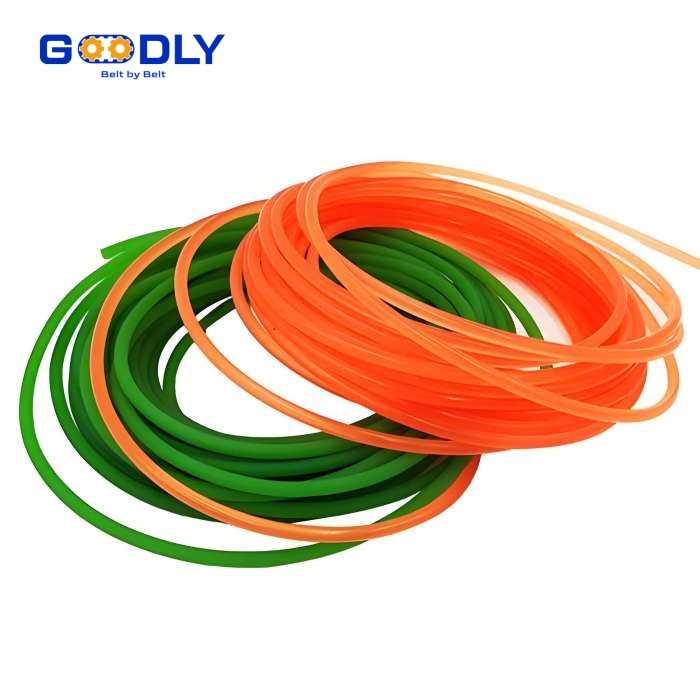 PU Round Belt
Step, lap or finger joint: which vulcanized joint construction?
Direct answer: The three constructions differ in how the two belt ends share load. A lap joint overlaps tapered ends, so it is quick to make and common for field repairs. A step joint overlaps in stepped plies, spreading load across more plies for better strength on multi-ply belts. A finger joint interlocks fingers cut across the full width, giving the largest bonded area and typically the best joint efficiency. The right choice depends on belt construction, thickness and where the joint is made.
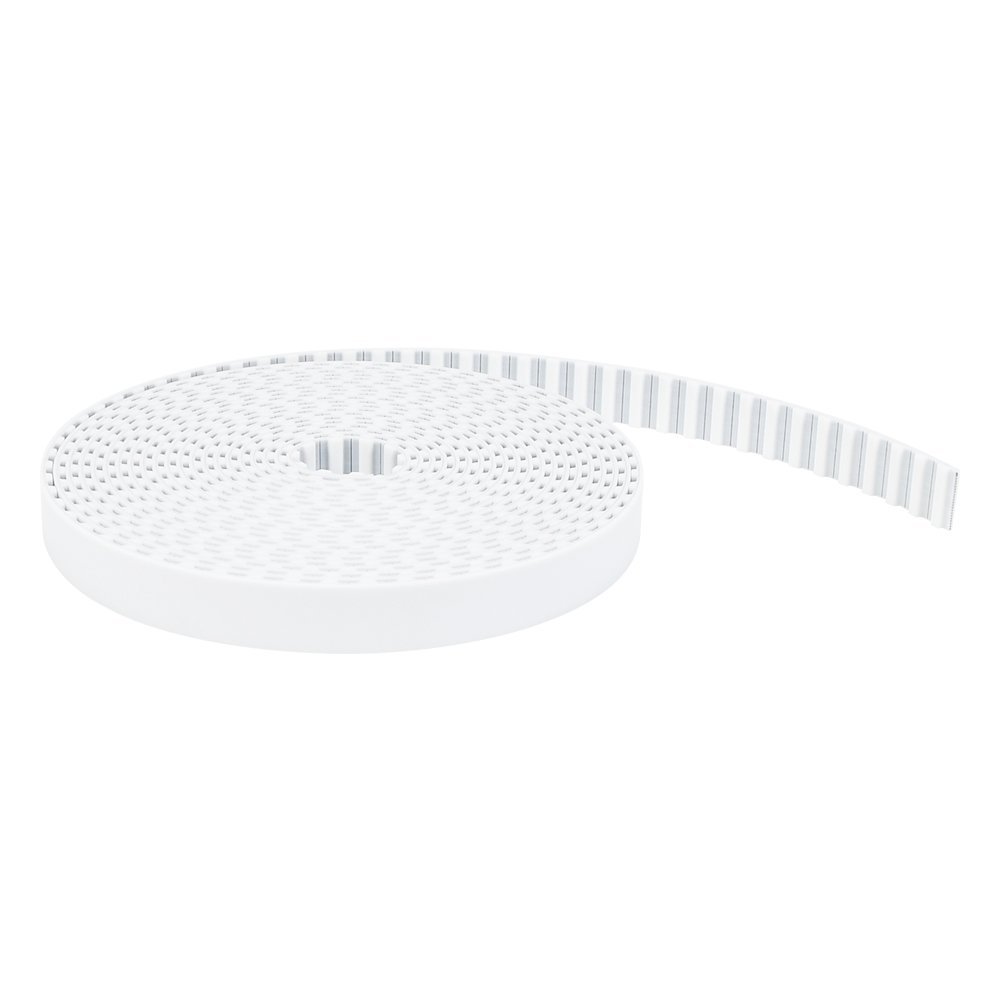
The three joint constructions
| Joint type | How it is built | Where it fits |
|---|---|---|
| Lap (scarf) joint | Ends tapered and overlapped in the direction of belt travel, then vulcanized or bonded | Field repairs, thinner belts, when speed of repair matters |
| Step joint | Ply overlap built in steps so load transfers gradually across plies | Multi-ply belts where higher joint strength is needed than a plain lap |
| Finger joint | Interlocking fingers cut across the width, bonded and vulcanized | Factory-made endless belts and applications needing the best joint efficiency |
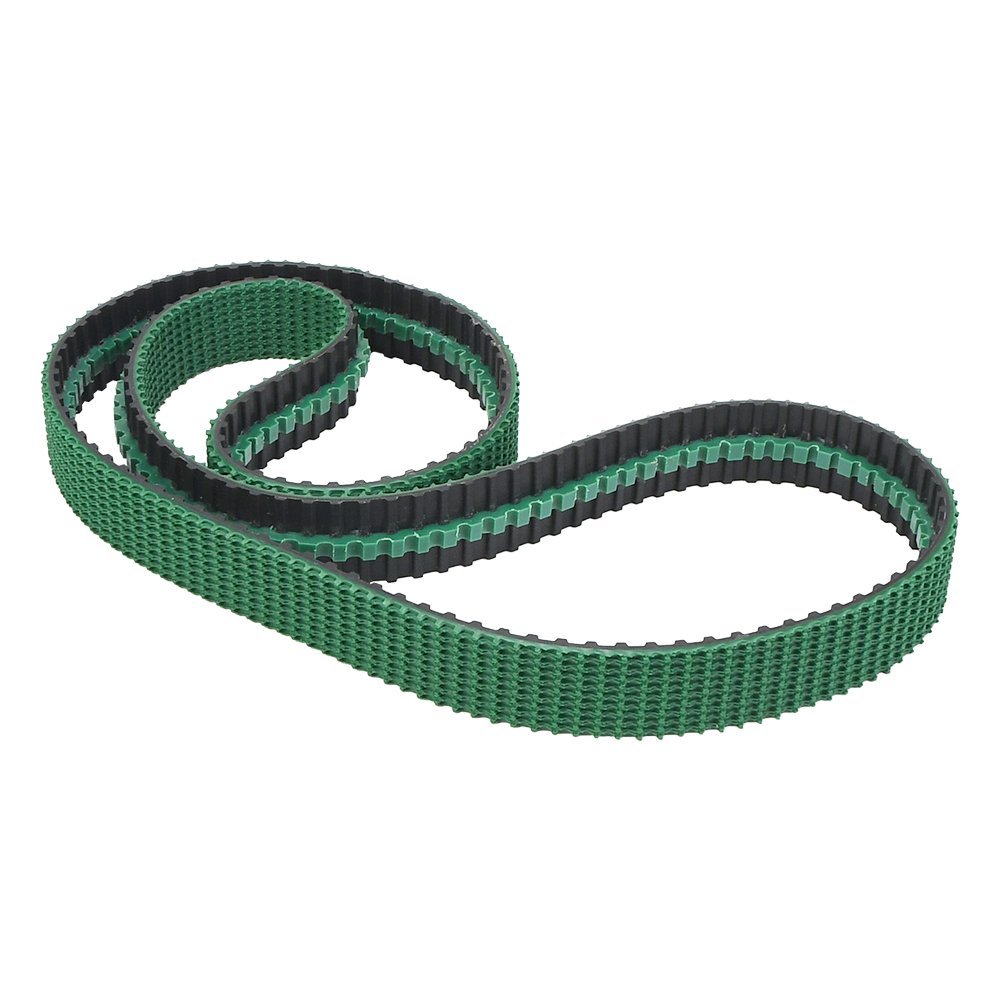
How to choose
- Where the joint is made decides a lot: field repairs usually mean a lap or step splice, while factory-made endless belts commonly use finger joints.
- Belt thickness and ply count matter: thin single-ply belts often lap well, thicker multi-ply belts gain more from stepped or finger geometry.
- Load character matters: steady conveying loads forgive a simple lap, while high-tension drives reward the larger bonded area of a finger joint.
- Pulley diameters matter: some joint geometries flex better around small pulleys than others, so the minimum pulley diameter is checked before choosing.
- Consistency matters more than theory: a carefully made lap joint outperforms a careless finger joint every time.
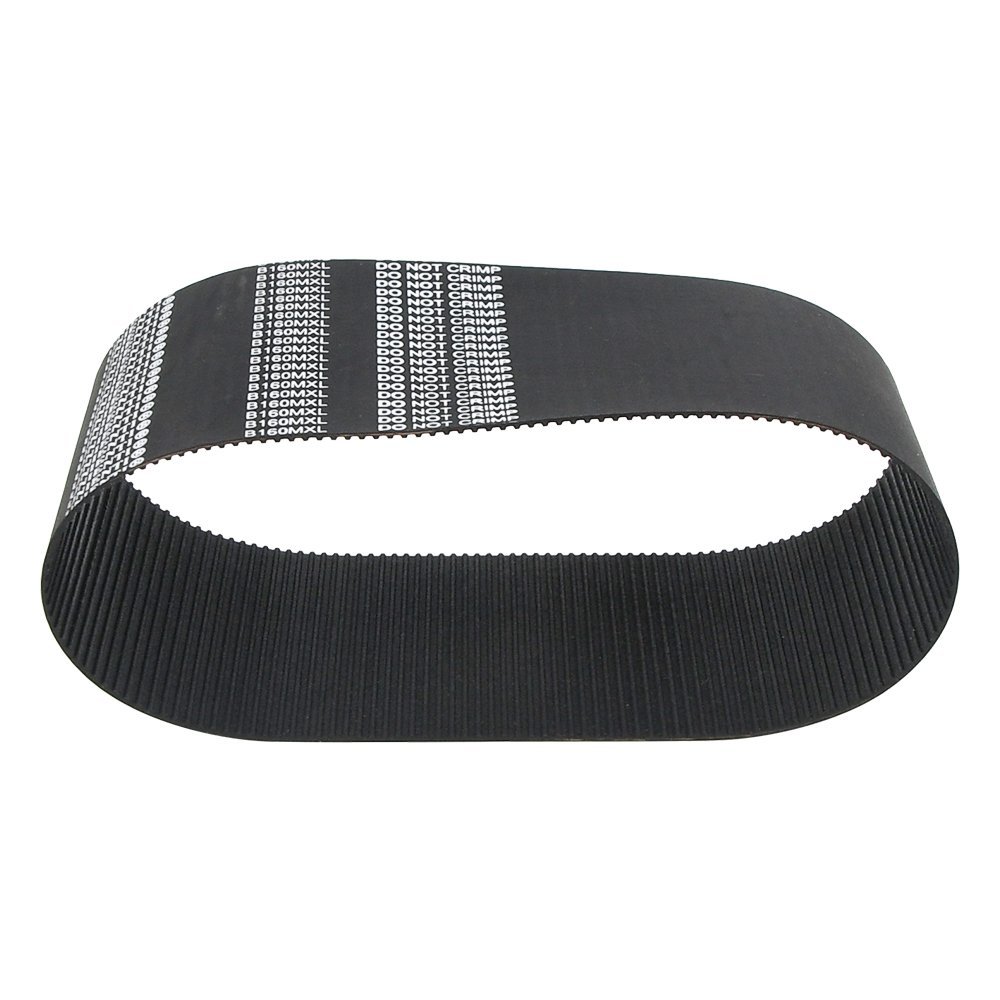
What to tell us before ordering a spliced belt
- Belt construction: type, thickness, ply count and cover material, plus the pulley diameters it runs on.
- Where the splice will be made: in our factory as a ready endless belt, or on your site with your equipment.
- The load and tension level, so we can recommend the joint construction with adequate strength margin.
- Whether this is a new installation or a replacement for a known joint that failed, and if so, how the old joint failed.
Joint strength values depend on belt construction, materials and workmanship, so we state expected performance per belt and joint type rather than quoting one universal number.
Tell us the belt, not just the joint
Email sales@goodlybelts.com with the belt type, thickness and pulley diameters, and say whether the splice is factory or on-site. We will recommend the joint construction and quote the ready endless belt or the splicing materials.
Ask for a joint recommendation
Are you looking for a reliable manufacturer of conveyor belt products?
We can quickly provide customers with market analysis, technical support and customized services.We manufacture and customize industrial
motion belts to precisely match mainstream
equipment worldwide.
Please send your message to us
- Name
- Phone
- *Title
- *Content