
We manufacture and customize industrial
motion belts to precisely match mainstream
equipment worldwide.
 Rubber Timing Belt
 PU Timing Belt
 Silicone Timing Belt
 Silicone Vulcanized Timing Belt
 Vulcanized Timing Belt
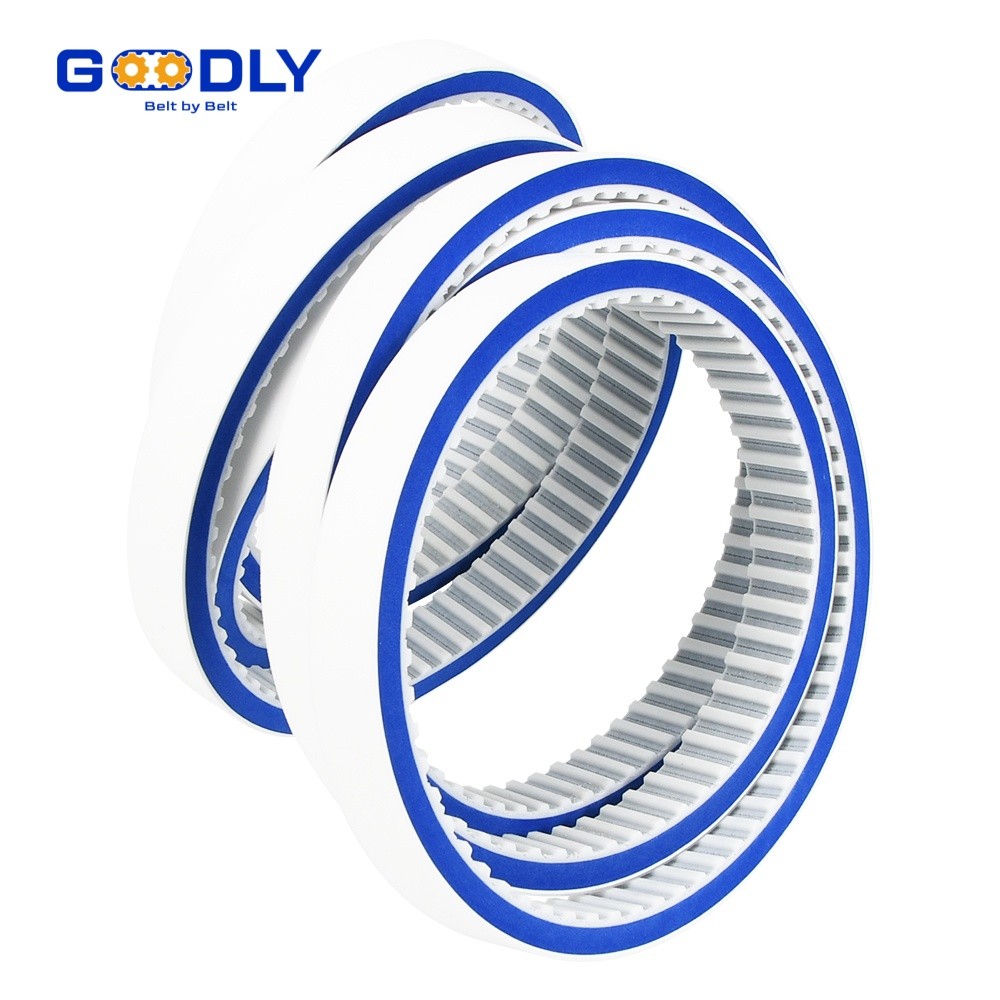 Sponge Timing Belt
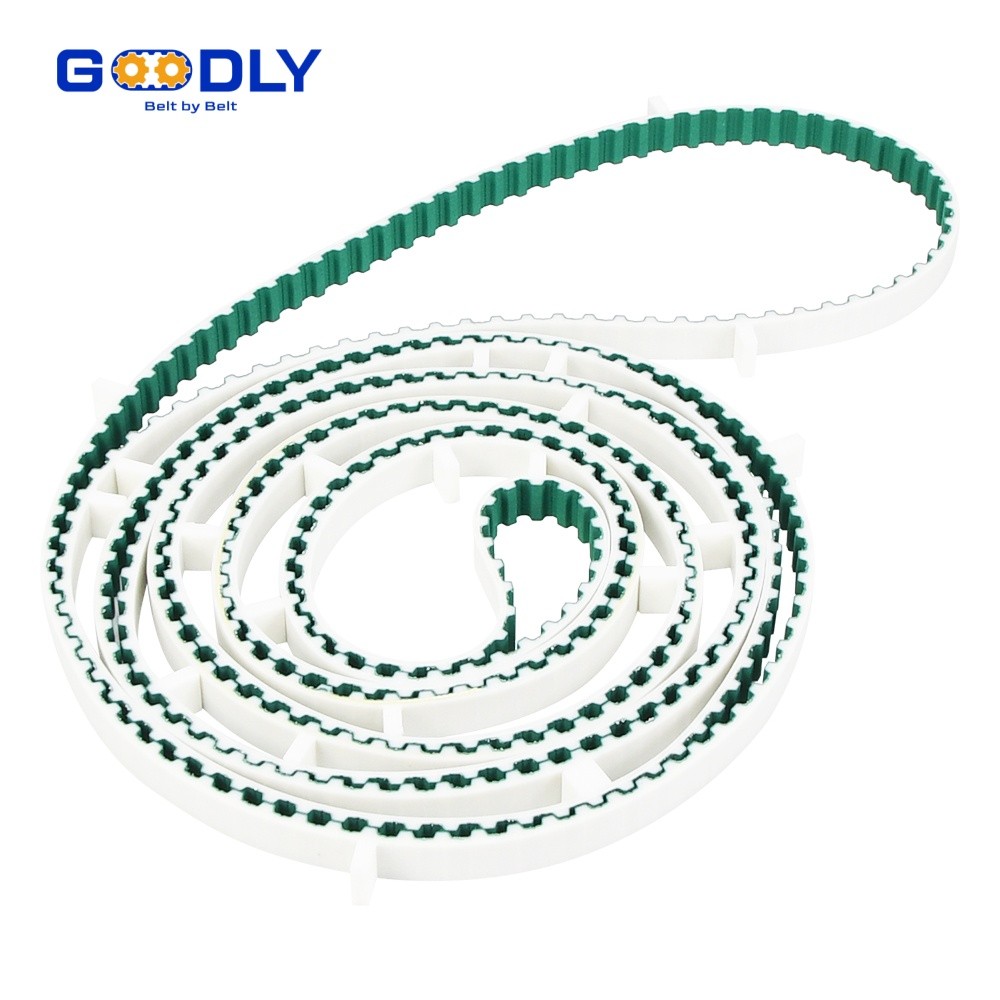 Timing Belts with Special Machining
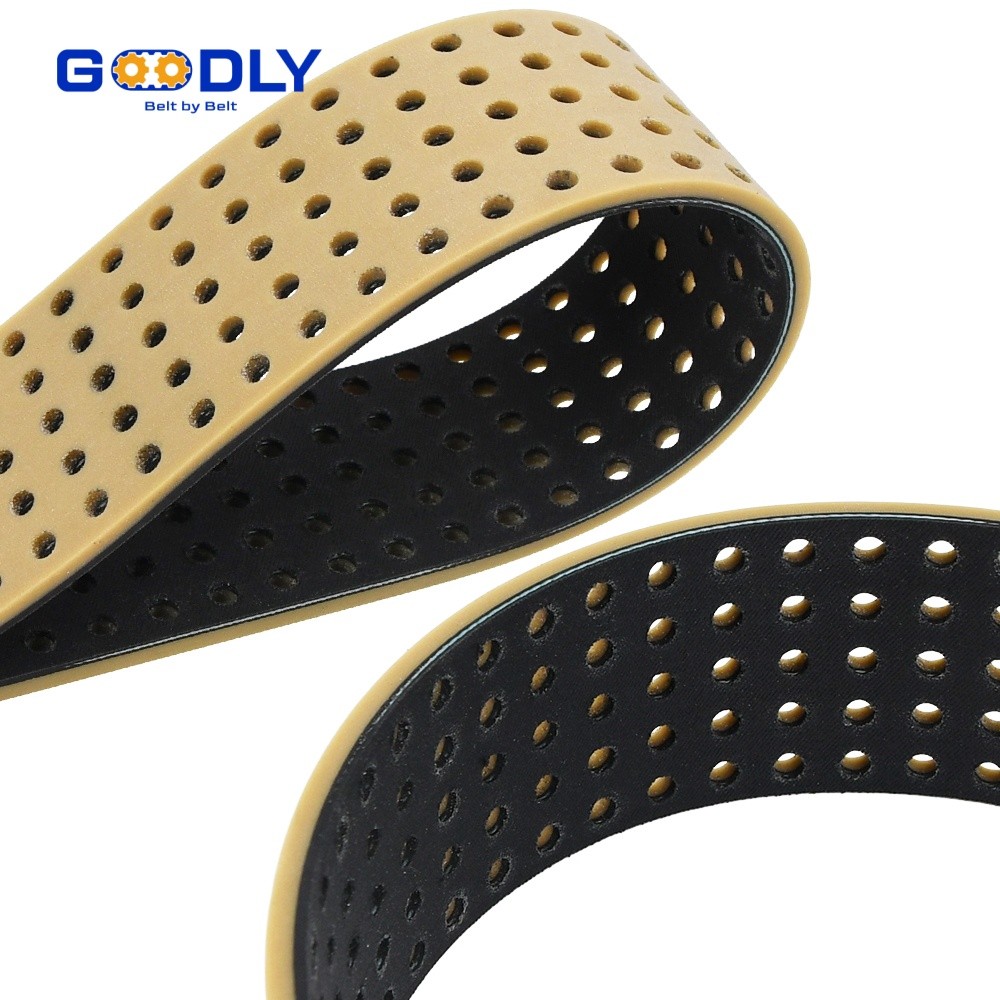 Rubber Flat Belt
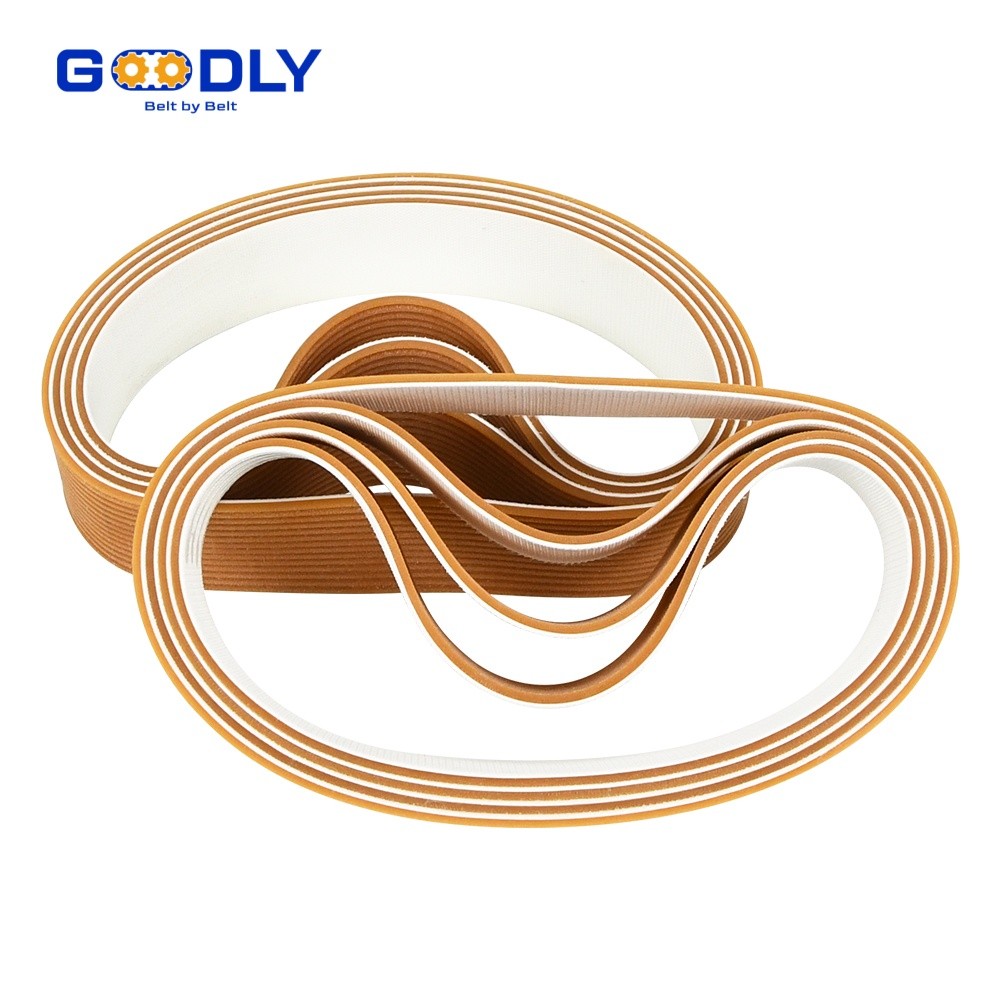 PU Flat Belt
 Nylon Flat Belt
 Foam Flat Belt
 Vulcanized Flat Belt
 PU Conveyor Belt
 PVC Conveyor Belt
 Rubber Conveyor Belt
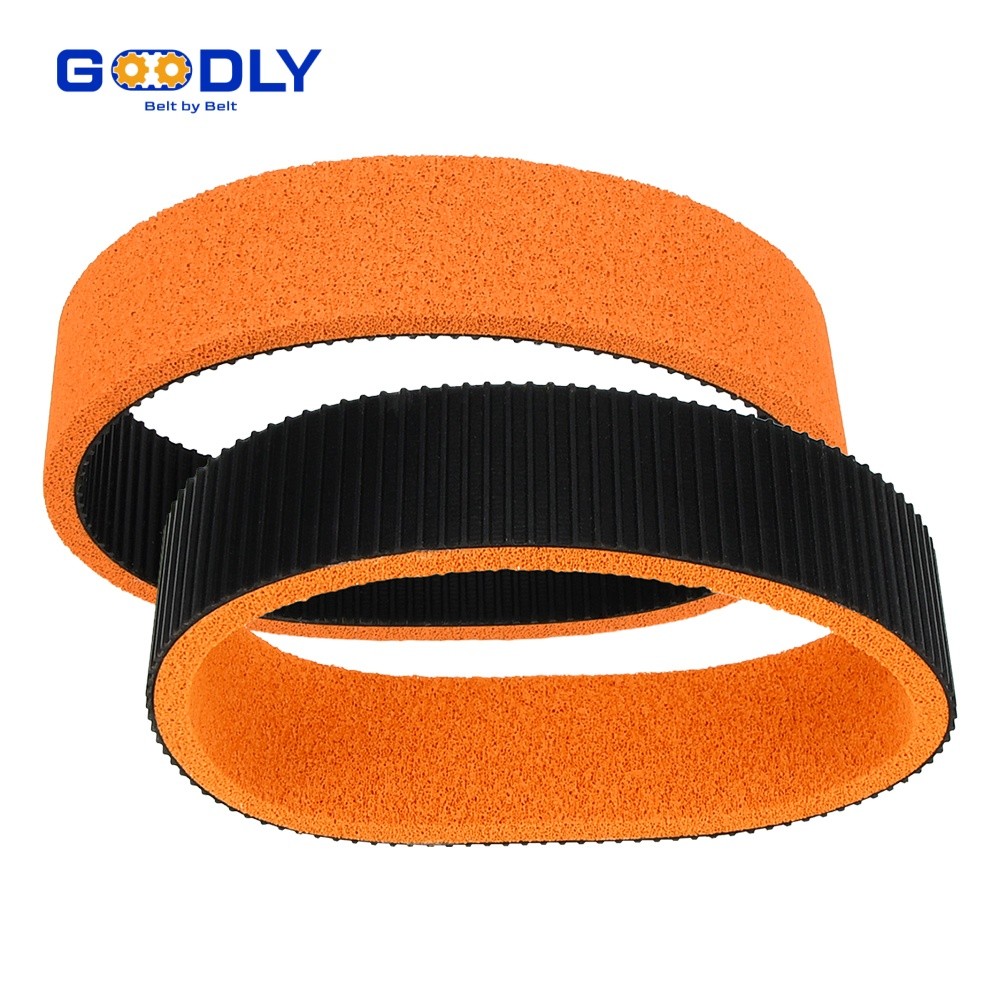 Sponge Conveyor Belt
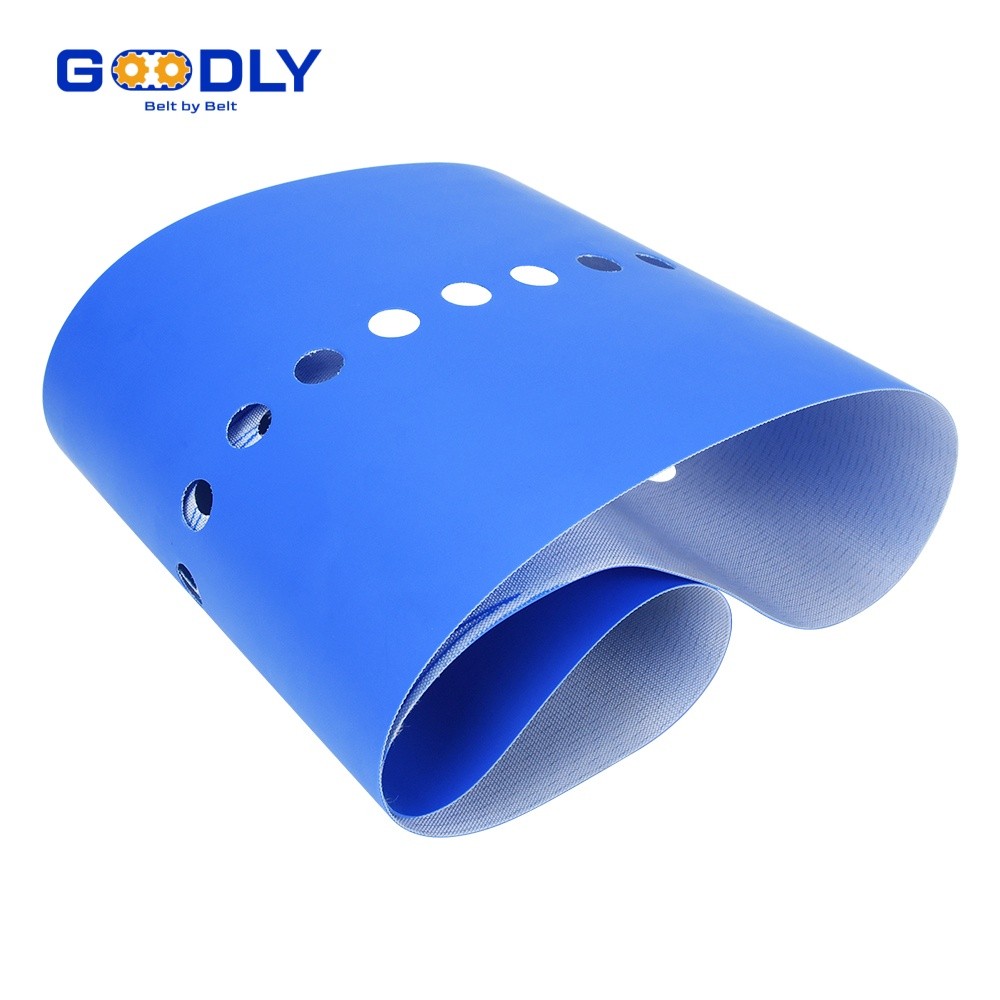 Conveyor Belts with Special Machining
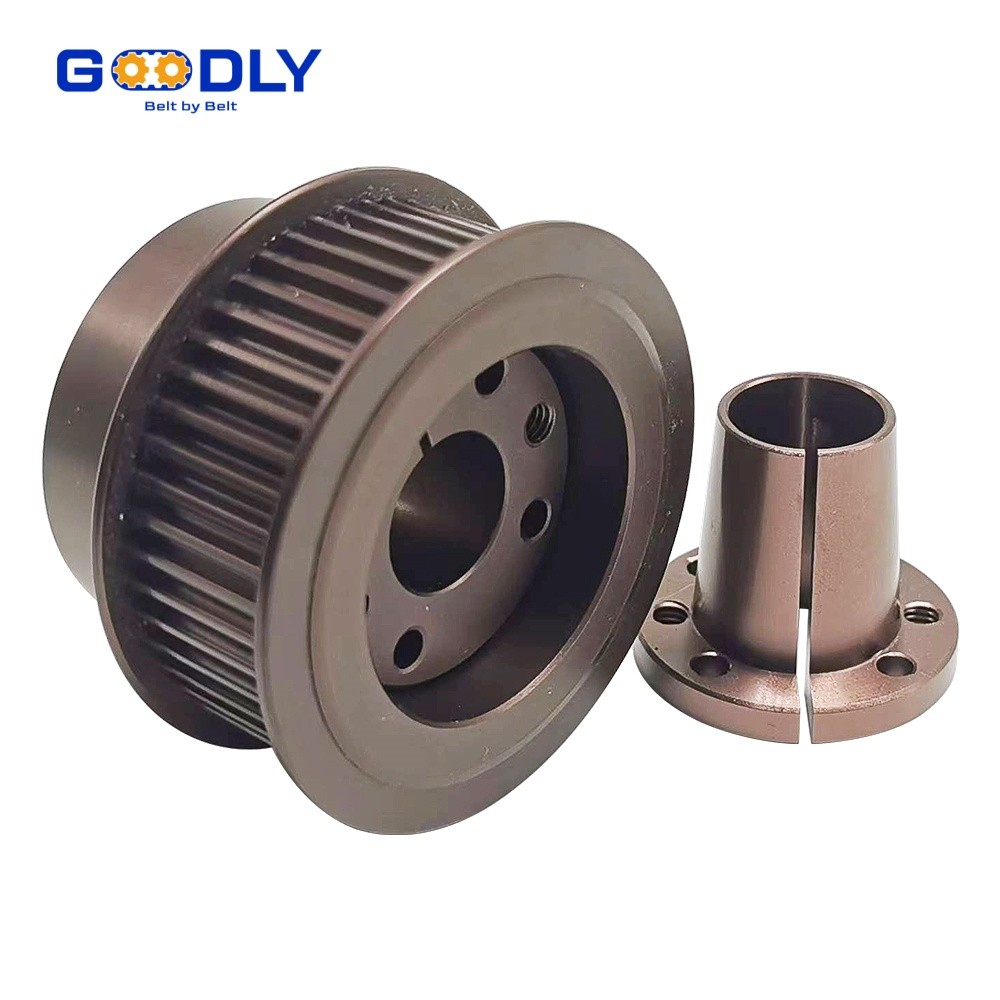 Timing Belt Pulley
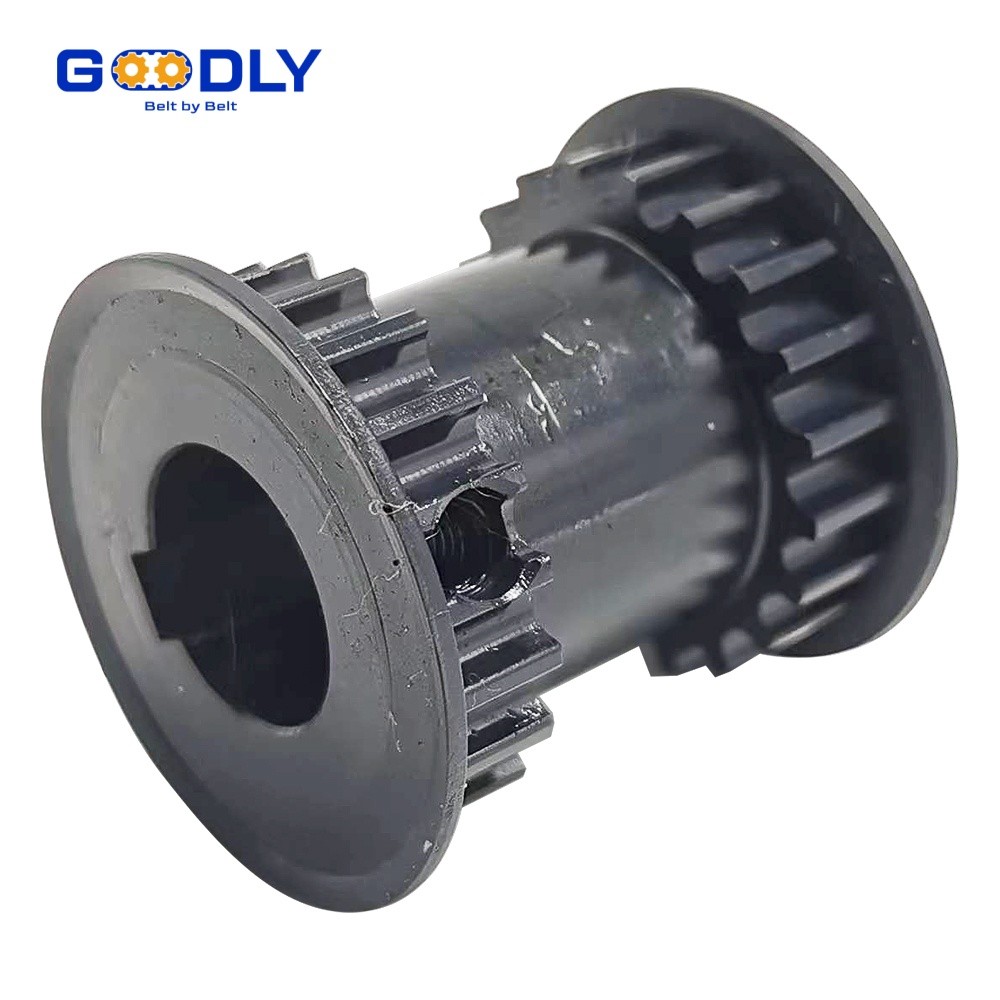 Rod-Shaped Synchronous Timing Pulley
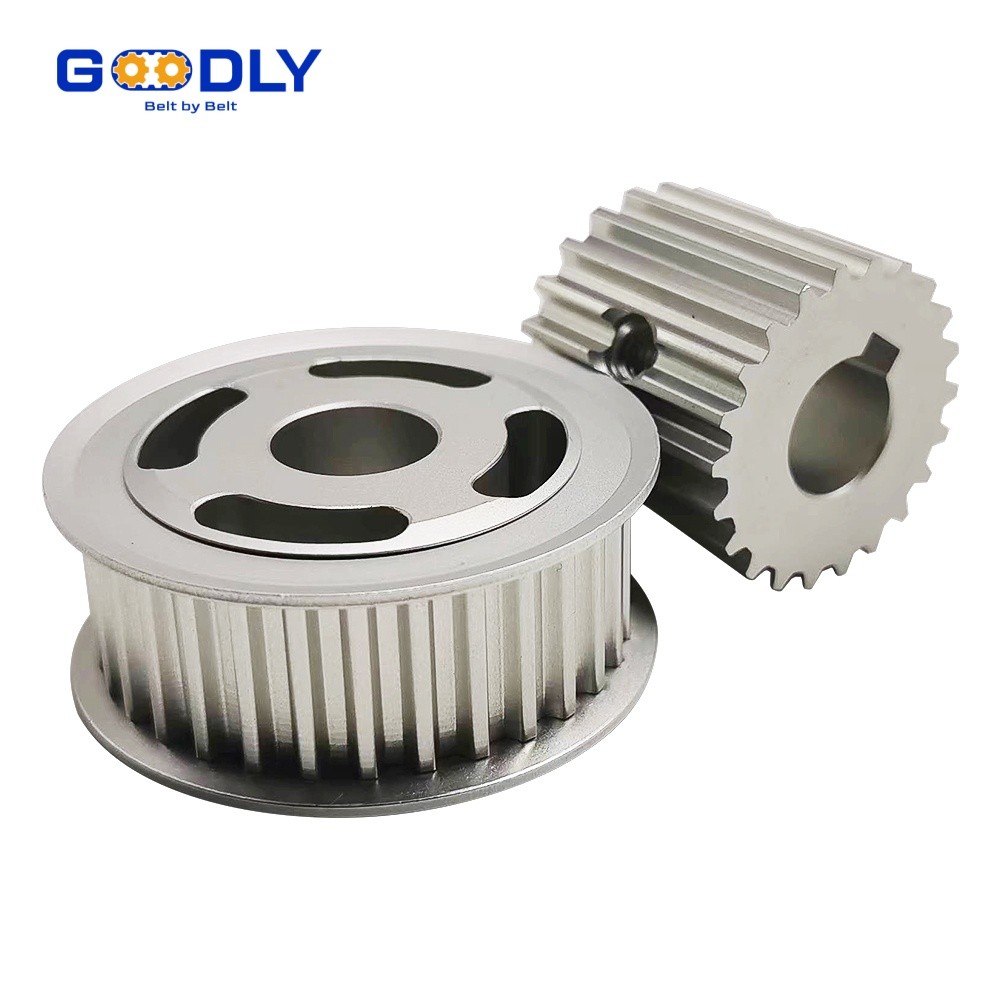 Surface-Pressure-Bearing Timing Pulley
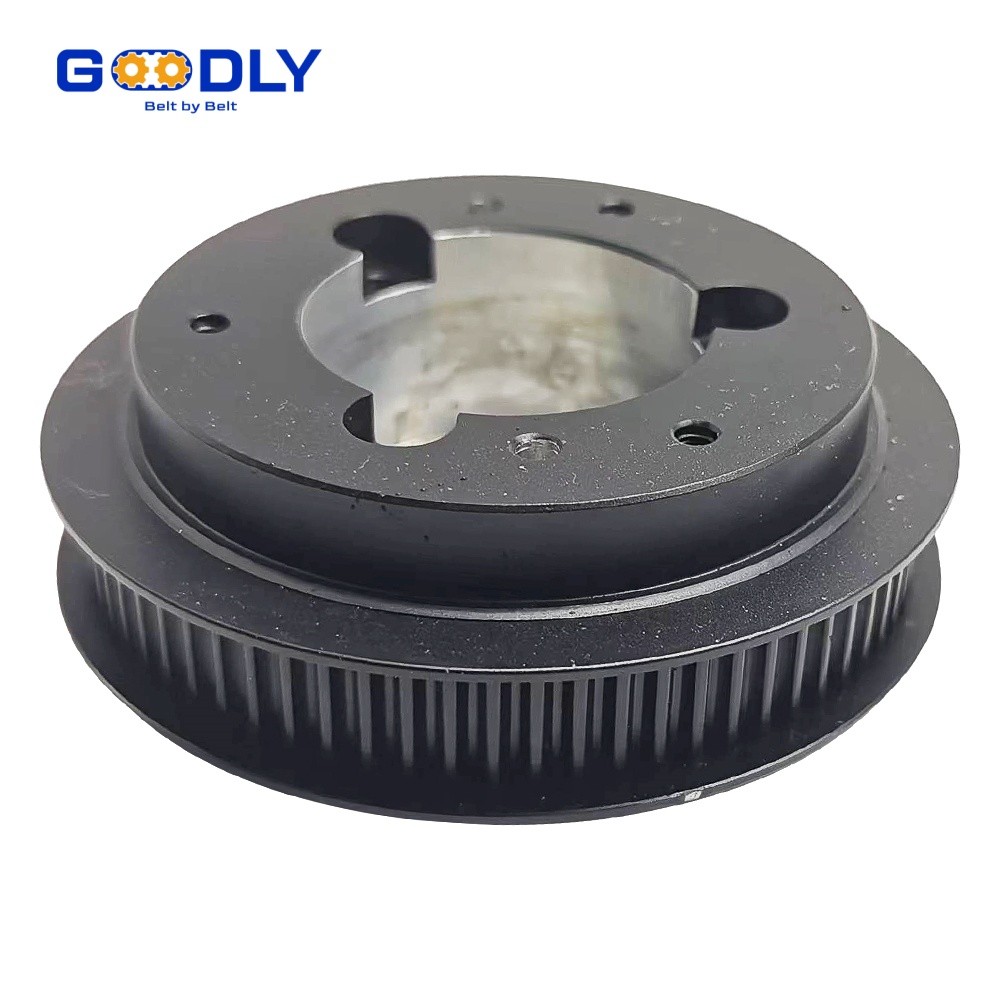 Serrated Idler Gear Timing Pulley
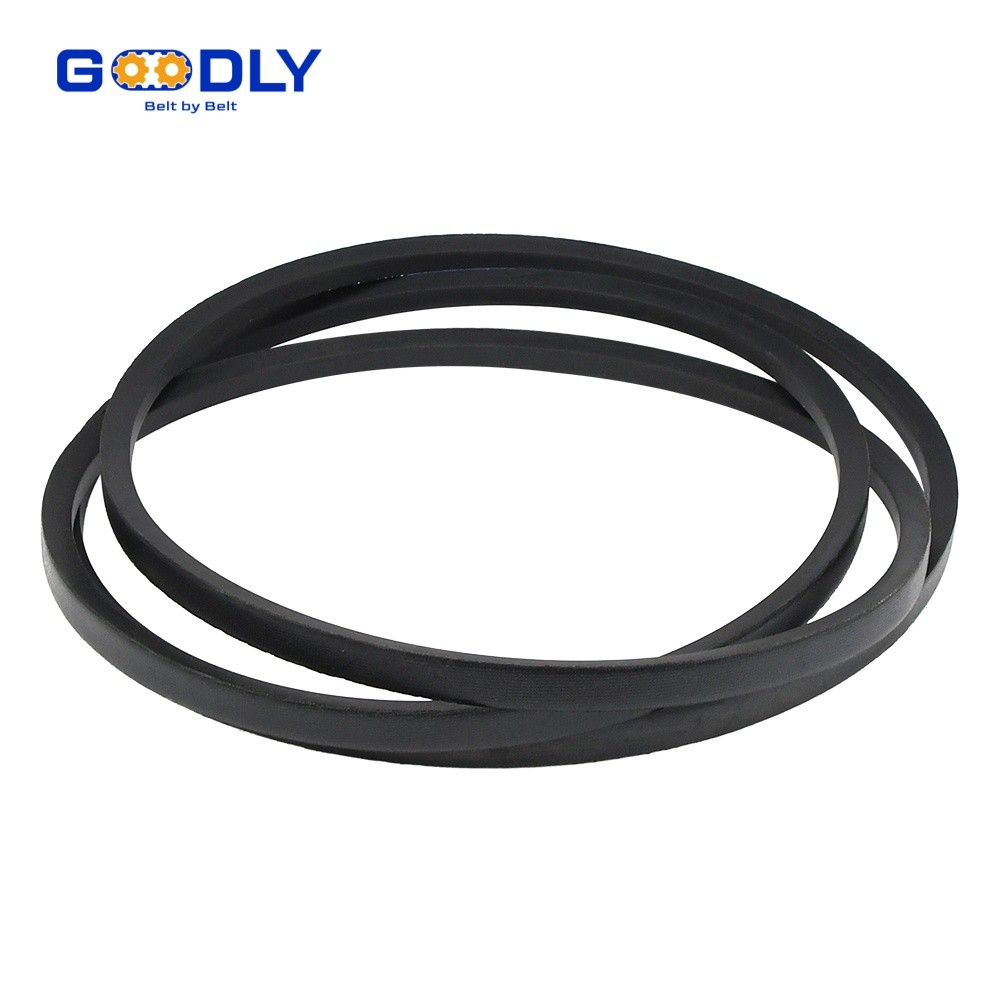 Multi-Groove Belt
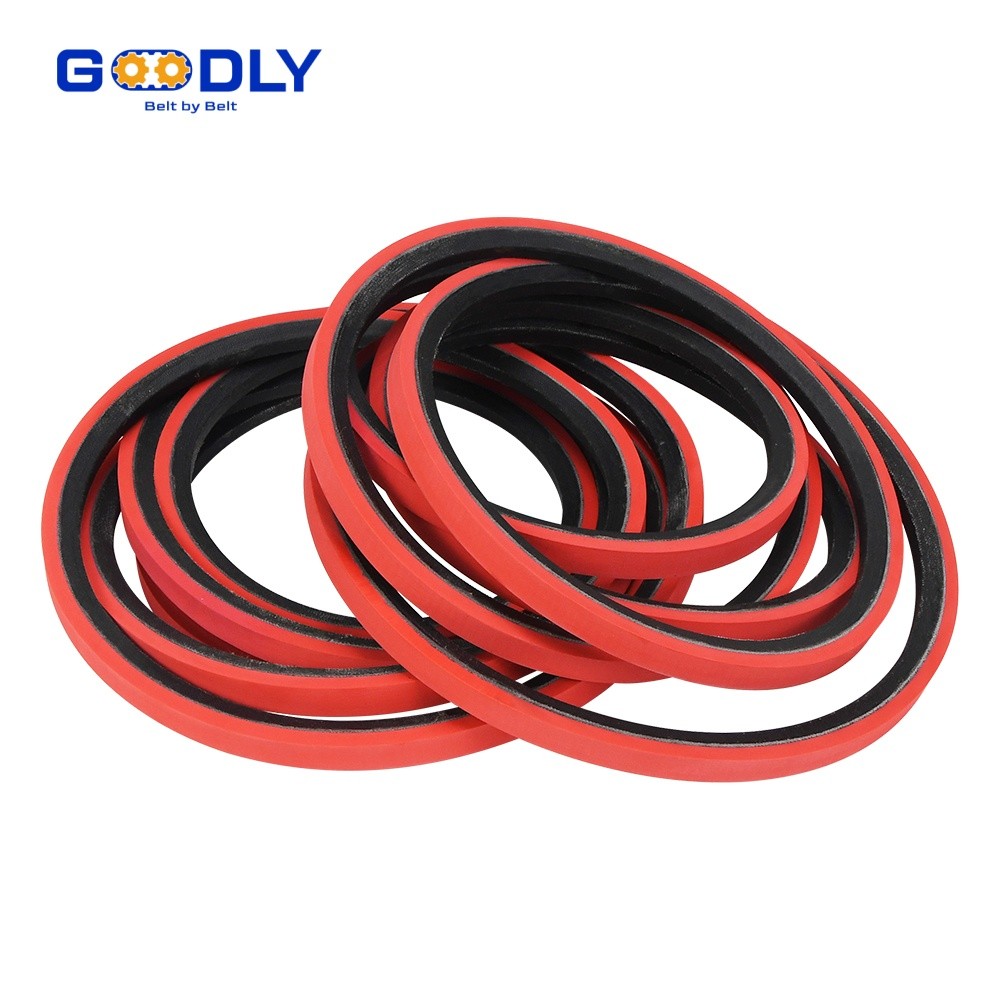 V-Belt
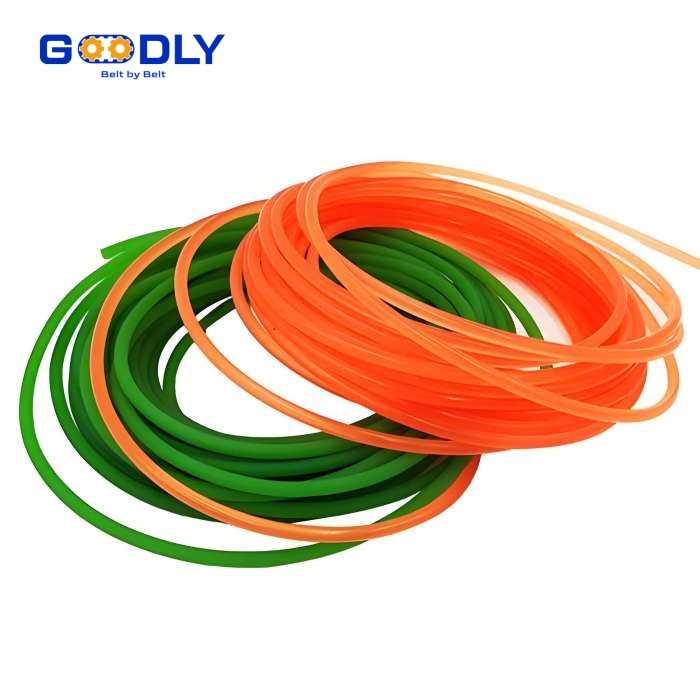 PU Round Belt
How do I align timing belt pulleys to stop premature edge wear?
Direct answer: Check alignment every time you fit a belt. The aim is parallel pulley faces and matching centre lines, with the belt running close to the centre of both pulleys. In practice, hold faces parallel to within about 0.5 mm to 1 mm across the span for short industrial drives. Misalignment first shows as wear on one belt edge, then as cord fraying, noise and early failure. Most cases are found with a straightedge laid across the pulley faces; a laser alignment tool finds the finer cases.
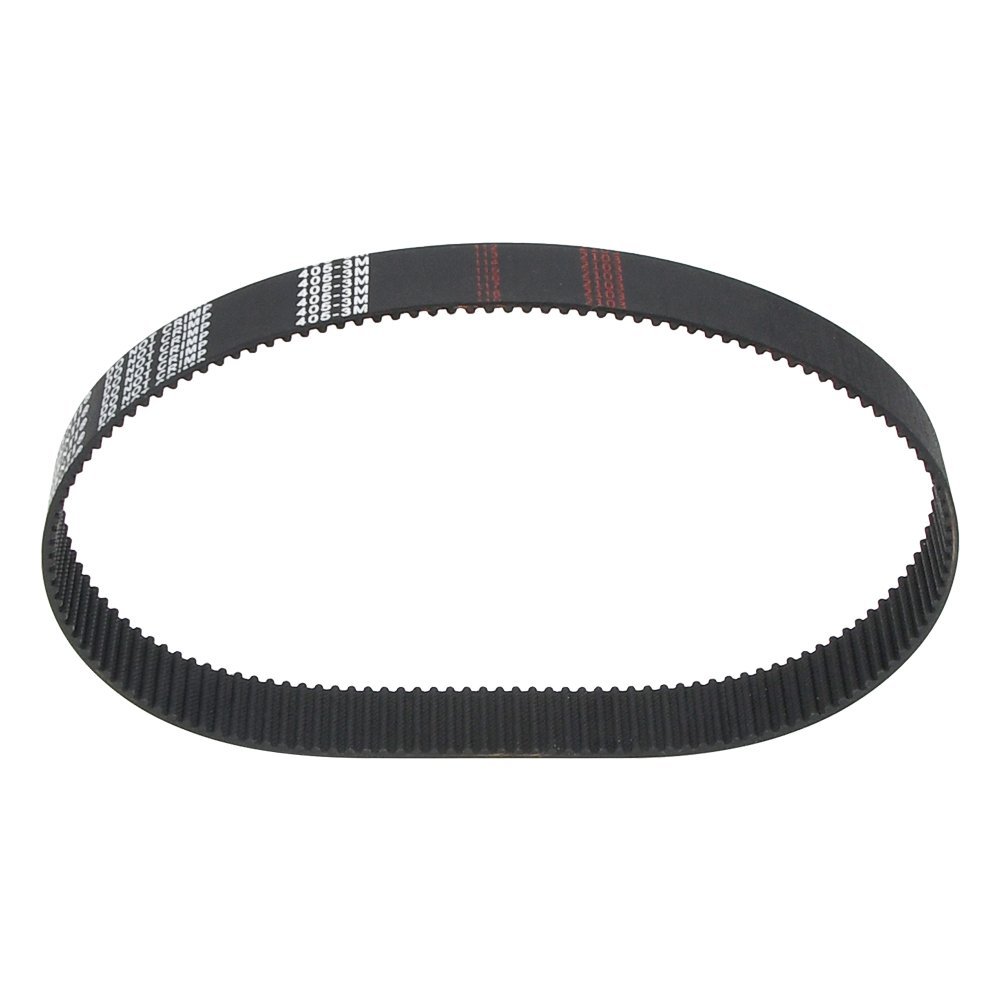
What misalignment looks like on the belt
| Symptom on the belt | Likely cause | Where to correct |
|---|---|---|
| One belt edge worn, the other clean | Angular misalignment: one pulley tilted relative to the other | Shims under the motor or driven-shaft bearing mounts |
| Belt runs against one flange, then against the other | Parallel offset: pulley centre lines do not line up along the shaft axis | Reposition one pulley along its shaft, re-tighten the hub |
| Edge wear plus tooth root cracking near one pulley | Shaft deflection or soft foot under load | Check bearing condition and machine base levelling |
| Wear alternates between sides after maintenance | Pulley fitted at the wrong axial position or hub bolted unevenly | Re-check the pulley seating and hub bolt torque pattern |
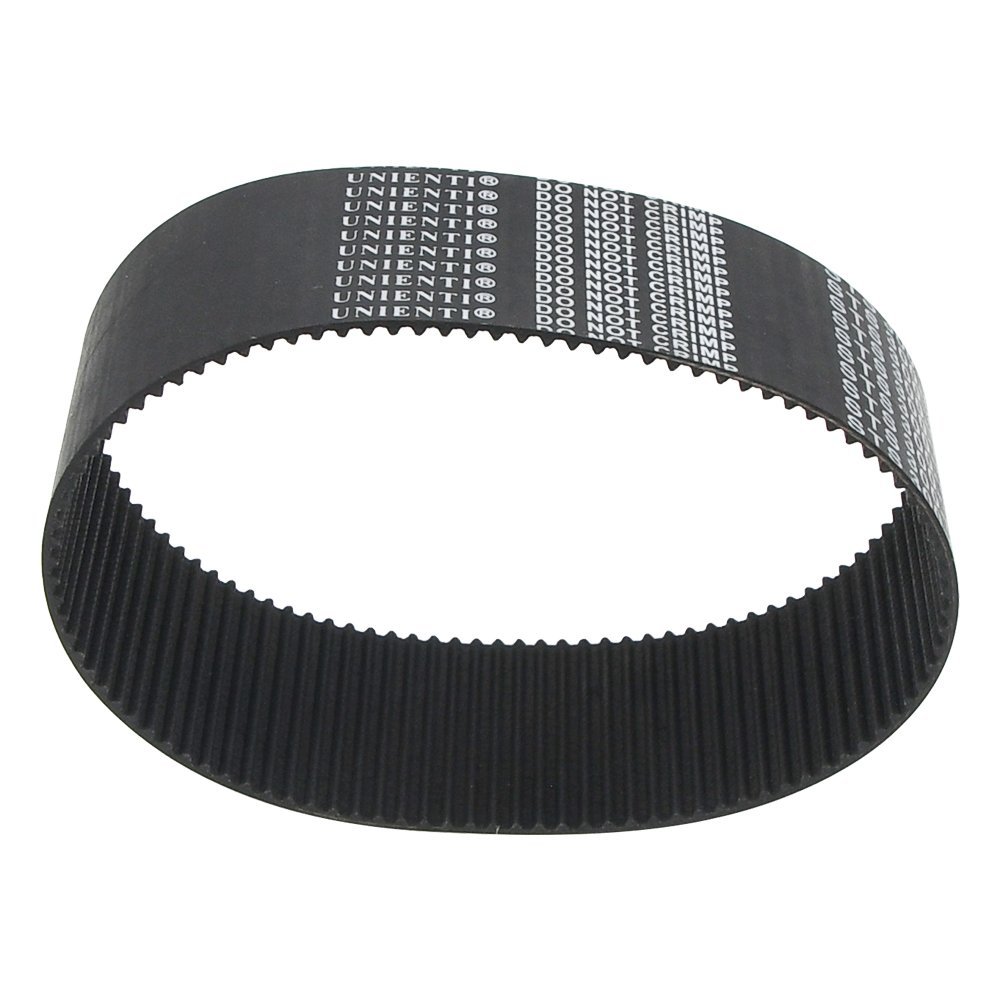
How to check alignment in a few minutes
- Lay a straightedge or a stretched fishing line across the machined faces of both pulleys and look at the gaps at all four corners. A 0.5 mm feeler gauge is enough to decide if shimming is needed.
- For drives where the pulleys are far apart or one is hidden behind a guard, use a laser alignment tool: it shows angular and parallel error on a target within seconds.
- Rotate both shafts a quarter turn and re-check. A bent shaft or an eccentric bushing only shows up at certain angles.
- Check the flange condition. A flange that has been pushing a misaligned belt sideways for months is itself worn conical and will keep steering the belt even after you true the shafts.
- Confirm the machine frame is level and the feet are not soft-footed. Frame twist transfers straight into pulley skew.
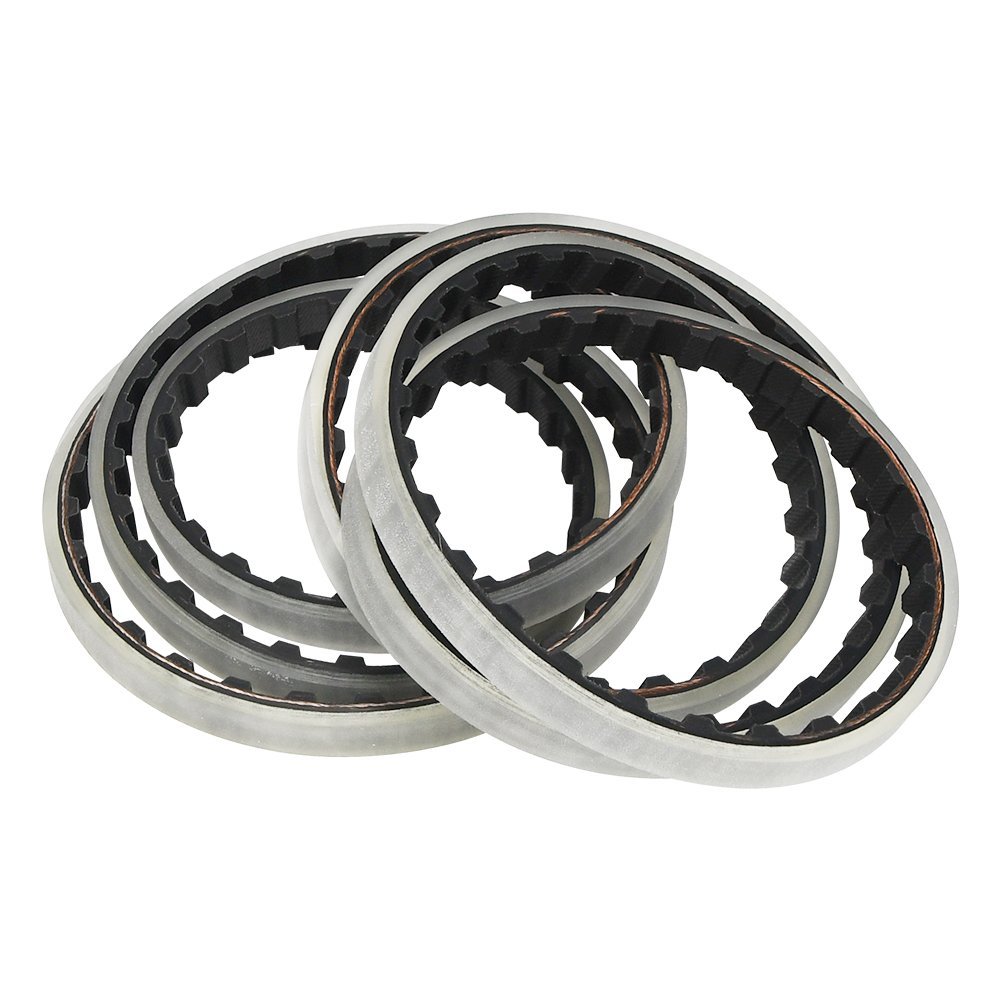
Fix the alignment before blaming the belt
- Correct alignment first, then replace the belt. A new belt fitted to a skewed drive will wear exactly like the old one.
- Shim under the bearing or motor mounts rather than loosening the pulley hubs to compensate; the hubs should stay square on their shafts.
- Re-tension after correcting alignment, because moving a motor changes the centre distance.
- Log the straightedge or laser reading so the next maintenance round can compare and catch drift early.
Numbers on this page are practical starting ranges for typical industrial drives. The acceptable band depends on pitch, belt width, span length and speed, so treat the belt maker documentation as the reference for your specific drive.
Facing repeated edge wear on one side?
Email sales@goodlybelts.com with the belt marking, pulley diameters and centre distance, and describe where the belt is wearing. We will help you separate alignment, tension and belt quality causes, and quote a replacement matched to your drive.
Ask for a drive check
Are you looking for a reliable manufacturer of conveyor belt products?
We can quickly provide customers with market analysis, technical support and customized services.We manufacture and customize industrial
motion belts to precisely match mainstream
equipment worldwide.
Please send your message to us
- Name
- Phone
- *Title
- *Content