
We manufacture and customize industrial
motion belts to precisely match mainstream
equipment worldwide.
 Rubber Timing Belt
 PU Timing Belt
 Silicone Timing Belt
 Silicone Vulcanized Timing Belt
 Vulcanized Timing Belt
 Sponge Timing Belt
 Timing Belts with Special Machining
 Rubber Flat Belt
 PU Flat Belt
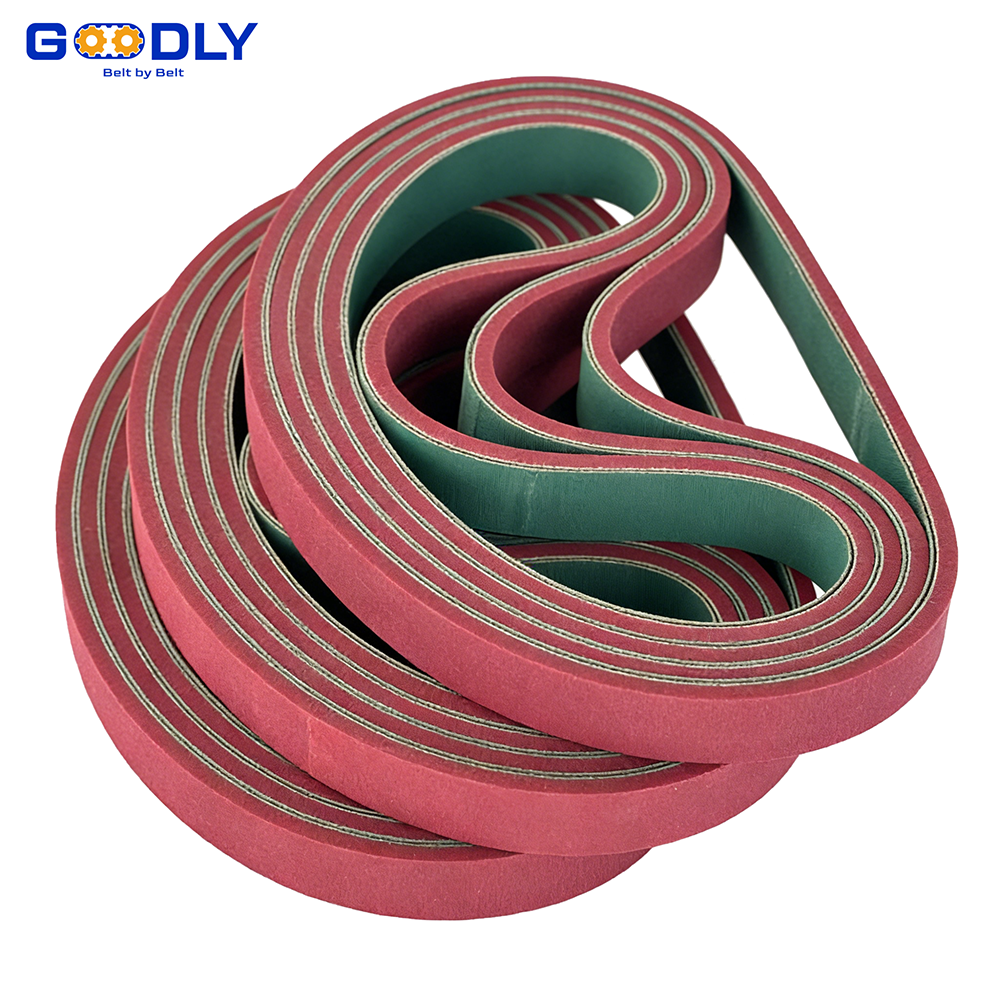 Nylon Flat Belt
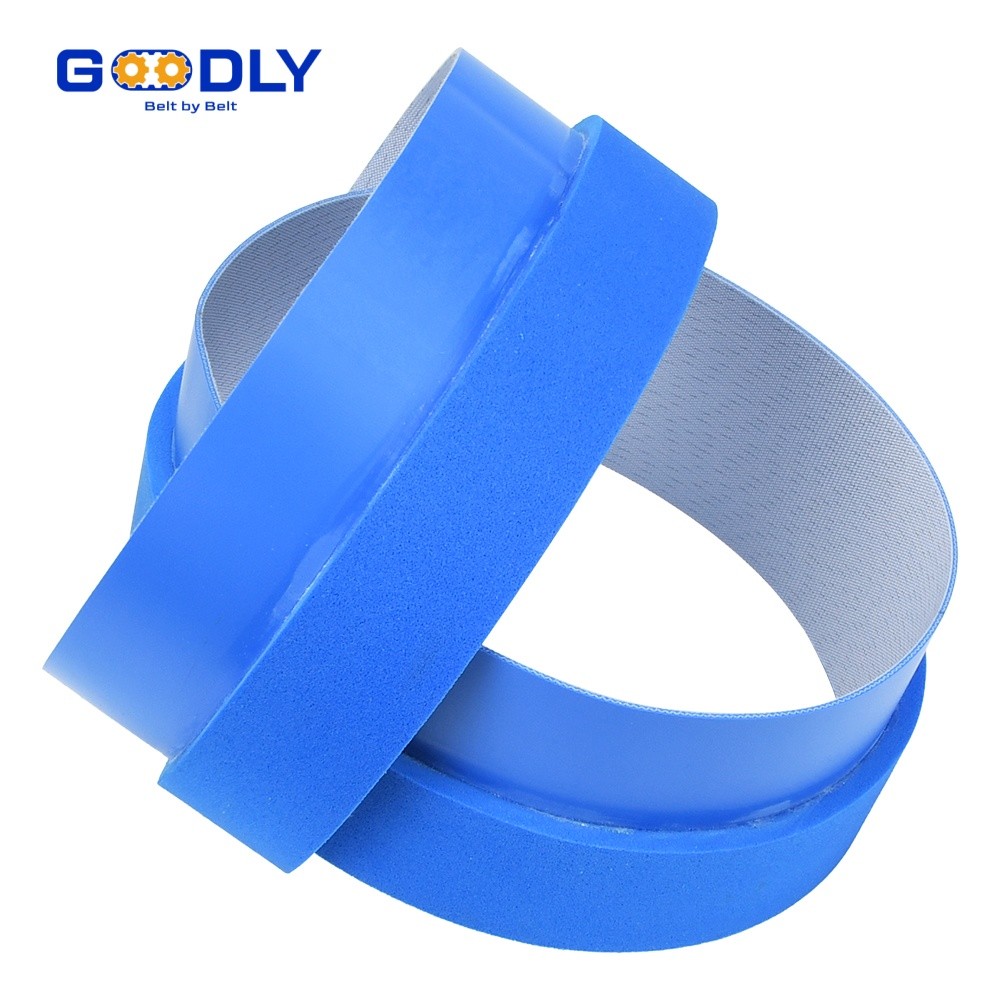 Foam Flat Belt
 Vulcanized Flat Belt
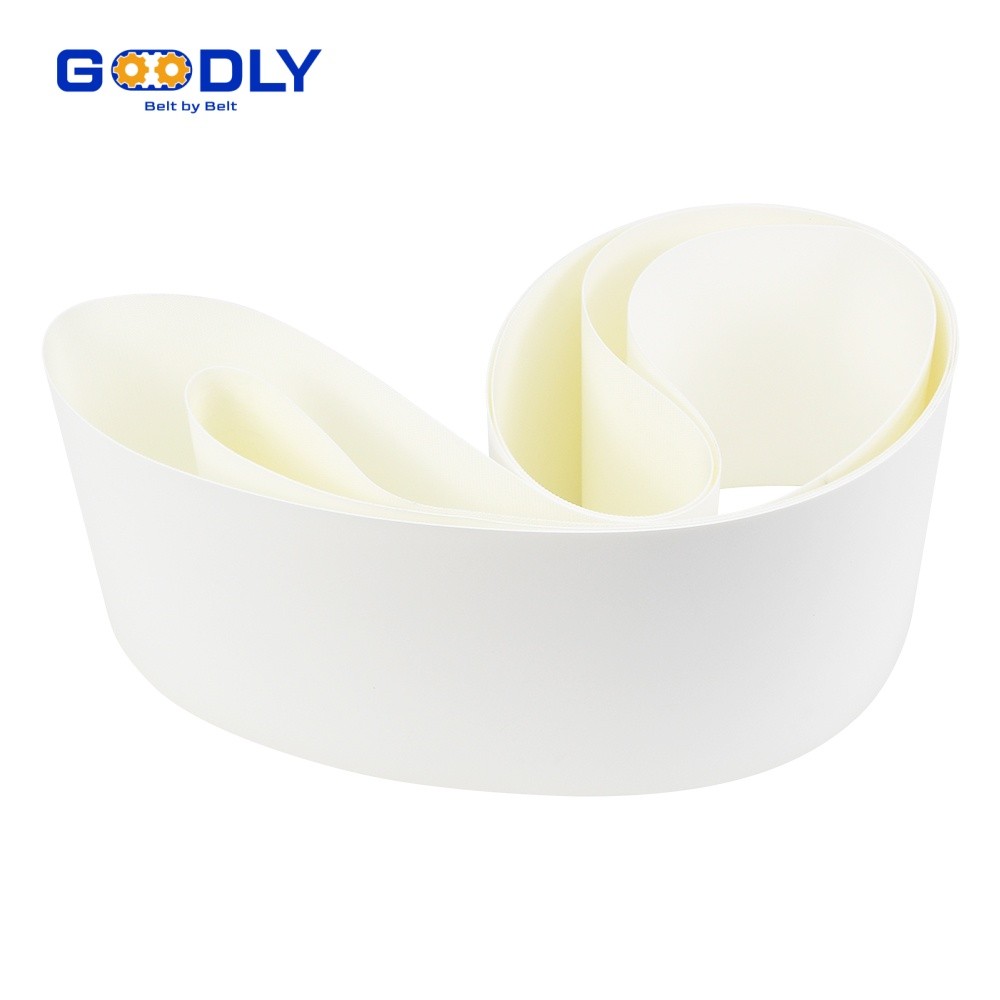 PU Conveyor Belt
 PVC Conveyor Belt
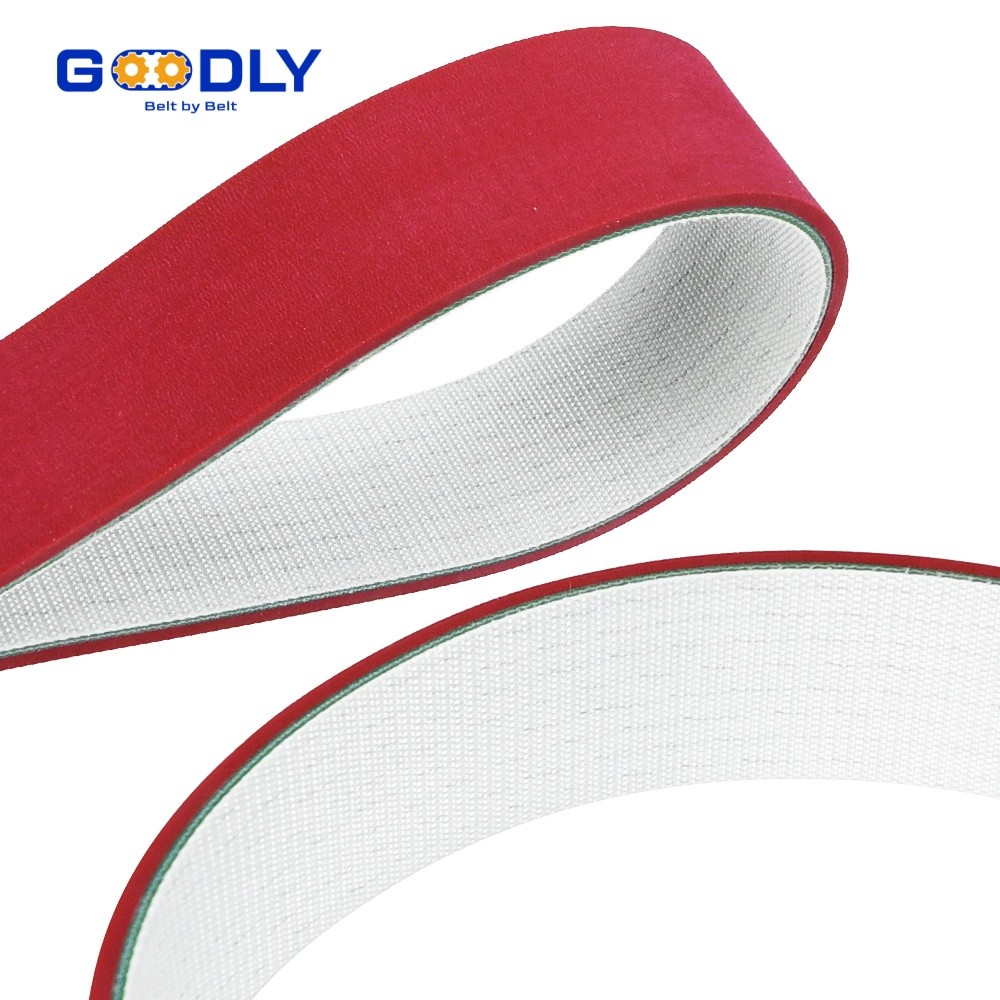 Rubber Conveyor Belt
 Sponge Conveyor Belt
 Conveyor Belts with Special Machining
 Timing Belt Pulley
 Rod-Shaped Synchronous Timing Pulley
 Surface-Pressure-Bearing Timing Pulley
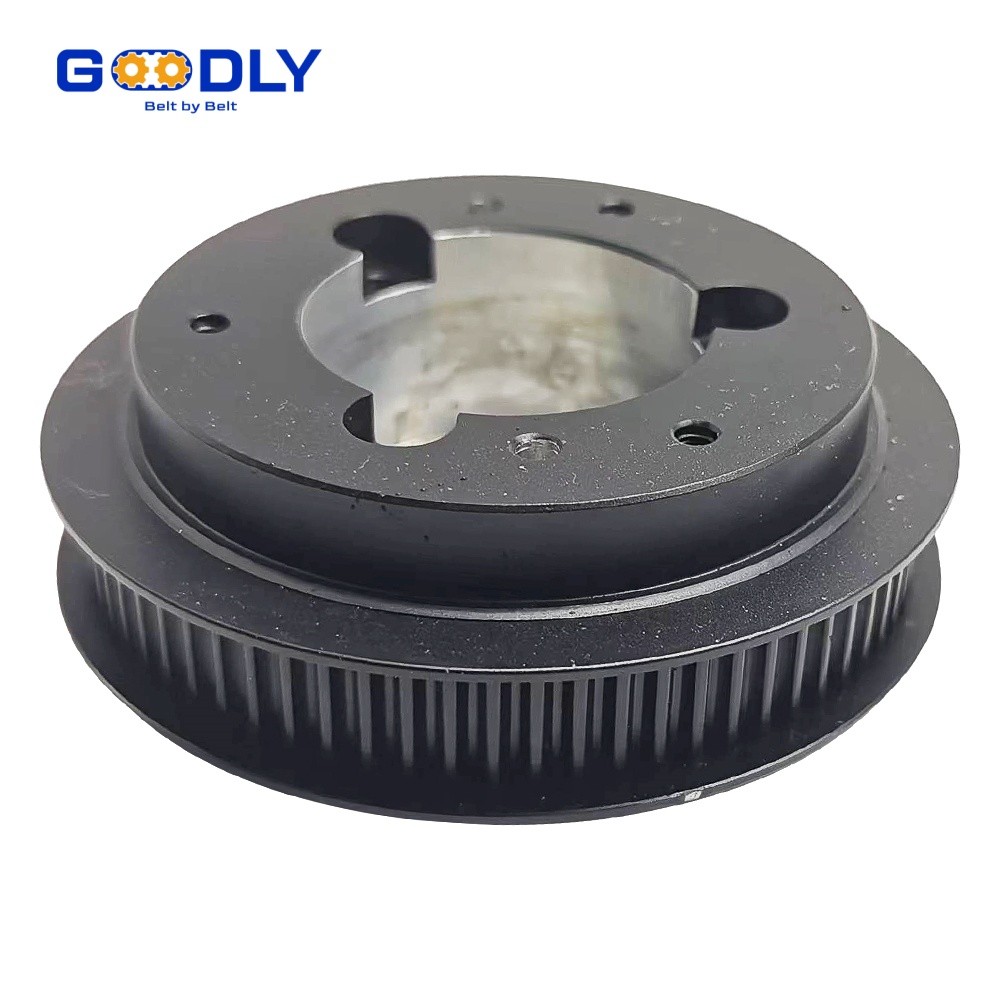 Serrated Idler Gear Timing Pulley
 Multi-Groove Belt
 V-Belt
 PU Round Belt
Home / All / Belt Selection / How much backlash does a timing belt drive have, and how do I reduce it?
How much backlash does a timing belt drive have, and how do I reduce it?
Direct answer: As a working figure, a correctly tensioned timing belt drive shows about 0.1 mm to 0.5 mm of lost motion at the driven pulley, measured at the pitch radius. It is not a catalogue number: pitch, span length, tension, load and pulley accuracy all move it. If the process needs tighter positioning, treat backlash as a design item and reduce it at the source rather than by over-tensioning.
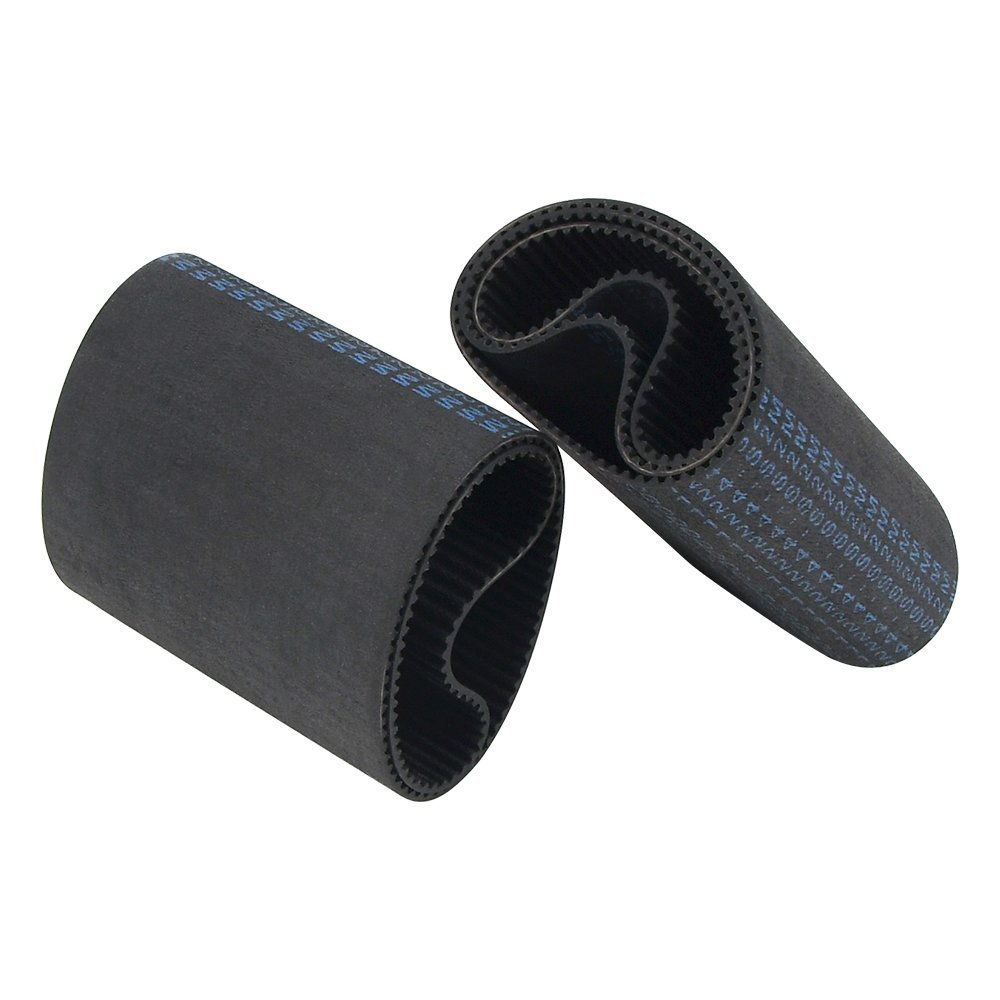
Where the lost motion comes from
| Source | What it does | First thing to change |
|---|---|---|
| Designed tooth clearance | Every belt and pulley pair has clearance in the groove, so reversing the load crosses that gap | Accept it as designed, or move to a finer pitch with a matching profile |
| Cord elongation over the span | The free span stretches under load, so the driven pulley lags behind the driver | Shorten the centre distance, add support, or use a lower stretch cord |
| Tooth deflection | Rubber or PU teeth compress under torque, more so at high load and coarse pitch | Widen the belt or increase the number of teeth in mesh |
| Pulley runout and mounting | An eccentric or loose pulley adds play that looks exactly like belt backlash | Measure runout and keyway fit before blaming the belt |
| Tension | A slack belt adds play; an over-tight belt adds bearing load and noise without removing clearance | Set tension by deflection or sonic meter, then re-check after run-in |
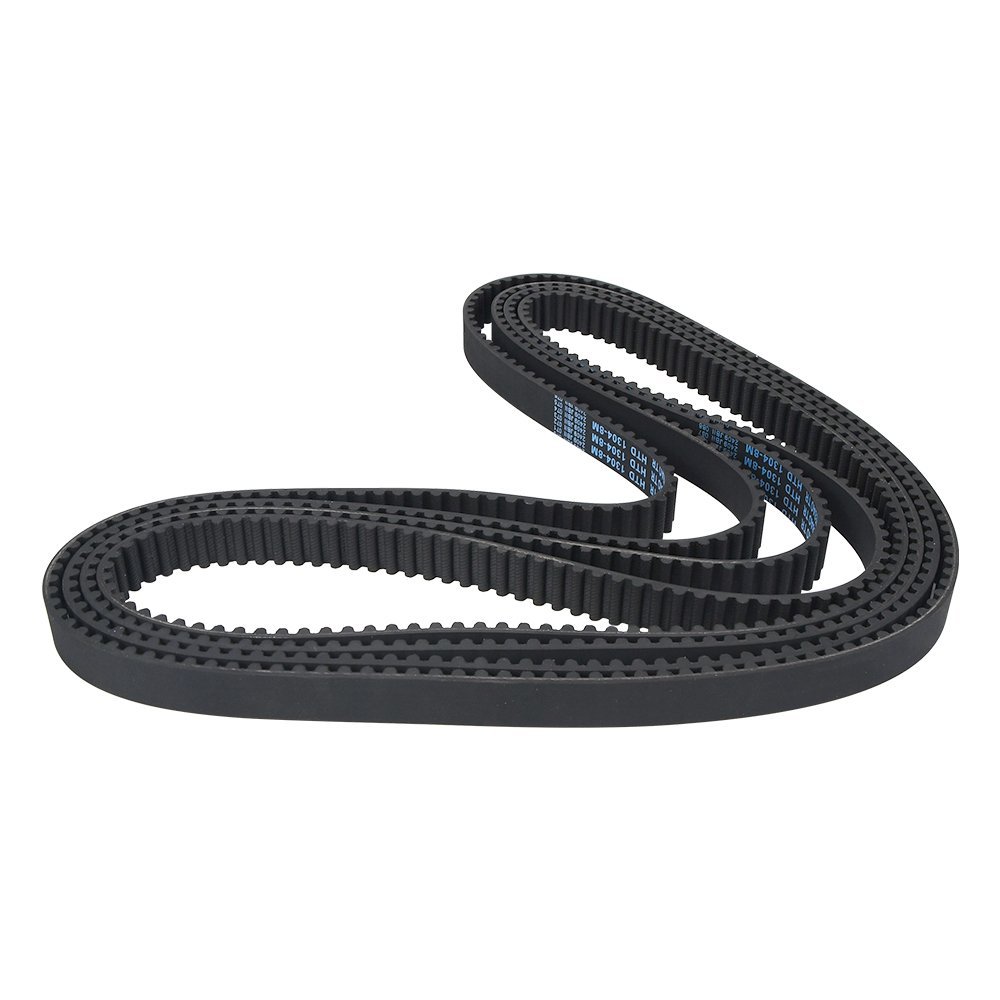
Design choices that reduce backlash
- Use the finest pitch that still carries the load. A 2 mm or 3 mm pitch moves less per tooth than an 8 mm or 14 mm pitch.
- Maximise teeth in mesh. A larger driven pulley, or a layout that wraps more than 180 degrees, spreads torque over more teeth and cuts deflection.
- Keep the span short and stiff. A long unsupported span behaves like a spring; a shorter centre distance or an intermediate support helps.
- Choose the cord for stiffness. Steel cord stretches less than aramid under steady load, while aramid tolerates flex fatigue better. Match the cord to the duty cycle.
- Tension to the belt maker value, not above it. Extra tension cannot remove designed tooth clearance, and it costs bearing life.
- Close the loop where the process demands it. On positioning work an encoder, or a second belt opposed to the first, is often more effective than chasing the last hundredth of a millimetre with tension.
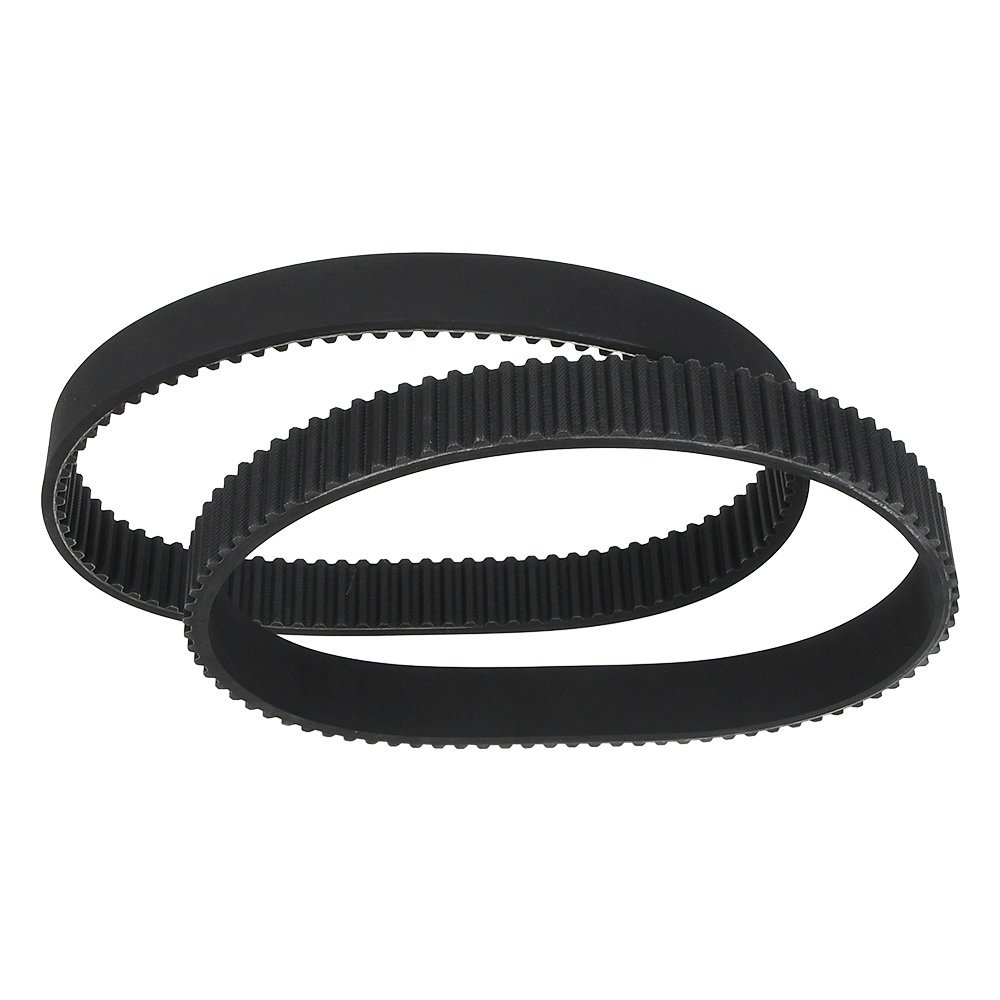
What to measure before changing anything
- Measure lost motion at the driven pulley with a dial indicator, loading the belt in both directions and reading the difference.
- Compare that reading with pulley runout. If runout is a large share of the total, the pulley is the problem.
- Inspect the tooth flanks. A worn groove increases play, and no new belt will remove it.
- Record the tension value and the method used, because a deflection gauge and a sonic meter can disagree by a meaningful margin.
Treat every figure on this page as a starting range. Backlash depends on the whole drive, and a number quoted without pitch, span and tension cannot be transferred to your machine.
Tell us the axis and the pitch
Email sales@goodlybelts.com with the belt marking, pitch, centre distance and the positioning tolerance you need, or use the enquiry form. We will suggest a pitch, width and cord combination that keeps lost motion inside your tolerance, and quote it.
Ask for a backlash check
Are you looking for a reliable manufacturer of conveyor belt products?
We can quickly provide customers with market analysis, technical support and customized services.We manufacture and customize industrial
motion belts to precisely match mainstream
equipment worldwide.
Please send your message to us
- Name
- Phone
- *Title
- *Content