
Which materials and cords can I choose for a custom timing belt?
Short answer: a custom timing belt can be built in rubber (CR, HNBR, EPDM) or thermoplastic PU, with tension cords in fiberglass, aramid or steel, and optional covering fabrics on teeth or back for special friction, wear or noise needs. The practical rule: match the compound to temperature, oil and environment; match the cord to load, shock and precision; add a cover only when the application demands it.
The material menu, in plain terms
Rubber compounds
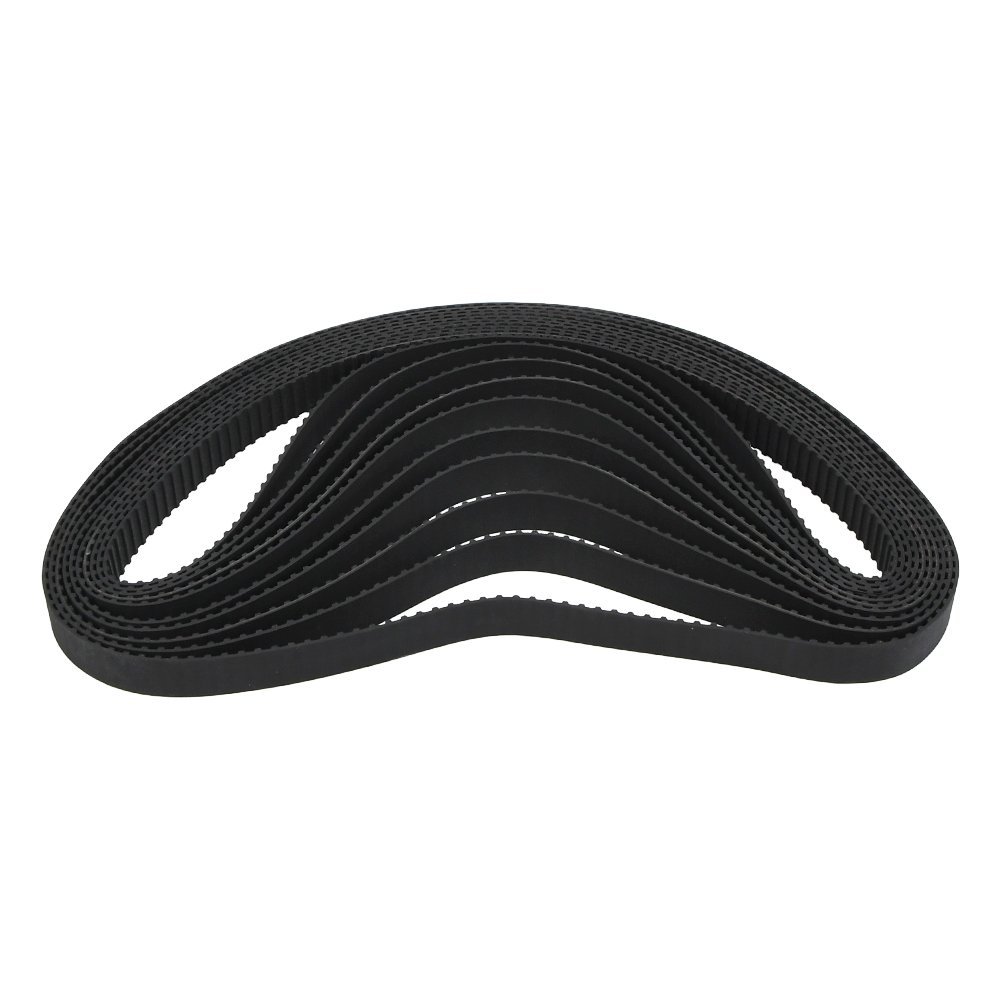
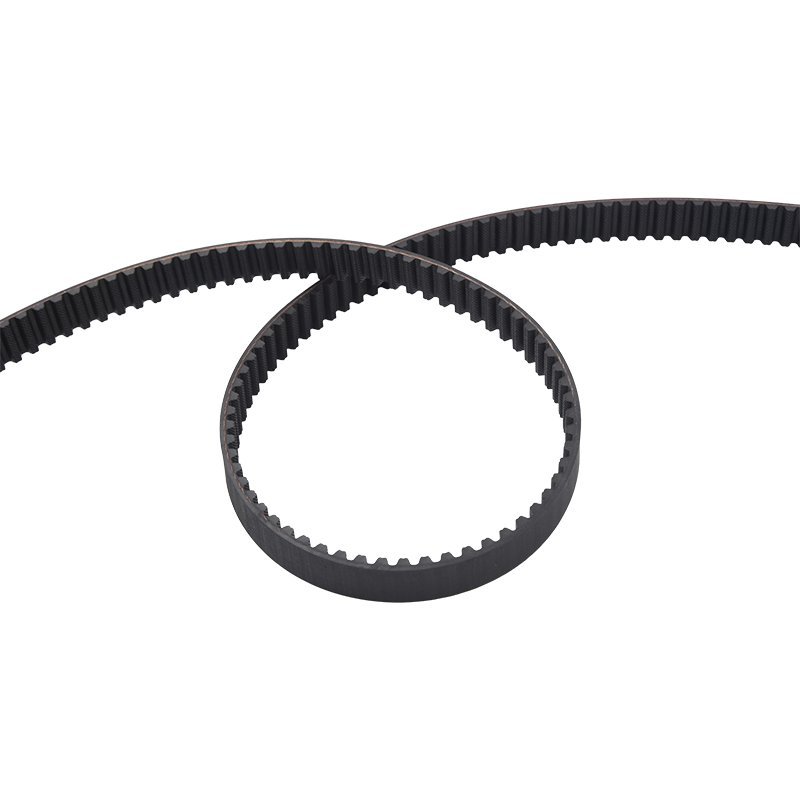
CR (polychloroprene) is the all-round standard for transmission belts. HNBR and EPDM grades shift the balance toward higher temperature and ozone or chemical exposure. Each compound has its own working range, so the choice follows your environment.
PU body
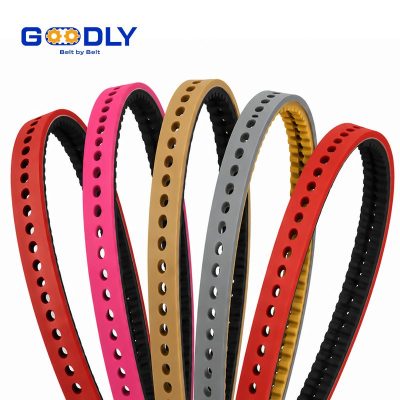
Thermoplastic PU offers high abrasion resistance and oil tolerance, with clean, non-marking running — common on conveying and linear drives as well as machine timing duties.
Cord options
Fiberglass suits general power transmission with good flexibility. Aramid takes shock loads and high tension with low stretch. Steel gives minimal elongation for heavy or precision drives but needs bigger pulley diameters.
Tooth and back covers
Nylon or special fabric covers on teeth or belt back adjust friction, reduce noise, protect against wear, or serve anti-static and low-noise requirements.
Environment to material quick guide
| Your condition | Lean toward |
|---|---|
| General power transmission, moderate temperature | CR body + fiberglass cord |
| Higher ambient temperature, hot air | HNBR or heat-resistant rubber grade; confirm cord heat behavior |
| Ozone, weathering, some chemicals | EPDM-based construction |
| Oil mist, abrasive dust, dry-running guides | PU body; add cord choice per load |
| Shock or reversing loads | Aramid cord; avoid very small pulleys |
| High precision, minimal elongation | Steel cord with adequate pulley diameter |
How to specify material for a custom belt
- Describe the application, not just the dimensions: machine type, speed, load character, running hours.
- State the environment honestly — temperature range, oil or chemical contact, dust, moisture, expected belt life.
- Mention pulley diameters so the cord and minimum-teeth limits are respected.
- If replacing an existing belt, tell us the original part number or compound so we can match or upgrade.
- Flag any special requirements early: antistatic, low noise, food-area contact rules, or non-marking running.

Not sure which material fits?
Email your application data — machine, environment, load and pulley sizes — and we will propose a compound, cord and cover combination with a quotation.
Ask for a Material Proposal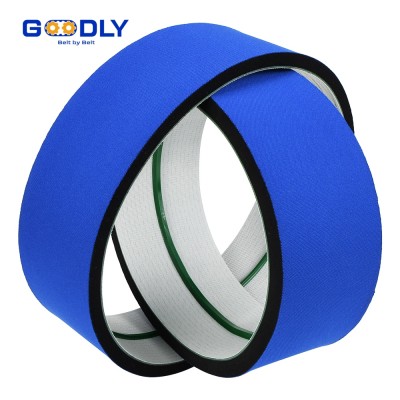
Are you looking for a reliable manufacturer of conveyor belt products?
We can quickly provide customers with market analysis, technical support and customized services.- Name
- Phone
- *Title
- *Content