
Why does my timing belt keep breaking or jumping teeth?
Short answer: recurring belt failures almost always trace back to one of five root causes: under-sizing the belt for the real torque, incorrect tension (too loose causes tooth jumping, too tight cord fatigue), misalignment, small pulley diameters below the profile limit, or harsh environment (heat, oil, debris). Replacing the belt without fixing the cause guarantees the next failure — diagnose the drive first.
Common failure modes and what causes them
| Symptom | Most likely cause | Fix |
|---|---|---|
| Teeth shear off at the root | Under-sized width, torque spikes, small pulley with too few teeth | Re-size width, check service factor, enlarge small pulley |
| Belt jumps teeth (ratcheting) | Too little tension, overload, debris in the teeth | Re-tension, add a tensioner if needed, add guarding |
| Cord breakage, belt snaps | Excessive tension, shock loads, cord damaged at installation | Correct tension, soften starts, use aramid cord for impact |
| Tooth cracking, chunking | Heat aging, oil/chemical attack, pulleys below minimum diameter | Check temperature and media, meet minimum pulley specs |
| Edge wear on one side | Pulley or shaft misalignment, frame flex | Re-align pulleys, stiffen the mounting |
| Noise and rapid wear on both flanks | Wrong tension or mismatched profile/pitch | Verify profile, pitch and tension procedure |
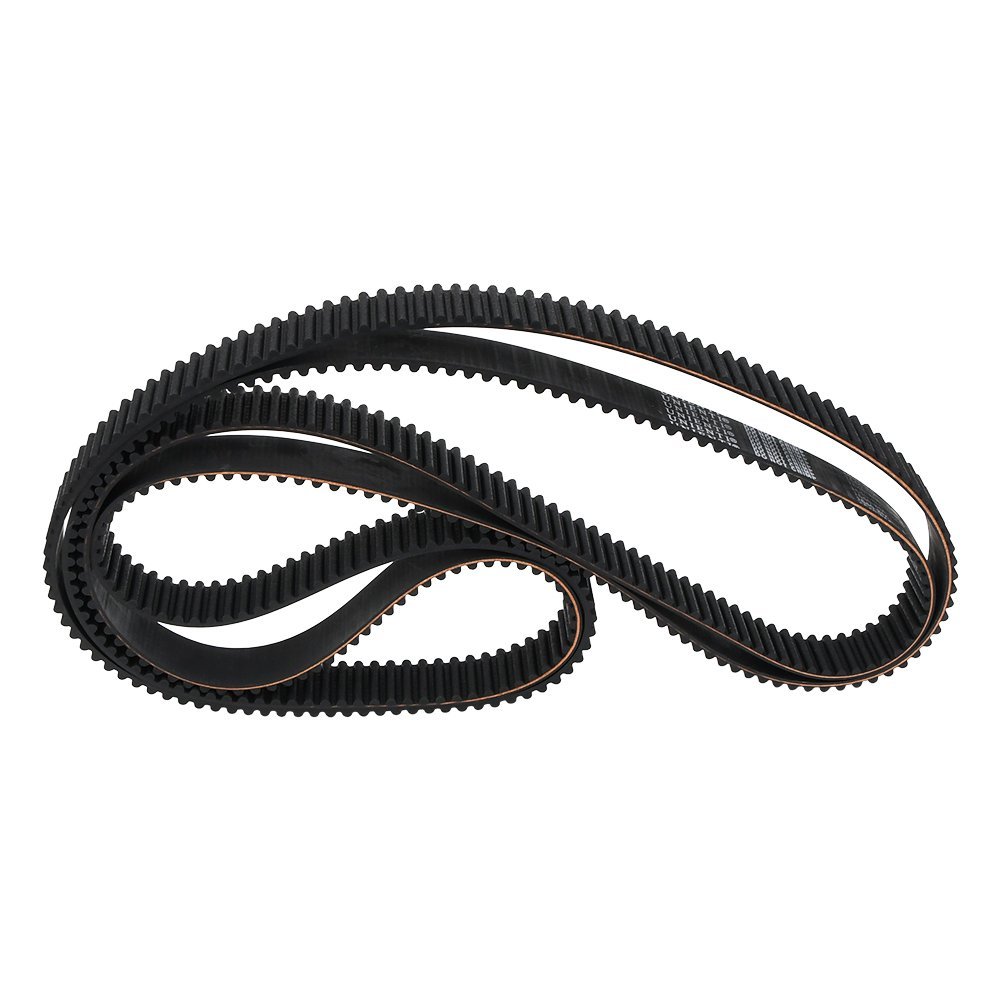
Five checks before you install the next belt
1. Re-check sizing
Confirm the belt width against actual motor power, RPM and the true load profile — not nameplate assumptions. Repeated tooth shear means the sizing, not the belt.
2. Verify tension
Measure with a tension gauge or frequency meter instead of feel. Loose belts jump teeth; over-tight belts kill cords and bearings.
3. Check alignment
Use a straightedge or laser tool across both pulleys. A few tenths of a degree of skew is enough to wear one edge away.
4. Inspect pulleys
Worn tooth flanges, dents and debris re-destroy a new belt within days. Minimum pulley diameters protect cord life.
5. Audit the environment
Heat, oil mist, dust and chemicals each shorten belt life differently — the compound and cover must match the exposure.
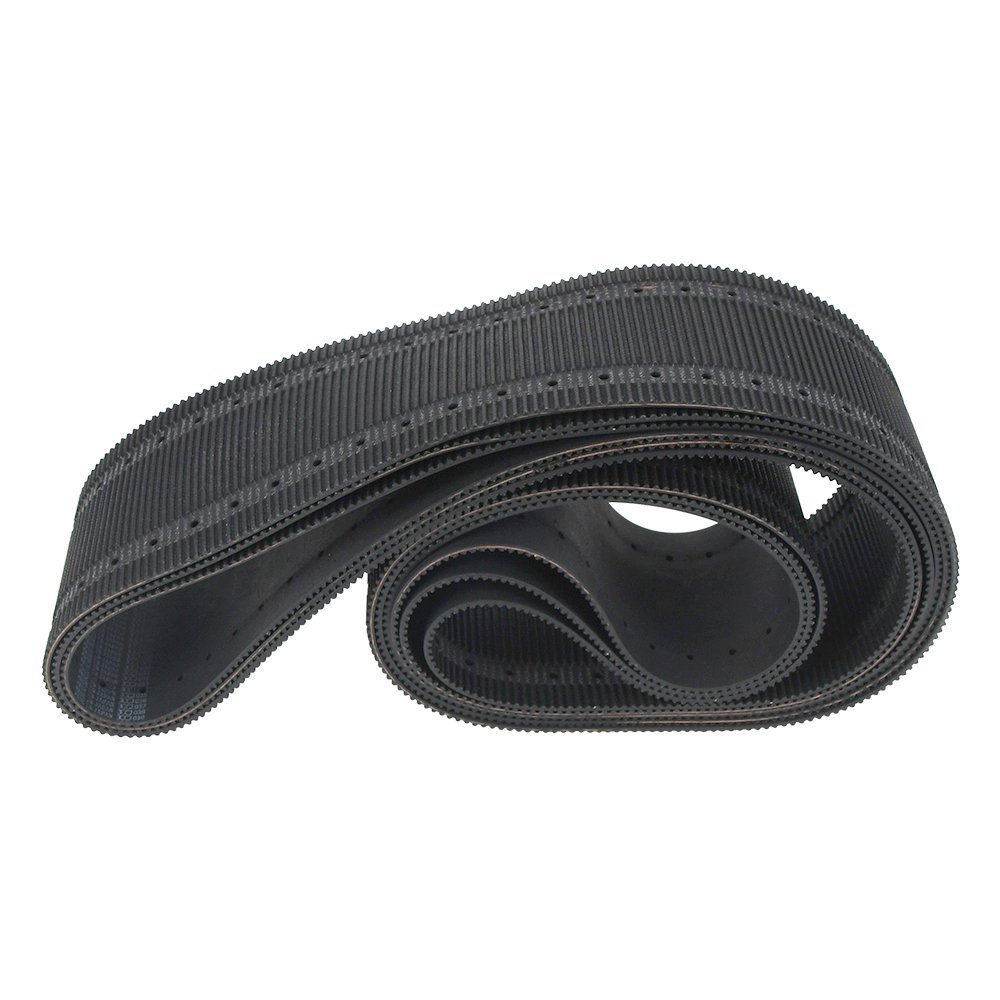
When a standard belt is not enough
- Frequent shock starts: aramid-cord construction absorbs impact far better than glass-fiber cord.
- Hot or oily surroundings: HNBR or other resistant compounds and special covers extend service life.
- Non-standard length or width: a correct-fit custom belt removes the shortcuts that cause repeated failure.

Belt keeps failing? Send us the evidence
Email photos of the failed belt plus your drive data — we will identify the root cause, recommend the right construction and quote a lasting fix.
Request a Failure Analysis
Are you looking for a reliable manufacturer of conveyor belt products?
We can quickly provide customers with market analysis, technical support and customized services.- Name
- Phone
- *Title
- *Content