
Goodly Belts for Industrial Motion

Custom Timing Belt Solutions

Home / Custom Timing Belt Solutions

Customization Built to Match
Your Equipment Needs

Based on timing belt series, we offer the following customization options:

Base Material Customization

Tailored material for different environments .
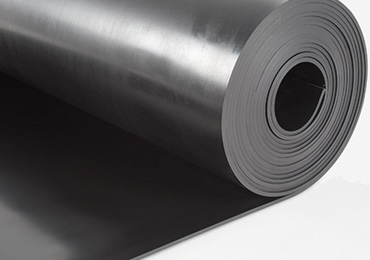
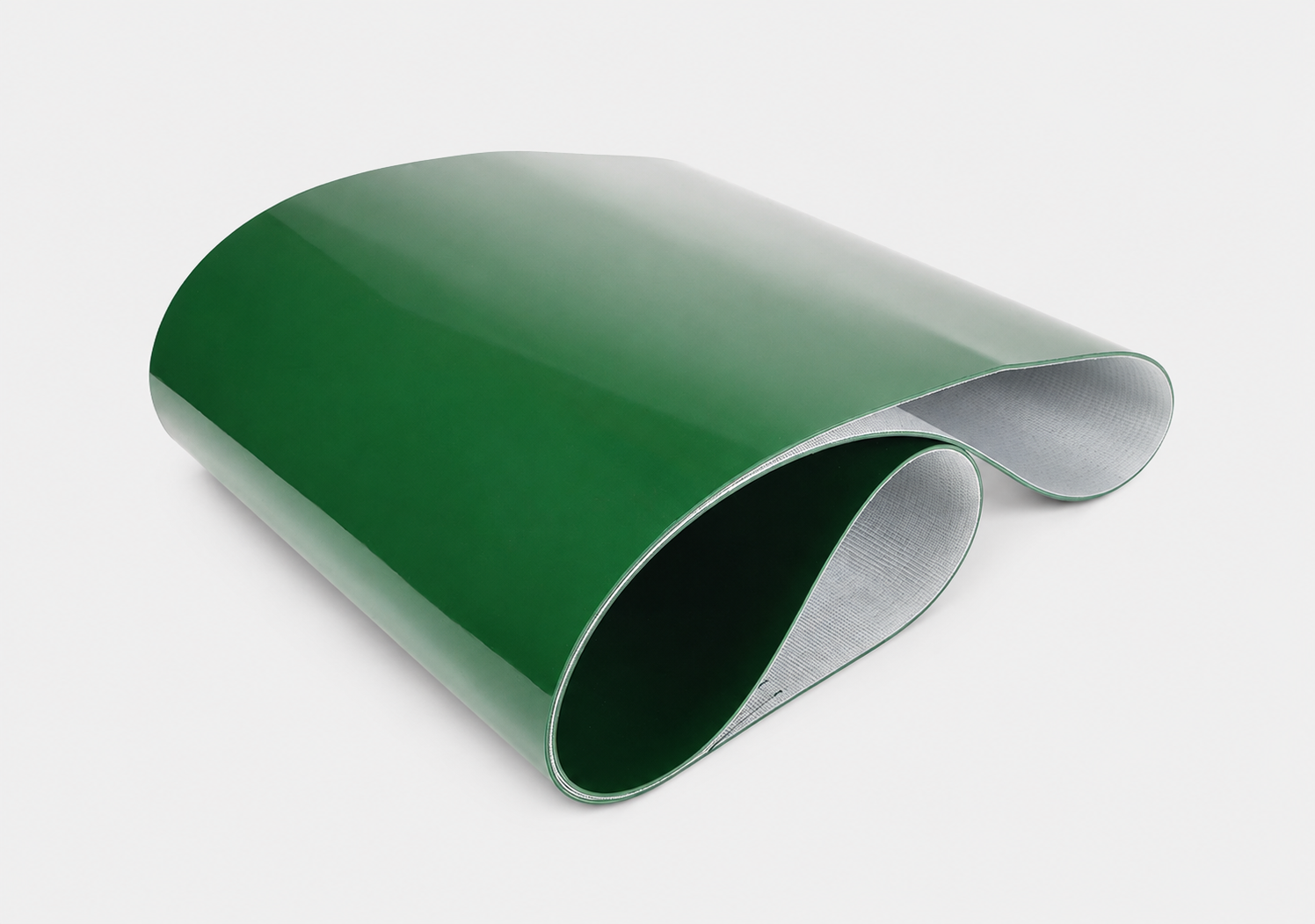
Durable

Rubber

Cost-Effective

PVC

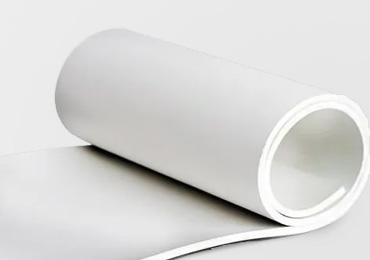
Food-Grade

PU

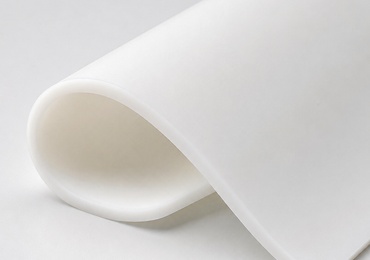
Heat-Resistant

Silicone

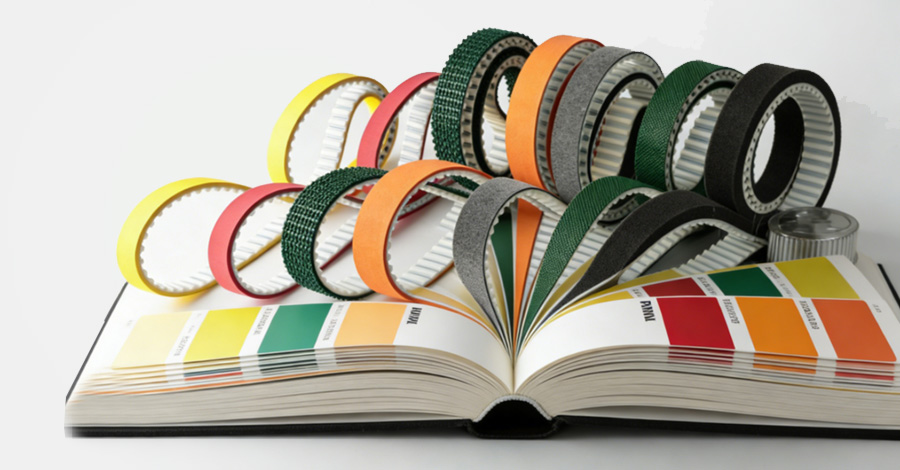
Color Customization

Colors can be customized for visual identification or functional needs, with specific colors indicating material properties (e.g. white or light colors for food-grade use).
Surface Processing Customization

This mainly involves functionalizing the backed or toothed surfaces.
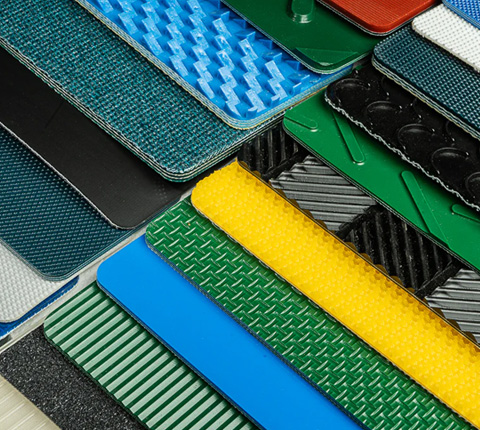
Texturing

Increases friction.

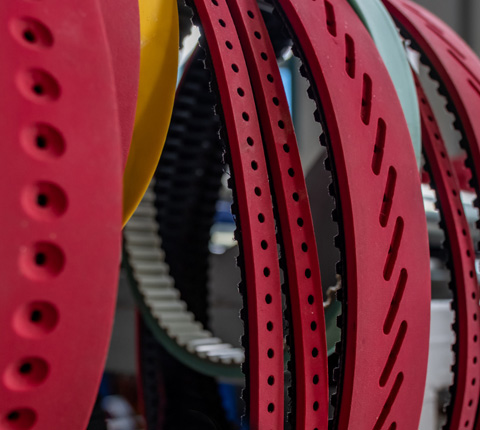
Drilling/Openings

Used for mounting, positioning, or air suction (common in automated conveyors).
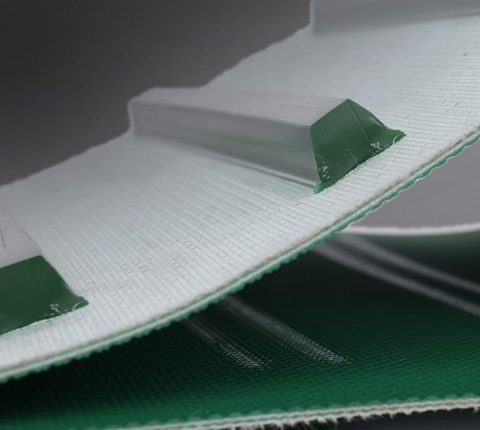
Bonded Accessories

Such as guide strips, stops, etc.

Tooth Profile Customization

Engineered for exact engagement with pulleys to reduce slippage and ensure accurate timing.

Choose Standard Tooth Profiles

  • Trapezoidal teeth (XL, L, H)

  • Circular arc teeth (AT5, AT10, etc.)

Design Special Tooth Profiles

to meet special meshing requirements, high torque, or quiet operation needs.
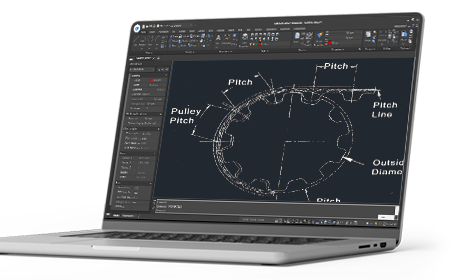
Size Customization

Fully customized belt length, width, and tooth count to match exact equipment specifications.
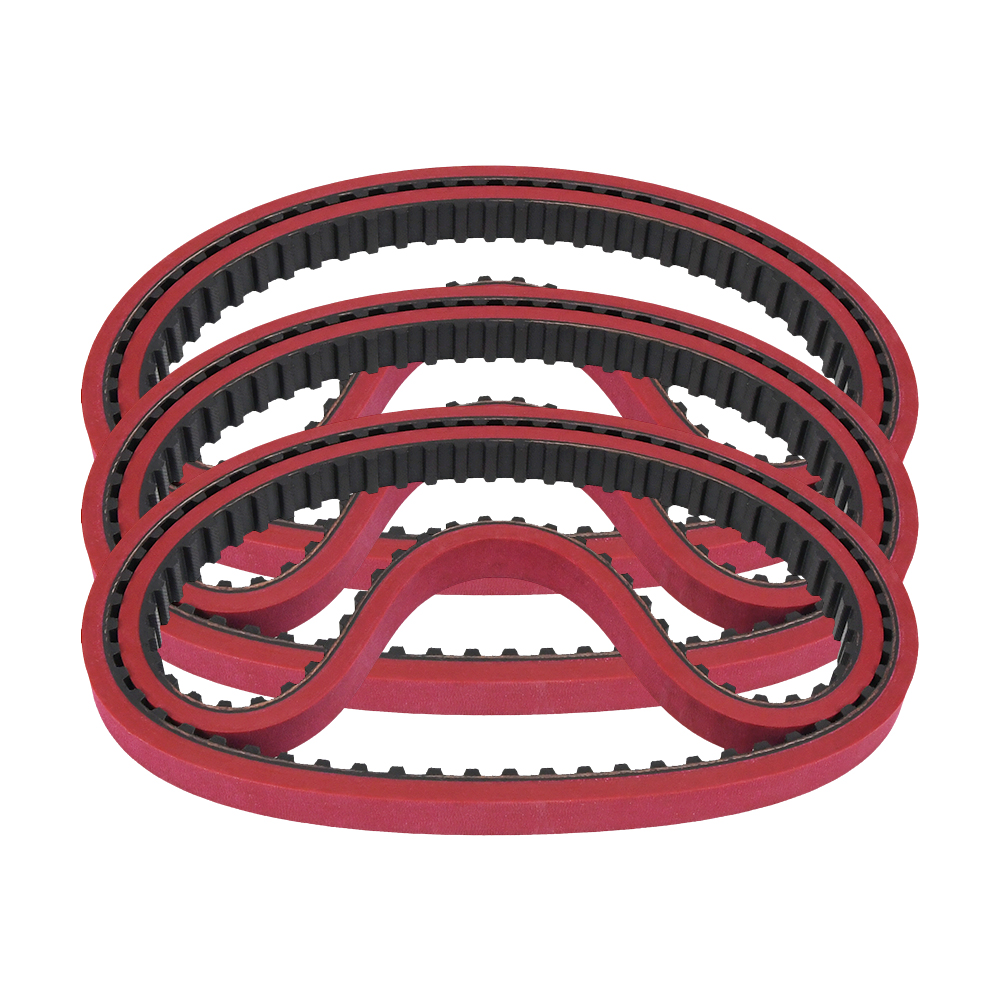
Core Rope Material Customization

The choice of the "skeleton" material for the tensile layer directly affects the belt's strength and performance:
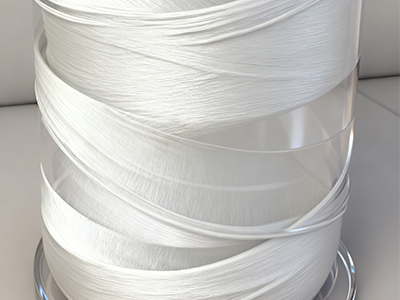
Nylon core wire

Outdated tapes are prone to tearing and are rarely used anymore.
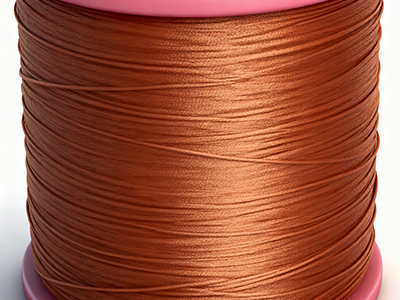
Polyester core material

The specialized glass fiber used by our company has a core fiber from Miller Company in Germany, which has the advantage of low elongation.
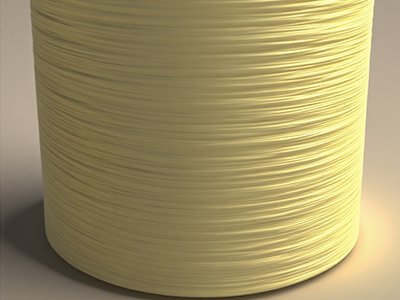
Aramid fiber core

Its tensile strength is 5 to 6 times that of steel wire. This type of fiber is also known as Kevlar fiber and is commonly used in high-performance automotive drive belts.

Advantages of Customized Timing Belt Processes

High-Precision Matching

We provide precisely matched vulcanization timing belts based on your specific equipment parameters, ensuring seamless integration into your existing systems.

Comprehensive Technical Support

From design to installation and commissioning, we provide comprehensive technical support and guidance to ensure smooth product deployment.

Diverse Materials

We support a variety of materials, including rubber and silicone, to meet the needs of different application scenarios.

Rapid Response

We provide preliminary design solutions within 48 hours and prototypes within 72 hours, ensuring rapid delivery.

Strict Quality Control

Each batch of products undergoes rigorous testing to ensure compliance with international standards and customer requirements.
Technical Guidance

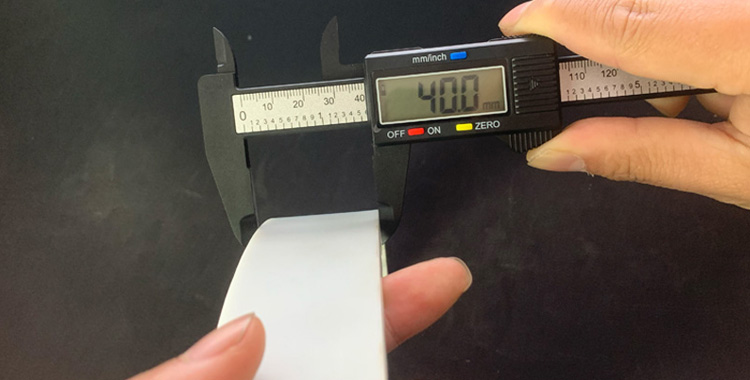
Measure the Old Belt

Best Method:
If the old belt is still running, mark its inner circumference. Rotate the belt one revolution on the pulley and measure the straight-line distance between the marks.
Alternative Method:
If the old belt has been removed, lay it flat and measure directly with a tape measure close to the inner circumference.
Key Note:
Do not rely solely on the "model number," as standards differ between brands. Always measure the actual length and record the belt width and thickness.

Verify Pulley Parameters

Check if the pulley groove type(e.g., Type A, Type B, SPA, etc.) matches the belt.

Measure the pulley groove angle(usually 34° or 38°) and outer diameter to ensure compatibility with the new belt.

Special ReminderIncompatible pulleys will drastically shorten belt life. If the pulley is severely worn (cracks at the bottom of the groove, sharp edges), it is recommended to replace the pulley immediately.

Frequently Asked Questions

  • How can I get a quotation for custom vulcanized timing belts?
    To get a quotation, you can send us the belt size, drawing, sample photo or machine model.
  • Are vulcanized timing belts suitable for packaging machines?
    Vulcanized timing belts are widely used in packaging machines, especially where stable film feeding, accurate positioning and long running time are required.
  • Why does my timing belt break, crack or delaminate?
    A timing belt may break, crack or delaminate for several reasons.
  • How long does a vulcanized timing belt last?
    The service life of a vulcanized timing belt depends on machine speed, load, pulley condition, installation tension, working temperature and belt material.
  • What information should I provide before ordering a vulcanized timing belt?
    get an accurate quotation and avoid wrong belt selection
  • Can vulcanized timing belts be customized?
    Vulcanized timing belts can be customized according to your machine and application.

Get in Contact

We look forward to establishing long-term cooperation with you, whether you are a packaging machinery manufacturer, distributor, or end-user plant!
Request a free sample now!
Get a free VFFS machine belt selection guide!
  • Quick Contact Us
    • *Email
      Name
      Phone
We manufacture and customize industrial motion belts to precisely match mainstream equipment worldwide.
Please send your message to us
*Email
Name
Phone
*Title
*Content
Upload
  • Only supports .rar/.zip/.jpg/.png/.gif/.doc/.xls/.pdf, maximum 20MB.