
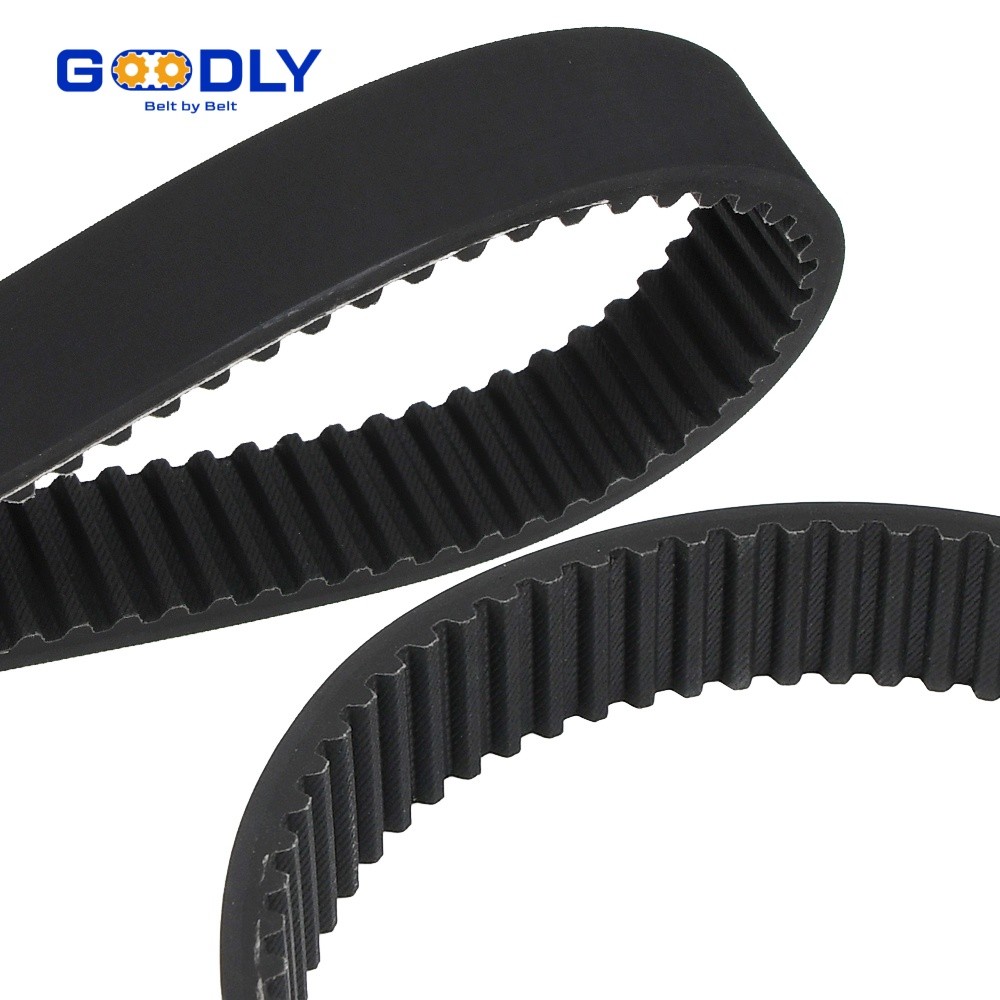
 Rubber Timing Belt
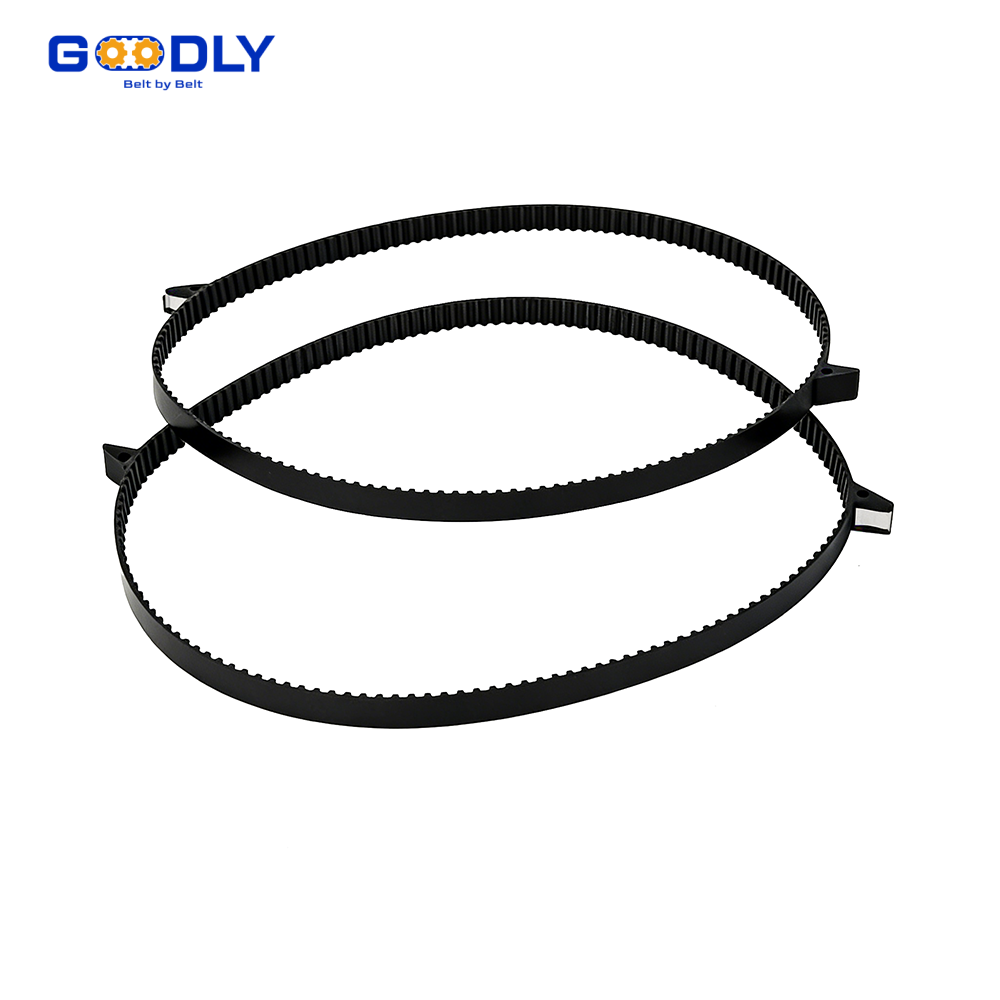 PU Timing Belt
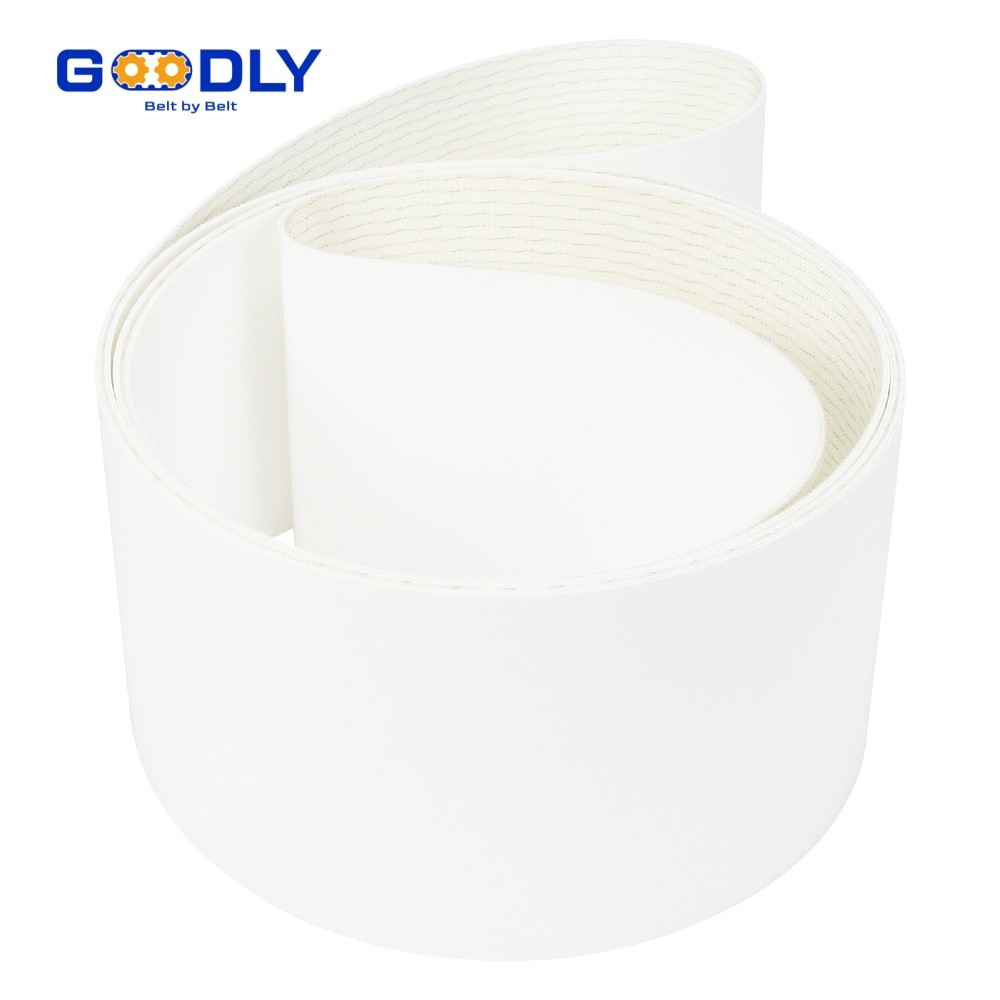 Silicone Timing Belt
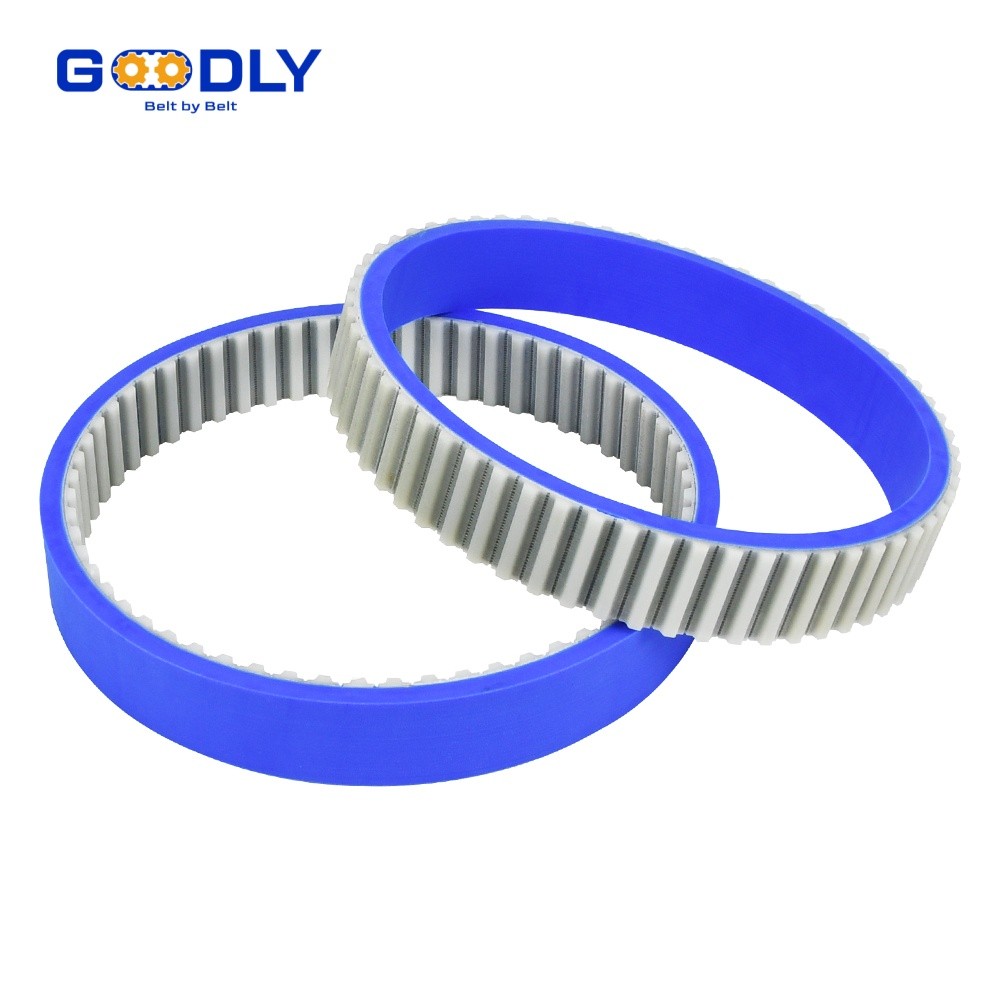 Silicone Vulcanized Timing Belt
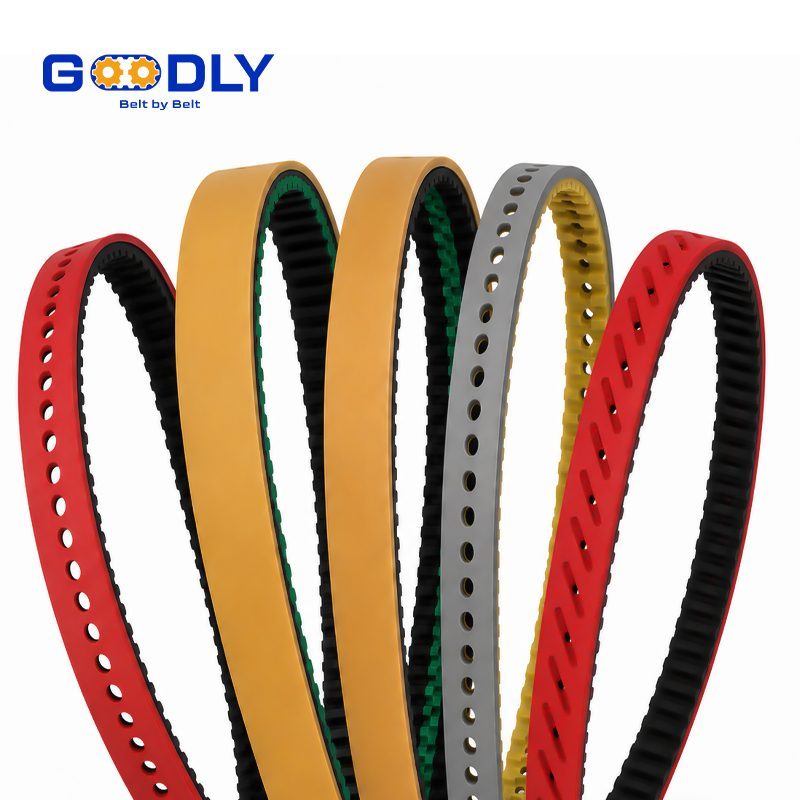 Vulcanized Timing Belt
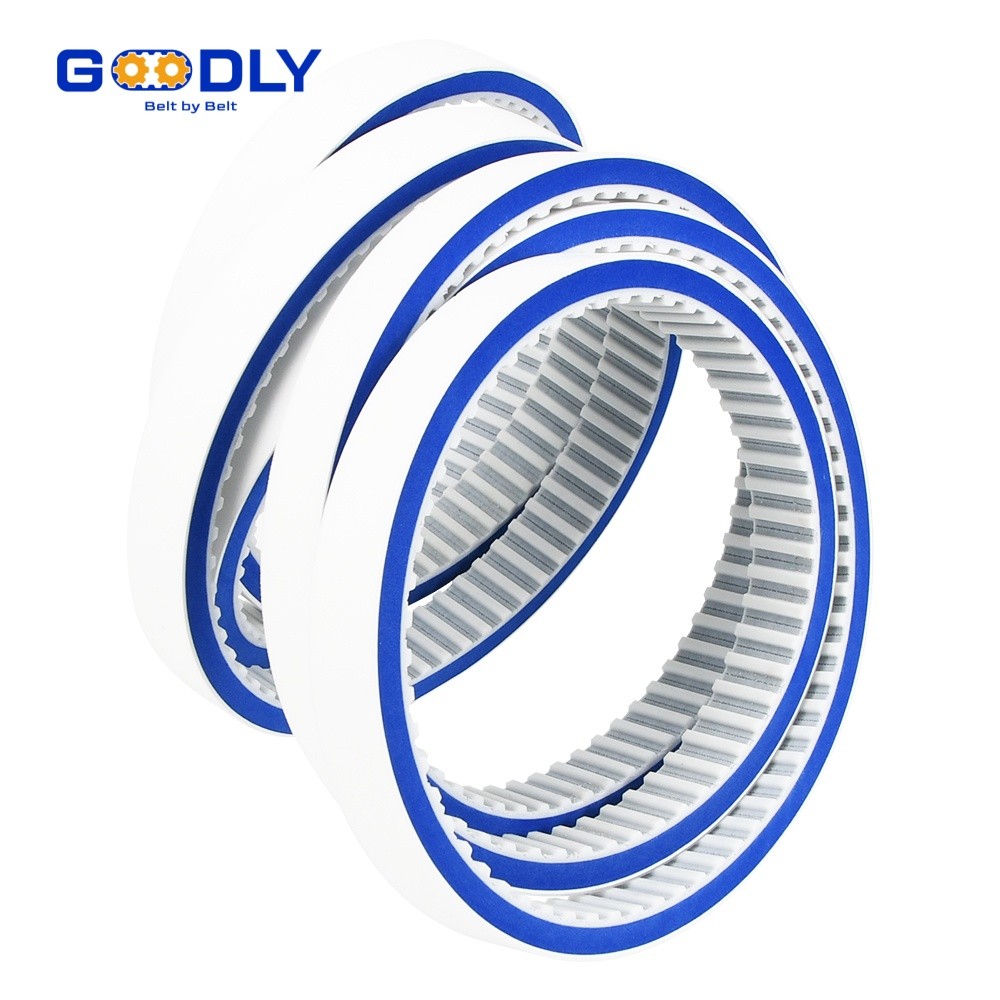 Sponge Timing Belt
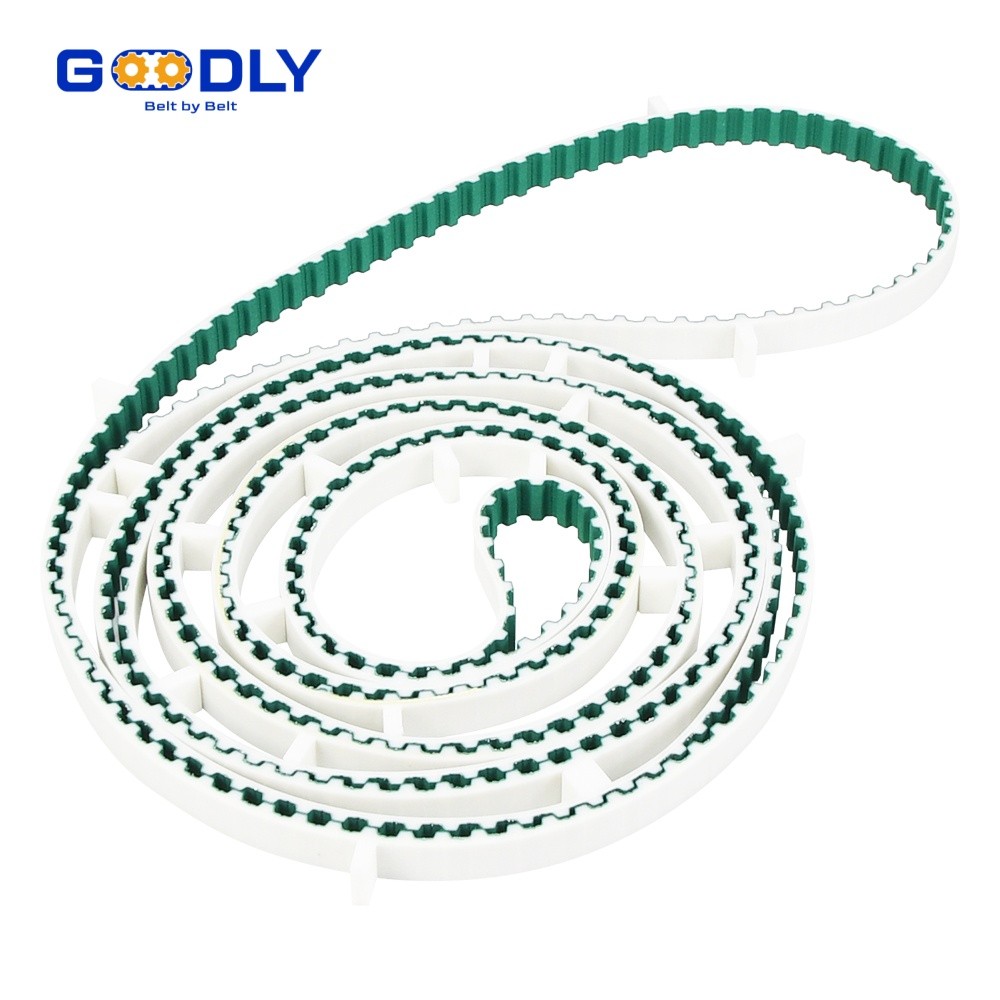 Timing Belts with Special Machining
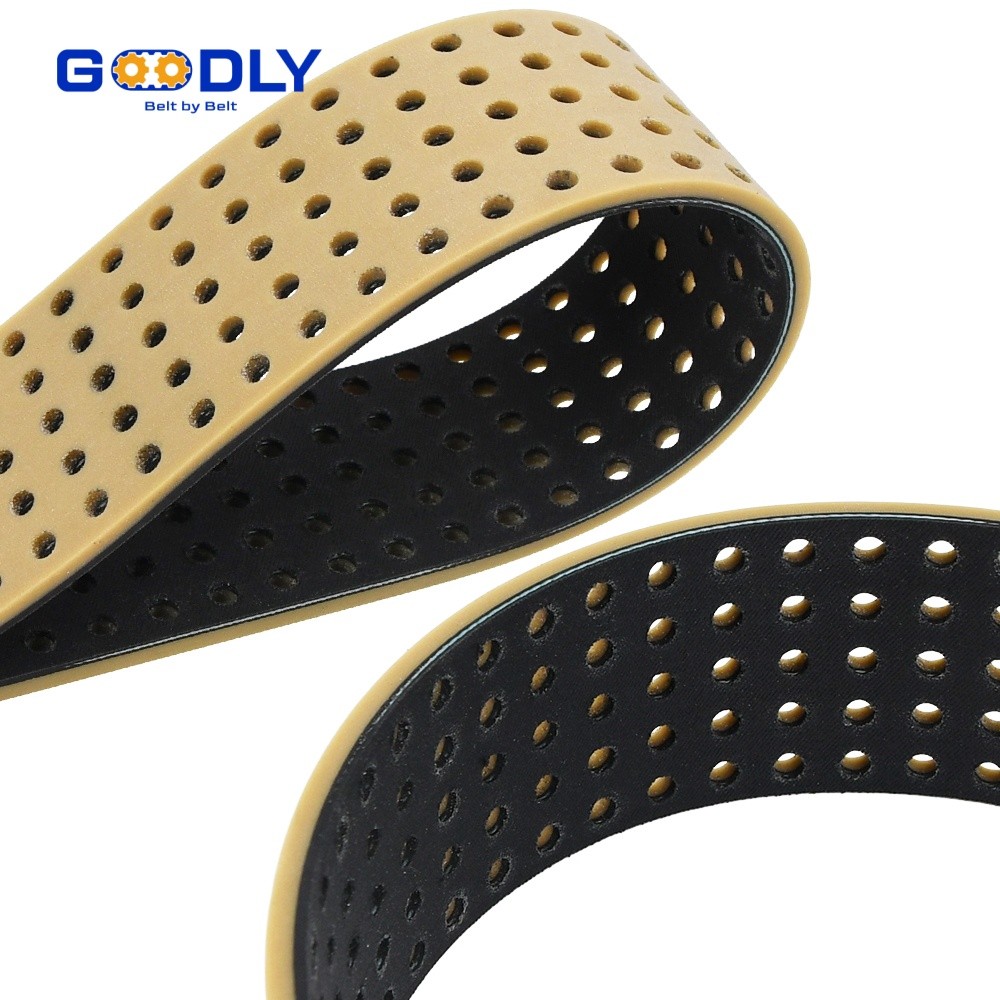 Rubber Flat Belt
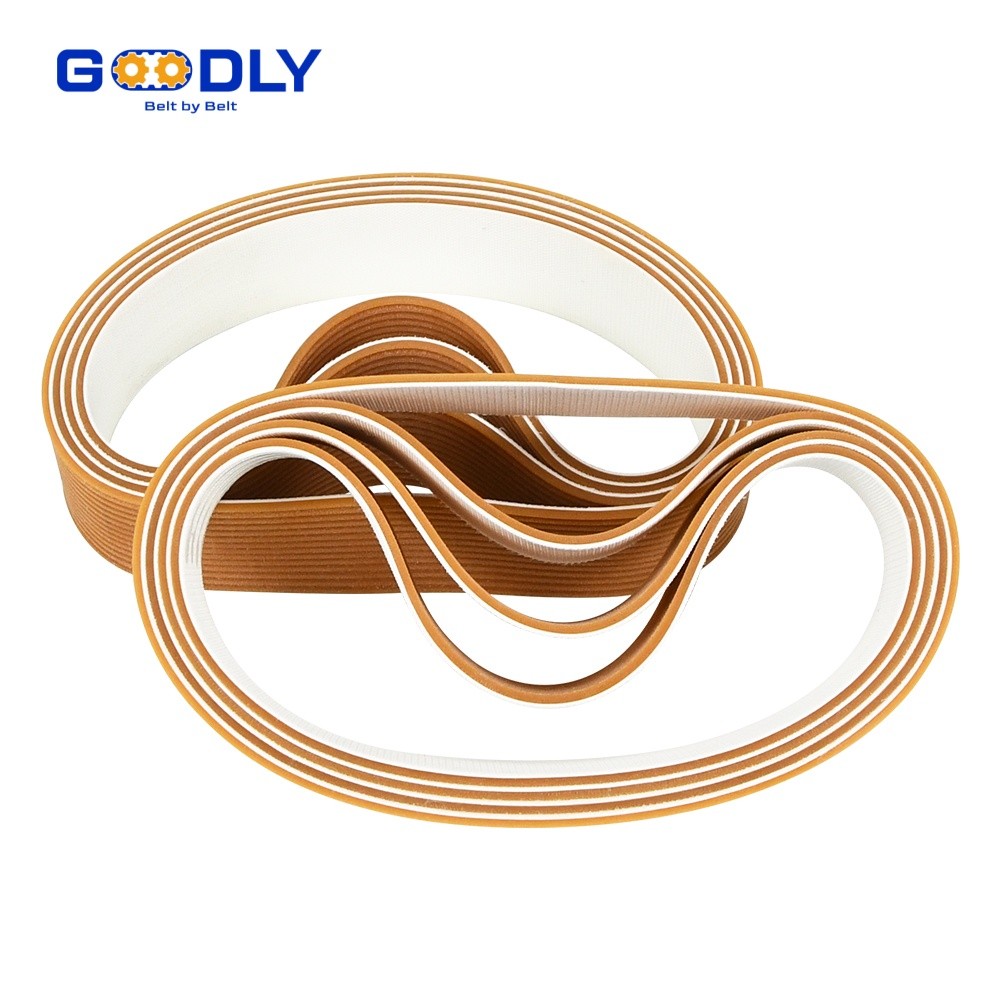 PU Flat Belt
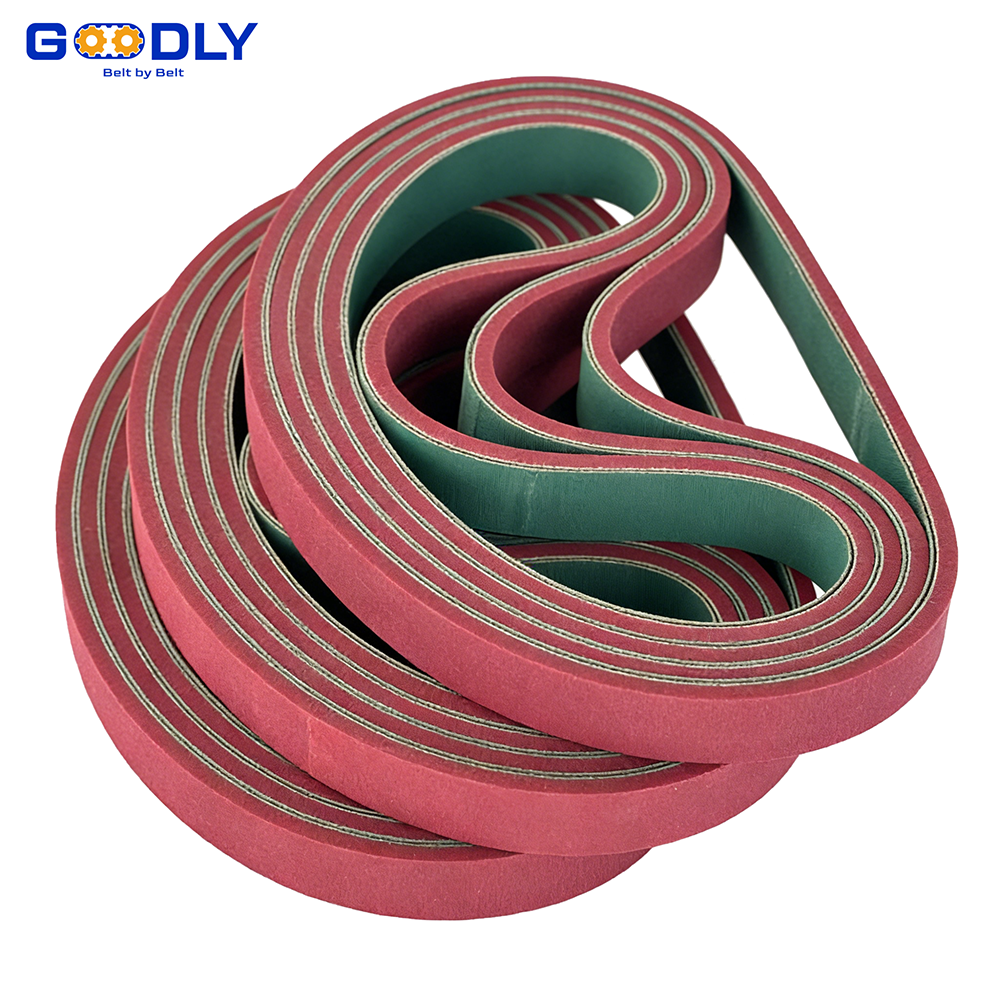 Nylon Flat Belt
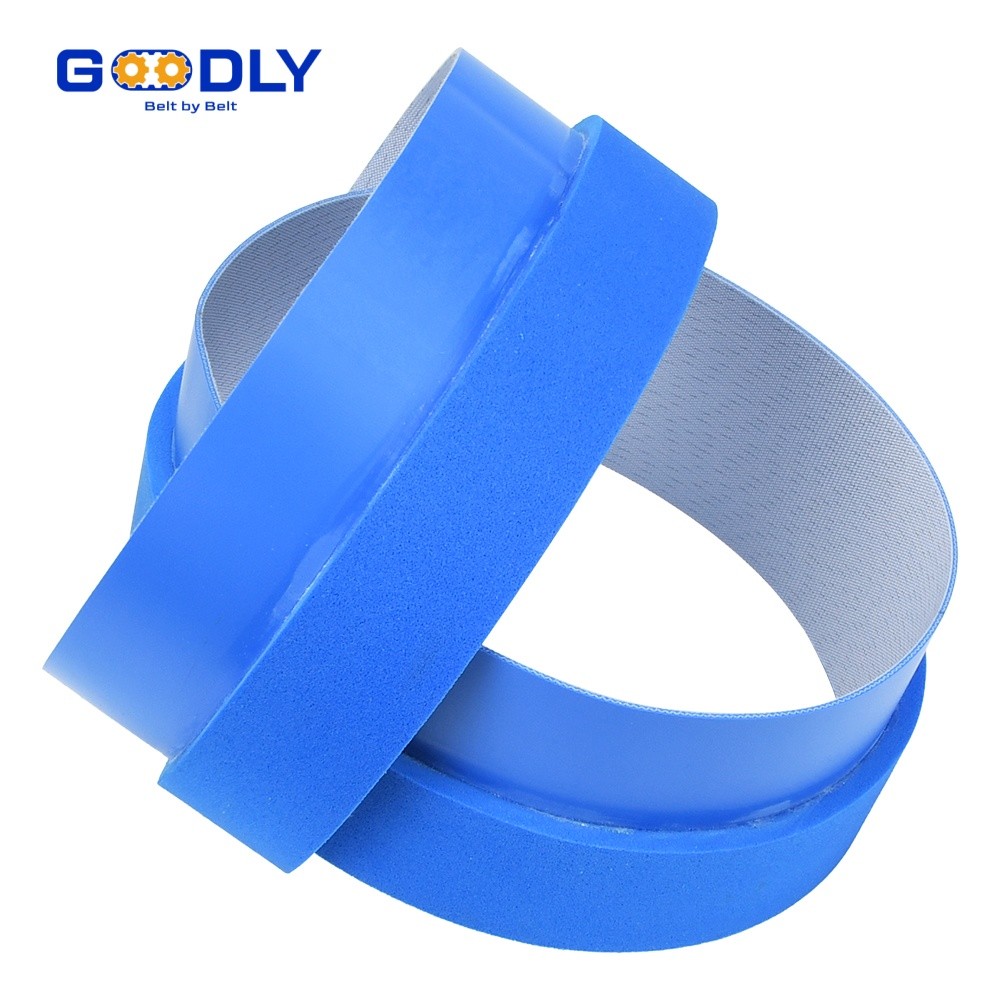 Foam Flat Belt
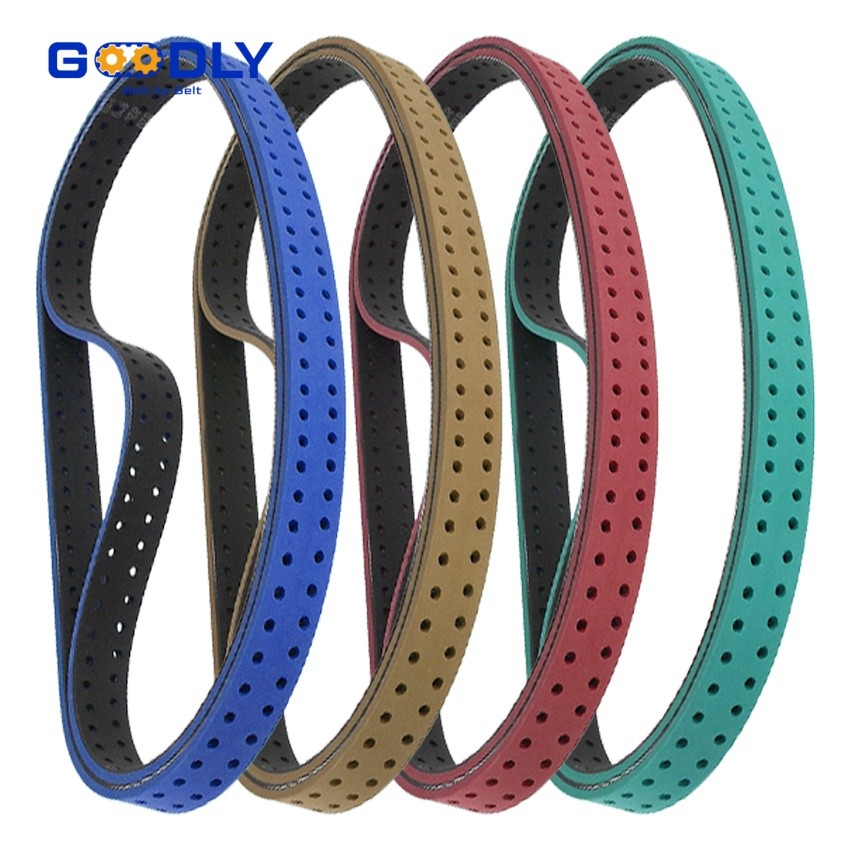 Vulcanized Flat Belt
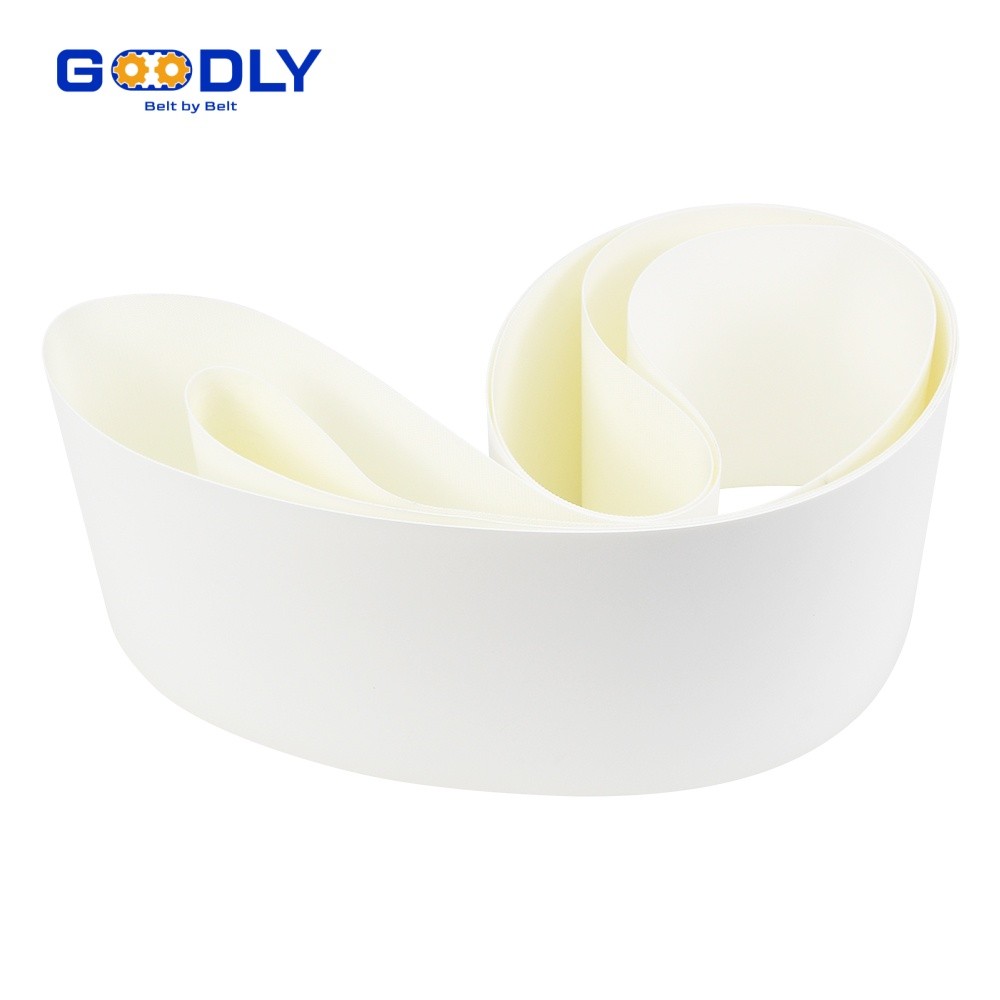 PU Conveyor Belt
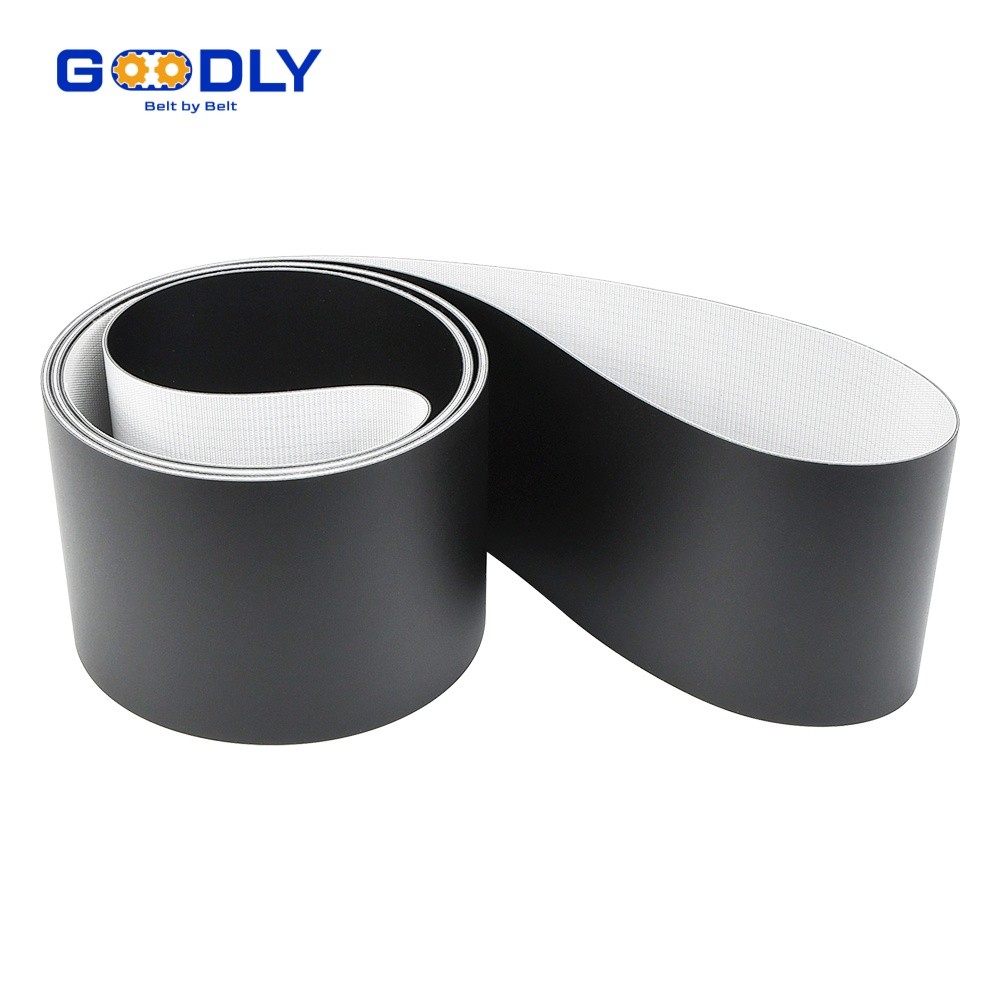 PVC Conveyor Belt
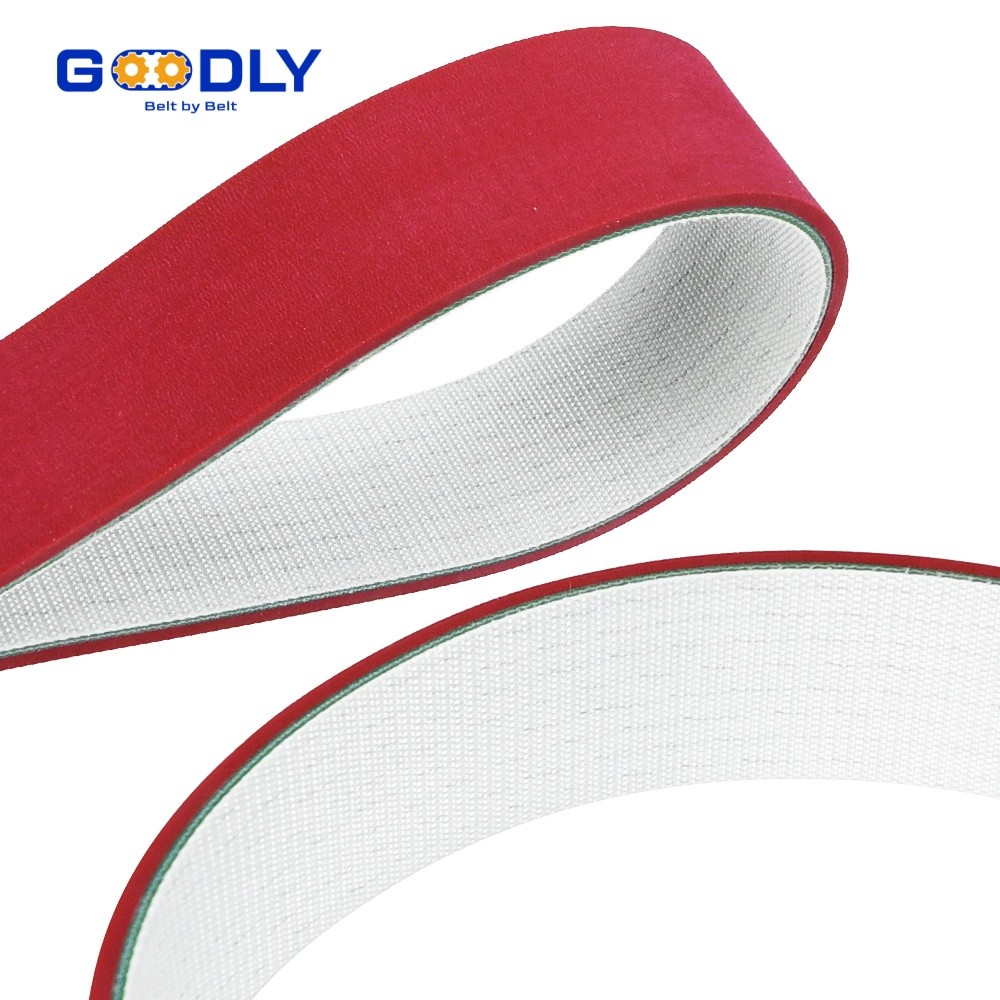 Rubber Conveyor Belt
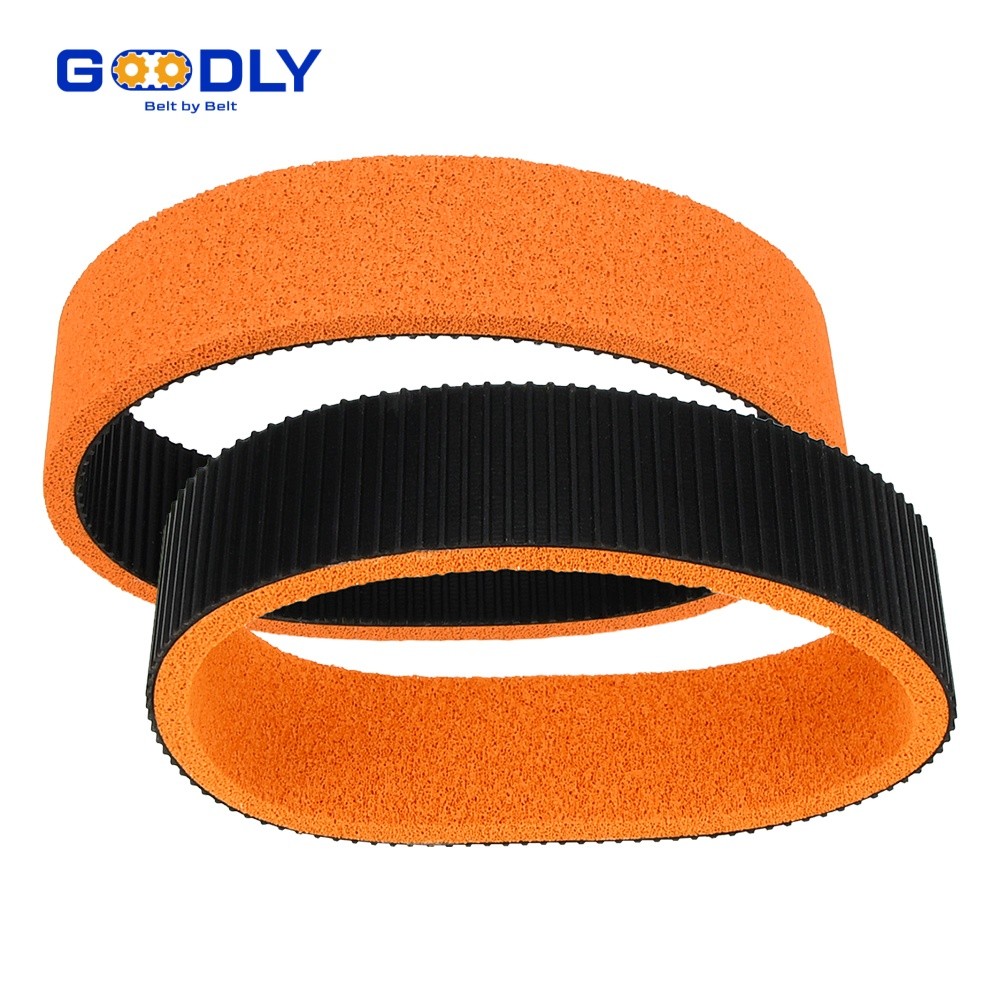 Sponge Conveyor Belt
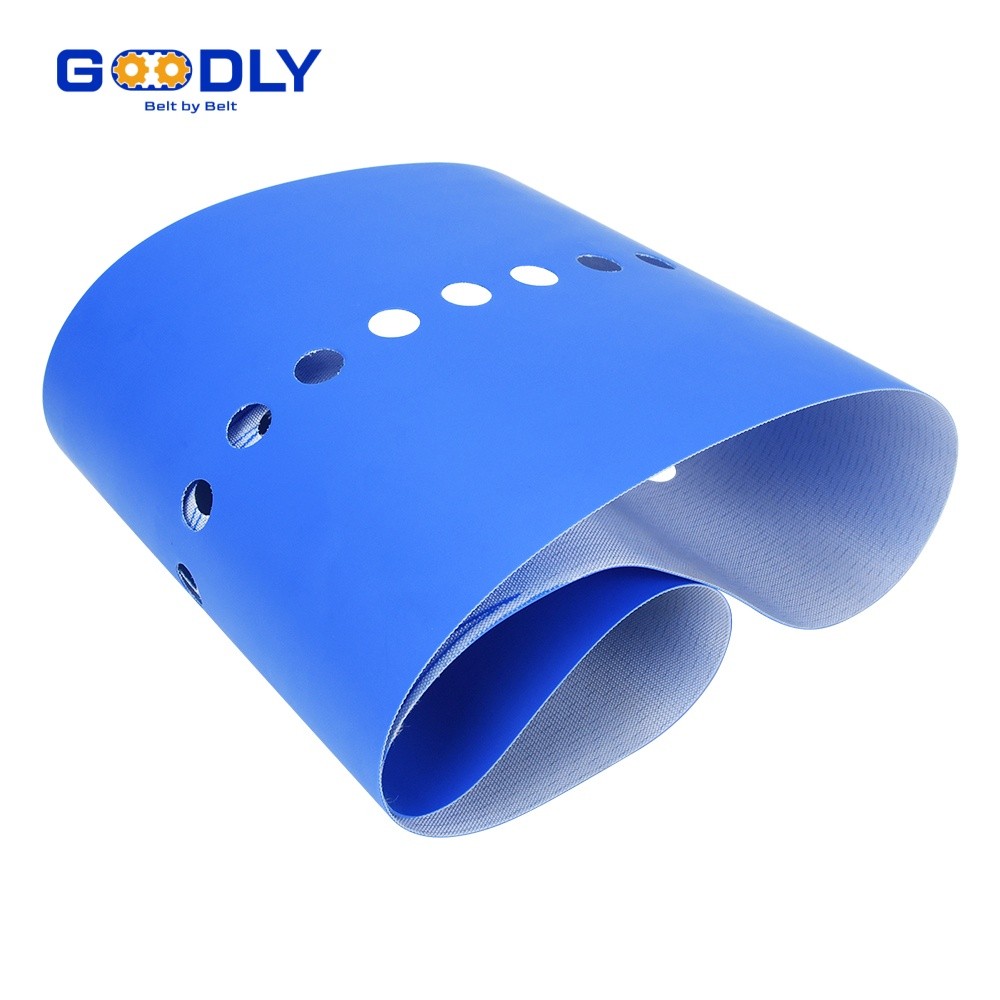 Conveyor Belts with Special Machining
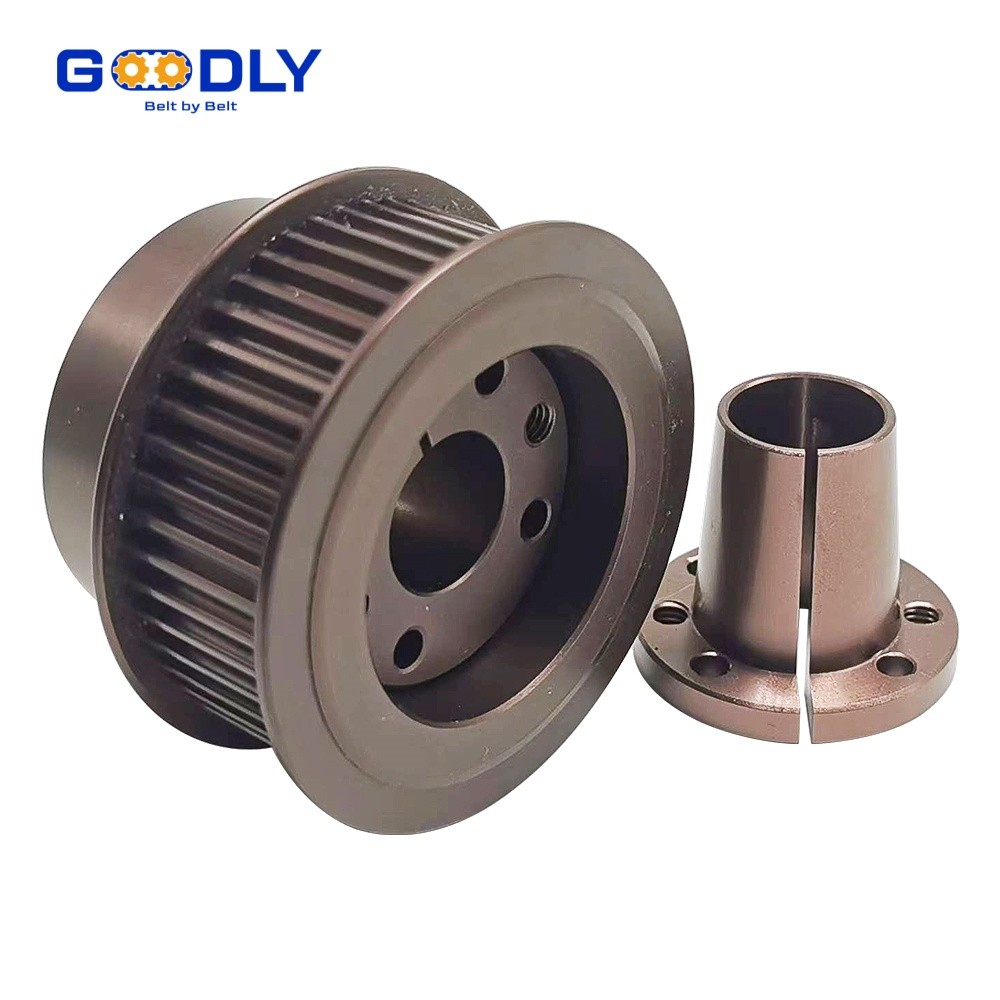 Timing Belt Pulley
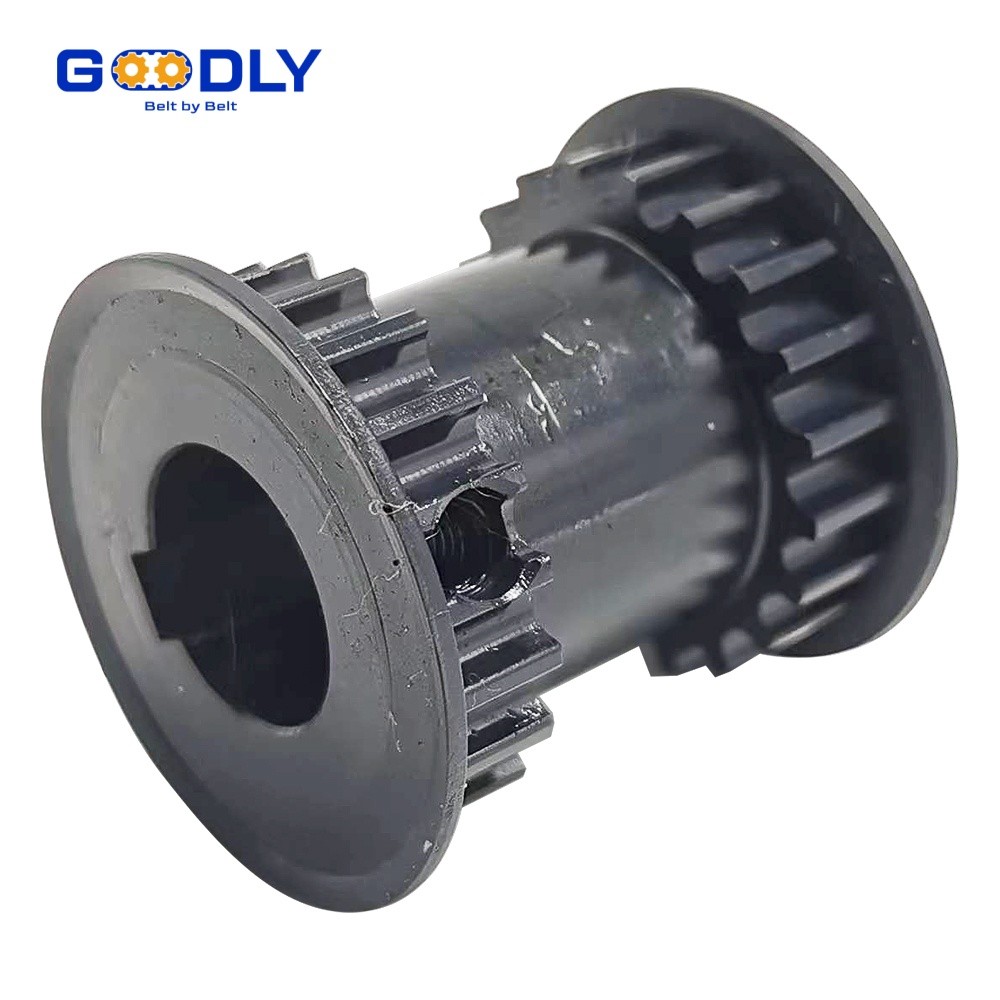 Rod-Shaped Synchronous Timing Pulley
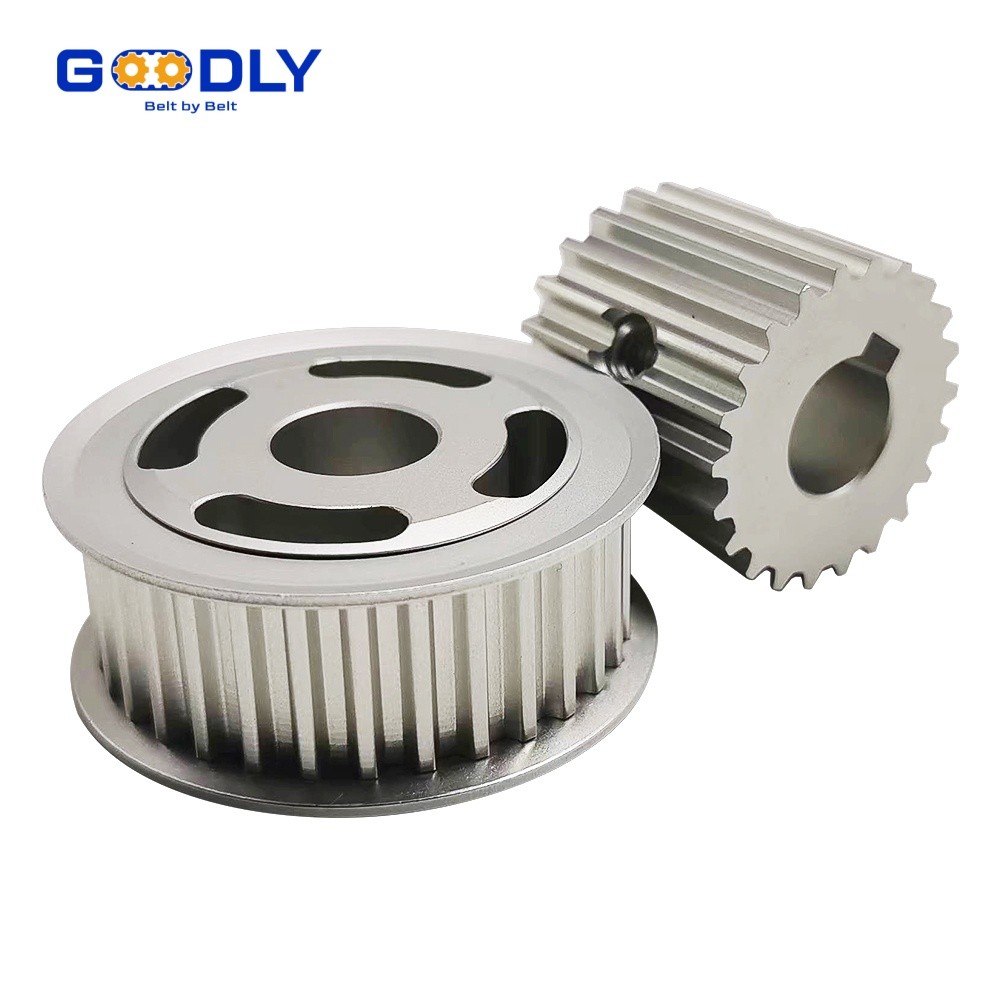 Surface-Pressure-Bearing Timing Pulley
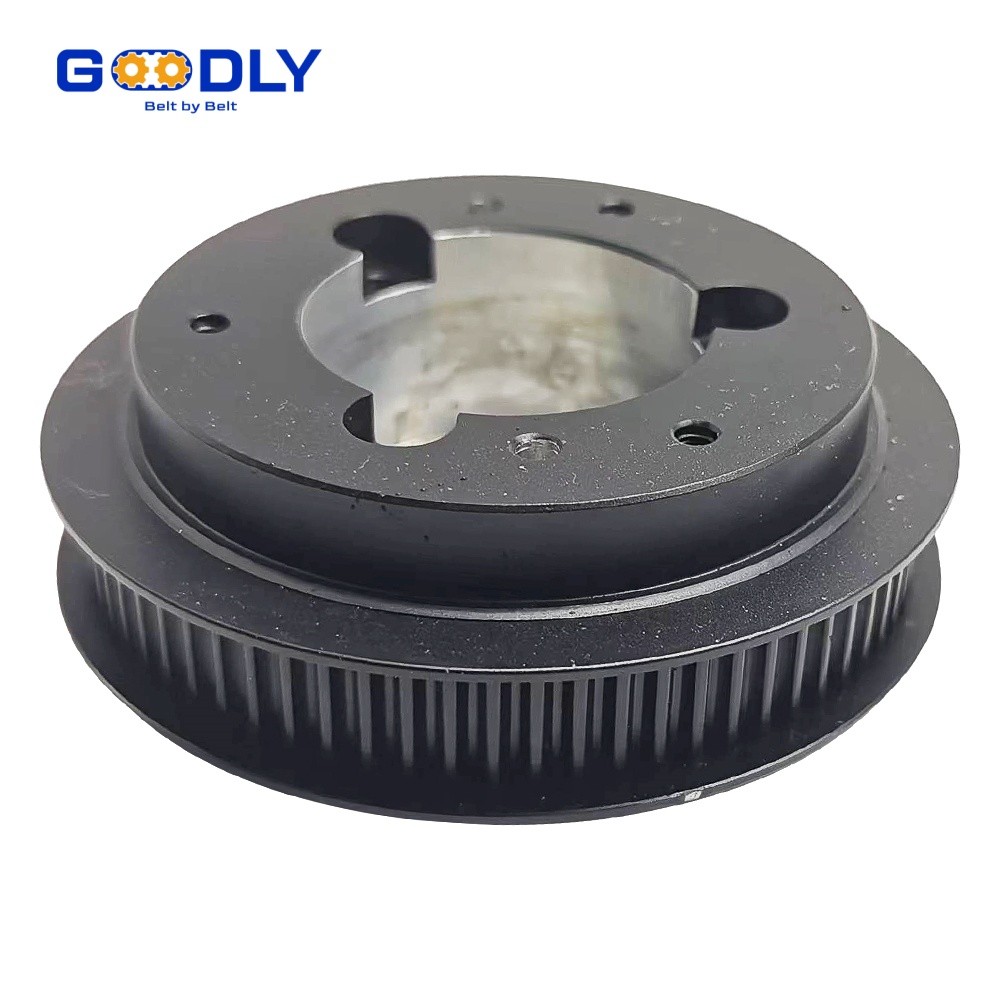 Serrated Idler Gear Timing Pulley
 Multi-Groove Belt
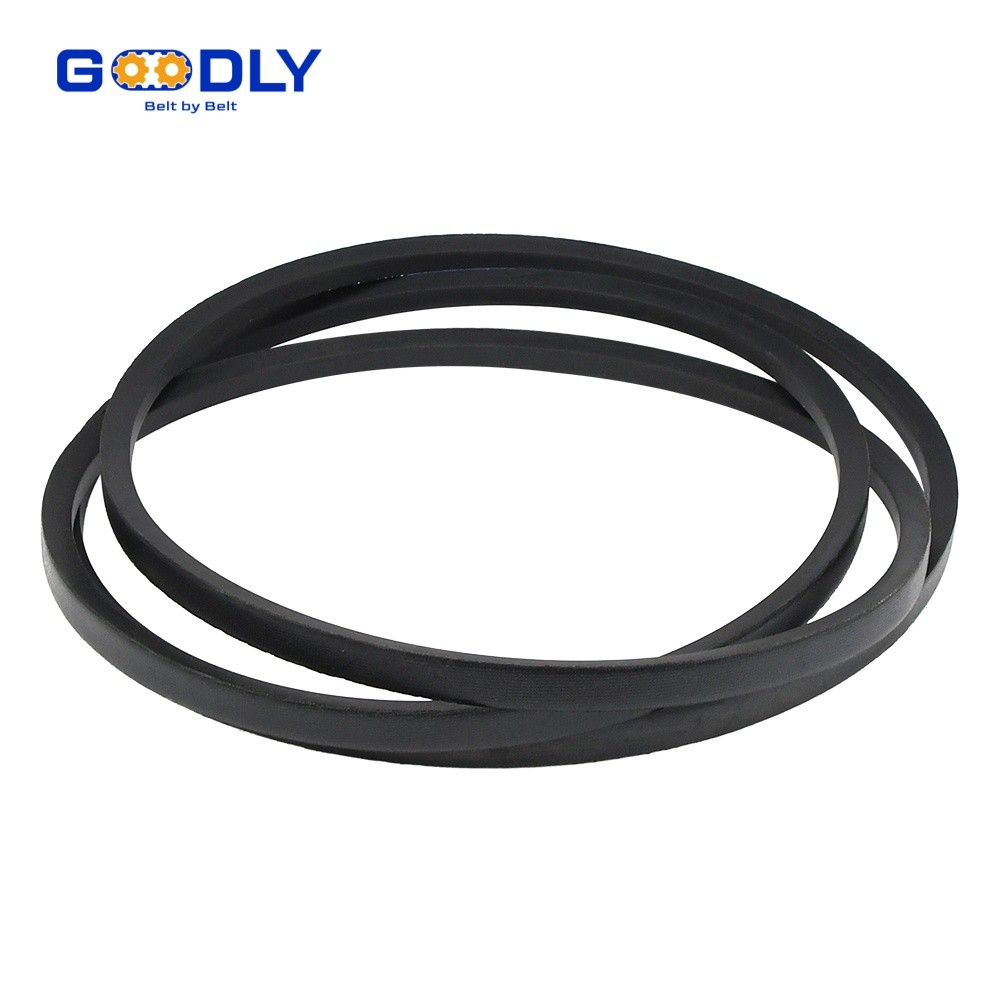
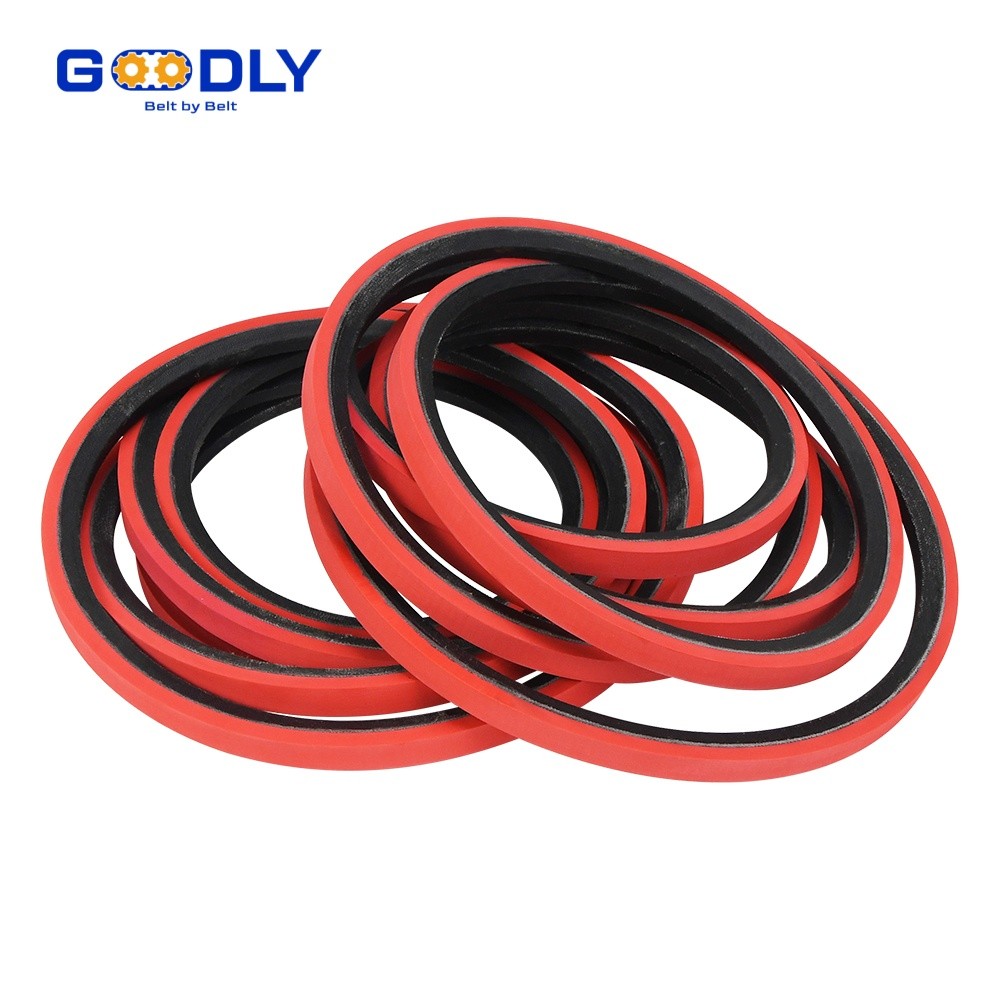 V-Belt
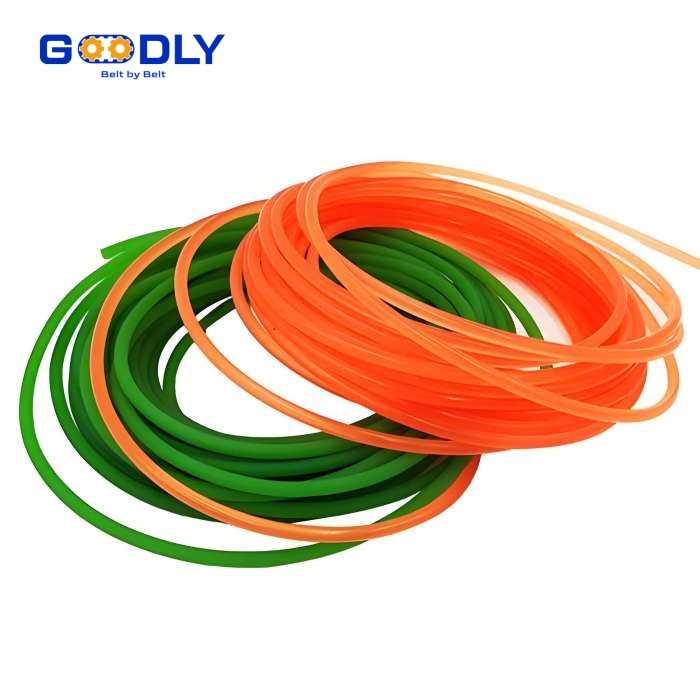 PU Round Belt
Can a damaged PU timing belt be repaired, or should it always be replaced?
Direct answer: For power transmission drives, replacement is the normal answer: the steel or aramid cords inside the belt carry all the tension, and once they are broken or delaminated no weld restores them. Field repair makes sense in two cases: re-welding a failed joint on an open-ended belt, and patching the PU body on light conveying or positioning belts where tooth torque is small. Cracked tooth roots and visible cords always end in replacement.
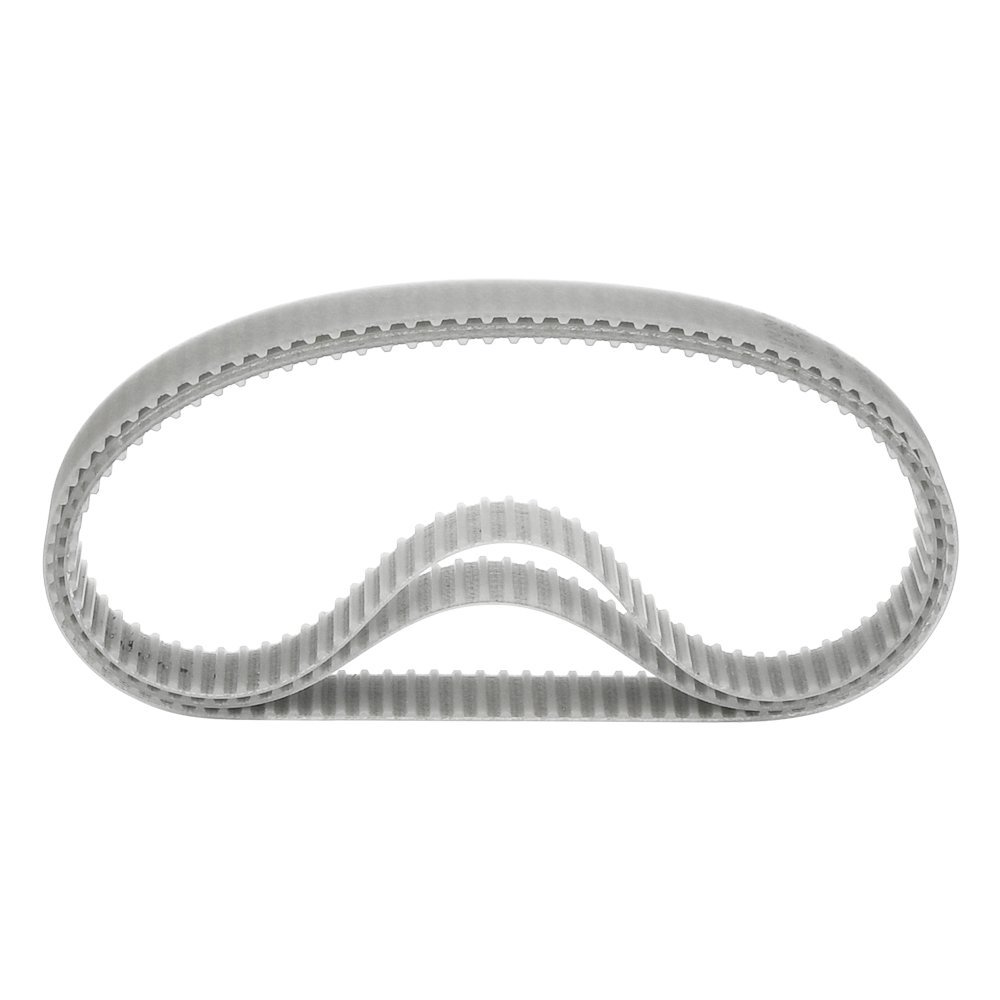
Damage type: repair or replace
| Damage | Repairable? | What to do |
|---|---|---|
| Tooth root cracks | No | Replace; check small pulley diameter and tension before fitting the new belt |
| Delamination or cord visible | No | Replace immediately; the cord carries all the tension |
| Uniform surface wear, glossy finish | Monitor | Check tension and pulley wear, then plan the replacement |
| Local cut on the tooth land, light duty | Sometimes | Weld a patch only on conveying or positioning runs with small torque |
| Failed weld on an open-ended belt | Yes | Inspect the cord ends, then re-weld the joint correctly |
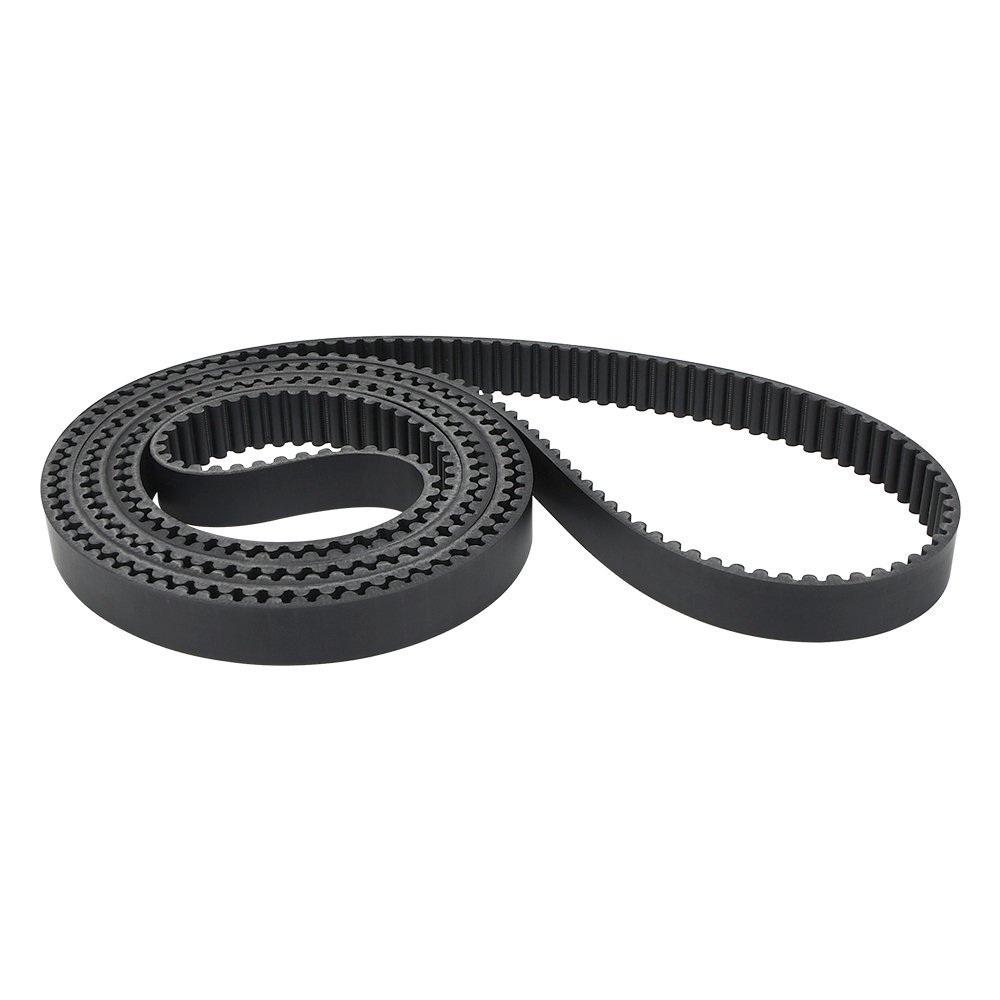
Why welding cannot fix everything
Polyurethane welds well with heat, which is why open-ended PU belts are joined on site in the first place. But the cords inside do not rejoin: a weld restores the shape of the PU body, not the tension capacity of the belt. Glue is weaker still and never restores tooth strength. That is why a repair on a power transmission belt is, at best, a temporary bridge until the ordered replacement arrives.
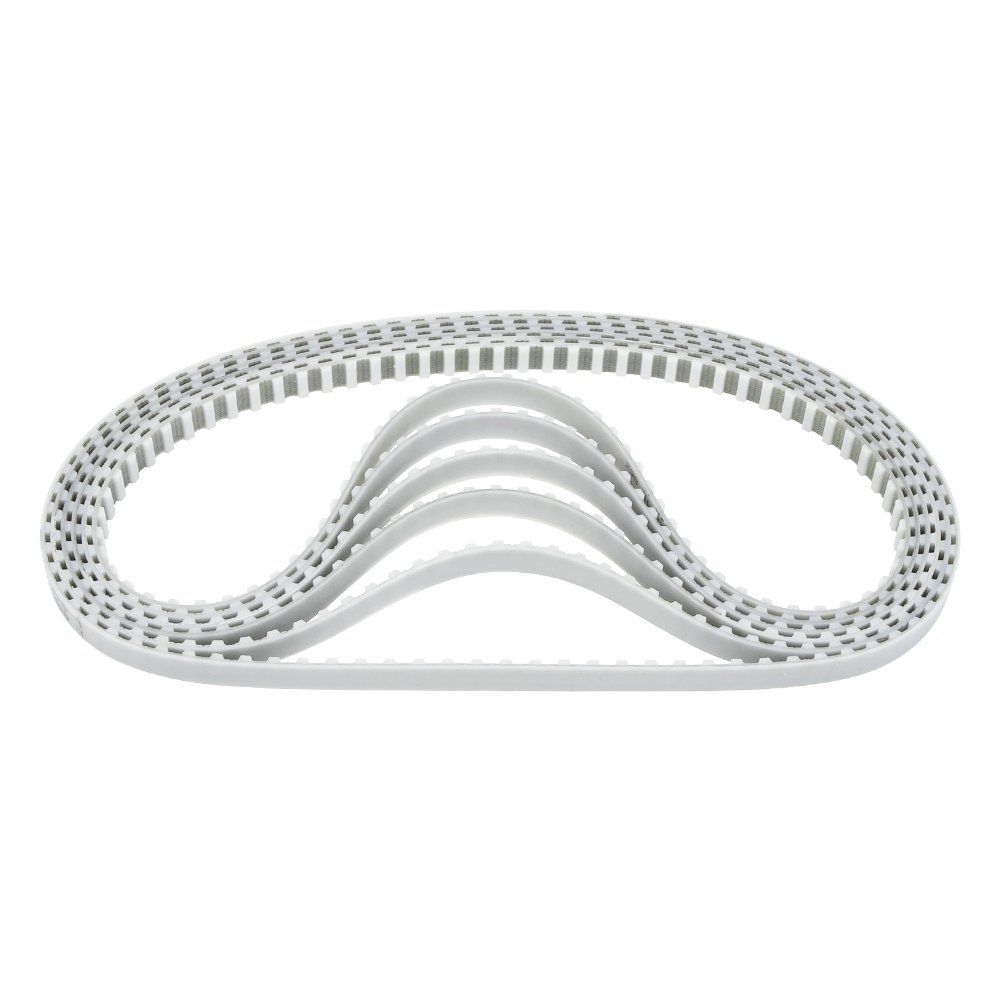
When a field repair makes sense
- An open-ended belt joined on site: a failed weld can be cut out and re-welded after the cord ends are checked.
- Light conveying or linear positioning duty, where the belt sees small torque and a clean patch holds.
- A breakdown with no spare on the shelf, as a temporary measure while the replacement is produced.
- Belts with welded-on accessories such as profiles or cleats, where a single accessory can be re-welded without touching the belt body.
Getting more life before the next failure
- Set and re-check tension at the intervals the drive sees real hours, not just at installation.
- Inspect pulley teeth and flanges at each belt change; worn pulleys quietly eat new belts.
- Keep the pulley grooves and belt surfaces clean of packed product and debris.
- Store spare belts flat or hung, cool and away from direct light, so the cords and PU body age slowly.
Send a photo and get a second opinion
Email sales@goodlybelts.com a photo of the damage plus the belt size and duty. We will tell you whether a repair can hold, what caused the damage and quote the replacement, including the welded joint if you run open-ended stock.
Assess my belt damage
Are you looking for a reliable manufacturer of conveyor belt products?
We can quickly provide customers with market analysis, technical support and customized services.- Name
- Phone
- *Title
- *Content