
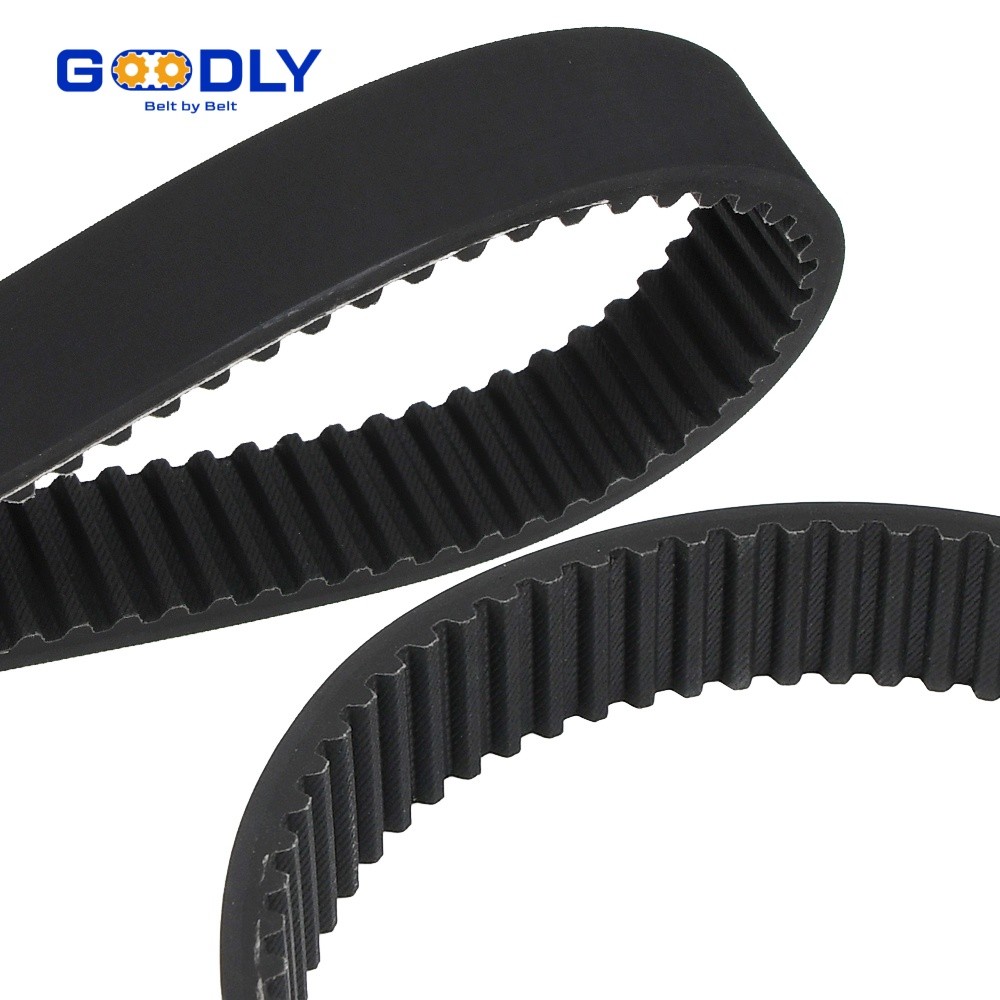
 Rubber Timing Belt
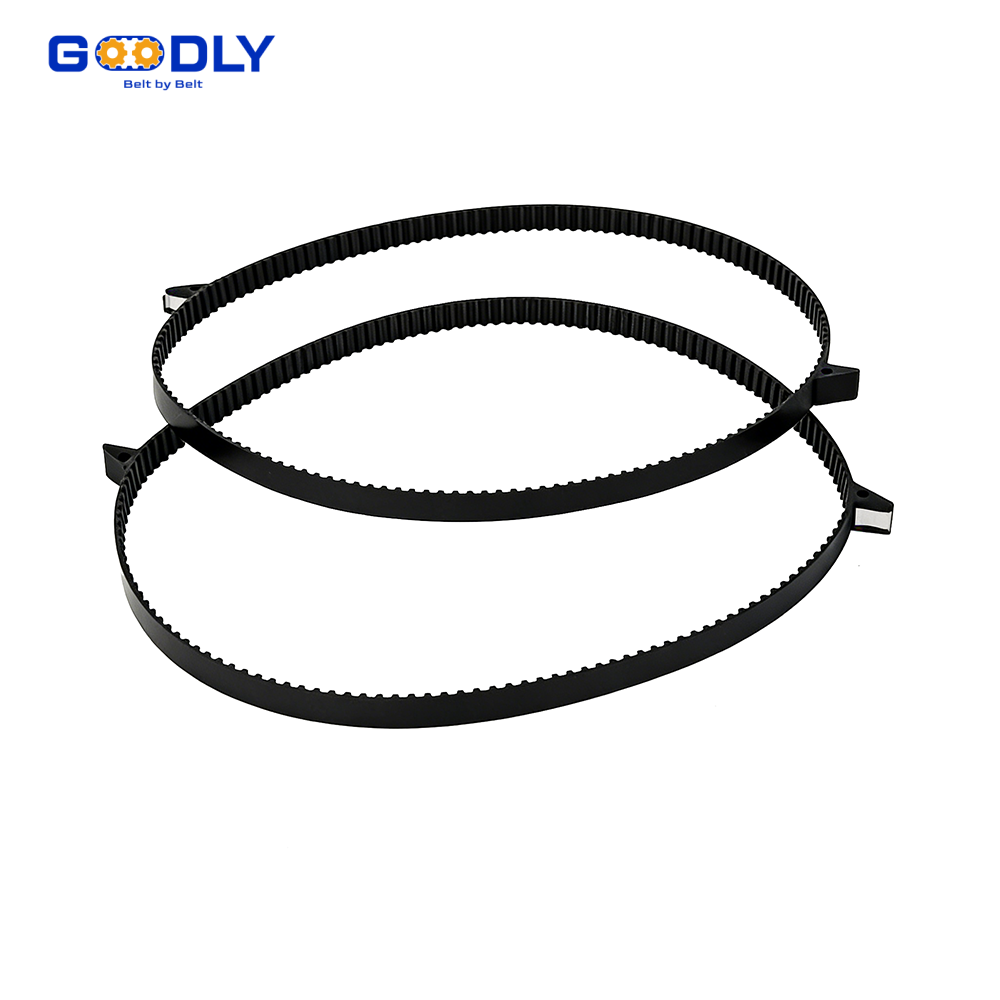 PU Timing Belt
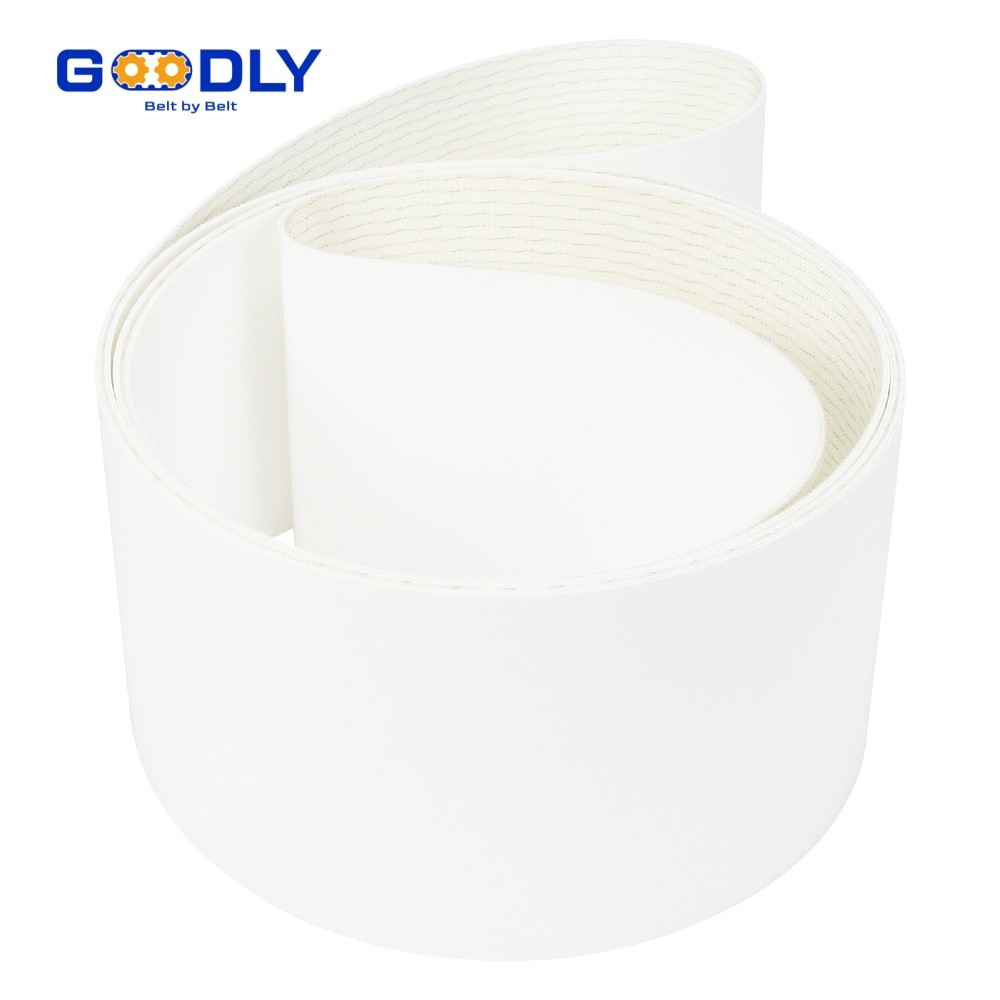 Silicone Timing Belt
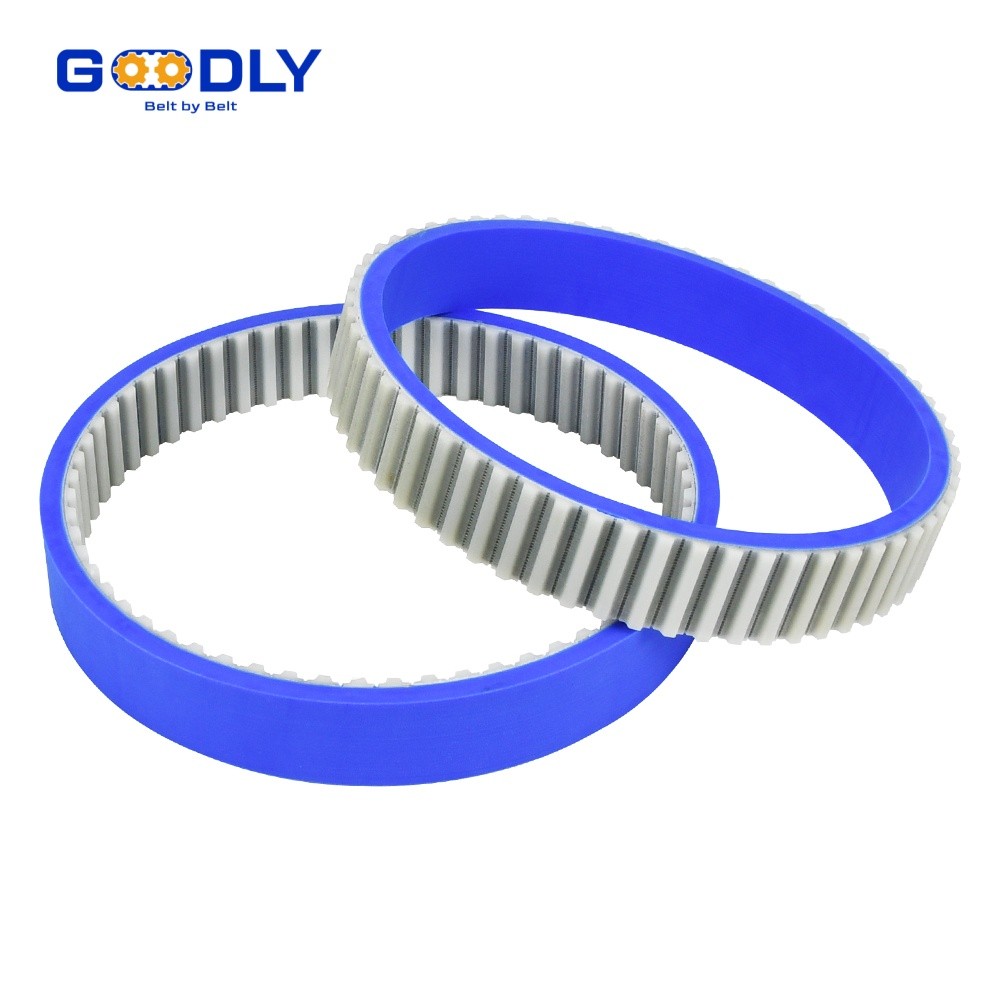 Silicone Vulcanized Timing Belt
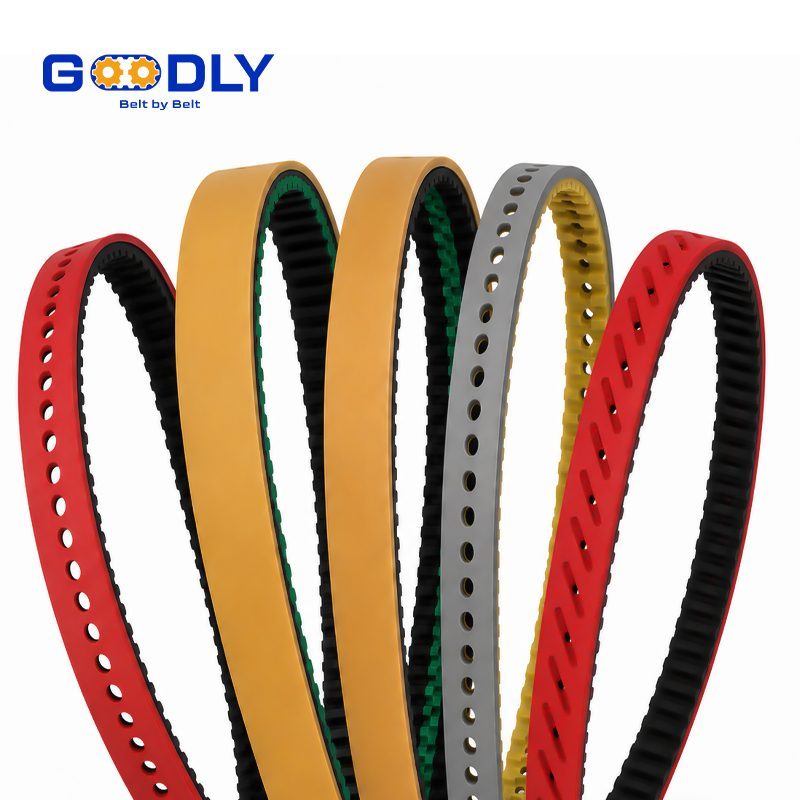 Vulcanized Timing Belt
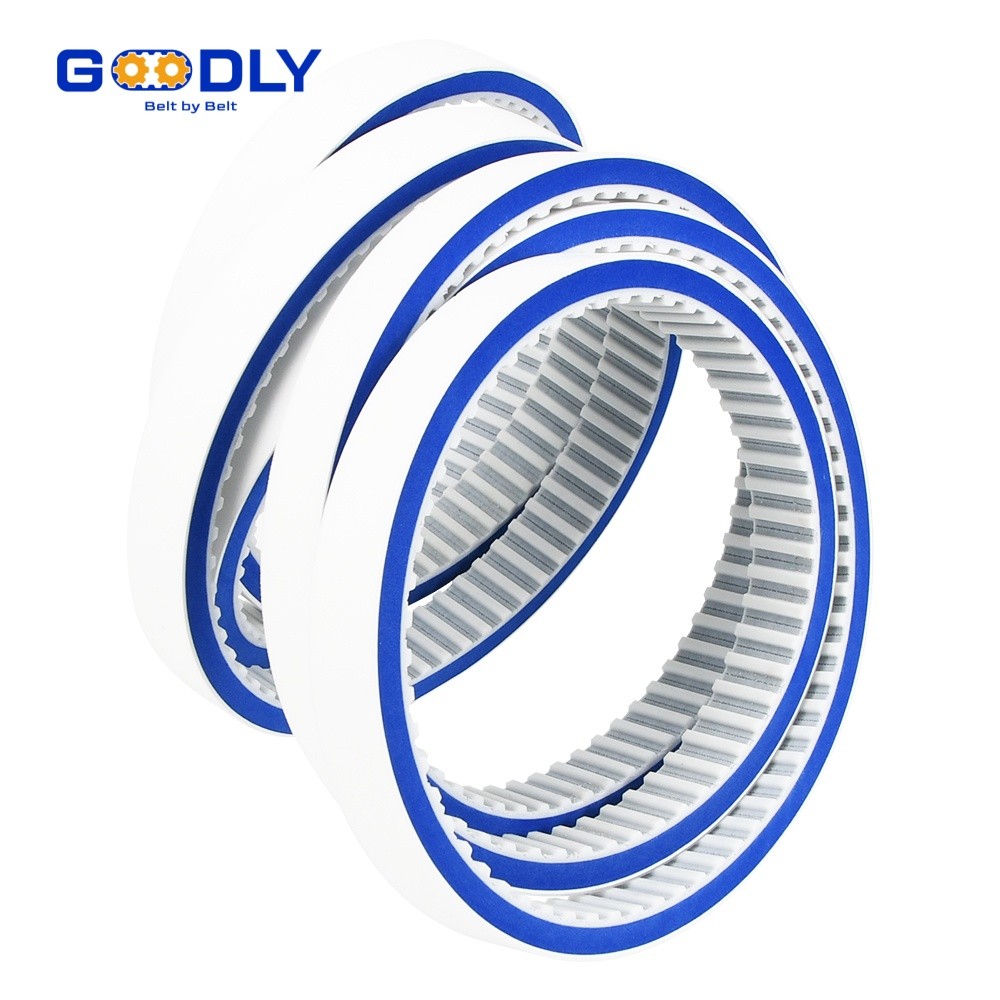 Sponge Timing Belt
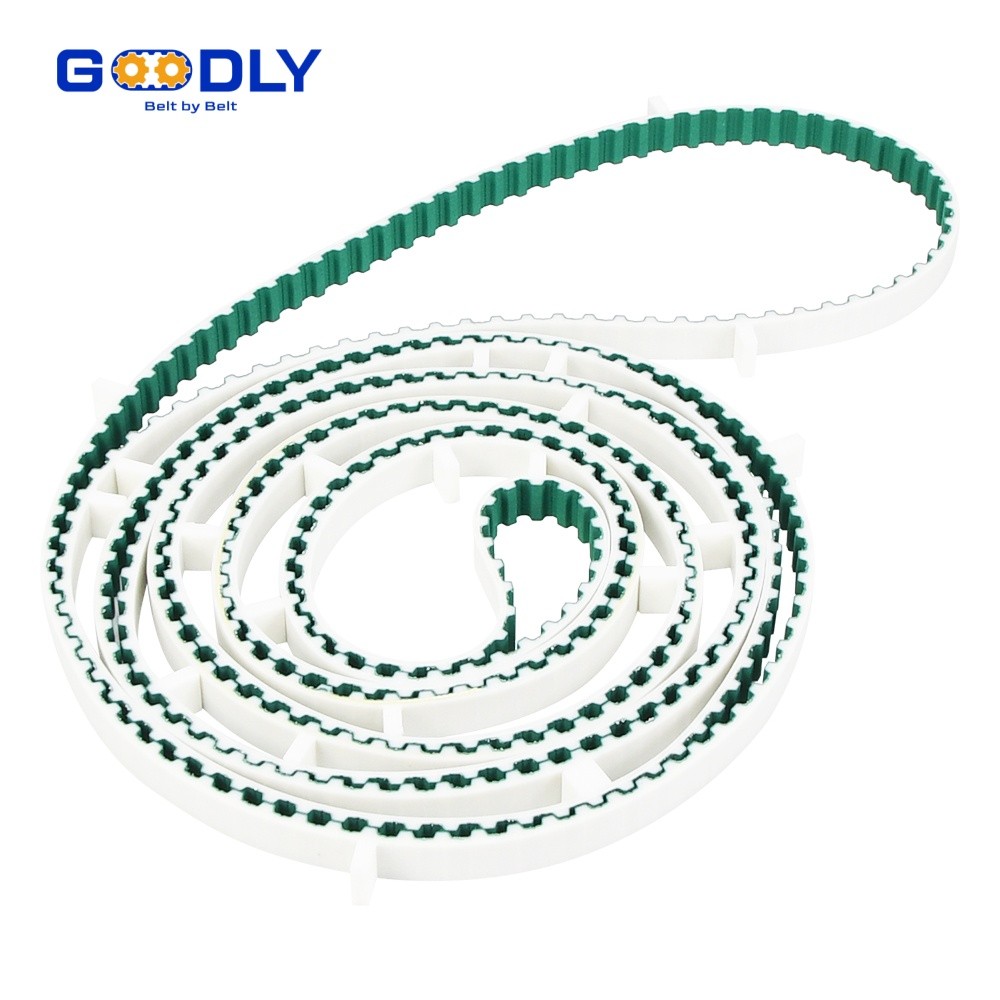 Timing Belts with Special Machining
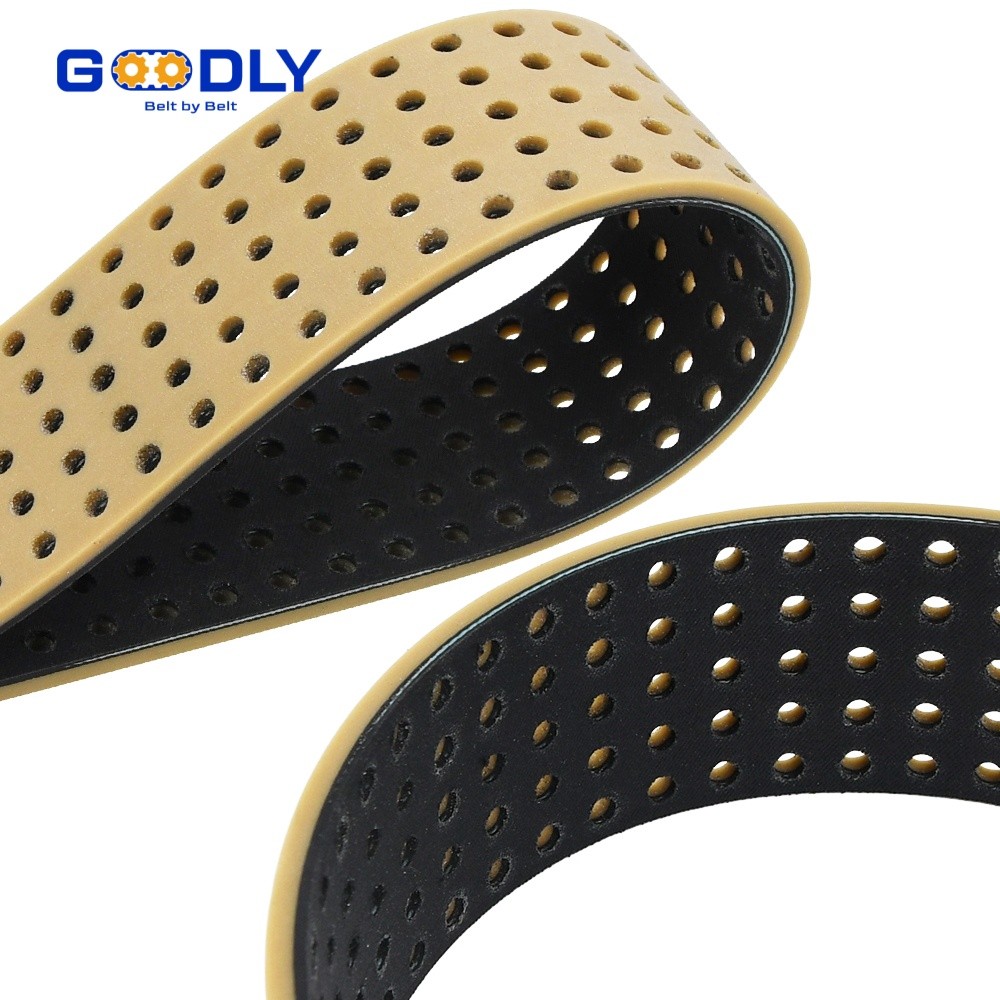 Rubber Flat Belt
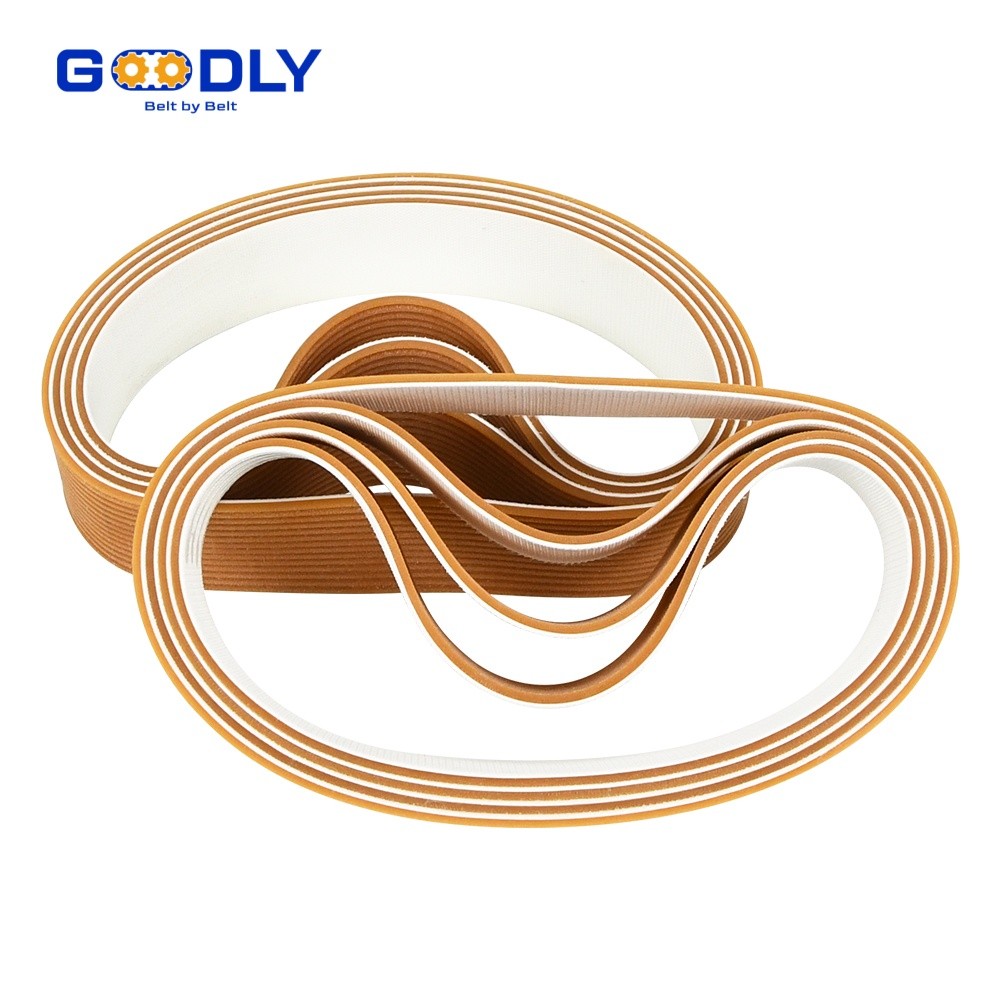 PU Flat Belt
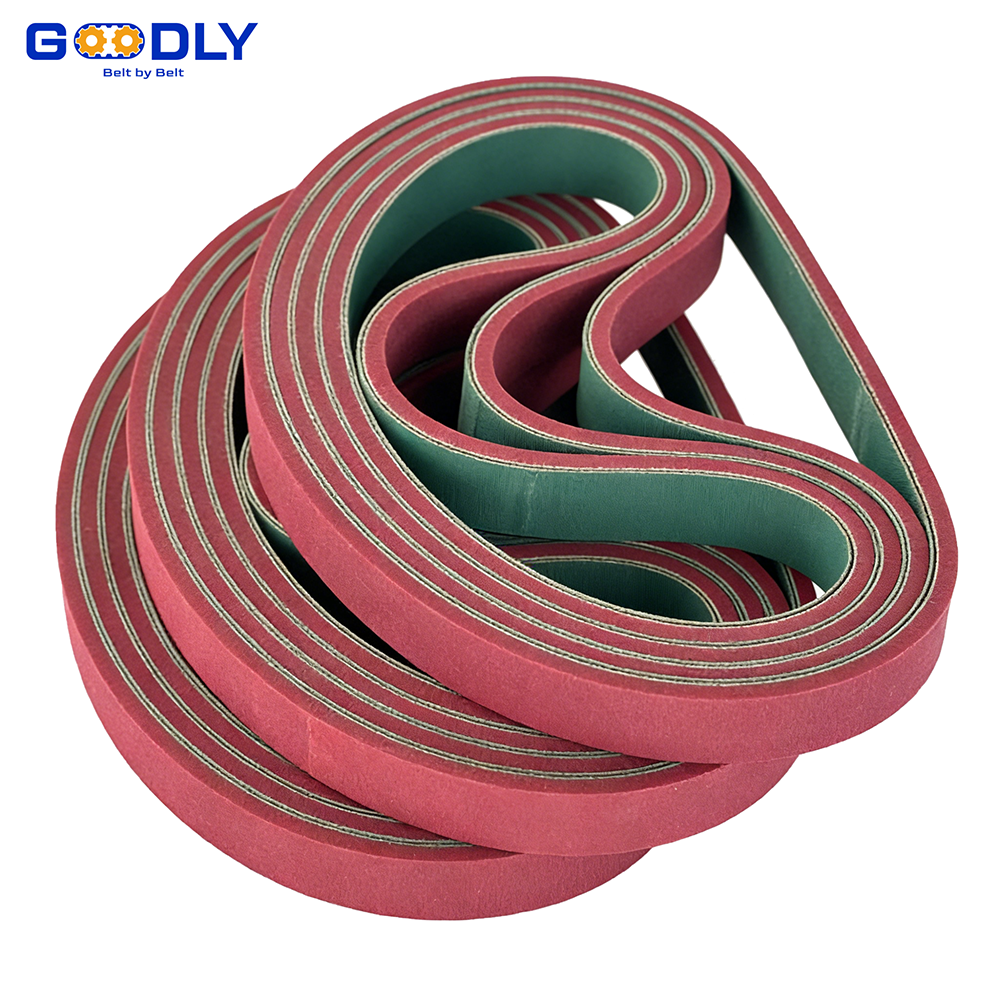 Nylon Flat Belt
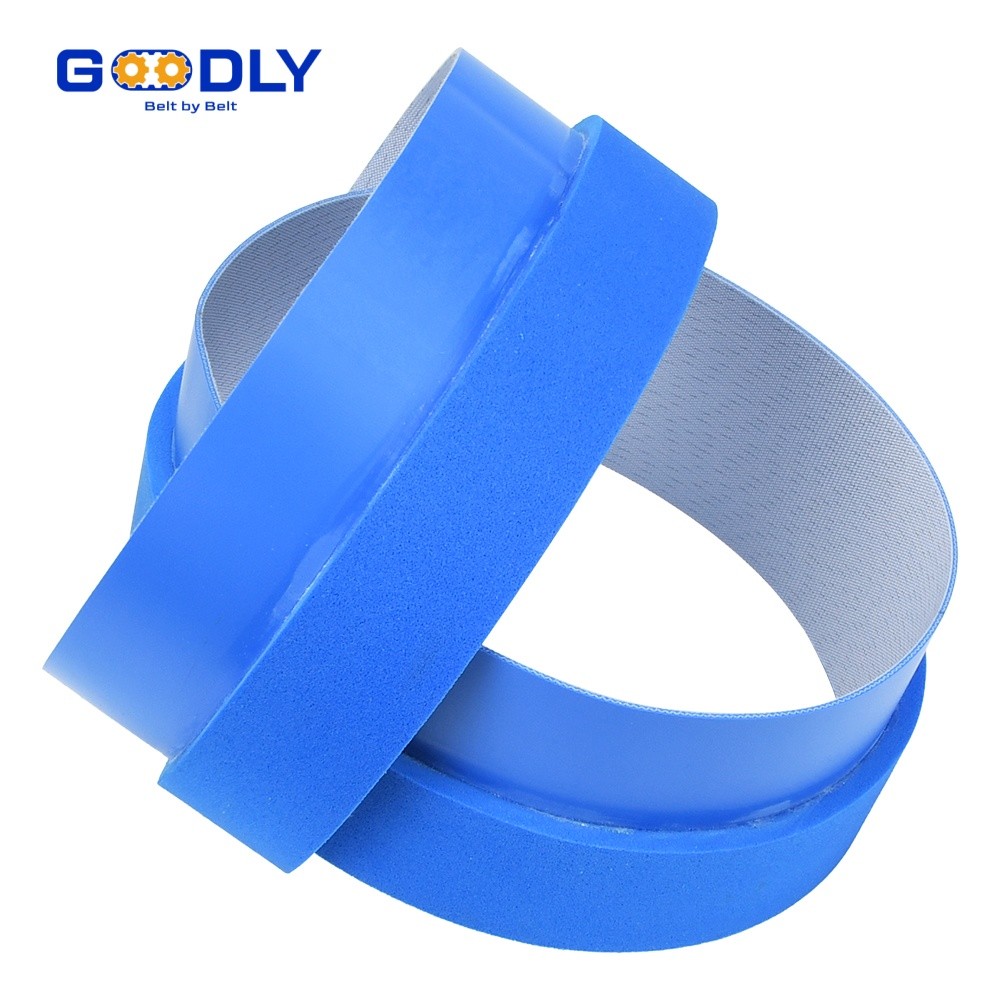 Foam Flat Belt
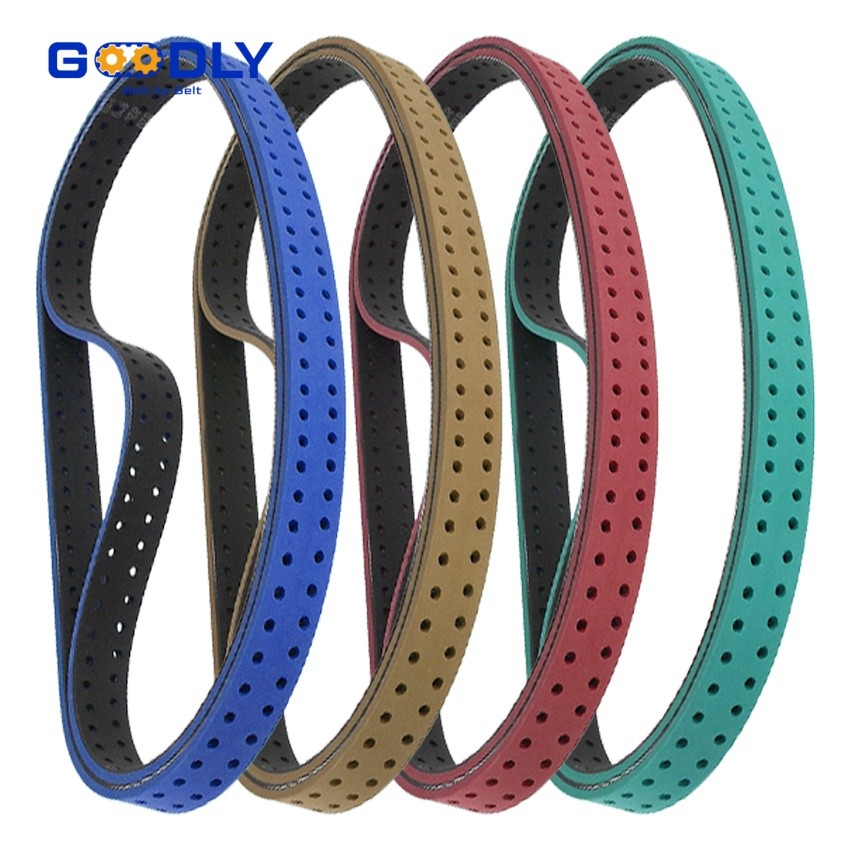 Vulcanized Flat Belt
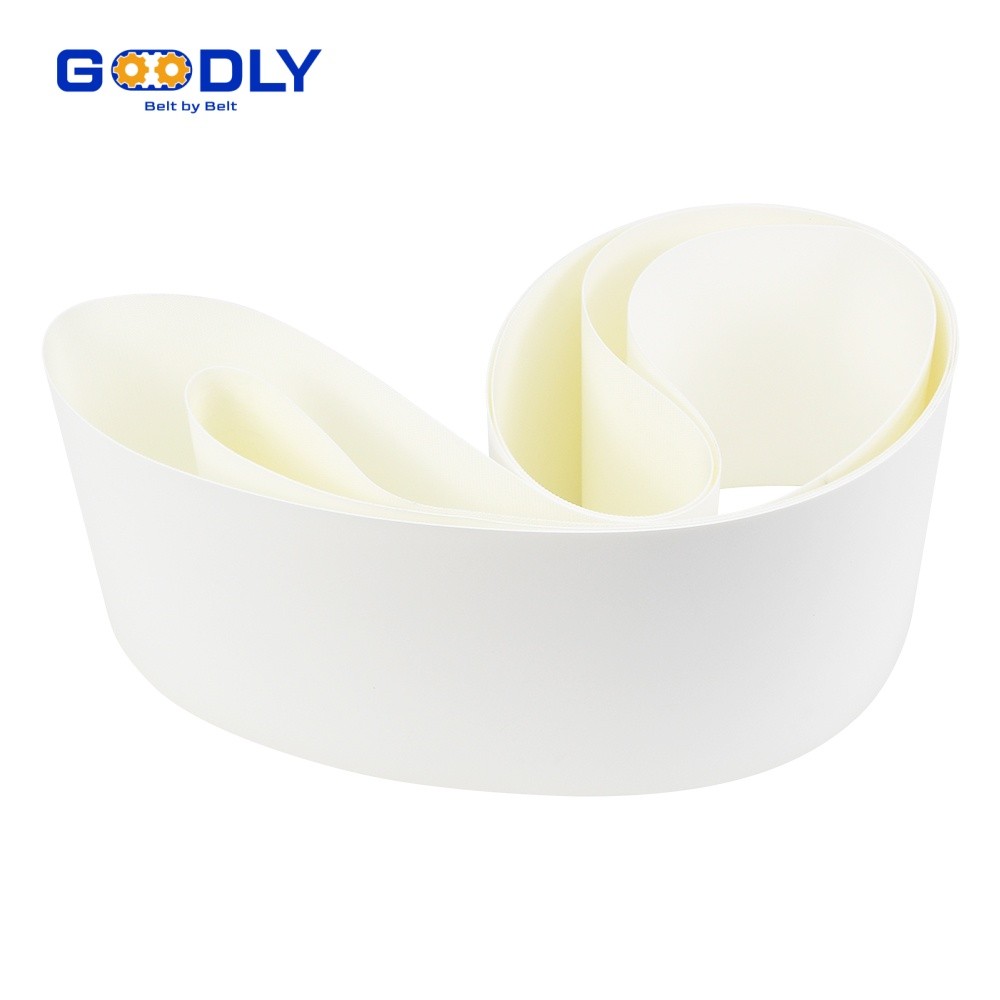 PU Conveyor Belt
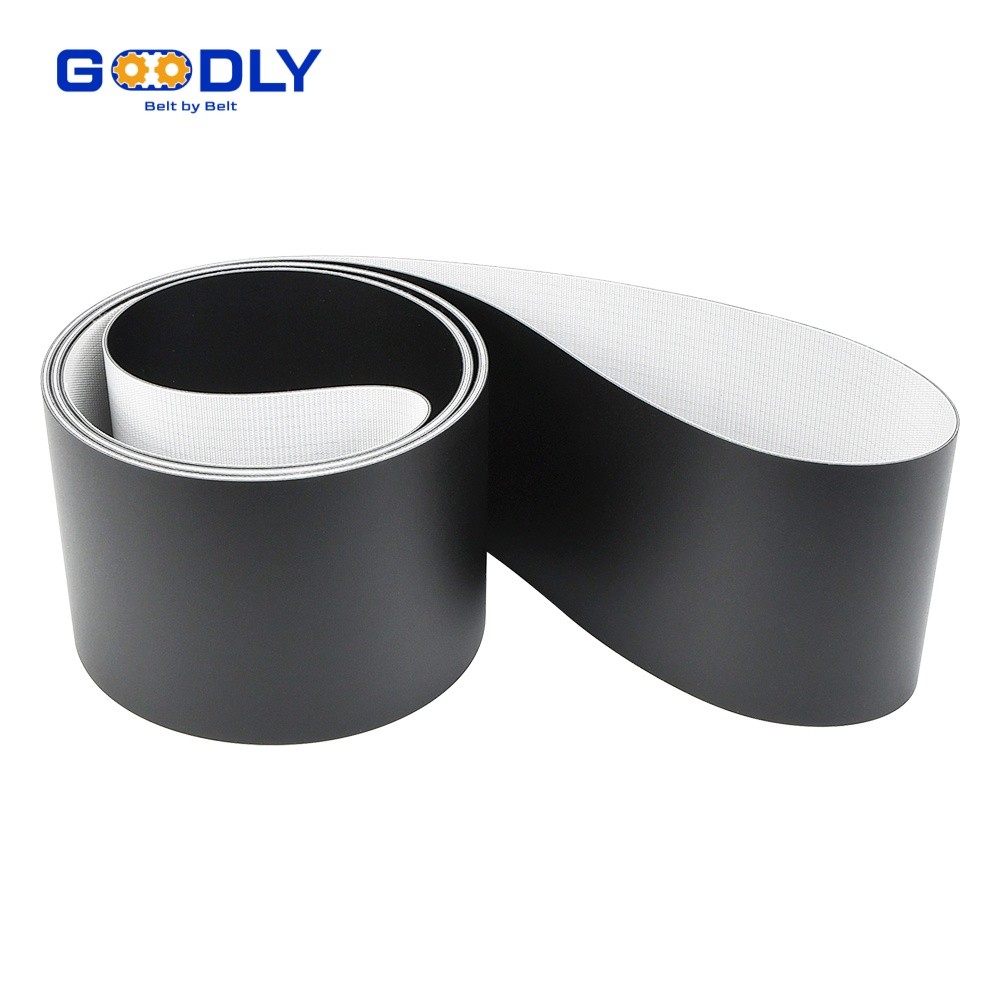 PVC Conveyor Belt
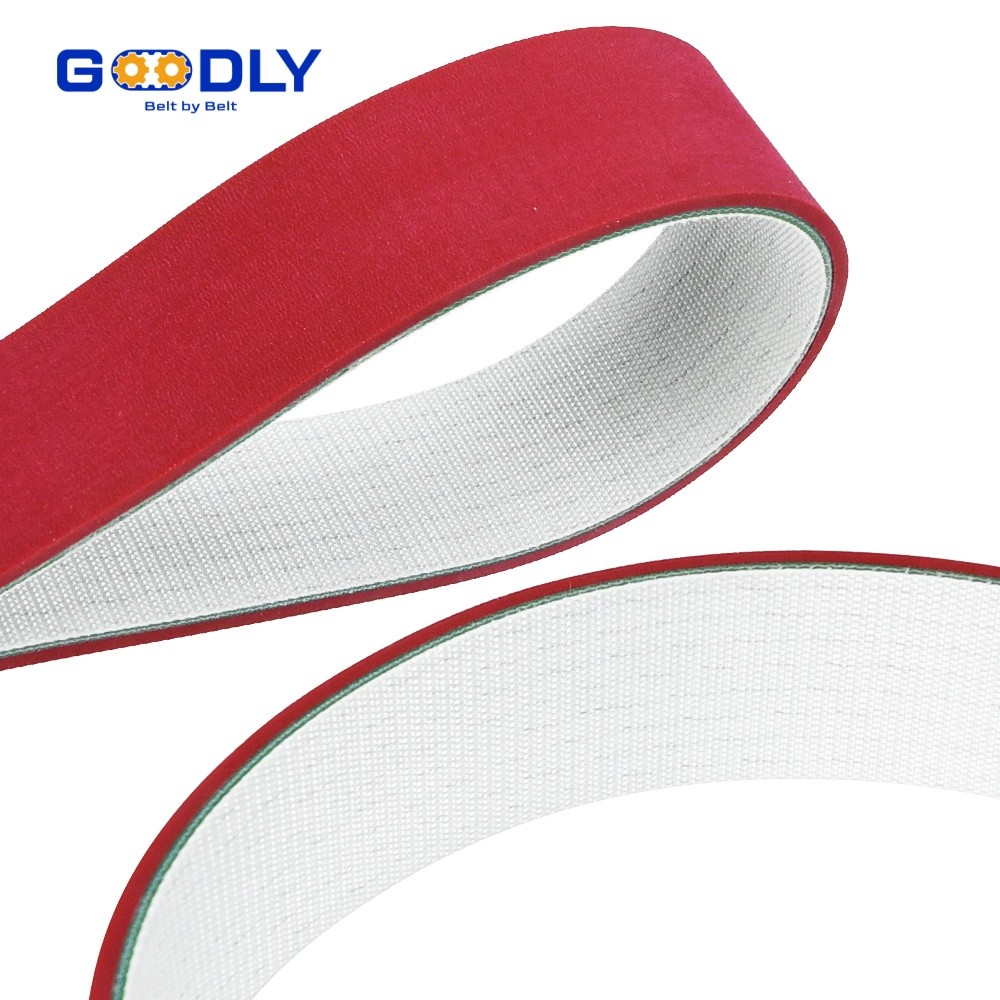 Rubber Conveyor Belt
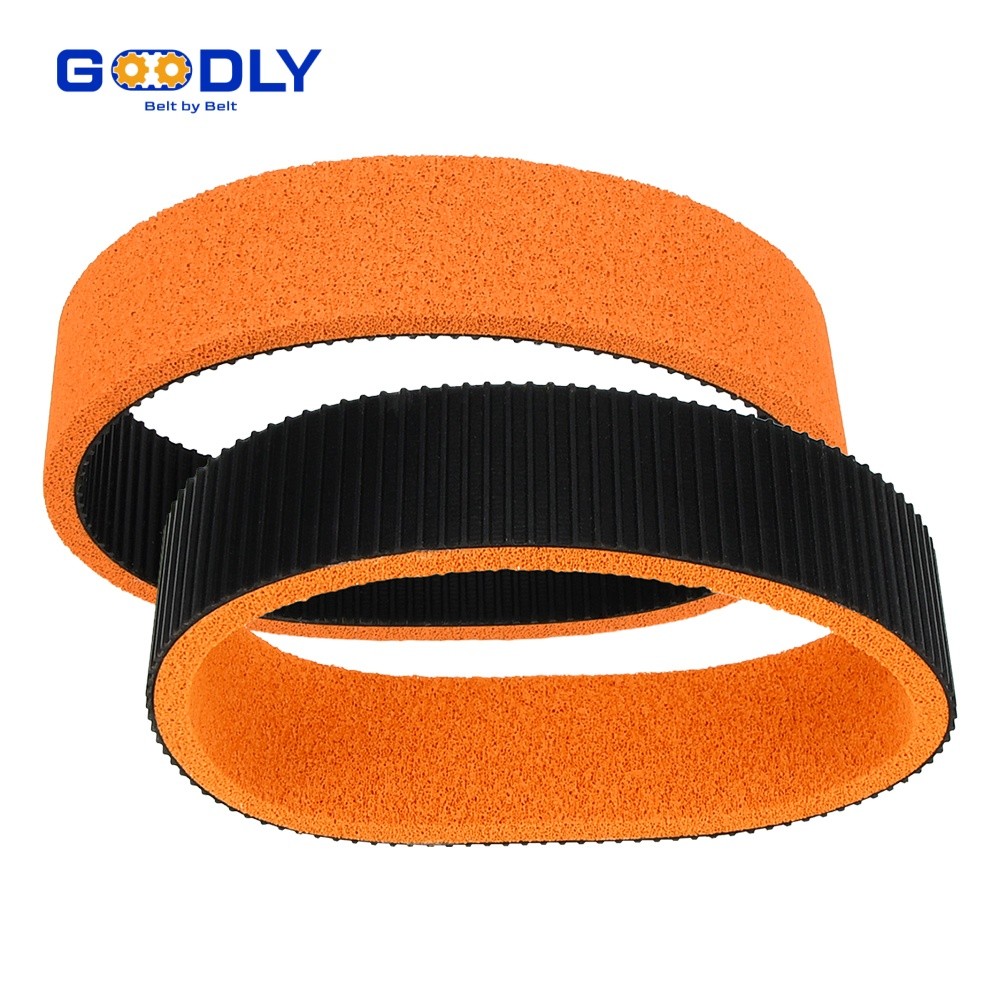 Sponge Conveyor Belt
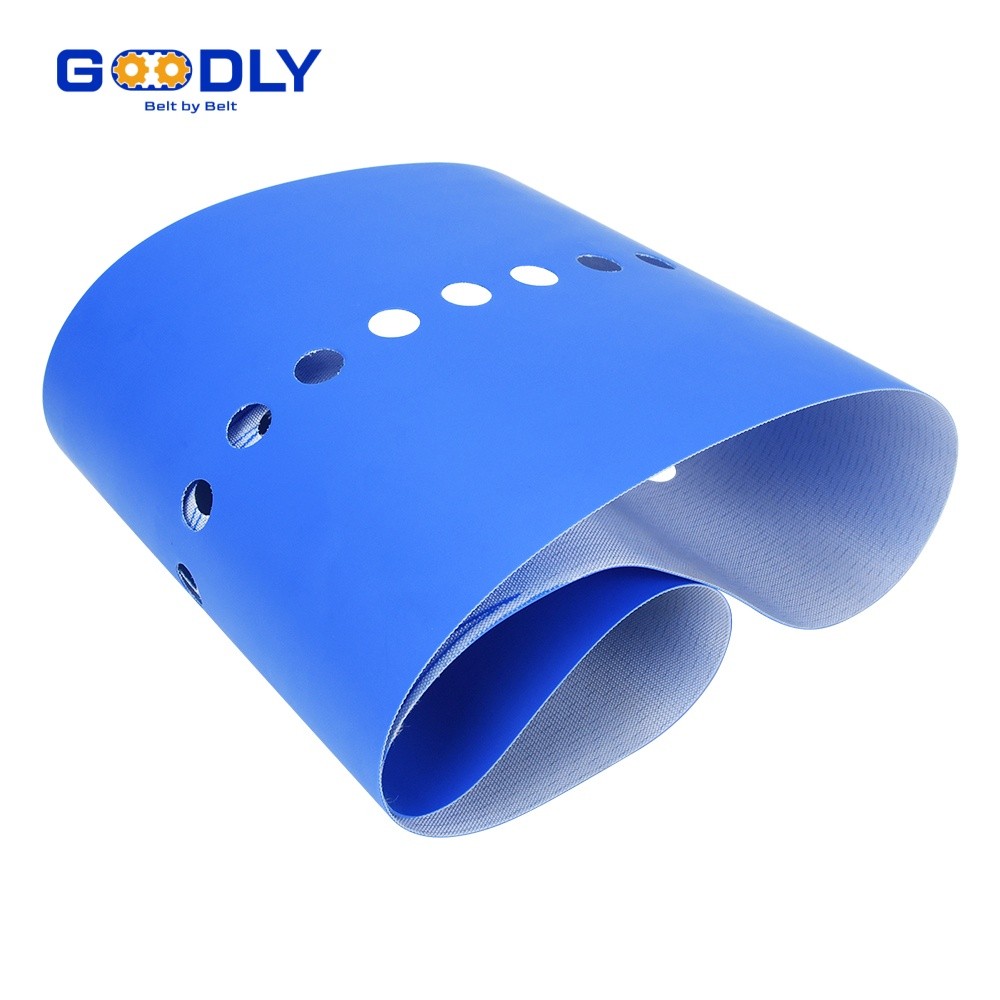 Conveyor Belts with Special Machining
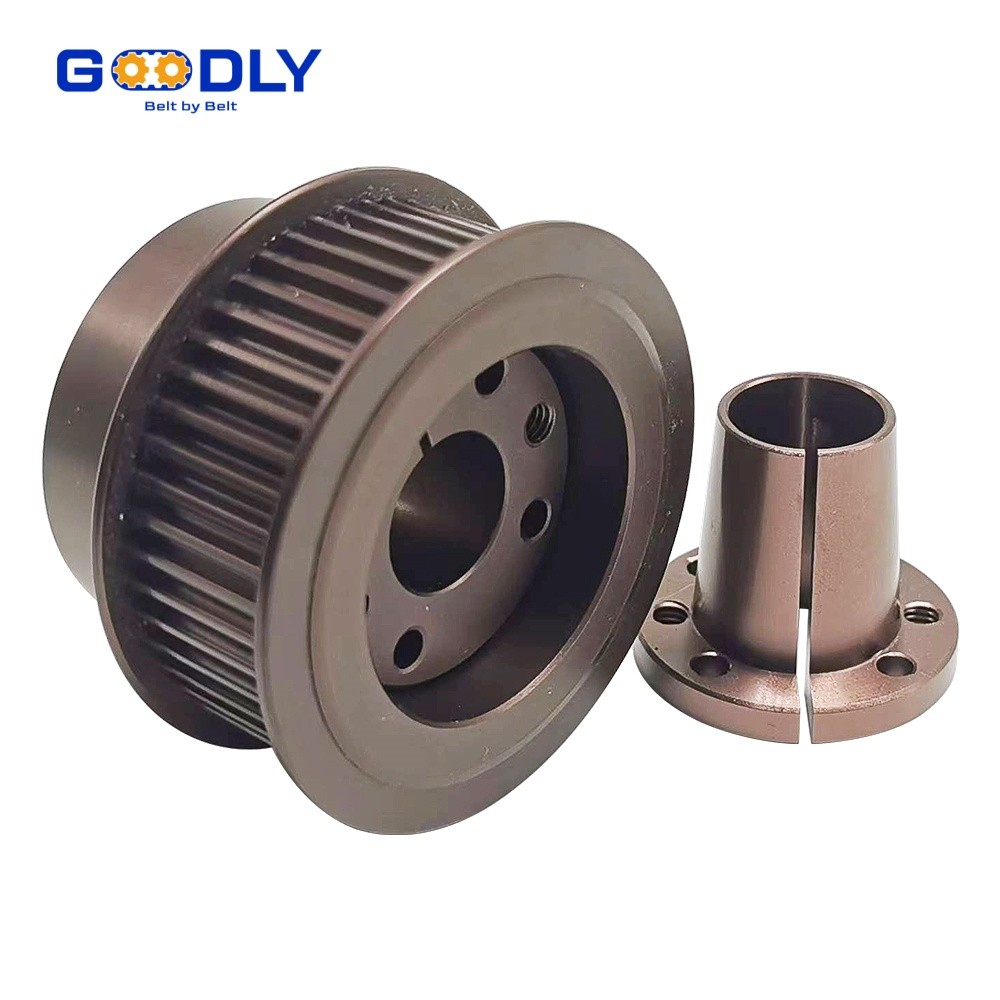 Timing Belt Pulley
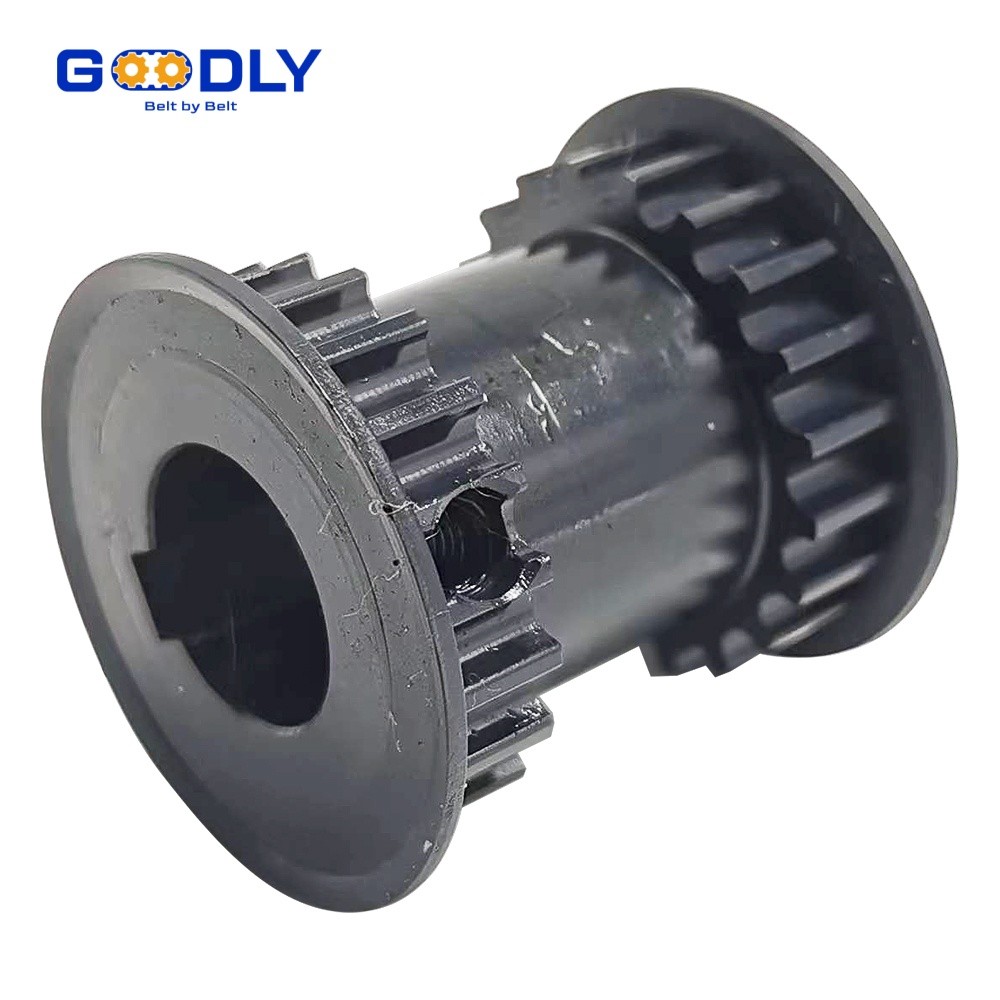 Rod-Shaped Synchronous Timing Pulley
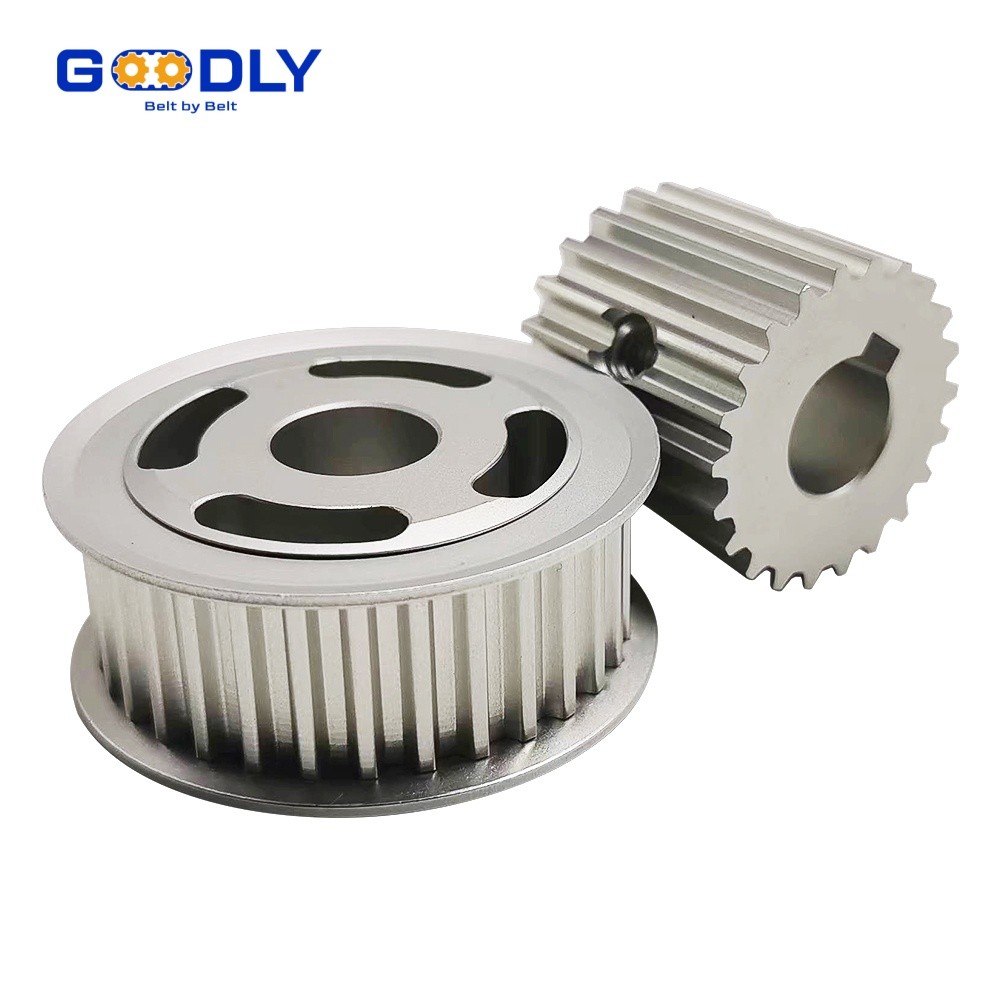 Surface-Pressure-Bearing Timing Pulley
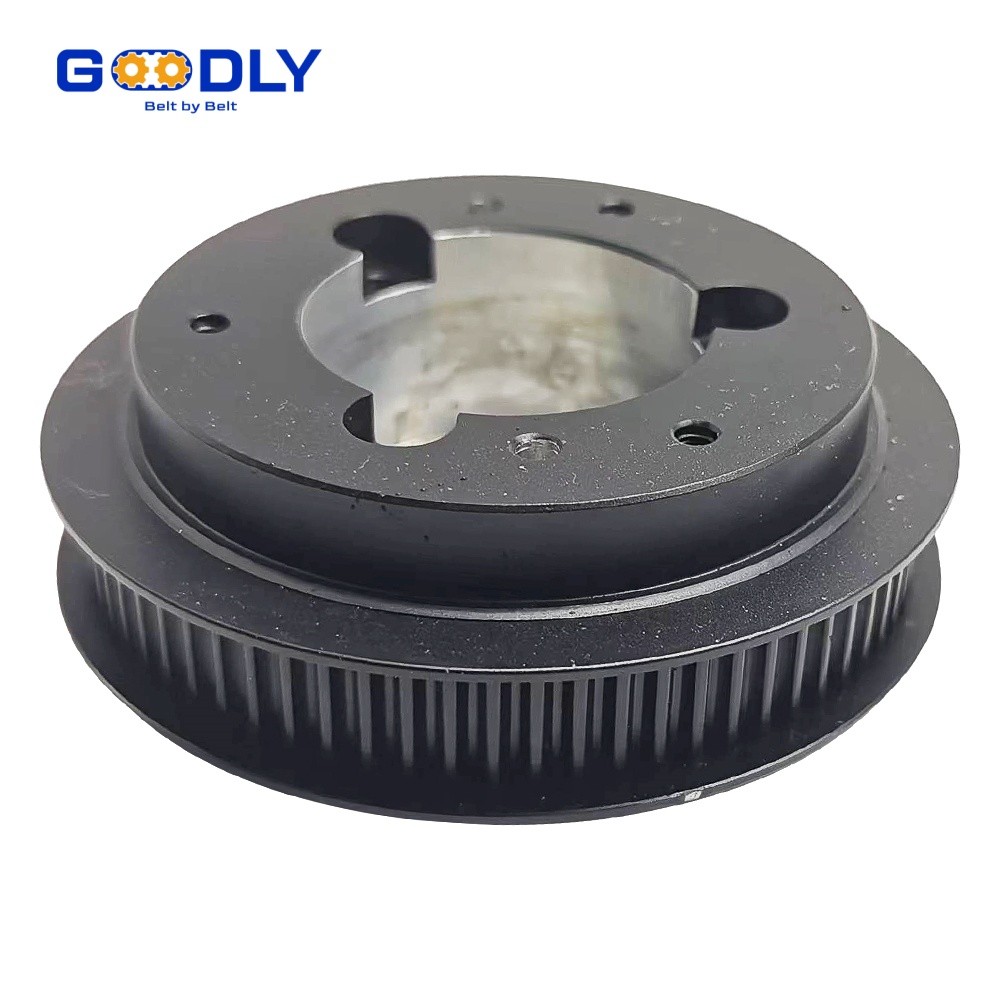 Serrated Idler Gear Timing Pulley
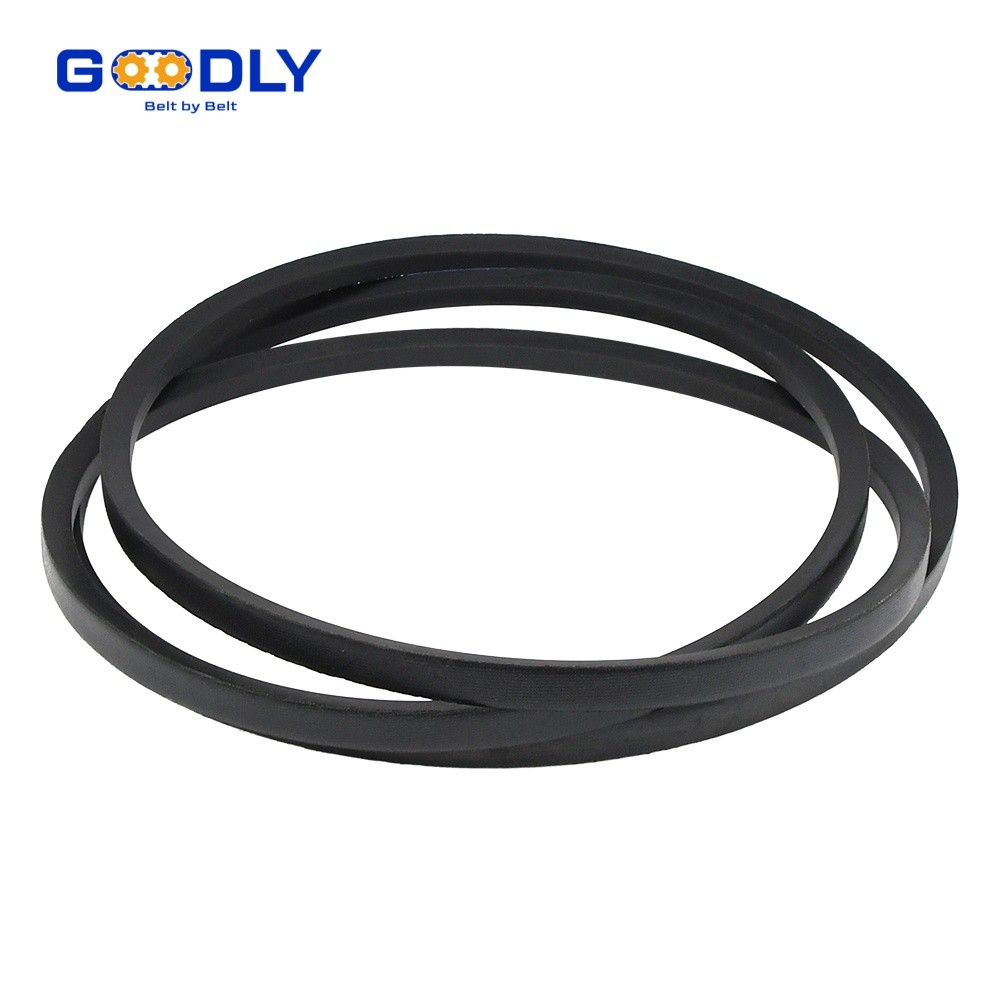 Multi-Groove Belt
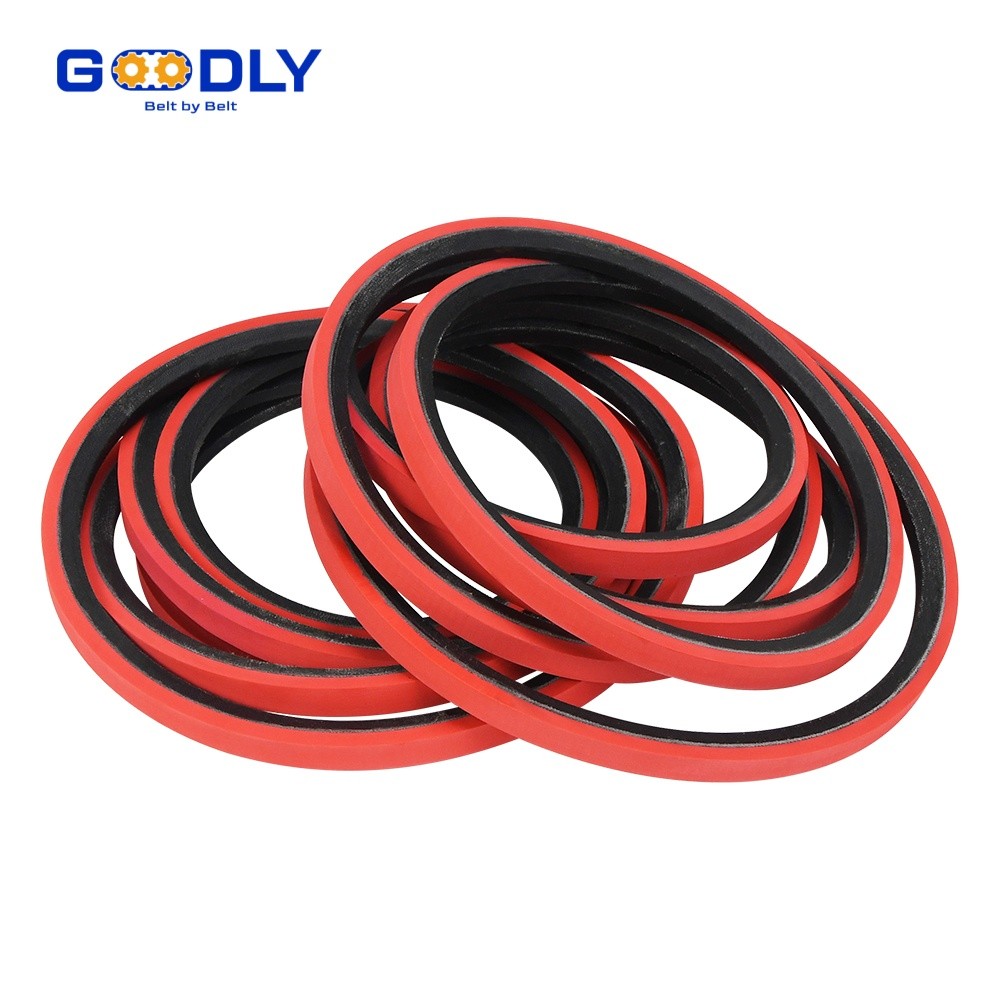 V-Belt
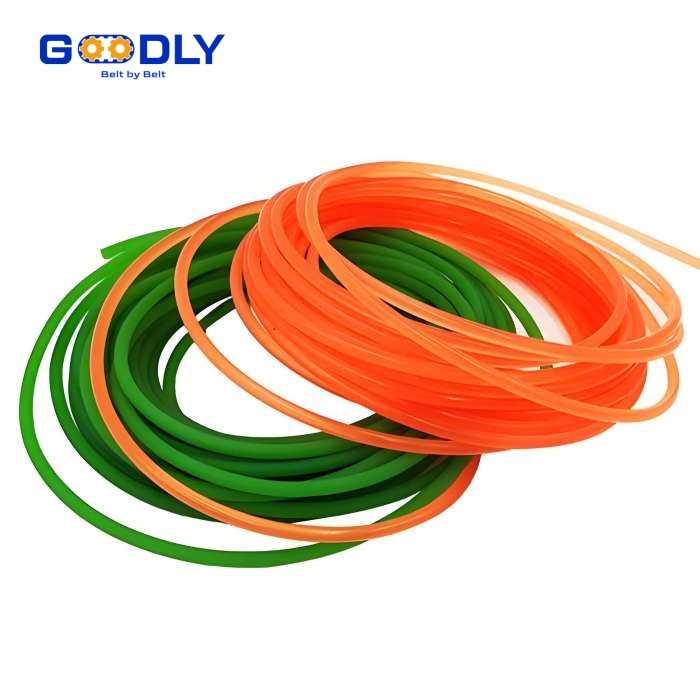 PU Round Belt
How many vulcanized joints can a belt have, and where should they sit?
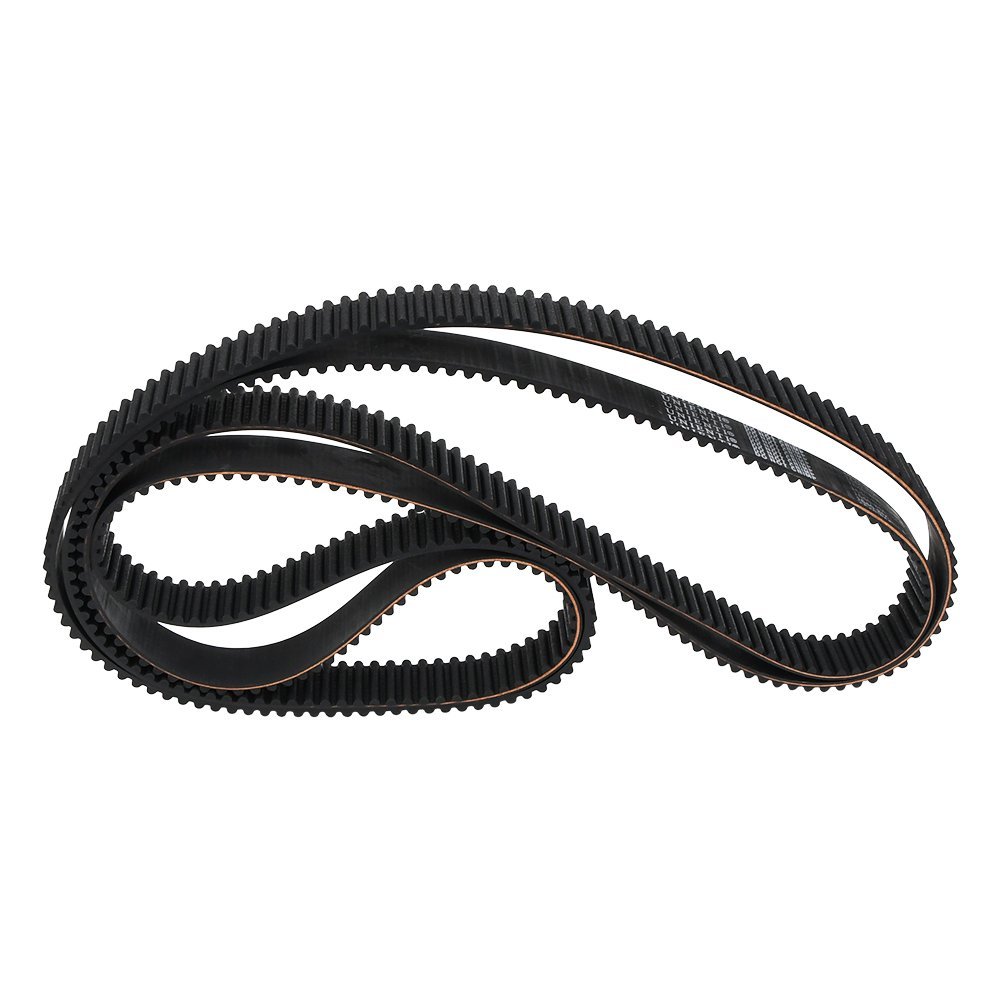
Direct answer: One vulcanized joint is normal and is how most open belts become endless. Two joints are common and acceptable on long belts, particularly where a belt has to be fitted on a machine that cannot be opened. Three or more is a warning sign: it usually means the belt was assembled from short lengths of stock, and every extra joint costs tensile capacity, adds a mass imbalance and disturbs tracking once per revolution. Place joints as far apart as the layout permits, keep them out of the smallest pulley and away from the loading point, and fit both with the same step direction.
What each joint costs you
| Number of joints | Practical view | What to plan |
|---|---|---|
| One | Standard for an endless belt | Check joint position against the smallest pulley and the load point |
| Two | Acceptable on long belts and on machines that cannot be opened | Space them as widely as possible and keep the step direction the same |
| Three | Tolerable only on very long belts in light duty | Record positions and inspect all joints on a fixed schedule |
| Four or more | Treat as a temporary repair | Order a belt made to length with one joint and plan the change |
Joint efficiency is quoted as a share of the belt tensile strength, and it depends on the construction, the splice geometry, the press and the skill of the operator. Two joints do not simply halve the capacity of the belt, because the joints are not loaded at the same instant and the belt around them still carries its full section. But two joints do double the number of places where a repair can start, and they put two thickness steps through every pulley on every revolution.
Where the joints should sit
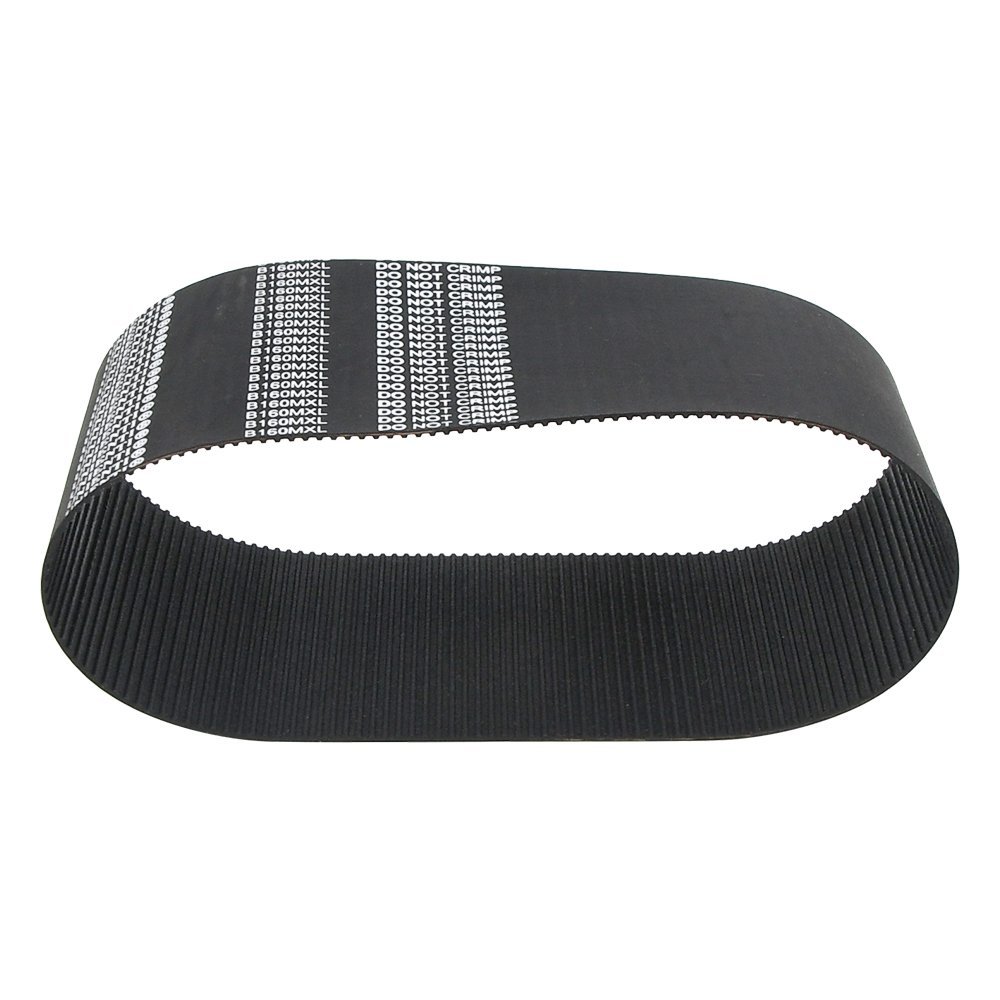
- As far apart as the layout allows, ideally on opposite sides of the loop rather than both on the carrying run.
- Away from the smallest pulley at the parked position, so the joint is not held in a tight bend when the belt is stopped.
- Away from the loading point, where impact and material build-up work on the joint edges.
- Both joints with the same step direction relative to belt travel, so the belt does not try to steer one way at one joint and the other way at the next.
- Clear of scrapers, tracking rollers and skirt rubber, which all concentrate wear on a step.
- Marked on the belt edge with the joint date, so inspection and replacement planning are based on records rather than memory.
Send the layout and we will mark the joint positions
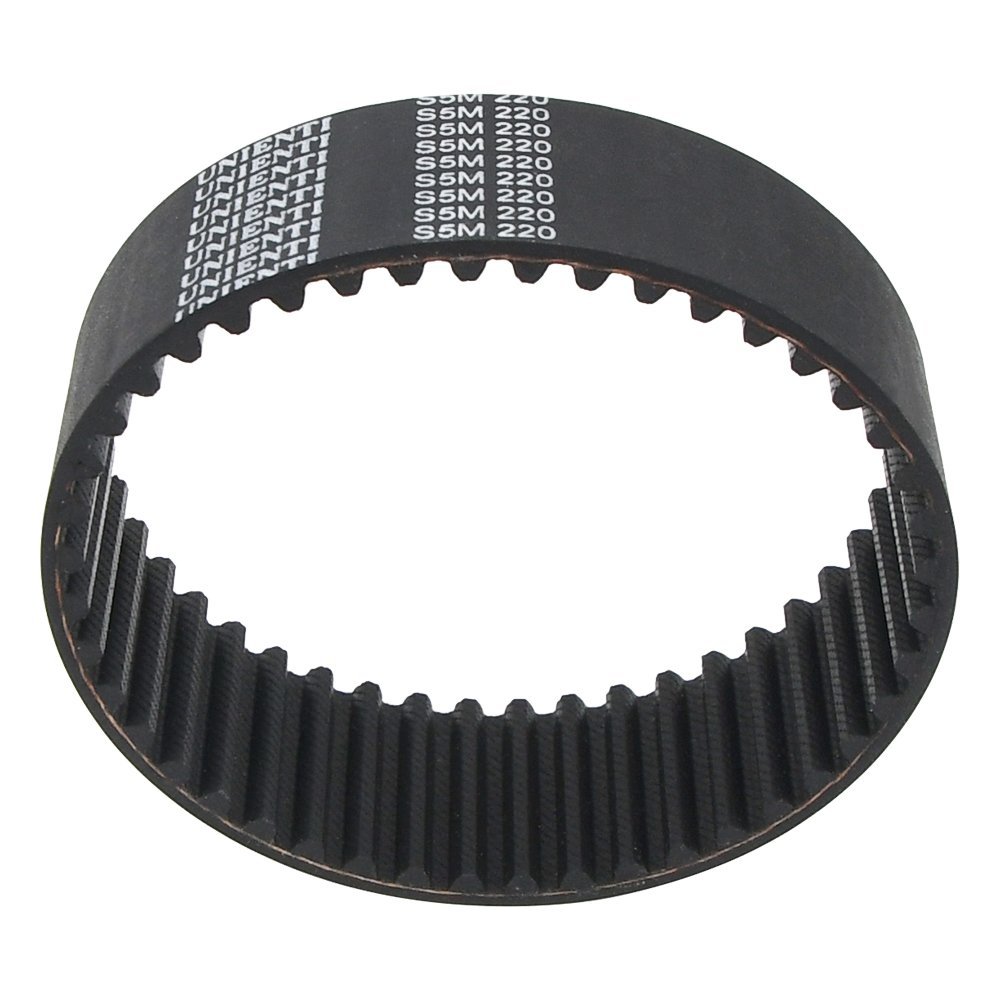
Email sales@goodlybelts.com with the belt length, width, pulley diameters, the number of joints you have now and whether the machine can be opened for an endless belt. We will advise on a belt made to length with one joint, or on the best positions if two are unavoidable.
Ask about belt joints
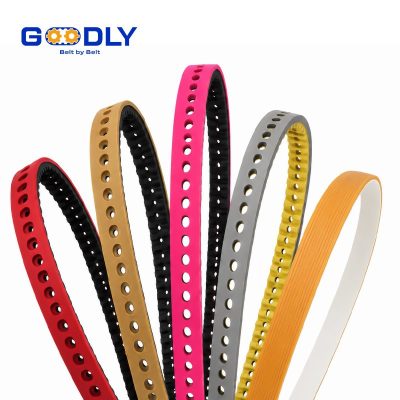
Are you looking for a reliable manufacturer of conveyor belt products?
We can quickly provide customers with market analysis, technical support and customized services.- Name
- Phone
- *Title
- *Content