
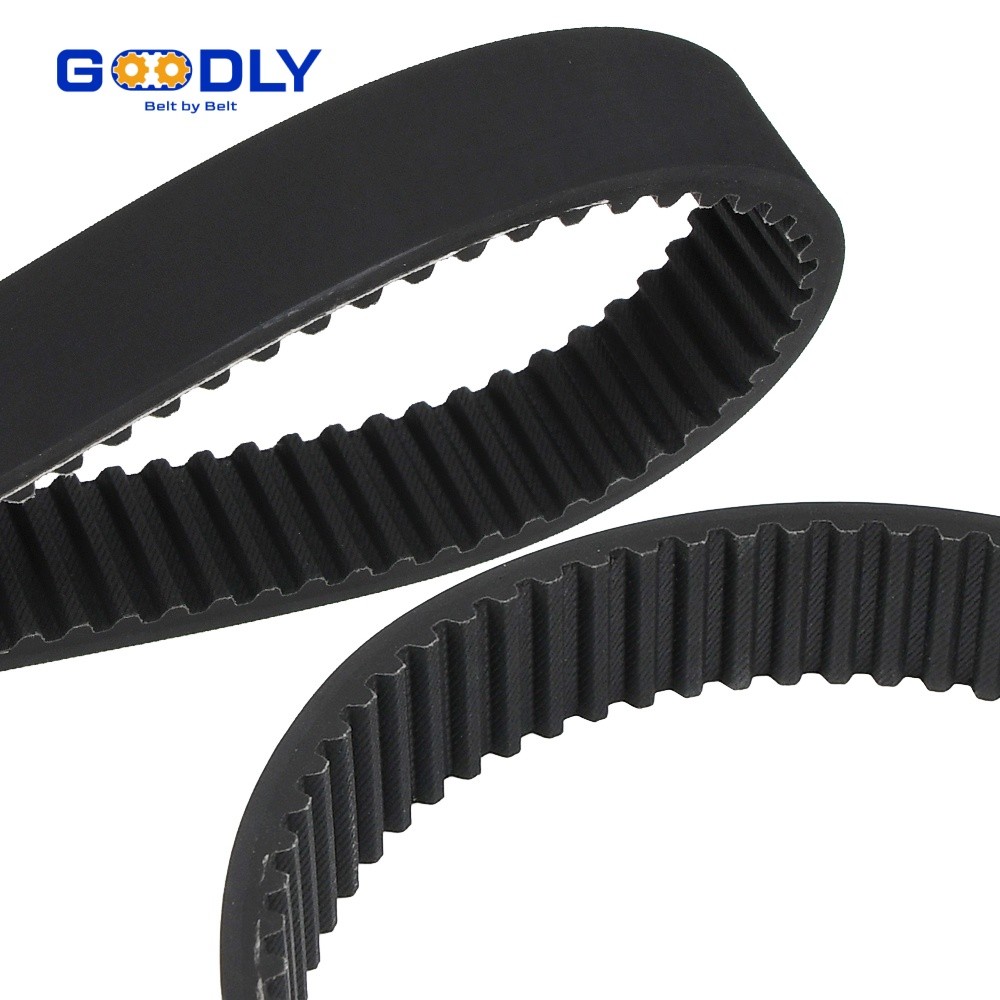
 Rubber Timing Belt
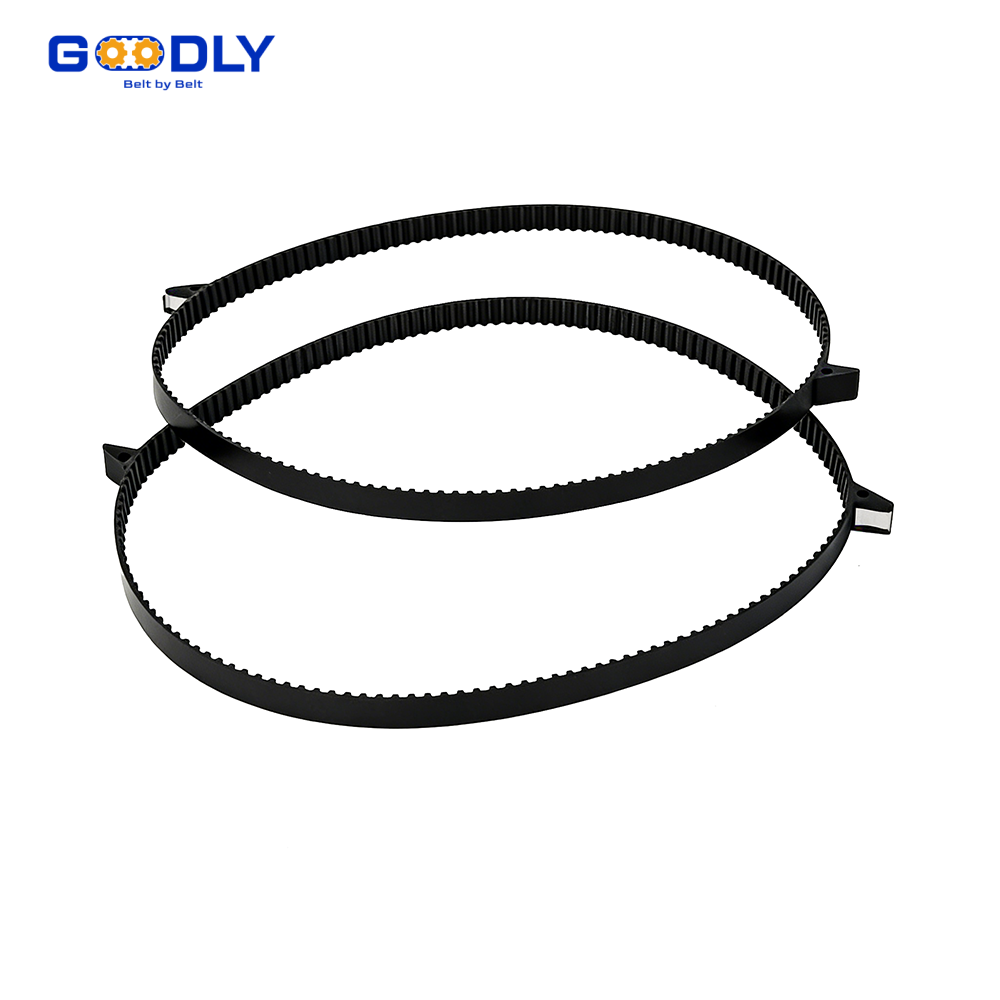 PU Timing Belt
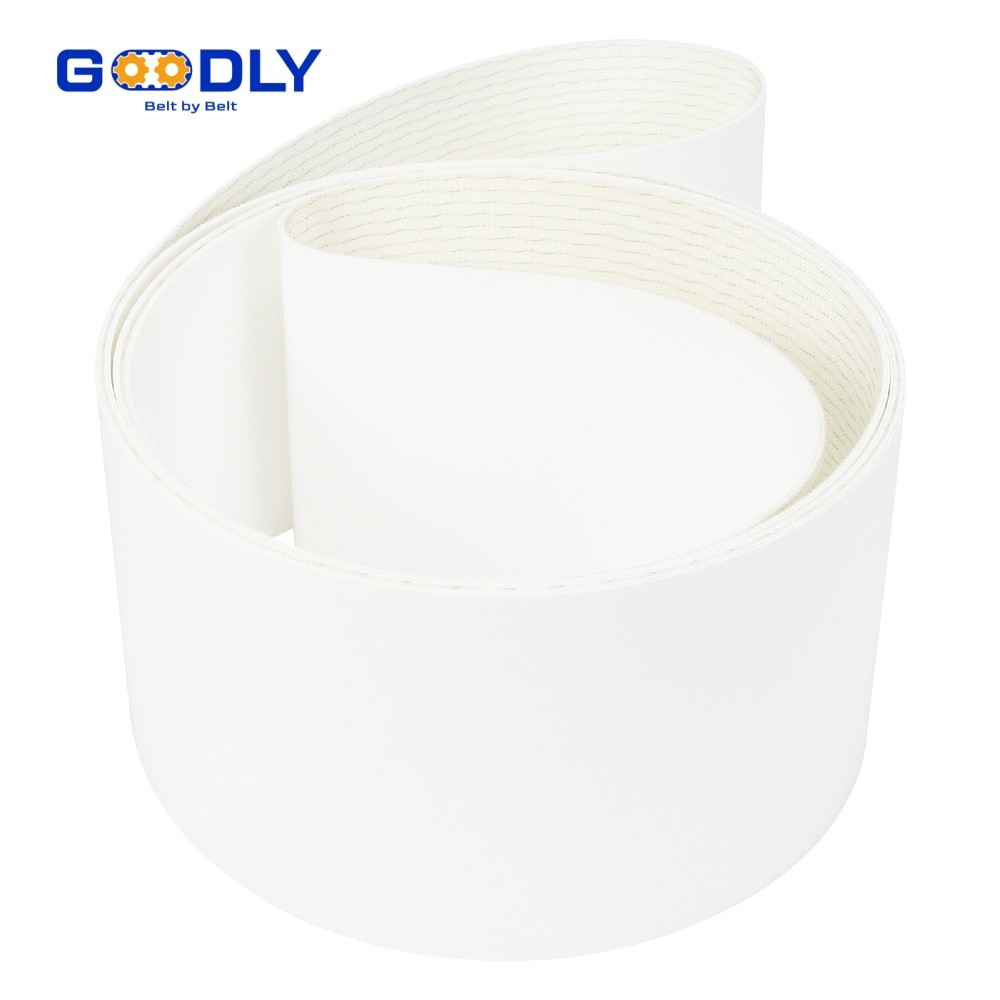 Silicone Timing Belt
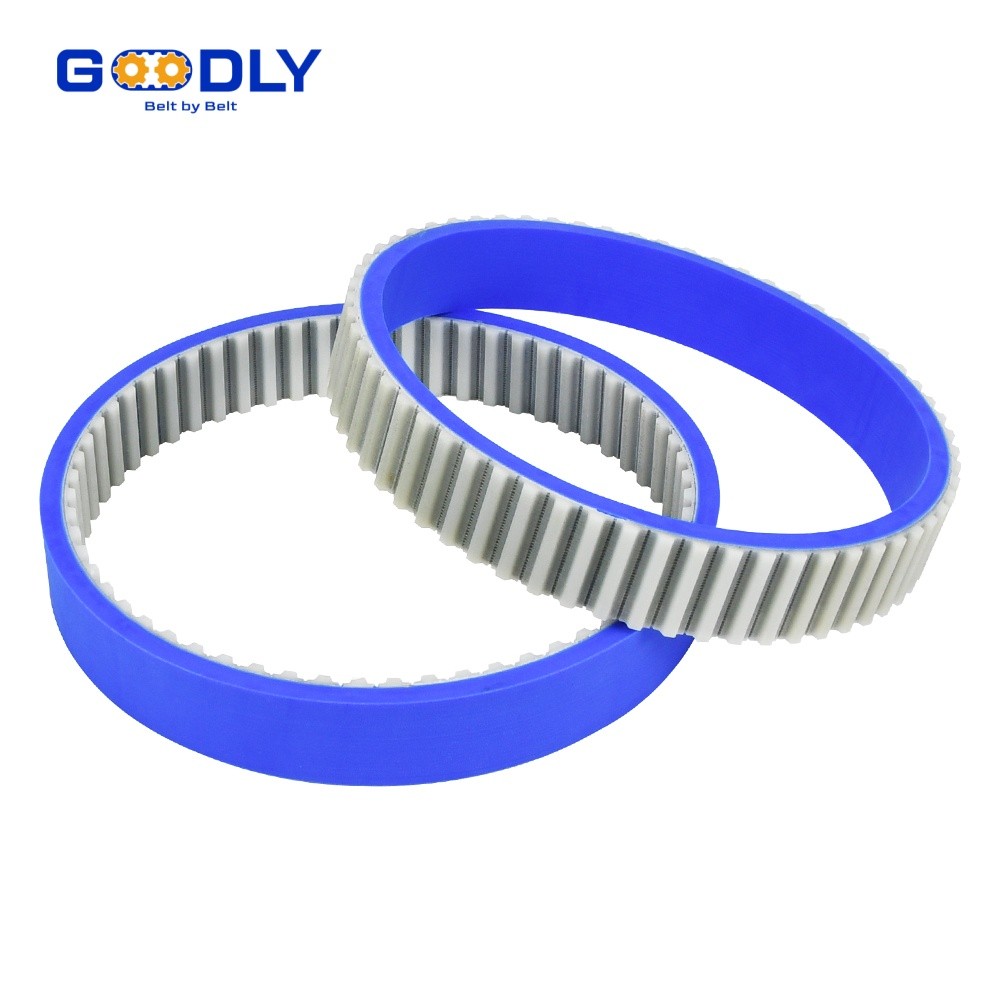 Silicone Vulcanized Timing Belt
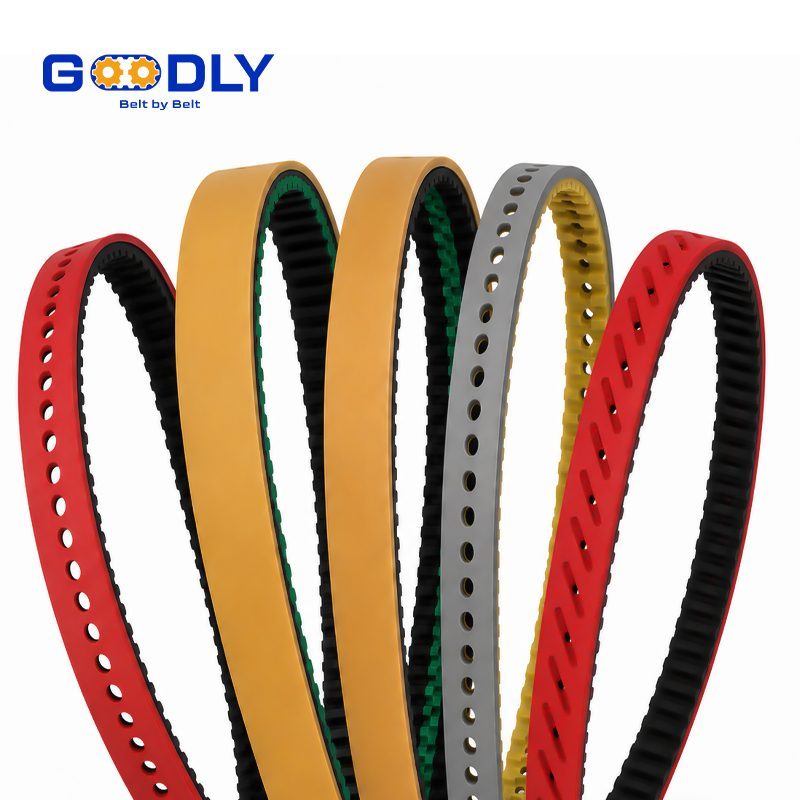 Vulcanized Timing Belt
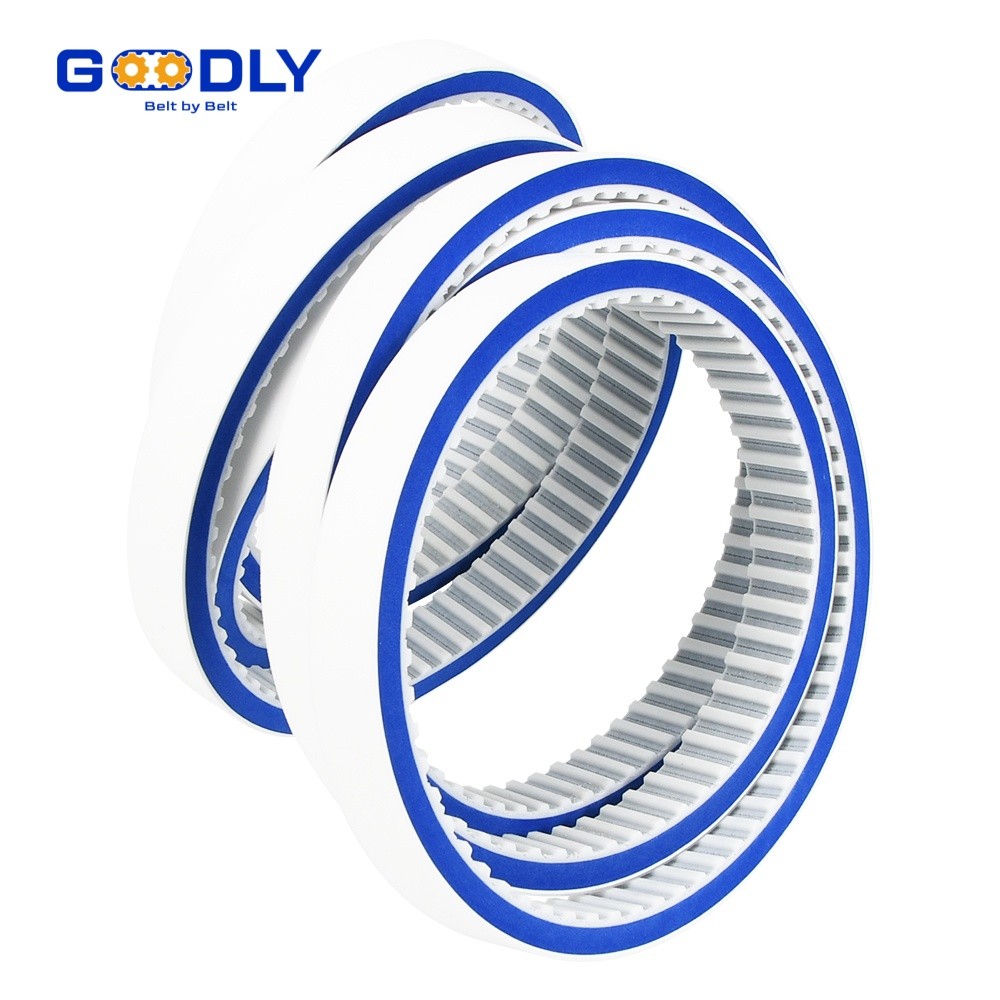 Sponge Timing Belt
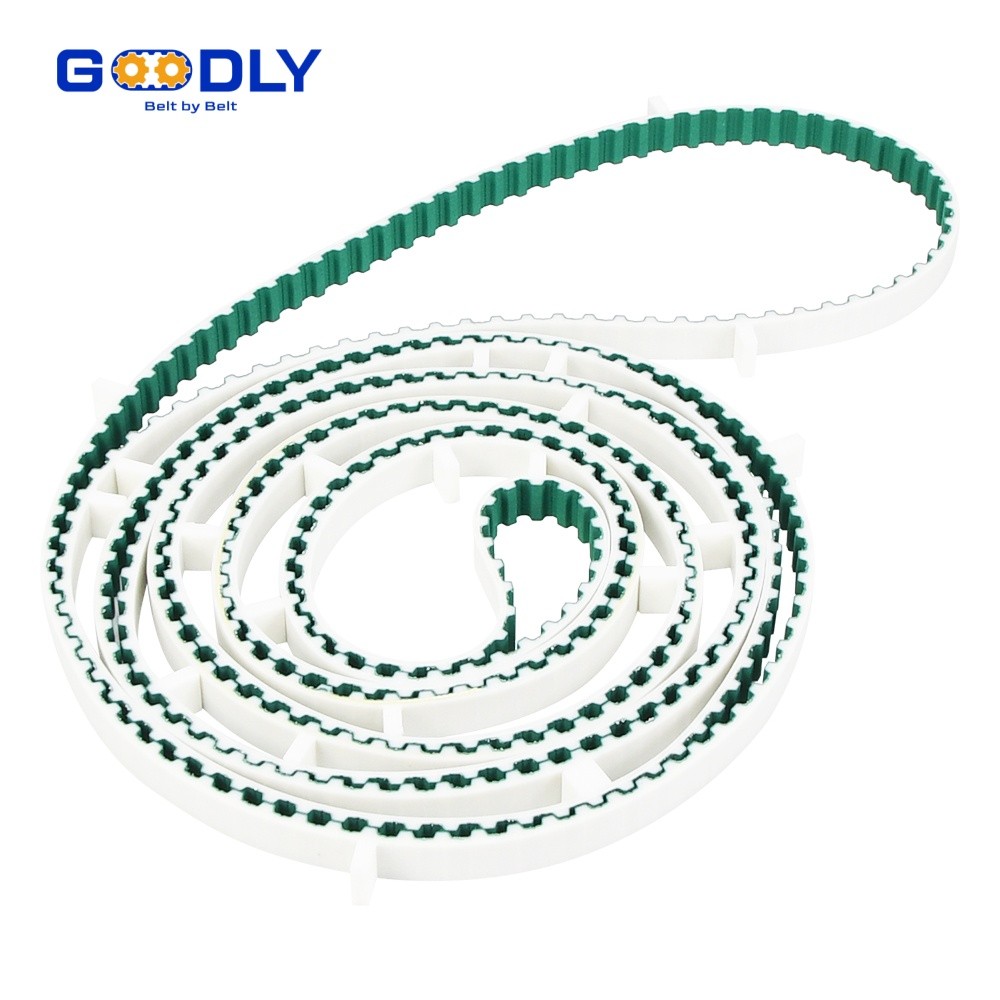 Timing Belts with Special Machining
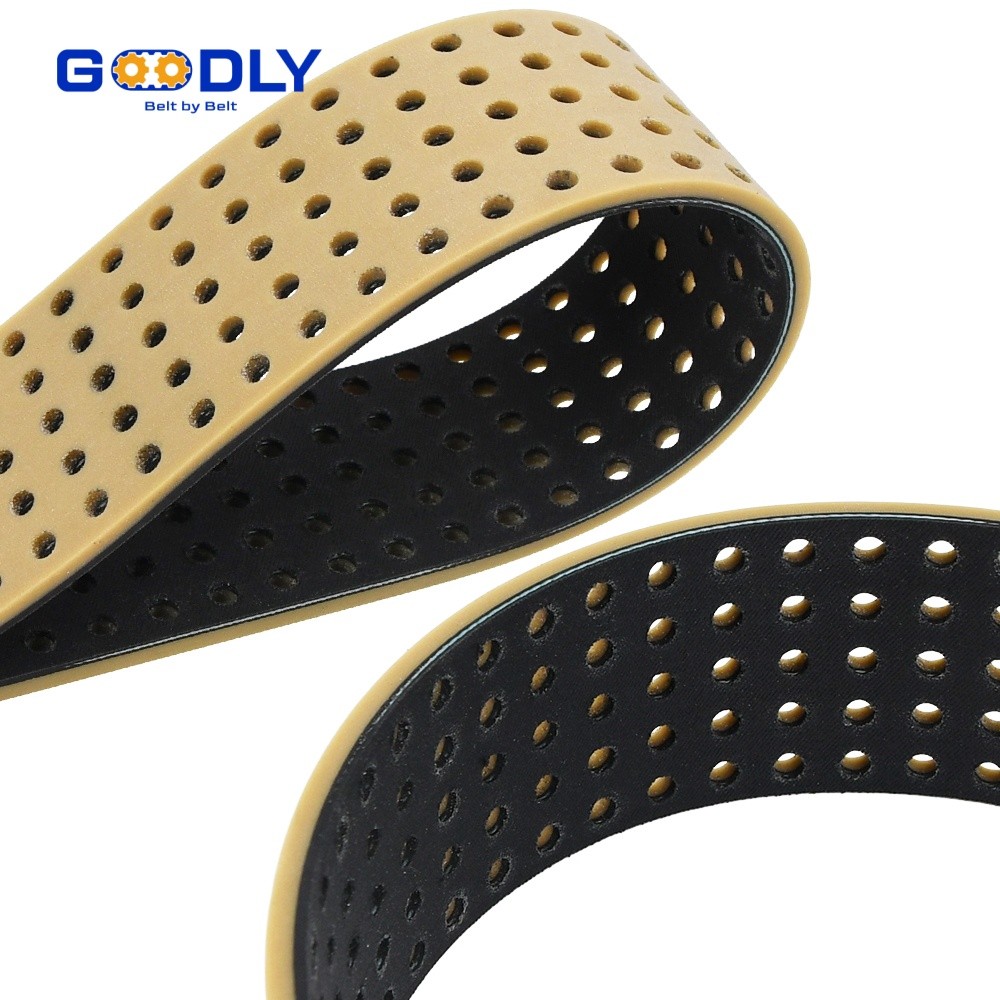 Rubber Flat Belt
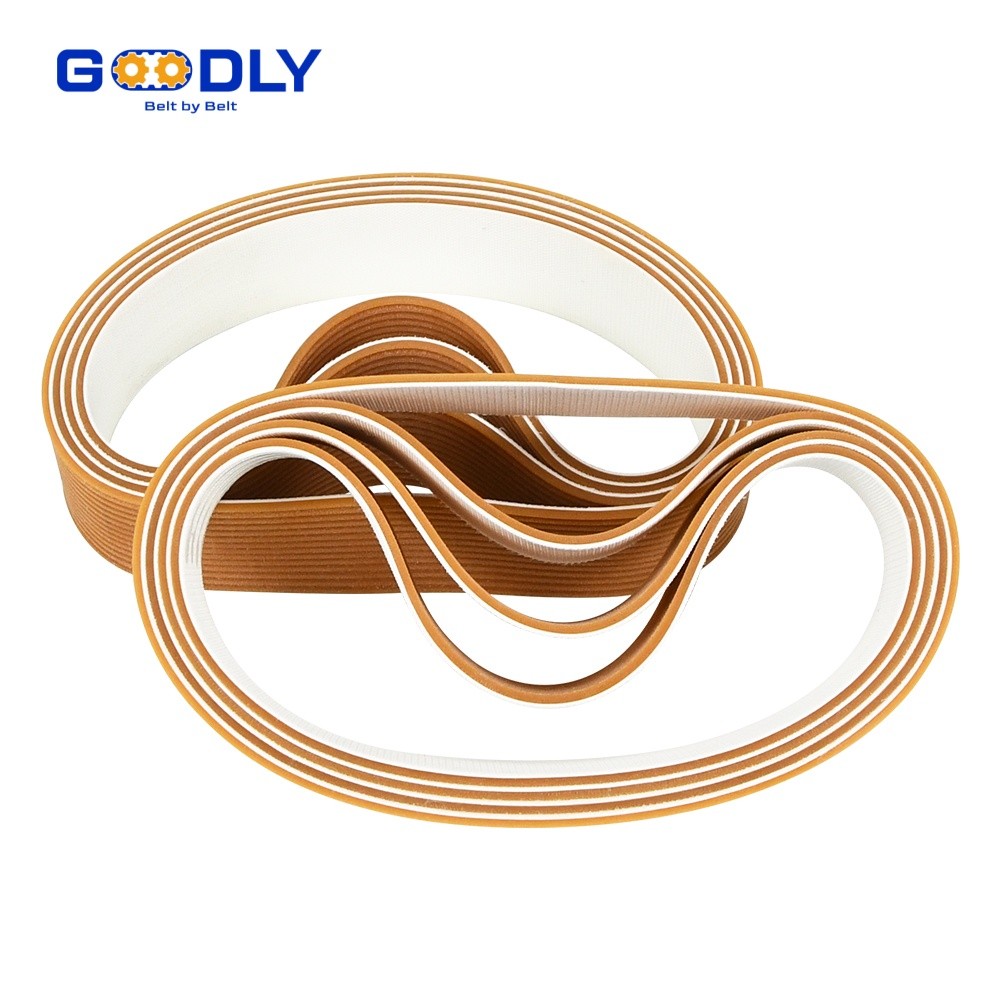 PU Flat Belt
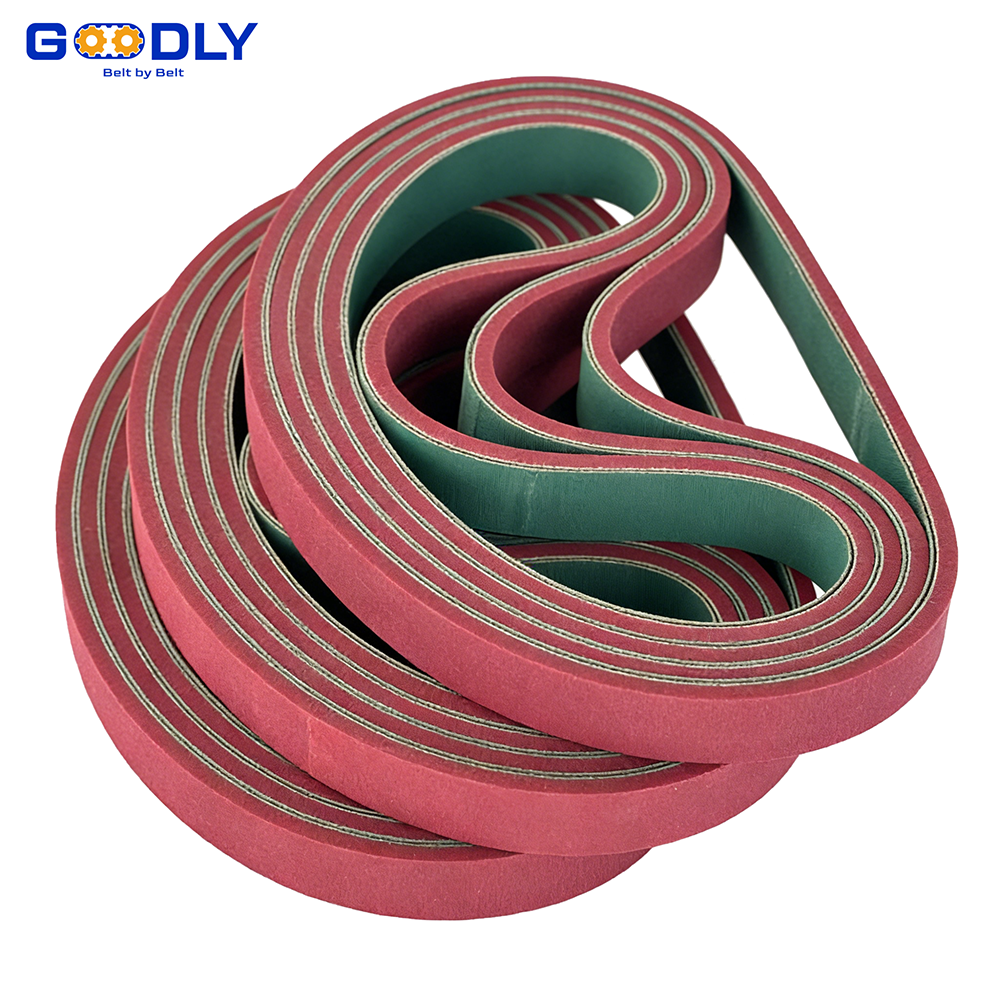 Nylon Flat Belt
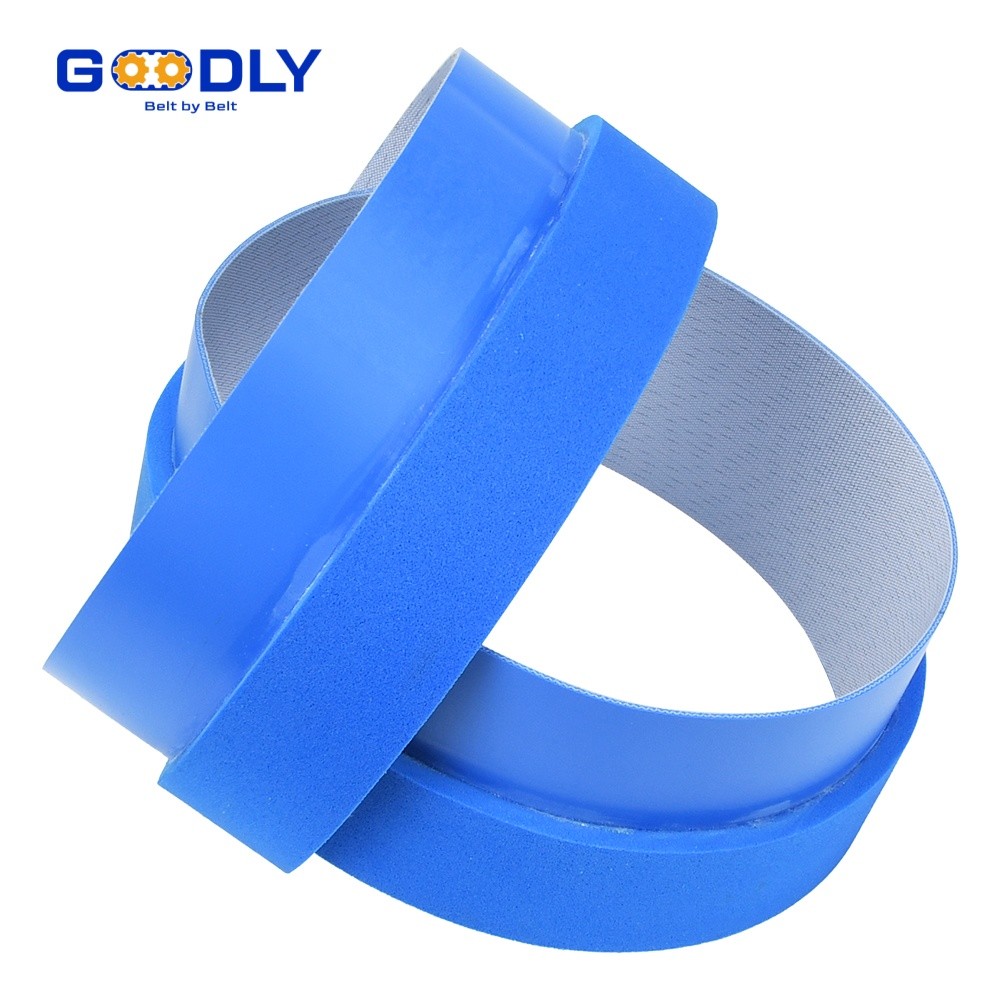 Foam Flat Belt
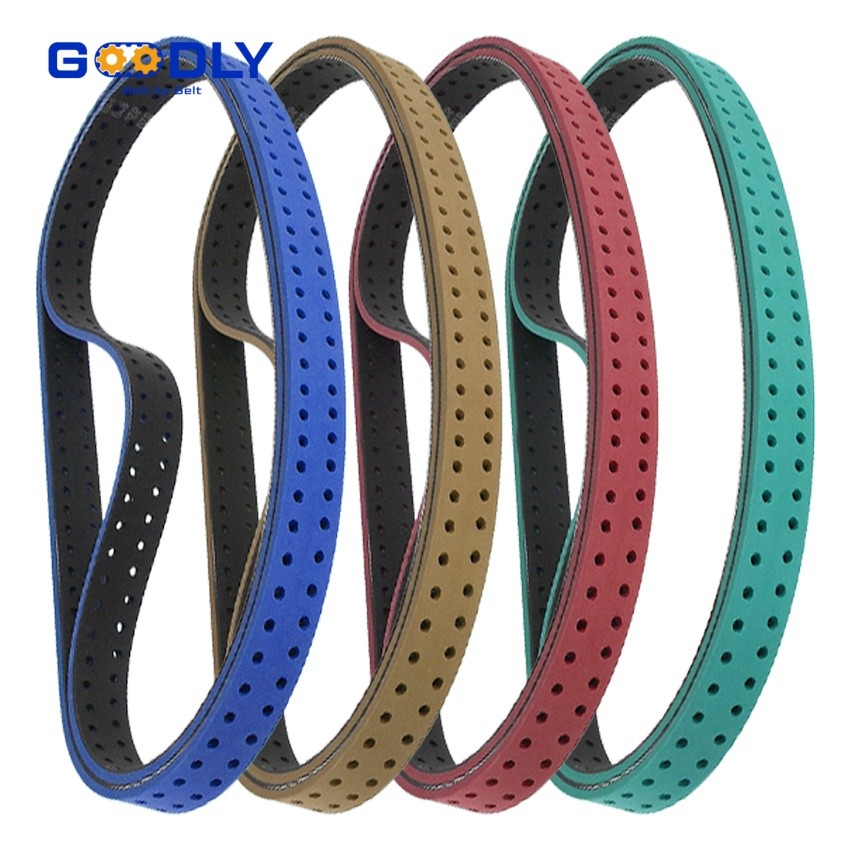 Vulcanized Flat Belt
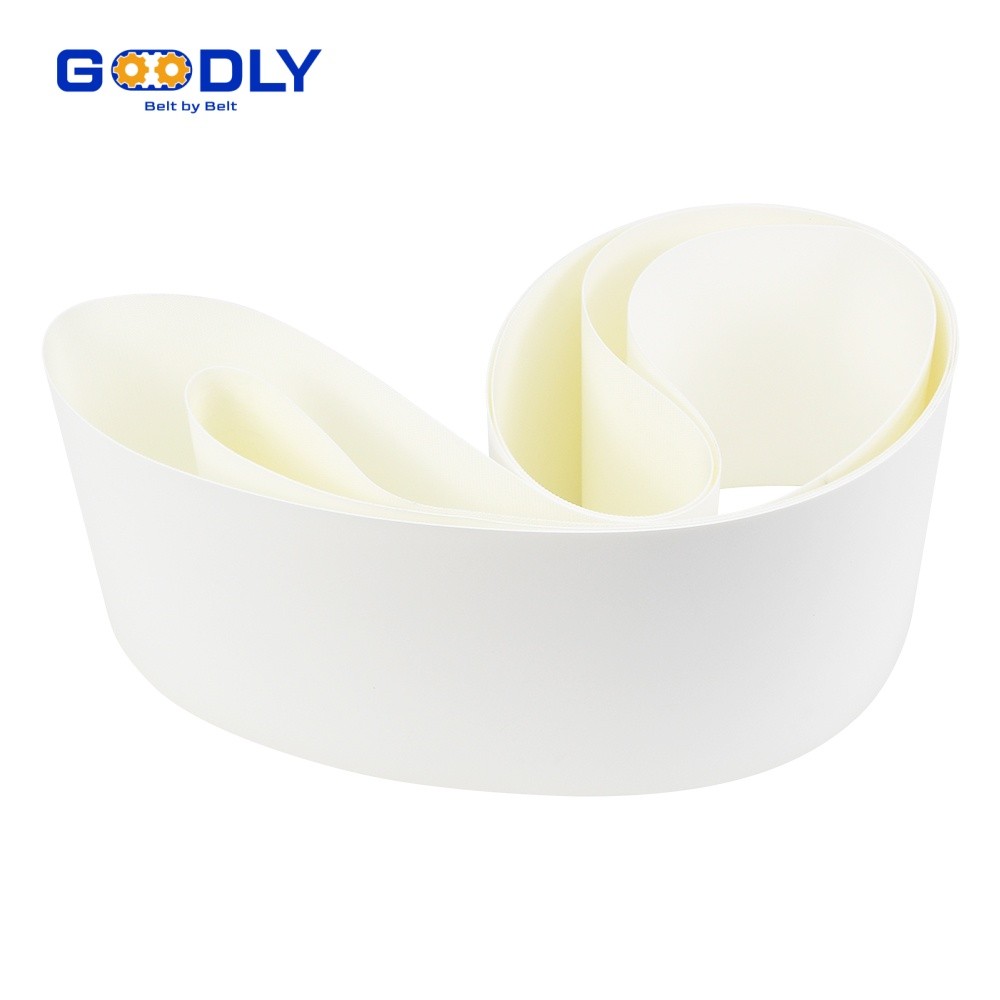 PU Conveyor Belt
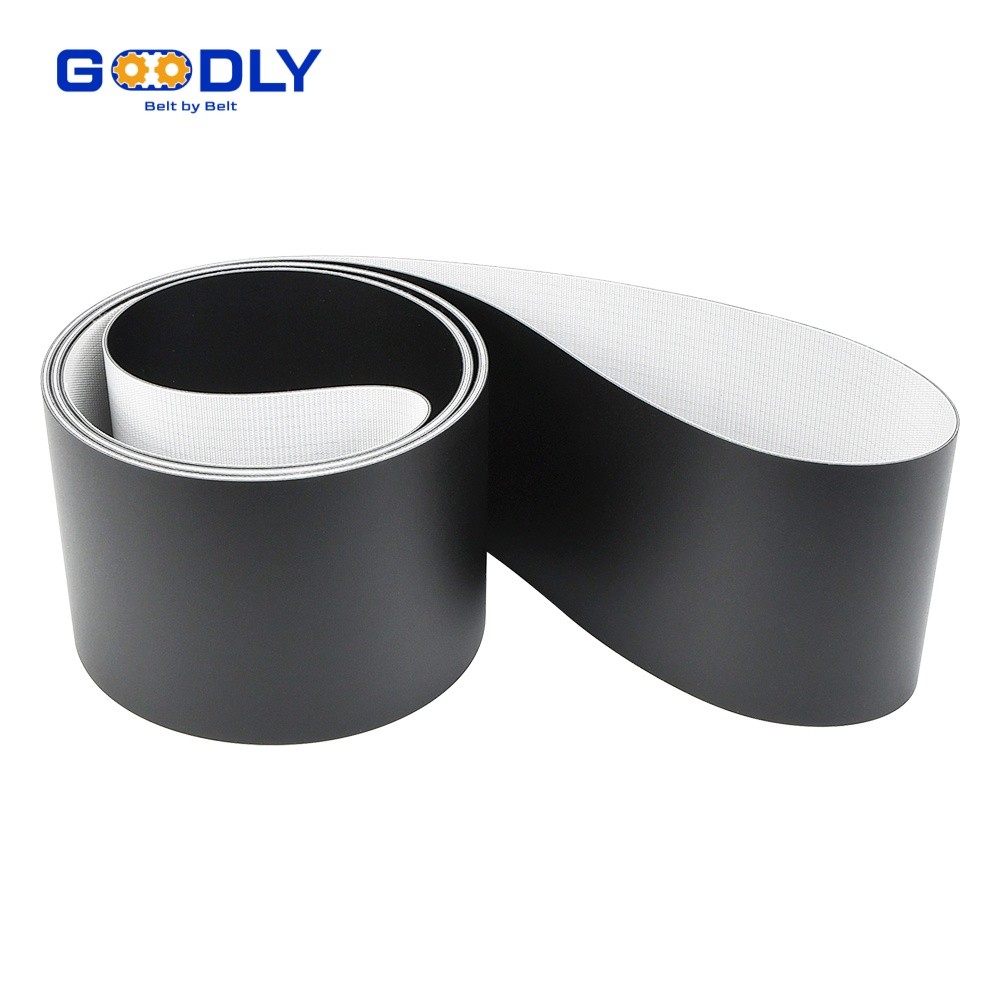 PVC Conveyor Belt
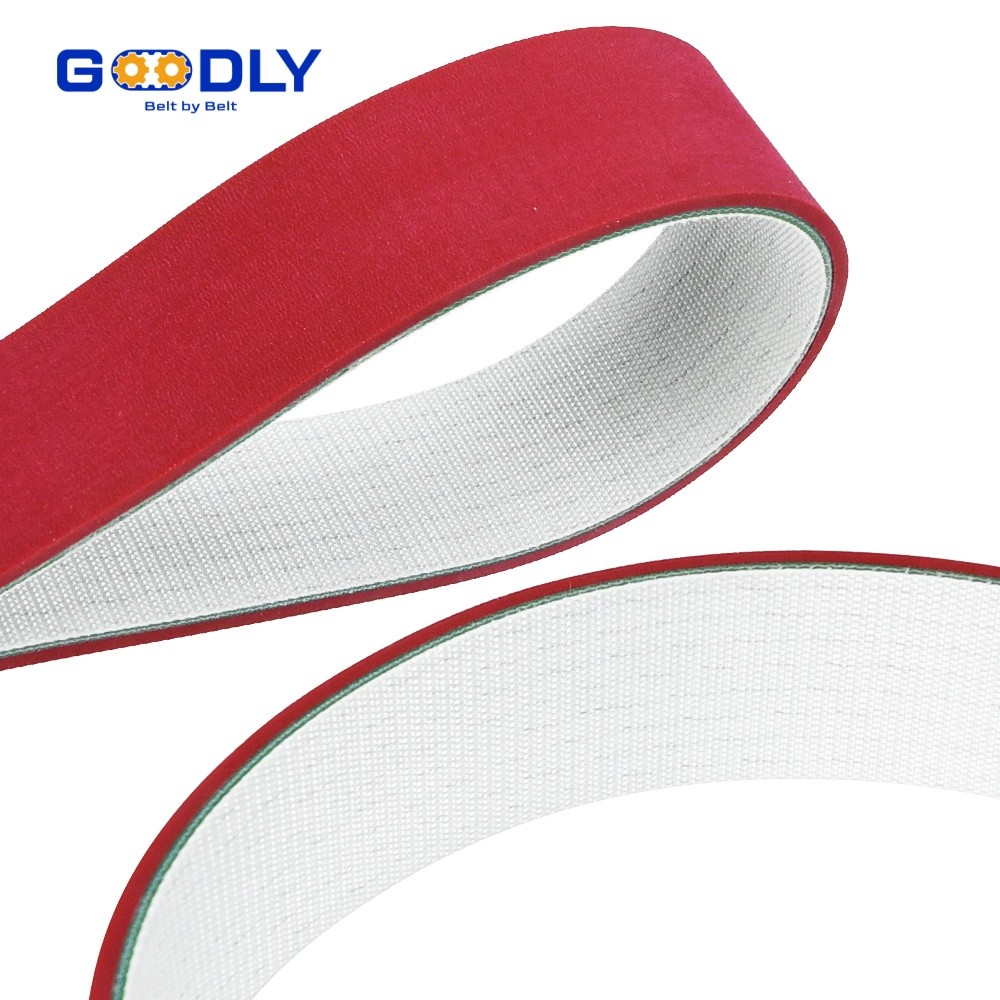 Rubber Conveyor Belt
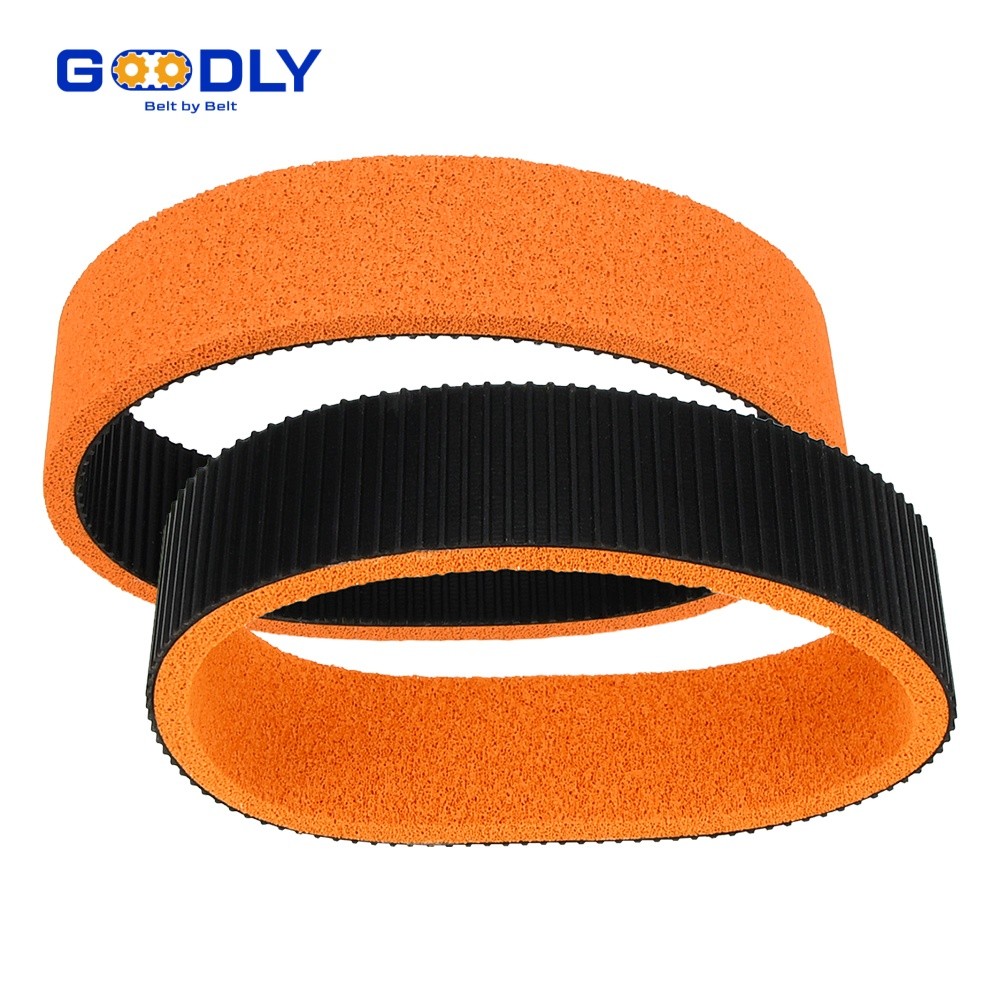 Sponge Conveyor Belt
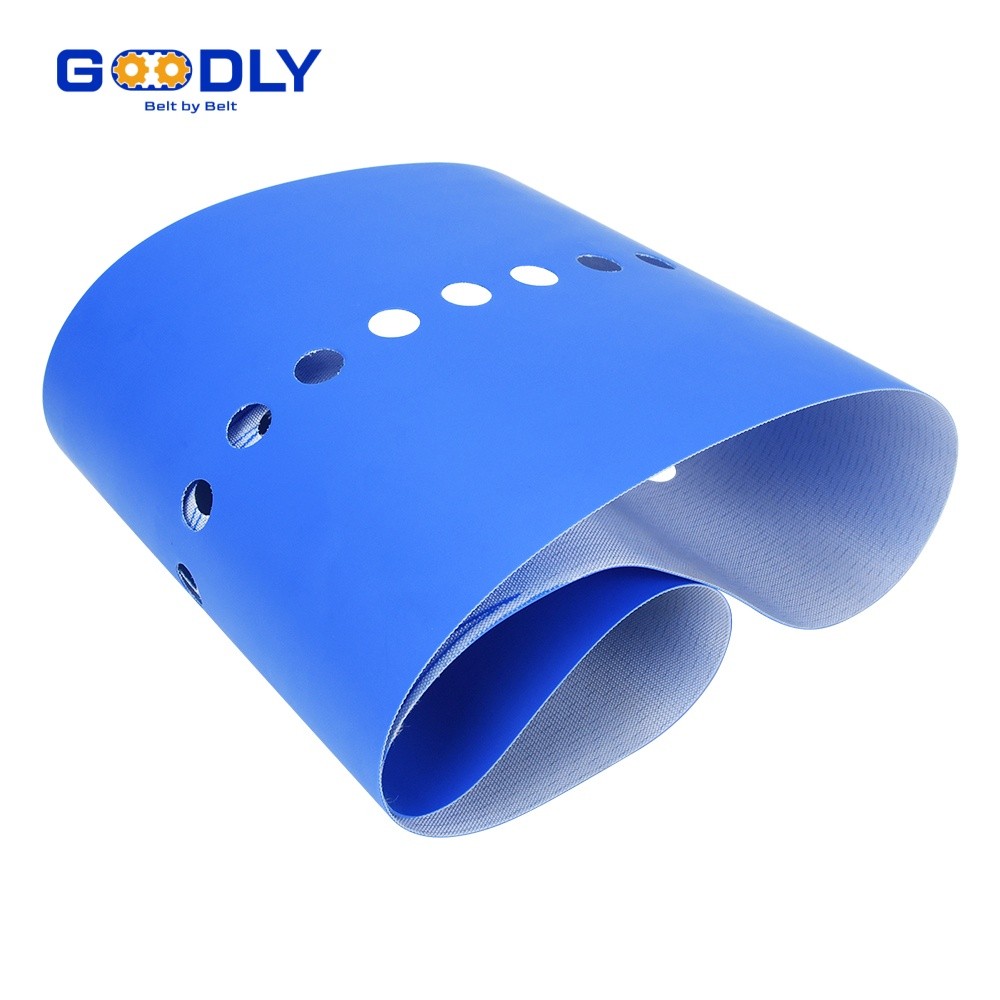 Conveyor Belts with Special Machining
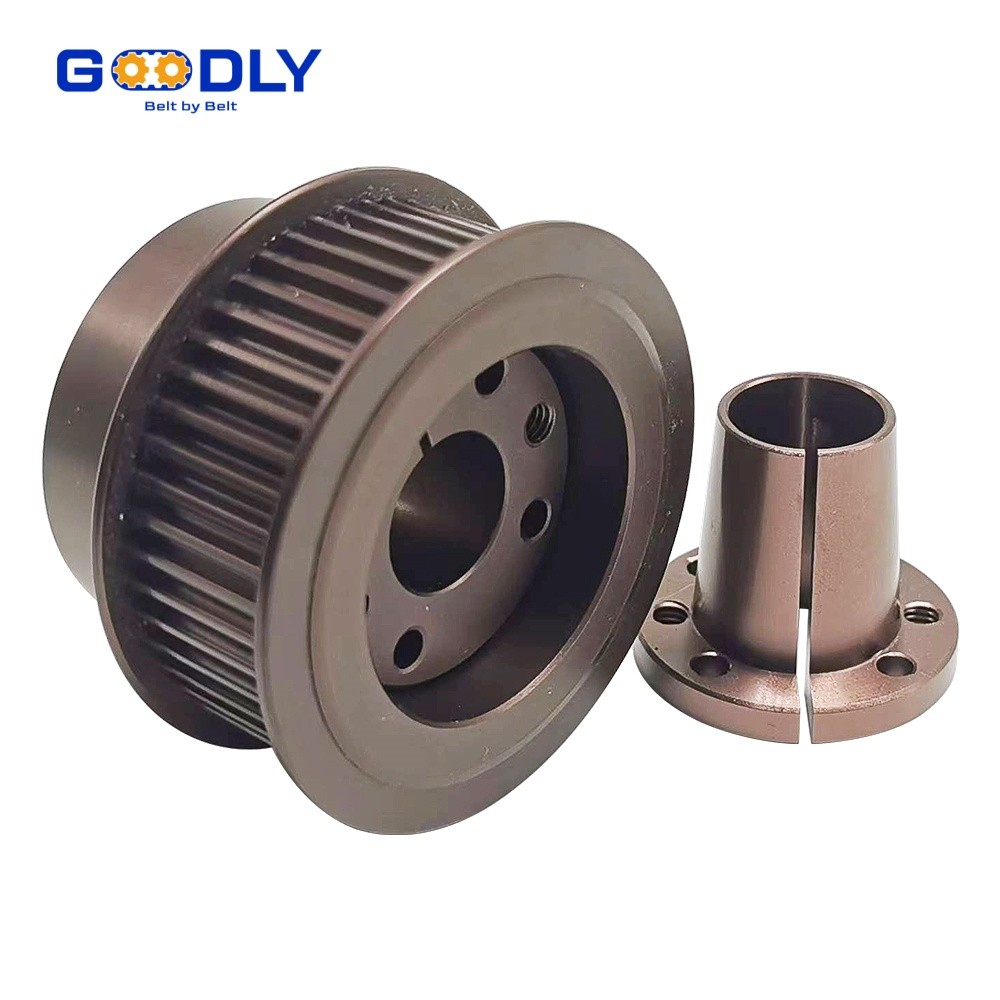 Timing Belt Pulley
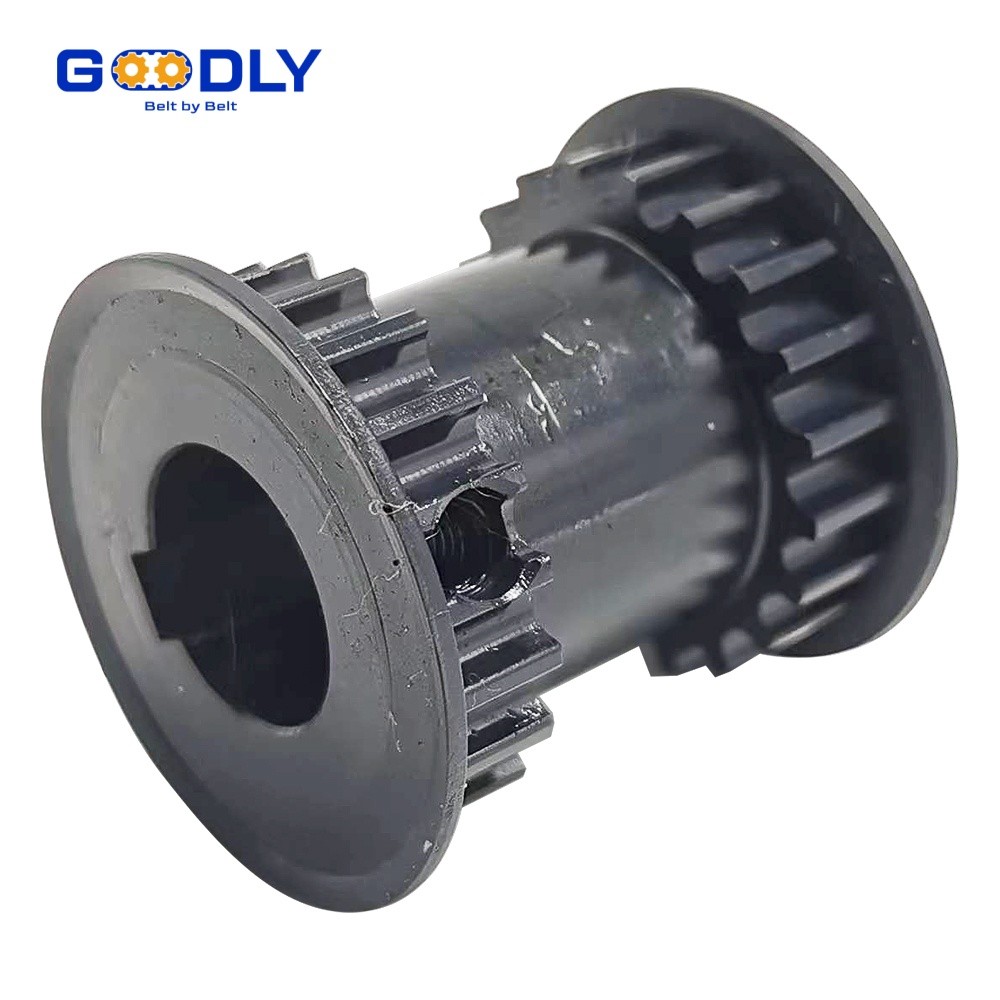 Rod-Shaped Synchronous Timing Pulley
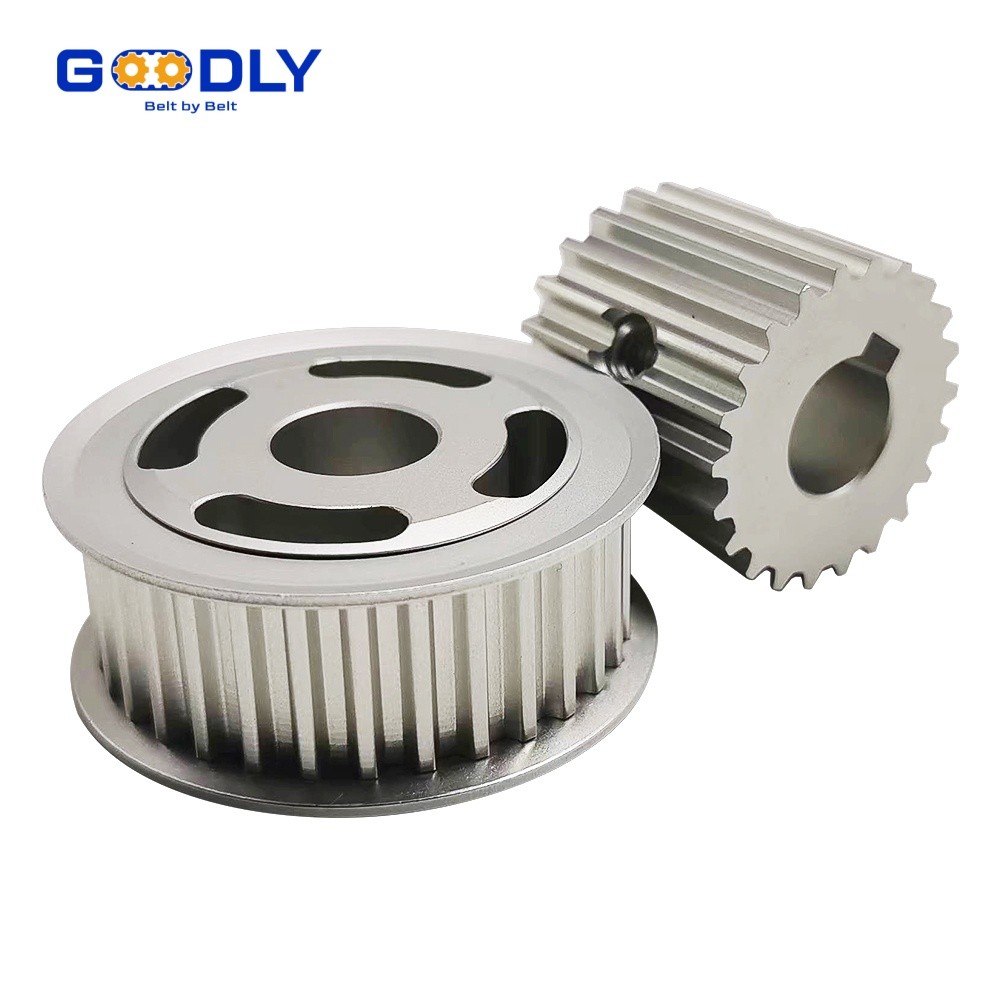 Surface-Pressure-Bearing Timing Pulley
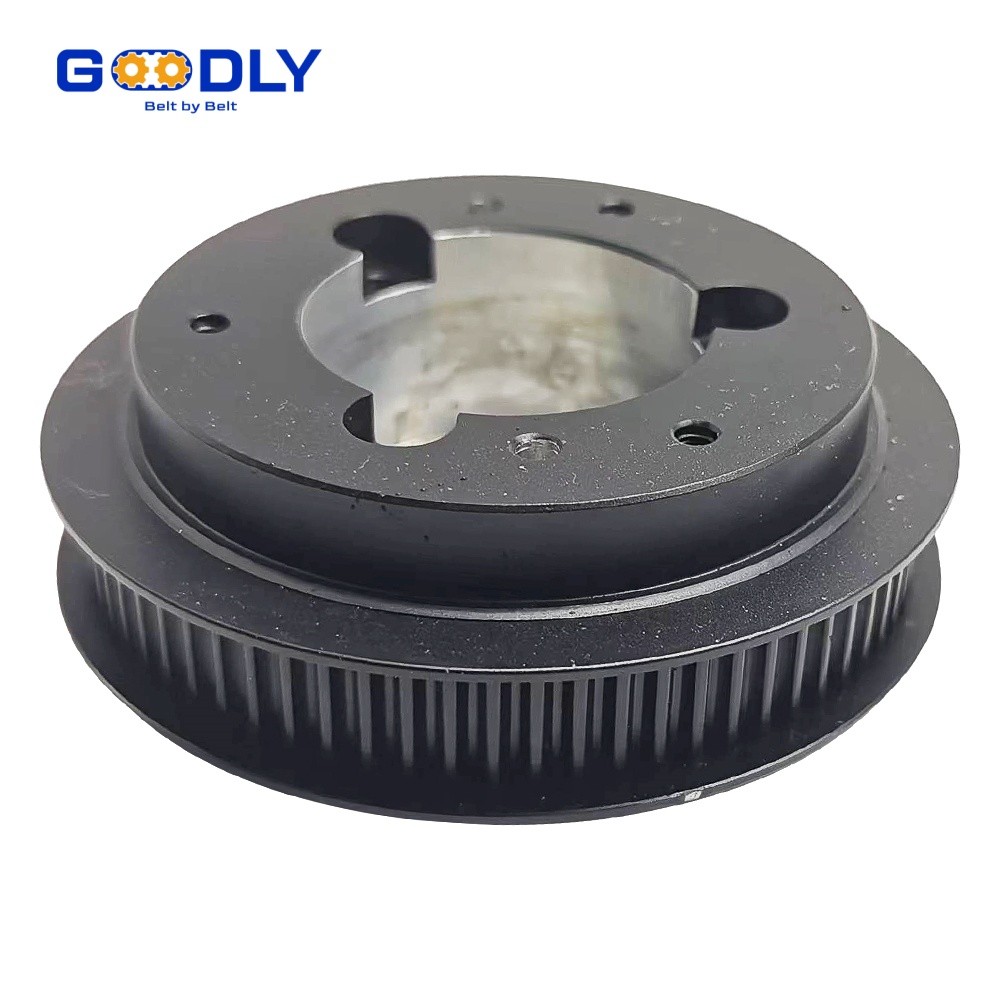 Serrated Idler Gear Timing Pulley
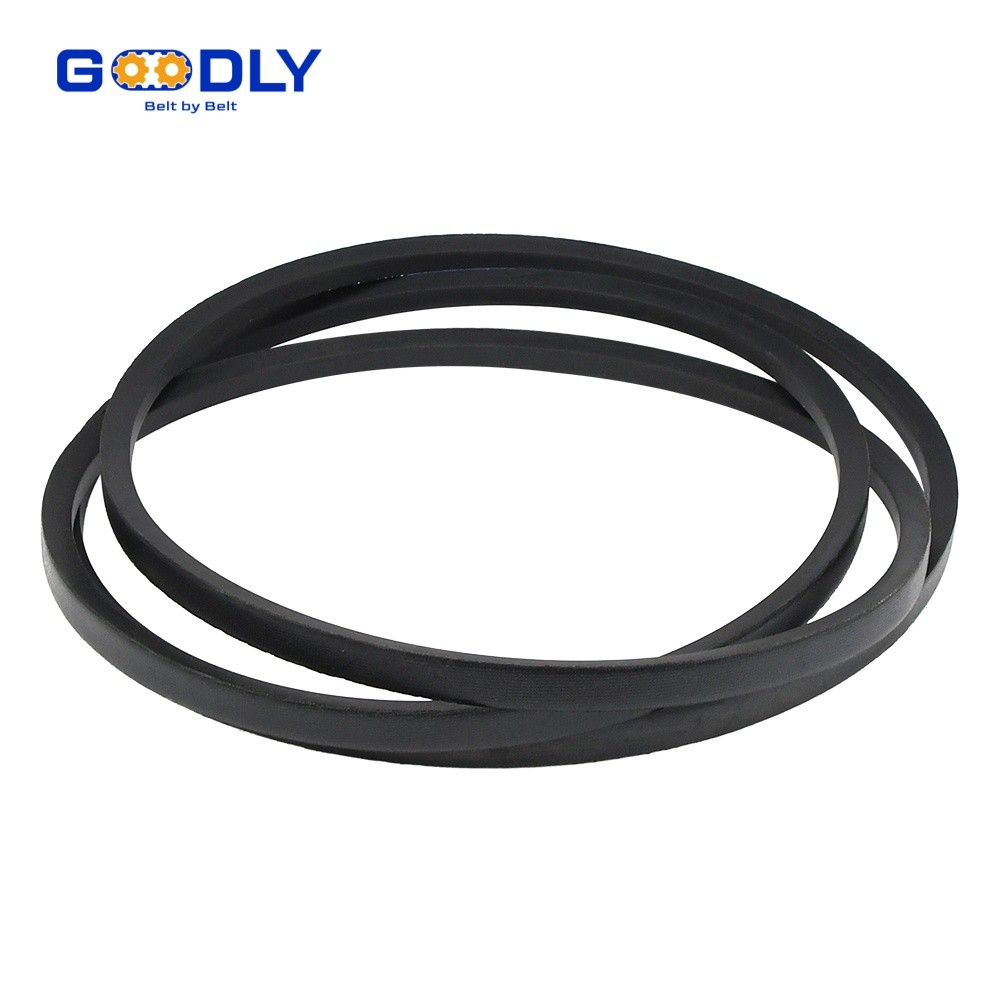 Multi-Groove Belt
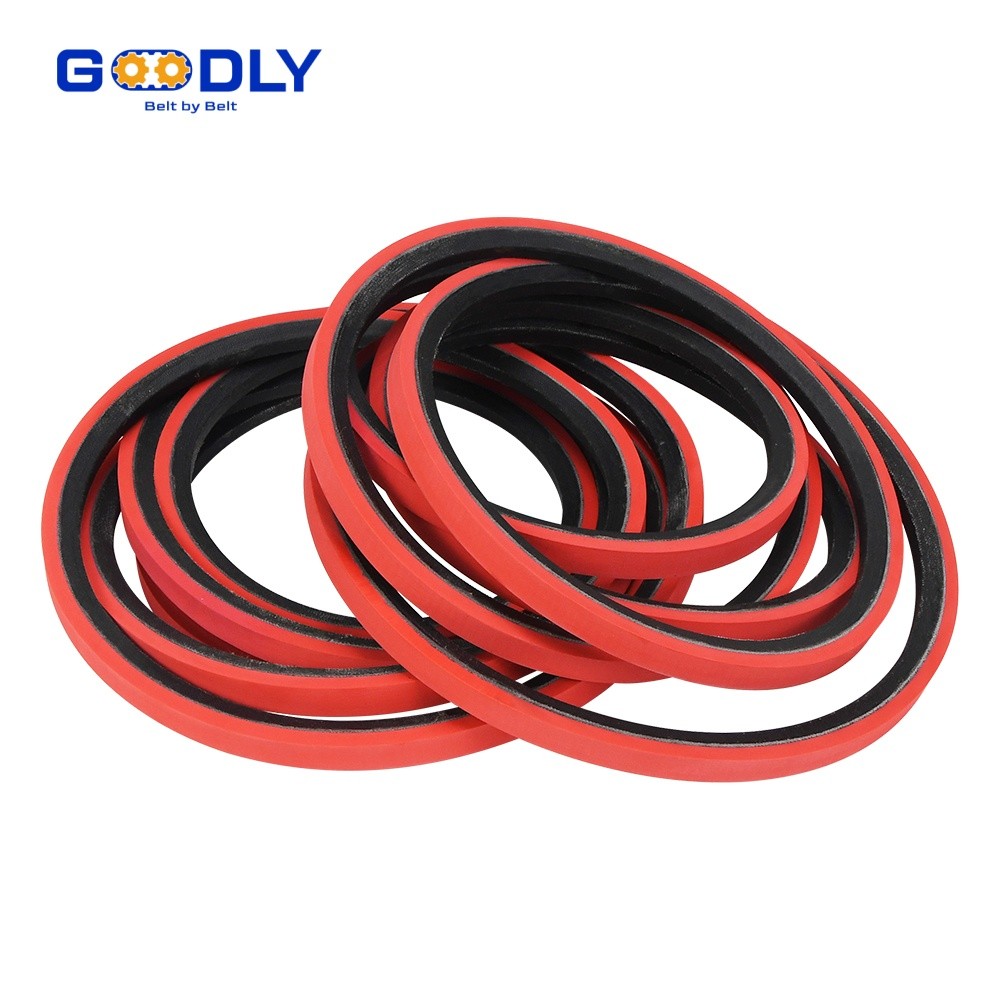 V-Belt
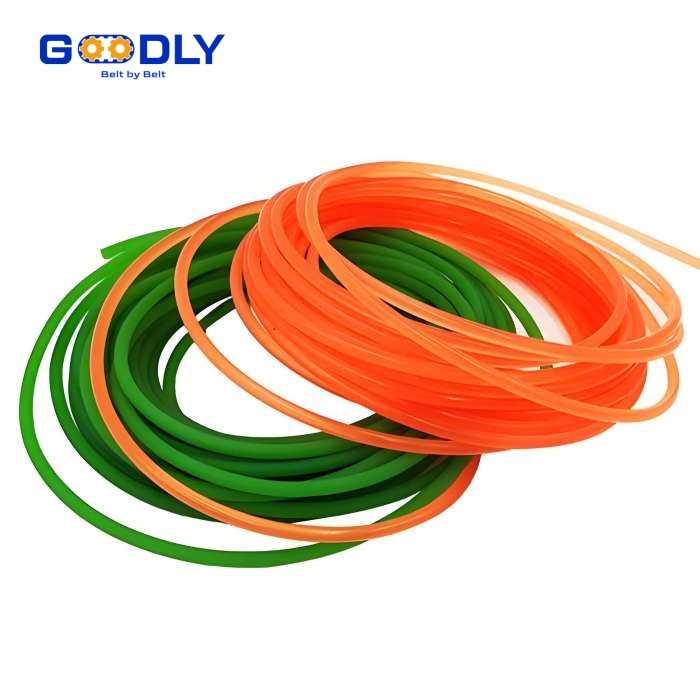 PU Round Belt
Which custom timing belt material should I choose for oil, acid or washdown exposure?
Direct answer: Choose the elastomer by chemical first and by temperature second. CR handles general oils, greases and outdoor exposure with a good balance of properties. HNBR adds heat resistance on top of oil resistance for hot, oily machinery. EPDM is the material for water, steam, washdown and many dilute acids and alkalis, but it swells badly in mineral oil. PU gives abrasion resistance and a clean surface with moderate oil resistance, though it is sensitive to hot wet service. Silicone covers very high and very low temperatures with lower mechanical strength. One compound rarely wins on every count, so the duty has to be described precisely.
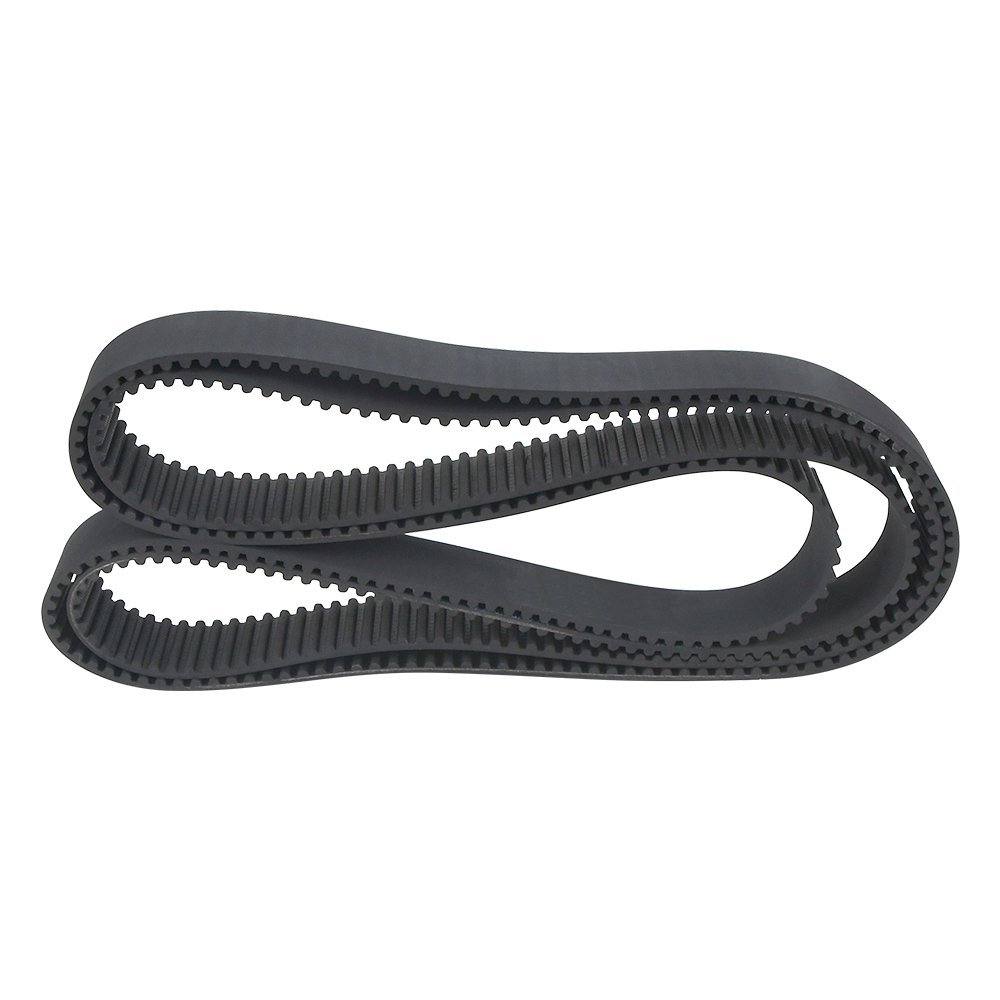
How the common compounds compare
| Material | Working temperature | Oil and grease | Water and washdown | Dilute acids and alkalis |
|---|---|---|---|---|
| CR (neoprene) | roughly -20 to +100 C | Good | Fair | Limited |
| HNBR | roughly -30 to +140 C, brief peaks higher | Very good | Fair | Limited |
| EPDM | roughly -40 to +120 C | Poor, swells | Excellent | Good for many dilute solutions |
| PU | roughly -30 to +80 C | Fair to good | Poor in hot or continuous wet | Limited |
| Silicone | roughly -60 to +200 C | Fair | Fair | Limited |
| FKM | roughly -20 to +200 C | Excellent | Fair | Depends on the chemical, special order |
The table is a starting point built from general elastomer compatibility data, not a guarantee for a specific chemical at a specific concentration. A splash of dilute acid and full immersion in the same acid are different problems, and the same compound can behave differently at 40 C and at 90 C.
The cord and cover often decide the outcome
- Glass fibre cord is dimensionally stable and is the default for general duty, but it is brittle if the belt is kinked.
- Aramid cord carries high load in a small section and absorbs shock, though it has less compression strength.
- Steel cord suits high torque on small pulleys but needs larger minimum pulley diameters and protection from corrosion in wet areas.
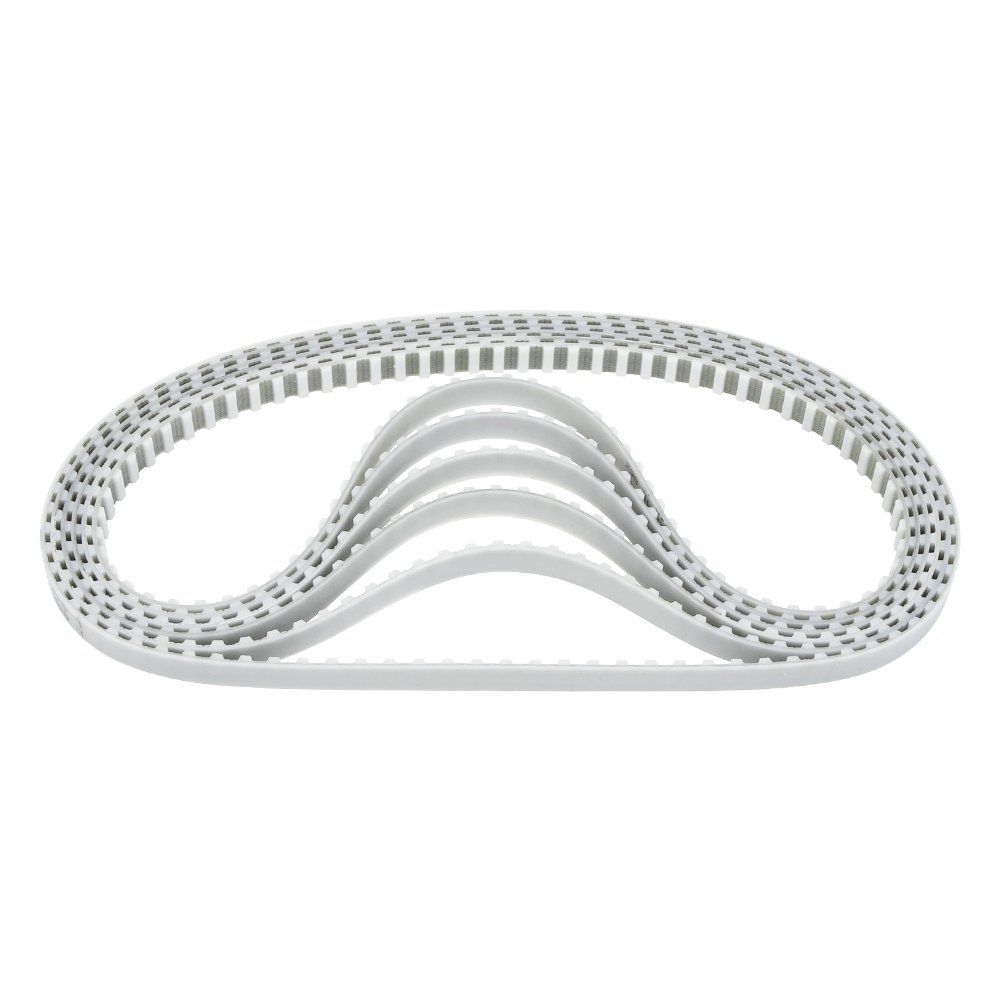
- Polyester cord is affected by hydrolysis in hot, continuously wet service, which is one reason PU belts in washdown need a proper review rather than a straight swap.
- Covers and fabric backs add their own resistance: a PVC cover is not the same as an NR cover in contact with oil.
Practical rules for washdown and chemical areas
- Specify the cleaning regime, not just the product: caustic foam, acid rinse and hot water at pressure attack the belt differently.
- Prefer EPDM for food-area washdown, and keep mineral oils and greases away from it.
- Avoid PU where hot water or steam is routine, and avoid polyester cord in continuously wet PU belts.
- Give water a way out: drainage holes, open frames and no pockets where liquid sits against the belt.
- Check pulleys and idlers too. A corroded pulley wears a new belt quickly regardless of compound.
What we need in order to recommend a compound
- Chemical name, concentration and whether contact is splash, mist, immersion or vapour.
- Temperature of the chemical and of the surrounding air, including cleaning cycles.
- Duty pattern: continuous, intermittent, or cleaned several times per shift.
- Current belt life and failure mode, which usually shows whether the compound or the mechanical duty is the limit.
- Belt size, pulley diameters and load, so the compound change does not quietly reduce capacity.
Describe the chemical, get a material answer
Email sales@goodlybelts.com with the chemical, concentration, temperature and contact type, plus belt size and pulley data. We will recommend the compound and cord, or tell you honestly when a timing belt is the wrong belt for that duty.
Ask for a material review
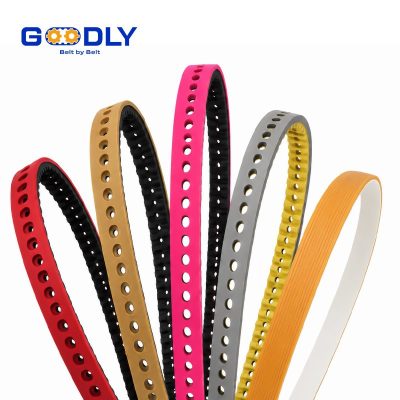
Are you looking for a reliable manufacturer of conveyor belt products?
We can quickly provide customers with market analysis, technical support and customized services.- Name
- Phone
- *Title
- *Content