
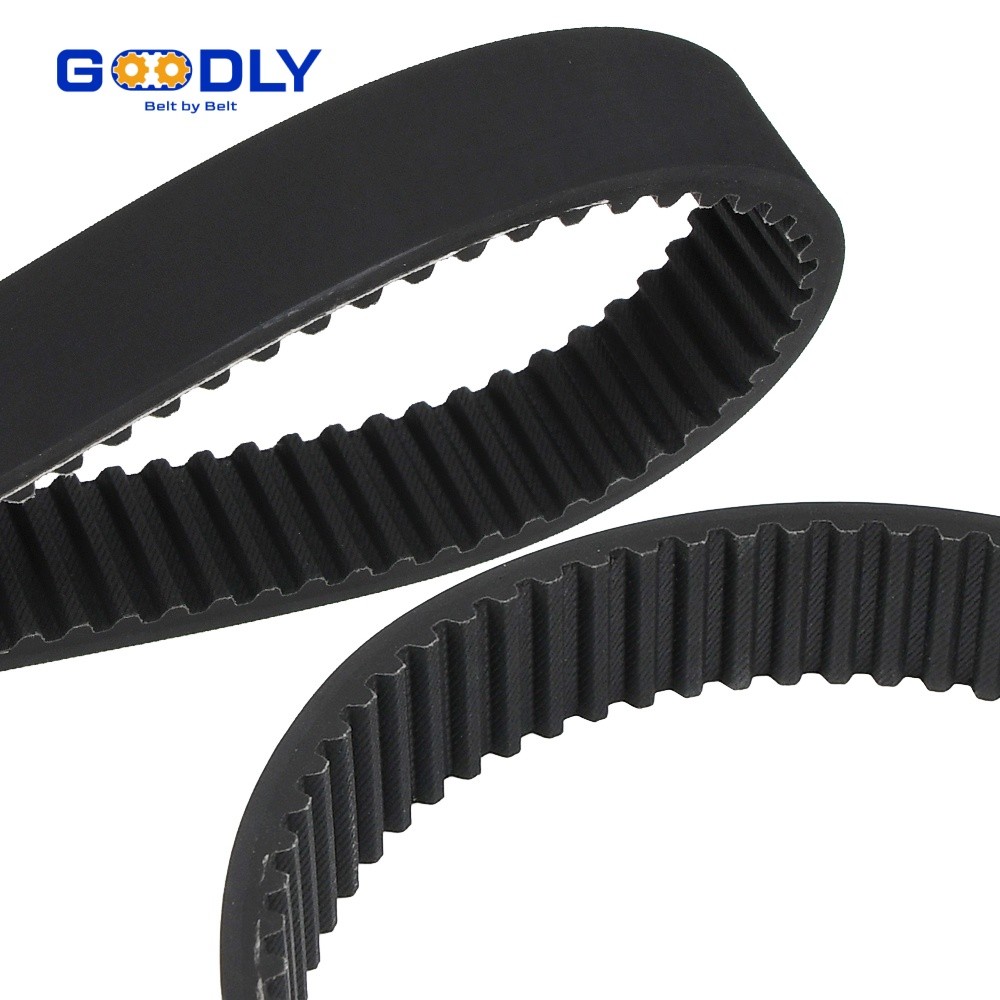
 Rubber Timing Belt
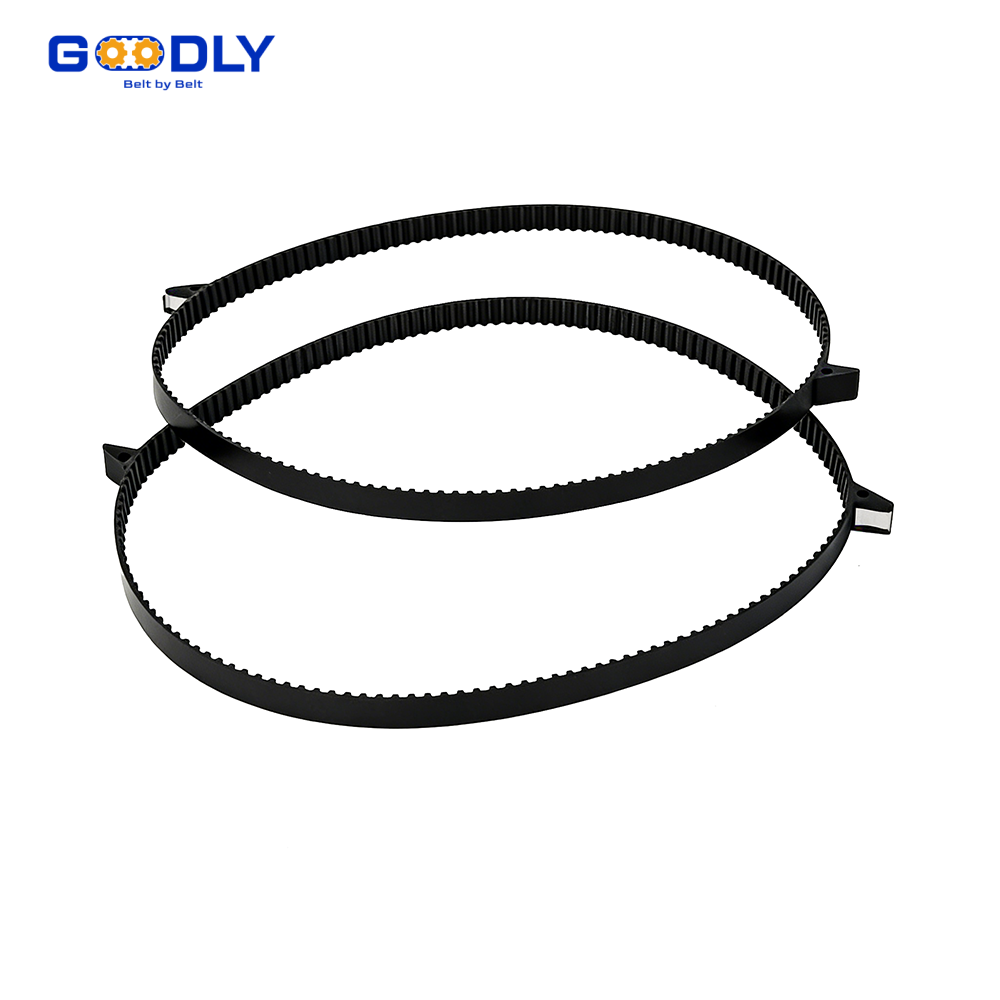 PU Timing Belt
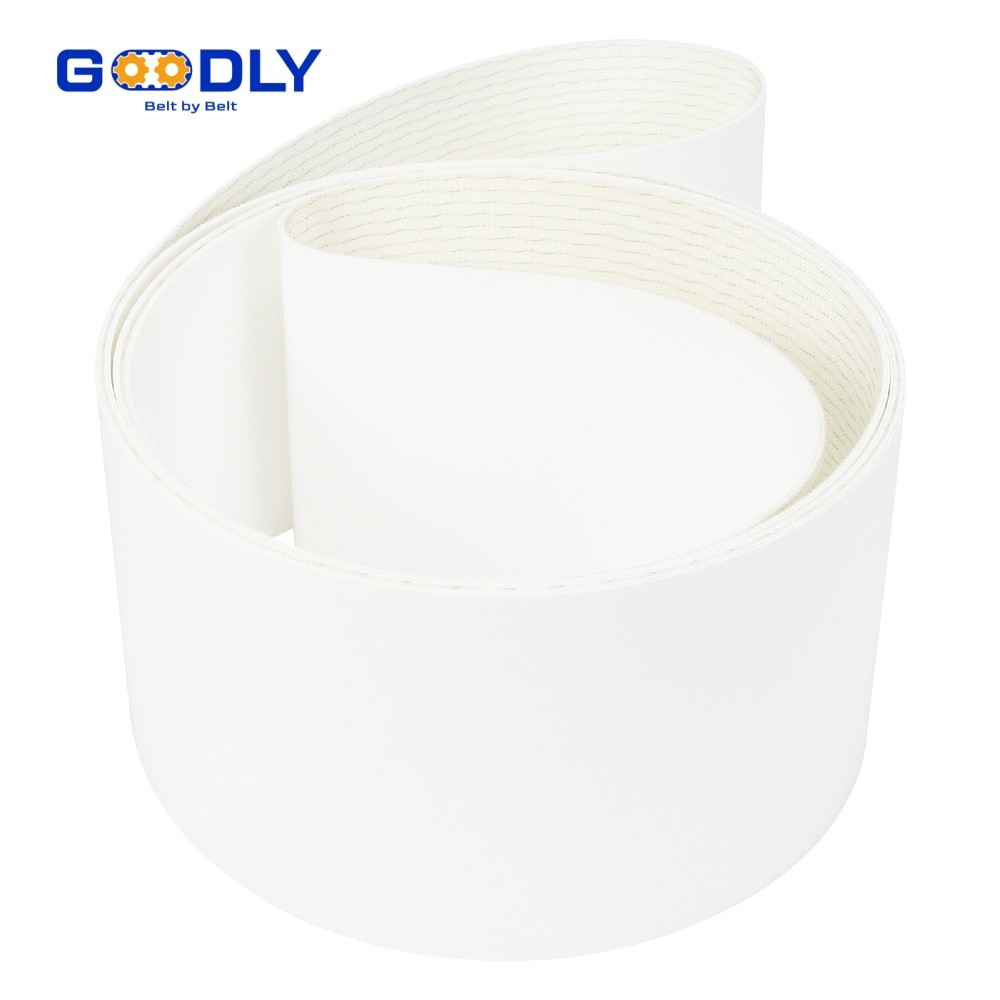 Silicone Timing Belt
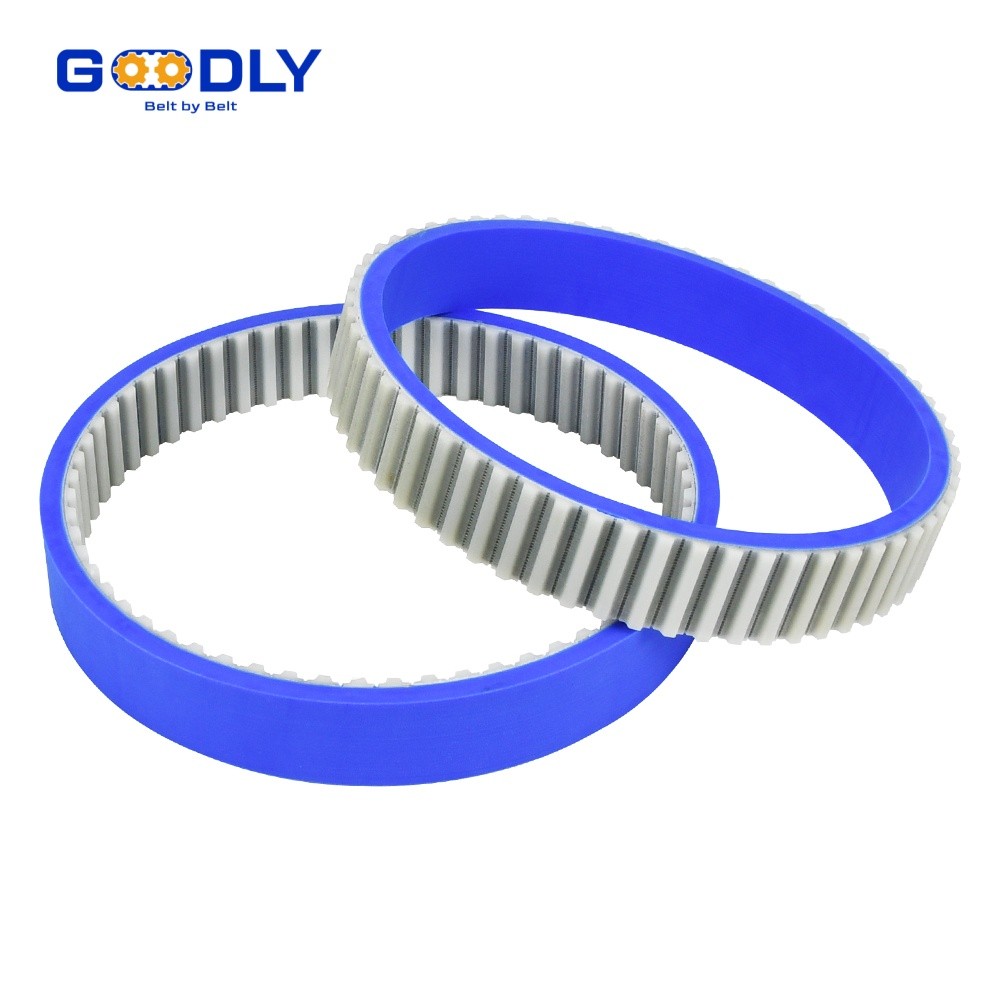 Silicone Vulcanized Timing Belt
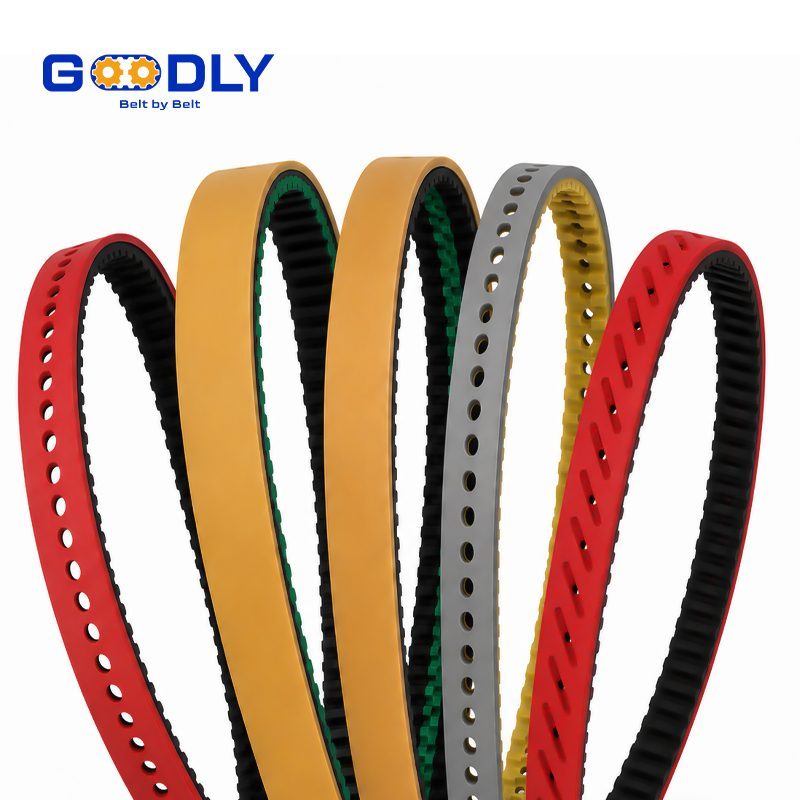 Vulcanized Timing Belt
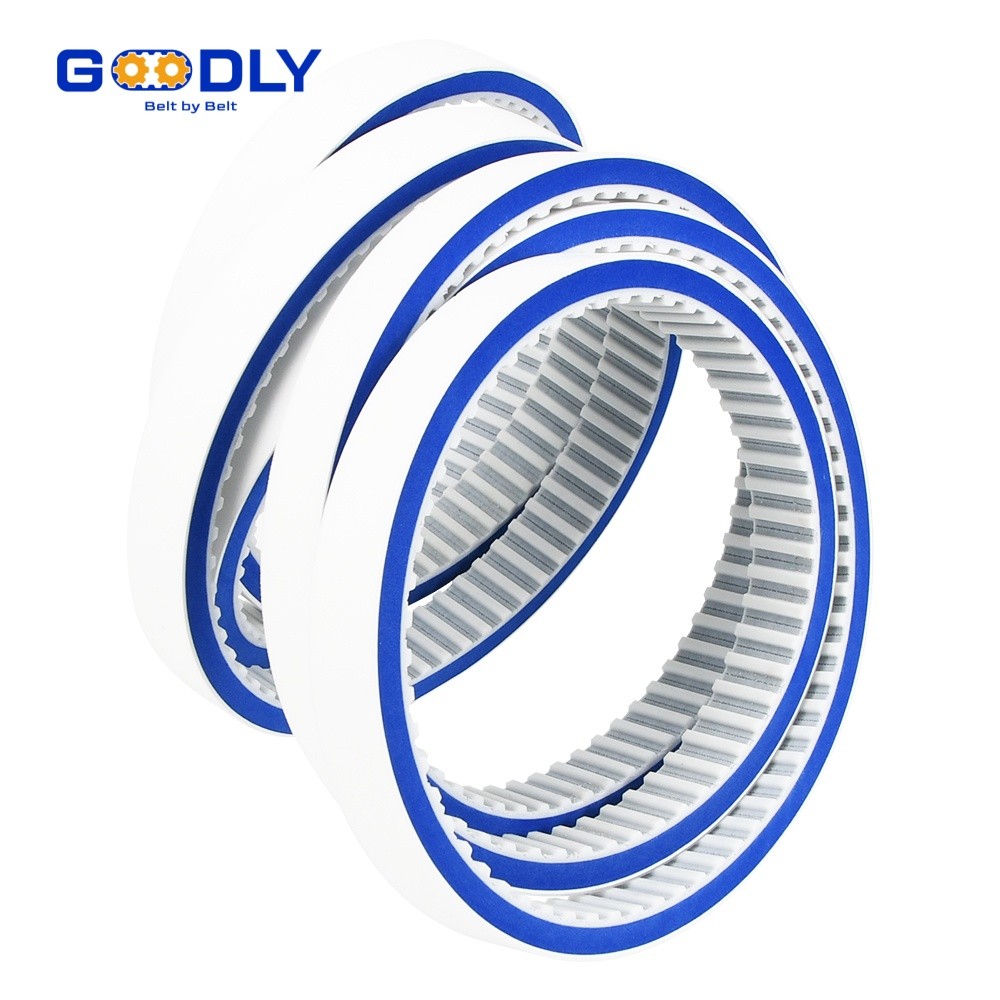 Sponge Timing Belt
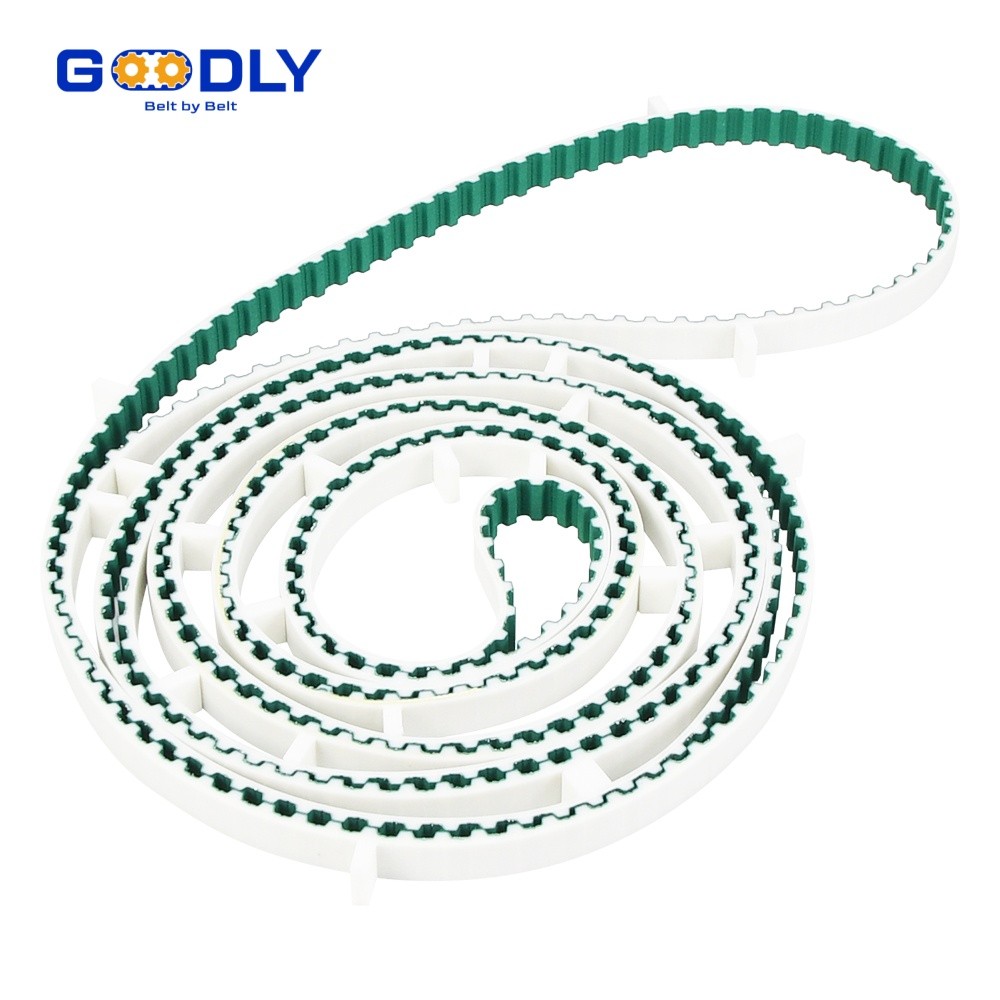 Timing Belts with Special Machining
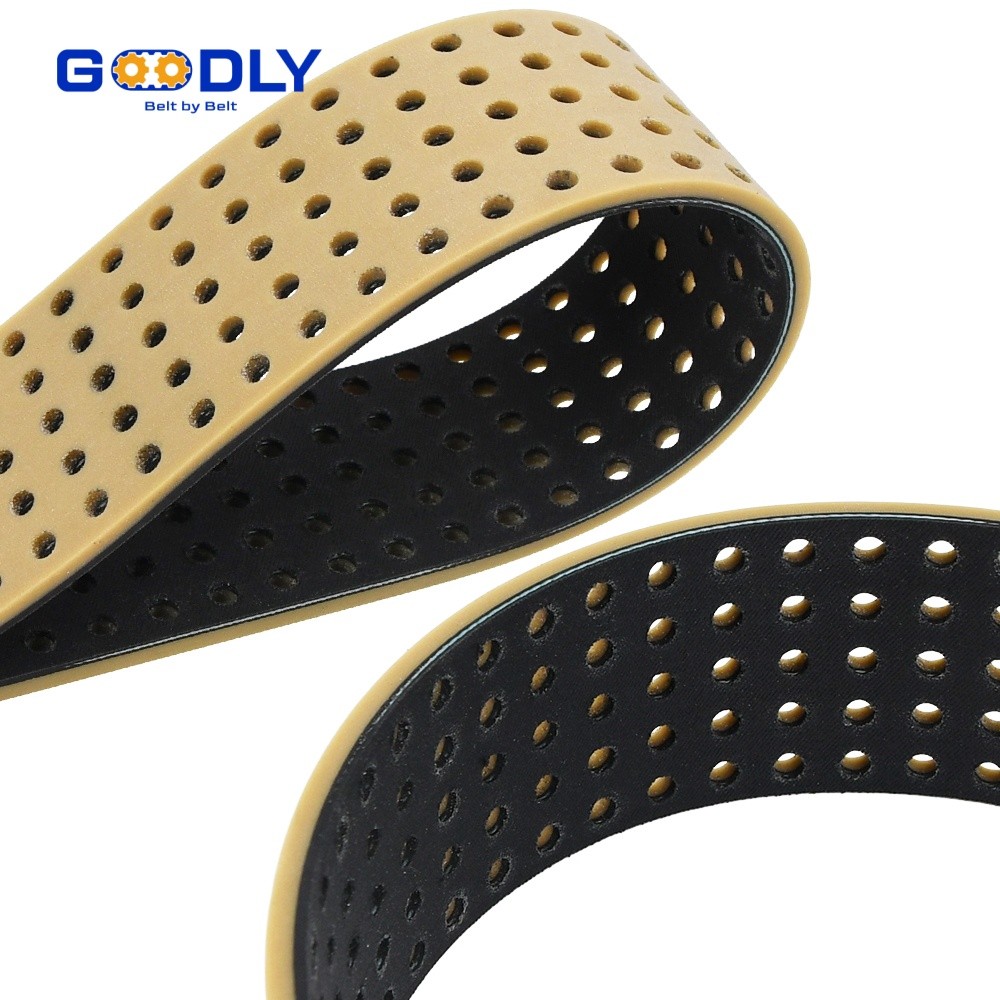 Rubber Flat Belt
 PU Flat Belt
 Nylon Flat Belt
 Foam Flat Belt
 Vulcanized Flat Belt
 PU Conveyor Belt
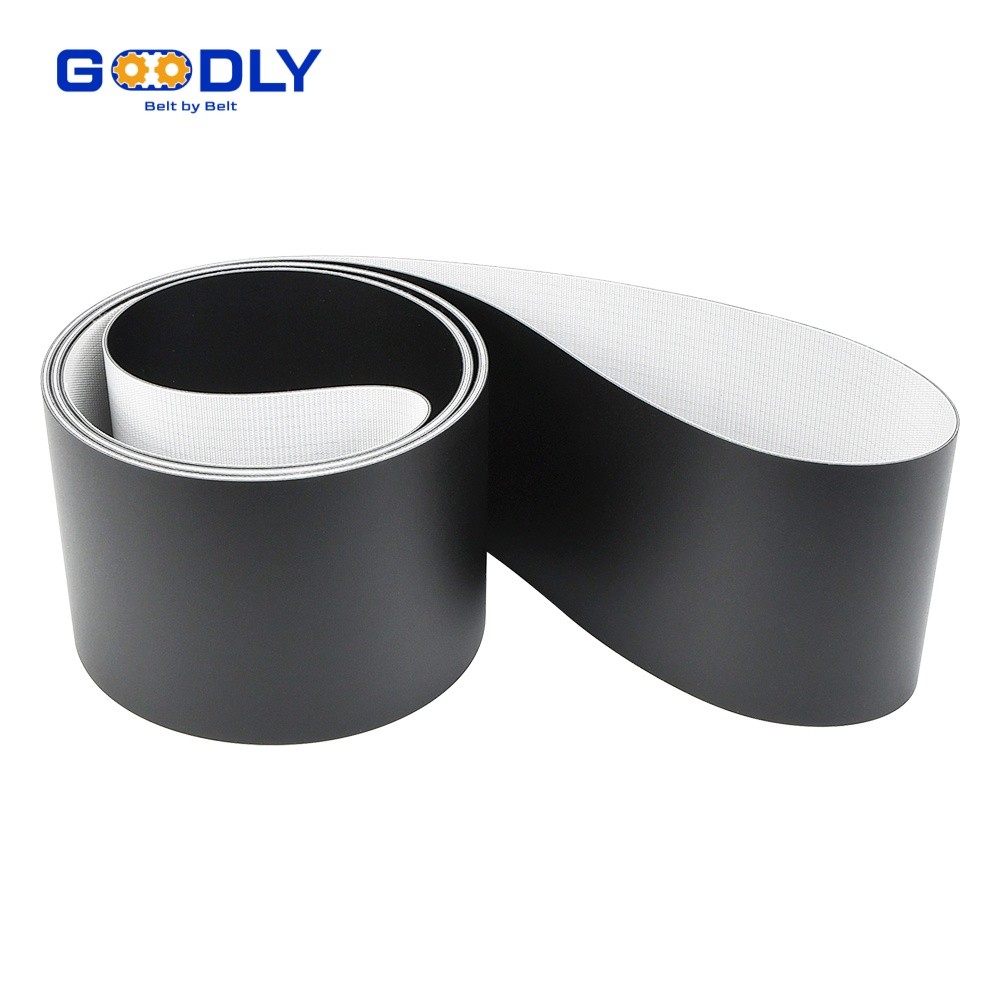 PVC Conveyor Belt
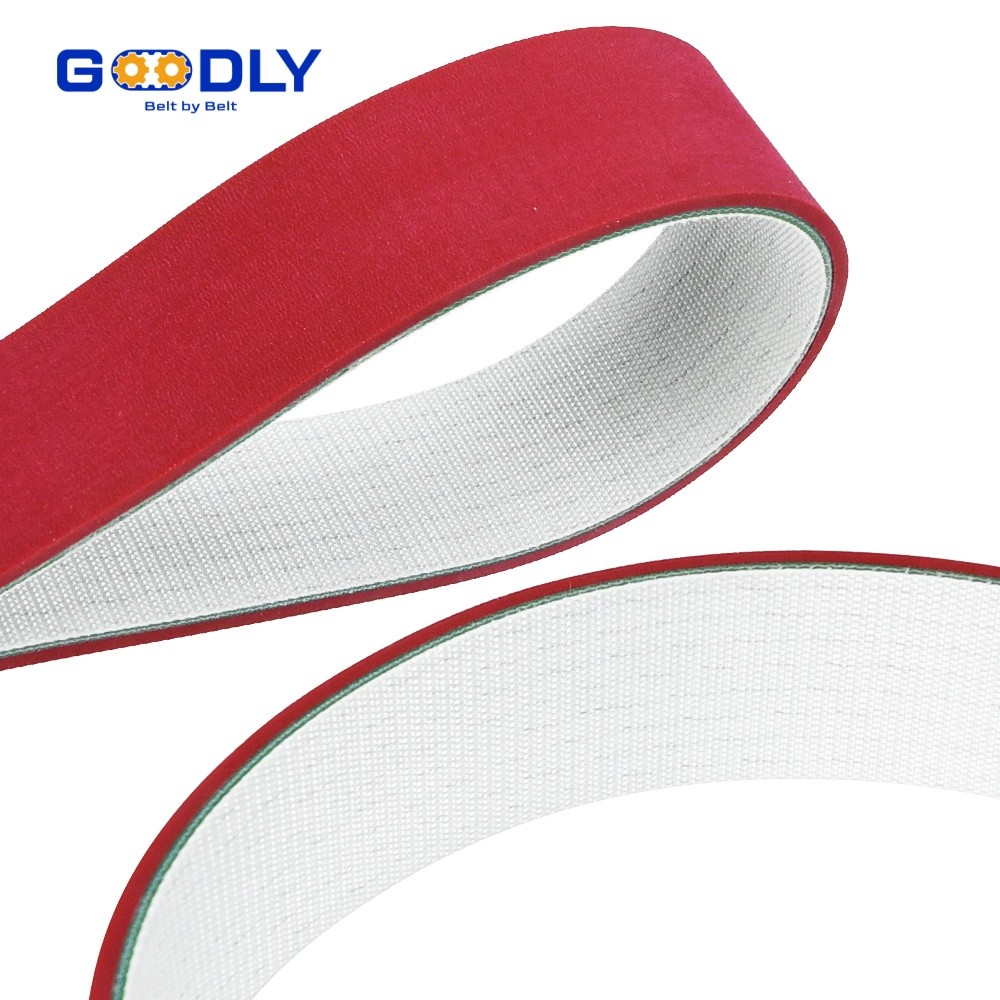 Rubber Conveyor Belt
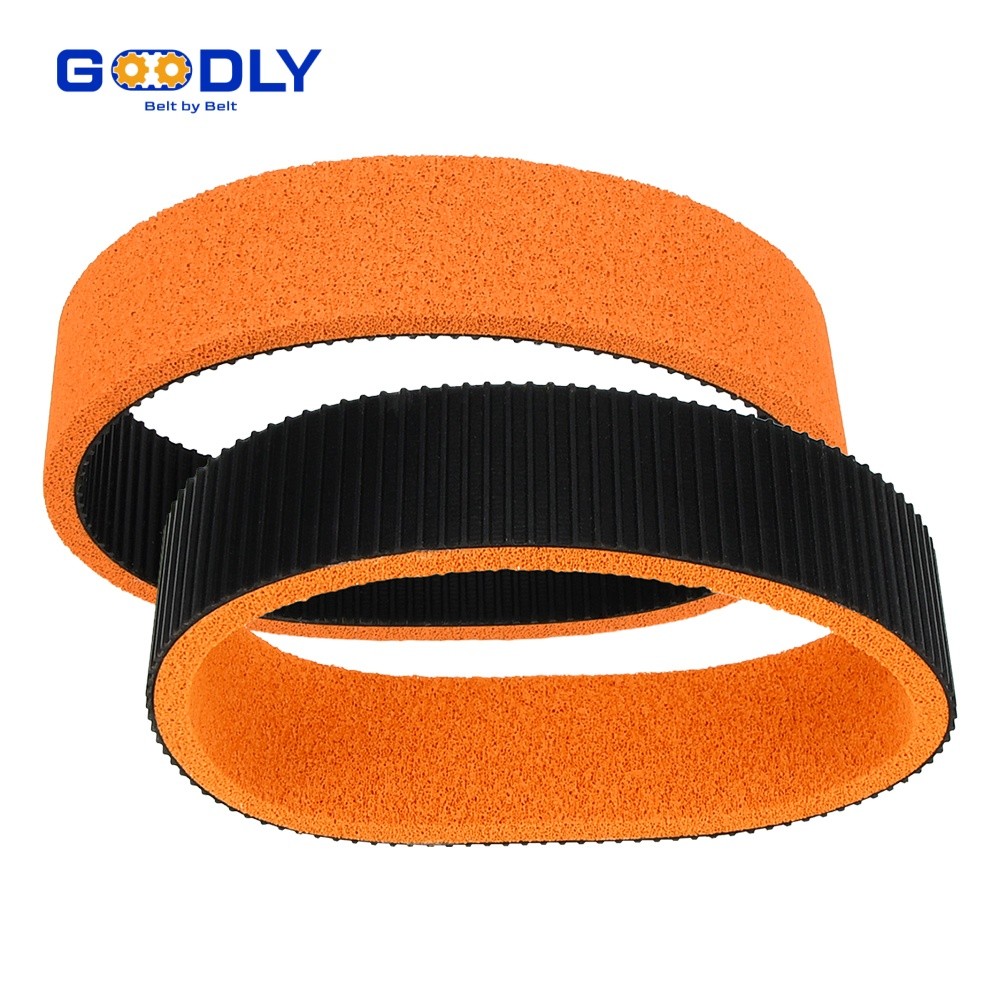 Sponge Conveyor Belt
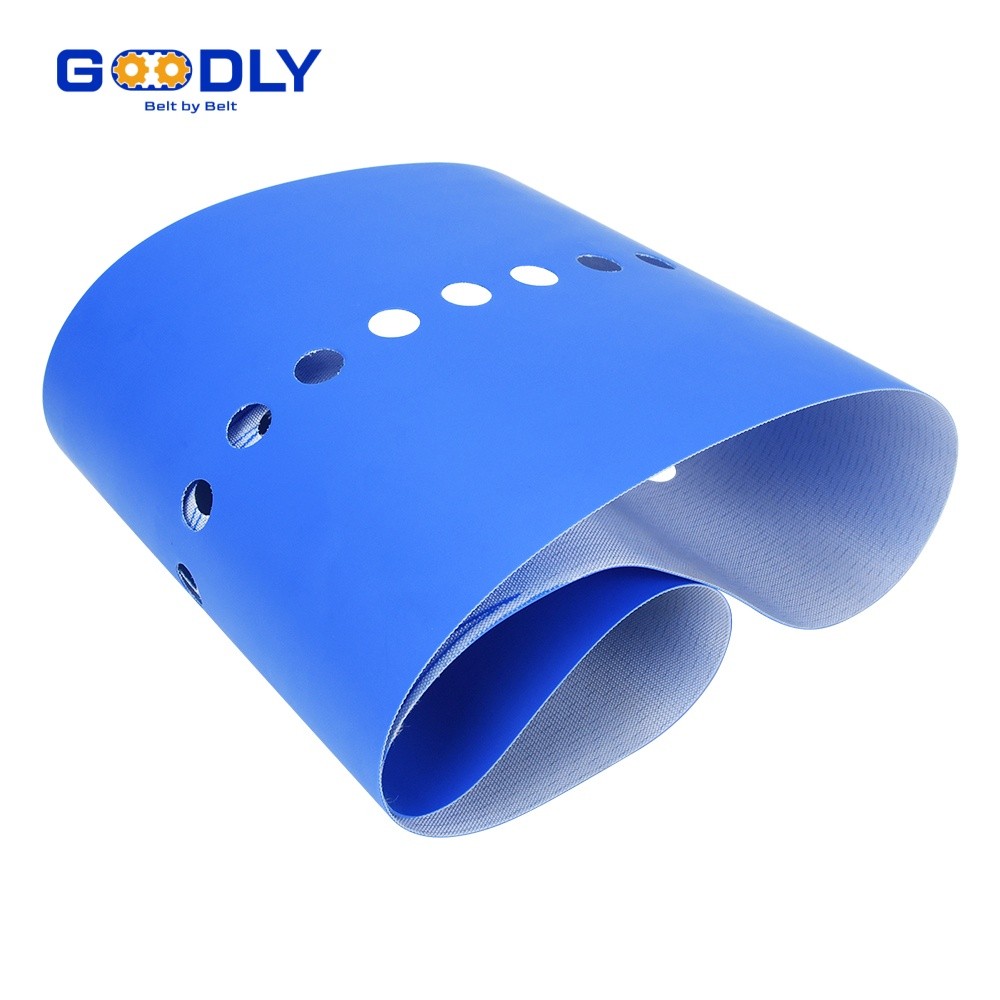 Conveyor Belts with Special Machining
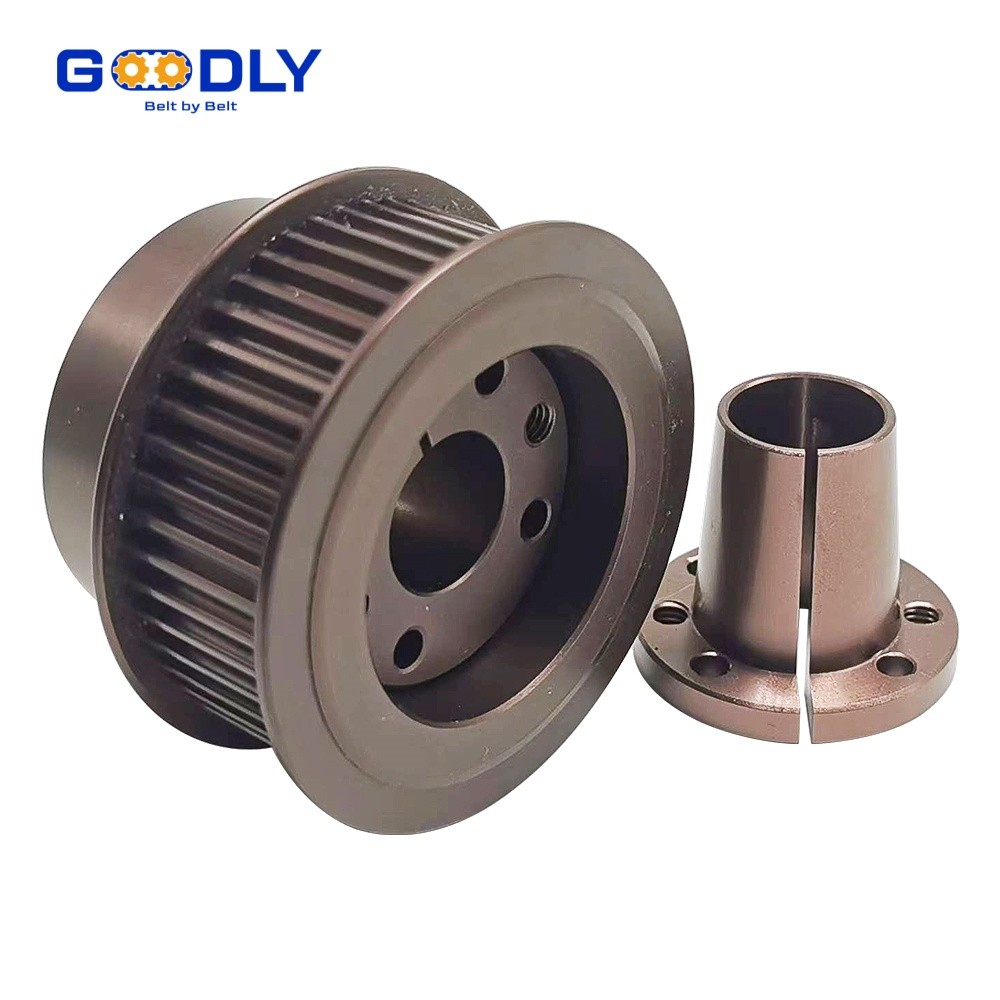 Timing Belt Pulley
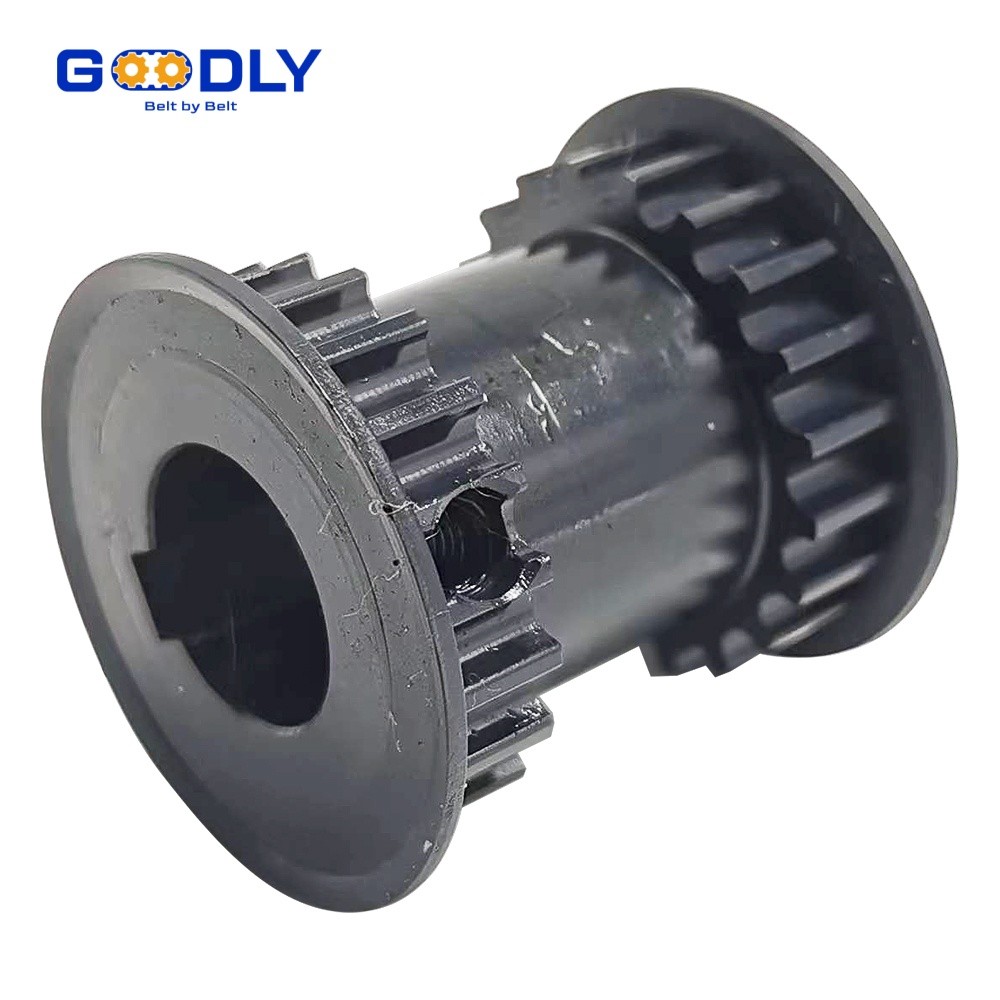 Rod-Shaped Synchronous Timing Pulley
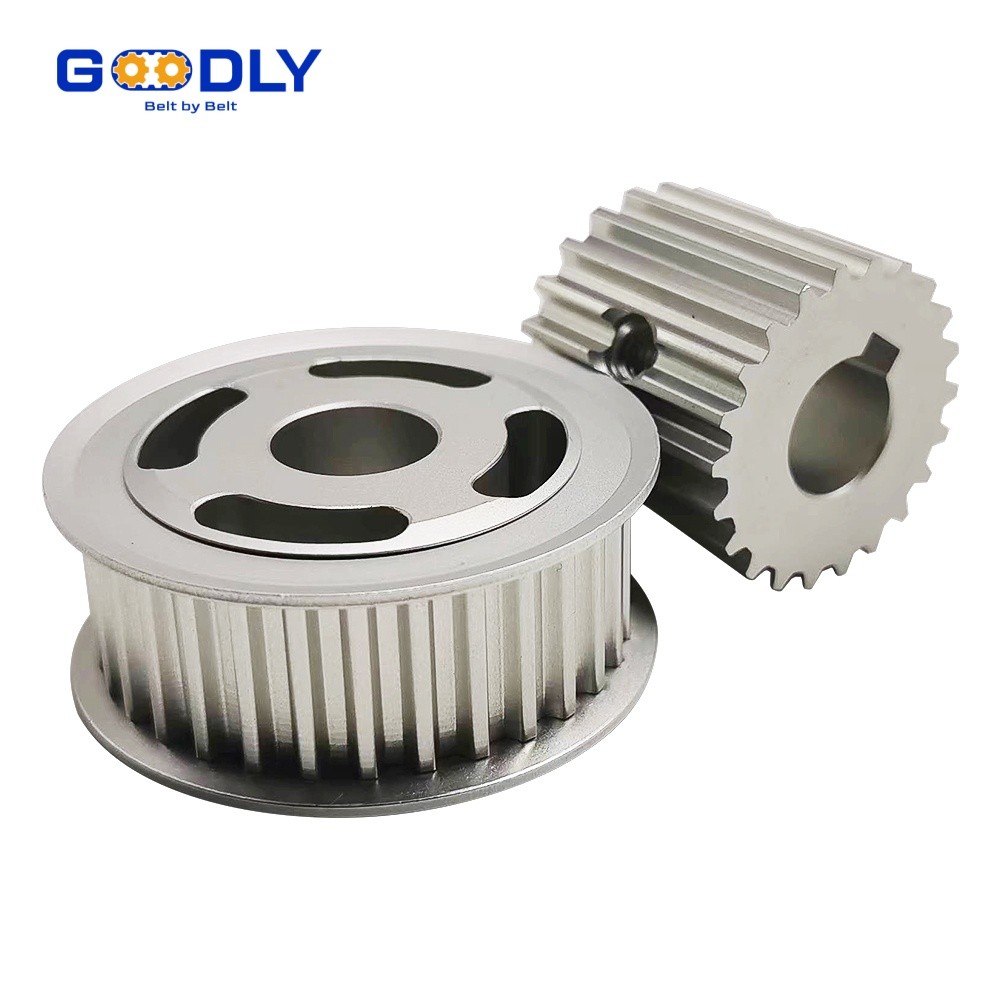 Surface-Pressure-Bearing Timing Pulley
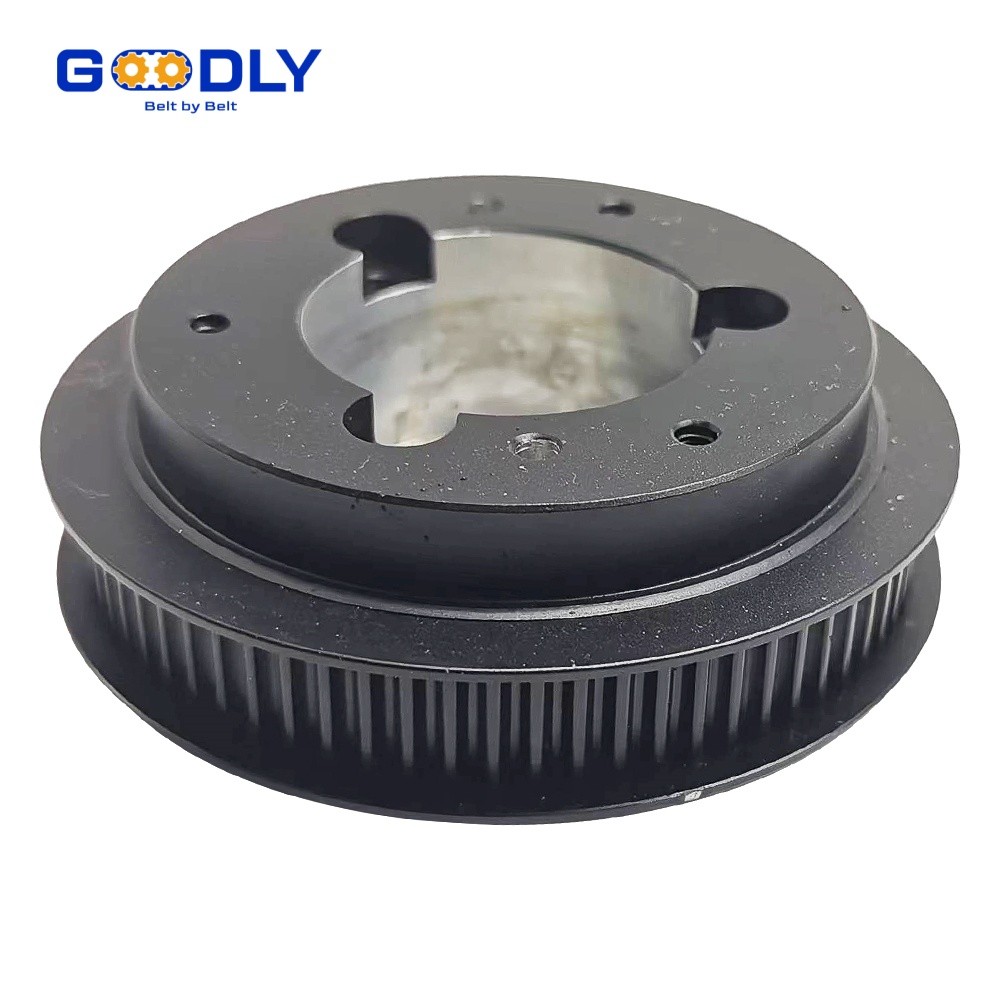 Serrated Idler Gear Timing Pulley
 Multi-Groove Belt
 V-Belt
 PU Round Belt
How many teeth should be in mesh on a timing pulley, and why does it matter?
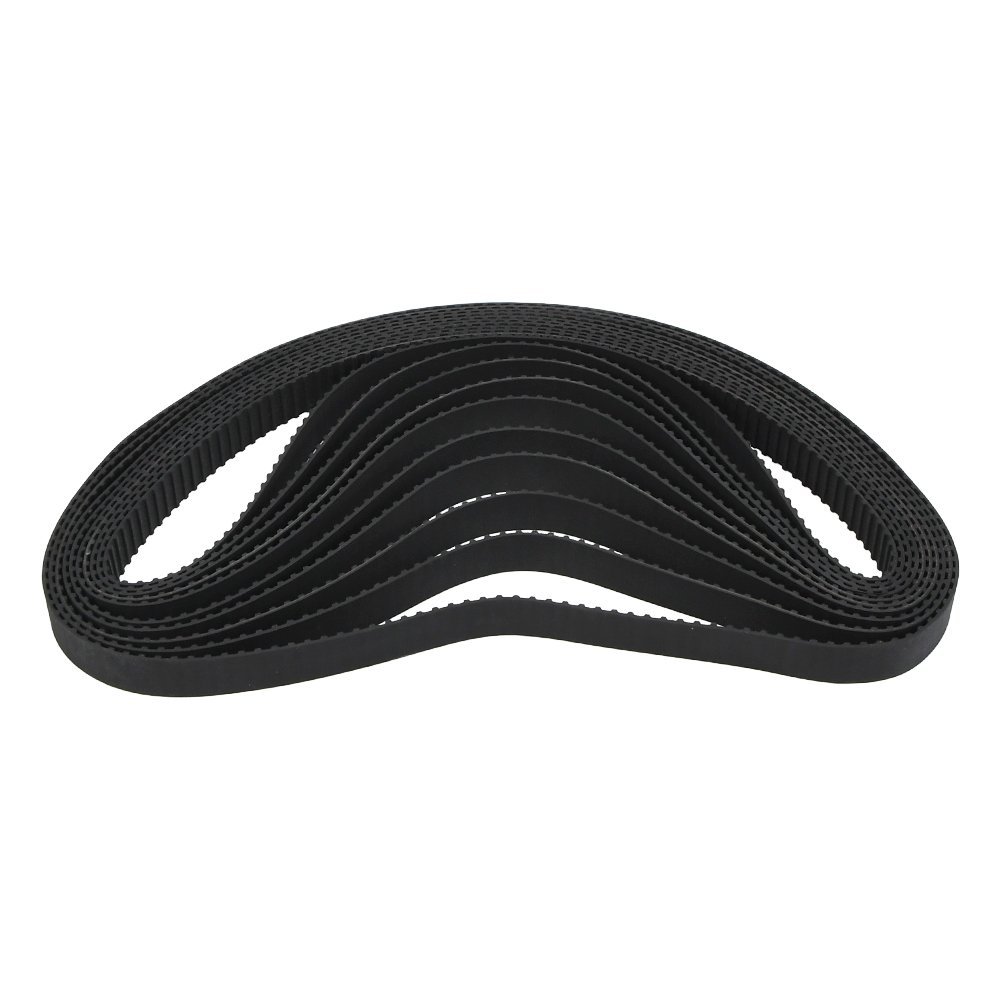
Direct answer: Aim for at least 6 teeth in mesh on the smaller pulley, and 8 to 12 where the drive is shock loaded, reversing or positioning. Teeth in mesh is simply the number of belt teeth engaged with the pulley at any moment. Below about 6, each engaged tooth carries a much larger share of the transmitted load, so the belt can ratchet on peak torque, tooth roots crack and the pulley teeth wear in a step pattern.
How to estimate the number of teeth in mesh
Drive design handbooks use an approximation based on the wrap angle of the small pulley: teeth in mesh is roughly the small pulley tooth count multiplied by 0.5 minus the difference in pulley diameters divided by six times the centre distance. Take a 24-tooth small pulley, a diameter difference of 80 mm and a 300 mm centre distance: the wrap term becomes 0.5 minus 80 divided by 1800, or about 0.456, which gives roughly 11 teeth in mesh. Equal pulleys give exactly half the tooth count, because the wrap is 180 degrees.
| Teeth in mesh | What it means | What to do |
|---|---|---|
| 12 or more | Comfortable wrap, full catalogue rating applies | Nothing, apart from normal tension checks |
| 8 to 11 | Normal for many compact drives | Confirm against the rating table for the pitch and width |
| 6 to 7 | Minimum zone, capacity is reduced | Widen the belt, increase centre distance or enlarge the small pulley |
| Under 6 | Not suitable for a loaded drive | Redesign the layout or add an inside idler on the slack side |
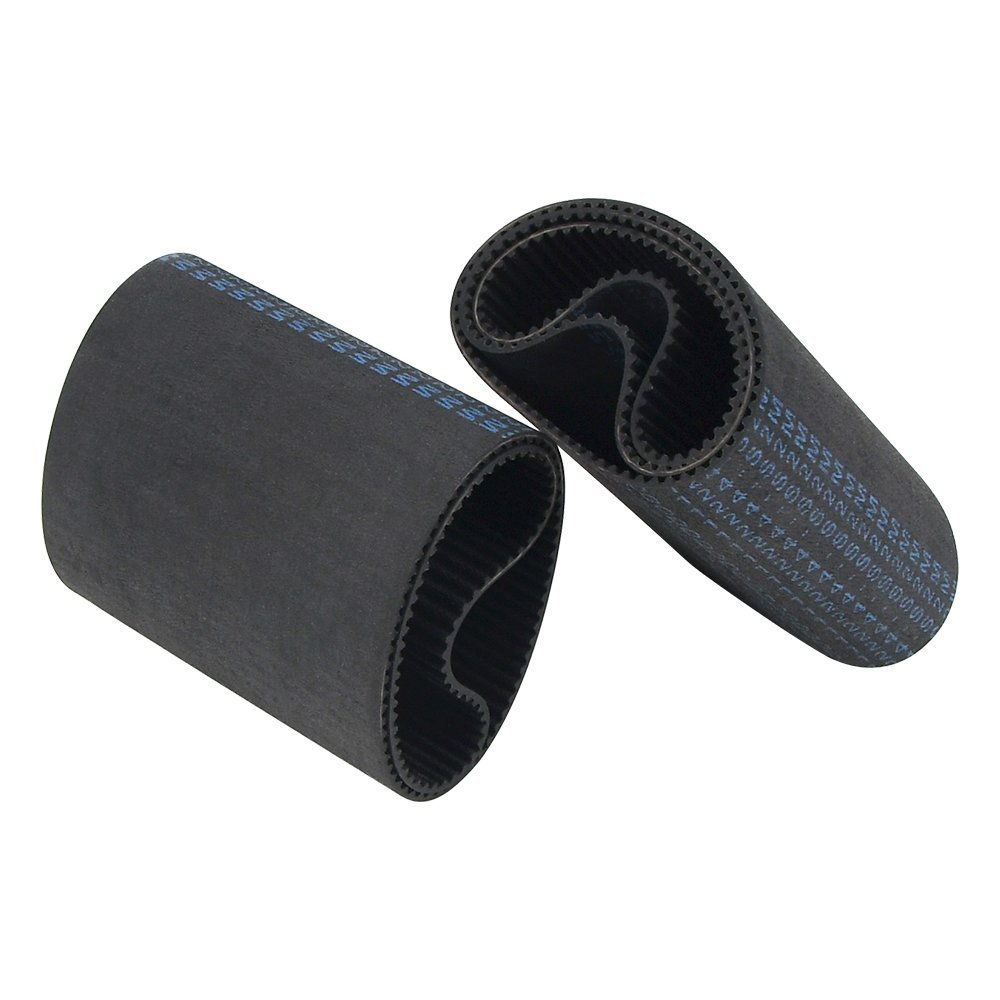
What changes the count on a real drive
- Speed ratio: the larger the ratio, the smaller the wrap on the small pulley and the fewer teeth in mesh.
- Centre distance: short centres relative to pulley size reduce wrap on the small pulley.
- Pulley size: a bigger small pulley adds teeth and also reduces bending stress in the belt.
- Idlers: an inside idler on the slack side increases wrap, while an outside idler reduces it and adds reverse bending.
- Belt length: on a fixed frame, changing belt length changes the centre distance and therefore the wrap.
Why the count matters more than the headline rating
Catalogue torque ratings assume a certain number of teeth in mesh. When a drive runs below that assumption, the same torque is shared by fewer teeth, so the shear load per tooth rises and the belt starts to skip on the first hard start. In practice this shows up as a belt that is correctly tensioned but still jumps a tooth under load, or as cracks at the tooth root on the driven side. Increasing width helps, but increasing wrap is usually the cheaper fix because it uses the teeth already there.
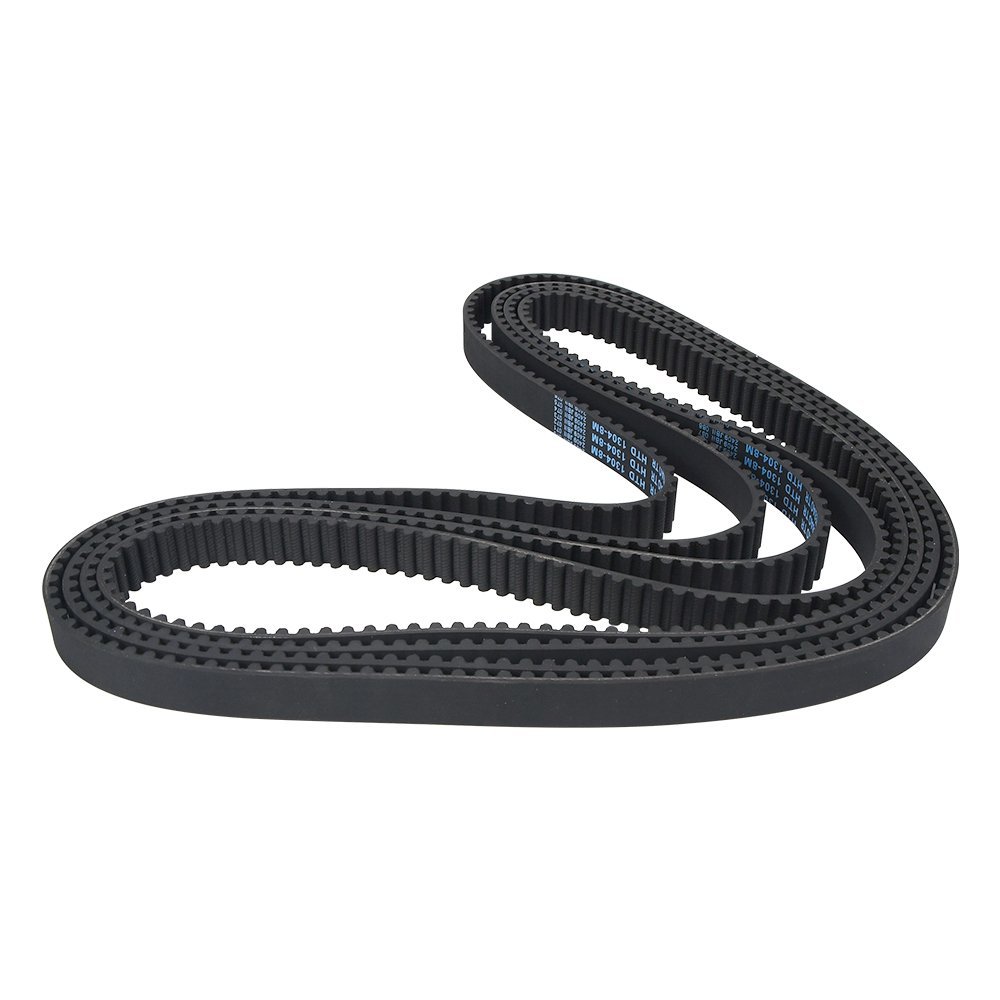
Practical ways to raise the count
- Lengthen the centre distance by one or two pitch increments where the frame allows.
- Fit a toothed idler inside the slack side to add wrap without changing the frame.
- Move up one pulley size on the small shaft, then re-check surface speed and the ratio.
- Use a wider belt of the same pitch before changing pitch, since pitch changes pulley diameters.
- Soften the start with a ramp or soft starter if the ratcheting only happens at start-up.
Check the wrap before you order
Send sales@goodlybelts.com the small and large pulley tooth counts, the centre distance and the peak torque. We will estimate the teeth in mesh, flag whether the drive is inside the rating and quote the belt width or pulley size that fixes it.
Ask for a mesh check
Are you looking for a reliable manufacturer of conveyor belt products?
We can quickly provide customers with market analysis, technical support and customized services.- Name
- Phone
- *Title
- *Content