
We manufacture and customize industrial
motion belts to precisely match mainstream
equipment worldwide.
 Rubber Timing Belt
 PU Timing Belt
 Silicone Timing Belt
 Silicone Vulcanized Timing Belt
 Vulcanized Timing Belt
 Sponge Timing Belt
 Timing Belts with Special Machining
 Rubber Flat Belt
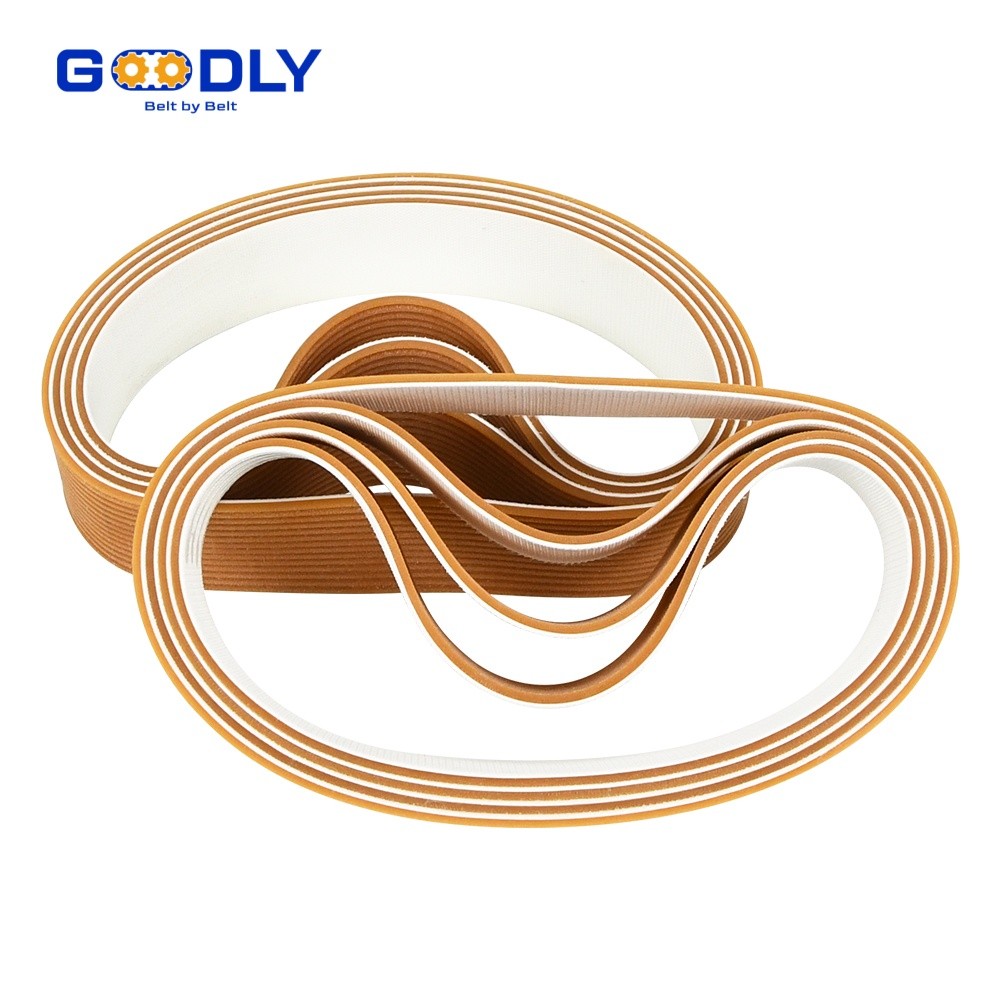 PU Flat Belt
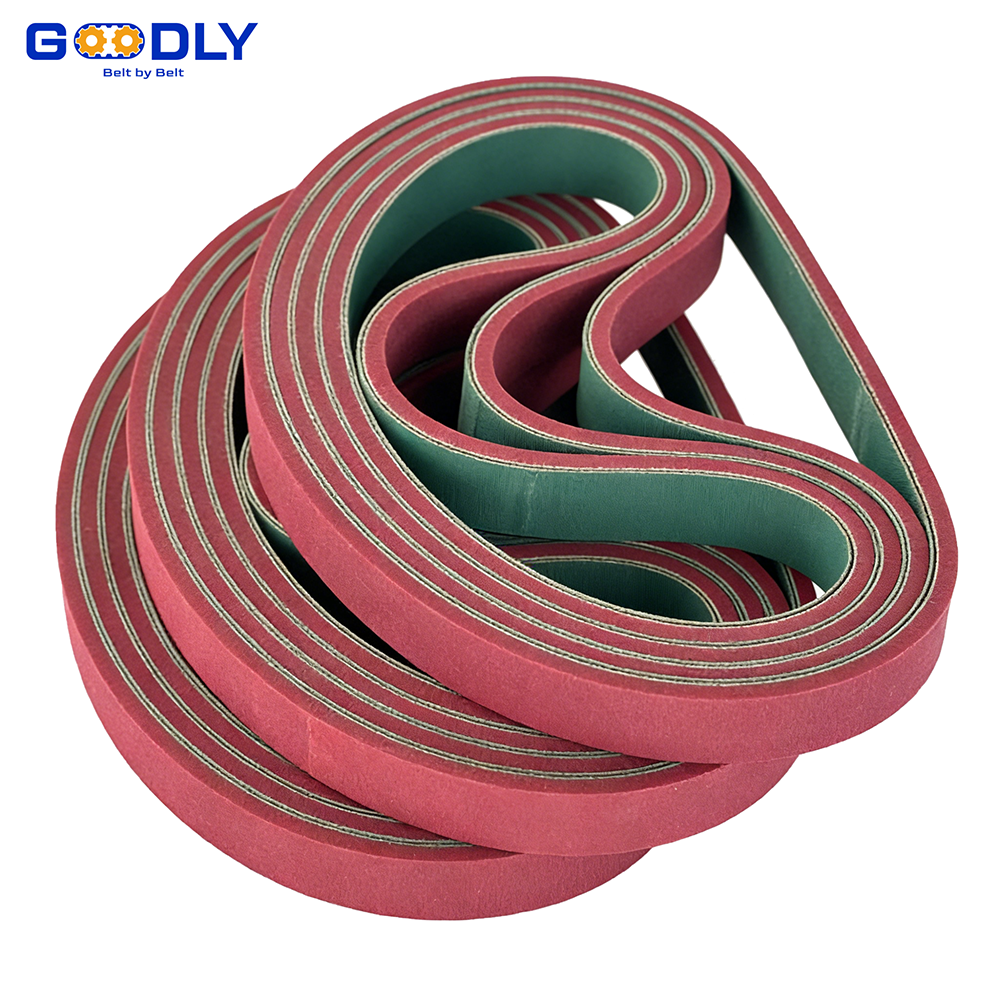 Nylon Flat Belt
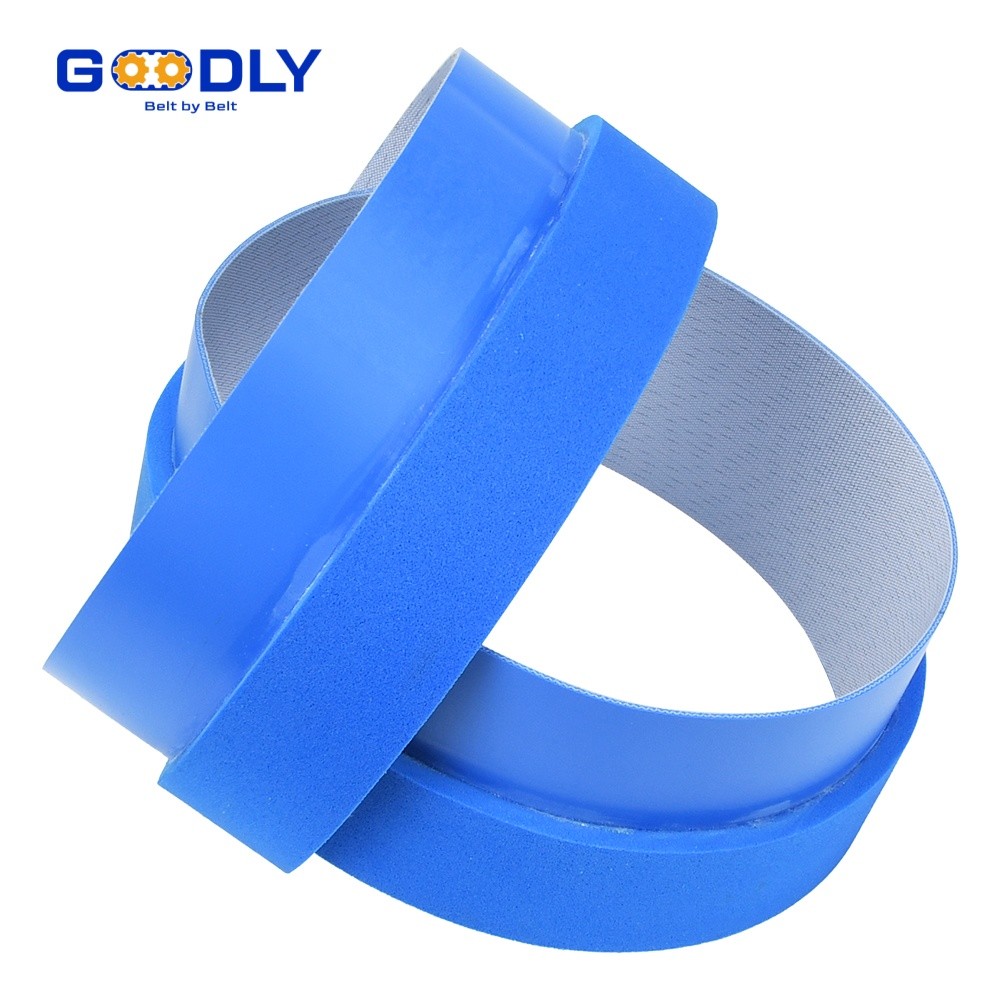 Foam Flat Belt
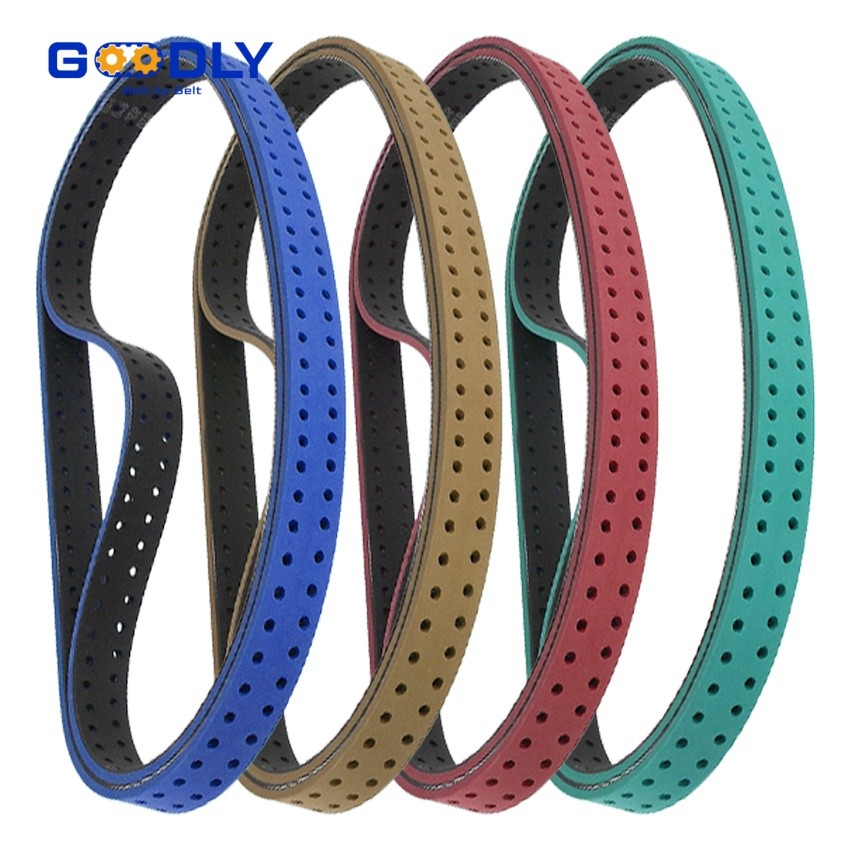 Vulcanized Flat Belt
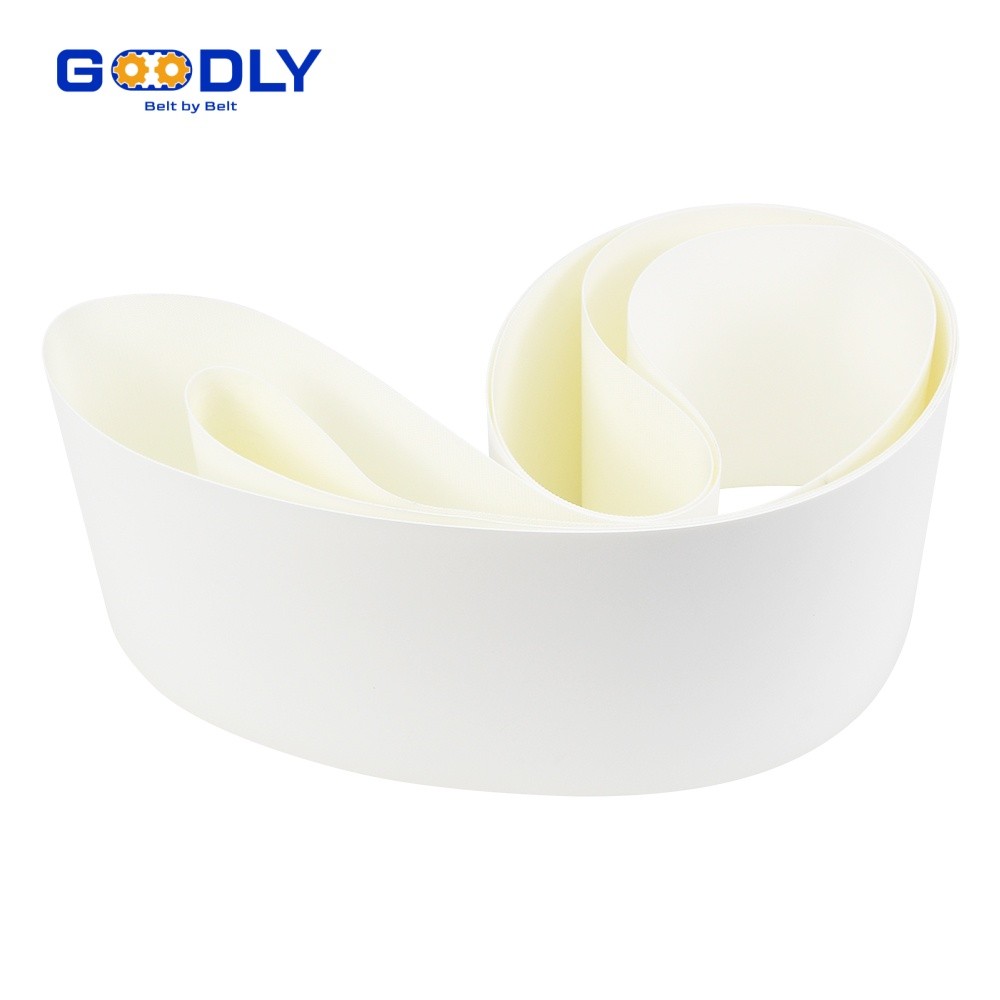 PU Conveyor Belt
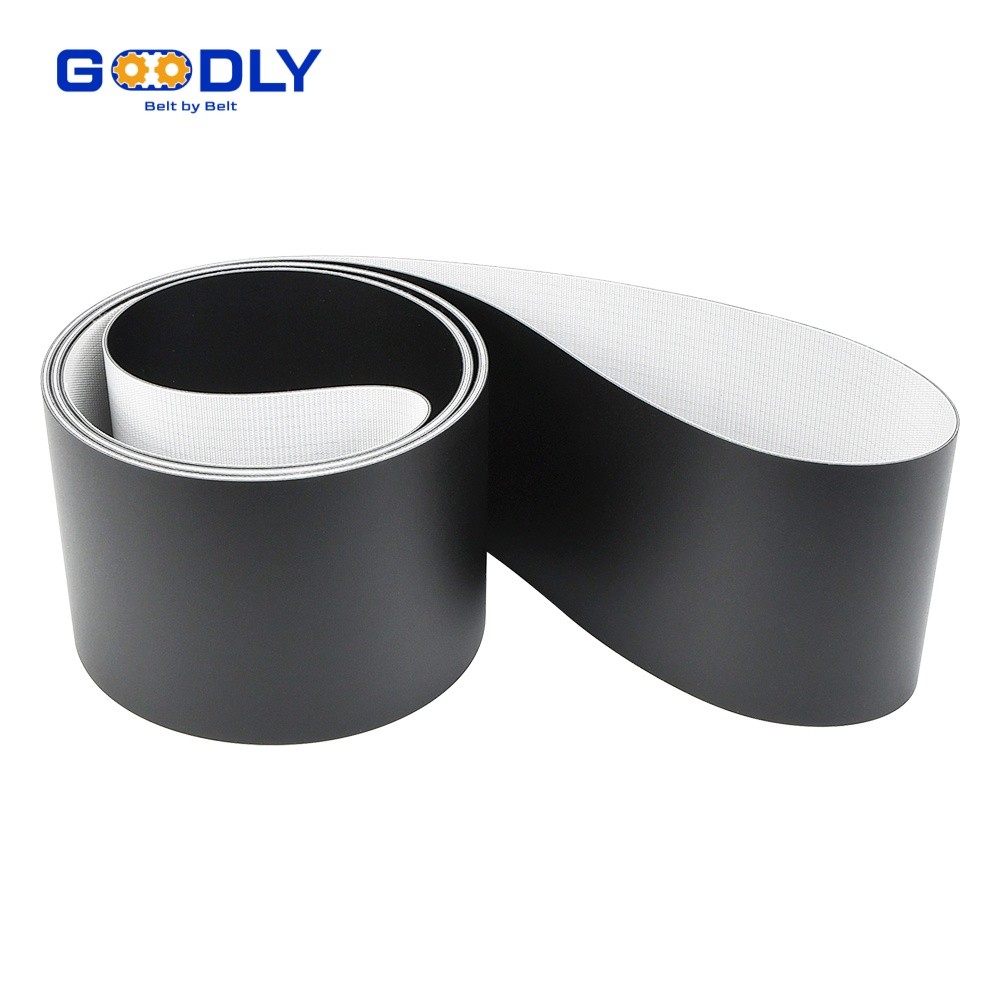 PVC Conveyor Belt
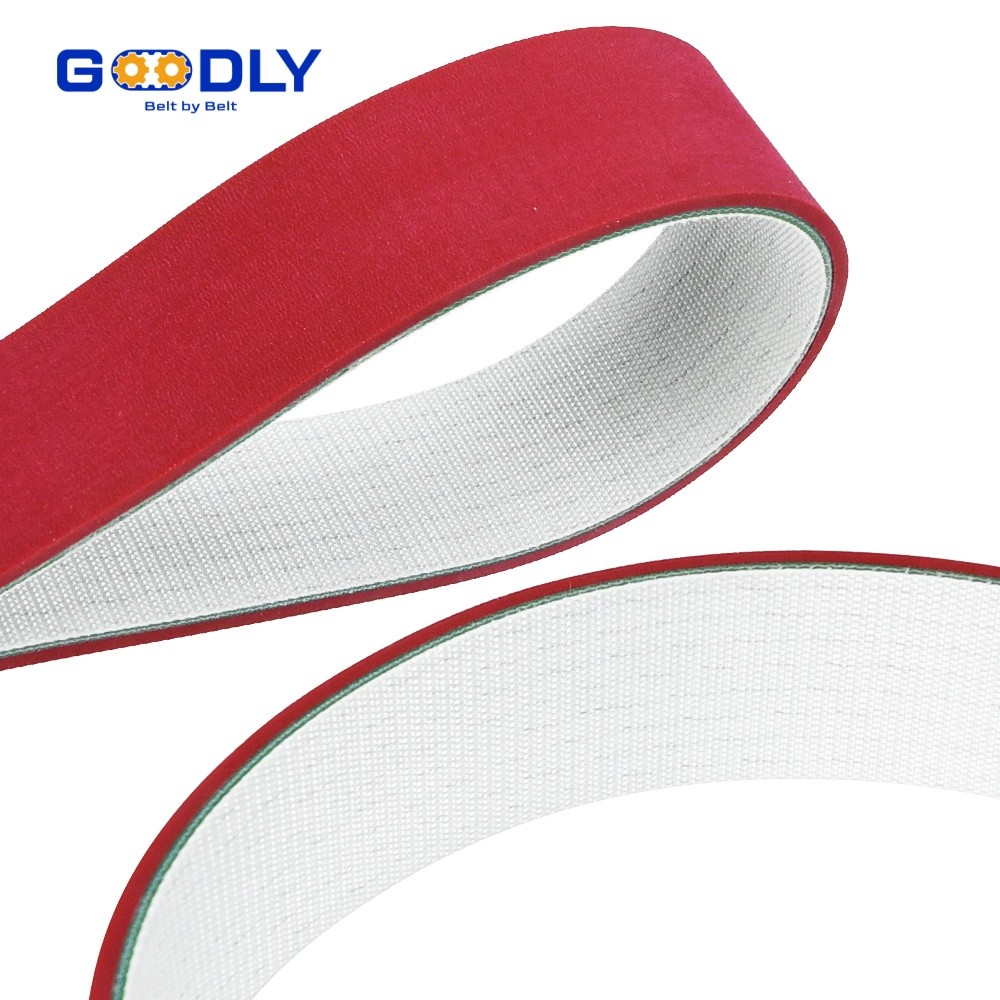 Rubber Conveyor Belt
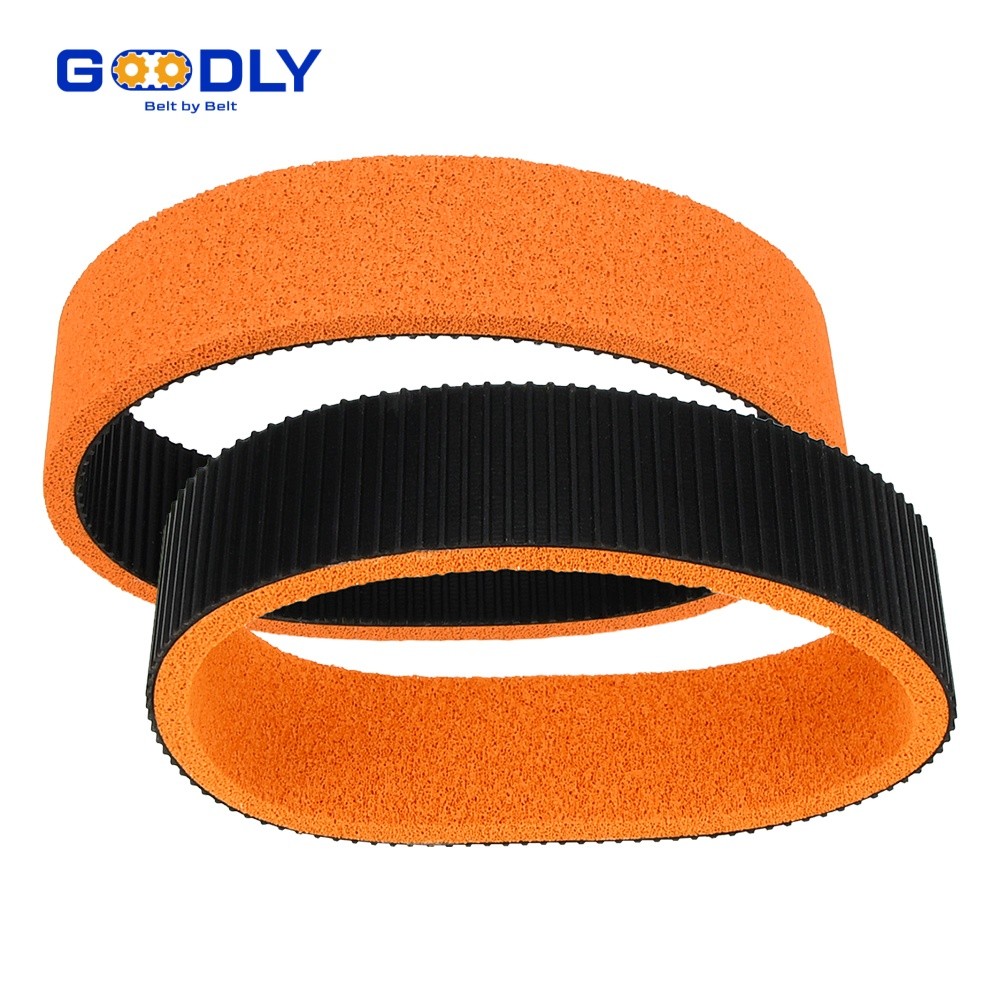 Sponge Conveyor Belt
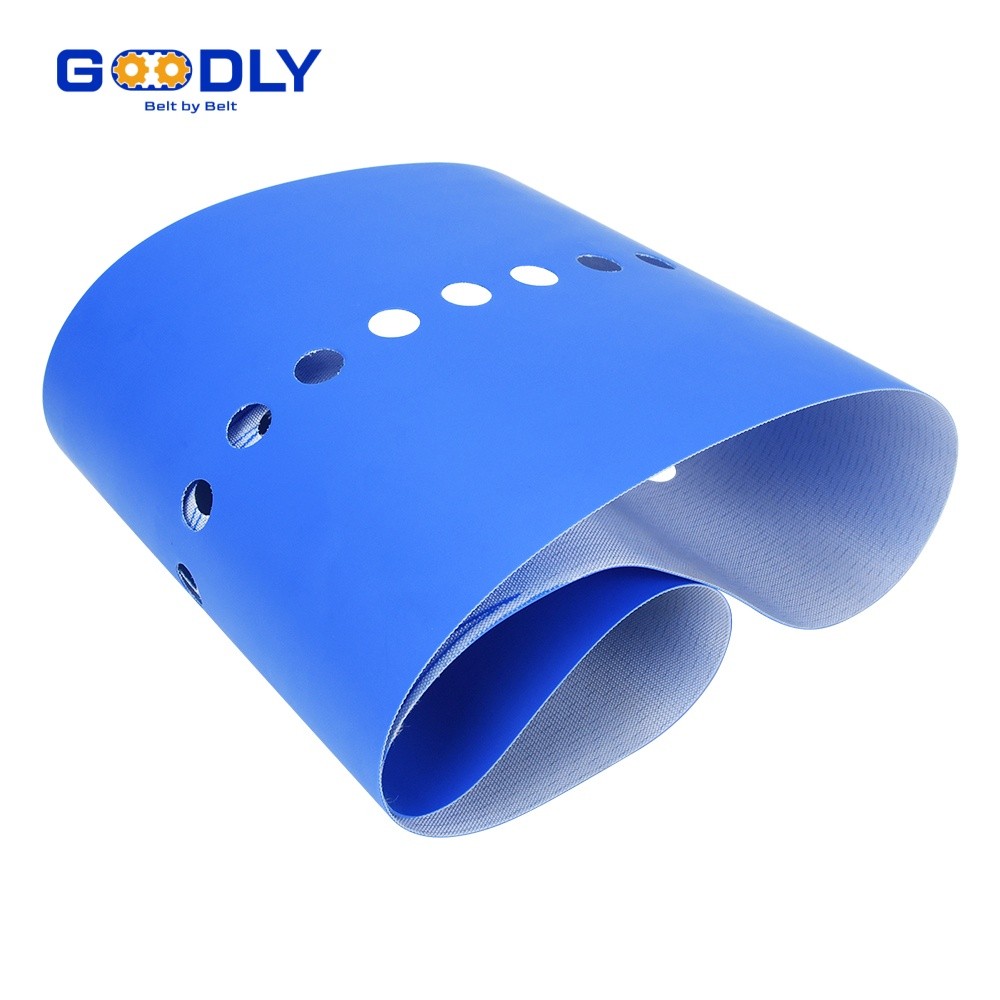 Conveyor Belts with Special Machining
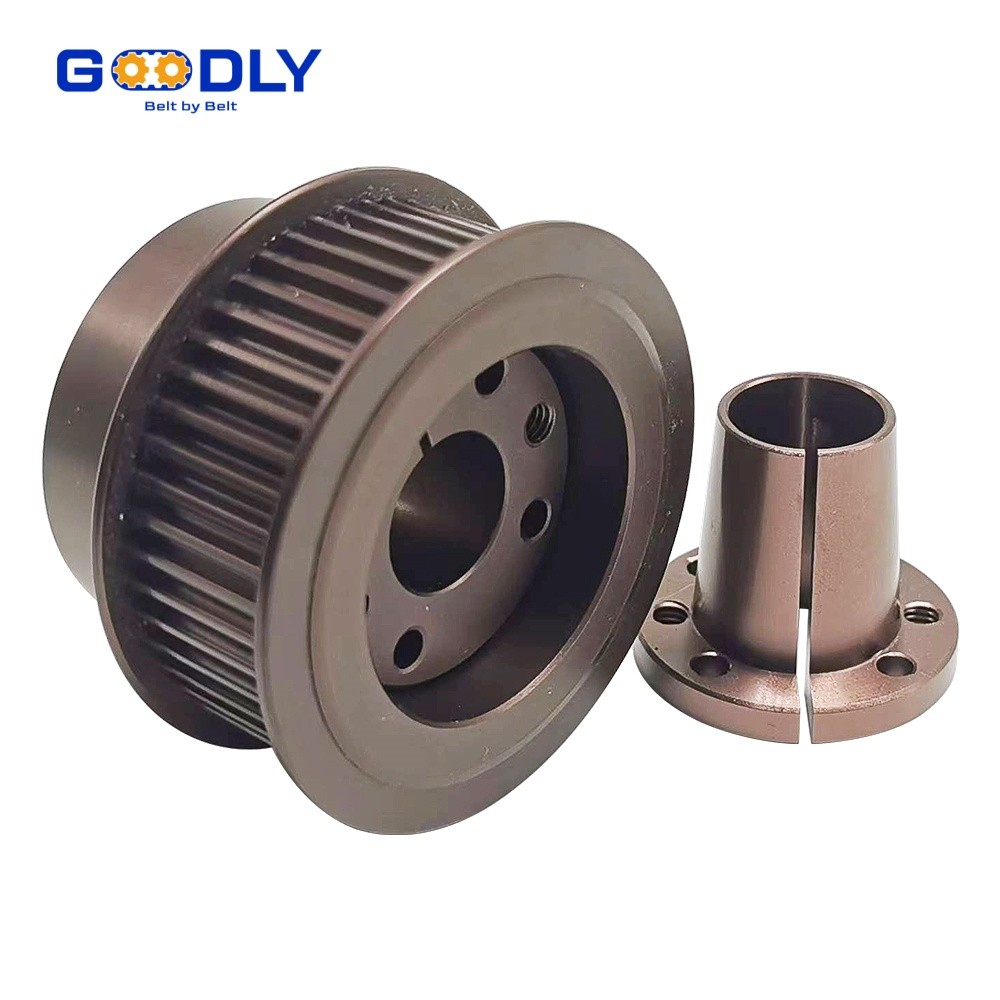 Timing Belt Pulley
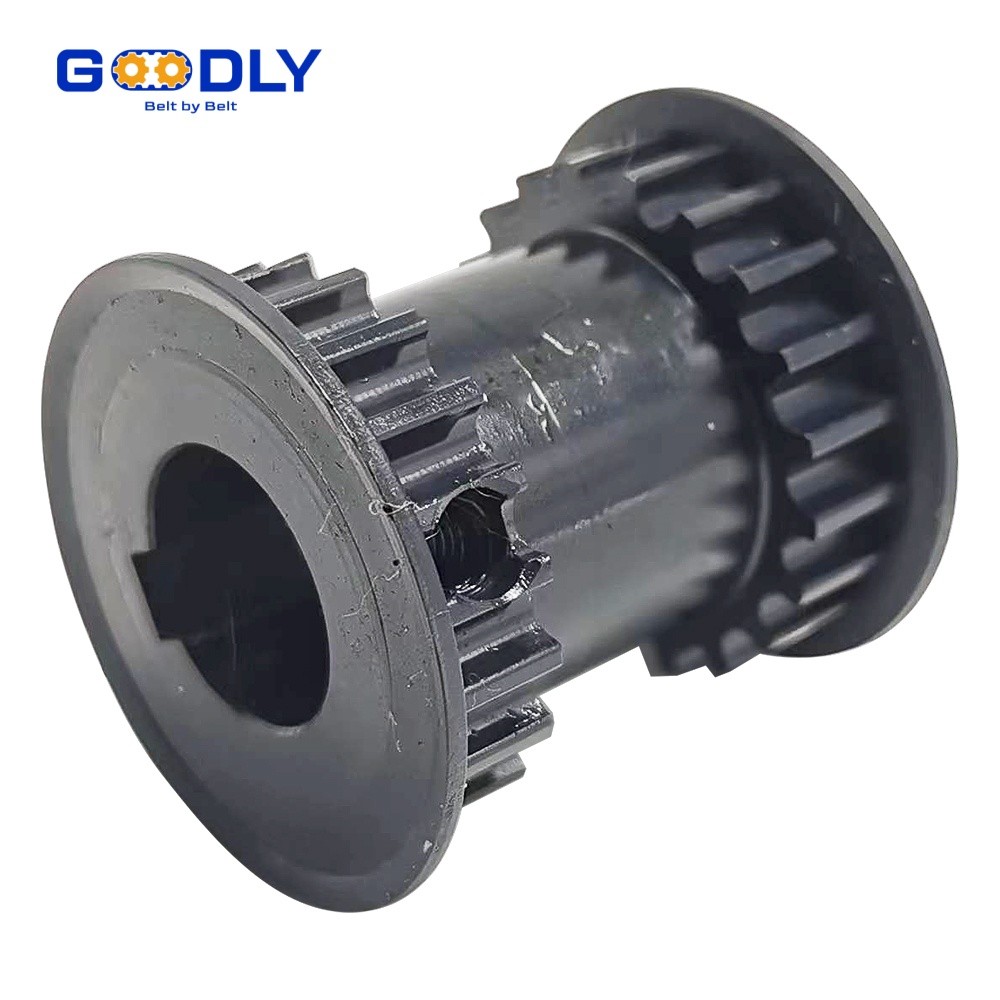 Rod-Shaped Synchronous Timing Pulley
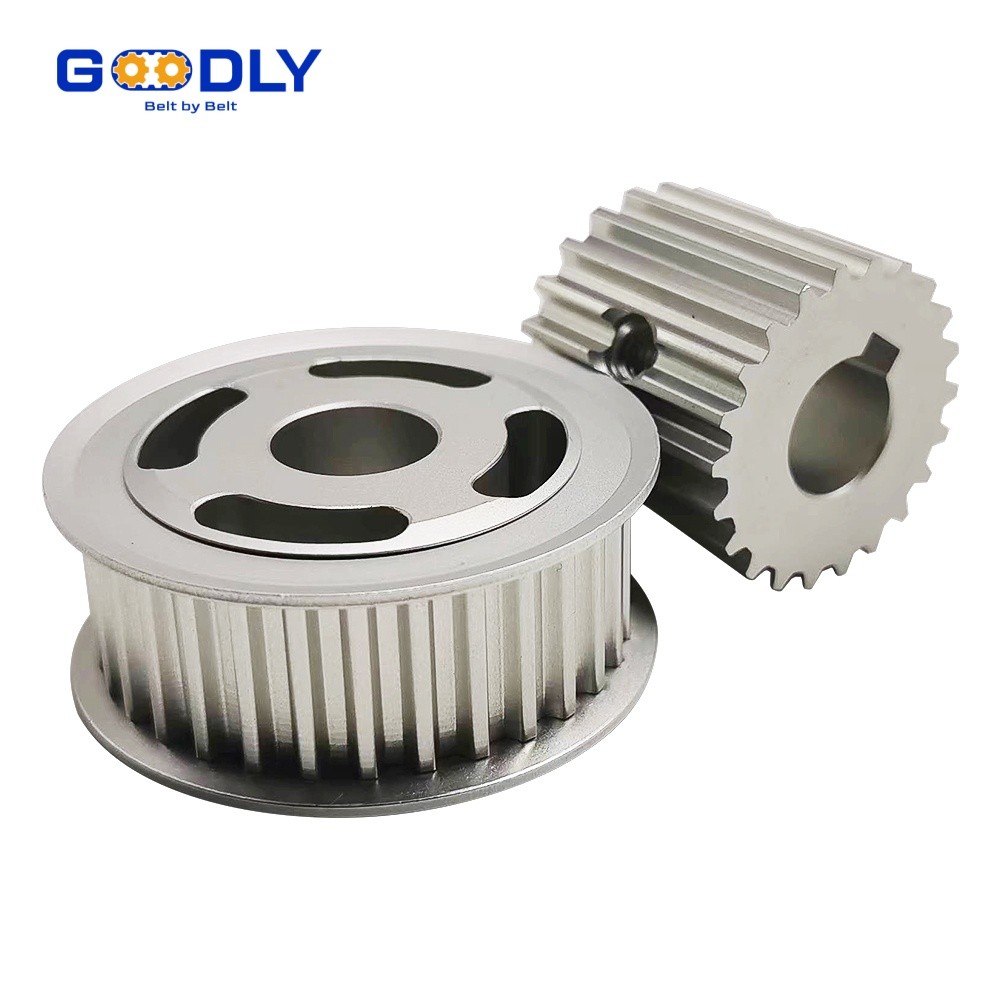 Surface-Pressure-Bearing Timing Pulley
 Serrated Idler Gear Timing Pulley
 Multi-Groove Belt
 V-Belt
 PU Round Belt
Home / All / Customized timing belt / Ground-tooth or moulded timing belt: when is grinding worth it?
Ground-tooth or moulded timing belt: when is grinding worth it?
Direct answer: Every timing belt starts moulded. Grinding is the extra step that machines the tooth flanks after moulding, removing mould variation and leaving a consistent, accurate profile. Ground belts engage pulleys more smoothly, run quieter and position more precisely. If your drive is a general power transmission duty, a well-made moulded belt is usually enough; if it positions, runs fast, or needs low noise, grinding is worth the small extra cost.
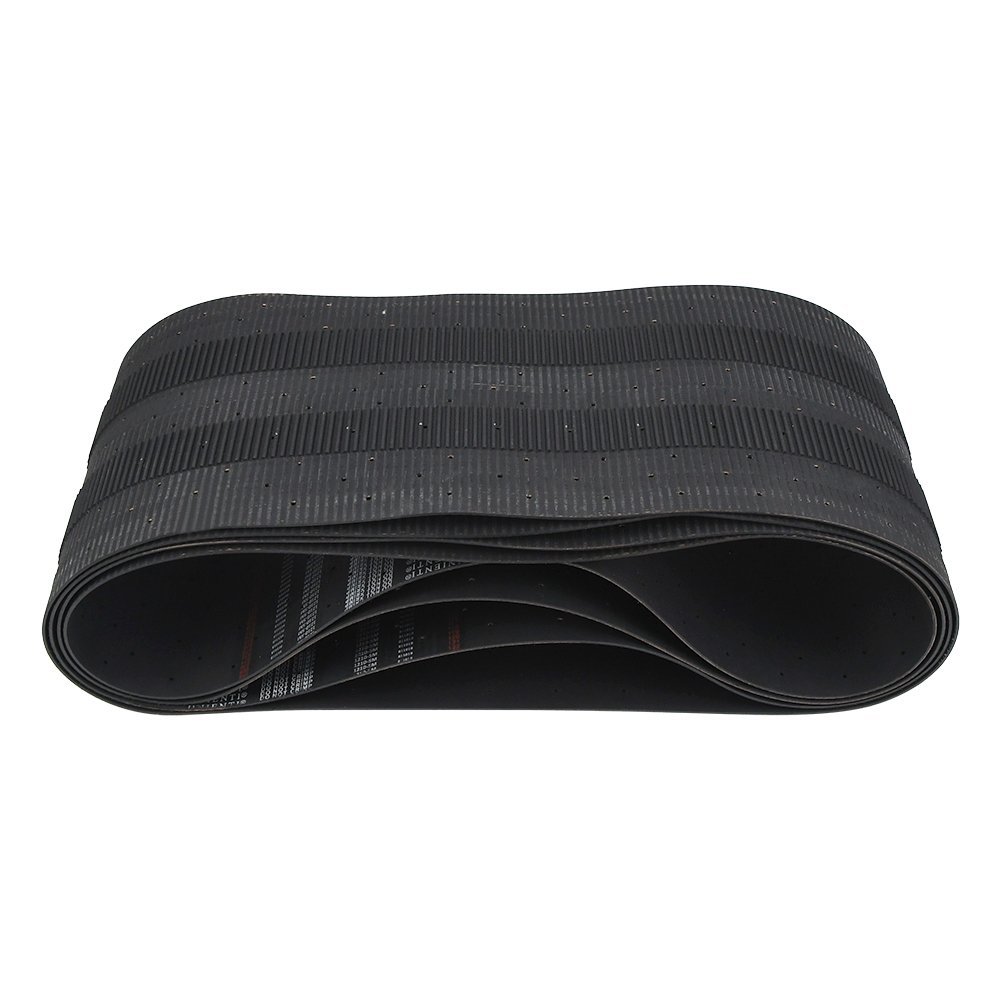
Moulded versus ground, side by side
| Aspect | Moulded belt | Ground belt |
|---|---|---|
| Tooth profile accuracy | Matches the mould tool; varies slightly with tool wear and process | Machined to a consistent profile after moulding |
| Running smoothness | Good for general drives | Smoother engagement, less tooth tapping on entry |
| Noise | Standard for the pitch and load | Usually quieter, especially at higher speed |
| Positioning consistency | Adequate for conveying and simple timing | Preferred for indexing and positioning axes |
| Cost and lead time | Lower, no extra step | Small extra cost, one more process step |
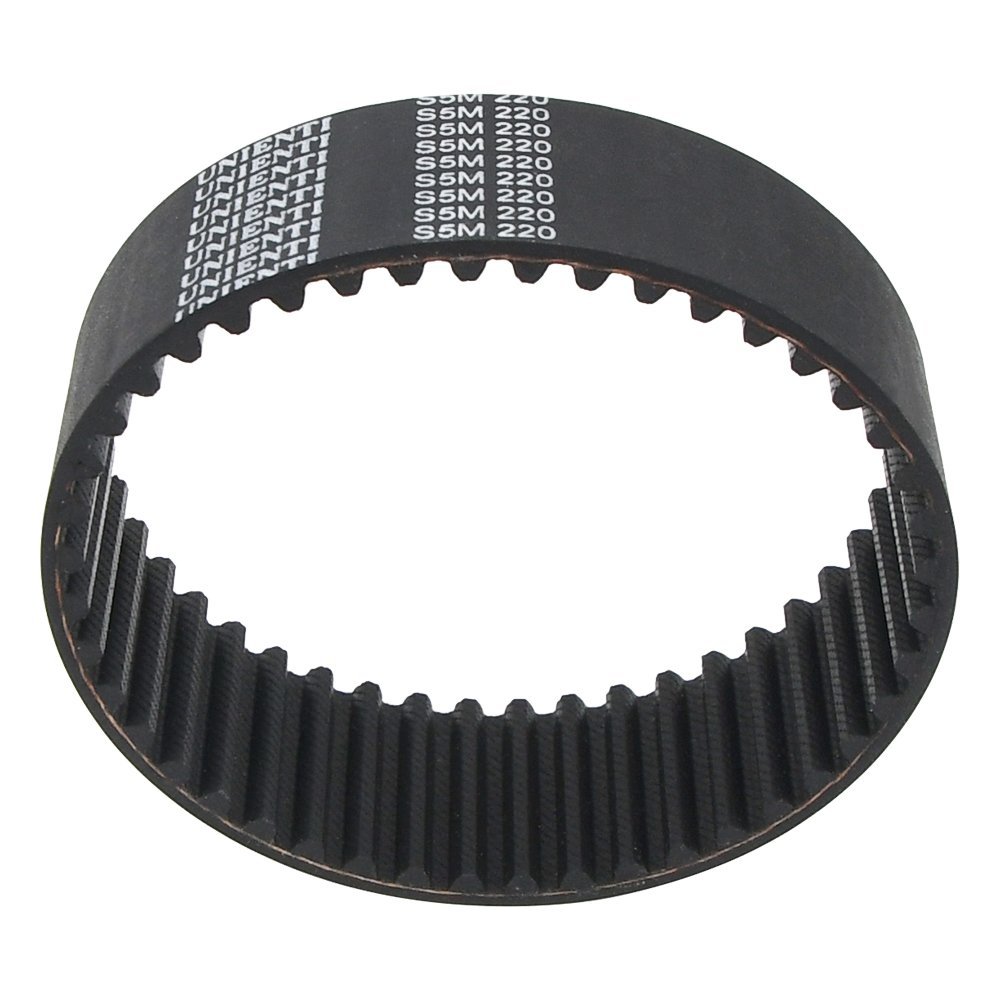
When grinding pays off
- Positioning and indexing drives, where repeatable tooth engagement matters more than belt price.
- Higher-speed drives, where small mould irregularities become audible tapping and vibration.
- Wide belts, where grinding keeps the profile consistent across the whole width instead of relying on the mould alone.
- Noisy applications in clean or people-facing environments, where a quieter belt solves a complaint rather than a fault.
- Drives where you previously replaced a moulded belt with a ground one and measured the difference in smoothness or accuracy.
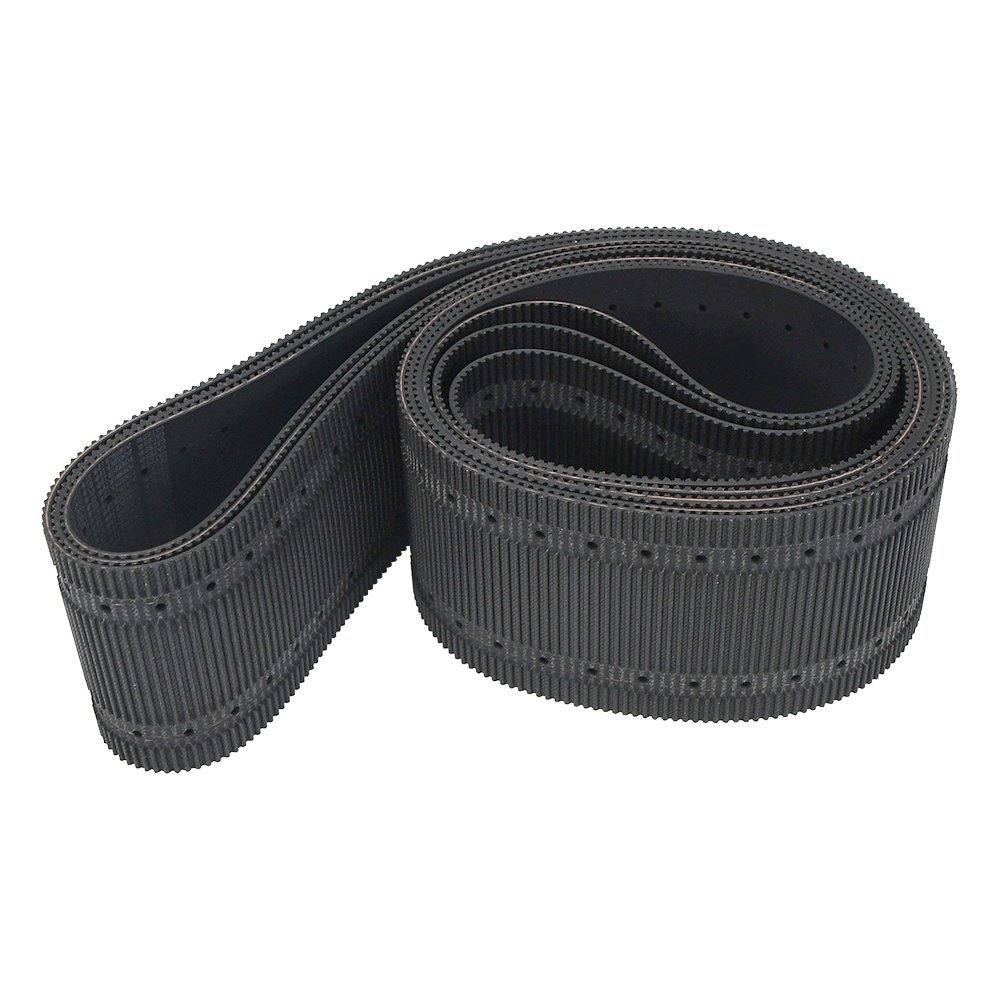
What to tell us when ordering
- The duty: power transmission, conveying, or positioning. This decides whether we recommend ground or moulded.
- Speed and load data, so the recommendation reflects how hard the belt works, not just its size.
- The pulley condition. Grinding cannot compensate for worn pulley grooves; if the pulleys are worn, that is the first fix.
- Any combined processing you need, since grinding, punching, covering and marking can all be planned in one route.
Grinding improves profile consistency and running character; it does not change the belt pitch system or its strength. Choose it for quality of engagement, not for a higher rating.
Not sure which construction fits?
Email sales@goodlybelts.com with the belt model or dimensions, the duty and speed, and whether noise or positioning is a concern. We will recommend moulded or ground, explain why, and quote both if it is close.
Ask for a construction recommendation
Are you looking for a reliable manufacturer of conveyor belt products?
We can quickly provide customers with market analysis, technical support and customized services.We manufacture and customize industrial
motion belts to precisely match mainstream
equipment worldwide.
Please send your message to us
- Name
- Phone
- *Title
- *Content